Interior Design
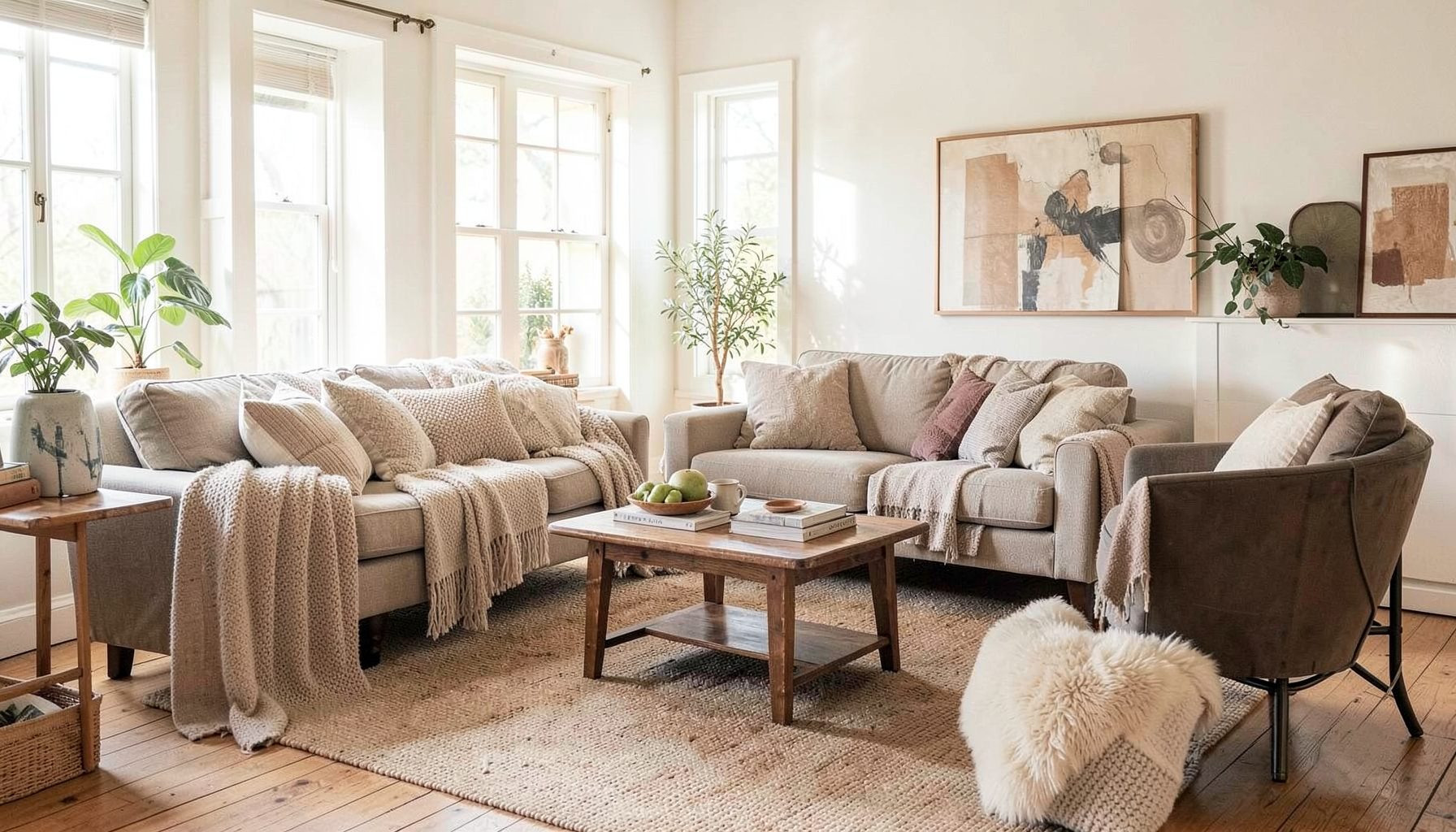
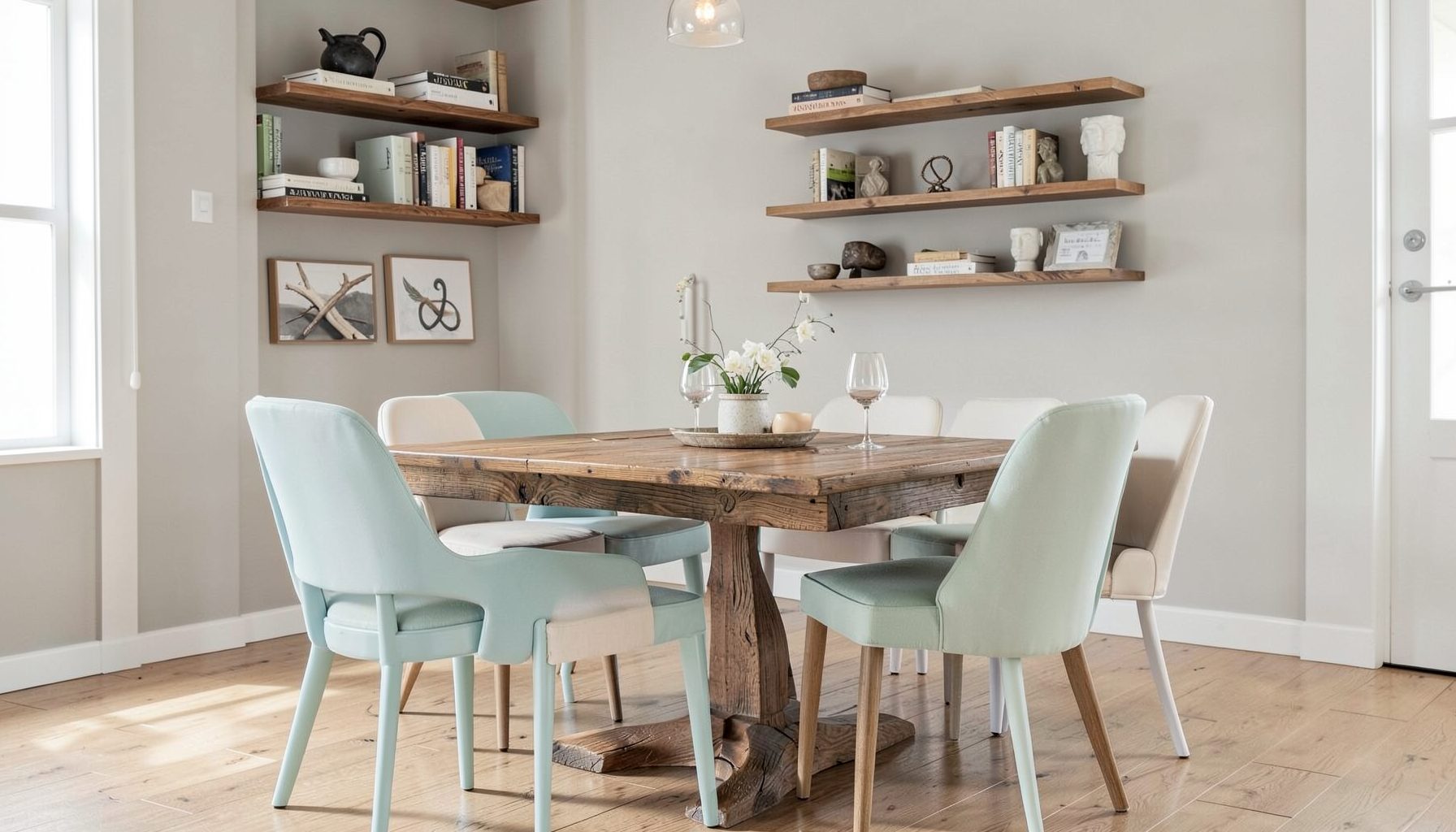
Full-service decorating that blends high and low, vintage finds with modern pieces for spaces that feel personal and collected.
Learn More
DIY Projects
Step-by-step tutorials for refinishing furniture, sewing pillows, styling bookshelves, and transforming rooms on a budget.
Learn More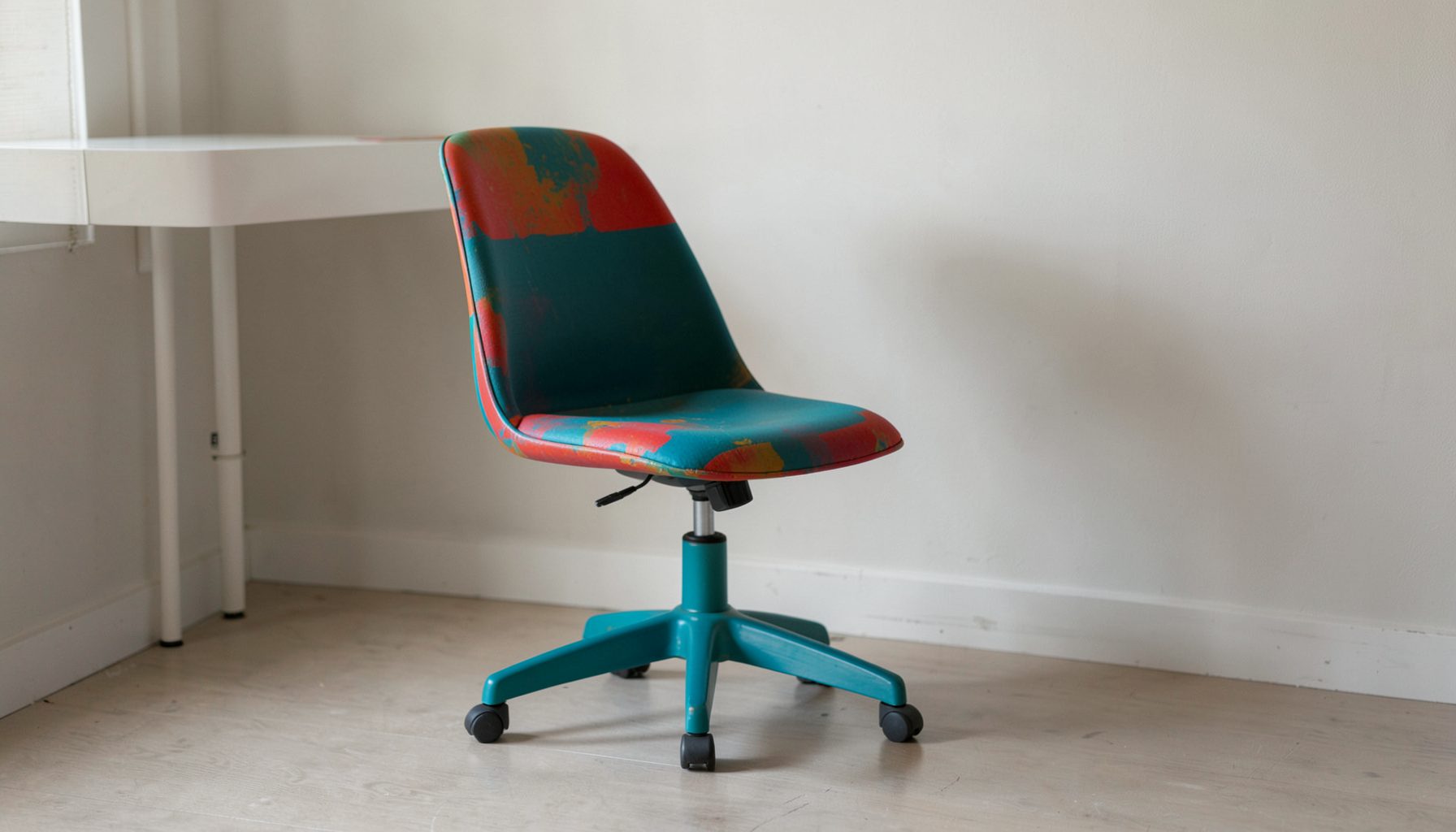
E-Decorating
Personalized design guidance delivered online — perfect for clients anywhere in the world who want a professional eye.
Learn More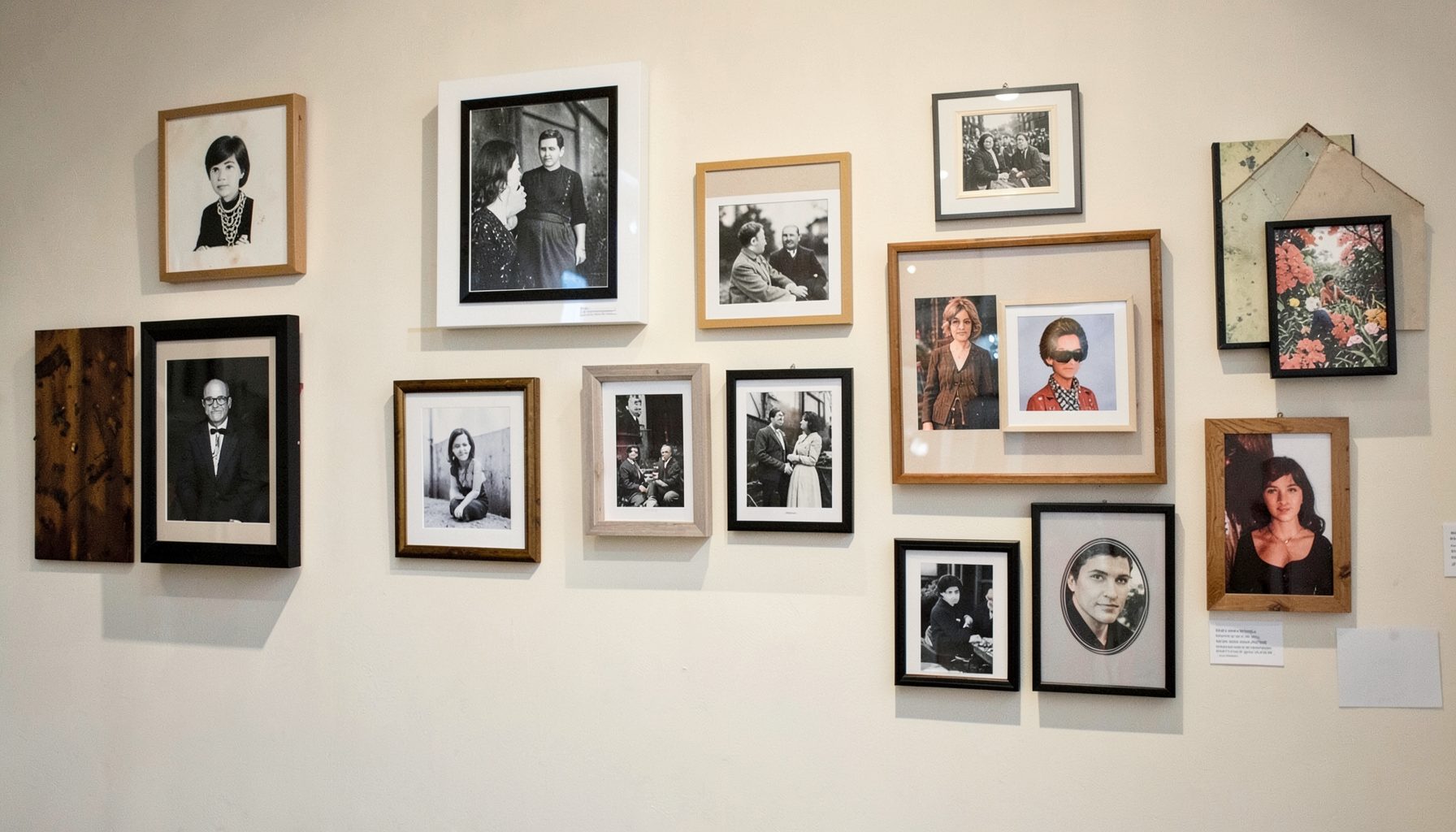
Portfolio
Browse completed room makeovers, before-and-after transformations, and styling projects from Bay Area homes.
Learn More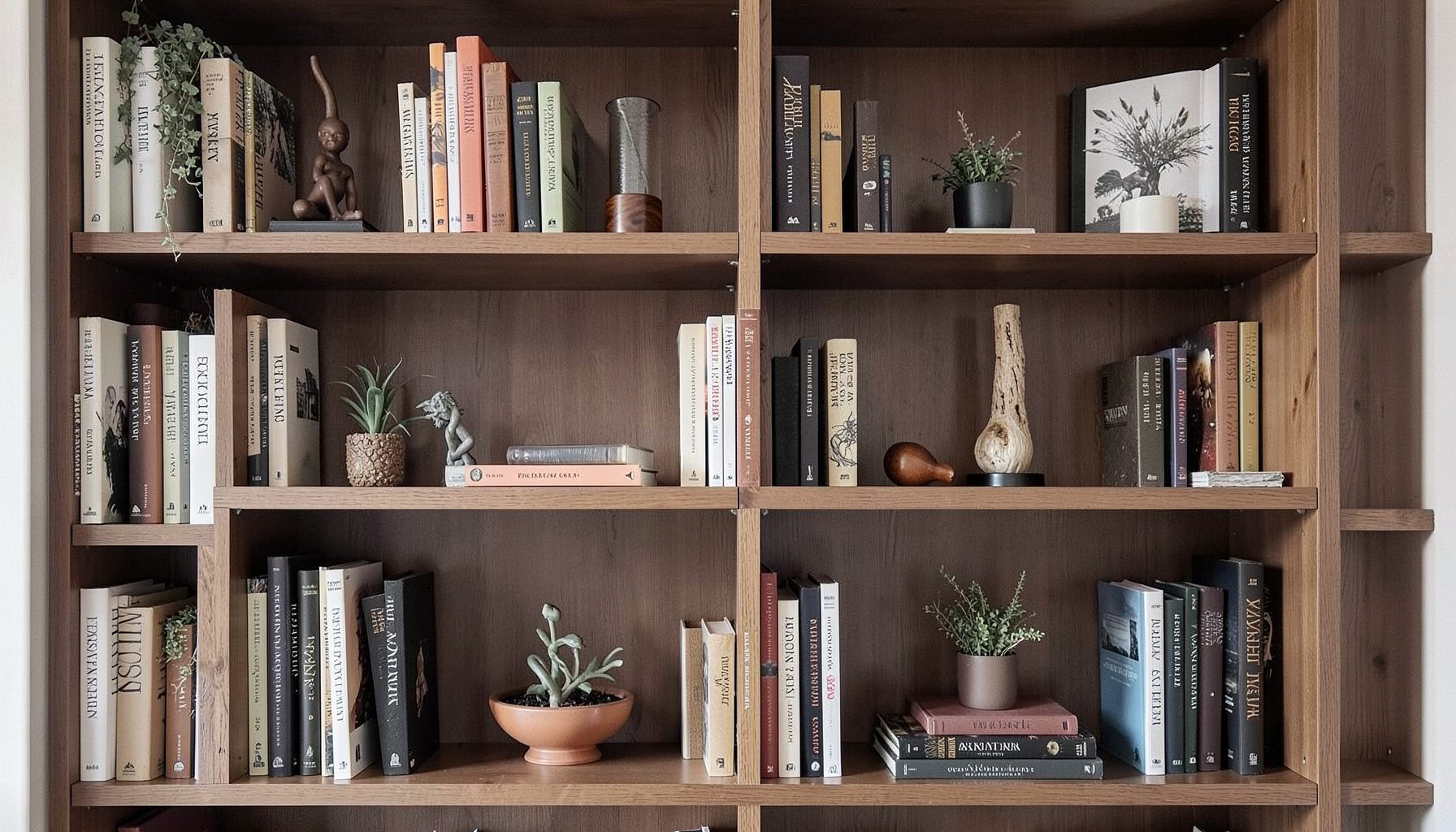
Blog
Interior design inspiration, fashion finds, entertaining ideas, and peeks into real home renovations and styling projects.
Learn More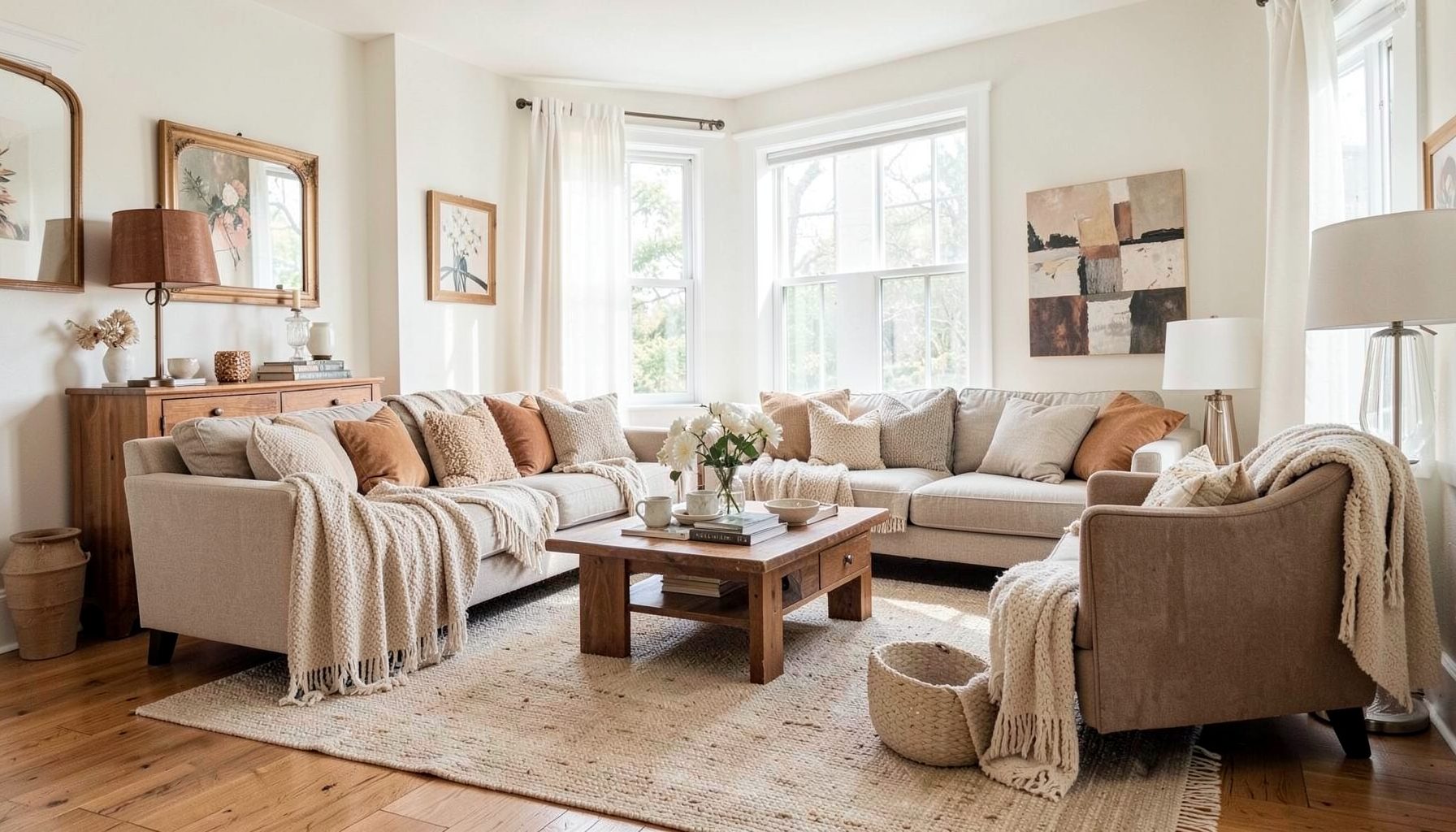
Downloads
Free curated resources for home decorating and design — guides, checklists, and inspiration to help you get started.
Learn MoreHow to use mirrors to make a dark hallway feel brighter
Long, narrow corridors are a familiar feature in many Australian homes, from the Victorian terraces of inner Sydney to the weatherboard Queenslanders stretching through Brisbane's western suburbs. Hallways in these houses often sit in the middle of the floor plan, with little access to natural daylight and walls that feel heavy once dark timber or deep paint colours are added. The result is a passage that reads more like a tunnel than a transition between rooms, and one that drags down the mood of the entire home.
Entryways in particular carry a lot of weight. In Australian real estate listings, a "light-filled entry" is repeatedly praised as a selling point, and visitors form an opinion of a house within the first few seconds of stepping inside. A dim corridor can make an otherwise beautifully decorated home feel closed in, while a bright one signals care, warmth and a sense of welcome that lingers through every other room.
Mirrors offer one of the simplest and most affordable ways to lift a gloomy hallway, bouncing what little light is available back into the space. They can also visually widen a narrow passage, give the eye somewhere interesting to rest, and provide a last-minute check before heading out the door. A well-chosen piece feels like both a practical tool and a piece of artwork, which is why designers reach for them again and again.
The approach below combines light theory, scale considerations and styling tips tailored to Australian homes, climate and design sensibilities. Each step builds on the last, so even a single, well-placed mirror can transform a forgotten corridor into one of the most admired features of the house.
How light moves through a narrow space
Mirrors work because they redirect light rather than create it, so understanding where the existing light comes from is the first step. In Australian homes, hallways often catch a sliver of sun from a stairwell window, a glazed front door or a borrowed window from a living room. Identifying these weak sources, even if they only operate for a few hours a day, gives you something to amplify.
The angle of placement matters as much as the size of the mirror. A piece hung directly opposite a window will reflect that view back into the corridor, doubling the sense of depth and brightness. Hanging it slightly off-centre can catch light from a doorway further down the hall, sending reflections in multiple directions and breaking up the long, flat tunnel effect.
Australia's strong sun is a genuine advantage here, even in winter when daylight hours are shorter. South-facing hallways in Melbourne or Hobart receive the most consistent light throughout the day, while east-facing passages in Sydney catch softer morning glow. Positioning your mirror to capture the strongest part of this cycle means the space stays bright from breakfast until late afternoon without needing artificial lighting.
Sizing the mirror to your hallway
A mirror that's too small disappears into a long wall and adds nothing to the overall feel of the space. As a general rule, the piece should cover at least two-thirds of the wall height or width it sits against, otherwise the eye reads it as a small interruption rather than a meaningful design element. In a typical Australian hallway with 2.4-metre ceilings, this often means a mirror around 90 centimetres wide and 120 centimetres tall, or a horizontal piece stretching close to a metre across.
For unusually long passages, such as those found in renovated Queenslanders or wide Federation homes in Adelaide, consider running two or three mirrors along one wall. Spaced evenly, they create a rhythm that pulls the eye down the corridor and makes the space feel curated rather than empty. This approach also lets you play with different shapes within the same family of frames.
If the ceiling is low, a vertically oriented mirror draws the eye upward and gives the illusion of height. Wider, landscape-shaped pieces suit hallways that already feel tall but a touch narrow, helping the walls feel further apart. Think of the mirror as a tool for correcting the proportions of the room, not just adding light.
Frame choices that match Australian homes
The frame is what makes a mirror feel intentional rather than an afterthought. In a coastal Sydney apartment, a slim brass or black metal frame echoes the clean lines of contemporary Australian architecture. In a heritage Victorian in Melbourne, an ornate gilt or natural timber frame with subtle distressing ties in with cornicing, architraves and ceiling roses found throughout the home.
Hardware stores like Bunnings and lighting specialists such as Beacon Lighting stock a wide range of framed mirrors in standard sizes, making them an easy first stop. For something more bespoke, local framers in areas like Surry Hills, Fitzroy or Fortitude Valley can build a custom frame around a plain mirrored panel, which lets you match the exact tone of your hallway's skirting boards or door hardware. Homeowners who want the look pulled together with the rest of the home can lean on a full decorating service to source, frame and hang pieces that work alongside existing furniture and finishes.
Unframed mirrors have their own appeal, particularly in modern or minimalist interiors where the wall colour itself becomes the frame. In a dark hallway painted in moody charcoal, deep navy or earthy terracotta — a popular palette across Australian renovations right now — a frameless mirror feels clean and architectural, almost like a window cut into the wall.
Placing mirrors across from light sources
The single most effective trick is to hang the mirror directly across from the brightest thing in or near the hallway. This might be a window at the end of the passage, a glazed panel beside the front door, or a sidelight that lets daylight spill in from a stairwell. The mirror acts as a duplicate of that light source, sending it back into the corridor and softening shadows on the opposite wall.
When there is no direct window nearby, look at adjacent rooms. A living room with a large picture window or a kitchen with glass overlooking the garden can both feed light into the hallway if a doorway is left open. Placing a mirror on the hallway wall that shares that doorway multiplies the effect, picking up reflected daylight from the next room and carrying it deeper into the home.
In Australian homes without many large windows, layered lighting can stand in for natural sources. Picture lights, small lamps or a warm-toned wall sconce placed just above or beside the mirror give the glass something to bounce. Choose bulbs around 2700 to 3000 Kelvin for a cosy evening glow that feels welcoming rather than clinical, especially in homes aiming for that relaxed, lived-in atmosphere many locals favour.
Pairing mirrors with other reflective touches
A mirror works harder in a hallway that already includes other gentle reflective surfaces. Polished brass or chrome door handles, a glass console table, a glazed artwork frame or a lacquered tray on a console can all amplify the mirror's effect. Together, they create a layered, collected feel rather than relying on a single bright moment.
Flooring and rugs also play into this. A high-gloss painted floor reflects ceiling light beautifully and pairs well with a mirror across the room. Hard-wearing matte finishes common in Australian homes with kids and pets still allow some bounce, especially when paired with a low-pile wool rug in a tonal shade. The trick is balance — too many competing reflective surfaces can feel busy, while a quiet base lets the mirror hold attention.
Plants and fresh greenery add another layer. A trailing pothos on a console, a small fiddle leaf fig in a brass planter or a sprig of eucalyptus in a wall vase — eucalyptus being a beloved local stem — softens the hard lines of the mirror and connects the hallway to the garden beyond. The result feels curated rather than styled, which is the hallmark of a layered interior.
Turning the mirror into a design moment
Once the practical work is done, the mirror becomes a piece of decoration in its own right. Hanging it slightly lower than usual — so the centre sits around 150 centimetres from the floor rather than the standard 160 — turns it into a feature guests notice immediately. Pairing it with a slim console beneath, a piece of art hung off-centre above, or a cluster of smaller framed pieces can create a deliberate vignette.
For something more dramatic, consider a leaning mirror propped against a console or bench. Floor-length mirrors in arched shapes are particularly popular in current Australian interiors and work beautifully in wider hallways. They give the sense of a tall window, double the impact of any pendant or wall light above them, and allow you to check your outfit head to toe before leaving the house.
If you want a quieter effect, a round or pill-shaped mirror with a soft frame breaks up the straight lines typical of long corridors. Pair it with a wall light on either side for symmetry, or hang a single sconce above for a more relaxed, asymmetrical look. The hallway becomes a small, considered moment of the home rather than a forgotten passage.
Mistakes that undermine the effect
A common mistake is hanging the mirror too high. Many homeowners treat mirrors like artwork and place the centre at 160 centimetres or more, but in a hallway where the eye is constantly moving, a slightly lower placement feels more inviting and reflects more useful light onto faces and floors. Another frequent error is choosing a piece that's too narrow for the wall, leaving it looking stranded.
Avoid placing a mirror where it will reflect something unpleasant, like a closed door, a cluttered storage nook or a blank patch of ceiling. The reflection should always be something you want to see twice — a piece of art, a window view, a greenery moment or a beautifully styled console. In open-plan Australian homes where the hallway often opens to the kitchen or living area, this is worth thinking through carefully.
Finally, don't forget about safety. Heavy mirrors in busy family hallways need to be securely anchored, particularly in older properties with plasterboard or lathe walls. Use appropriate wall plugs and brackets, and consider anti-tip straps for full-length pieces. A mirror that moves or wobbles will never feel like the polished, intentional feature the space deserves.
When a hallway feels dark, the instinct is often to repaint it white, add more lamps or simply live with the gloom. A mirror quietly solves all three problems at once, lifting the light, opening up the walls and giving the corridor a sense of purpose. The trick is choosing the right size, frame and position for the specific home, then letting it work alongside the other layers of the interior. A dark, narrow passage remembered only for being gloomy can become the part of the house guests quietly admire the most, and the place that finally feels as welcoming as the rest of the home.

Recent Projects