Interior Design
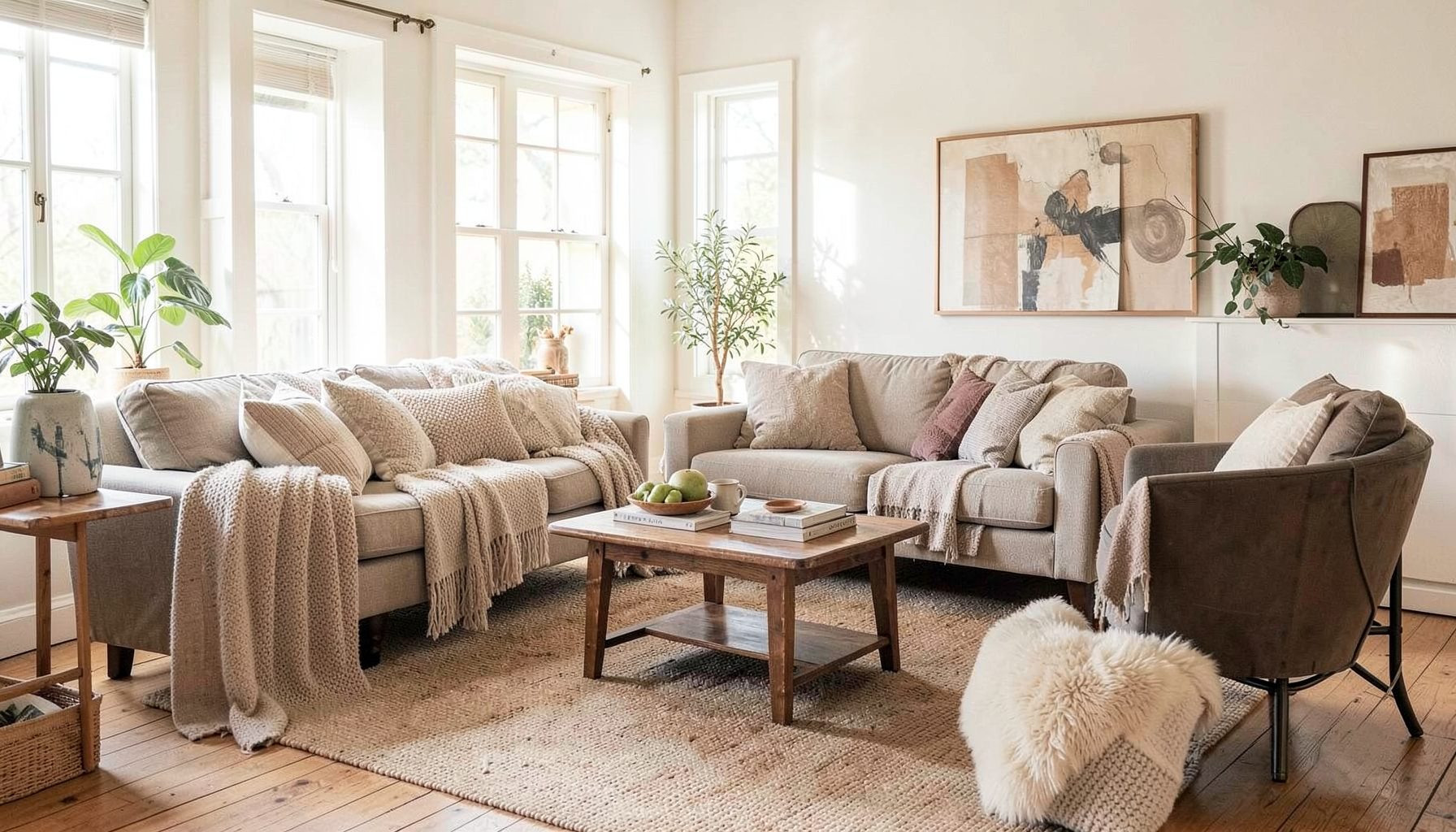
Full-service decorating that blends high and low, vintage finds with modern pieces for spaces that feel personal and collected.
Learn More
DIY Projects
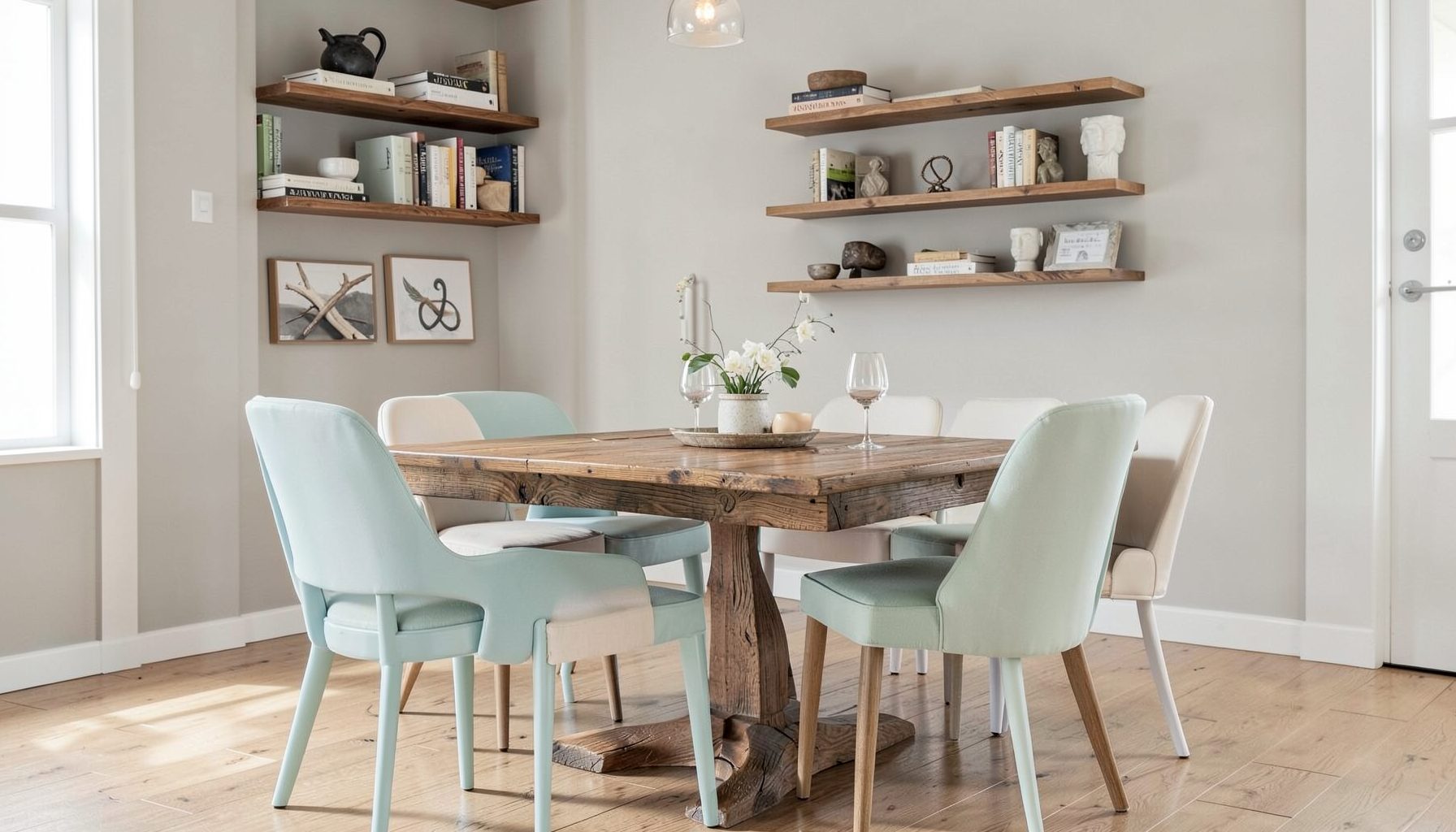
Step-by-step tutorials for refinishing furniture, sewing pillows, styling bookshelves, and transforming rooms on a budget.
Learn More
E-Decorating
Personalized design guidance delivered online — perfect for clients anywhere in the world who want a professional eye.
Learn More
Portfolio
Browse completed room makeovers, before-and-after transformations, and styling projects from Bay Area homes.
Learn More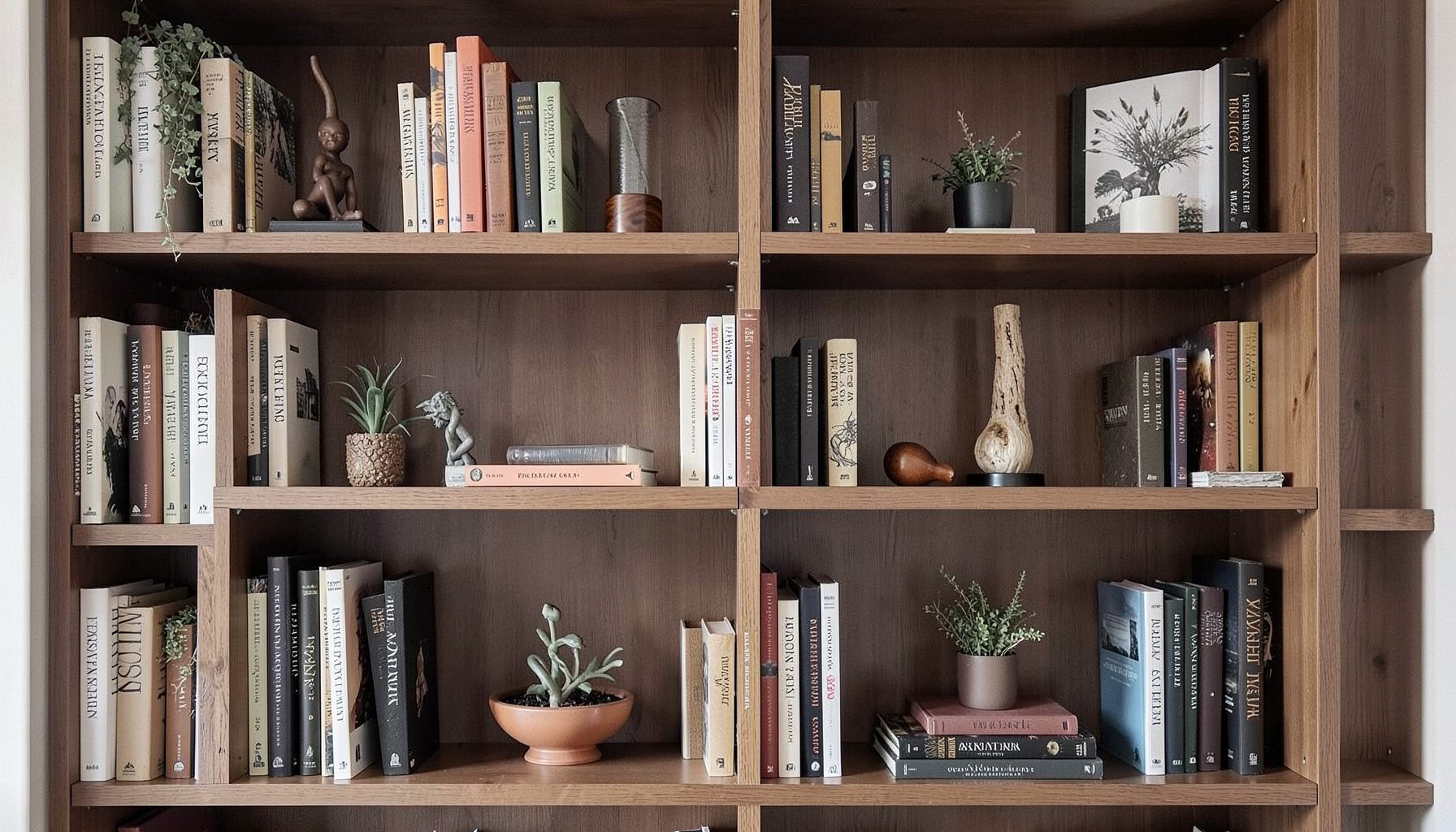
Blog
Interior design inspiration, fashion finds, entertaining ideas, and peeks into real home renovations and styling projects.
Learn More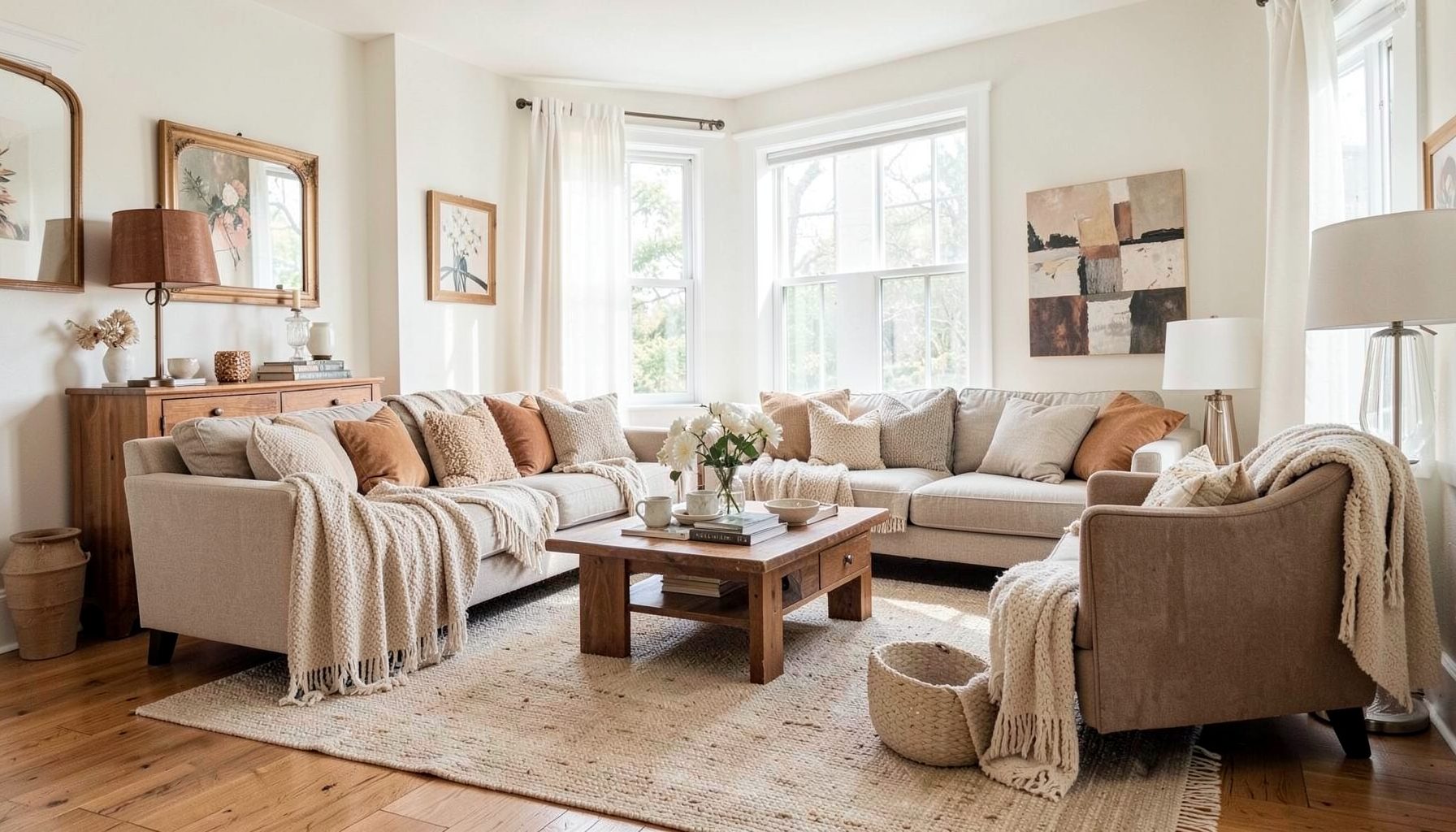
Downloads
Free curated resources for home decorating and design — guides, checklists, and inspiration to help you get started.
Learn MoreHow to Use Mirrors to Expand a Small Room
A small room can feel limited by its square footage, but its visual experience depends on much more than dimensions. Light, sightlines, furniture scale, wall color, and the distribution of reflective surfaces all influence whether a space feels open or enclosed. Mirrors are among the most effective decorating tools for changing that experience without construction or a major furniture overhaul.
Used thoughtfully, a mirror can bounce daylight into a dim corner, reflect a garden view, lengthen a narrow wall, or create the impression of a second window. The best results come from treating the mirror as part of the room’s architecture and styling rather than as an accessory added at the very end.
Whether you are furnishing a compact San Francisco apartment, refreshing a San Jose condo, or reworking a small room anywhere else, the goal is a layered space that feels personal and intentional. Vintage frames, modern silhouettes, collected objects, and practical storage can all work alongside reflective decor.
Start With Light, View, and Proportion
Before choosing a mirror, study what the room already offers. Stand in different corners and notice where natural light enters, which wall feels visually heavy, and what appears in the main sightline when you walk through the space. A mirror is most useful when it reflects something attractive or useful, such as a window, artwork, pendant light, architectural detail, or open section of the room.
Reflecting a blank wall, cluttered shelving, or an unattractive utility area can make the space feel busier rather than larger. A mirror does not erase what it reflects; it duplicates it. Take a few photographs from seated and standing positions to see whether the proposed placement will improve the room’s visual depth.
Scale matters just as much as location. A very small mirror on a large wall may look disconnected, while an oversized piece can create a strong focal point without overwhelming the room if its frame is visually light. In a compact space, one generously proportioned mirror often has greater impact than several tiny pieces scattered across the walls.
Place Mirrors Where They Can Work Harder
A large mirror opposite or adjacent to a window can distribute daylight across the room, especially when the glass faces the brightest part of the opening. It does not create new light, but it helps carry existing light farther. In rooms with limited windows, place the mirror where it can capture a lamp, sconce, or softly illuminated surface instead of pointing it directly at a dark corner.
A narrow hallway benefits from a long vertical mirror at the end or along its widest wall. This can extend the sightline and make the passage feel less tunnel-like. In an entryway, a mirror above a slim console combines visual expansion with daily function, giving the area a polished finishing touch while providing a convenient place for a last glance before leaving.
Leaning a tall mirror against the wall can make a room feel relaxed and collected, particularly in bedrooms and living rooms. Secure a substantial leaning mirror for safety, especially in homes with children or pets. If floor space is limited, mount the mirror a few inches above a console, dresser, or bench so the furniture remains useful without interrupting the reflective surface.
Choose a Shape and Finish With Intention
The shape and frame should support the room’s existing language. Rounded mirrors soften rooms filled with straight lines, while rectangular designs reinforce a clean architectural layout. Arched mirrors can add height and a subtle sense of movement, and irregular or sculptural forms bring personality to a minimalist wall.
Frame material also changes how the mirror participates in the space. A thin metal edge feels light and contemporary. A carved wood frame can introduce warmth and history. Antique glass, aged brass, painted finishes, and woven details support a layered look that feels collected rather than overly coordinated. A frameless mirror may be the right choice when the goal is to preserve visual simplicity.
Use the following guide to match a mirror’s character with its most effective placement:
| Mirror Style | Visual Effect | Useful Placement | Design Note |
|---|---|---|---|
| Tall rectangular mirror | Adds height and extends a sightline | Bedroom, hallway, living room corner | Choose a slim frame for a lighter appearance |
| Wide horizontal mirror | Makes a wall feel broader | Above a console, sofa, or low cabinet | Keep its width related to the furniture below |
| Round mirror | Softens angular furniture | Entryway, bathroom, dining nook | Works well above a rectangular console |
| Arched mirror | Creates an architectural focal point | Bedroom, foyer, or narrow wall | Echo an arch elsewhere for a cohesive look |
| Antique or distressed mirror | Adds depth and collected character | Dining area, living room, eclectic gallery | Pair with simple furnishings to avoid visual clutter |
| Mirrored cabinet or panel | Combines reflection with function | Small entry, bar area, or compact bedroom | Select hardware and proportions carefully |
The mirror should relate to nearby objects without becoming an exact match for every finish. A vintage mirror above a modern console, for example, can create the contrast that gives a small room its personality. Repeating one finish elsewhere through a lamp, picture frame, or hardware will make the combination feel deliberate.
Make a Small Room Feel Designed, Not Dressed Up
Mirrors are most successful when they are integrated into a complete composition. Consider the wall, the furniture below it, the lighting, and the objects around it as one arrangement. A mirror above a console may need a lamp on one side, a small stack of books, or a vase with branches to balance its scale. Leave enough breathing room around the piece so its outline remains clear.
Avoid filling every available wall with reflective surfaces. Multiple mirrors can fragment the view and create a restless effect, particularly in a room already containing glass tables, glossy cabinetry, polished metal, or television screens. In most small rooms, one main mirror and perhaps one secondary reflective detail are enough.
A mirror can also help connect furnishings with different price points and eras. Pairing a streamlined sofa with a flea-market frame, or placing a contemporary mirror near a vintage chest, creates the layered mix that makes a room feel individual. The aim is not to make the room appear larger at any cost; it is to make the available space feel brighter, calmer, and more thoughtfully composed.
Use Mirrors Room by Room
In a living room, place a large mirror above a low console, fireplace, or cabinet to establish a vertical focal point. If the sofa faces a blank wall, a mirror can create visual interest without taking up floor area. Be mindful of what it reflects from the seating position; a beautiful piece of art or a window is preferable to a busy media setup.
In a bedroom, a full-length mirror near the closet or dressing area is practical and helps the room feel taller. A pair of matching mirrors above bedside tables can add symmetry, while one sculptural mirror above a dresser creates a softer, more individual arrangement. Avoid positioning a mirror where it catches harsh morning or overhead light directly into the bed.
Small dining areas often benefit from a wide mirror placed behind a banquette or on the wall opposite a window. It can reflect candlelight, pendant lighting, and the movement of the room, giving the space a more generous atmosphere. In a bathroom, a wall-to-wall mirror or a carefully scaled medicine cabinet can maximize function, though warm sconces should be used to keep the reflection flattering and comfortable.
For an entryway, prioritize function and proportion. A mirror should be large enough to use but not so dominant that it blocks doors, switches, or circulation. In a narrow apartment entry, a shallow console paired with a vertical mirror can create a welcoming landing zone while preserving clear walking space.
Avoid Common Mirror Placement Mistakes
One frequent mistake is hanging a mirror too high. Its center should generally relate to eye level and to the furniture beneath it, rather than floating close to the ceiling. Above a console or dresser, leave a balanced gap between the furniture and the bottom of the frame. The exact measurement depends on the objects and proportions, but the arrangement should read as one connected group.
Another issue is choosing a mirror that is technically large but visually heavy. Thick, dark frames can dominate a small room, especially when placed against a deep wall color. That may be exactly right in a dramatic dining nook, but a compact bedroom or hallway may benefit from a narrow frame, pale wood, or a softer metallic finish.
Safety and maintenance deserve attention as well. Anchor heavy mirrors securely, use appropriate hardware for the wall type, and keep floor-standing pieces stable. Clean the glass regularly, since fingerprints and dust reduce the clarity of reflected light. For older or handmade mirrors, gentle cleaning is especially important because aggressive products can damage the backing or patina.
Build A Thoughtful Mirror Placement Checklist
The most effective small-room designs begin with editing. Rather than buying a mirror simply because its shape is appealing, identify the visual problem you want it to solve. You may need more reflected daylight, a stronger focal point, a practical dressing surface, or a way to make a narrow passage feel longer.
Use these recommendations when planning your placement:
- Reflect a window, attractive view, light fixture, or styled vignette whenever possible.
- Match the mirror’s width and height to nearby furniture and the wall’s proportions.
- Use one substantial mirror as an anchor instead of creating a scattered arrangement of undersized pieces.
- Combine reflective surfaces with soft textiles, natural wood, and matte finishes to keep the room comfortable.
- Secure large or leaning mirrors properly and check their reflection from the room’s primary viewpoints.
A mirror should also support the way you live. In a rental, a removable or furniture-supported design may be more practical than a heavily installed feature. In a family room, choose durable construction and a location away from active play areas. In a small home office, position the mirror to reflect light without placing your work surface in constant view.
The most compelling spaces rarely rely on a single visual trick. Paint color, window treatments, lighting temperature, furniture legs, storage, and artwork all contribute to spaciousness. Mirrors work best as one layer in that larger composition, helping vintage finds and contemporary essentials sit comfortably together.
With the right scale and placement, a mirror can change the character of a room in a single afternoon. It can make a dark corner brighter, give a compact entry more purpose, and add the depth that a small floor plan cannot provide. For a more personalized result, Maggie Rose Interiors offers full-service decorating, online e-decorating, room makeovers, and design guidance tailored to your home and style. Explore the portfolio and decorating resources, then begin creating a brighter, more expansive room with a mirror that feels distinctly yours.

Recent Projects