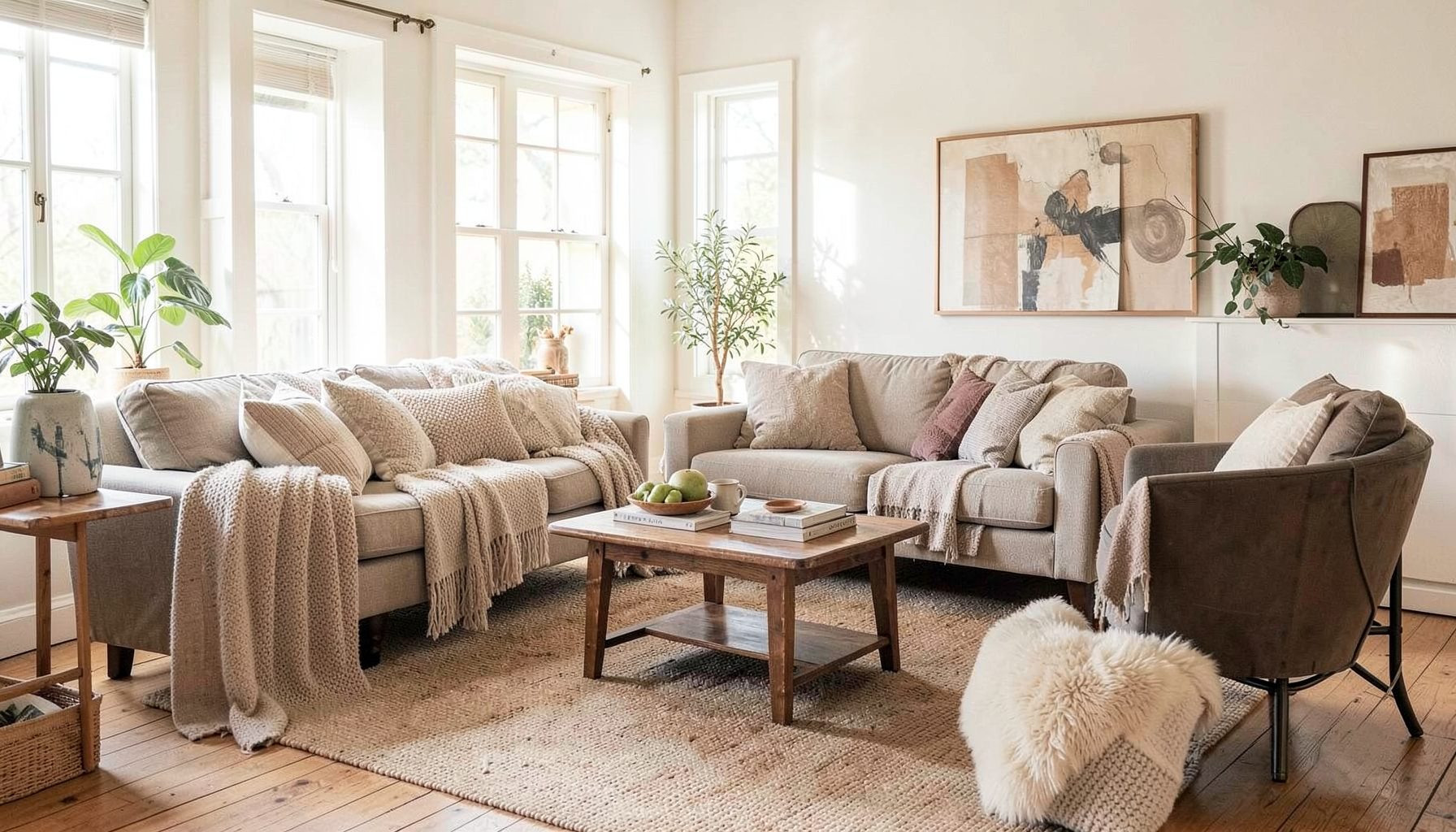
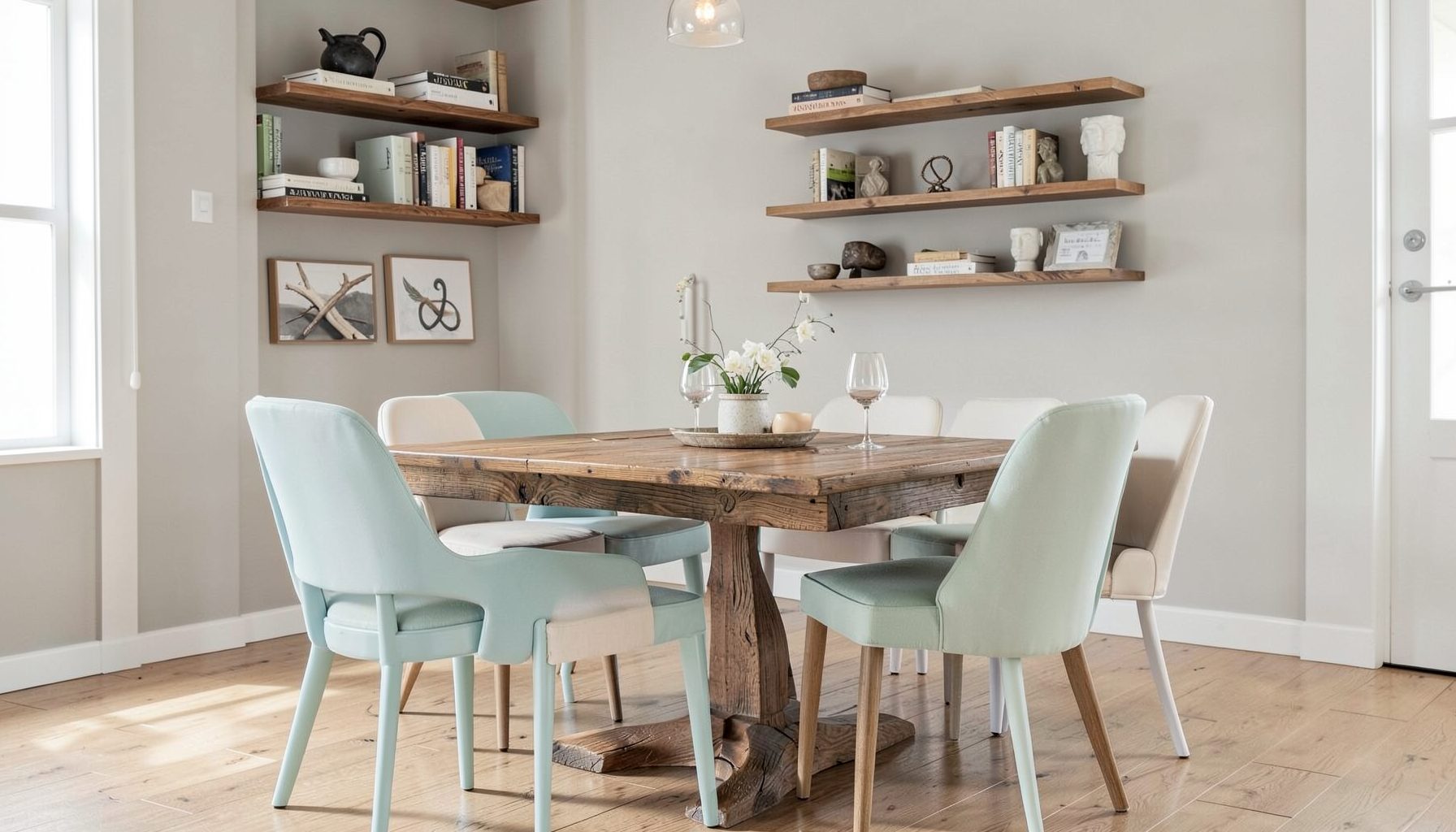
Interior Design
Full-service decorating that blends high and low, vintage finds with modern pieces for spaces that feel personal and collected.
Learn More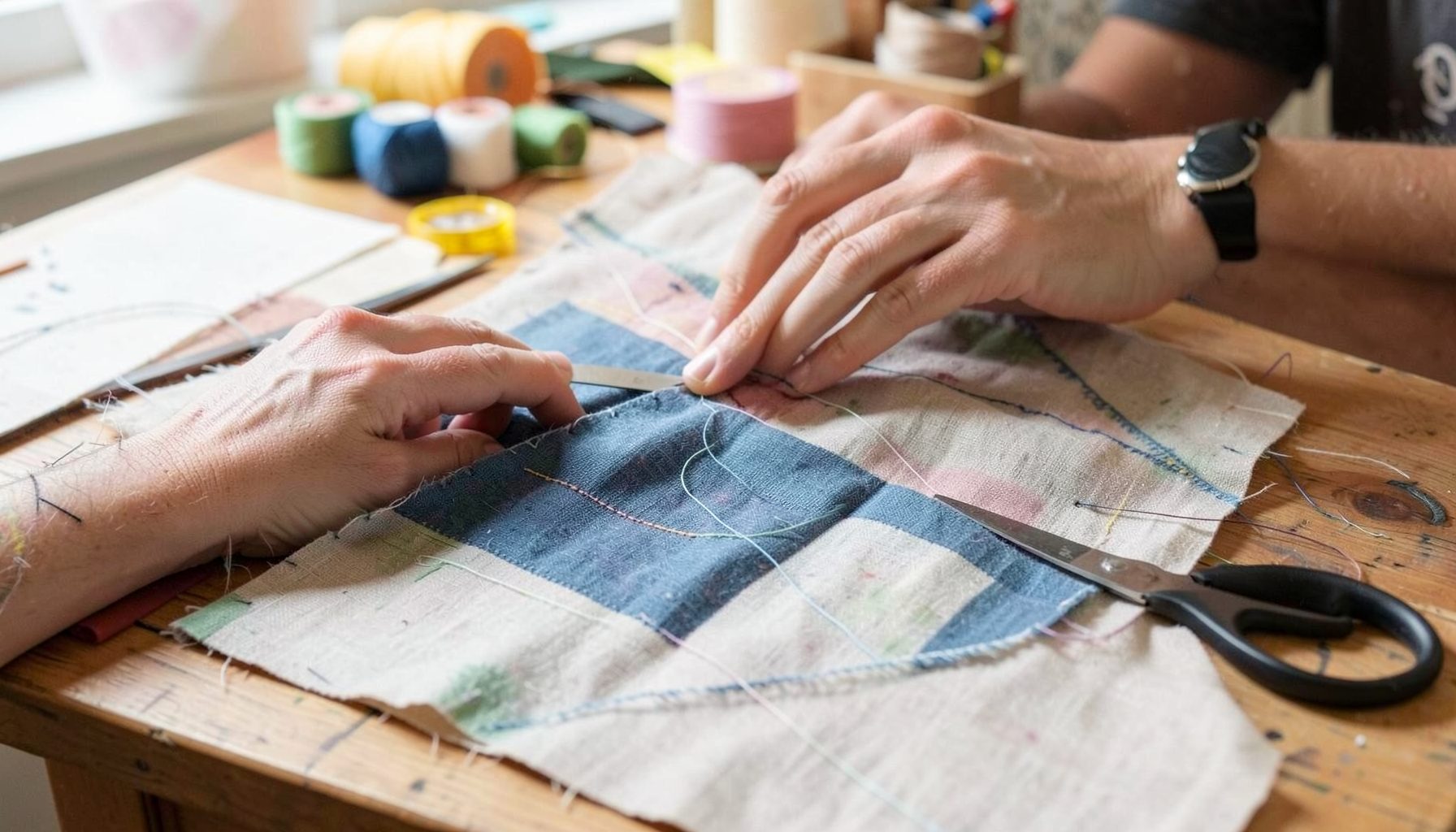
DIY Projects
Step-by-step tutorials for refinishing furniture, sewing pillows, styling bookshelves, and transforming rooms on a budget.
Learn More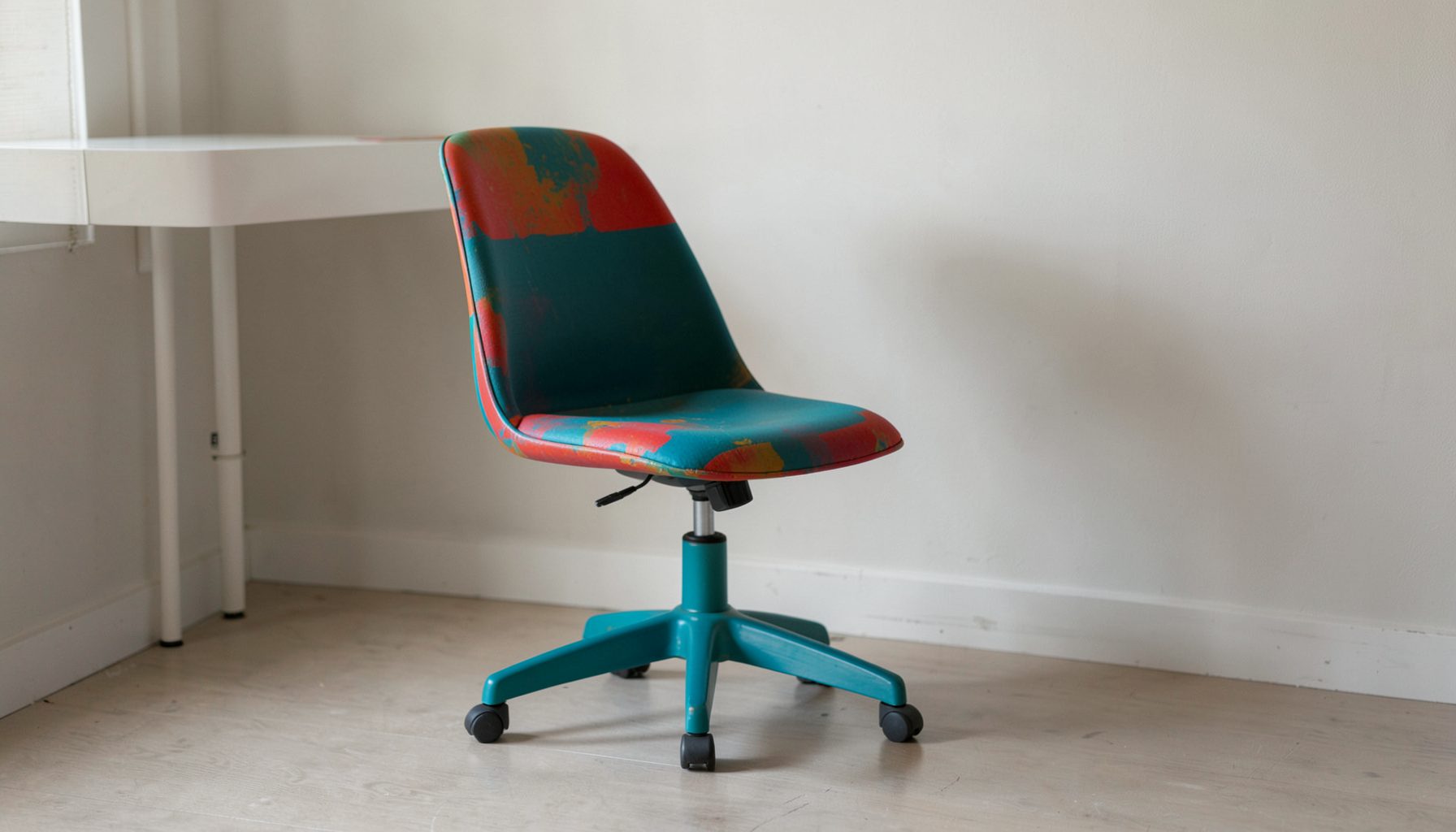
E-Decorating
Personalized design guidance delivered online — perfect for clients anywhere in the world who want a professional eye.
Learn More
Portfolio
Browse completed room makeovers, before-and-after transformations, and styling projects from Bay Area homes.
Learn More
Blog
Interior design inspiration, fashion finds, entertaining ideas, and peeks into real home renovations and styling projects.
Learn More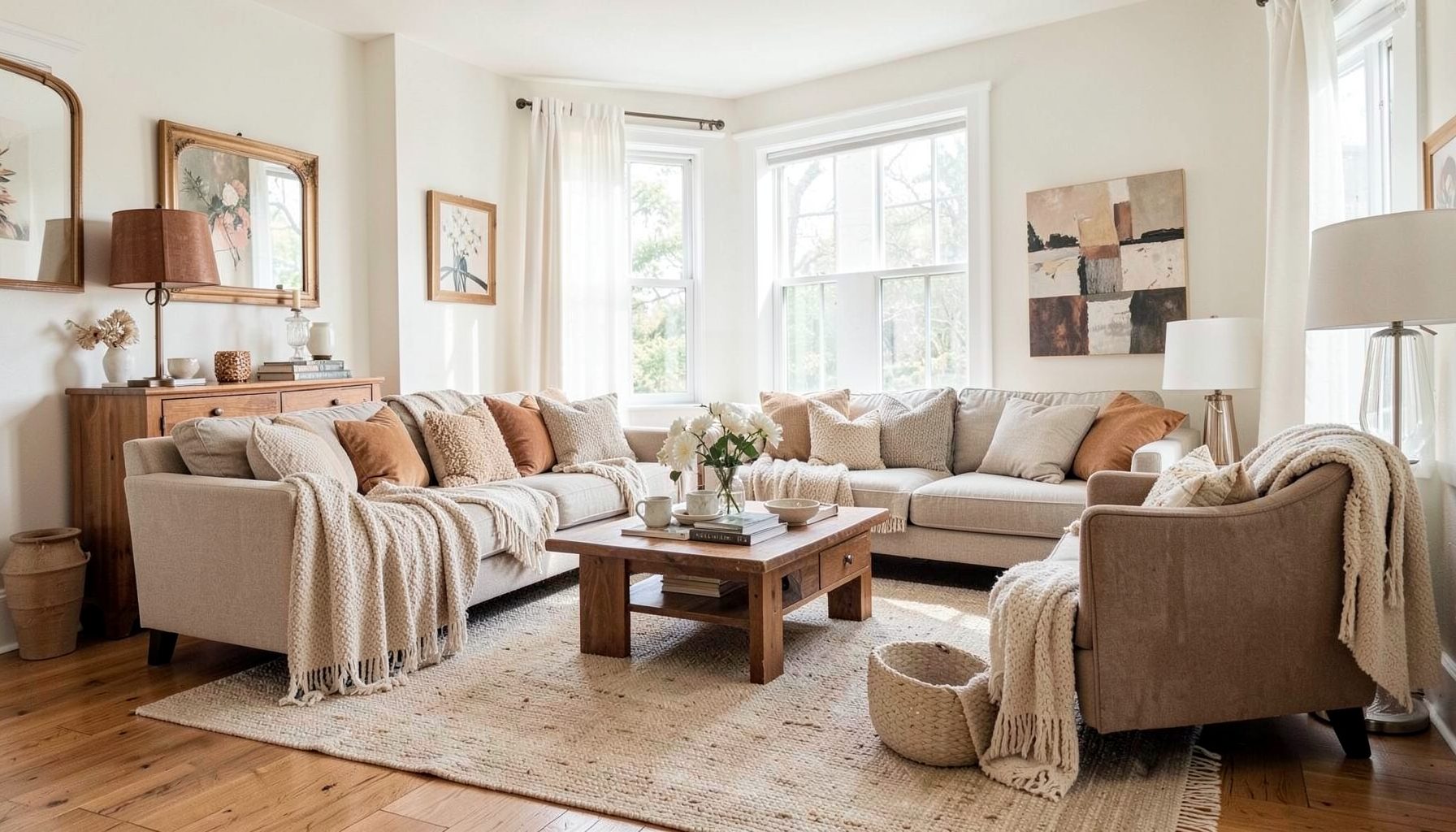
Downloads
Free curated resources for home decorating and design — guides, checklists, and inspiration to help you get started.
Learn MoreHow to use area rugs to define zones in an open floor plan
Open-plan homes offer light, flexibility and a natural sense of connection, yet the lack of walls can make a room feel visually unsettled. When the lounge, dining area, kitchen and entry share one generous footprint, furniture can drift into disconnected groupings or leave the space feeling unfinished. Area rugs provide a practical way to establish boundaries without interrupting the openness.
The right rug works like an anchor for each activity. It gathers a sofa and coffee table into a comfortable conversation area, gives a dining setting a clear centre, or marks a reading nook within a larger living room. With thoughtful scale, colour and placement, rugs can make an open floor plan feel layered, collected and distinctly personal.
Start with the way the room is used
Before choosing patterns or browsing rug collections, observe how people move through the space. Notice where guests naturally sit, where children play, where meals are served and which paths lead from the front door to the kitchen or backyard. These patterns reveal the zones that need definition and the areas that should remain open for circulation.
A lounge zone generally needs enough visual weight to bring its seating together. A dining zone benefits from a rug that supports the table and chairs, while a compact reading corner may need only a small, distinctive textile beneath an armchair and side table. The goal is to give every major function a clear home without covering every available section of floor.
Australian open-plan homes often connect living areas to balconies, courtyards or alfresco spaces. In a Melbourne apartment, a rug can distinguish the sitting area from a compact dining setting without adding a partition. In a Brisbane or coastal Queensland home, a breathable flatweave may be more practical than a deep pile that holds humidity and sand.
Think about the moments when the room feels most crowded. If the kitchen island is already a strong architectural feature, the rug may need to define the lounge rather than compete with the kitchen. If the dining table sits between the kitchen and living area, a rug can quietly signal where dining begins while preserving a generous walkway around it.
Choose the right size for each zone
Rug size is one of the most important decisions in an open layout. A rug that is too small can make a generous room feel fragmented, with each furniture piece appearing stranded. A rug that is appropriately scaled creates a visual island and helps the furniture read as one intentional arrangement.
For a living area, aim to place at least the front legs of the sofa and armchairs on the rug. When space allows, placing all seating fully on the rug creates a more substantial, relaxed arrangement. The coffee table should sit comfortably within the central area, with enough rug showing around it to make the boundary feel deliberate rather than accidental.
In a dining zone, the rug should extend well beyond the table so chairs remain on the surface when pulled out. Measure the table with the chairs occupied, then add generous clearance on every side. A rug that ends immediately behind the chair legs will catch, bunch and look undersized. This is especially important for Australian dining rooms where timber, tiled or polished concrete floors can make chair movement noisy.
Avoid choosing a rug based solely on the visible floor between furniture. Mark the proposed dimensions with painter’s tape or newspaper before buying. Walk around the taped area, open drawers, pull out dining chairs and check that the main routes through the room remain comfortable. This simple test often reveals that a larger rug will create better balance.
Create cohesion without matching everything
Several rugs in one open room should relate to one another, but they do not need to be identical. Matching rugs can make the space feel overly staged, while completely unrelated designs may create visual noise. A considered mix might share a warm neutral foundation, a repeated accent colour or a similar level of pattern.
Use the room’s existing materials as a guide. A faded vintage-style rug can bring softness to a contemporary kitchen, while a simple flatweave can calm a sitting area filled with sculptural furniture. Layering an old-looking design with modern upholstery, rattan, timber or metal helps create the collected character that makes a home feel lived in.
Colour temperature matters in an open-plan setting because every area is seen at once. Rugs with related undertones will flow more easily across polished concrete, pale oak, terracotta tiles or dark timber. A blue-grey rug beside a rug with warm rust and ochre may feel disconnected unless another element, such as cushions or artwork, bridges the difference.
Pattern can define a zone without relying on a dramatic colour shift. Stripes can lengthen a narrow seating area, while a softly distressed motif adds interest without creating a hard visual border. If one rug has a strong geometric or vintage pattern, let nearby rugs be quieter so the eye has somewhere to rest.
Use placement to guide movement
Rugs can subtly direct traffic through a large room. In a long, narrow plan, align the longest edge of the rug with the main axis of the space. In a square living area, a centred rug can reinforce a balanced seating arrangement. The placement should support movement rather than force people to walk across the middle of a conversation zone.
Leave enough exposed flooring between separate rugs to show that the zones are distinct. The exact gap depends on the room, but a visible strip of timber, tile or concrete can function like a quiet frame around each area. If rugs touch or overlap awkwardly, the zones may lose their clarity and the room can look cluttered.
Keep high-traffic routes clear of rug corners whenever possible. The path from an entry door to the kitchen, for example, should not require people to step over an edge. Rug pads improve grip and protect both the textile and the floor beneath it. They are particularly useful in homes with smooth timber, polished concrete or porcelain tiles.
An entry rug can establish the transition into an open living area, but it should be distinct from the main lounge rug. In a Sydney terrace or apartment, where the front door may open directly into the living space, a washable runner can catch everyday grit before it travels further inside. A nearby shoe tray or bench can reinforce the household’s preferred entry routine without making the arrangement feel overly formal.
Select materials for Australian living
The best rug material depends on use, maintenance and the conditions of the home. Wool remains a versatile choice for living rooms and bedrooms because it is durable, naturally resilient and comfortable underfoot. It also brings subtle texture and warmth to spaces with hard surfaces, making it well suited to cooler southern climates and homes with timber or concrete floors.
Cotton, jute and other plant-based fibres can provide a relaxed, tactile look, though their performance varies. Jute is attractive in coastal, Hamptons-inspired and earthy interiors, but it may not be the easiest choice beneath a dining table where spills are common. Flatweave wool or tightly woven synthetic fibres are often simpler to clean in busy family areas.
Australian conditions can be hard on textiles. Strong sunlight through north-facing windows may fade certain colours, while sand, dust, wet shoes and pets can add daily wear. Rotate rugs periodically where possible, use window treatments to soften intense sun, and choose forgiving patterns for zones that receive constant traffic.
Consider local sourcing and sizing when comparing options. Australian retailers and makers offer everything from machine-washable designs suited to family homes to hand-knotted wool rugs intended as long-term investments. In smaller homes, including many inner-city apartments, an accurately measured rug can be more useful than a standard size that leaves awkward gaps. Always check delivery access, return conditions and cleaning requirements before committing to a large piece.
Work with furniture, lighting and architecture
A rug should connect with the furniture above it, not sit apart like a decorative island. In a lounge, align the rug with the sofa and main chairs, then use the coffee table to reinforce the centre. In a dining zone, centre the rug beneath the table rather than beneath the room’s light fitting if the two positions differ slightly; the furniture grouping should remain the priority.
Lighting can strengthen the zones established by rugs. A pendant over the dining table gives the dining rug an additional focal point, while a floor lamp or table lamp can make a rug-defined reading corner feel purposeful in the evening. These layers help an open room retain its sense of intimacy after daylight fades.
Architecture should remain part of the composition. Use a rug to echo a beam, fireplace, kitchen island or change in ceiling height, but avoid covering features that already provide useful structure. In a home with a prominent island, for instance, the living rug can run parallel to it, creating a calm relationship between the working and relaxing areas.
A rug can also soften the transition between contrasting finishes. It may bridge glossy cabinetry and aged timber, or connect a modern sofa with a vintage sideboard. This is where personal style becomes especially important: the most successful arrangements combine practical zoning with objects that carry history, memory or visual character.
Layer rugs with restraint and intention
Layering can add depth when a large base rug is close to the required size but lacks enough pattern or texture on its own. A natural jute or plain wool foundation beneath a smaller vintage-style rug can define a lounge while introducing warmth and contrast. Keep the top layer centred and secure, and make sure the combined thickness does not create a trip hazard.
Use layering to clarify the hierarchy of the room. The larger rug should establish the overall zone, while the smaller one can highlight a seating arrangement, coffee table or special piece of furniture. If every layer has a bold design, the floor may become the loudest part of the room and compete with artwork, upholstery and architectural details.
Open-plan interiors benefit from repetition, so carry small references between zones. A cushion can pick up a colour from the dining rug; a ceramic vase can echo the texture of a woven runner; artwork can repeat a muted tone found in a vintage pattern. These connections create flow without requiring the rugs to match.
The most successful area rug arrangement feels effortless because it supports everyday life. It makes furniture easier to arrange, pathways easier to understand and large rooms more comfortable to inhabit. Whether the look is refined, relaxed, coastal or eclectic, the principle remains the same: define each activity clearly, then allow the materials and details to share a visual conversation.
Area rugs give an open floor plan structure without closing it off. Choose sizes that gather furniture, materials that suit Australian conditions, colours that relate across the room and placements that respect movement. When each rug has a clear purpose and the overall palette feels connected, the room becomes more welcoming, functional and unmistakably yours.

Recent Projects