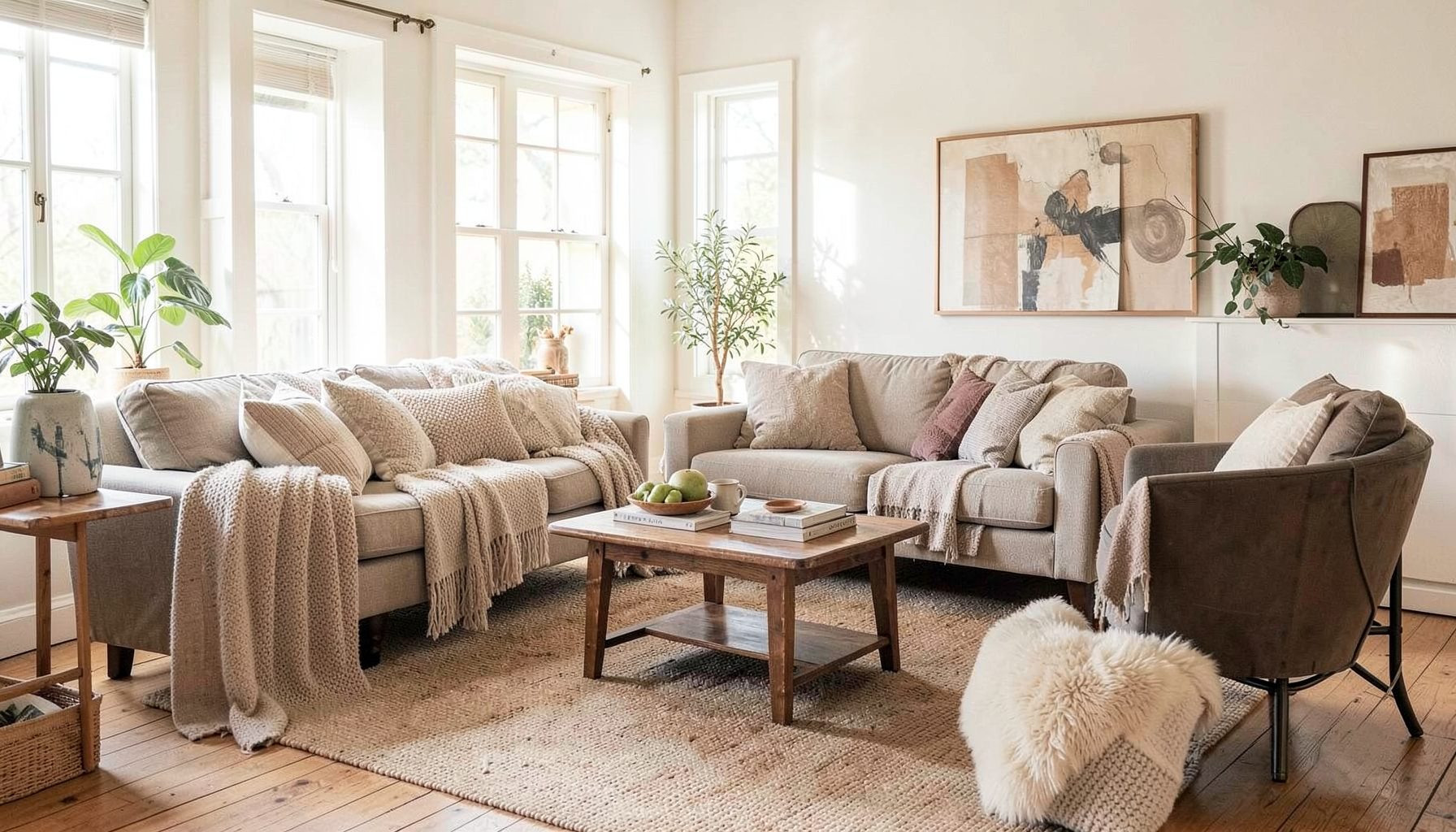
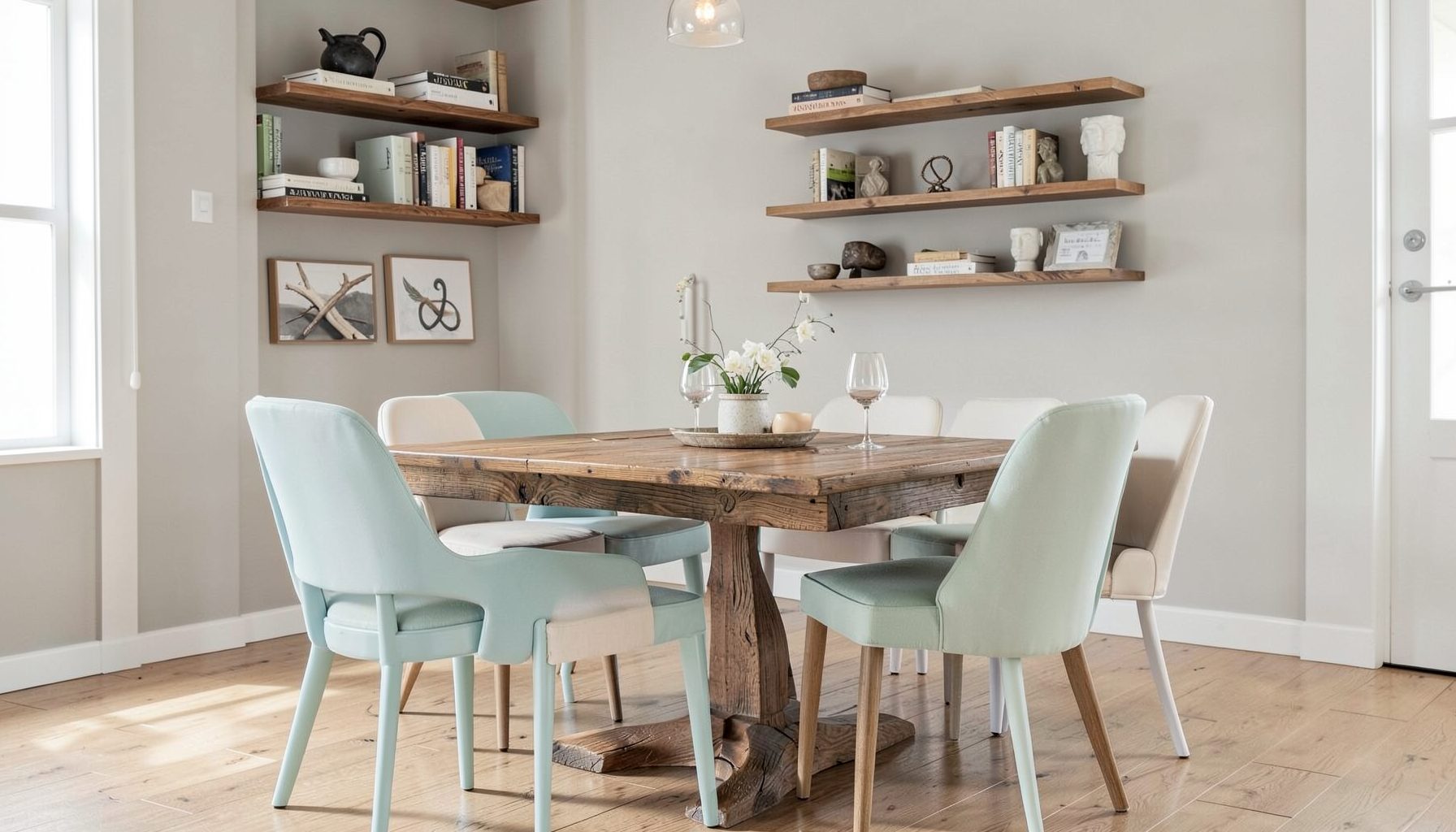
Interior Design
Full-service decorating that blends high and low, vintage finds with modern pieces for spaces that feel personal and collected.
Learn More
DIY Projects
Step-by-step tutorials for refinishing furniture, sewing pillows, styling bookshelves, and transforming rooms on a budget.
Learn More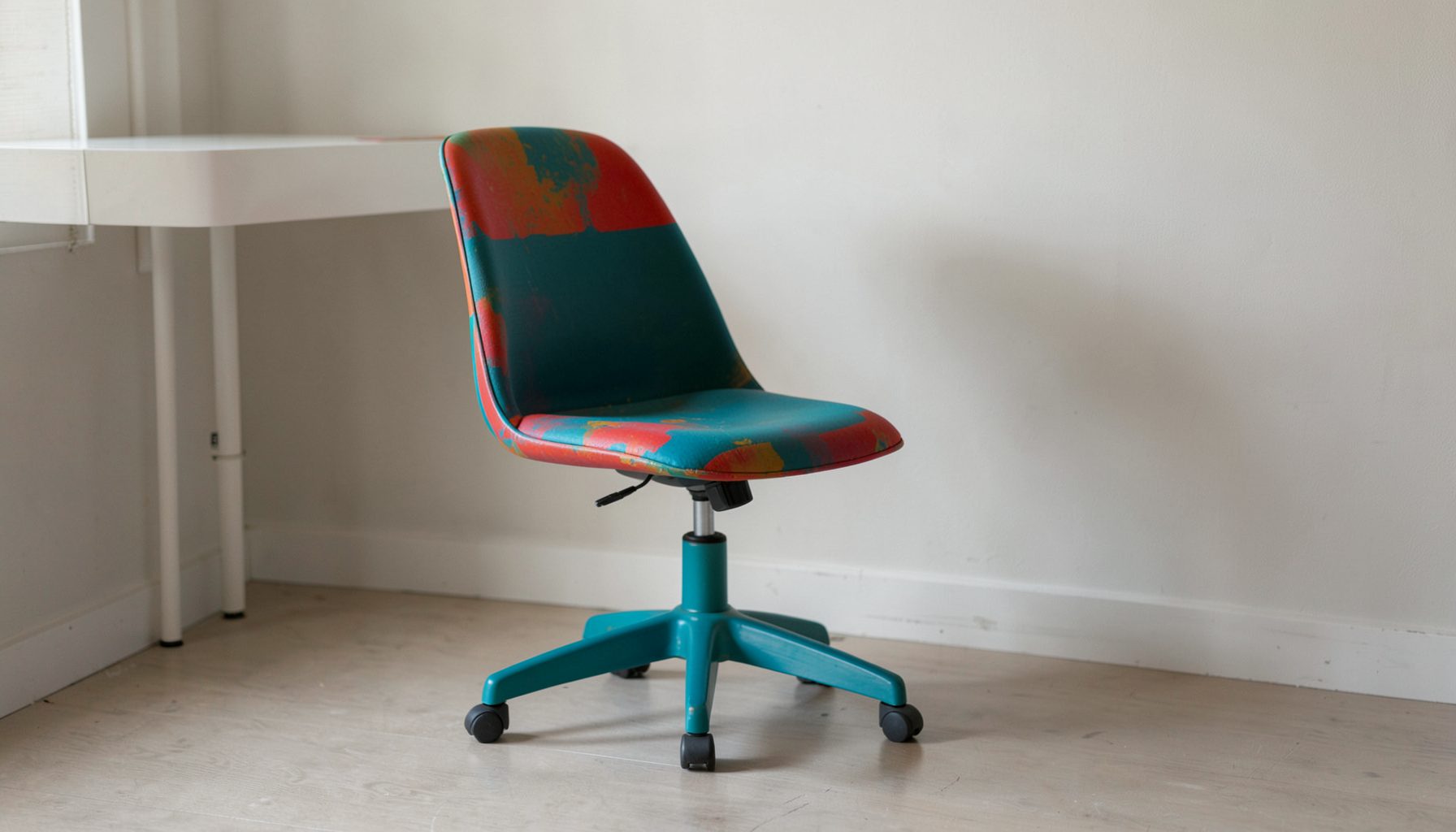
E-Decorating
Personalized design guidance delivered online — perfect for clients anywhere in the world who want a professional eye.
Learn More
Portfolio
Browse completed room makeovers, before-and-after transformations, and styling projects from Bay Area homes.
Learn More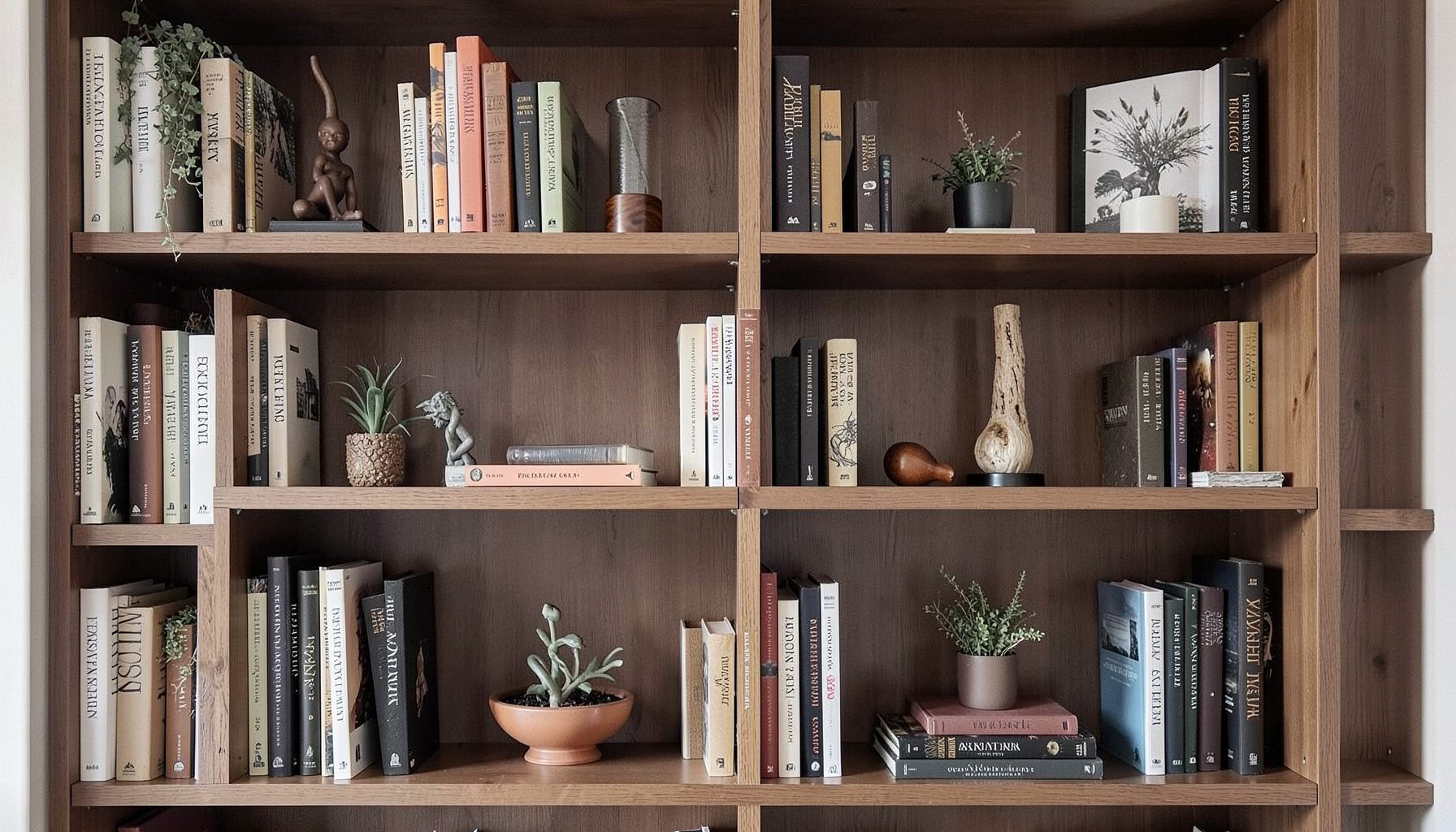
Blog
Interior design inspiration, fashion finds, entertaining ideas, and peeks into real home renovations and styling projects.
Learn More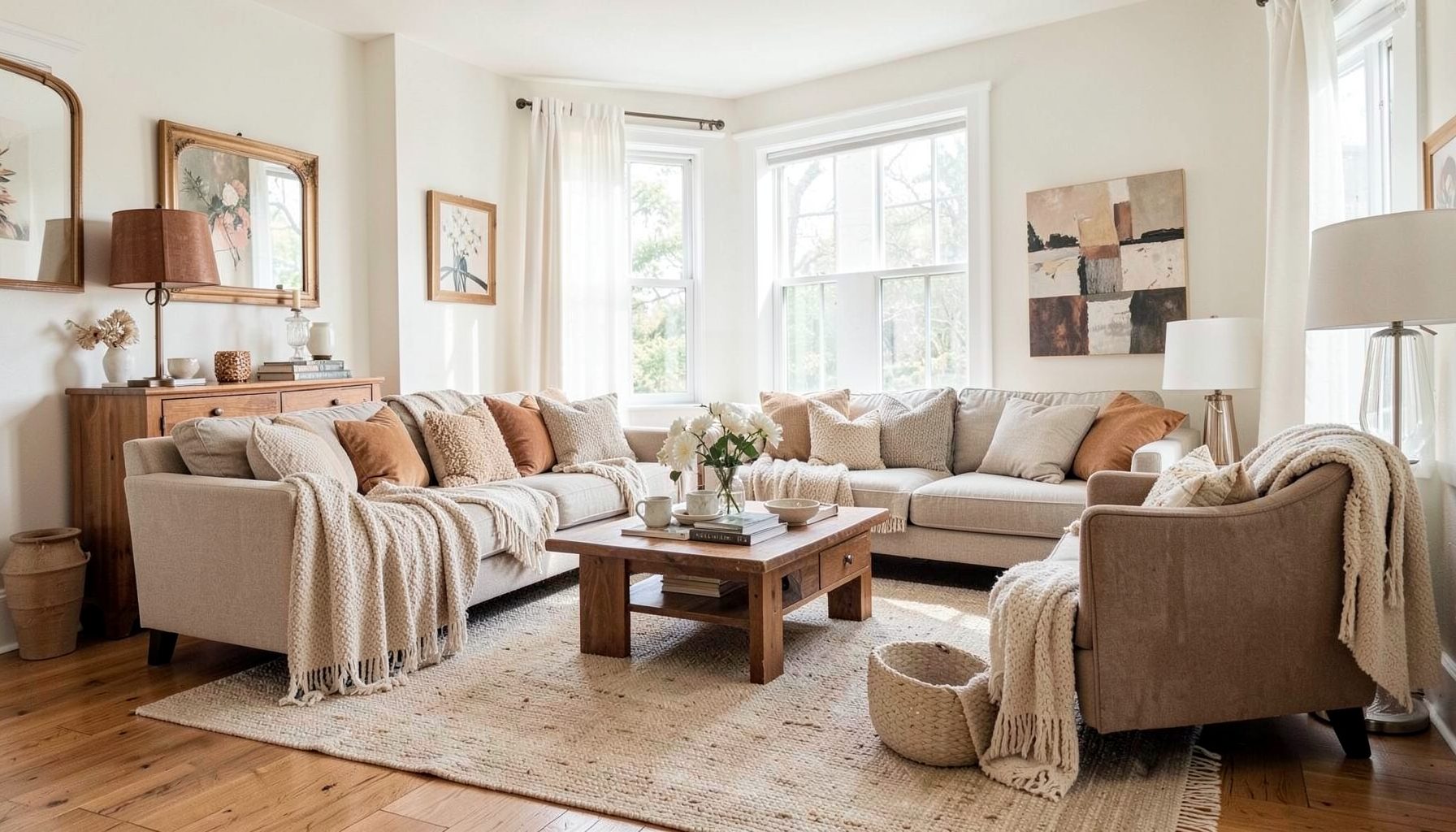
Downloads
Free curated resources for home decorating and design — guides, checklists, and inspiration to help you get started.
Learn MoreHow a statement mirror can transform a small entryway
A small entryway has to perform several jobs at once. It welcomes people into the home, gives keys and bags a landing place, and sets the visual tone for every room beyond it. When floor area is limited, a carefully chosen statement mirror can make the space feel broader, brighter and more considered without taking up valuable room.
The best result comes from treating the mirror as part of a layered composition rather than hanging it as an afterthought. Its shape, frame, position, relationship to the front door and connection to nearby furniture all influence how spacious the entrance feels. With a few thoughtful choices, even a narrow hallway in a Sydney terrace, Melbourne apartment or compact Brisbane home can feel intentional and inviting.
Start with the entryway’s proportions
Before buying a mirror, study the shape of the wall and the path through the entrance. A tall, narrow wall benefits from a vertical mirror that draws the eye upwards, while a short wall above a console usually suits a landscape or softly rounded design. The mirror should enhance the existing proportions rather than compete with them.
Measure the available width, height and depth, including skirting boards, light switches and door swing. Leave enough clearance for people to walk comfortably past it. In a tight hallway, a mirror that projects only a few centimetres from the wall is generally more practical than a deep decorative frame. A slim profile can still look substantial when the mirror has an expressive silhouette or richly finished edge.
Scale matters more than price. A tiny mirror can make a generous wall appear unfinished, while an oversized piece can overwhelm a narrow entrance. As a useful starting point, choose a mirror that is around two-thirds to three-quarters the width of the console beneath it. If there is no furniture, allow the architecture to guide the size and keep the surrounding wall visible so the piece can breathe.
Choose a shape with visual presence
A statement mirror does not have to be ornate. Its impact may come from an unusual outline, a substantial timber frame, an aged finish or a sculptural curve. Arched mirrors soften rooms filled with hard lines, while round mirrors add a relaxed, collected quality. Rectangular styles feel orderly and can visually extend a long, narrow hall.
The shape should relate to details already present in the home. An arched doorway, curved staircase or rounded pendant can be echoed in an organic mirror. In a period terrace, an antique gilt frame or timber design can acknowledge original mouldings. In a contemporary apartment, a frameless irregular mirror or simple black-edged piece may feel more natural than a heavily decorative style.
For Australian homes, materials that suit the local light and relaxed way of living are especially effective. Light oak, cane, rattan, brushed brass and warm painted timber bring texture without making a small entrance feel heavy. A darker frame can provide welcome contrast, but balance it with another dark detail such as a door handle, artwork or ceramic vessel.
Use reflected light to open the space
A mirror enlarges a small entryway by reflecting what is already there. It cannot create extra square metres, but it can double the visual impression of a window, garden view, artwork or bright wall. Position it deliberately so the reflection contributes something attractive rather than showing a cluttered coat rack or a blank corner.
If the entrance receives daylight from a nearby living room or side window, angle the mirror towards that source. A perpendicular position often spreads light across the hall more effectively than placing the mirror directly opposite the window. In an apartment with limited natural light, a wall sconce, pendant or nearby table lamp can create a warm reflected glow in the evening.
Think about the view from the front door. The first reflected image should feel calm and composed, perhaps a leafy plant, a piece of art or a glimpse into a beautifully furnished room. This is particularly useful in Australian homes where indoor-outdoor connections are important. A mirror that reflects greenery through a courtyard, balcony or front garden can make the entry feel connected to the wider home.
Avoid placing a mirror where it reflects direct, harsh sun into the eyes. Strong western light can be intense in many Australian cities, especially during summer afternoons. A sheer curtain, adjustable blind or slightly offset position may preserve brightness while making the reflection more comfortable.
Pair it with a slim landing spot
A mirror feels most useful when it has a practical arrangement beneath it. A narrow console, floating shelf or shallow timber ledge creates a visual anchor and provides somewhere for keys, mail and a small decorative object. In a very compact entrance, a wall-mounted shelf can offer the function of a console without reducing floor space.
Keep the furniture proportionate to the mirror. A wide, heavy sideboard beneath a delicate round mirror can make the arrangement feel top-heavy, while a tiny shelf under a large framed piece may look accidental. Aim for a conversation between the two elements: repeat a curve, echo a finish or use contrast with intention.
Storage can be integrated without losing the airy effect. A console with drawers hides everyday clutter, while baskets beneath an open shelf can hold shoes or reusable shopping bags. Australian households often need a practical landing place for hats, sunscreen, dog leads and footwear, particularly in homes where the entry opens directly to the street. Concealing these items keeps the mirror’s reflection clean.
If the entrance is too narrow for furniture, combine the mirror with hooks below or beside it. Install them at a comfortable height and leave enough space for coats to hang without obscuring the mirror. A single sculptural hook or a short row of understated hooks can provide function while preserving a refined appearance.
Build a layered composition around the mirror
A statement piece needs breathing room, but an entirely empty wall can make it feel disconnected. Layering smaller elements around it creates a collected look that feels personal rather than showroom-perfect. A ceramic bowl, small artwork, vase or textured object on the console can support the mirror’s colours and materials.
Keep the arrangement edited. In a small entrance, every object is visible, so repetition and restraint are more effective than filling every surface. Two or three pieces with varied heights are usually enough: perhaps a low bowl, a medium vase and one taller branch or lamp. Leave part of the console clear so it remains useful.
The frame should work with the palette beyond the entry. A vintage brass mirror might be balanced by aged metal hardware or warm timber in the adjoining room. A painted blue or green frame can introduce colour in a controlled way, especially against neutral walls. In a rental, removable hooks and freestanding furniture allow the same effect without permanent alterations.
Layered interiors benefit from mixing sources. Pair a vintage or second-hand mirror with a contemporary console, or place an affordable Australian-made ceramic beside a more luxurious light fixture. This combination gives the entrance character and reflects a lived-in decorating style rather than a matching furniture suite. Local markets, antique shops and online marketplaces can be useful places to find a frame with patina and individuality.
Get the installation and safety right
A mirror must be securely installed, especially in a busy entrance where bags, coats and children may brush against it. Use fixings suited to the wall type, whether it is plasterboard, masonry or a timber-lined surface. Heavy framed mirrors may require wall anchors or attachment to a stud, and large pieces should be fitted according to the manufacturer’s recommendations.
In Australian homes, wall construction and rental conditions vary widely. A Sydney apartment with concrete walls may need masonry hardware, while a renovated Queenslander could have different stud positions and uneven surfaces. If you are unsure, a qualified installer can assess the wall and ensure the piece is level and safely supported. Check strata or rental rules before drilling into shared or leased property.
Consider the location of electrical switches, security systems and door hardware before finalising the position. The mirror should not block access or create a pinch point when the door opens. If it sits near a staircase, use a low-distortion product with a secure backing, and avoid a placement where a fall could cause the glass to strike a sharp edge.
Cleaning and daily wear also influence the best choice. A highly ornate frame may collect dust, while an untreated timber finish can show marks in a busy family home. A simple wipeable surface and quality mirror glass will remain attractive with less maintenance. The goal is practical beauty: an entrance that looks polished on arrival and remains easy to live with.
Make the mirror work with the whole home
The entryway should feel like the beginning of the home’s story, not a separate display. Look through the doorway and notice which colours, textures and architectural details are visible. If the living room includes warm neutrals, woven materials and aged finishes, carry one or two of those qualities into the mirror arrangement.
A statement mirror is also an opportunity to introduce a stronger note in a restrained interior. A dark timber frame can give a pale hallway definition, while an antique-style mirror can add depth to a new-build apartment. In a coastal home, avoid relying on predictable nautical accessories; a softly weathered timber frame, linen shade and sculptural branch can suggest the setting more subtly.
Lighting is part of the overall composition. A compact wall light on each side of a tall mirror creates symmetry, while one small picture light above can highlight an ornate frame. Warm white bulbs generally create a welcoming mood, but the fittings should be positioned so they do not produce distracting glare. If wiring is impractical, a nearby lamp or rechargeable light can provide a similar evening effect.
For clients who prefer guidance before committing to a large purchase, a scaled paper template can be taped to the wall. Live with it for a day or two and observe it from the front door, hallway and adjacent rooms. This simple step reveals whether the size feels balanced and whether the reflection improves the space.
Avoid common small-space mistakes
The most frequent error is choosing a mirror based solely on its appearance in a shop or online image. A dramatic piece may look perfect in a large showroom yet feel crowded in a one-metre-wide hall. Always compare its actual dimensions with your wall, console and walking clearance.
Another mistake is reflecting visual clutter. If the mirror faces an open shoe rack, tangled cables or an overfilled noticeboard, it will repeat the problem. Move the mirror, edit the area being reflected or use closed storage beneath it. Spaciousness comes from visual order as much as from reflective surfaces.
Do not assume that bigger is always better. In a very narrow passage, a tall mirror placed on a side wall may create more depth than a broad mirror facing the front door. Likewise, a mirror hung too high loses its practical purpose and can make the composition feel detached. The centre should generally relate to eye level, while the lower edge should work with the furniture beneath it.
Finally, resist matching every finish. A mirror, console, hardware and accessories all in the same metal can appear flat and overly planned. Combining warm timber with aged brass, matte black or ceramic creates richer contrast. The most successful entrances usually include a mixture of old and new, refined and relaxed, personal and practical.
A well-positioned statement mirror can make a small entryway feel brighter, deeper and more welcoming while contributing genuine everyday function. Choose the shape for the architecture, scale it to the wall, direct its reflection towards light or greenery, and support it with storage that keeps clutter out of sight. The detail worth remembering is simple: the mirror should reflect the best qualities of the home, both visually and in the way the entrance is used.

Recent Projects