Interior Design
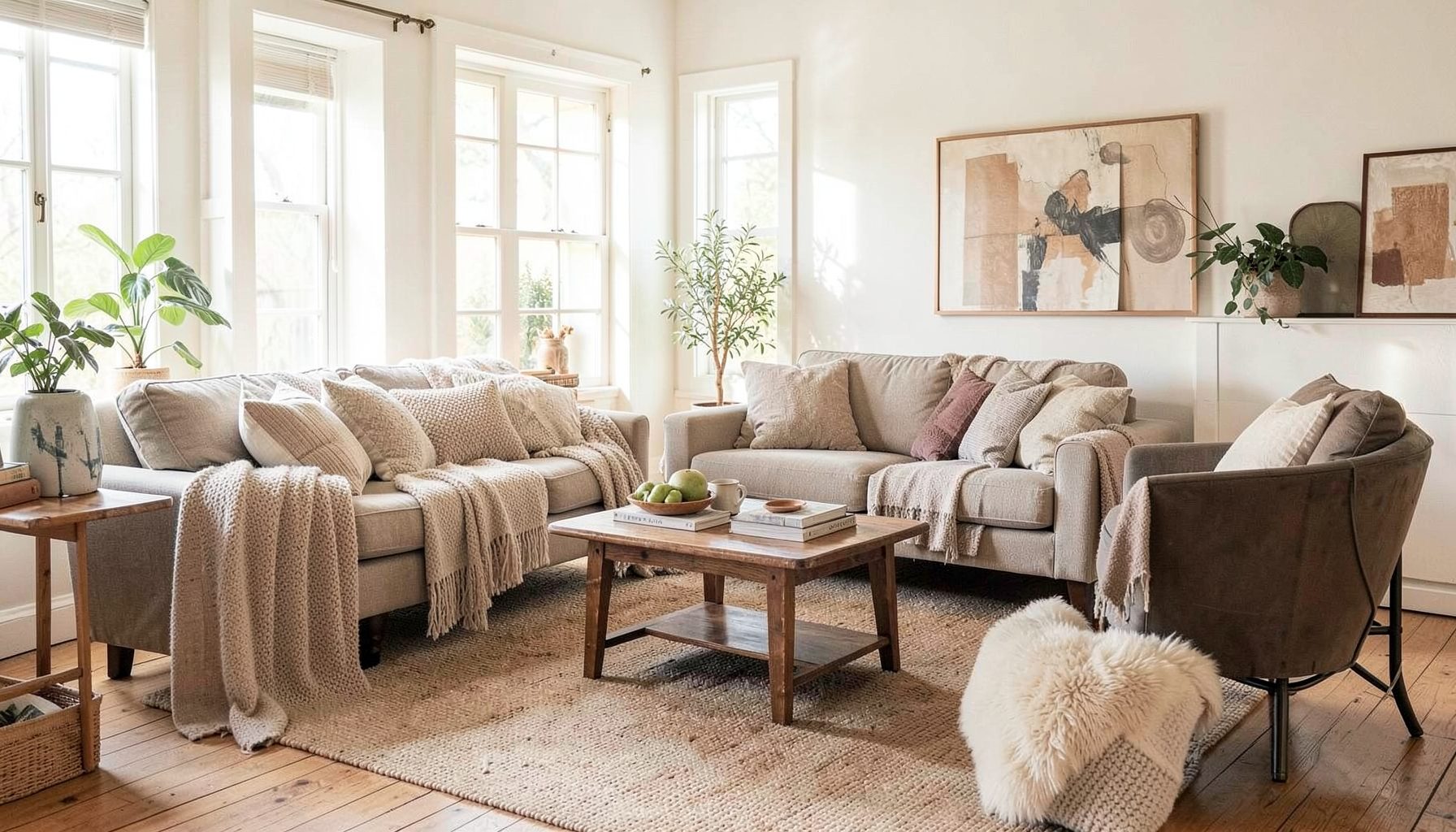
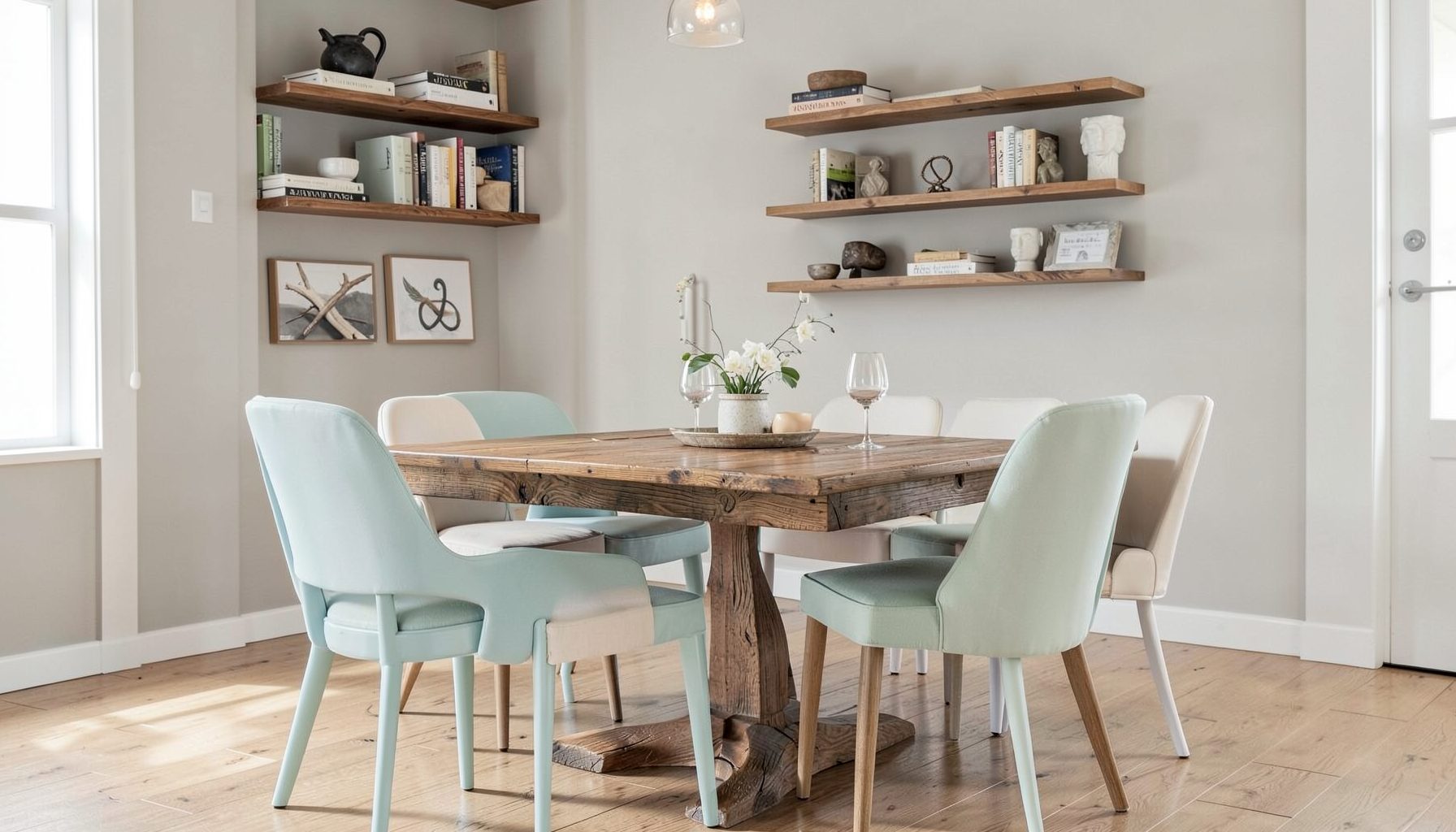
Full-service decorating that blends high and low, vintage finds with modern pieces for spaces that feel personal and collected.
Learn More
DIY Projects
Step-by-step tutorials for refinishing furniture, sewing pillows, styling bookshelves, and transforming rooms on a budget.
Learn More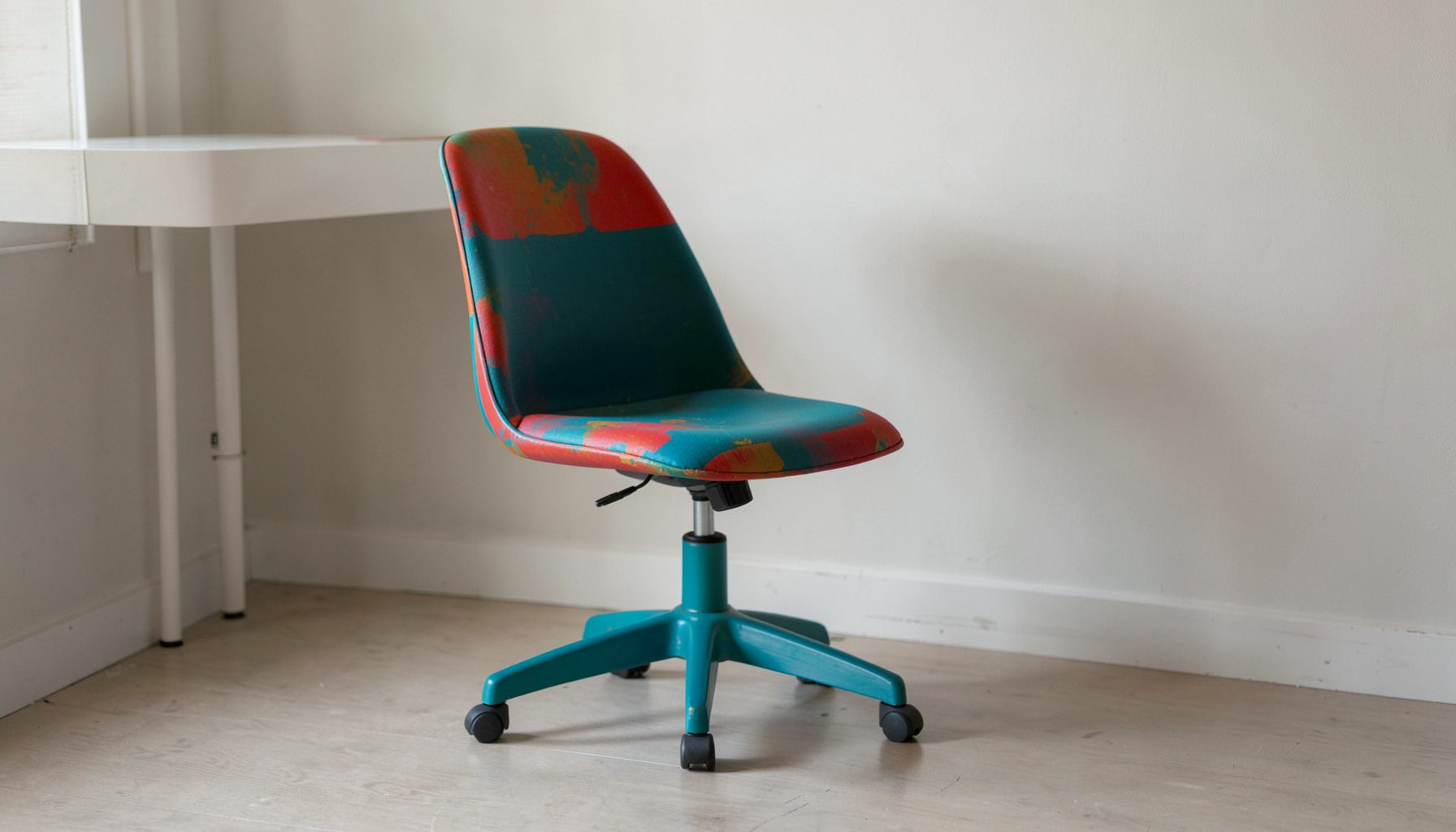
E-Decorating
Personalized design guidance delivered online — perfect for clients anywhere in the world who want a professional eye.
Learn More
Portfolio
Browse completed room makeovers, before-and-after transformations, and styling projects from Bay Area homes.
Learn More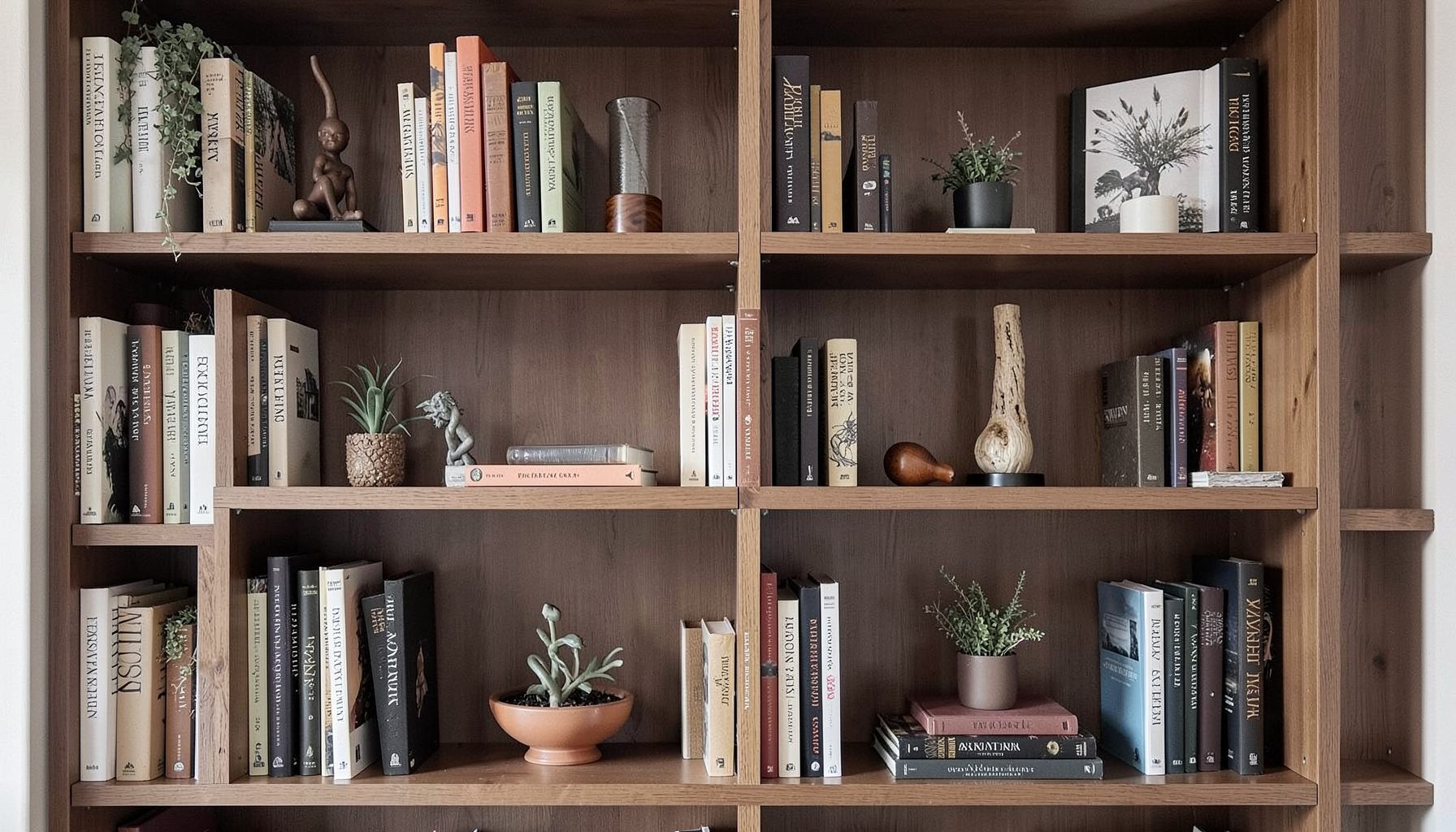
Blog
Interior design inspiration, fashion finds, entertaining ideas, and peeks into real home renovations and styling projects.
Learn More
Downloads
Free curated resources for home decorating and design — guides, checklists, and inspiration to help you get started.
Learn MoreHow to Use a Bench at the Foot of the Bed for Seating and Storage
A bench at the foot of the bed can solve several bedroom problems at once. It creates a comfortable place to sit while putting on shoes, gives folded blankets a home, and adds a finished layer to the room. In a well-designed bedroom, it also helps connect the bed with the rest of the furniture instead of leaving the lower half of the room feeling bare.
The most successful choice is guided by proportion, purpose, and texture. A slim upholstered seat may suit a compact apartment, while a timber bench with baskets underneath can bring practical storage to a larger main bedroom. The right piece should feel useful every day while contributing to the collected, personal character of the space.
Australian bedrooms often need to work hard. A Sydney apartment may have limited floor area, a Melbourne terrace may have narrow proportions and high ceilings, and a Brisbane home may call for breathable fabrics and easy-clean finishes. With careful sizing and placement, a foot-of-bed bench can suit all of these settings without making the room feel crowded.
Choose the Right Size and Proportion
Begin with the width of the mattress rather than the overall bed frame. A bench generally looks balanced when it is slightly narrower than the mattress, leaving a small amount of bed visible at either side. For an Australian queen bed, which is usually 153 centimetres wide, a bench between about 120 and 145 centimetres can work well. A king bed, commonly 183 centimetres wide, can accommodate a wider seat, although leaving some breathing room keeps the arrangement elegant.
Depth matters just as much as width. A bench around 35 to 45 centimetres deep usually provides enough room for sitting without taking over the walkway. In a smaller room, look for a narrow upholstered bench, a backless stool, or a pair of compact ottomans. A deep storage ottoman can be useful, but it may create an awkward passage if the bed sits close to a wall or wardrobe.
The height should relate to the mattress rather than being considered in isolation. A seat that is roughly level with the top of the mattress, or slightly lower, tends to look intentional and feels comfortable. Measure from the floor to the top of the mattress, including any thick topper. This simple step is especially important when ordering online, where product photographs can make furniture appear smaller or lower than it is.
Leave a clear path between the bench and nearby furniture. Around 60 centimetres is a comfortable target for regular circulation, though a smaller clearance may be workable in a guest room. Mark the proposed footprint with painter’s tape before buying. Walking around the taped shape for a day will reveal whether drawers, wardrobe doors, or bedroom doors can still open easily.
Decide How the Bench Will Be Used
If the main purpose is seating, comfort should lead the decision. An upholstered bench with a firm cushion provides a pleasant perch for dressing, reading, or sorting laundry. A backless design keeps sightlines open and works particularly well in rooms with a statement headboard. A bench with a low back can feel more like a small sofa, but it needs extra depth and may visually compete with the bed.
For households where the bench becomes a regular drop zone, choose a durable cover. Performance linen, cotton blends, treated fabric, and leather can all be practical options, depending on the room’s style and the amount of use. A removable seat cover is convenient in a family home, while a tightly woven fabric is a sensible choice if the bedroom is shared with pets. Avoid very loose weaves if claws or frequent snagging are a concern.
A timber or rattan bench offers a different kind of comfort and can make a bedroom feel lighter. Add a folded quilt or a small cushion if you want softness without fully upholstering the piece. This approach suits relaxed Australian interiors, from a coastal home near the Northern Beaches to a warm, modern room in Adelaide. Natural materials also work beautifully beside linen bedding, timber floors, and woven bedside lamps.
When shopping, think about the tasks the seat needs to support. A narrow perch is enough for putting on shoes, while a parent who folds clothes at the end of the bed may prefer a wider, sturdier surface. In a guest room, a simple bench gives visitors somewhere to place a suitcase. The more clearly you define the use, the less likely the furniture is to become an expensive surface for accumulating clothes.
Add Storage Without Visual Weight
A storage bench can hold spare quilts, winter doonas, extra pillows, or the occasional throw. Lift-top designs offer generous capacity, while drawers or baskets provide easier access to smaller items. If the bed is in a compact flat, concealed storage can reduce the need for a separate blanket box or chest of drawers.
Check the opening mechanism before purchasing. A heavy lid that requires two hands may be frustrating in everyday use, especially when the bench sits close to the bed. Drawers need enough clearance to pull out fully, and baskets should be easy to remove. If you prefer an open lower shelf, use two or three matching baskets to keep the contents contained and visually calm.
Storage furniture can look bulky, so balance it with the room’s other lines. A plinth-style ottoman in a similar tone to the bed will recede, while a dark timber bench can act as a grounding element in a pale room. Legs create a sense of air beneath the piece and make cleaning easier, which is helpful in homes with timber, polished concrete, or hard flooring.
The climate should influence what you store. In humid parts of Queensland and northern New South Wales, avoid packing damp textiles into an airtight compartment. Air bedding thoroughly before storing it, choose breathable fabric liners, and leave the lid open occasionally. In cooler areas such as Canberra or the Victorian high country, a well-ventilated bench is useful for seasonal wool blankets and heavier doonas.
Use Style and Texture to Connect the Room
The bench does not need to match the bed exactly. A coordinated mix usually feels more considered than a complete bedroom suite. Pair a streamlined upholstered bed with a vintage timber bench, or place a woven seat at the end of a contemporary bed. The contrast gives the room personality and supports a layered look built from modern, old, practical, and decorative pieces.
Colour can either blend or provide a deliberate accent. A neutral bench in oat, stone, or soft grey will quietly support patterned bedding. A rust, olive, navy, or tobacco fabric can draw out a colour already present in artwork or a rug. If the room has several patterns, choose a solid bench with an interesting weave. If the bedding is plain, a striped, checked, or subtly patterned upholstery can add depth.
Scale and texture are often more important than matching colour. A tufted velvet ottoman introduces softness beside crisp cotton bedding, while a woven rattan bench brings warmth to a room with smooth plaster walls. In a Bay Area-inspired collected interior, a vintage piece can sit comfortably beside a contemporary lamp and budget-friendly linen. Those combinations make the room feel lived-in rather than staged.
Keep decoration on the bench restrained. One folded throw, a pair of cushions, or a small tray is generally enough. A tray can gather a candle, hand cream, or a book, although the surface should remain usable for sitting. For additional ideas on combining practical furniture with a collected scheme, explore this furniture styling resource as part of your planning process.
Place It Safely and Keep It Looking Considered
Position the bench so it aligns with the bed, not necessarily with the walls. The eye reads the bed and bench as a single composition, so even a slight angle can make the room feel unsettled. In an open-plan main bedroom, the bench can help define the sleeping zone without adding a tall divider. This is useful in converted warehouses, studio apartments, and homes where the bedroom shares space with a dressing area.
Consider the relationship with rugs. If a rug sits beneath the bed, the bench may rest on it fully or partly, depending on its size. A fully grounded bench looks substantial, while a bench just beyond the rug can create a clear transition between the sleeping and circulation areas. Make sure the rug does not catch on the bench legs or create a raised edge that becomes a trip hazard.
Safety is particularly important in homes with children or older residents. Select a stable frame that does not rock when someone sits down, and avoid sharp corners where the walkway is narrow. If the bench has a lid, look for soft-close hinges or a design that will not slam shut. Heavy storage ottomans should have secure feet and enough weight to stay in place on polished timber or tiles.
Treat the bench as part of the room’s regular maintenance. Vacuum beneath it, rotate or plump the cushion, and follow the fabric cleaning instructions before marks become ingrained. In beachside Australian homes, fine sand can work its way into upholstery, so a removable cover or tightly woven fabric will make upkeep easier. A well-chosen bench should age gracefully, with small signs of use adding character rather than making the room feel untidy.
A foot-of-bed bench is most effective when it balances usefulness with visual calm. Measure the bed and walkway, decide whether seating or storage matters most, then select a material that suits the room’s climate and daily routine. A compact upholstered seat, a basket-filled timber bench, or a generously proportioned storage ottoman can each be successful when the scale is right.
The piece should support the way the bedroom is actually lived in: holding a folded quilt, offering a place to sit, or giving a guest somewhere to rest a suitcase. The detail to remember is simple: choose a bench that leaves enough room to move, feels good to use, and adds another thoughtful layer to the room.

Recent Projects