
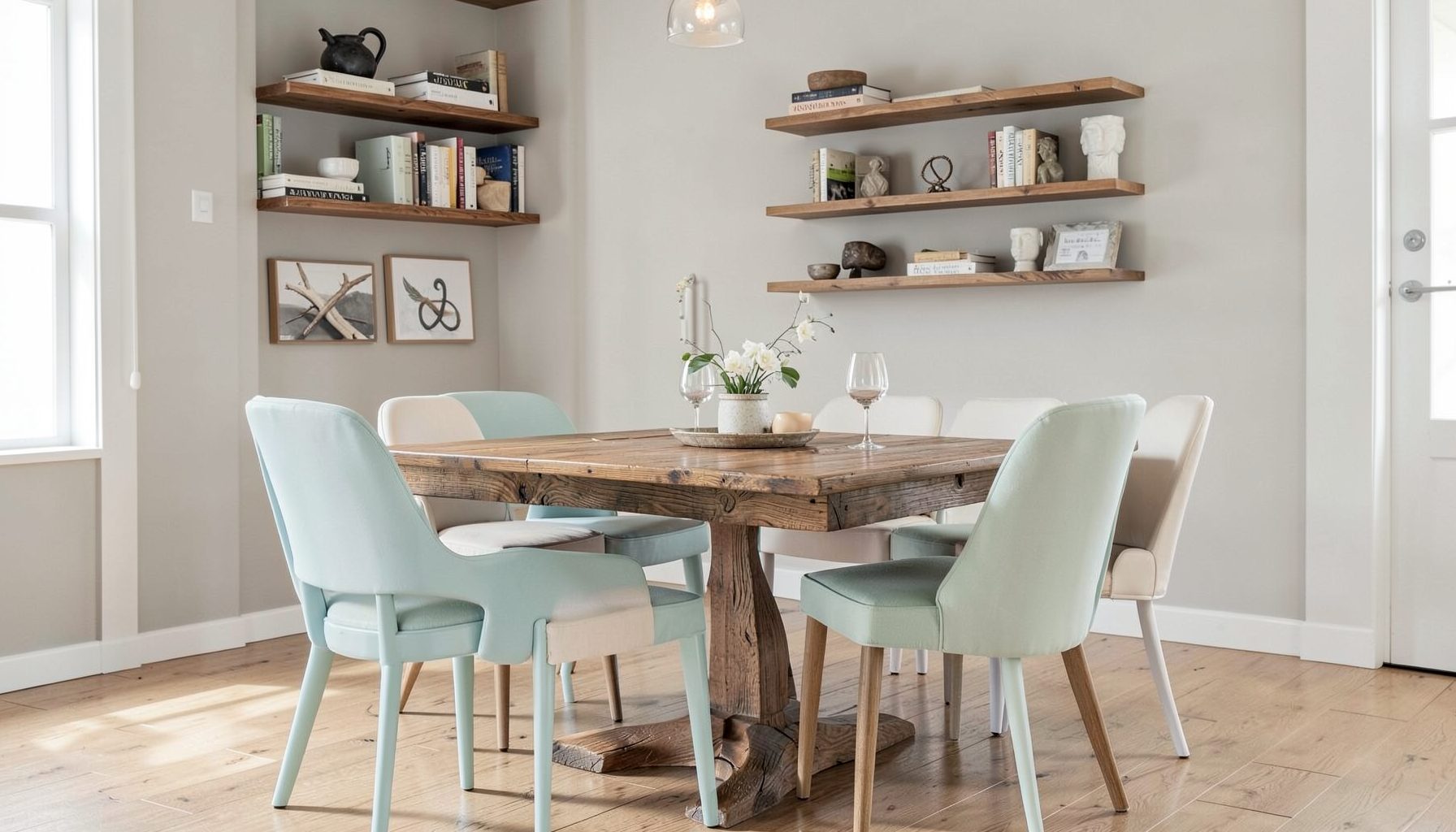
Interior Design
Full-service decorating that blends high and low, vintage finds with modern pieces for spaces that feel personal and collected.
Learn More
DIY Projects
Step-by-step tutorials for refinishing furniture, sewing pillows, styling bookshelves, and transforming rooms on a budget.
Learn More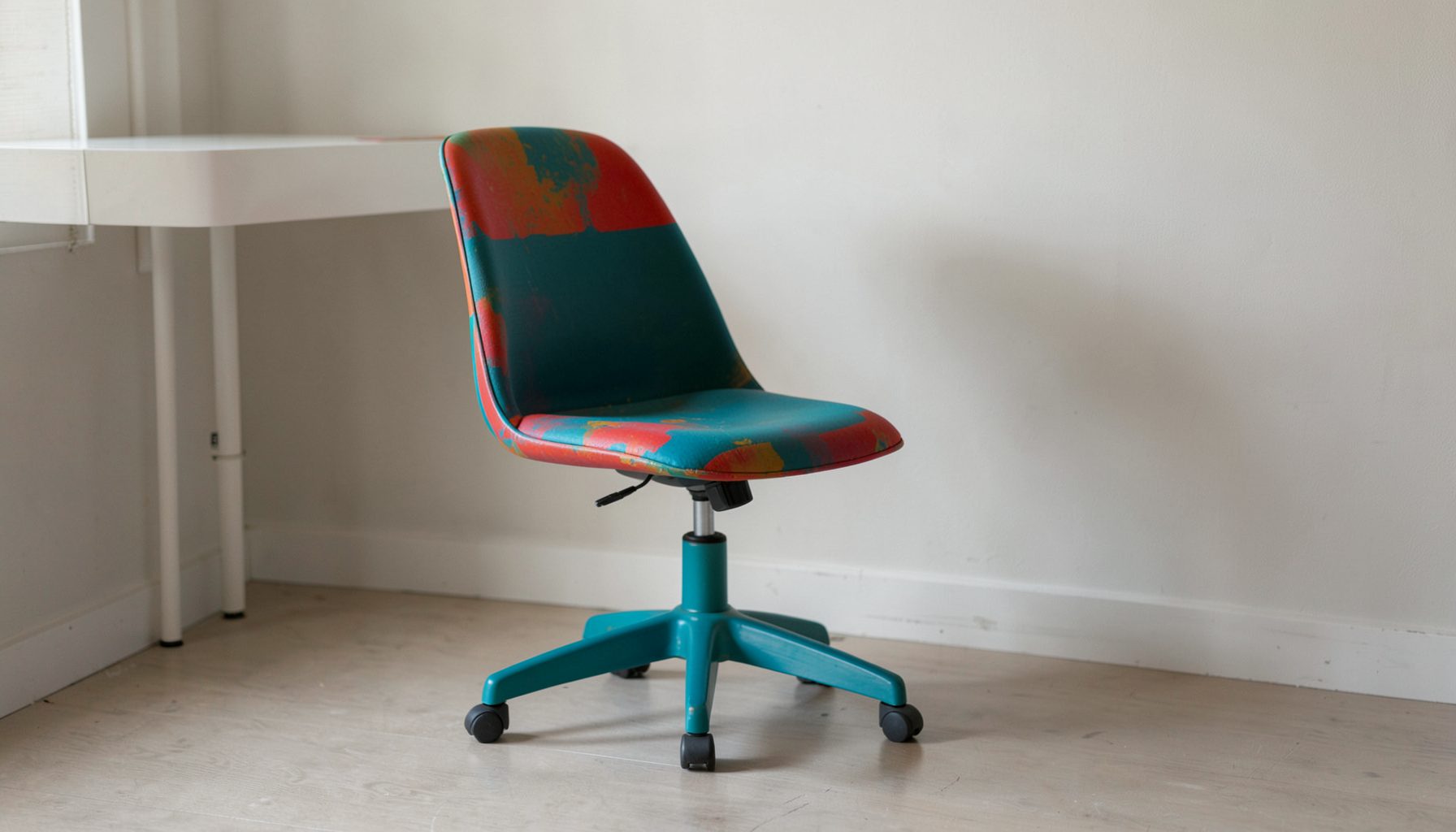
E-Decorating
Personalized design guidance delivered online — perfect for clients anywhere in the world who want a professional eye.
Learn More
Portfolio
Browse completed room makeovers, before-and-after transformations, and styling projects from Bay Area homes.
Learn More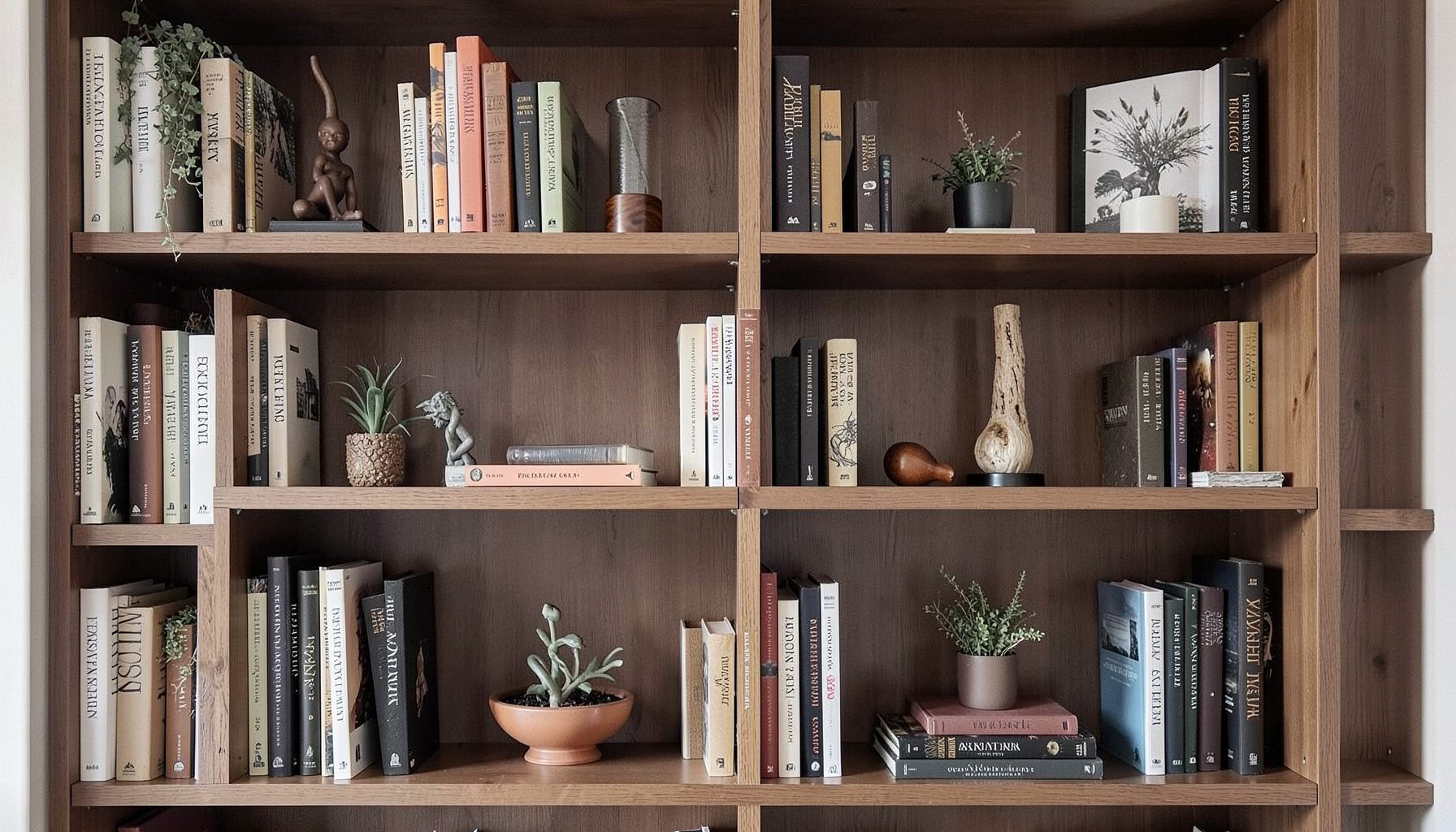
Blog
Interior design inspiration, fashion finds, entertaining ideas, and peeks into real home renovations and styling projects.
Learn More
Downloads
Free curated resources for home decorating and design — guides, checklists, and inspiration to help you get started.
Learn MoreUpgrade your ceiling fan with sleek blades and a remote control
Ceiling fans are workhorses of the home, especially in Australian summers when the mercury climbs into the high thirties across Brisbane, Adelaide, and inland NSW. Yet many houses still rely on dated fixtures with honey-toned timber blades and a wall-mounted pull cord, from weatherboard Queenslanders in the Brisbane suburbs to red-brick Californian bungalows in Melbourne's inner west and newer project homes in western Sydney. A modern blade set and a remote kit can transform a tired unit into a quiet, sculptural piece without the cost or mess of a full replacement. The swap also brings practical upgrades, like variable speed settings and reverse functions for winter circulation, that suit Australia's varied climate zones. This guide walks through assessing what you already have, choosing blades that complement your decor, picking a remote that works with your fan, and installing everything safely.
The renovation-friendly nature of this project suits the way homes are refreshed here. Australians love a good weekend makeover, often fuelled by a trip to Bunnings or a local Mitre 10, then a long lunch on the verandah. A ceiling fan upgrade fits that rhythm perfectly: a single afternoon of work, a few hundred dollars in parts, and a noticeable change in how the room feels. Because most Australian homes run on 230 volts and follow AS/NZS wiring rules, the electrical side of the job is best left to a licensed sparkie, but the physical swap of fan blades is something almost anyone with a step ladder can handle.
Evaluating your existing fan
Before ordering anything, get up close with the fan and work out what you are dealing with. Most ceiling fans built in the last twenty years, including popular models from brands like Mercator, Hunter, and Martec sold at Beacon Lighting and Domayne, use a standard mount where the blades attach with screws through the blade arms into the motor housing. Older fans from the 1990s may have proprietary blade fittings, which makes sourcing replacements trickier. Look for a model number on the motor housing or the canopy that covers the ceiling mount. A quick photo on your phone, plus the model number, is usually enough for a blade specialist to confirm compatibility.
Measure the blade sweep, the distance from the tip of one blade to the tip of the opposing blade, as modern replacement blades come in standard sizes of 48, 52, and 56 inches. Fans with a 48-inch sweep suit bedrooms and studies, while 52-inch and 56-inch models handle living rooms and open-plan spaces more comfortably. Also count the number of blades: most Australian fans run three or four. Four-blade fans move more air and feel slightly more traditional, while three-blade fans feel sleeker and more contemporary. If you are moving from four to three, be aware the balance and airflow will feel different, so the upgrade is as much a stylistic decision as a practical one.
Check the drop from ceiling to blade as well. Low-profile fans hug the ceiling and suit rooms with standard 2.4-metre ceilings, the most common height in suburban Australian homes. Rooms with higher vaults, common in Perth's newer coastal builds or sprawling family houses in Brisbane's western corridors, may need an extension rod. Australian suppliers stock rods in 900mm and 1200mm lengths specifically for these situations, so factor that in if your fan currently sits awkwardly high or low.
Picking blades that work with your decor
Modern ceiling fan blades come in a far broader range of finishes than the honey-coloured timber of a decade ago. Matte black, brushed nickel, weathered oak, whitewashed pine, and woven rattan-look options are widely available. For a coastal home in Noosa or a Hamptons-style refresh in Mosman, wide whitewashed timber blades keep the breezy, light-filled feel. For a terrace renovation in Fitzroy or Newtown, matte black or charcoal blades read as architectural and modern. For a classic Queenslander with VJ walls and timber floors, mid-tone timber blades with a subtle grain echo the heritage details without feeling like a period reproduction.
Material affects both look and performance. MDF blades are the budget-friendly workhorse, light, paintable, and quiet at low speeds. Solid timber blades look richer and age beautifully, but can warp in humid coastal air if the seal fails. ABS plastic blades resist moisture and are a smart choice for bathrooms, laundries, and outdoor entertaining areas, such as the back patios common in Sydney and Melbourne homes. Many premium blades also come with a reversible finish, a different timber look on each side, so you can swap them later if your scheme changes.
When ordering, check the pitch of the blade as well. A steeper pitch, around 12 to 15 degrees, moves more air at lower speeds and is ideal for bedrooms where you want gentle movement without a draft. A flatter pitch, around 10 to 12 degrees, looks sleeker and suits living areas where style matters more than maximum airflow. Quality lines such as Calibo, Fanaway, Fanco, and Eglo, carried by Sydney-based fan retailers and national chains, are usually clearly labelled with pitch and recommended room size, which simplifies the decision.
Choosing a remote control kit
A remote control turns a basic ceiling fan into a smart-feeling fixture, letting you adjust speed, direction, and light from across the room. Universal kits from brands like Arlec, Atom, and HPM, all sold at Bunnings and through electrical wholesalers, fit most standard AC ceiling fans and include a receiver module that sits inside the fan canopy at the ceiling, plus a handheld remote. Look for kits that support your fan's existing light, including compatibility with dimmable LEDs, the dominant bulb in new Australian homes. Some kits add Wi-Fi or voice control via Google Home or Alexa, useful if your fan is in a high-ceiling living area where a wall switch feels inconvenient.
Before buying, check that the receiver module fits inside your fan's canopy. Older compact fans with shallow canopies sometimes struggle to accommodate the extra hardware, and a module that pokes out looks untidy. If space is tight, consider a remote-only wall control, which sits in the existing switch plate and avoids the need for a receiver inside the fan. These are popular in heritage homes where the original switch plate is part of the architectural character, common in Victorian terraces in Melbourne's inner suburbs or Federation homes in Sydney's eastern suburbs.
Consider how the remote is powered and how it pairs with the receiver. Most use standard AAA batteries, though rechargeable lithium versions are becoming common. Pairing is usually a matter of setting dip switches or holding a button on the receiver while pressing a button on the remote, a five-minute job that does not require a licensed electrician once the fan is wired in. Look for a kit that includes a wall-mounting bracket for the remote, so it has a permanent home somewhere near the doorway. A floating remote down the back of the sofa is a small frustration that undermines the whole upgrade.
Installing the new blades and remote
Turn off the fan at the wall, then switch off the circuit at the switchboard, the Australian term for the breaker panel. This is the standard approach outlined in AS/NZS 3000 wiring rules and is non-negotiable for the electrical portion of the work. The blade swap itself is mechanical: remove the existing blade arms by unscrewing them from the motor housing, then unscrew the old blades from the arms. Most blades attach with two screws per arm. Keep the screws in a small container so they do not vanish into the carpet, a familiar frustration in any household renovation.
Attach the new blades to the existing arms using the new screws supplied with the blades. Do not reuse the old screws, as thread length and head size vary between blade brands and a mismatched screw can wobble over time. If your new blades came with new arms, fit those to the motor housing first, then attach the blades. Tighten each screw firmly but do not over-tighten, as MDF blades can crack at the screw hole if forced. A cordless drill on low torque makes the job faster, but a hand screwdriver gives better feel.
For the remote receiver, the work switches the circuit back on briefly to confirm the fan and light still work, then off again before loosening the canopy to slide the module in. This is the part where a licensed electrician comes in for Australian homeowners, since connecting the receiver into the existing fan wiring must be done by a registered electrical worker. The cost is usually modest, often a one-hour call-out fee, and the electrician will also confirm the existing wiring is in safe condition, a worthwhile check in older homes with original cabling. Once the canopy is back in place, restore power and pair the remote following the kit instructions.
Finishing touches and long-term care
With the new blades in place and the remote working, give the fan a five-minute test at each speed setting and in both directions. The reverse function, usually controlled by a small switch on the motor housing or via the remote, pushes air upwards in winter to circulate warm air from the ceiling back down into the room, which is genuinely useful in cooler parts of Australia, from Melbourne and Hobart through to the Southern Highlands, where winter heating bills add up. Listen for any ticking or wobble. A slight wobble at high speed can often be fixed by cleaning dust from the old blade arms, which is more common than people realise.
Wipe the new blades with a soft, dry microfibre cloth every couple of months. Dust build-up is the main reason fans start to wobble, and it also dulls the finish over time. Avoid spray polishes on painted or sealed finishes, as the solvents can cloud the surface. For ABS or plastic blades, a slightly damp cloth works well. For solid timber, a touch of beeswax polish once a year keeps the wood hydrated and rich.
Style the rest of the room to complement the new fixture. A black-bladed fan reads beautifully against a white ceiling and a layered scheme of vintage rattan, linen, and warm timber, a look that suits Australian homes from Sydney's eastern beaches to Adelaide's leafy inner east. A timber-bladed fan, by contrast, pairs with layered rugs, soft throws, and a gathered palette of neutrals that feels collected rather than styled. The fan becomes a sculptural element rather than an afterthought, and the room quietly feels more pulled together the next time you step inside.
The next step is to order your blades and remote, measure twice, and book the electrician for the receiver wiring so the whole swap happens in a single, satisfying weekend.

Recent Projects