Interior Design
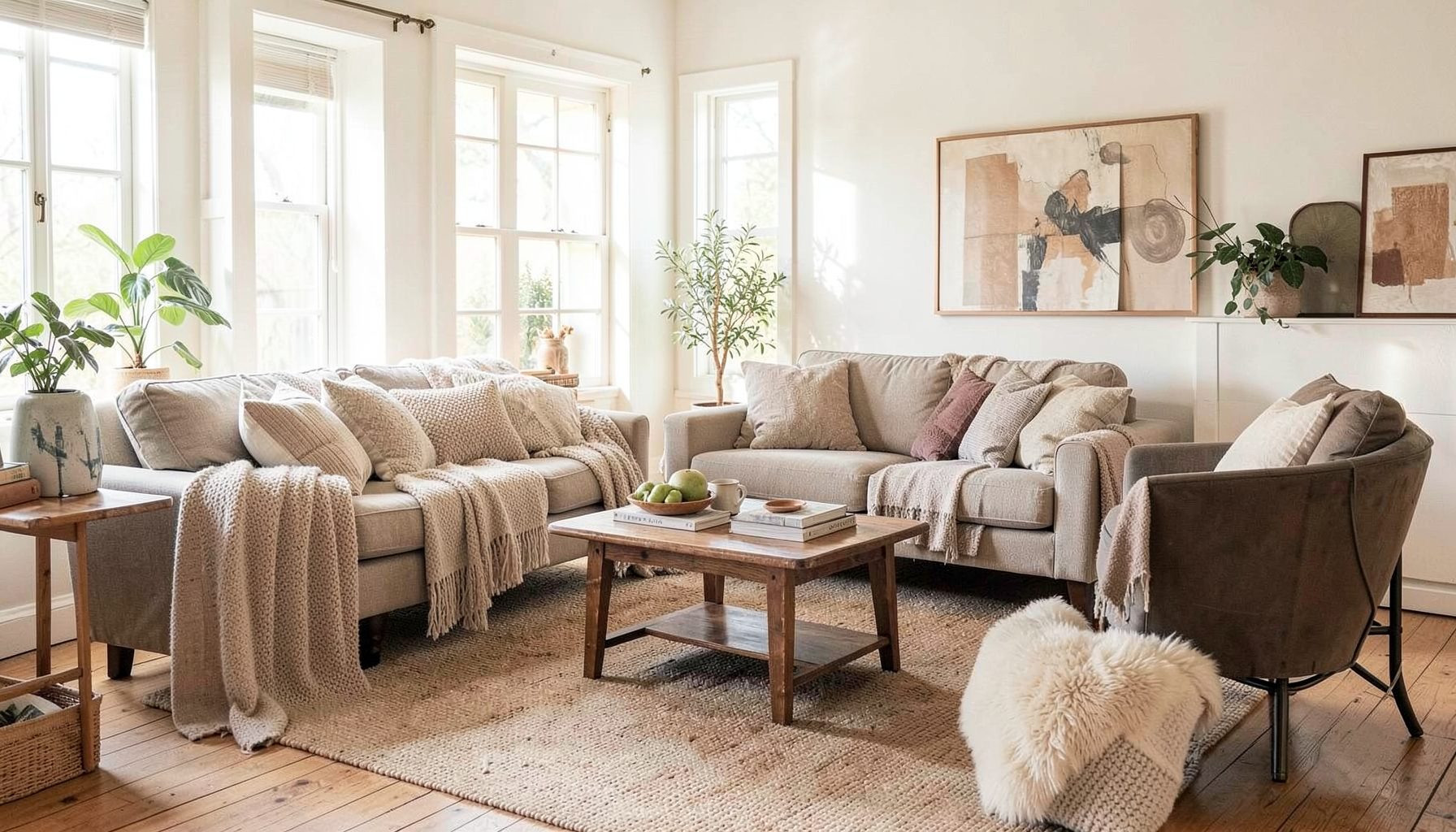
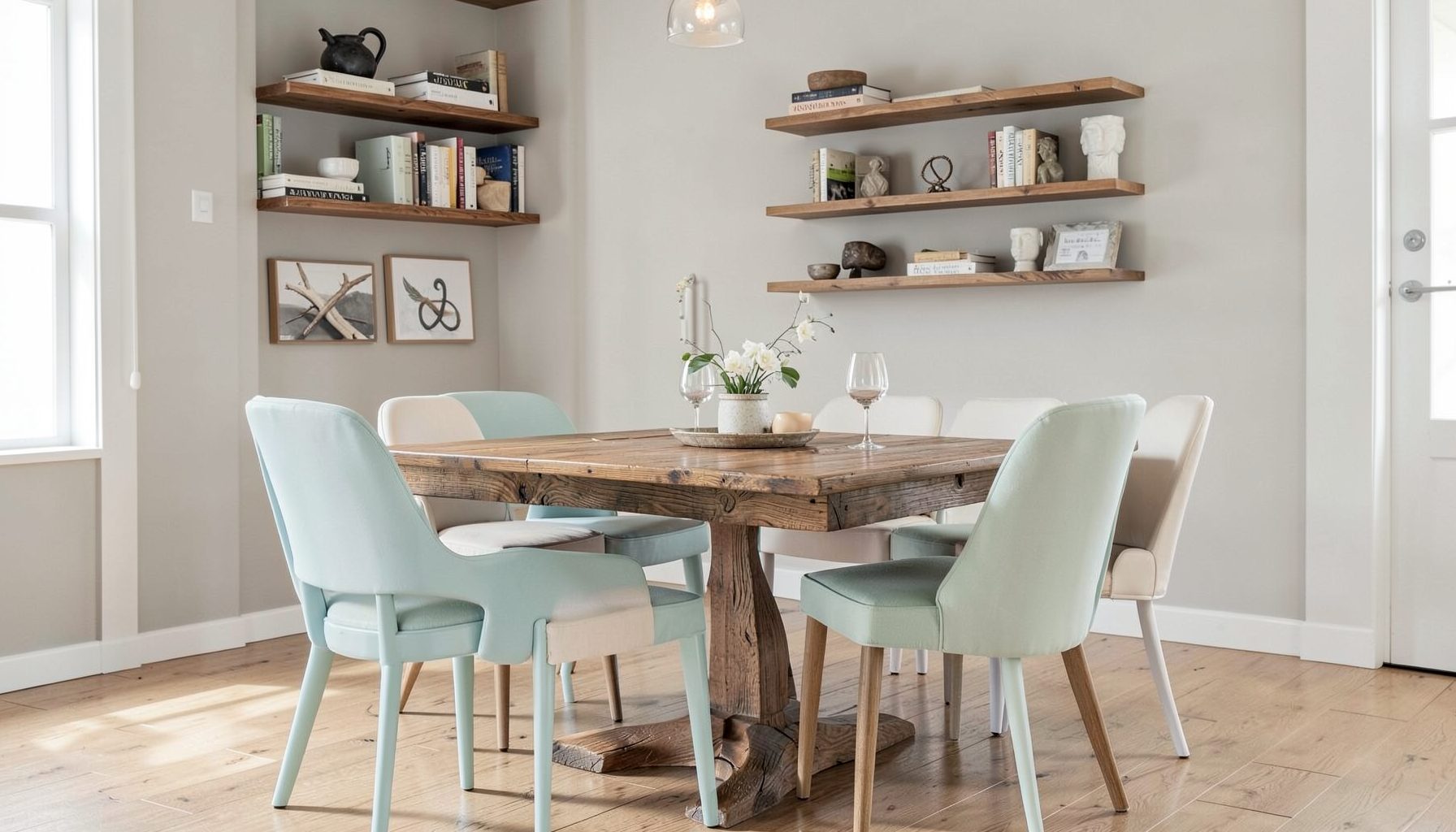
Full-service decorating that blends high and low, vintage finds with modern pieces for spaces that feel personal and collected.
Learn More
DIY Projects
Step-by-step tutorials for refinishing furniture, sewing pillows, styling bookshelves, and transforming rooms on a budget.
Learn More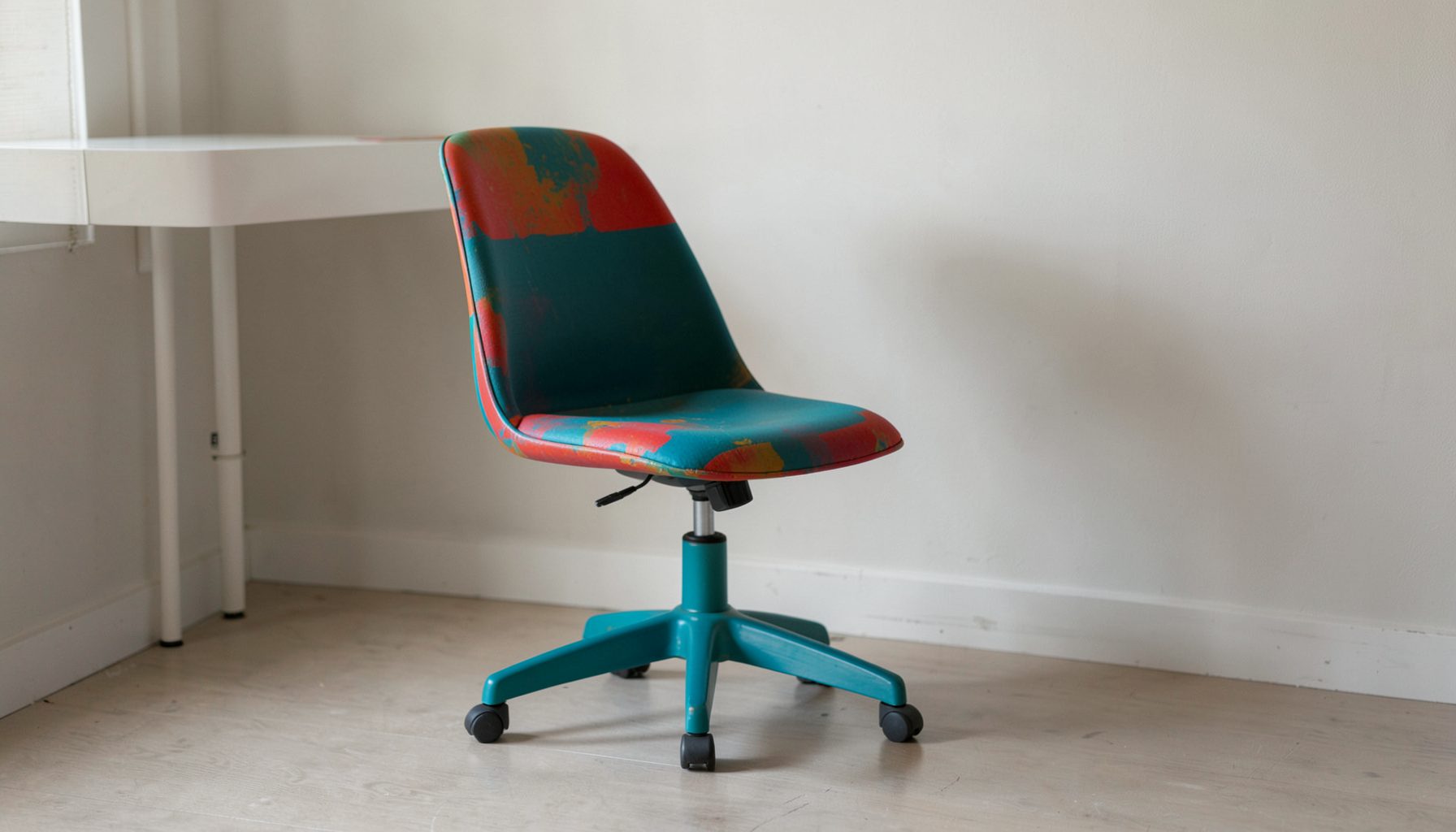
E-Decorating
Personalized design guidance delivered online — perfect for clients anywhere in the world who want a professional eye.
Learn More
Portfolio
Browse completed room makeovers, before-and-after transformations, and styling projects from Bay Area homes.
Learn More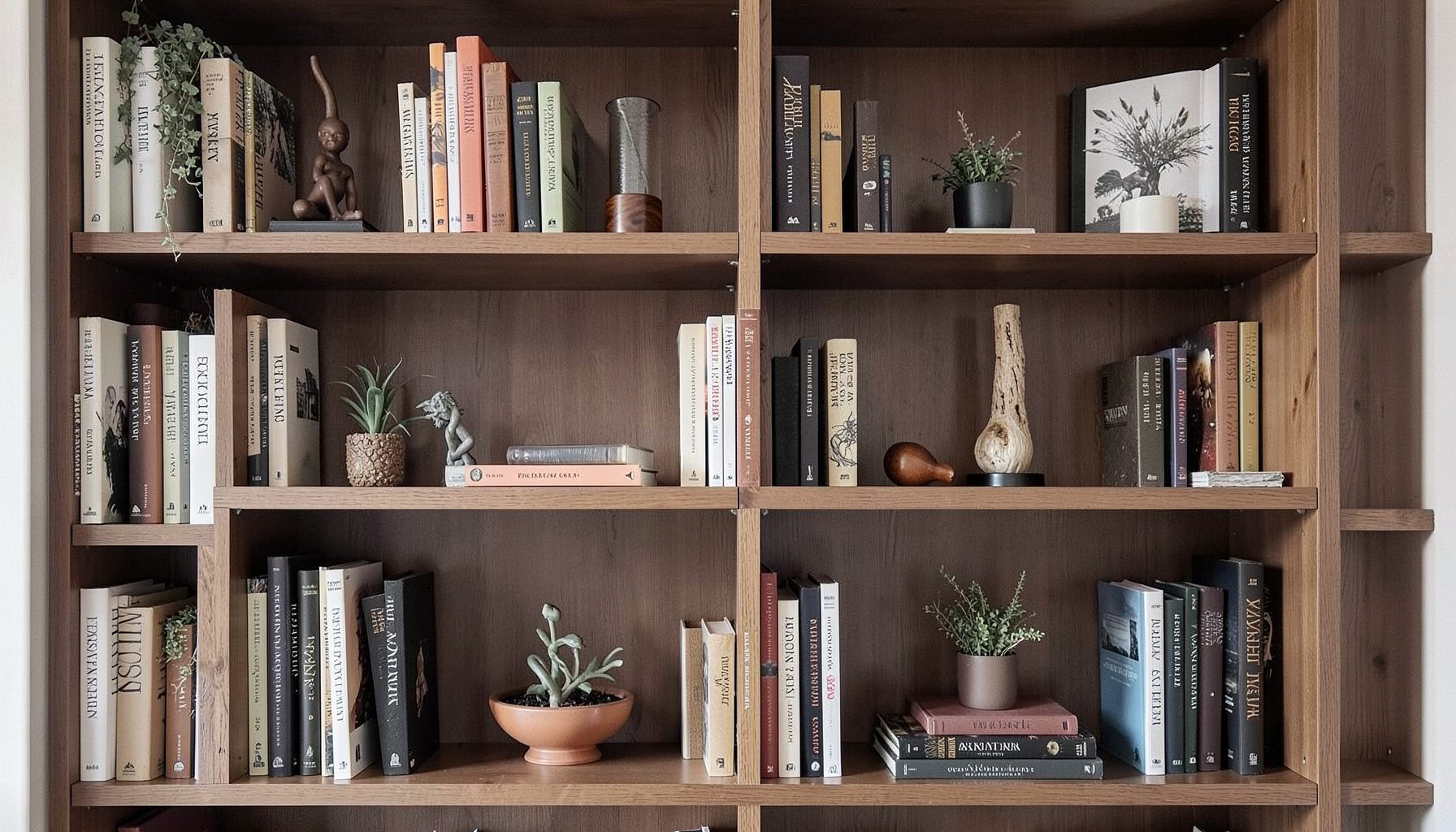
Blog
Interior design inspiration, fashion finds, entertaining ideas, and peeks into real home renovations and styling projects.
Learn More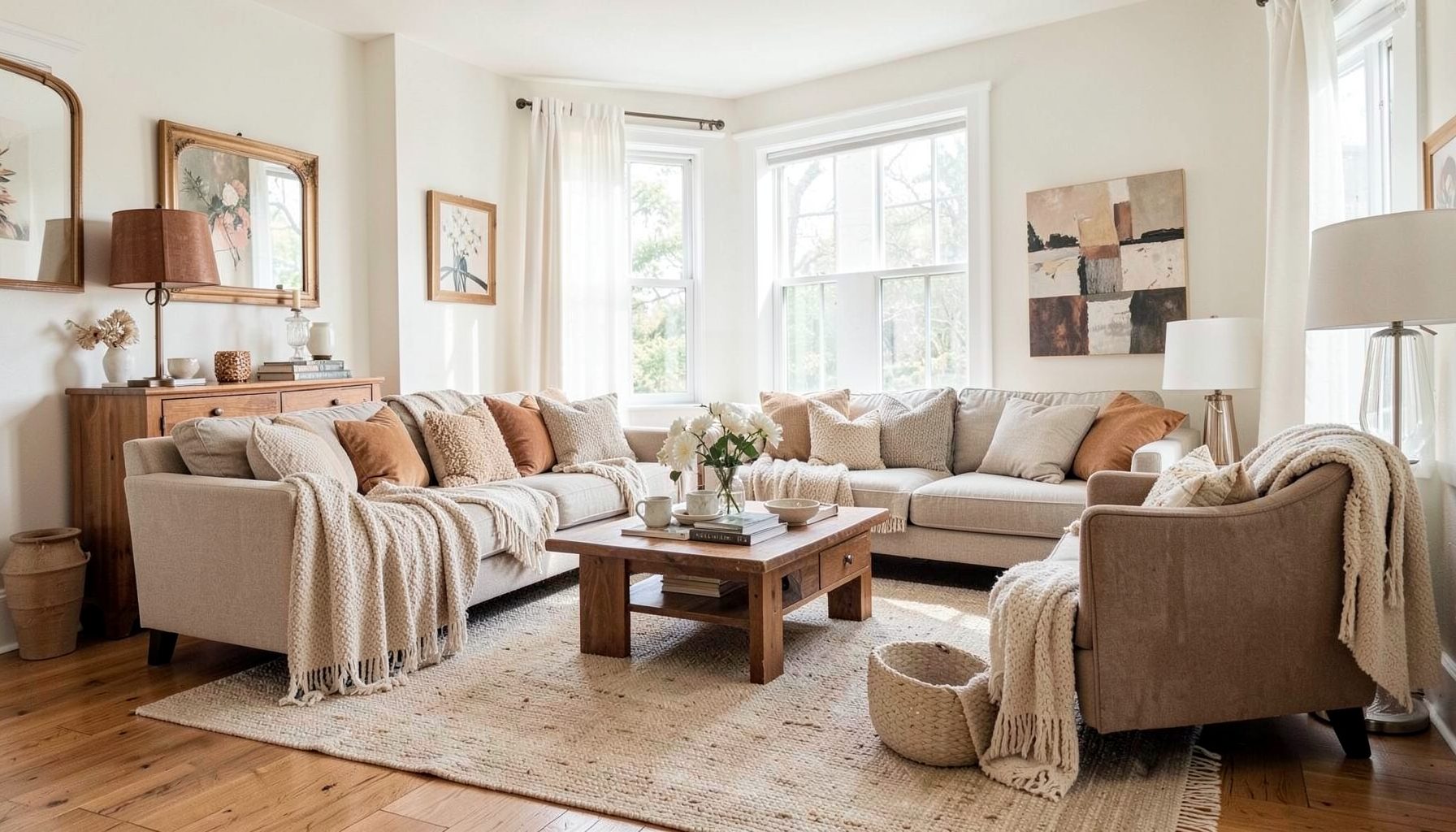
Downloads
Free curated resources for home decorating and design — guides, checklists, and inspiration to help you get started.
Learn MoreHow to Transition Your Decor from Day to Night
A room should feel comfortable at every hour, from the first cup of coffee to the last conversation of the evening. Yet many interiors are designed around daylight alone. They look bright and inviting in the morning, then lose their warmth once the sun goes down and a single ceiling fixture takes over.
Creating a smooth day-to-night transition is less about buying an entirely new collection of furniture and more about layering atmosphere. Thoughtful lighting, movable textiles, reflective surfaces, and a few well-placed decorative accents can shift a room from energetic and practical to intimate and relaxed.
The most successful spaces retain their personality after dark. Vintage pieces can remain beside modern silhouettes, everyday furnishings can gain a more polished feel, and personal objects can become part of the evening mood. With a few intentional adjustments, your home can support both daytime activity and nighttime ease.
Begin With The Room’s Natural Rhythm
Before changing anything, notice how the room behaves as daylight moves across it. A living room with strong western exposure may be warm and golden in late afternoon, while a north-facing bedroom may need soft illumination much earlier. The direction and intensity of natural light affect wall color, upholstery, artwork, and the way finishes appear after sunset.
Watch for areas that become visually flat or shadowy in the evening. A reading chair in a bright window may need a dedicated lamp, while a console near the entry might benefit from a small decorative light. Consider how people use the room at different times: cooking, working, entertaining, reading, watching television, or winding down.
A flexible interior supports these transitions without requiring constant rearrangement. Keep pathways open, place frequently used objects within easy reach, and make sure lighting controls are accessible. Dimmers, smart bulbs, and lamps with simple switches can make the shift feel effortless rather than like a nightly reset.
Build Layers Of Evening Light
Lighting has the strongest influence on the mood of a room after dark. Begin with ambient illumination, such as a central pendant, recessed fixtures, or wall sconces. This provides general visibility, but it should not be expected to do every job. When a room depends on one overhead source, it often feels harsh, uneven, and less inviting.
Add task lighting where specific activities take place. A floor lamp beside a sofa supports reading, a small lamp on a desk helps with focused work, and under-cabinet lighting makes a kitchen more comfortable after sunset. Accent lighting can then highlight art, bookshelves, architectural details, or a collection of objects.
For a more detailed approach, explore these layered lighting ideas when planning a collected, atmospheric interior. Mixing light sources at different heights—on the floor, at table level, and above eye level—creates depth and prevents the room from appearing illuminated from a single, flat plane.
| Daytime Need | Evening Adjustment | Useful Design Element |
|---|---|---|
| Clear, active workspace | Softer focused illumination | Dimmable task lamp |
| Bright living area | Warm pools of light | Floor lamps and table lamps |
| Open dining space | More intimate atmosphere | Pendant with a dimmer |
| Dark hallway or corner | Gentle visual guidance | Sconce or plug-in picture light |
| Strong natural glare | Balanced evening comfort | Sheer curtains and warm bulbs |
Choose bulbs in a warm color temperature, generally around 2700K to 3000K for living spaces. Very cool bulbs can make warm paint, wood, and upholstery appear stark. Dimming capability matters just as much as bulb color because the right brightness changes throughout the evening.
Use Textiles To Shift The Mood
Textiles make a room feel seasonally and visually adaptable. During the day, lighter cottons, linens, and woven fabrics can keep a space feeling fresh and breathable. As evening arrives, layered throws, velvet pillows, wool rugs, and quilted textures introduce softness and make seating feel more inviting.
You do not need to replace every cushion or curtain. A simple basket of accent pillows near the sofa can make it easy to add depth at night. Drape a throw over an armchair, fold a heavier blanket at the foot of the bed, or place a small rug beneath a side table to define a more intimate zone.
Window treatments also influence the transition. Sheer panels filter late sunlight without making a room feel closed in, while lined drapes provide privacy and help frame the evening. If the room feels exposed after sunset, closing curtains can instantly make it feel calmer and more finished.
Texture is especially valuable in rooms with smooth surfaces, strong contemporary lines, or abundant glass. A nubby pillow, vintage rug, woven basket, or natural wood accessory can soften the overall impression. These details work in daylight as decorative layers and become even more noticeable when illuminated by warm, directional light.
Rearrange Accessories For Atmosphere
Daytime styling often prioritizes function and visual clarity. Countertops remain open, coffee tables have room for books or laptops, and dining surfaces may be prepared for meals or work. At night, a few intentional accessories can create a more composed setting without making the room feel staged.
Group objects in small, varied arrangements rather than spreading them evenly across every surface. On a coffee table, combine a low tray, a candle, one or two books, and a natural element such as a branch or small floral arrangement. On a console, pair a lamp with artwork, ceramics, or a framed photograph. Varying height and scale helps the arrangement feel collected.
Reflective accents can extend the reach of low light. Glassware, antiqued mirrors, polished metal, glazed pottery, and crystal details catch small points of illumination and distribute them across the room. Use these materials selectively; too many reflective objects can make an interior feel busy rather than warm.
Scent also contributes to the perceived atmosphere. A subtle candle, essential oil diffuser, or vase of fragrant greenery can signal that the day is winding down. Choose one scent that suits the room and keep it understated, especially in dining and entertaining areas where strong fragrance may compete with food.
Make Dining And Entertaining More Flexible
A dining room or open-plan kitchen often has to support several moods. In daylight, it may function as a workspace, homework station, or casual breakfast area. In the evening, the same space can become a setting for dinner, drinks, or long conversations. The transition begins with clearing visual distractions and emphasizing the areas where people will gather.
Lower the dining pendant or dim it to create a more intimate pool of light. If the fixture does not have a dimmer, use nearby sconces, candles, or a lamp on an adjacent console to balance the brightness. Light should flatter faces and illuminate the tabletop without shining directly into anyone’s eyes.
A simple tablescape can make an everyday meal feel special. Use cloth napkins, a low centerpiece, attractive serving pieces, or a stack of vintage plates. Keep the arrangement low enough for conversation and practical enough to remove quickly. A wooden board, ceramic bowl, or linen runner can add character without requiring formal place settings.
In an open-plan space, use lighting and furniture placement to create visual zones. A pair of lamps can make the living area feel separate from the kitchen, while pendant light can anchor the dining table. This approach preserves the openness of the floor plan during the day and adds definition after dark.
Bring Comfort Into The Bedroom And Bath
Bedrooms naturally benefit from a quieter evening palette. During the day, open curtains, make the bed with breathable layers, and keep surfaces relatively clear. At night, close the window treatments, turn on bedside lamps, and introduce heavier textures that encourage rest.
Avoid relying on a bright overhead fixture before bedtime. Bedside lighting should be warm, shielded, and easy to control from the bed. Wall-mounted sconces can save space on a small nightstand, while ceramic or fabric-shaded lamps add softness to a more traditional or collected room.
The bathroom also deserves a two-part lighting strategy. Bright, even light is useful for grooming during the day, but a dimmer setting or secondary light source is more soothing in the evening. A small lamp outside the bathroom, low-level night lighting, or a softly illuminated mirror can provide visibility without creating glare.
Color plays a supporting role. Deepened neutrals, muted greens, dusty blues, warm whites, and earthy tones tend to feel restful at night, especially when paired with natural materials. If your daytime palette is bright, you can create evening richness through towels, bedding, artwork, and accessories rather than repainting the entire room.
Make Small Changes Part Of A Routine
A reliable transition works best when it becomes a simple household ritual. As daylight fades, switch on lamps rather than the brightest overhead lights, close curtains where privacy is needed, and move a few practical objects out of the main visual field. These actions take minutes but have a noticeable effect on the character of a room.
Keep evening accessories easy to access. Store throws in an open basket, place matches or a lighter near candles, and use trays to move daytime work materials from a coffee table or dining surface. When decorative changes are convenient, they are more likely to become part of everyday life.
- Use dimmers wherever possible, especially in living, dining, and bedroom areas.
- Keep at least three light sources in frequently used rooms.
- Choose warm bulbs and test them with your actual wall colors and finishes.
- Layer soft textiles near seating so comfort can be added quickly.
- Edit clutter before entertaining, leaving space for food, drinks, and conversation.
The goal is not to make your home look like a different place at night. It should still reflect the same collected style, favorite colors, and meaningful objects. The difference is that each element is allowed to perform differently under softer light and a slower pace.
A well-designed room gives you options. It can be bright enough for daily routines, organized enough for work, and warm enough for a quiet evening with friends. Whether you are adjusting one apartment room or refining an entire home, begin with the lighting, add tactile layers, and let your personal collection guide the details.
If your spaces need a more tailored day-to-night transformation, Maggie Rose Interiors can help shape a layered plan around your home, lifestyle, and existing pieces. Explore the studio’s design services and portfolio to create rooms that feel just as considered after sunset as they do in the daylight.

Recent Projects