Interior Design
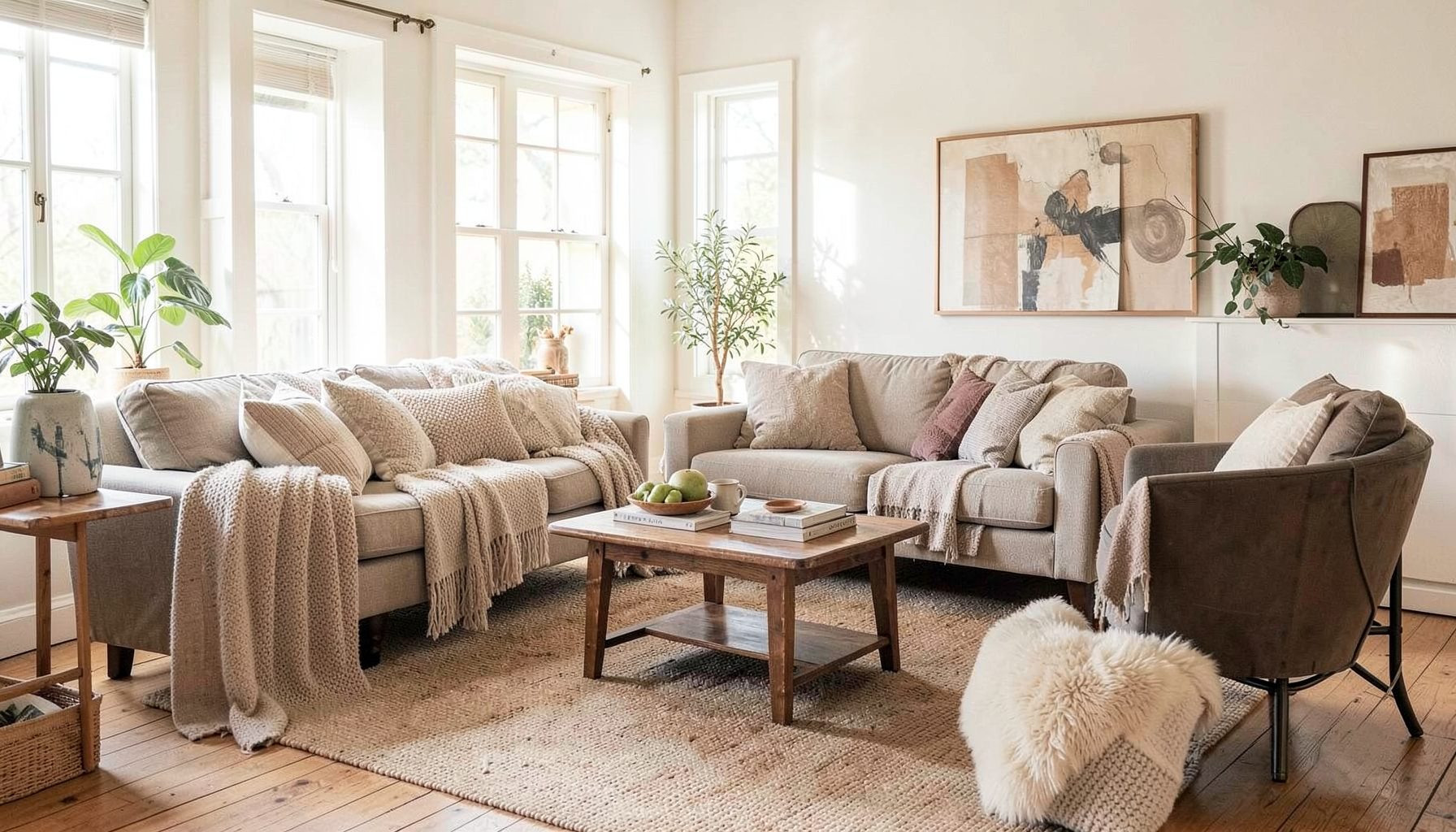
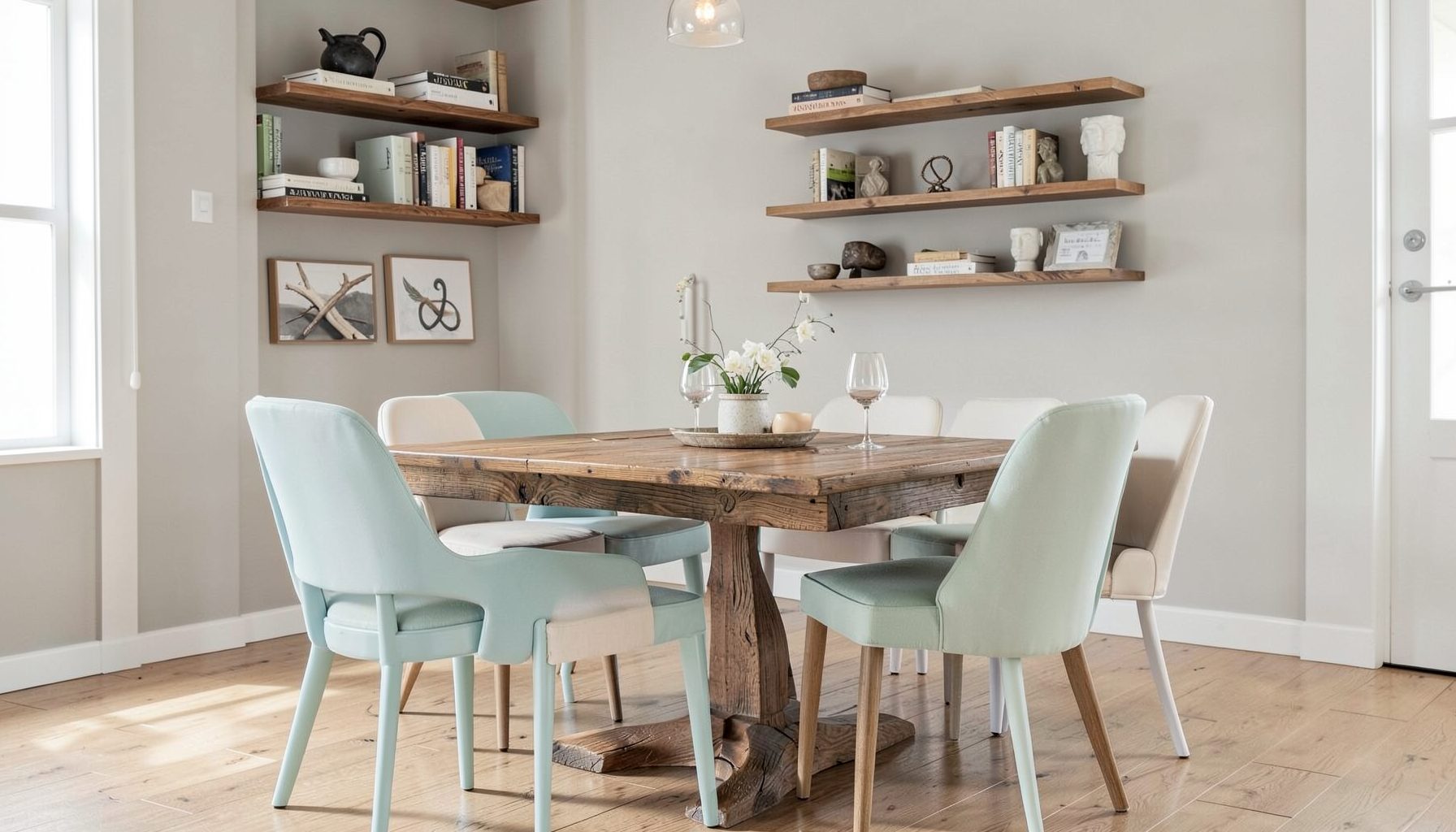
Full-service decorating that blends high and low, vintage finds with modern pieces for spaces that feel personal and collected.
Learn More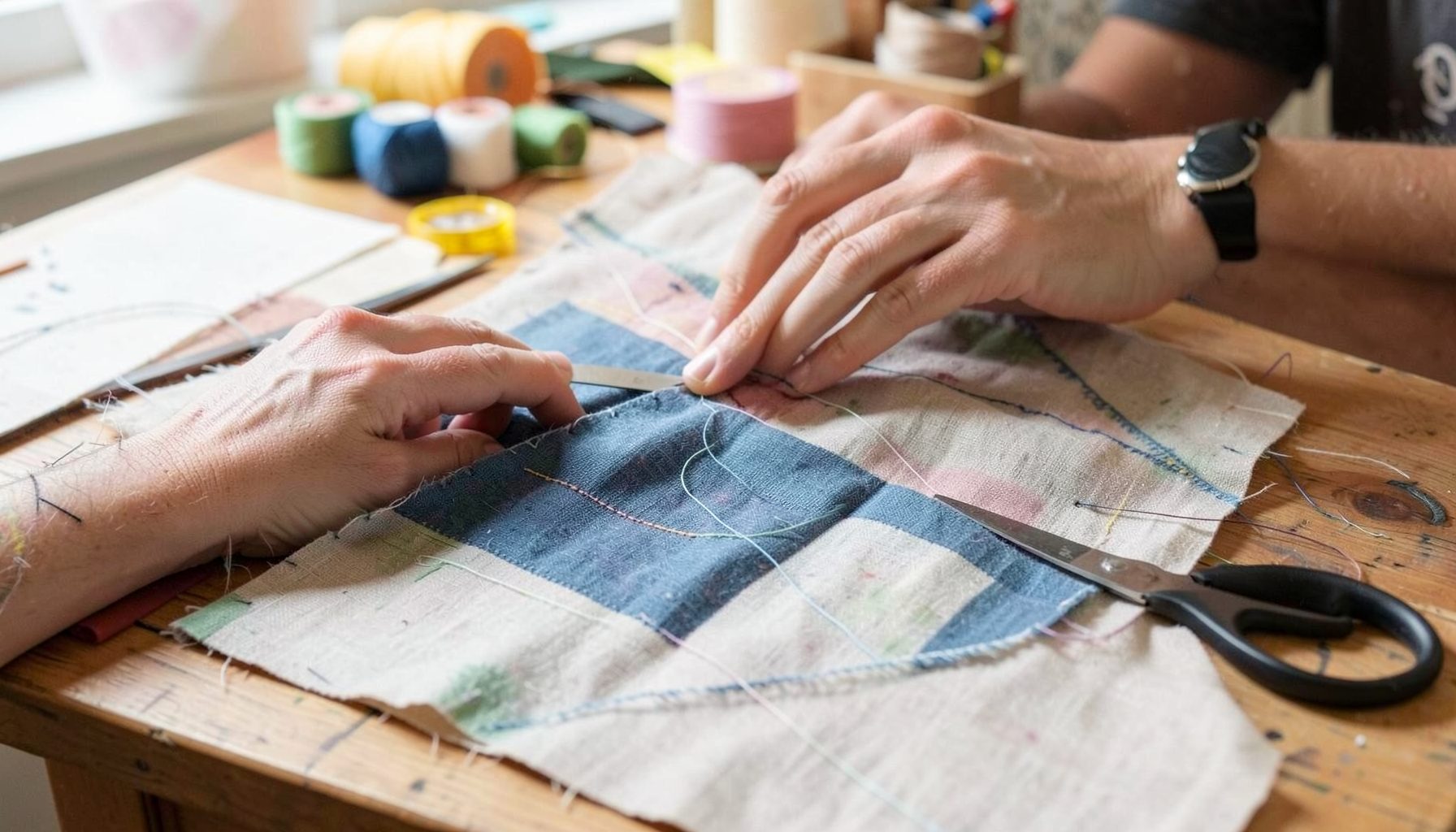
DIY Projects
Step-by-step tutorials for refinishing furniture, sewing pillows, styling bookshelves, and transforming rooms on a budget.
Learn More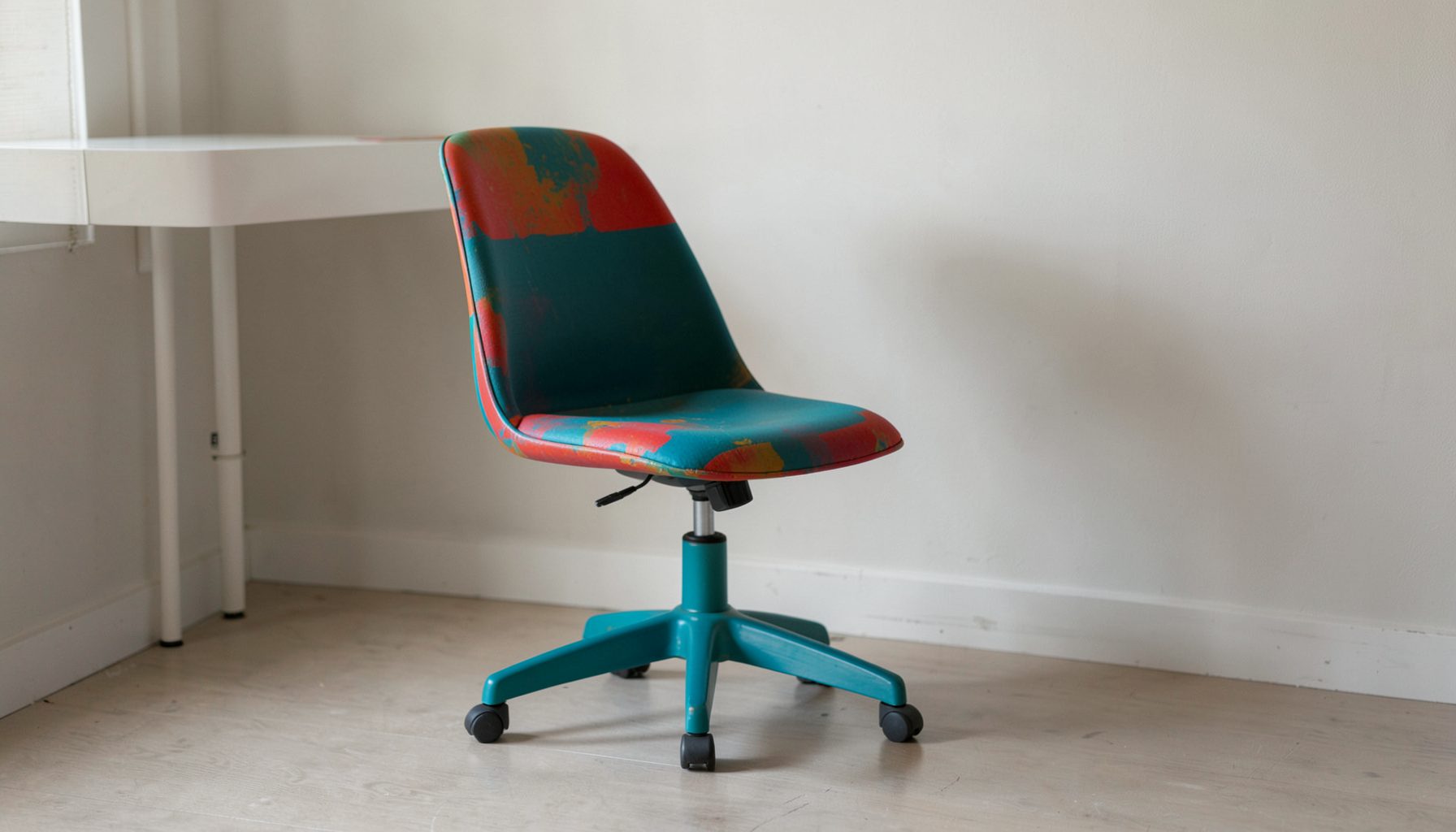
E-Decorating
Personalized design guidance delivered online — perfect for clients anywhere in the world who want a professional eye.
Learn More
Portfolio
Browse completed room makeovers, before-and-after transformations, and styling projects from Bay Area homes.
Learn More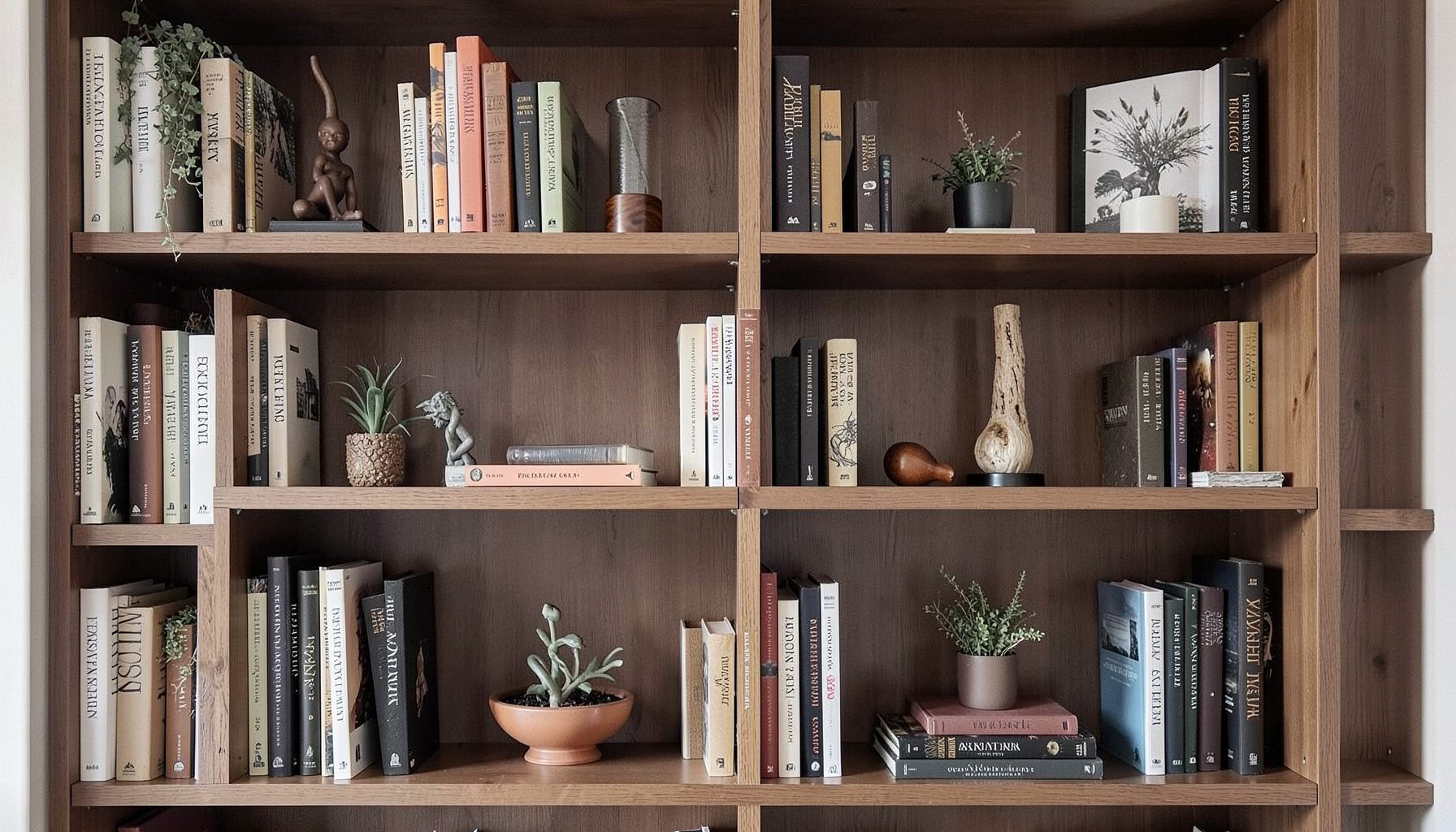
Blog
Interior design inspiration, fashion finds, entertaining ideas, and peeks into real home renovations and styling projects.
Learn More
Downloads
Free curated resources for home decorating and design — guides, checklists, and inspiration to help you get started.
Learn MoreHow to Style Open Shelving Without Visual Clutter
Open shelving can make a room feel architectural, personal, and beautifully lived-in. It gives favorite objects room to breathe while adding height, texture, and easy access to everyday essentials. Yet without a thoughtful arrangement, even attractive shelves can quickly become a crowded display of books, dishes, art, and decorative accessories.
The secret is not owning fewer beautiful things or arranging every object with rigid precision. A successful open shelf display depends on balance, repetition, negative space, and a clear sense of what belongs in the room. When practical storage and personal styling work together, the shelves feel collected rather than chaotic.
A layered approach works especially well in homes that combine vintage finds, modern furnishings, and meaningful pieces. The goal is to create a composition that feels natural over time, with enough structure to look intentional and enough flexibility to remain useful.
Begin With A Visual Foundation
Before placing accessories, remove everything from the shelves and assess the entire wall. Look at the shelving unit as part of the room rather than as a series of separate compartments. Consider the surrounding furniture, wall color, lighting, flooring, and architectural features. These elements should influence the palette and scale of the objects you display.
A neutral foundation makes open shelving easier to style. If the shelves are dark wood, consider incorporating light ceramics, woven baskets, pale books, or warm brass accents. If the shelves are white, natural wood, black, terracotta, and muted textiles can add depth. A limited color story helps different objects feel connected, even when they come from different periods or design styles.
Think about the visual weight of the shelves as well. Large pottery, framed artwork, and stacks of books carry more presence than small glass objects. Begin with a few substantial pieces, then build around them. Starting with tiny accessories often leads to overfilling because the arrangement lacks strong anchors.
Create Rhythm With Shape And Height
An uncluttered display usually includes a mixture of horizontal and vertical forms. Stack several books horizontally beneath a small bowl, then place a tall vase or framed print on a neighboring shelf. This change in direction creates movement and prevents the display from looking like a row of identical objects.
Varying height is equally important. If every item sits at the same level, the shelves can appear flat and overly arranged. Use a pedestal, a stack of books, or a low box to elevate smaller objects. Tall branches, candlesticks, or artwork can draw the eye upward, while low baskets and trays help ground the lower shelves.
Repeat a few shapes throughout the arrangement to create cohesion. Rounded ceramics, rectangular frames, and organic woven pieces can each appear more than once without looking repetitive. Repetition gives the eye a path through the display, while variation keeps the styling relaxed and personal.
Balance Negative Space And Visual Weight
Negative space is one of the most valuable decorating tools on an open shelf. Empty areas allow individual objects to stand out and prevent the eye from processing too many details at once. A shelf does not need to be filled from end to end to look complete. In many rooms, leaving 20 to 30 percent of the surface open creates a calmer result.
Balance does not mean placing matching objects on opposite sides. Instead, distribute visual weight across the whole unit. A large ceramic vessel on the upper left might be balanced by a stack of books and a framed print on the lower right. A dense grouping can be offset by a simple, open arrangement nearby.
Stand back regularly while styling. What looks balanced at close range may feel heavy from across the room. Take a quick photograph of the shelves, since a camera often reveals crowded corners, awkward gaps, or too many similarly sized pieces more clearly than the eye does in person.
| Shelf Element | Best Use | Styling Tip |
|---|---|---|
| Books | Add height, color, and a personal point of view | Group by color or size, then mix horizontal and vertical stacks |
| Baskets | Conceal small items and introduce texture | Use one or two larger baskets rather than many small containers |
| Framed Art | Create a focal point and vary scale | Lean artwork casually or layer a smaller frame in front |
| Ceramics | Add sculptural shape and handmade character | Combine matte and glazed finishes in a restrained palette |
| Plants And Branches | Bring movement and organic texture | Choose simple foliage that will not overwhelm nearby pieces |
| Boxes And Trays | Organize small objects and create levels | Use them to contain collections or elevate low accessories |
| Sentimental Pieces | Make the display feel personal | Give meaningful objects room instead of hiding them in a crowded group |
Combine Display With Useful Storage
Open shelving works best when decorative styling and practical function are planned together. In a kitchen, frequently used plates, bowls, mugs, and cutting boards can become part of the design. In a living room, baskets can hold remotes, throws, or children’s items. In a home office, attractive boxes can conceal cables, stationery, and paperwork.
Group functional objects by purpose so the shelves remain easy to use. Place everyday dishes within comfortable reach and reserve higher shelves for less frequently handled items. Keep visually similar pieces together, but avoid creating a rigid showroom effect. A stack of dinner plates beside a framed recipe, a small plant, or a wooden board will feel warmer than a perfectly symmetrical arrangement of dishware.
Choose containers that contribute to the room’s style. Woven baskets soften industrial shelving, while painted boxes can add color to a traditional space. Ceramic canisters, vintage tins, and lidded vessels are useful for hiding visual noise. When small items have a designated home, the shelves remain orderly even during busy weeks.
Layer Collected Pieces With Restraint
A collected look comes from contrast and variation, not from displaying every item at once. Combine old and new pieces, polished and rustic finishes, or refined objects with handmade elements. A vintage vase can sit beside a contemporary art book, while a modern sculpture might share a shelf with an inherited bowl.
Layering creates depth, especially when framed art, small mirrors, or shallow objects lean against the back of the shelf. Place larger pieces behind smaller ones, but leave enough of each object visible to understand its shape. If every item is pushed to the front edge, the arrangement can feel flat and disconnected from the wall.
Use personal objects selectively. Travel mementos, family photographs, collected shells, and favorite books give the display meaning, but they should be edited like any other accessory. Choose pieces that support the room’s palette or tell a story together. A few well-placed memories are more compelling than an entire shelf of unrelated souvenirs.
For a layered home that balances personality with polish, explore the design inspiration from Maggie Rose Interiors. Collected interiors often feel most successful when the objects reflect the people who live there while still benefiting from careful scale, proportion, and editing.
Edit The Arrangement In Stages
Styling open shelves is easier when completed in several passes. Start with the largest pieces, such as baskets, artwork, lamps, large pottery, or stacks of books. These establish the main composition. Next add medium-sized objects that connect the larger elements and fill essential gaps.
The final pass should include only small accents. Add a bowl, candleholder, framed photograph, or small sculptural object where the arrangement needs detail. If an area already feels complete, stop. Small accessories should refine the display rather than compensate for a weak foundation.
Edit with a practical test: remove one item from every shelf and observe the result. If the display immediately feels lighter and more defined, keep those pieces aside. Another useful test is to identify anything that appears more than once without a clear purpose. Repeated clutter often comes from too many tiny objects with similar visual weight.
Simple Styling Rules To Keep Shelves Calm
- Begin with a limited palette of two or three main colors, plus natural materials such as wood, linen, rattan, or stone.
- Place large or visually heavy objects first, then fill the composition with medium and small pieces.
- Leave intentional gaps between groupings so each arrangement has room to breathe.
- Mix useful items with decorative accents, especially in kitchens, offices, and entryways.
- Revisit the shelves seasonally and remove anything that no longer serves the room or your daily routine.
Adapt The Display To Each Room
The best open shelving ideas depend on how the room is used. A kitchen display should prioritize accessibility, durability, and repetition. Matching bowls or plates can form a strong visual rhythm, while a few cookbooks, wooden boards, and plants provide variation. Avoid placing fragile accessories where they may be knocked over during meal preparation.
In a living room, shelves can take on a more expressive role. Use books, artwork, ceramics, and framed photographs to create a sense of personal history. Keep the palette connected to the upholstery and rugs, but allow one or two unexpected accents to add character. A small amount of asymmetry will make the arrangement feel less staged.
Bedroom shelving benefits from softer textures and quieter color. Folded linens, baskets, small artwork, candles, and a few treasured objects can create a restful display. In an entryway, use trays and bowls to contain keys and daily essentials, then balance them with a mirror, a small lamp, or a simple branch arrangement.
Keep The Shelves Looking Intentional
Open shelving requires light maintenance, but the process can be simple. Dust objects as you clean the shelves, and avoid allowing too many fragile or difficult-to-move pieces to accumulate. If an accessory makes cleaning unusually complicated, consider whether its visual contribution is worth the effort.
Rotate decorative items instead of continually adding more. Store seasonal pieces in a labeled bin and bring them out when the room needs a refresh. Moving artwork, switching a few books, or replacing branches with a different natural element can change the mood without requiring a complete restyle.
Allow the display to evolve. A shelf arrangement should support real life, so it does not need to remain frozen after the day it is styled. When new books, travel finds, or inherited objects enter the home, make space by editing older pieces. The most inviting shelves show intention, use, and personality in equal measure.
A well-styled open shelf is less about achieving perfection than establishing a visual rhythm that feels natural in your home. Start with a clear foundation, give important objects breathing room, and let practical storage contribute to the composition. With thoughtful editing and a willingness to leave some space empty, your shelves can become a polished reflection of everyday life. Explore the Maggie Rose Interiors portfolio and design resources, then begin with one shelf and build an arrangement that feels distinctly yours.

Recent Projects