Interior Design
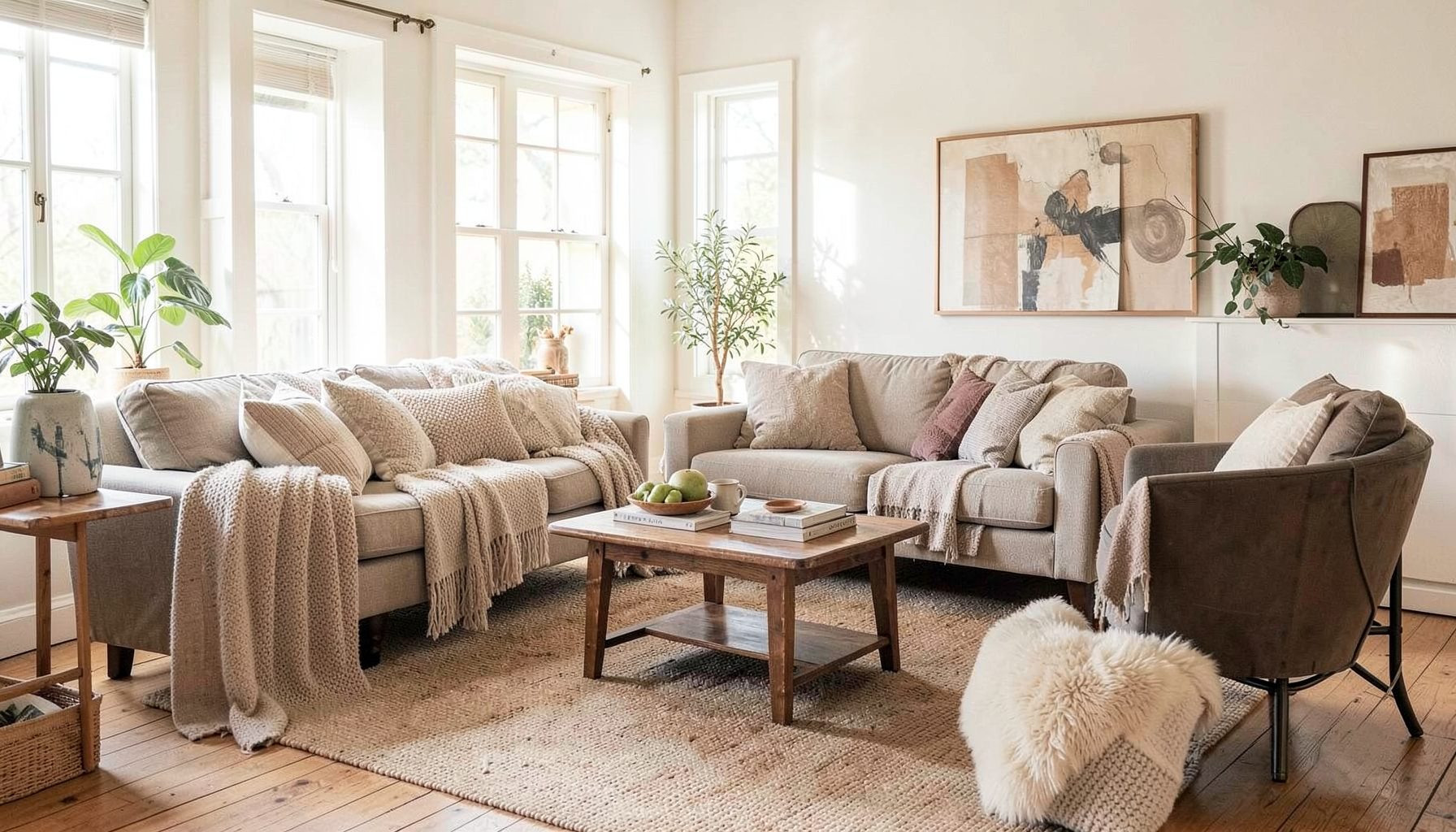
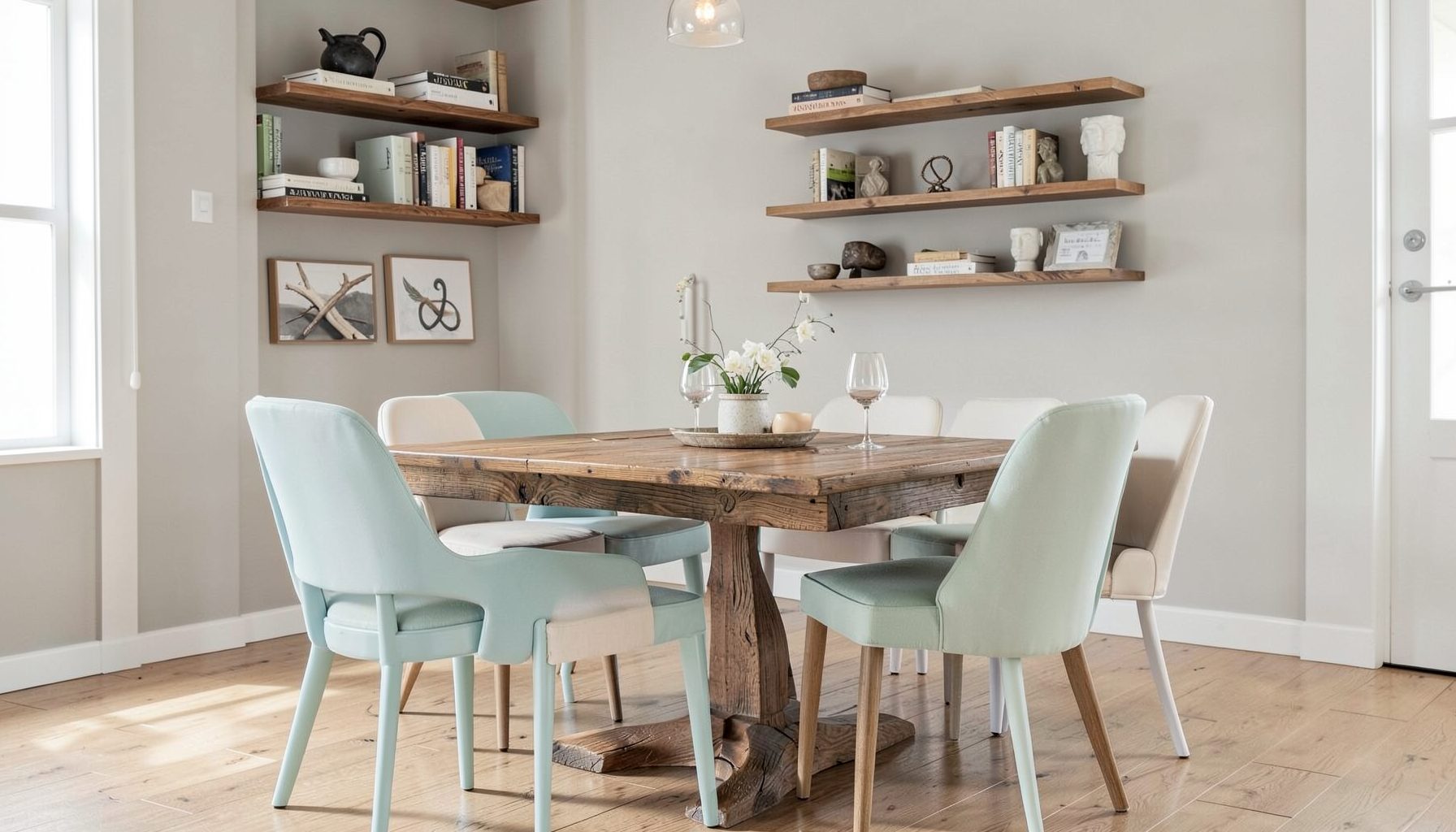
Full-service decorating that blends high and low, vintage finds with modern pieces for spaces that feel personal and collected.
Learn More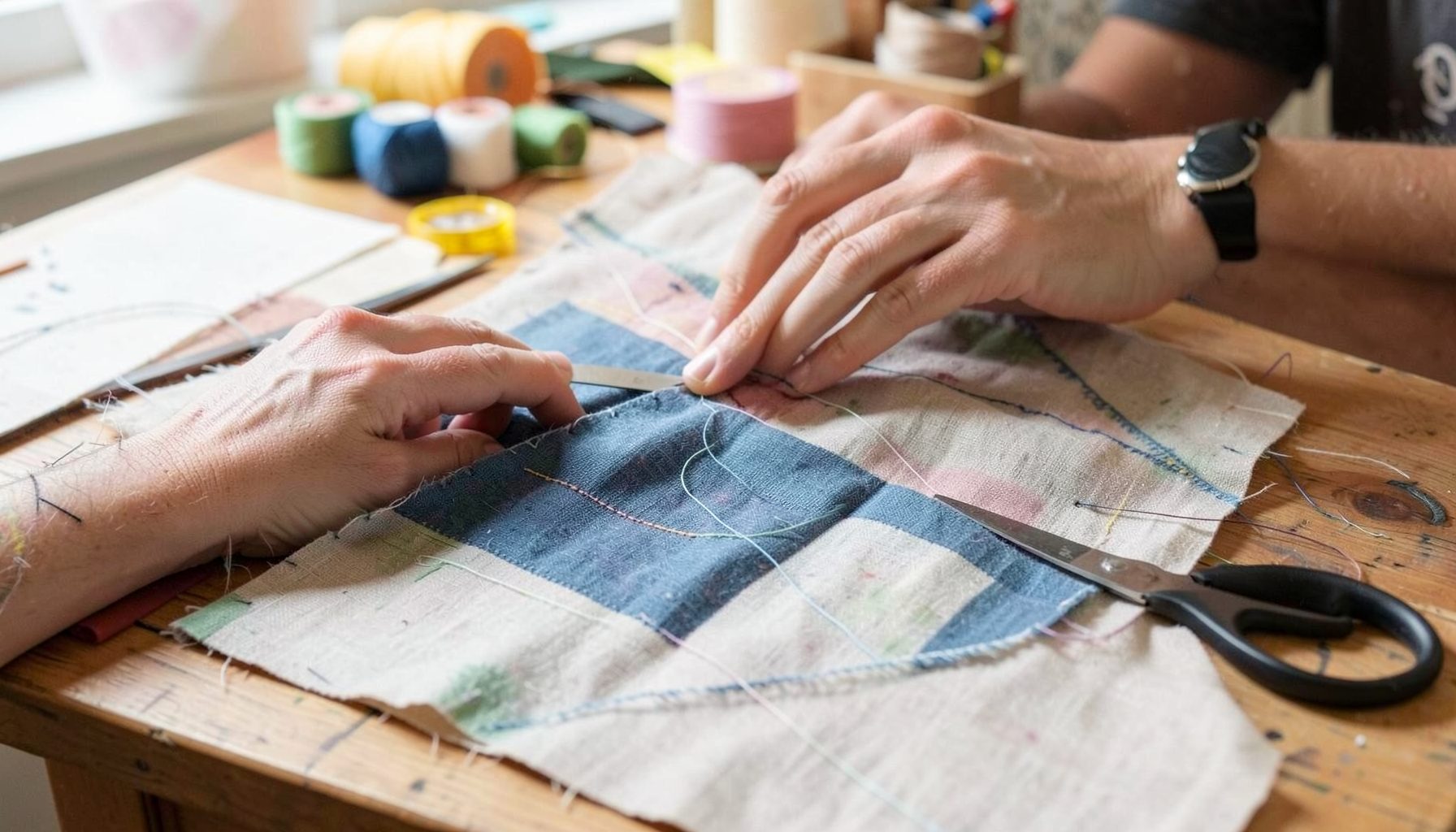
DIY Projects
Step-by-step tutorials for refinishing furniture, sewing pillows, styling bookshelves, and transforming rooms on a budget.
Learn More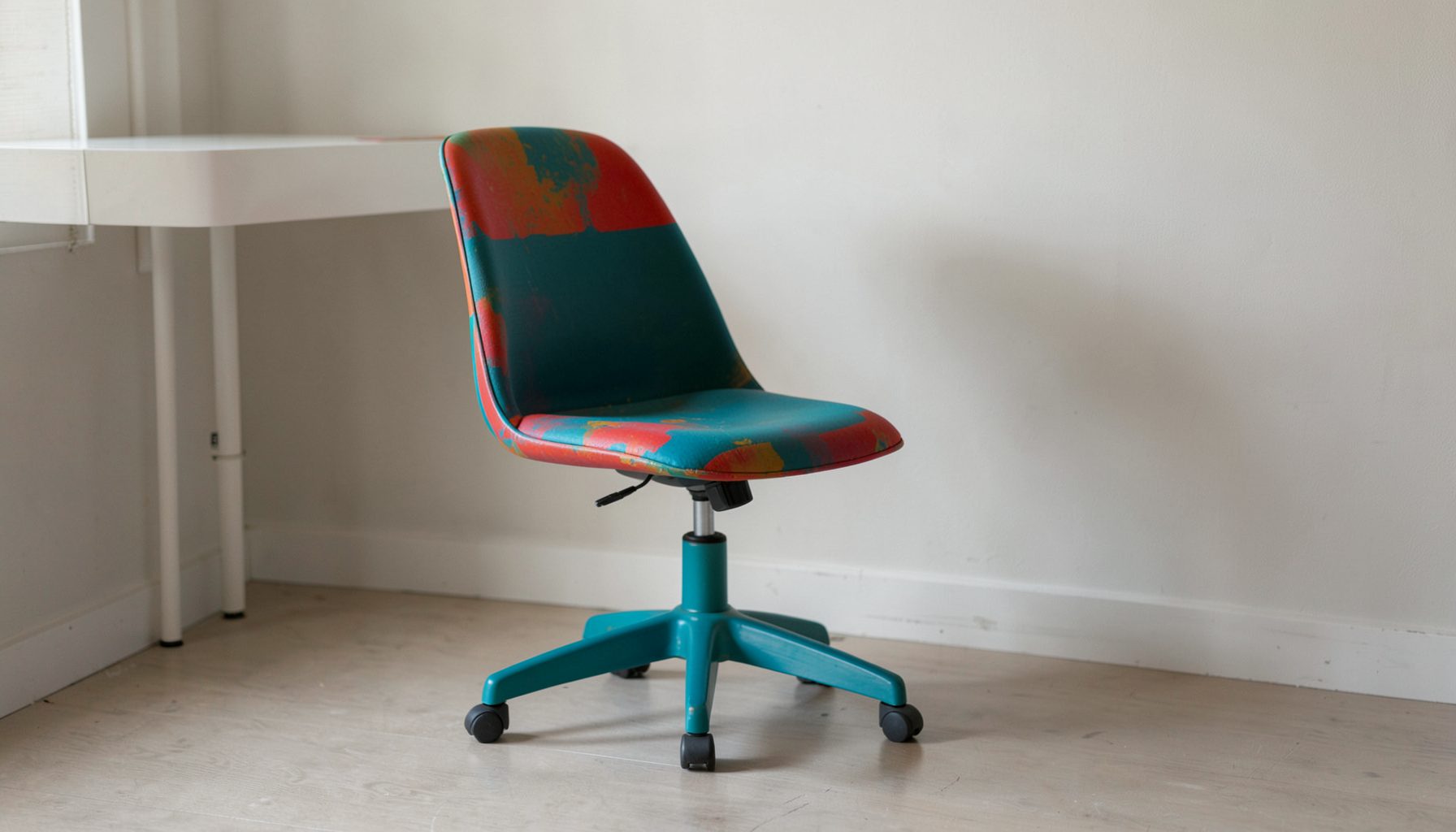
E-Decorating
Personalized design guidance delivered online — perfect for clients anywhere in the world who want a professional eye.
Learn More
Portfolio
Browse completed room makeovers, before-and-after transformations, and styling projects from Bay Area homes.
Learn More
Blog
Interior design inspiration, fashion finds, entertaining ideas, and peeks into real home renovations and styling projects.
Learn More
Downloads
Free curated resources for home decorating and design — guides, checklists, and inspiration to help you get started.
Learn MoreHow to style coffee tables and ottomans for a collected vibe
A coffee table or upholstered ottoman can do much more than fill the center of a seating area. It anchors the room, creates a place for everyday objects, and offers a small surface where color, texture, and personality come together. The most inviting arrangements feel collected over time rather than purchased as a matching set.
A successful display balances beauty with real life. Books should be easy to move, trays should gather smaller items, and nothing should block conversation or make it difficult to put down a cup. Whether your room leans traditional, modern, coastal, or eclectic, thoughtful coffee table decor can connect the larger design story.
At Maggie Rose Interiors, layered spaces often combine vintage finds, modern furnishings, meaningful objects, and accessible pieces. That same approach works beautifully on a small scale. With a few practical principles, you can style a living room centerpiece that feels personal, relaxed, and polished.
Start with the shape and scale
Before adding decorative objects, consider the shape of the coffee table or ottoman in relation to the surrounding furniture. A rectangular table often works well with a long sofa, while a round coffee table can soften a room filled with straight lines. Square tables are especially useful in larger seating arrangements, where their generous surface can serve several chairs at once.
Scale matters just as much as shape. A low table needs low or medium-height accessories so the display does not feel top-heavy. A large ottoman can handle a substantial tray, a stack of oversized books, or a sculptural bowl. On a small table, too many individual items quickly create visual noise, so choose fewer pieces with enough presence to hold their own.
Leave comfortable space around the centerpiece for walking and movement. The table should be easy to reach from the sofa without crowding knees or blocking pathways. Styling begins with function: if the proportions are awkward, even beautiful accessories will feel misplaced.
Build an arrangement with layers
The easiest way to create a designer-inspired vignette is to work from large forms to small details. Begin with one anchor, such as a tray, a low bowl, a substantial vase, or a stack of large-format books. This main element gives the eye a starting point and prevents the arrangement from looking like a collection of unrelated objects.
Add variation in height next. A candle, small lamp, bud vase, or decorative box can bring vertical interest, while a shallow dish or stone object keeps the composition grounded. Think in terms of a gentle visual rhythm rather than equal spacing. Objects can overlap slightly, and a few empty areas will help the arrangement breathe.
Texture is essential for a collected look. Pair smooth ceramic with woven material, aged wood with glass, or polished metal with linen. Natural elements such as branches, dried flowers, shells, or a small potted plant can introduce softness and an organic note. These contrasts make a simple display feel layered without requiring a large number of accessories.
Use a tray to organize everyday pieces
A tray is one of the most practical tools for coffee table styling. It creates a clear boundary for books, remotes, coasters, and decorative objects, making the surface feel intentional instead of scattered. On an ottoman, a tray also provides a stable place for drinks and protects upholstery from spills.
Select a tray that suits the proportions of the furniture. A broad rectangular tray may echo the lines of a long ottoman, while a round tray can reinforce the softer shape of a circular table. Materials help establish the mood: rattan feels relaxed, wood adds warmth, lacquer brings polish, and metal can complement a more tailored interior.
Avoid filling the tray edge to edge. Leave enough room to remove a book or set down a mug without dismantling the entire arrangement. A useful combination might include two books, a small bowl for remote controls, and one decorative object. If the surface is used frequently, keep the prettiest pieces easy to lift and the practical items easy to find.
Balance decorative objects with personal meaning
Collected interiors gain character from objects that have a story. A travel find, inherited box, vintage candlestick, framed photograph, or handmade ceramic piece can make the arrangement feel connected to the people who live there. These details are often more effective than generic accessories because they bring variation and emotional weight.
Use personal pieces selectively. A coffee table does not need to display every favorite object at once. Rotate smaller collections seasonally or whenever the room begins to feel crowded. One unusual object with an interesting shape may create more impact than several similar ornaments.
When combining old and new, look for a visual connection rather than an exact match. A contemporary bowl might repeat the color of a vintage book cover. An antique brass object can relate to modern lighting elsewhere in the room. Repeated tones, materials, or silhouettes help diverse pieces feel deliberately composed.
Choose a styling direction that suits the room
There is no single formula for an inviting centerpiece. The best arrangement responds to the room’s architecture, upholstery, palette, and daily routines. A formal living room may benefit from symmetrical placement and tailored accessories, while a casual family room can support an asymmetrical mix of books, baskets, and natural elements.
| Surface and room style | Useful anchor pieces | Supporting details | Overall effect |
|---|---|---|---|
| Rectangular table in a traditional room | Long tray, stacked books, ceramic lamp | Brass object, floral arrangement, small box | Tailored and layered |
| Round table in a relaxed room | Low bowl or round tray | Candles, woven coaster set, leafy branch | Soft and welcoming |
| Large upholstered ottoman | Oversized tray, substantial book stack | Textured bowl, vase, remote-control container | Comfortable and functional |
| Small table in a modern room | Single sculptural vessel | One book, small candle, restrained accent | Clean and edited |
| Vintage wood table in an eclectic room | Collected tray or shallow bowl | Found objects, pottery, natural stone | Personal and storied |
| Family room centerpiece | Durable tray, lidded basket, easy-care plant | Coasters, textiles, practical storage | Livable and organized |
For a refined arrangement, limit the palette to two or three dominant colors already present in the room. This might mean warm wood, cream, and muted blue, or black, ivory, and aged brass. Repeating a color in small amounts helps the coffee table relate to pillows, artwork, rugs, and window treatments.
If your room already includes many patterns, use quieter accessories with tonal variation. In a more neutral room, a patterned book jacket, colorful vessel, or distinctive floral branch can provide a welcome focal point. The goal is harmony, not visual sameness.
Style ottomans for comfort and flexibility
Ottomans require a slightly different approach because they are often used as footrests or extra seating. A rigid grouping of fragile accessories is impractical on a surface that needs to remain flexible. Use a stable tray with softened edges, lightweight objects, and pieces that can be moved quickly when guests arrive.
Textiles can add another layer. A folded throw, small lumbar pillow, or casually draped fabric introduces softness and makes the ottoman look ready for use. Choose materials that relate to the upholstery without copying it exactly. For example, a nubby wool throw can add contrast to a smooth linen ottoman, while a washed cotton textile can relax a more formal velvet piece.
A large tray can divide the ottoman into functional zones. Keep decorative objects on one side and leave another section open for a drink or book. If the ottoman is frequently used as a footrest, style it lightly with one substantial tray rather than several loose accessories. This preserves the room’s collected feeling while respecting how the furniture actually works.
Refresh the display through the seasons
A coffee table arrangement does not need to remain unchanged all year. Small seasonal edits can make the room feel fresh without requiring a complete redesign. In spring, clipped branches, pale ceramics, and lighter textiles can brighten the composition. Summer may call for woven textures, blue-and-white accents, or a bowl of natural objects.
For autumn, introduce deeper tones through books, wood, amber glass, or a small arrangement of dried foliage. In winter, candlelight, evergreen branches, and tactile fabrics can add warmth. These changes can be subtle; replacing one vase or rotating a stack of books is often enough.
Seasonal styling should still feel connected to the home’s established character. Avoid filling the surface with themed decorations that compete with the furniture and artwork. Instead, make small adjustments to texture, color, and natural elements so the centerpiece evolves naturally.
Edit the arrangement for everyday living
Once the styling is complete, test it in the way the room will be used. Sit on every nearby seat and check whether the display interrupts sightlines. Reach toward the table as if you were picking up a drink. Walk around the furniture and look for anything that could snag clothing or create a hazard.
Remove anything that feels repetitive, too delicate, or difficult to maintain. A collected arrangement should have breathing room, and empty space is part of the design. If every object is small, similar, and evenly spaced, the surface may look busy without feeling interesting. Replace several minor pieces with one larger, more sculptural element.
Keep a few useful items attractive enough to leave in view. A beautiful lidded box can hide remotes, a handmade bowl can hold coasters, and a stack of books can provide both height and conversation. When function is incorporated into the styling, the room stays polished between tidying sessions.
A thoughtfully arranged coffee table or ottoman can give a living room its finishing layer while still feeling effortless. Start with proportion, add a practical anchor, vary height and texture, and include a few pieces that reflect your history and taste. The most appealing spaces are rarely built from one shopping trip; they develop through meaningful combinations.
For a more personalized direction, explore the Maggie Rose Interiors portfolio and decorating resources, or connect with the studio for full-service interior decorating, online e-decorating, room makeovers, and tailored design guidance. Bring your living room’s everyday needs and favorite pieces into the process, and create a centerpiece that feels collected because it truly belongs to you.

Recent Projects