Interior Design
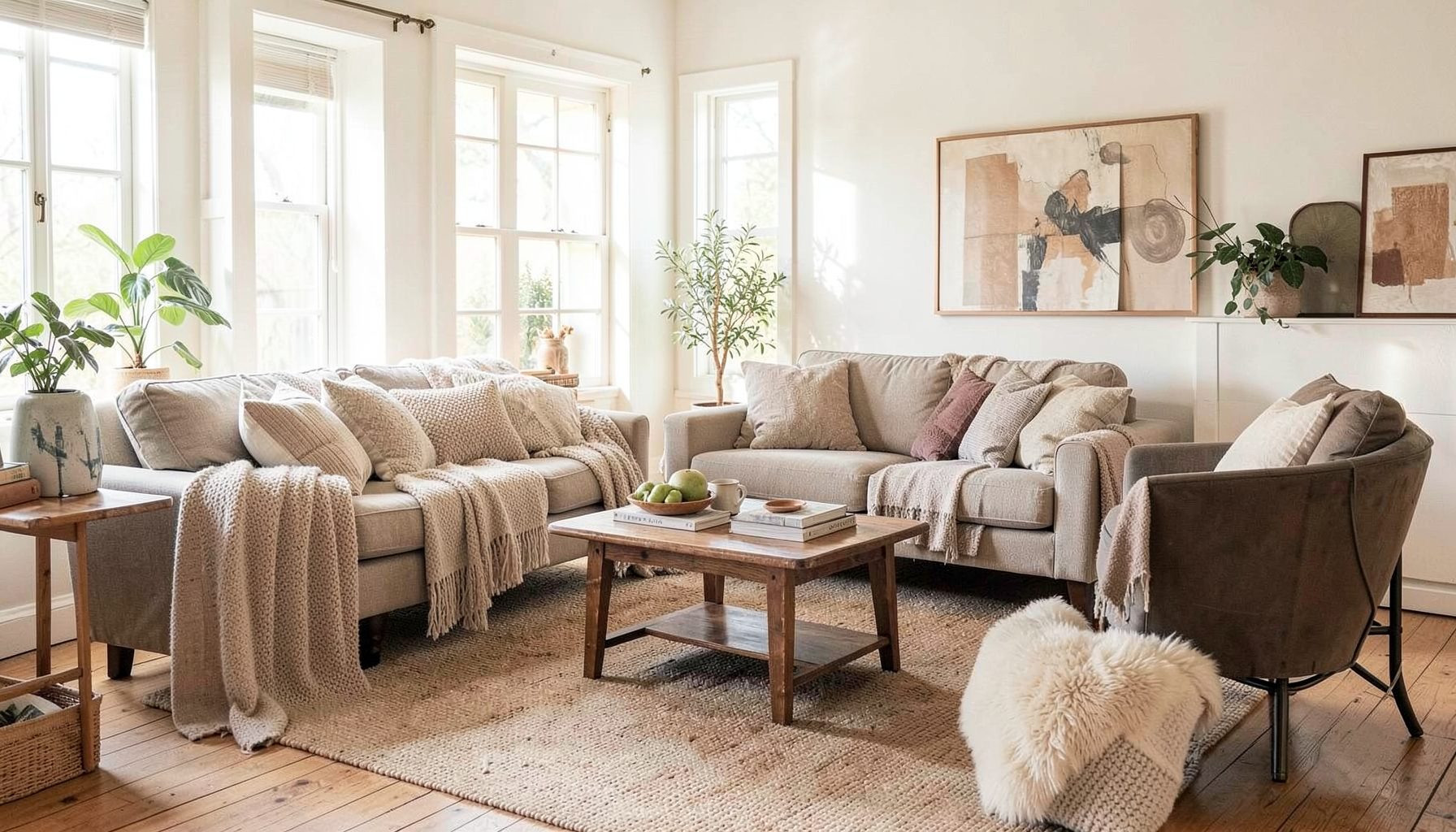
Full-service decorating that blends high and low, vintage finds with modern pieces for spaces that feel personal and collected.
Learn More
DIY Projects
Step-by-step tutorials for refinishing furniture, sewing pillows, styling bookshelves, and transforming rooms on a budget.
Learn More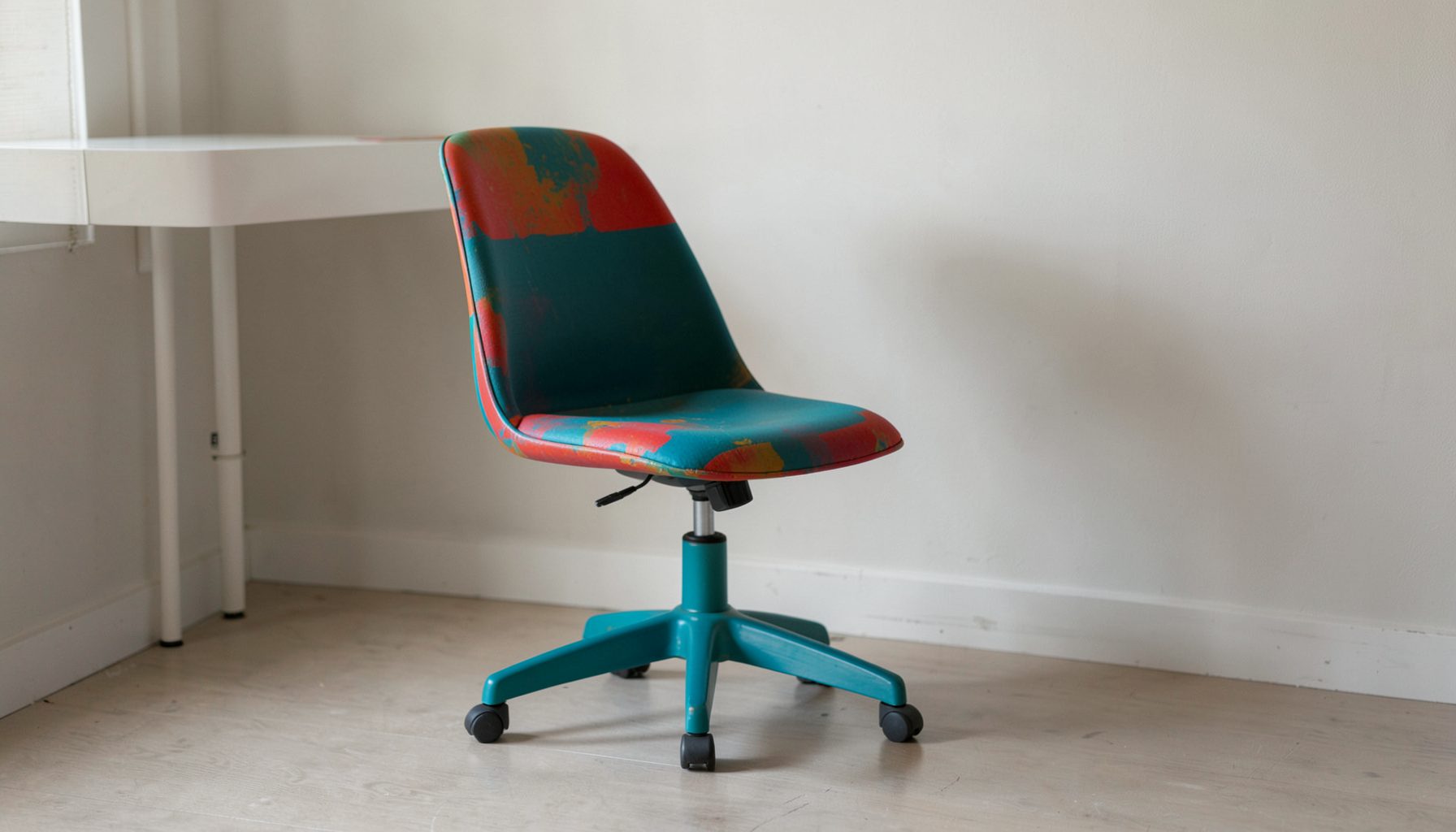
E-Decorating
Personalized design guidance delivered online — perfect for clients anywhere in the world who want a professional eye.
Learn More
Portfolio
Browse completed room makeovers, before-and-after transformations, and styling projects from Bay Area homes.
Learn More
Blog
Interior design inspiration, fashion finds, entertaining ideas, and peeks into real home renovations and styling projects.
Learn More
Downloads
Free curated resources for home decorating and design — guides, checklists, and inspiration to help you get started.
Learn MoreStyling an Open Kitchen Island with Decorative Baskets
An open kitchen island can be one of the hardest areas to style well. It is highly visible from the living room, used throughout the day, and often expected to handle everything from breakfast prep to homework and entertaining. When the island includes shelves or cubbies, the storage is practical, yet every item placed inside becomes part of the room’s visual composition.
Decorative baskets offer an easy way to bring order, texture, and warmth to those open shelves. They conceal the less attractive necessities while adding natural materials that soften stone, timber, metal, and glossy cabinetry. The right basket can make an island feel collected rather than overly styled, especially when it sits alongside vintage finds, contemporary pieces, and everyday objects.
For Australian homes, this balance is especially useful. Open-plan kitchens are common, and the island often connects directly to a dining area, family room, or alfresco zone. A basket arrangement needs to look polished from several angles while standing up to real life, including sandy feet after a trip to the beach, weekend entertaining, and the busy rhythm of family kitchens.
The most successful approach is to treat the island as a small piece of furniture rather than a storage problem. Consider proportion, colour, texture, and access before buying anything. Once the practical decisions are made, a few thoughtful decorative touches can give the whole kitchen a relaxed, layered finish.
Start With Function And Proportion
Begin by measuring each open shelf or compartment. Record the width, depth, and height, allowing enough clearance to slide baskets in and out comfortably. A basket that fills a space from edge to edge may appear neat in a photograph but become frustrating when you need to retrieve tea towels or placemats. Leave a little breathing room around each container so the joinery remains visible.
Use the lower shelves for heavier or less frequently used items. A pair of large lidded baskets can hold reusable shopping bags, table linens, picnic rugs, or children’s craft supplies. Smaller baskets at a more accessible height are useful for napkins, coffee equipment, cookbooks, or the odds and ends that gather near the island during the day.
Think about weight as well as appearance. A wide seagrass basket filled with bottles or cookware can become difficult to move, while a fabric-lined basket may sag under heavier objects. For a rental or a kitchen with delicate shelving, choose lightweight rattan, woven paper, felt, or canvas. In a permanent renovation, deeper timber or metal-framed storage may support more substantial baskets.
A visually balanced island rarely has every compartment filled. Empty space helps the display breathe and keeps the kitchen from looking like a retail shelf. If the joinery has three openings, try styling two and leaving one partly open, or use baskets in different sizes rather than repeating an identical box across the entire run.
Choose Materials That Add Warmth
Natural fibres are particularly effective in a kitchen because they soften hard architectural surfaces. Seagrass, jute, rattan, cane, and water hyacinth bring subtle variation without requiring bright colour. Their irregular weave works beautifully with timber flooring, brushed brass hardware, handmade tiles, and stone benchtops.
The basket material should relate to the wider room without matching everything exactly. If the kitchen already features pale oak, a honey-toned woven basket can reinforce the warmth. In a cooler white kitchen, try a deeper tobacco, charcoal, or natural tan finish to create contrast. A black wire basket can suit an industrial scheme, while a soft canvas cube may feel more appropriate in a relaxed coastal home.
Australian homes often benefit from materials that feel connected to the landscape. A basket in warm straw or muted olive can sit comfortably with eucalyptus-toned cabinetry, terracotta, linen, and indoor greenery. In a Melbourne terrace, darker woven storage might complement moody joinery and aged brass. In a light-filled Queensland or coastal New South Wales home, open-weave baskets can echo the easy indoor-outdoor feeling without making the kitchen look themed.
Consider durability in relation to local conditions. Humid areas may call for breathable baskets that dry quickly, while homes near the coast should avoid finishes that rust or deteriorate with salt-laden air. Keep woven pieces away from direct splashes and wipe them with a soft, slightly damp cloth rather than soaking them. A basket that remains attractive after regular use will always be more successful than one chosen only for its first impression.
Build A Layered Shelf Arrangement
A good arrangement combines concealment with display. Place the largest baskets on the bottom shelf or at the ends of a longer run, then add smaller baskets, stacked boards, or a few upright cookbooks nearby. The variation in height creates a natural rhythm and prevents the island from reading as a row of identical containers.
Use repetition carefully. Two matching baskets can provide visual calm, particularly when the island is already busy with veined marble or patterned tiles. Three different baskets can feel more collected when they share a material, tone, or shape. The key is to repeat one feature while varying another: similar colour with different weaves, or similar texture with different proportions.
Leave room for objects with a useful decorative quality. A timber chopping board, ceramic serving platter, stone mortar and pestle, or folded linen tea towel can make the display feel connected to the kitchen’s purpose. A small vase of foliage or a sculptural bowl can add height, though delicate items should be kept away from the most active preparation area.
If the island faces the main living space, style the visible side with the same care as a console or bookcase. A compact arrangement of cookbooks, a bowl, and a basket can carry the eye through the open-plan room. For more specific ideas on combining useful pieces with decorative accents, this guide to small countertop styling offers helpful direction without making the surface feel crowded.
Coordinate The Island With The Room
The island should relate to the surrounding kitchen, but it does not need to be perfectly symmetrical. Look around the room for colours and finishes worth repeating. The soft green in a roman blind, the warm brown of dining chairs, or the black line of a pendant light can each become a small cue in the basket selection.
A restrained palette is especially valuable when the kitchen opens onto another living zone. Choose two or three tones, such as natural fibre, cream, and charcoal, then allow texture to create interest. This gives the eye somewhere to rest and makes it easier to add seasonal flowers, new linens, or a different serving piece without starting the arrangement again.
The Australian design market offers a wide spread of options, from handmade baskets at local makers’ markets to affordable storage at Kmart, IKEA, and larger homewares retailers. Bunnings can be useful for simple utility baskets and timber accessories, while independent shops in suburbs such as Fitzroy, Paddington, Fremantle, or Newtown may carry more distinctive woven pieces. Mixing price points is part of creating a convincing room; an inexpensive basket can look excellent beside a special ceramic or vintage timber board.
Aim for a finish that reflects how the household actually lives. If the island is used for school lunches, keep a basket for drink bottles or lunch bags close to the working side. If weekends involve long lunches and visitors, reserve a lower basket for napkins, coasters, and serving cloths. Styling becomes more convincing when it grows from useful routines rather than trying to disguise them.
Add Personality Without Creating Clutter
Open storage benefits from a few personal details, but too many small objects can make the island look untidy. Select pieces with shape and presence: a handmade bowl, an old bread board, a framed recipe, or a ceramic vessel. Larger objects are generally easier to appreciate than a collection of tiny accessories that compete with the basket texture.
Vintage pieces are particularly effective here. An aged bread board leaning against the back of a shelf can introduce character, while a second-hand brass tray may echo hardware elsewhere in the room. Pairing these with a clean-lined basket keeps the arrangement from feeling overly rustic. This mix of old and new is what gives a kitchen the comfortable, collected quality many homeowners want.
Art can also help connect the kitchen to the rest of the home, provided it is protected from steam, oil, and knocks. A small print on a nearby wall may repeat the colours of the baskets without becoming a literal kitchen sign. When a chosen piece does not suit the client or the room, thoughtful discussion matters; this advice on handling design disagreements is a useful reminder that good design is collaborative.
Keep the work surface comparatively clear. A fruit bowl, a timber board, and one vase may be enough for an everyday arrangement. During an Australian summer, a bowl of lemons or stone fruit can provide colour, while cooler months may suit darker ceramics and branches. Rotate these accents occasionally rather than adding more objects to an already full display.
The arrangement should also be easy to maintain. Dust woven baskets with a soft brush or vacuum attachment, wipe spills quickly, and avoid placing them directly beside the sink or cooktop. If a basket holds food-related items, use a removable liner that can be washed. Labelling can be helpful for busy households, but choose discreet leather tabs, handwritten tags, or labels placed inside the basket so the overall look remains calm.
A well-styled island has a clear visual hierarchy. The baskets provide structure, the open shelves offer breathing space, and a handful of meaningful objects add character. Nothing needs to be perfectly symmetrical, yet every item should have a reason to be there. When the display begins to feel crowded, remove one piece before buying another.
The most enduring kitchen arrangements are flexible enough to change with daily life. A basket can move from storing tea towels to holding picnicware; a serving bowl can shift from the island to the dining table; a decorative board can be used rather than kept purely for display. This adaptability helps the kitchen feel lived-in and considered at the same time.
Remember that the best decorative baskets make open storage easier to use, not harder to access. Choose sturdy textures, vary the scale, repeat a few colours from the room, and leave enough empty space for the island to breathe. The result should feel warm, practical, and unmistakably connected to the people who use the kitchen every day.

Recent Projects