Interior Design
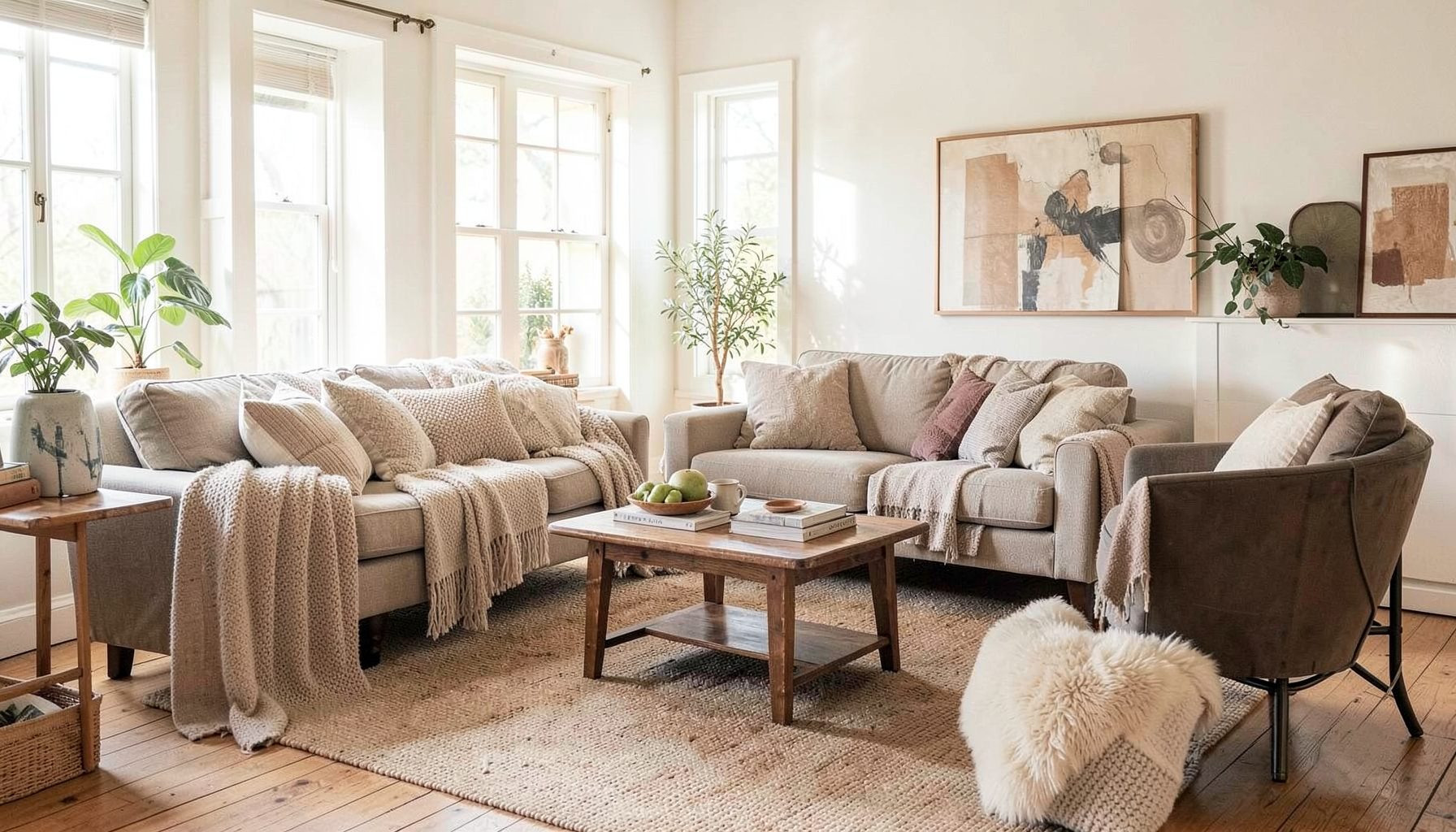
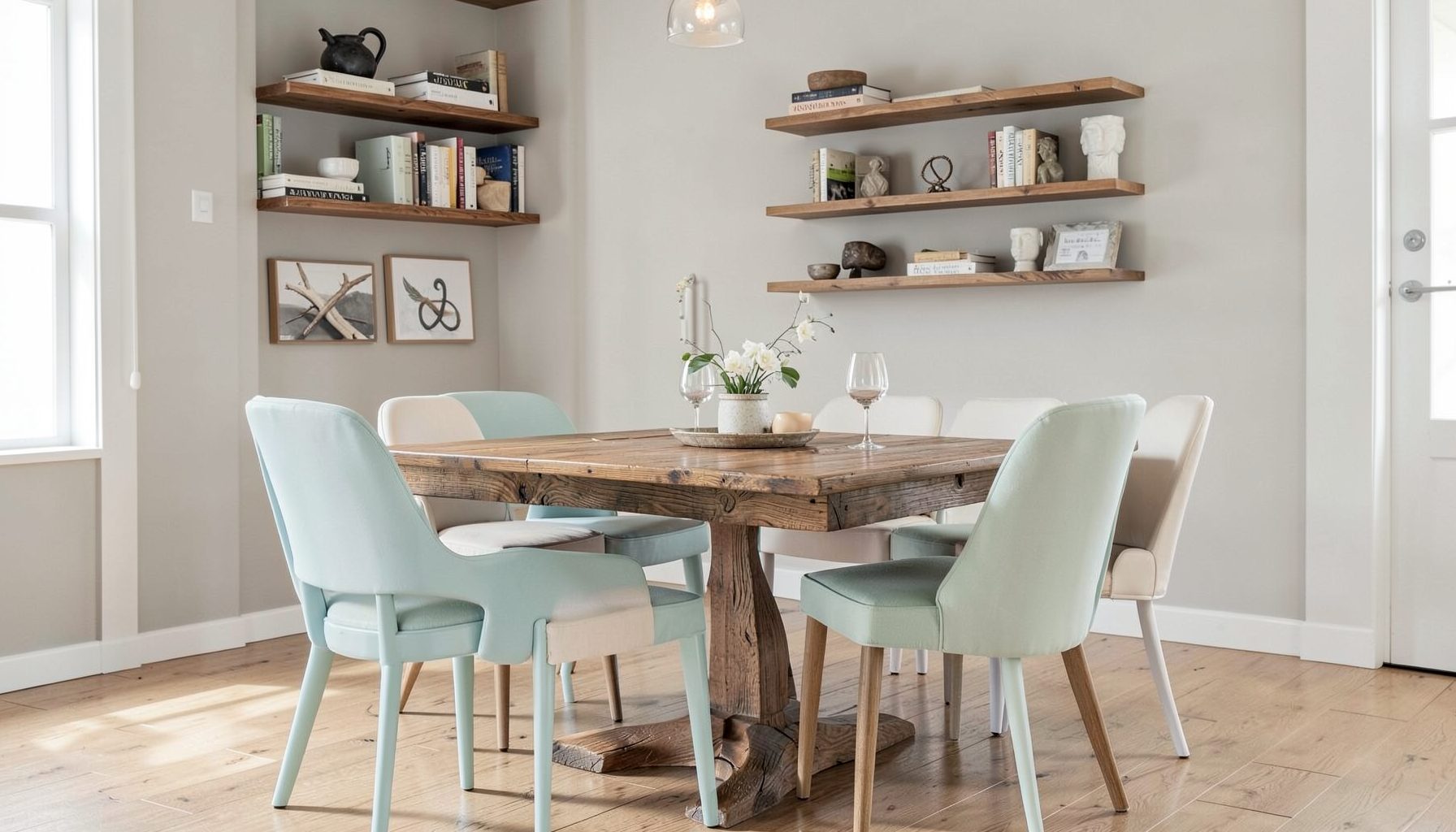
Full-service decorating that blends high and low, vintage finds with modern pieces for spaces that feel personal and collected.
Learn More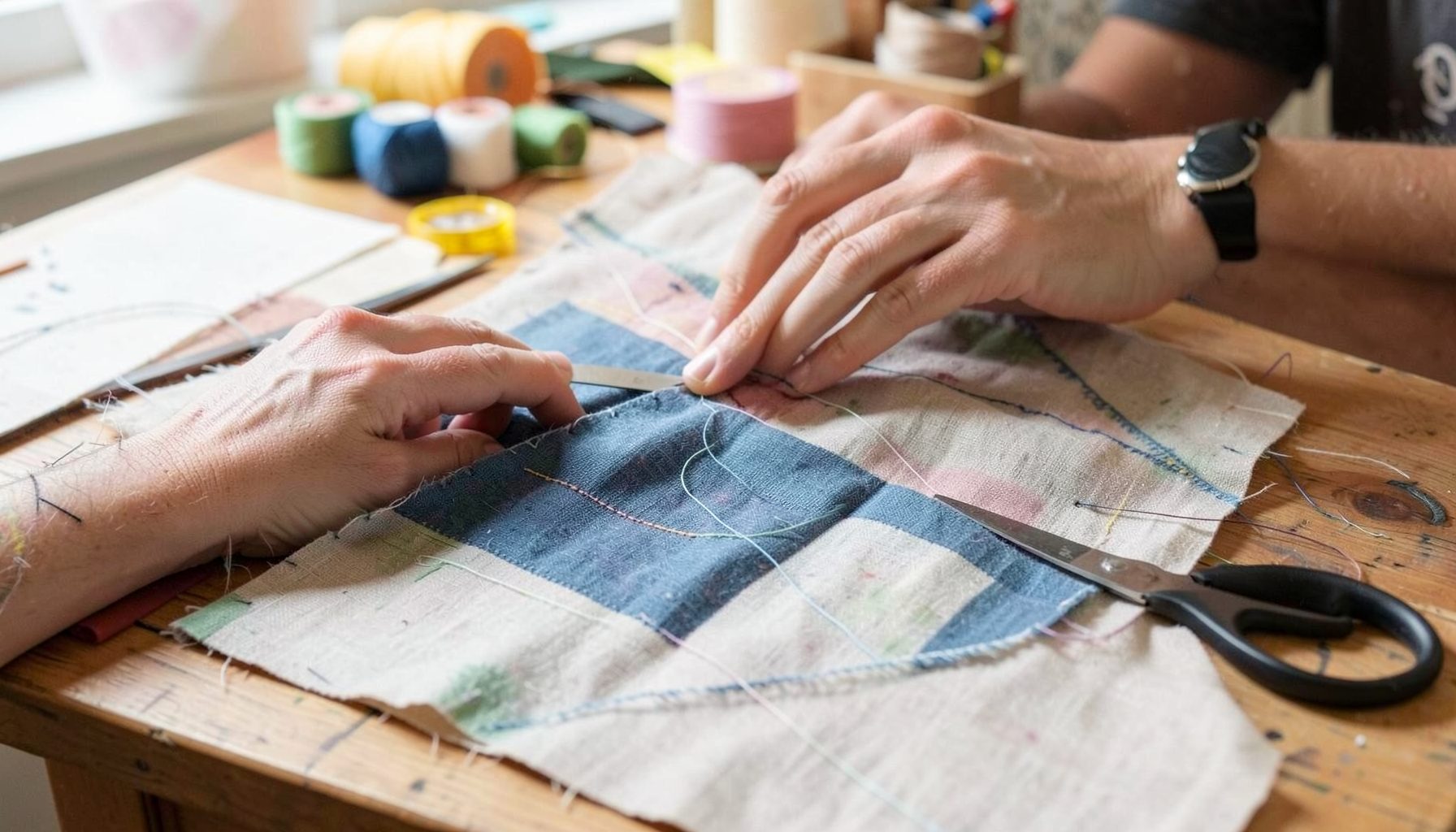
DIY Projects
Step-by-step tutorials for refinishing furniture, sewing pillows, styling bookshelves, and transforming rooms on a budget.
Learn More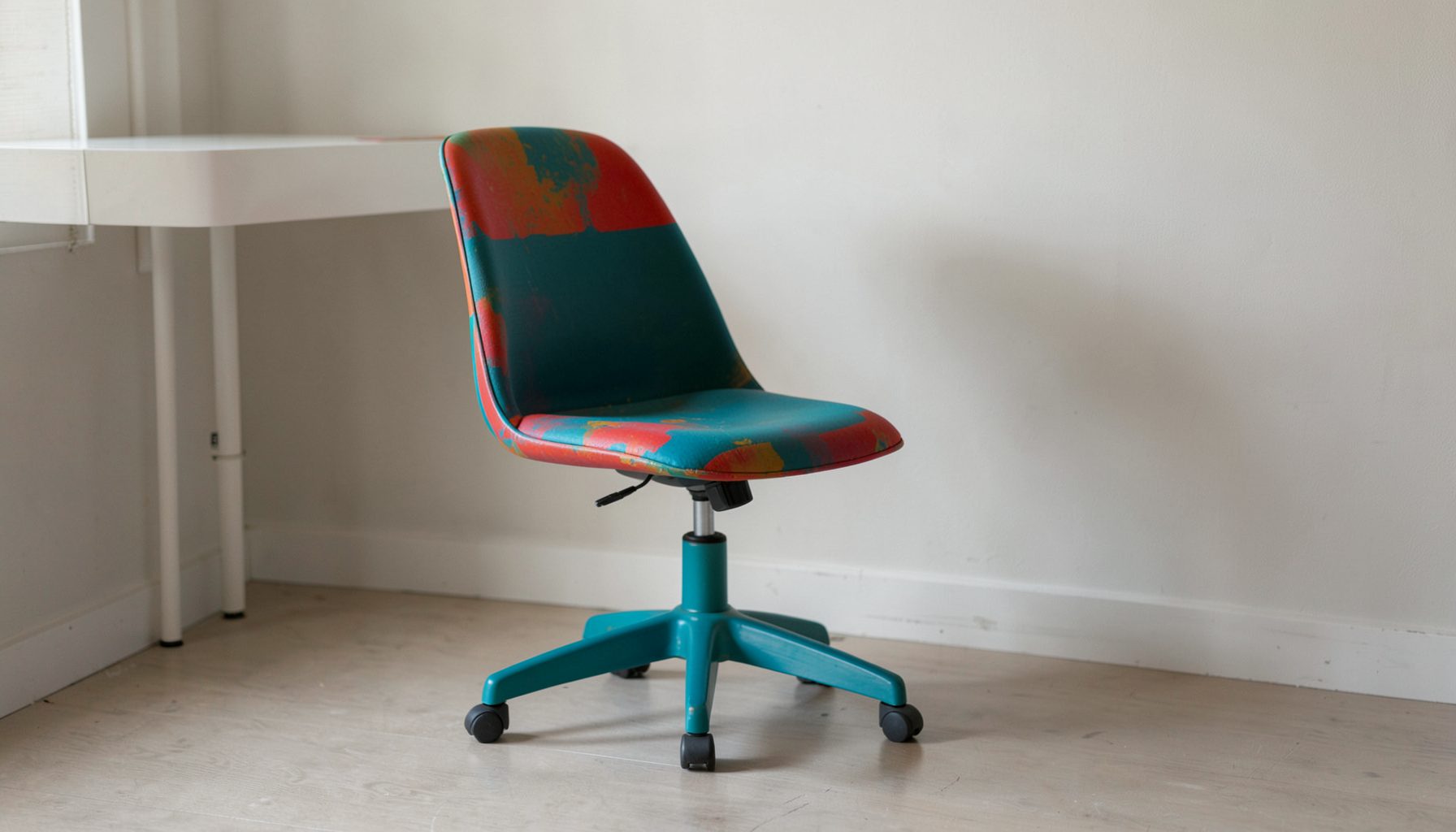
E-Decorating
Personalized design guidance delivered online — perfect for clients anywhere in the world who want a professional eye.
Learn More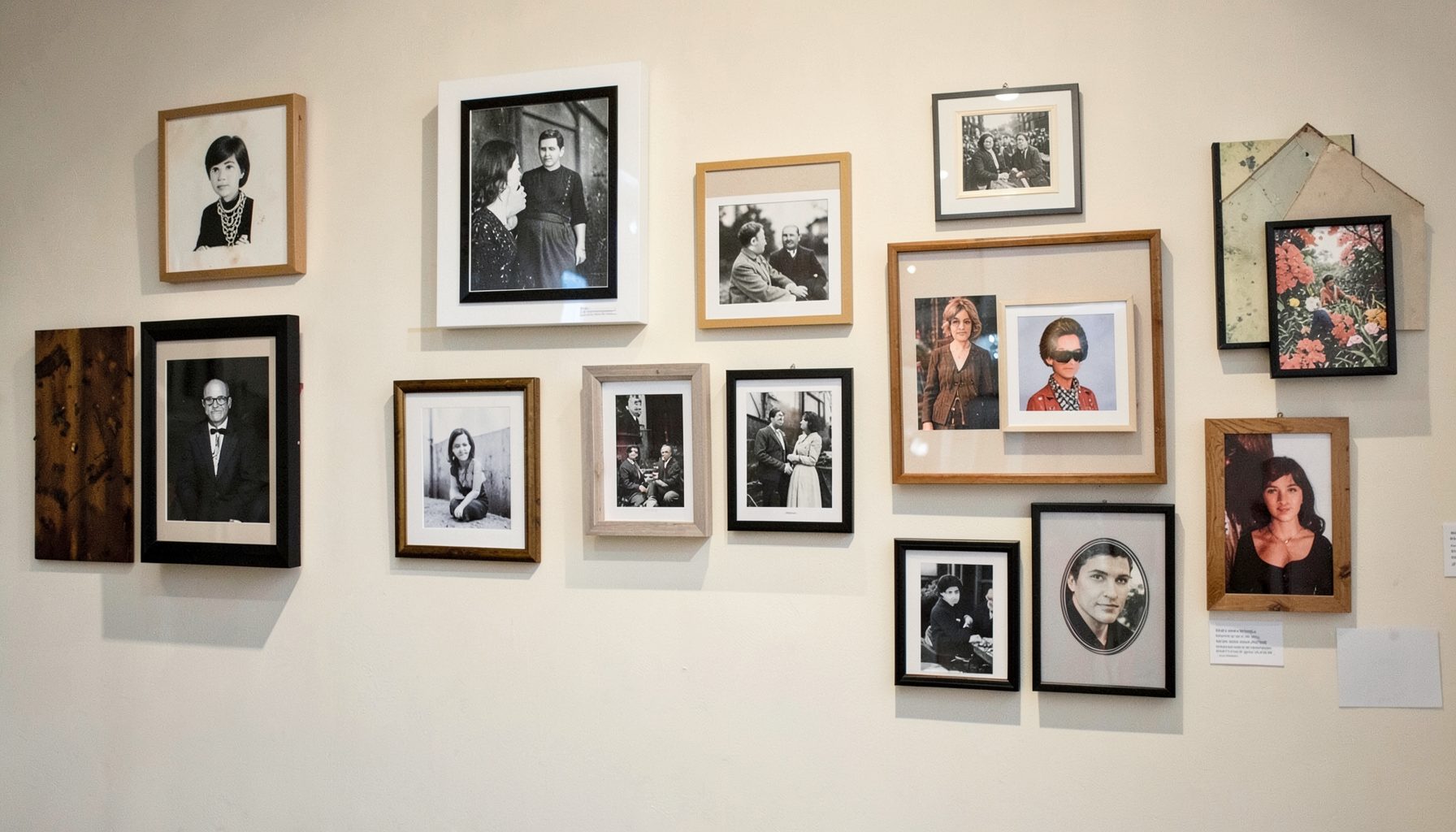
Portfolio
Browse completed room makeovers, before-and-after transformations, and styling projects from Bay Area homes.
Learn More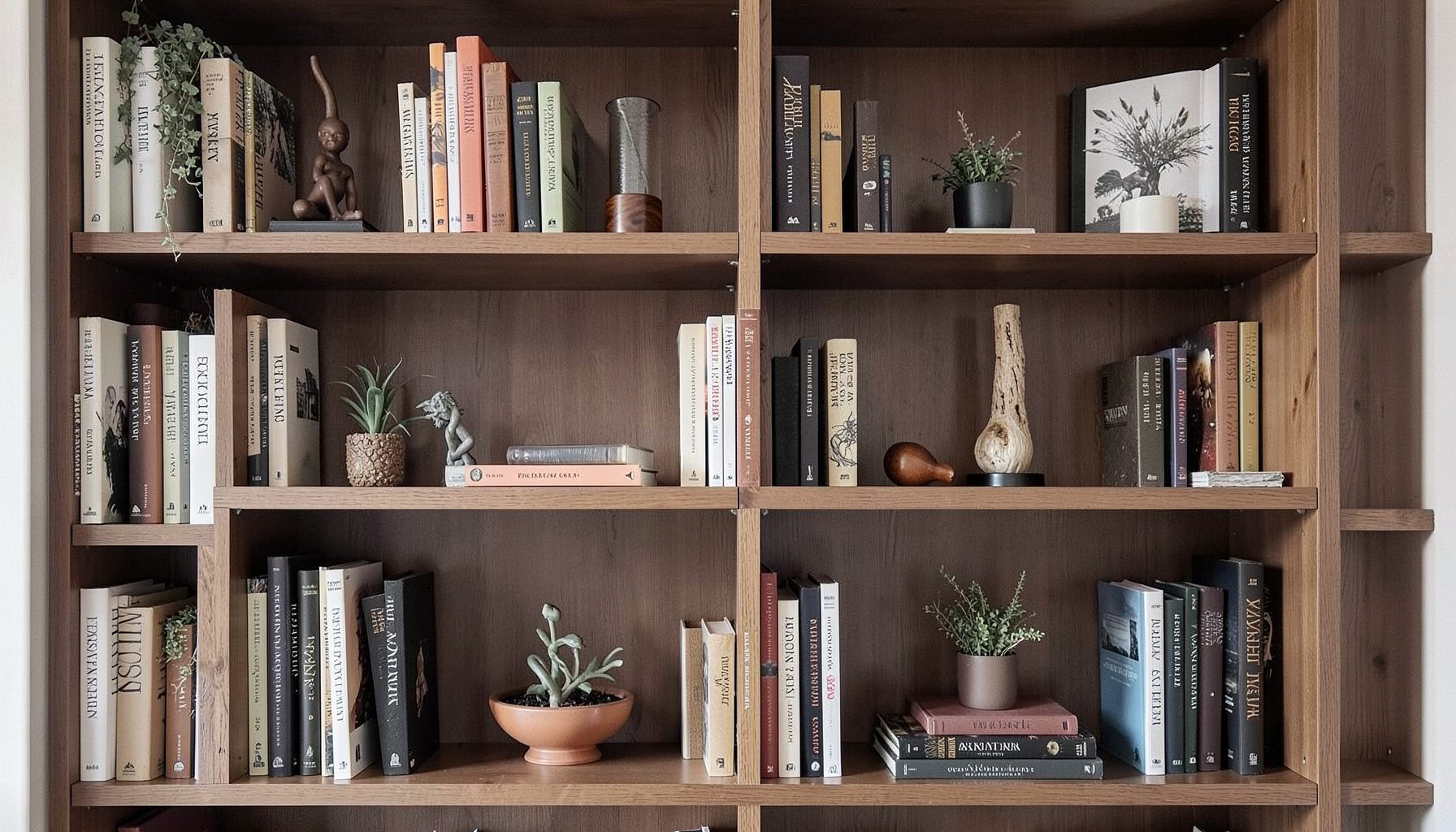
Blog
Interior design inspiration, fashion finds, entertaining ideas, and peeks into real home renovations and styling projects.
Learn More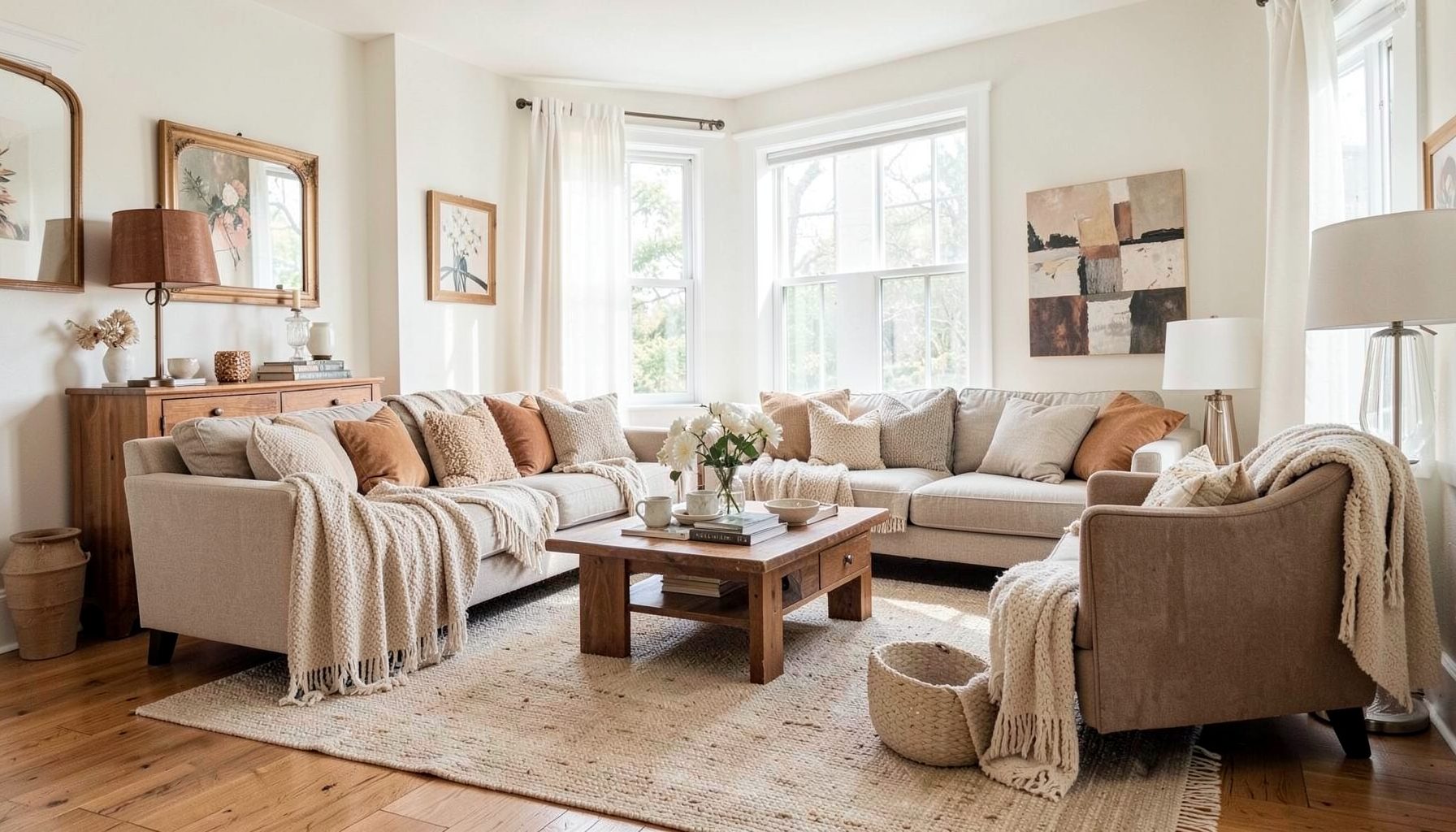
Downloads
Free curated resources for home decorating and design — guides, checklists, and inspiration to help you get started.
Learn MoreHow to style a bookcase for visual interest and storage
A bookcase can do much more than hold novels. It can anchor a living room, frame a television, display collected objects, and quietly solve everyday storage problems. When its shelves are arranged with intention, the whole room feels more layered, personal, and complete.
The most appealing built-ins and freestanding shelves rarely look perfectly symmetrical. They combine books with art, ceramics, baskets, framed photographs, and small pieces gathered over time. The goal is to create a composition that feels useful and relaxed rather than staged.
A successful bookshelf arrangement also begins with the room around it. Consider the color palette, furniture scale, natural light, and the visual weight of nearby rugs or window treatments. A layered foundation, such as the right statement rug, can make the shelving feel connected to the rest of the space instead of appearing like an isolated display.
Start with the architecture and the empty space
Before placing a single accessory, study the bookcase itself. Notice the height and depth of the shelves, the number of compartments, the wall color behind them, and the location of outlets, trim, doors, or nearby windows. These details determine what can be stored safely and where larger decorative elements will have the strongest impact.
Empty space is an important part of the arrangement. If every shelf is filled edge to edge, objects lose their presence and the bookcase becomes visually noisy. Leave a few open areas so the eye can rest. In a tall shelving unit, negative space also helps create a sense of height and keeps the display from feeling heavy.
Measure before shopping for baskets, boxes, or bins. A basket that barely fits may be difficult to remove, while one that is too small can look accidental. For adjustable shelves, create at least one taller opening for oversized books, a vase, or a sculptural object. Varied shelf heights make the composition more flexible and allow storage to work with the architecture.
Create a strong visual rhythm
Think of each shelf as part of one larger composition rather than as a separate vignette. Begin by placing the largest elements first: a stack of books, a large vessel, a framed artwork, or a substantial box. Distribute these anchor pieces across the bookcase instead of lining them up in one area. A heavier object on the lower shelves can ground the unit, while lighter shapes near the top maintain an airy feeling.
Use repetition to connect the shelves. Similar colors, materials, or shapes can appear in several places without looking predictable. For example, warm wood may repeat through picture frames and a small bowl, while brass appears in a lamp base and two decorative objects. Repeated details guide the eye across the bookcase and create cohesion.
Vary the orientation of books to add movement. A row of upright books gives structure, but horizontal stacks introduce a change in height and provide a platform for smaller objects. Try grouping books by subject, color, or size, then mix those methods rather than applying one system everywhere. A few turned pages or neutral covers can soften a highly colorful collection.
Combine display with practical storage
The best shelving arrangements make useful items easy to reach while keeping less attractive necessities contained. Use lidded boxes for cables, paperwork, remotes, and small electronics. Woven baskets are helpful for blankets, toys, and magazines, particularly on the lower shelves where their texture adds warmth and their contents can be concealed.
Storage containers should relate to the room’s decorating style. Natural seagrass, leather, linen, painted wood, and metal can each create a different impression. In a traditional space, woven baskets and aged finishes may feel appropriate; in a streamlined room, matching boxes with clean lines can bring order without competing with the architecture.
Keep frequently used items at a comfortable height. A basket for dog leashes, children’s books, or media accessories should not be placed on a high shelf simply because it completes the composition. Practicality is part of good design. When everyday storage is convenient, the bookcase is more likely to stay tidy.
| Shelf area | Useful storage | Decorative opportunity | Styling note |
|---|---|---|---|
| Lower shelves | Baskets, records, toys, blankets | Large pottery or a substantial box | Use heavier pieces to create visual stability |
| Middle shelves | Books, albums, small boxes | Framed art, collected objects, plants | This is the most visible area, so create focal points |
| Upper shelves | Infrequently used books or seasonal items | Lightweight vessels, art, and sculptural pieces | Keep the arrangement less dense to preserve airiness |
| Narrow compartments | Paperbacks, small accessories, cables | Small bowls, candlesticks, and miniature art | Repeat colors so small objects feel intentional |
Layer color, texture, and shape
Color is one of the simplest ways to make a bookshelf feel considered. You can arrange books in a restrained palette of creams, greens, blues, or warm neutrals, or let a varied collection provide the color. If the room already has several strong hues, repeat one or two of them on the shelves to establish a visual relationship.
Texture prevents a display from appearing flat. Pair smooth ceramics with rough woven baskets, glossy picture frames with matte pottery, and crisp paper with soft textiles. A small folded throw, a linen-covered box, or a carved wood object can add tactile variety without taking up much space.
Shape matters as much as color. Rectangular books and frames create a strong foundation, so balance them with round bowls, curved vases, arched objects, or organic forms. A single rounded piece can soften a shelf full of vertical lines. Plants are useful for the same reason: foliage introduces irregular shapes and a living element.
Decorative objects should be varied in scale. Several tiny objects scattered across a bookcase can look fussy, while a single oversized piece may overwhelm a shallow shelf. Groups of three often work well when they include different heights, although two contrasting objects or one strong sculptural piece can be equally effective. The arrangement should feel collected, not governed by a rigid formula.
Use art and lighting as focal points
Artwork gives a bookcase personality and creates moments that interrupt the repetition of books. Lean a framed print against the back of a shelf, layer a smaller frame in front, or hang one piece on the wall above the unit. Leaning art often feels more relaxed and makes it easier to change the display when the room evolves.
A photograph, painting, textile, or small mirror can serve as a focal point. Do not place every frame facing forward in the same way. One or two pieces can be angled slightly, while another may be layered behind books or objects. If the bookcase is deep enough, use the rear wall to create dimension by setting smaller pieces forward.
Lighting is especially important in a tall or dark bookcase. A small lamp on a shelf can provide a warm pool of light and highlight nearby objects. Battery-operated picture lights or discreet LED strips can illuminate the interior of built-ins without requiring visible cords. Choose warm-toned bulbs so wood, brass, and textiles retain their richness.
Avoid placing delicate items where they are likely to be knocked over or exposed to harsh direct sunlight. Books and artwork can fade, and plants may struggle in a dim corner. A beautiful display should be durable enough for the way the room is actually used.
Edit the arrangement until it feels collected
Once the shelves are filled, step back and look at the bookcase from the doorway and from the main seating area. Check whether one side feels heavier, whether the eye moves naturally from shelf to shelf, and whether the objects relate to the furniture nearby. Photographs can reveal awkward gaps or crowded areas that are easy to miss in person.
Remove anything that feels disconnected, even if it is attractive on its own. A decorative item does not have to earn its place simply because it was expensive or meaningful. If a sentimental object matters, try moving it to a less competitive position, grouping it with related pieces, or giving it a simple backdrop.
Leave room for the collection to grow. A bookcase that has a little breathing space can accommodate a new travel find, a family photograph, or a seasonal change without requiring a complete reset. Layered interiors become more compelling over time when they reflect real experiences rather than a single shopping trip.
Practical ways to keep the display balanced
A few deliberate habits make bookshelf styling easier to maintain and help prevent storage from taking over the room.
- Place the largest items first, then fill in with books and smaller accessories.
- Repeat two or three colors across different shelves to connect the composition.
- Keep baskets and boxes toward the bottom or in less prominent compartments.
- Mix vertical books, horizontal stacks, framed art, and rounded objects for varied movement.
- Remove one item after styling if the shelves feel crowded or visually restless.
Refresh the arrangement seasonally rather than constantly. Swap a few textiles, rotate artwork, or bring in a branch-filled vase while keeping the main storage system in place. Small changes can make a familiar room feel renewed without losing its established character.
For a more personal result, include pieces with a story: inherited ceramics, travel souvenirs, favorite design books, children’s artwork, or objects made by local artists. Blend those meaningful items with affordable basics and a few investment pieces. That contrast gives a bookcase the layered quality that makes a home feel lived in.
A thoughtfully arranged bookcase should support daily life while expressing the people who live around it. Begin with the shelves you have, edit with patience, and let function guide the foundation. When storage, texture, color, and personal collections work together, the finished display becomes a natural extension of the room.
For hands-on guidance with a room refresh, personalized styling, or a more complete interior decorating project, explore the design services and portfolio at Maggie Rose Interiors. A tailored approach can help turn an ordinary shelving unit into a practical, collected feature that feels at home in San Jose, San Francisco, or wherever you live.

Recent Projects