Interior Design
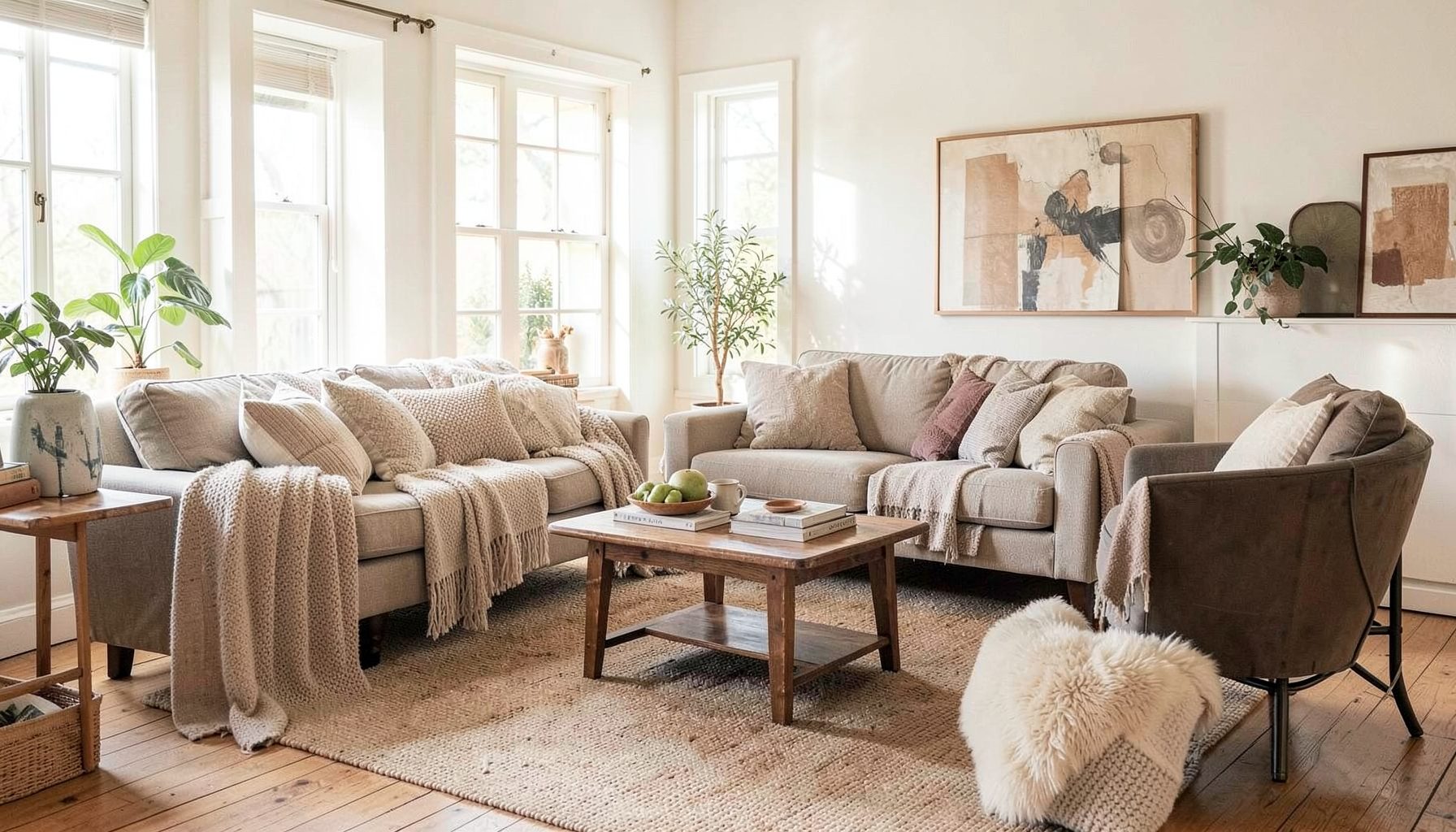
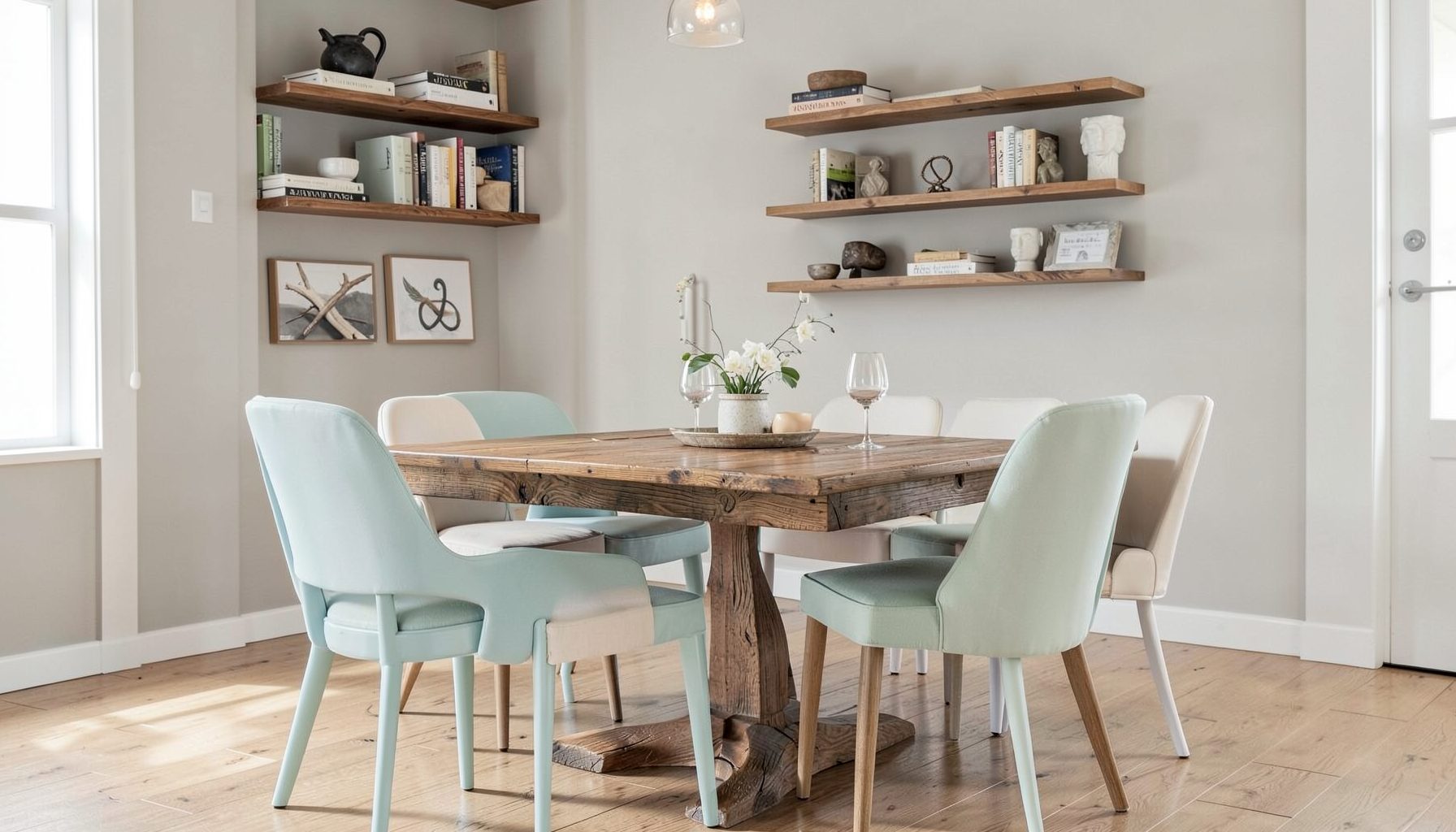
Full-service decorating that blends high and low, vintage finds with modern pieces for spaces that feel personal and collected.
Learn More
DIY Projects
Step-by-step tutorials for refinishing furniture, sewing pillows, styling bookshelves, and transforming rooms on a budget.
Learn More
E-Decorating
Personalized design guidance delivered online — perfect for clients anywhere in the world who want a professional eye.
Learn More
Portfolio
Browse completed room makeovers, before-and-after transformations, and styling projects from Bay Area homes.
Learn More
Blog
Interior design inspiration, fashion finds, entertaining ideas, and peeks into real home renovations and styling projects.
Learn More
Downloads
Free curated resources for home decorating and design — guides, checklists, and inspiration to help you get started.
Learn MoreHow to select a chandelier that doesn’t overpower a small dining room
A small dining room gives a chandelier very little room to make a mistake. Too large, and it visually narrows the space, crowds the table and turns dinner into a formal event. Too small, and it disappears beneath the ceiling or fails to light the faces you actually want to see. The right fixture should feel generous in proportion, comfortable in height and calm enough for an ordinary Tuesday breakfast.
The goal is not to find the smallest chandelier available. It is to balance three kinds of scale: the table below, the walls around it, and the amount of light the room needs. A low, open design can work beautifully in a narrow Sydney terrace, while a compact but sculptural fixture may suit a high-ceilinged Brisbane home. In a Melbourne apartment, the same piece can look entirely different depending on ceiling height, wall colour and the table’s position.
Start with the room rather than a product image. Measure the ceiling, mark the ceiling rose or electrical point, record the table and chair dimensions, and consider how the room is used after dark. Those observations prevent the most common mistake: choosing a statement piece by appearance alone, then discovering that its drop, brightness or electrical requirements do not suit the space.
Measure the room before choosing a fixture
Measure the floor-to-ceiling height at several points, especially around plaster mouldings or a decorative ceiling rose. Australian homes can vary significantly in proportion, from compact city apartments to Queensland houses with generous ceiling heights. Record the height above the dining table as well as the overall room dimensions. A chandelier that looks delicate in a showroom may become visually dominant when installed above a 750-millimetre-high table.
Work backwards from the table when considering the vertical drop. A useful target is to leave approximately 750–850 millimetres between the tabletop and the lowest point of the chandelier. That gives seated guests comfortable headroom while keeping the light close enough to illuminate the table. If the room has a 2.4-metre ceiling and the table is 750 millimetres high, the bottom edge needs to sit around 1.55 metres above the floor, leaving limited space for the fixture itself.
The electrical point also matters. Some chandeliers hang from a fixed chain, while others use adjustable cables that make them easier to adapt to different ceiling heights. Before choosing, check whether the ceiling rose can support the weight and whether the wiring is positioned over the centre of the table. If it is not, moving the fitting may involve electrical work, patching or ceiling repairs that quickly outweigh the cost of the fixture.
Match chandelier scale to the table and walls
For a round table, a round or softly curved chandelier usually creates the most balanced outline. As a starting point, choose a diameter around half the width of the table, moving towards two-thirds only when there is generous space around it. This prevents the light from floating too high above the dining surface. For a narrow rectangular table, a linear chandelier can follow its length, ideally covering no more than roughly two-thirds of the table width.
Room width matters just as much as table width. In a 2.4-metre-wide dining room, a 900-millimetre chandelier leaves around 750 millimetres on either side. That can feel comfortable and open. A 1.2-metre fixture may leave only 600 millimetres, which is workable but more likely to make the room feel tightly dressed. Wall-mounted furniture, cabinetry and sliding doors should be included in these measurements because they can make an already narrow room feel smaller.
Visual weight is not the same as physical size. A broad shade, multiple heavy arms, dense crystal strands or a substantial dark metal frame can make a fixture feel much larger than its measurements suggest. Open frameworks, slender chains and lightly coloured finishes usually feel airier. Black metal can look dramatic against a pale wall, while warm brass or bronze creates a softer transition, and clear glass can disappear visually while still reflecting light around the room.
Control brightness, colour and visual weight
Brightness should support the table without making the room feel like a showroom. For a small dining zone, a combined output of roughly 1,500–2,500 lumens is a useful starting range, although daylight, wall colour and nearby lamps can change the result considerably. A dimmer is especially valuable because the same fixture can provide focused light during dinner and a gentler glow for conversation or reading.
Warm-white light generally makes a dining room feel welcoming and flattering. A colour temperature around 2700K suits a traditional or layered interior, while 3000K offers a little more clarity without becoming harsh. A high colour-rendering index, ideally CRI 90 or above, helps food, skin tones and decorative objects appear more natural. Select lamps based on the fitting rather than assuming every chandelier accepts the same globe.
Australia’s 230-volt electrical system and local fitting standards should be checked before ordering. Many domestic chandeliers use E27 lamp holders, although designer fixtures may use proprietary bulbs or integrated LEDs. Imported fittings also need compatible lamp holders, suitable transformers and dimming controls. A qualified electrician should confirm the ceiling connection, wiring and switch arrangement, particularly for a heavy fixture or an older home with original wiring.
Find a fixture that suits the room’s style and climate
The most successful dining rooms feel collected rather than showroom-perfect. A vintage-style chandelier can sit comfortably with simple modern chairs, while a clean contemporary frame can soften painted cabinetry or exposed brick. Rather than matching every item, look for repeated colours, finishes or shapes. A brass fitting may connect with a lamp, picture frames and table accessories, while a black frame might echo window frames or the legs of the dining table.
Shopping channels should suit the level of risk involved. Functional lighting options are widely available from Australian hardware stores such as Bunnings, while independent lighting showrooms in Sydney, Melbourne, Brisbane and other cities offer useful advice and a wider selection of finishes. For a more distinctive silhouette, browsing period lighting finds can reveal antique and reproduction pieces that are difficult to find in ordinary retail ranges. Check dimensions, wiring and lamp-holder compatibility before purchasing an older fixture.
Local climate deserves consideration too. Salt-laden coastal air can affect untreated steel or iron, while strong Queensland sunlight may fade vulnerable fabrics and finishes. Inspect the quality of powder coating, brass plating and glass suspension components rather than relying on appearance alone. A fixture intended for an open verandah should have suitable outdoor-rated materials, but a dining-room chandelier should still be protected from humidity, grease and accidental knocks.
Make the final check before installation
Re-create the chandelier’s footprint on the floor with painter’s tape before it is delivered. Mark its proposed width, then stand at the edge of the imaginary shape and view it from the doorway. This simple test often exposes a fixture that looked balanced online but would crowd the room in person. Repeat the exercise at table height with boxes or books, and include the space occupied by chairs when judging circulation.
Consider the fixture in both daylight and darkness. Strong contrast can make a thin frame look heavier during the day, while a pale finish may disappear against a dim wall after sunset. Check how the arms or shades interrupt views across the room, and make sure the lowest point remains clear for taller guests and for people carrying dishes through the space. The fitting should draw the eye without blocking artwork, windows or a particularly important architectural feature.
Allow enough time for delivery, electrical installation and any adjustments to the suspension. If an overseas purchase is involved, confirm the landed cost, electrical compatibility and return terms before committing. If the chandelier is likely to be moved, a qualified electrician can advise on isolating the circuit and installing a suitable ceiling anchor rather than relying on a light-duty rose or junction box.
The practical takeaway is simple: measure first, choose a light or open form in proportion to the table, leave 750–850 millimetres above the surface and use a dimmable warm-white lamp to fine-tune the atmosphere.

Recent Projects