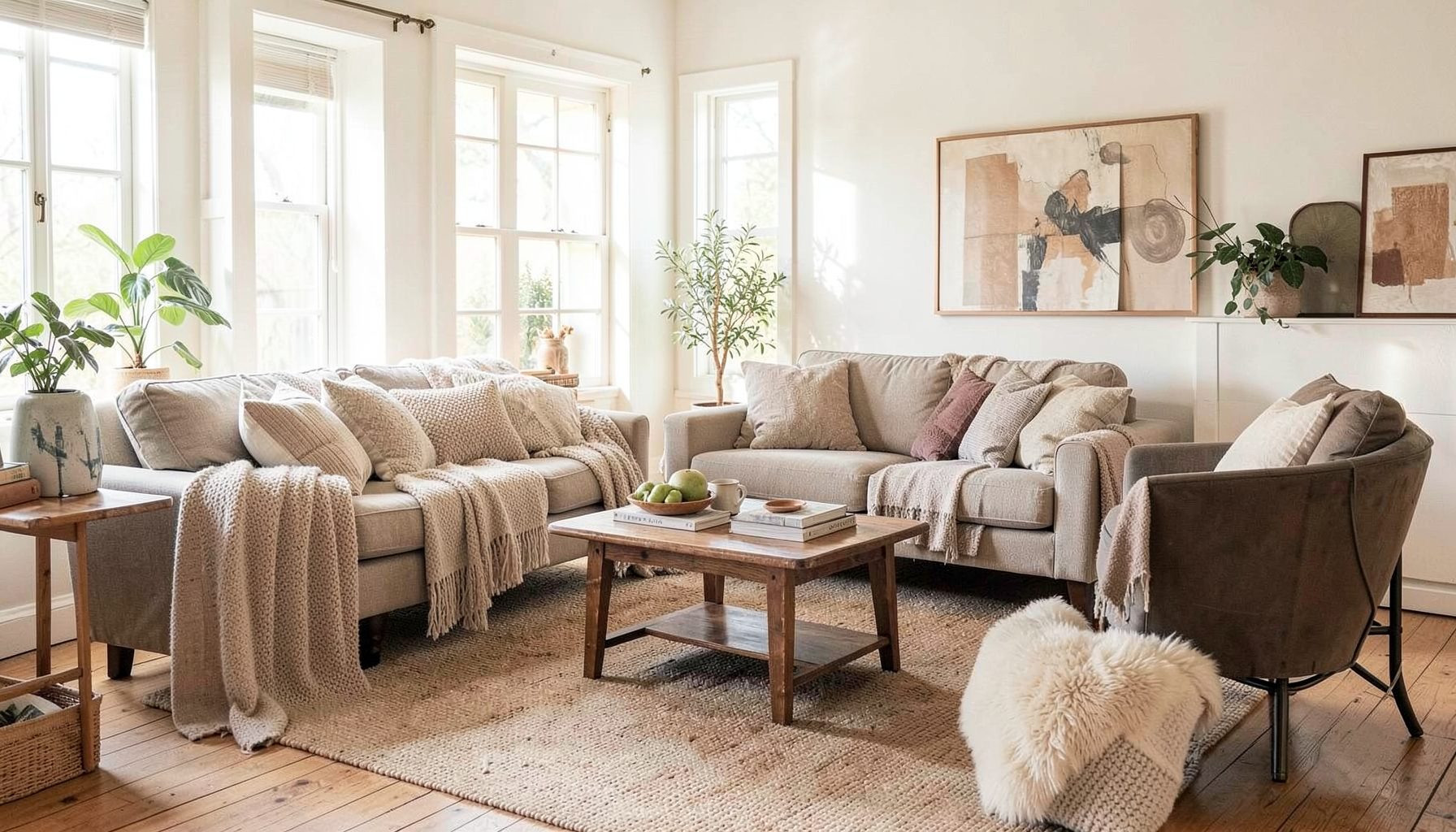
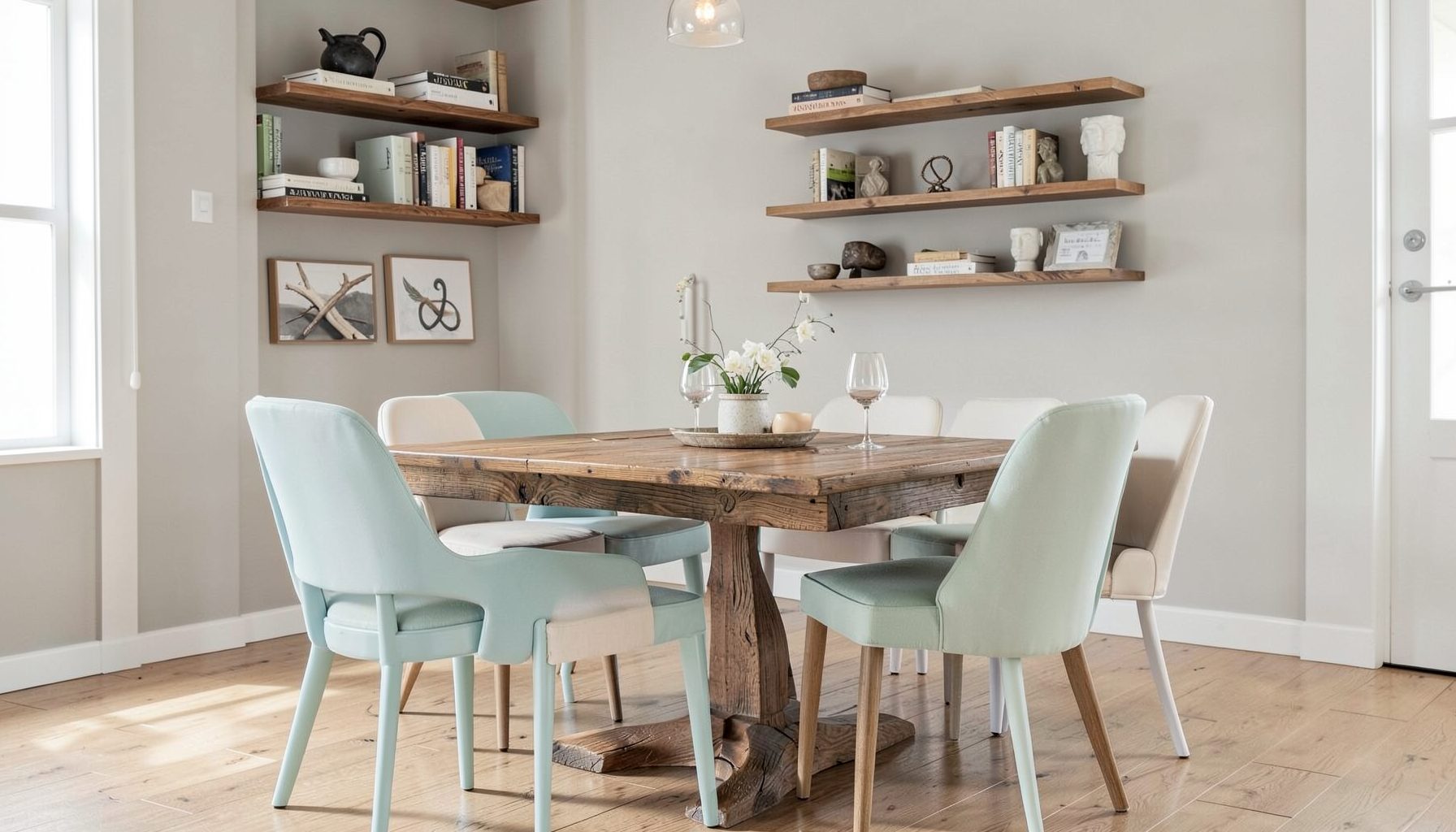
Interior Design
Full-service decorating that blends high and low, vintage finds with modern pieces for spaces that feel personal and collected.
Learn More
DIY Projects
Step-by-step tutorials for refinishing furniture, sewing pillows, styling bookshelves, and transforming rooms on a budget.
Learn More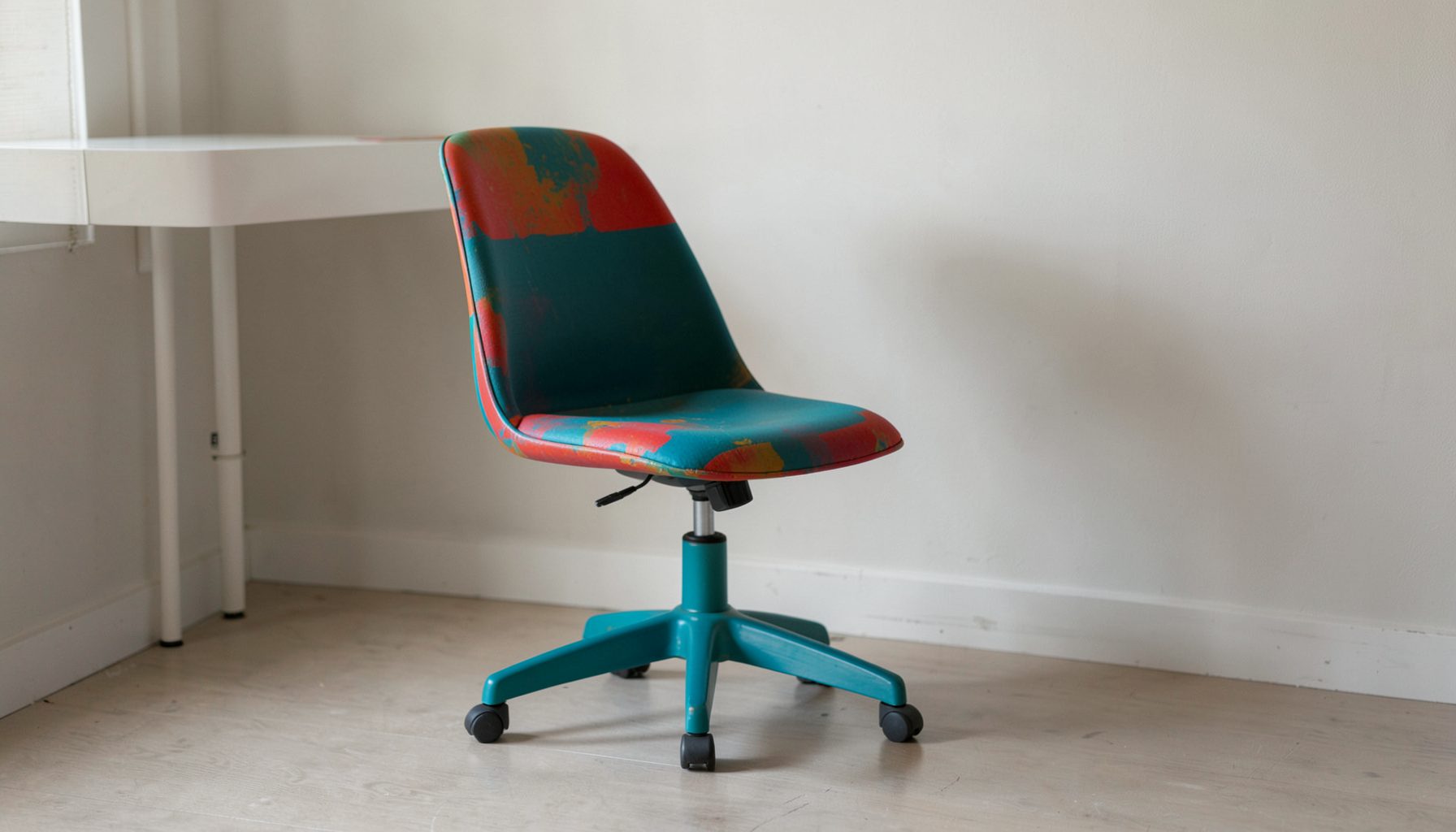
E-Decorating
Personalized design guidance delivered online — perfect for clients anywhere in the world who want a professional eye.
Learn More
Portfolio
Browse completed room makeovers, before-and-after transformations, and styling projects from Bay Area homes.
Learn More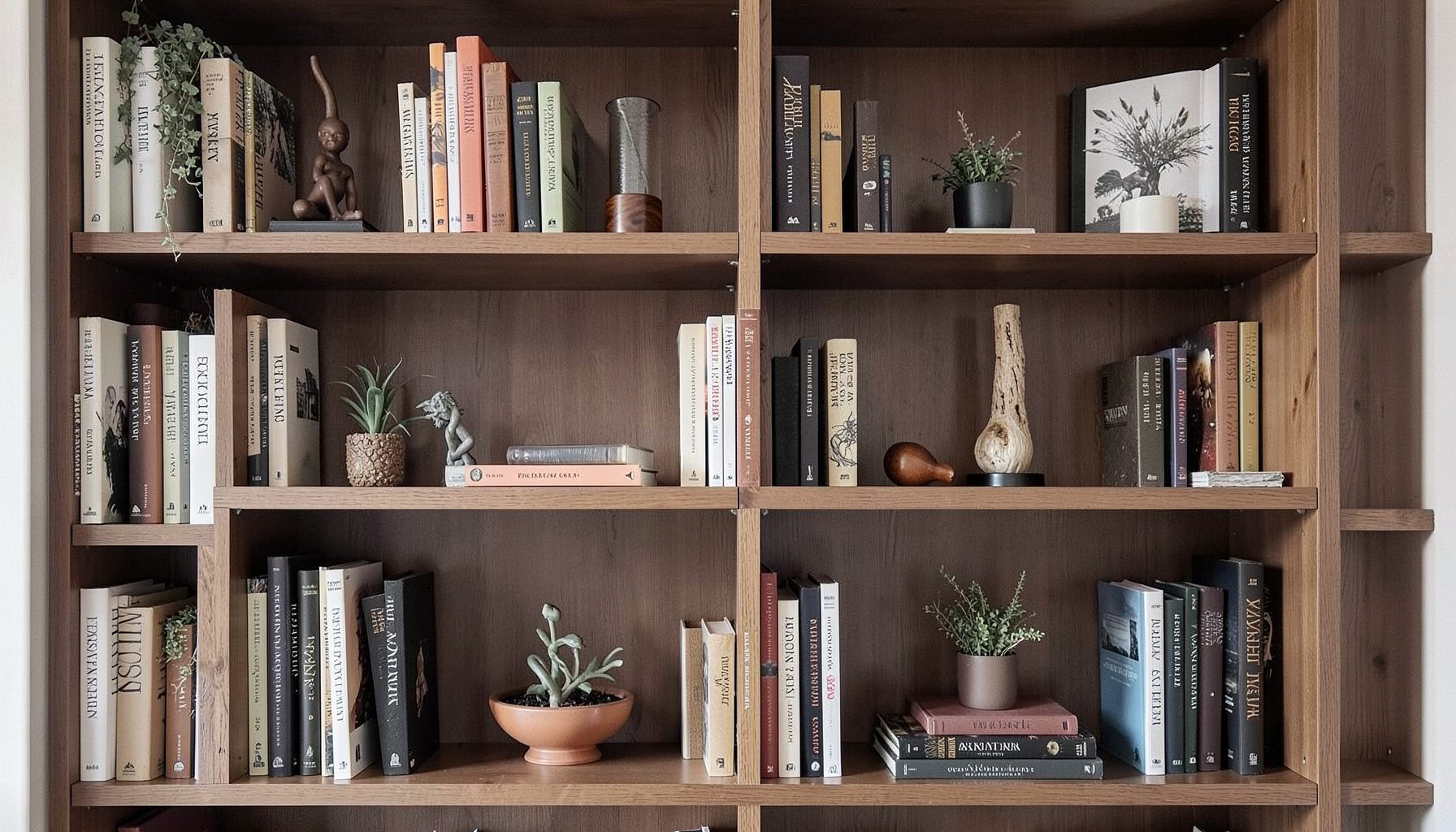
Blog
Interior design inspiration, fashion finds, entertaining ideas, and peeks into real home renovations and styling projects.
Learn More
Downloads
Free curated resources for home decorating and design — guides, checklists, and inspiration to help you get started.
Learn MoreA Fresh Kitchen Look With Hardware And Thoughtful Styling
A kitchen can feel dramatically different without a demolition, a new floor plan, or a long construction timeline. Replacing cabinet hardware and refining the objects on display can sharpen the room’s character, improve daily function, and make familiar finishes feel intentional again.
The most successful updates usually combine practical decisions with personal details. Aged brass pulls may bring warmth to painted cabinetry, while sculptural pottery, a vintage cutting board, or a tailored runner can soften a space filled with hard surfaces. The goal is a kitchen that feels collected rather than staged.
Refreshing a kitchen with new hardware and styling works best when every choice relates to the room’s existing architecture. Cabinet color, countertop material, faucet finish, lighting, and the surrounding rooms all provide useful clues. A layered approach allows modern pieces, vintage finds, and budget-conscious accents to live comfortably together.
Start With A Focused Kitchen Assessment
Before ordering cabinet knobs or rearranging the countertop, study the kitchen as it exists. Notice which areas feel visually heavy, which surfaces collect clutter, and which functional zones are frustrating to use. A crowded stretch beside the range may need fewer decorative objects, while an empty island may benefit from a substantial bowl, tray, or pendant light.
Photograph the kitchen in natural light and from several viewpoints. Images often reveal details that disappear during everyday routines, such as mismatched finishes, an overfilled open shelf, or a wall that could support artwork. Pay attention to nearby spaces as well. A kitchen that opens to a dining room or family room should feel connected without becoming overly coordinated.
Take inventory of the elements worth keeping. Existing cabinets, stone counters, wood floors, and appliances form the foundation of the update. If the kitchen already contains several strong finishes, choose hardware and accessories that clarify the palette instead of adding another competing metal, color, or pattern.
Choose Cabinet Hardware For Function And Character
The size and shape of cabinet hardware have as much influence as the finish. Bar pulls create a clean, tailored line and are comfortable on drawers and wide doors. Knobs offer a simpler, more traditional profile, while cup pulls can add a classic or furniture-like touch to lower drawers. A combination can work beautifully when each style has a clear purpose.
Scale matters. Small knobs may disappear on substantial cabinetry, while oversized pulls can make a compact kitchen feel busy. Measure the distance between existing holes before selecting replacements. If the new hardware uses a different center-to-center measurement, the old holes may need to be filled and concealed, which can turn a simple update into a small refinishing project.
A consistent installation pattern gives the kitchen a polished appearance. Align pulls horizontally on drawers and vertically on doors, or use a deliberate variation based on the cabinet style. Mark placement with painter’s tape before drilling, then test the reach and comfort of each location. Beautiful hardware should feel natural in the hand during every morning and evening routine.
The finish should support the broader mood. Unlacquered brass develops a living patina, polished nickel feels bright and classic, matte black provides graphic contrast, and oil-rubbed bronze brings depth to warm or traditional interiors. Mixing metals is possible, especially in a layered kitchen, but repeat each finish at least twice so the combination feels considered.
Match The Update To Your Kitchen’s Style
Hardware can shift the personality of a room without changing its cabinetry. The right selection depends on the kitchen’s architectural language, existing palette, and the atmosphere you want to create.
| Kitchen Character | Hardware Direction | Styling Companions | Overall Effect |
|---|---|---|---|
| Classic white cabinetry | Aged brass, polished nickel, or cup pulls | Linen towels, framed botanical art, ceramic vessels | Warm and timeless |
| Modern flat-panel doors | Slim bar pulls in black, chrome, or brushed brass | Simple trays, sculptural objects, restrained color | Crisp and tailored |
| Warm wood cabinets | Bronze, antique brass, or dark iron | Woven baskets, stoneware, wood accents | Grounded and inviting |
| Cottage or vintage-inspired | Ceramic knobs, bridge-style pulls, or aged metal | Florals, collected art, cutting boards, vintage linens | Relaxed and personal |
| Transitional kitchen | Brushed brass, pewter, or mixed coordinated metals | Layered serving pieces, lamps, greenery | Refined with character |
If the cabinetry is simple and contemporary, hardware with a slim silhouette can preserve its clean lines. A more traditional kitchen may welcome rounded knobs, detailed bin pulls, or a finish that feels gently aged. In a rental or temporary home, adhesive hardware options and removable styling changes can provide a visual lift without permanent alterations.
Consider the sightlines beyond the kitchen. A black faucet might relate to window frames or dining chairs, while brass cabinet pulls can echo a nearby pendant or picture frame. This repetition creates rhythm across an open floor plan. It does not require every object to match; it simply gives the eye a few recurring notes to follow.
Style Countertops With A Layered Edit
Kitchen styling is most effective when it balances beauty with access. Begin by clearing the counters completely, then return only the items used frequently or those that contribute meaningful texture. A wood cutting board leaning against the backsplash, a stoneware crock holding utensils, and a low bowl for produce can provide enough visual interest without sacrificing workspace.
Use grouping to prevent small objects from looking scattered. A tray can gather olive oil, salt, pepper, and a favorite bottle near the range. A larger board can anchor a corner beside a coffee station. On an island, choose one substantial centerpiece rather than several unrelated decorations. The arrangement should feel easy to move when the surface is needed for cooking or entertaining.
Vary height and material within each grouping. Pair a tall vase with a low bowl, or combine smooth ceramic with woven fiber and aged wood. Organic materials are especially useful in kitchens because they soften the hard lines of counters, cabinetry, and appliances. A small branch, potted herb, or seasonal flowers can add life without overwhelming the room.
Open shelving deserves a lighter touch than closed storage. Leave breathing room between stacks of dishes, glassware, and decorative objects. Arrange useful pieces by type, then introduce one or two personal elements, such as a small painting or handmade vessel. The shelves should communicate how the kitchen is used rather than function as a display of every attractive item in the home.
Bring In Textiles, Lighting, And Art
Soft goods can change the atmosphere quickly and affordably. A washable runner introduces color and pattern while making the work zone more comfortable underfoot. Choose a low-profile style that does not catch on doors or interfere with traffic. In a busy household, performance fabrics and vintage-inspired indoor-outdoor rugs can offer practical durability without a utilitarian appearance.
Towels are small details with considerable visual impact. Coordinate them with the kitchen’s accent colors rather than matching the cabinet finish exactly. Stripes, checks, linen textures, and subtle botanical patterns can make a neutral kitchen feel more relaxed. Keep a manageable number on display so they look fresh and purposeful.
Lighting deserves attention during a styling update. Replace a dated pendant or add a small lamp to a counter corner if the layout and safety requirements allow it. A plug-in picture light near a breakfast nook, under-cabinet illumination, or a warm portable lamp can make the kitchen feel more inviting after sunset. Select bulbs with a warm color temperature so wood, brass, and food tones remain welcoming.
Artwork brings personality to a kitchen that may otherwise be dominated by cabinetry. Look for pieces that can tolerate the room’s activity and place them away from direct splashes and intense heat. Small still lifes, vintage food illustrations, landscapes, or abstract prints can connect the kitchen to the character of the rest of the home. A framed piece often adds more depth than another decorative object on the counter.
Keep The Look Collected, Not Cluttered
A layered kitchen should feel as though it developed over time. Mix polished pieces with imperfect ones: a new brass pull beside a vintage cutting board, a tailored runner beneath a handmade bowl, or contemporary stools paired with an antique textile. These contrasts create warmth and prevent the room from looking like a single-store collection.
Color is a useful editing tool. Select two or three accent shades already present in the room, then repeat them through textiles, ceramics, artwork, and flowers. If the kitchen is mostly neutral, deep green, ochre, blue, or terracotta can add dimension. Keep larger elements calmer and reserve stronger colors for accents that can be changed seasonally.
Do a final subtraction pass after arranging the room. Remove anything that blocks cabinet doors, crowds a work surface, or feels disconnected from the kitchen’s purpose. A beautiful object has earned its place when it adds texture, memory, or function. If it does none of those things, store it elsewhere and allow the room to breathe.
Practical Choices For A Polished Refresh
- Measure existing hardware and cabinet thickness before purchasing replacements.
- Order one sample pull or knob to test its scale, comfort, and finish in the actual room.
- Repeat a new metal finish in at least one light fixture, frame, faucet, or accessory.
- Use trays, crocks, and baskets to organize frequently used items without hiding them away.
- Reserve open counter space around the sink, cooktop, and primary preparation area.
Make The Refresh Feel Personal
The most memorable kitchens reflect the people who use them. Display a favorite cookbook, a ceramic piece from a local maker, or a collection of cutting boards with visible character. In the Bay Area, where homes often blend historic details with contemporary renovations, these personal layers can help bridge old and new elements throughout the space.
If the kitchen still feels unfinished after a hardware change, look beyond the cabinets. The answer may be a better runner, a more substantial stool, art on a blank wall, or a new arrangement of objects rather than another purchase. Thoughtful editing often produces a stronger result than filling every available surface.
Maggie Rose Interiors creates personalized spaces for clients in San Jose, San Francisco, and beyond, from focused room makeovers and online e-decorating to full-service interior design. Bring your kitchen’s existing character, daily routines, and wish list to the studio, and discover a refined, layered update that feels distinctly yours.

Recent Projects