Interior Design
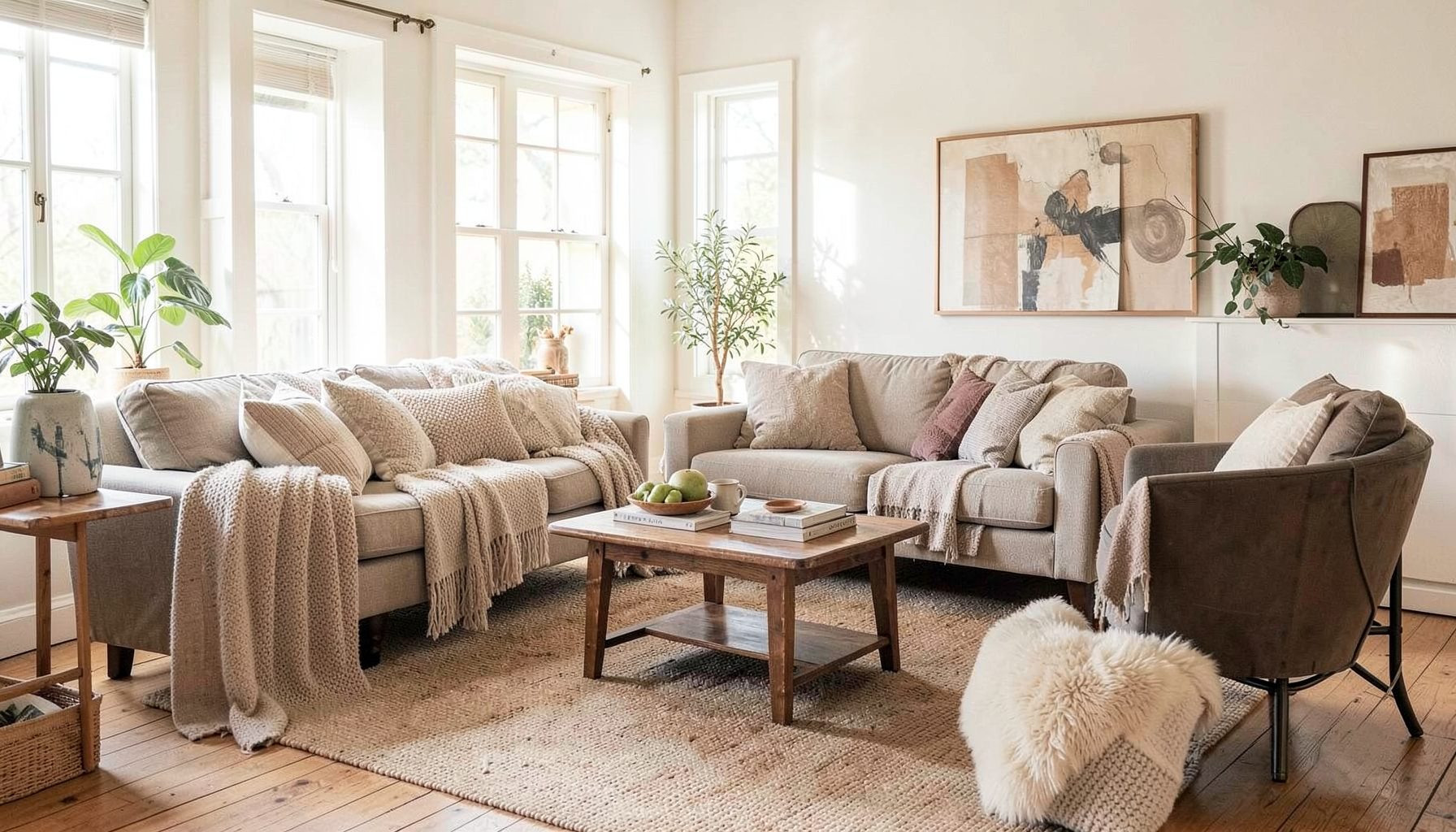
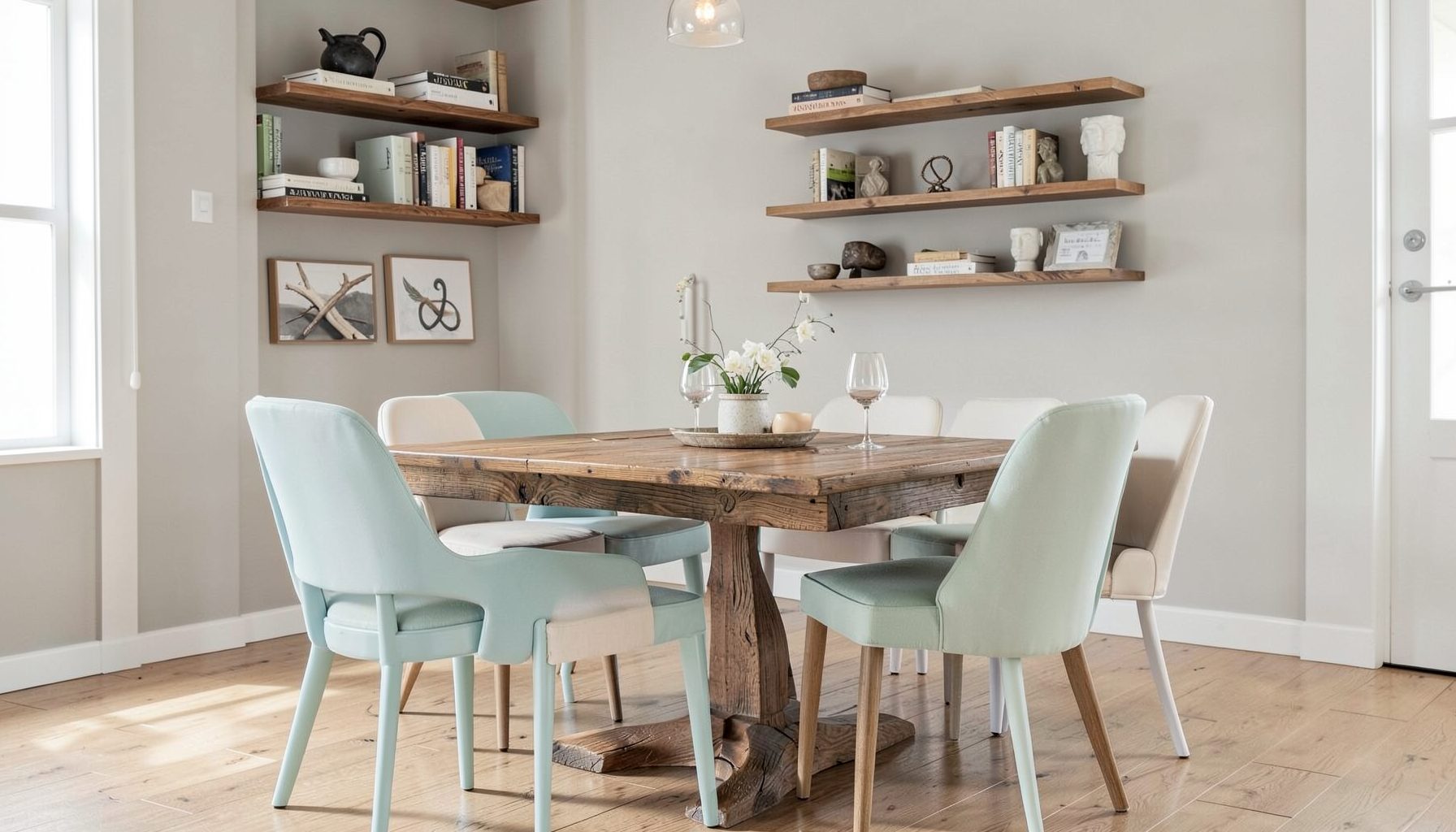
Full-service decorating that blends high and low, vintage finds with modern pieces for spaces that feel personal and collected.
Learn More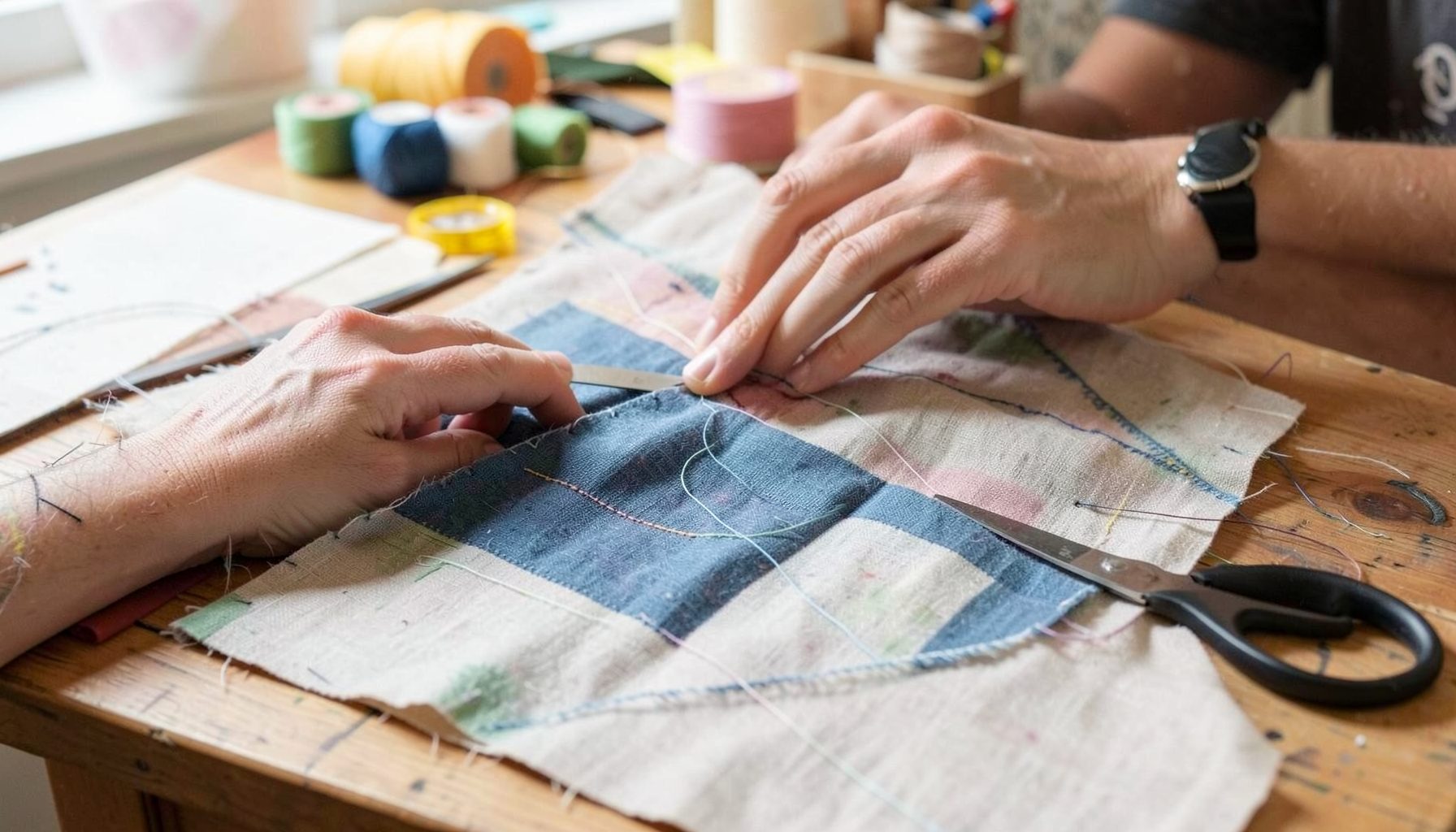
DIY Projects
Step-by-step tutorials for refinishing furniture, sewing pillows, styling bookshelves, and transforming rooms on a budget.
Learn More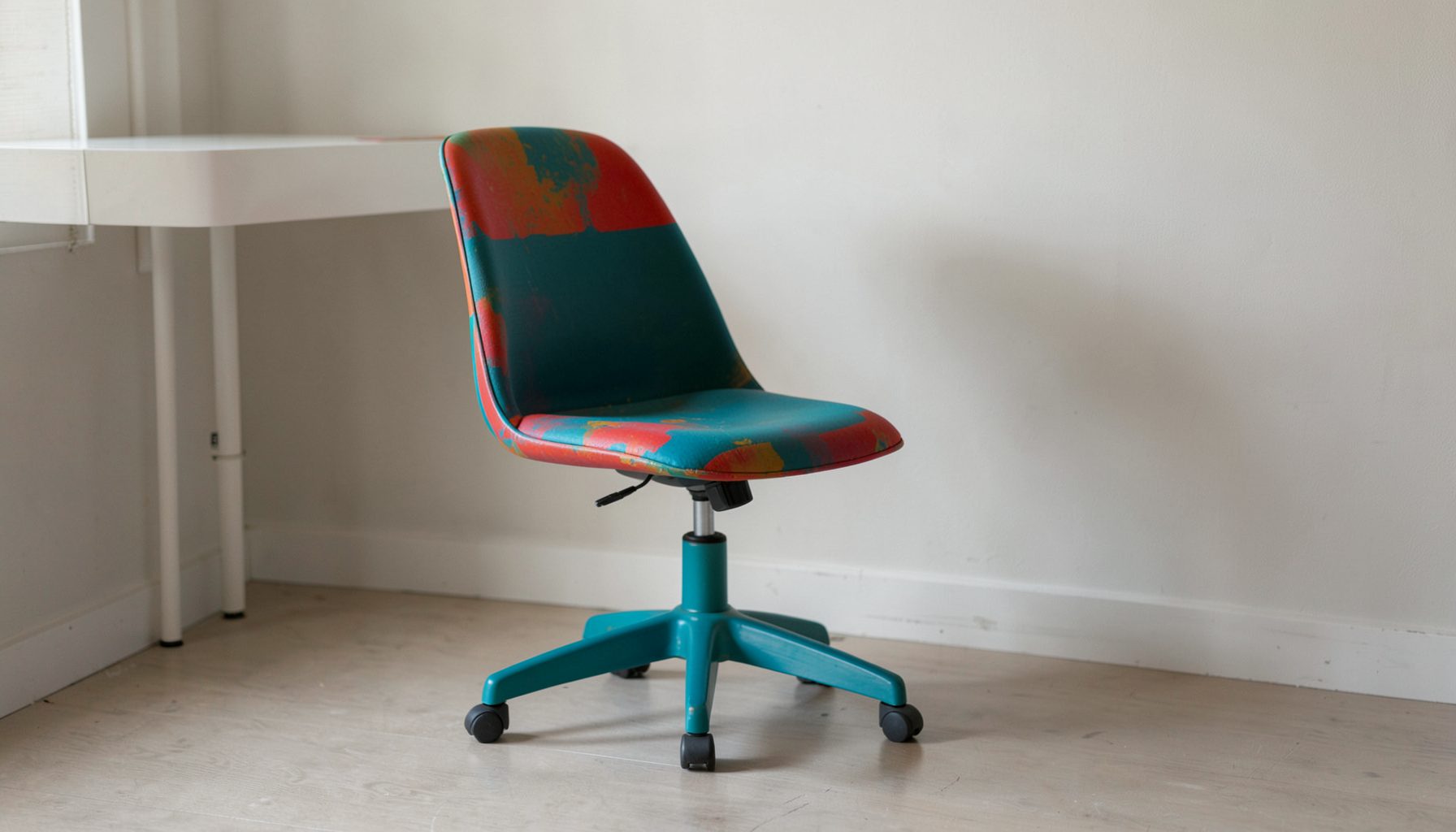
E-Decorating
Personalized design guidance delivered online — perfect for clients anywhere in the world who want a professional eye.
Learn More
Portfolio
Browse completed room makeovers, before-and-after transformations, and styling projects from Bay Area homes.
Learn More
Blog
Interior design inspiration, fashion finds, entertaining ideas, and peeks into real home renovations and styling projects.
Learn More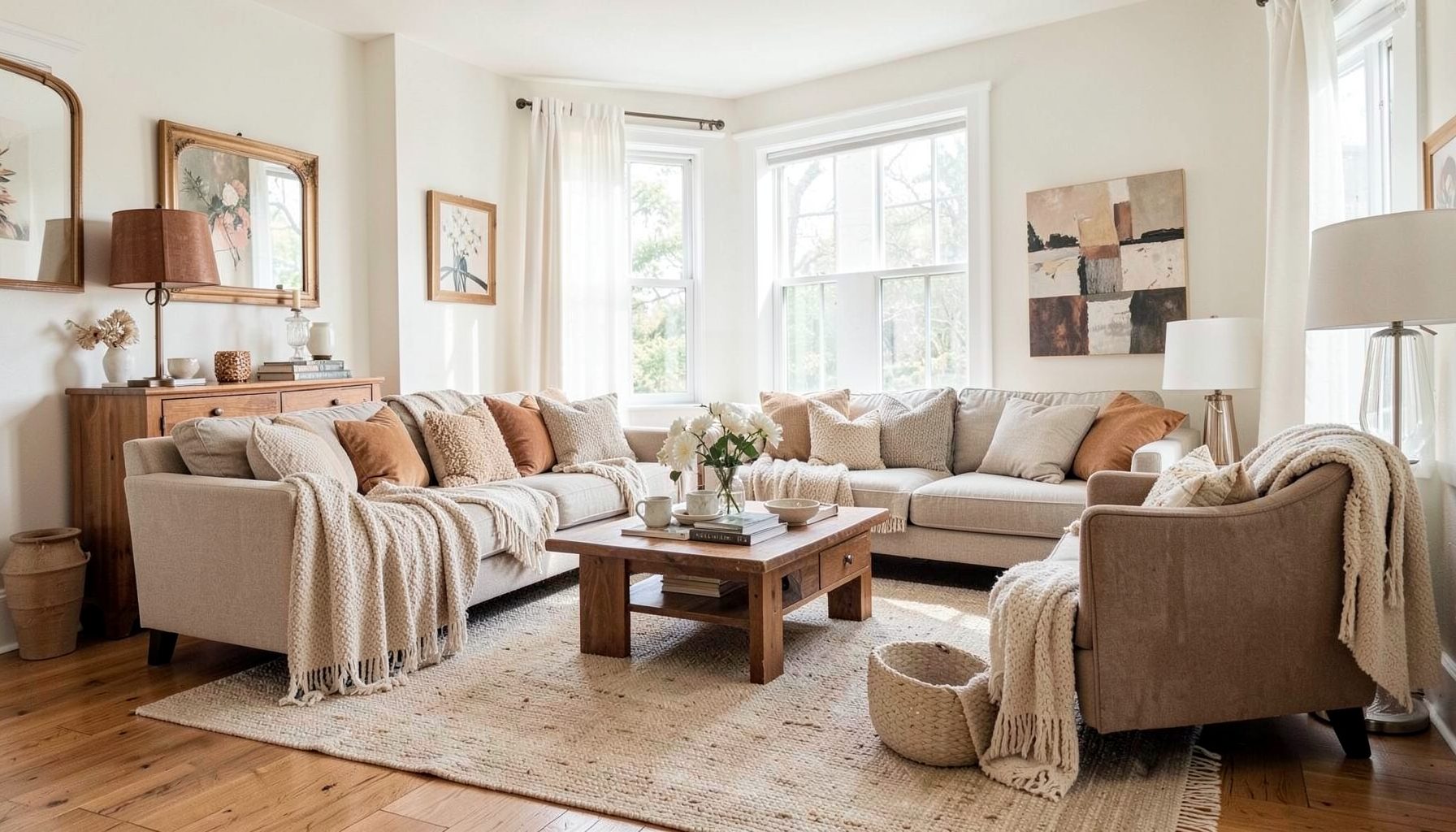
Downloads
Free curated resources for home decorating and design — guides, checklists, and inspiration to help you get started.
Learn MoreHow to layer patterned pillows on a neutral sofa with ease
A neutral sofa gives a room breathing space, but it can also leave the seating area looking unfinished. Patterned pillows bring in colour, rhythm and personality without committing you to a bold wall treatment or a large statement piece. The key is to combine prints with intention, so the arrangement feels collected rather than chaotic.
The best results come from treating the sofa as a small composition. Look at colour, pattern scale, fabric, shape and placement together, then add a few pieces that connect with the wider room. This layered approach suits the relaxed Australian preference for practical, comfortable interiors, whether the setting is a sunny Brisbane apartment, a Melbourne terrace or a coastal home near Sydney.
Start with the sofa as a quiet backdrop
A neutral sofa does not have to be white. Warm ivory, oatmeal, sand, stone, mushroom, pale grey and soft taupe all work as flexible foundations. Before choosing pillows, identify the sofa’s undertone. A creamy upholstery will sit comfortably with earthy rusts, olive greens and muted blues, while a cooler grey may suit charcoal, denim, eucalyptus and crisp white.
Consider the sofa’s shape as well as its colour. A deep, low sofa can handle generous cushions and relaxed patterns, while a tailored apartment sofa may look better with fewer, more structured pillows. Measure the seat and back before shopping so the cushions support the furniture rather than swallowing it. In Australian homes, where living areas often connect directly to dining zones or outdoor spaces, a restrained base helps the seating area feel connected instead of visually crowded.
The wall colour, rug, curtains and nearby timber should also influence the starting point. A neutral sofa is a backdrop, not an isolated object. Pull one or two colours from an existing artwork, rug or vase, then use pillows to reinforce those tones. This makes the arrangement look deliberate without requiring every item to match.
Build a simple colour story
A reliable pillow arrangement usually contains three to five colours, with one dominant shade and a few supporting notes. Start with a main colour that appears in the room already, such as terracotta from a rug, navy from artwork or olive from a plant-filled corner. Add a lighter version of that colour, then introduce a neutral and, if desired, one small accent.
The colours do not need to be identical. Related shades often create a more sophisticated result than exact matches. For example, tobacco, cinnamon and faded coral can sit together as warm tones, while sage, eucalyptus and deep moss create a layered green palette. In a coastal Australian interior, chalky blue, sea-glass green, sandy beige and weathered tan can suggest the landscape without turning the room into a themed space.
Use the 60-30-10 principle loosely rather than rigidly. Most of the visual field should remain calm, around a third can carry the supporting colour, and a small amount can provide contrast. On a neutral sofa, this might mean mostly oatmeal and cream textiles, several pillows in muted blue or olive, and one patterned cushion with a stronger rust or black detail.
It is also useful to repeat a colour at least twice. A blue stripe on one pillow might reappear in a floral motif, a ceramic lamp or the edge of a rug. Repetition creates cohesion, while small differences in shade keep the setting from feeling like a matching showroom package.
Create a hierarchy of pattern
Pattern mixing becomes easier when each print has a different visual role. Begin with a larger or more noticeable motif, such as a broad floral, block print, abstract shape or oversized stripe. Follow it with a medium-scale design, then finish with a small pattern or quiet texture. This gives the eye a path to follow.
Scale matters because patterns compete when they occupy the same visual volume. A large botanical print beside another large floral can look crowded, even if the colours coordinate. Pair the larger motif with a narrow stripe, small check, subtle geometric or fine dot. The difference allows each pillow to remain legible from across the room.
Pattern type matters too. Organic prints, geometrics and classic designs can work together when their scales vary. A faded floral can sit beside a simple grid and a narrow stripe because each communicates differently. If the patterns all have sharp edges or all feature intricate detail, the arrangement may feel busy. One calmer design helps absorb the energy.
A good rule is to include a statement pattern, a supporting pattern and a restful surface. The restful piece might be a plain linen cushion, a small woven check or a pillow with a tonal motif. This is particularly effective with vintage textiles, where irregular colours and hand-printed details already provide plenty of character.
Mix scale, shape and spacing
A row of identically sized square pillows can appear flat, even when the fabrics are attractive. Varying dimensions gives the sofa depth and makes the arrangement feel more natural. Place larger cushions at the back, medium squares in front and a lumbar pillow or smaller accent at the centre.
Australian cushion sizing can differ from imported ranges, so check measurements rather than assuming a standard. A 50-centimetre square may sit differently from a 45-centimetre one, and European-style rectangular cushions are common in many local collections. If ordering online from Australian retailers such as Adairs, Country Road or independent textile studios, compare the listed dimensions with your existing inserts.
Shape variation should remain controlled. Two or three forms are usually enough: squares for structure, a rectangle for contrast and perhaps a round or bolster cushion for softness. Too many unusual shapes can make the sofa difficult to use. Pillows should support lounging, not create an obstacle course.
Spacing has a similar effect. The cushions can overlap, but they should not be packed so tightly that the patterns merge. Leave a little breathing room around the centre or at one end, especially on a wide sofa. A relaxed arrangement often looks better when it is slightly asymmetrical, with a fuller group on one side balanced by a single lumbar cushion on the other.
Let texture soften the pattern mix
Texture is the quiet element that helps patterned pillows live comfortably together. Linen, cotton, velvet, boucle, wool, jute and woven fabrics each reflect light differently, giving the sofa depth even when the colour palette is restrained. A printed linen beside a washed cotton and a nubby wool cushion will feel layered without requiring another bold motif.
Think about the climate and use of the room. Linen and cotton are practical choices for warm Queensland interiors and homes with strong afternoon sun, while wool, velvet and heavier weaves can add comfort to cooler Melbourne or Tasmanian spaces. In a home with children or pets, removable covers and durable upholstery may be more valuable than a delicate decorative fabric.
Texture can also bridge different pattern styles. A plain velvet in a deep olive may connect a floral print with a graphic black-and-cream cushion. A woven neutral can soften a sharp geometric. A fringed or tasselled detail can add movement, but use decorative trims selectively so the arrangement remains polished.
Natural materials are especially useful in Australian interiors, where timber, rattan, cane and stone are common features. A cotton block print, a linen stripe and a woven cushion can echo those materials without looking overly coordinated. The result feels tactile and relaxed rather than overly formal.
Arrange the cushions for an easy, lived-in look
Begin at the ends of the sofa with the largest cushions, leaning them slightly against the arms or back. Add the medium patterned pillows in front, then place the most detailed or colourful cushion where it can be seen clearly. A lumbar cushion can anchor the centre, while a smaller accent can break up a repeated row.
Do not place every strong pattern at the same height. Varying the positions allows the eye to move through the arrangement. If a floral pillow is tall and dominant on the left, place a stripe or geometric lower on the right. This creates balance without creating symmetry.
The “karate chop” in the middle of a cushion is a matter of taste, not a design requirement. Some interiors benefit from a relaxed, lightly rumpled look, while others suit firm, tailored inserts. Use feather or feather-and-fibre inserts for a softer, fuller appearance, and polyester or foam inserts when a crisp shape is more important.
Live with the arrangement for a few days before deciding it is finished. Sit on the sofa, view it from the doorway and check how it looks in daylight and at night. A pillow that seems perfect in a shop may compete with the television, block a view or slide forward when used. Comfort and function should guide the final placement.
Adapt the mix to your room and personal style
Patterned pillows should reflect the character of the home. A heritage Melbourne terrace might suit faded florals, ticking stripes, velvet and antique-inspired motifs. A minimalist Sydney apartment may need only two graphic prints, a plain textured cushion and one strong accent colour. In a Brisbane home with indoor-outdoor living, washable cottons, tropical foliage motifs and sun-friendly tones may be more practical.
Look for relationships rather than a single decorating style. A vintage kilim-inspired pillow can work with a contemporary geometric if both share a warm neutral. A modern abstract print can sit beside a traditional check when the scale is controlled. This combination of old and new is central to a collected interior and prevents the sofa from looking like it came from one catalogue page.
Local and handmade textiles can add meaning as well as pattern. Consider Australian-designed fabrics, small-batch screen prints or cushions made from remnant cloth. The local market includes a wide range of accessible options, from budget-friendly homewares to artisan textiles, so a considered mix does not require every piece to be expensive. One distinctive cushion can give simpler surrounding pieces a stronger presence.
Above all, keep evidence of the people who use the room. A favourite travel textile, a faded family piece or an unexpectedly bright cushion may be more valuable than a perfectly coordinated set. Personal style often appears through small contrasts: a playful print among restrained linens, a traditional motif against a modern sofa, or a colour that makes the room feel unmistakably yours.
A successful sofa arrangement usually contains a calm base, one clear statement pattern, a supporting print, varied texture and enough plain space for the eye to rest. Choose the largest pattern first, repeat two or three colours from the room, vary the cushion sizes, and edit anything that competes for attention. The practical test is simple: every pillow should add comfort, character or connection to the space, and the whole arrangement should still feel easy to use at the end of the day.

Recent Projects