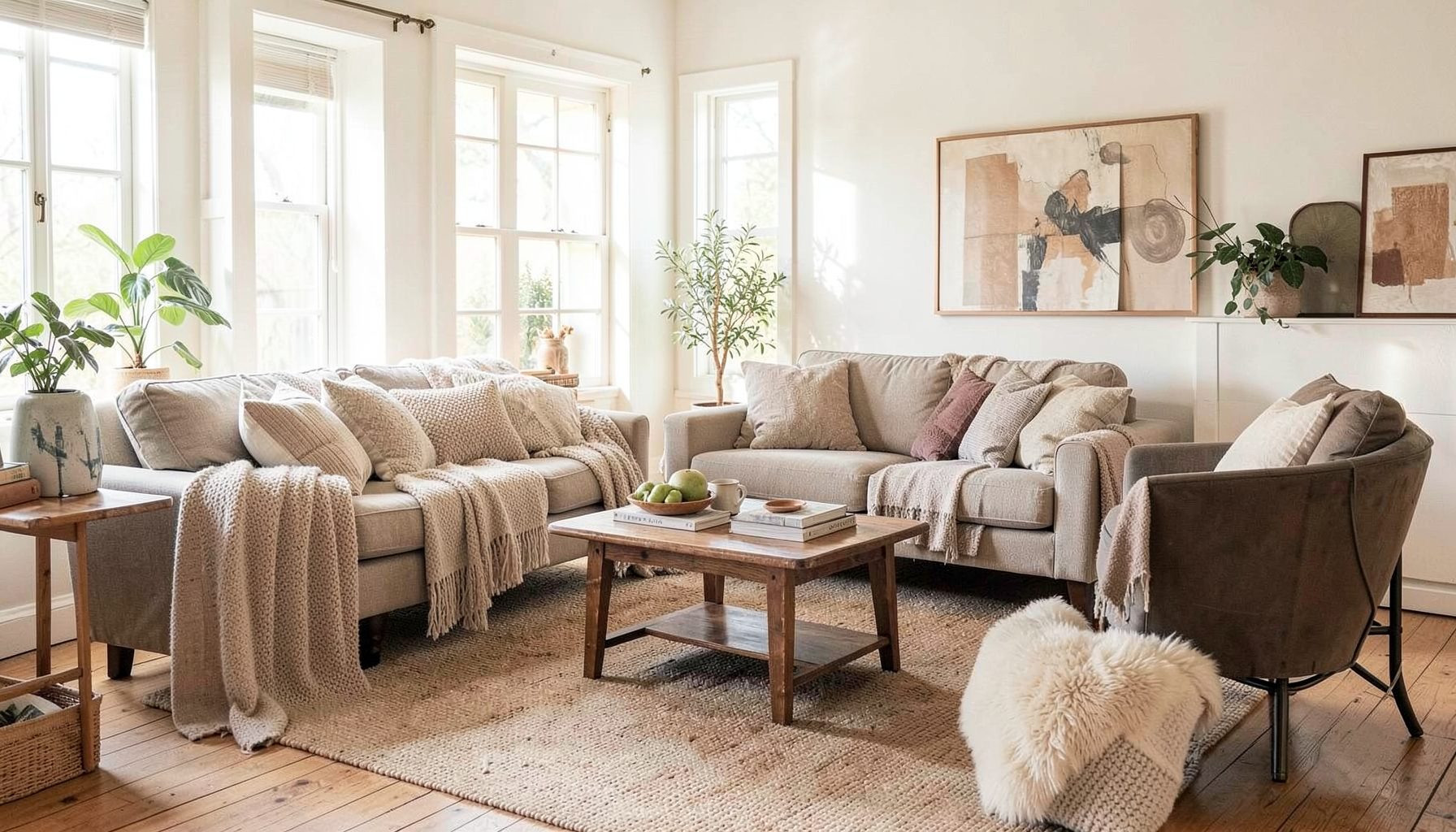
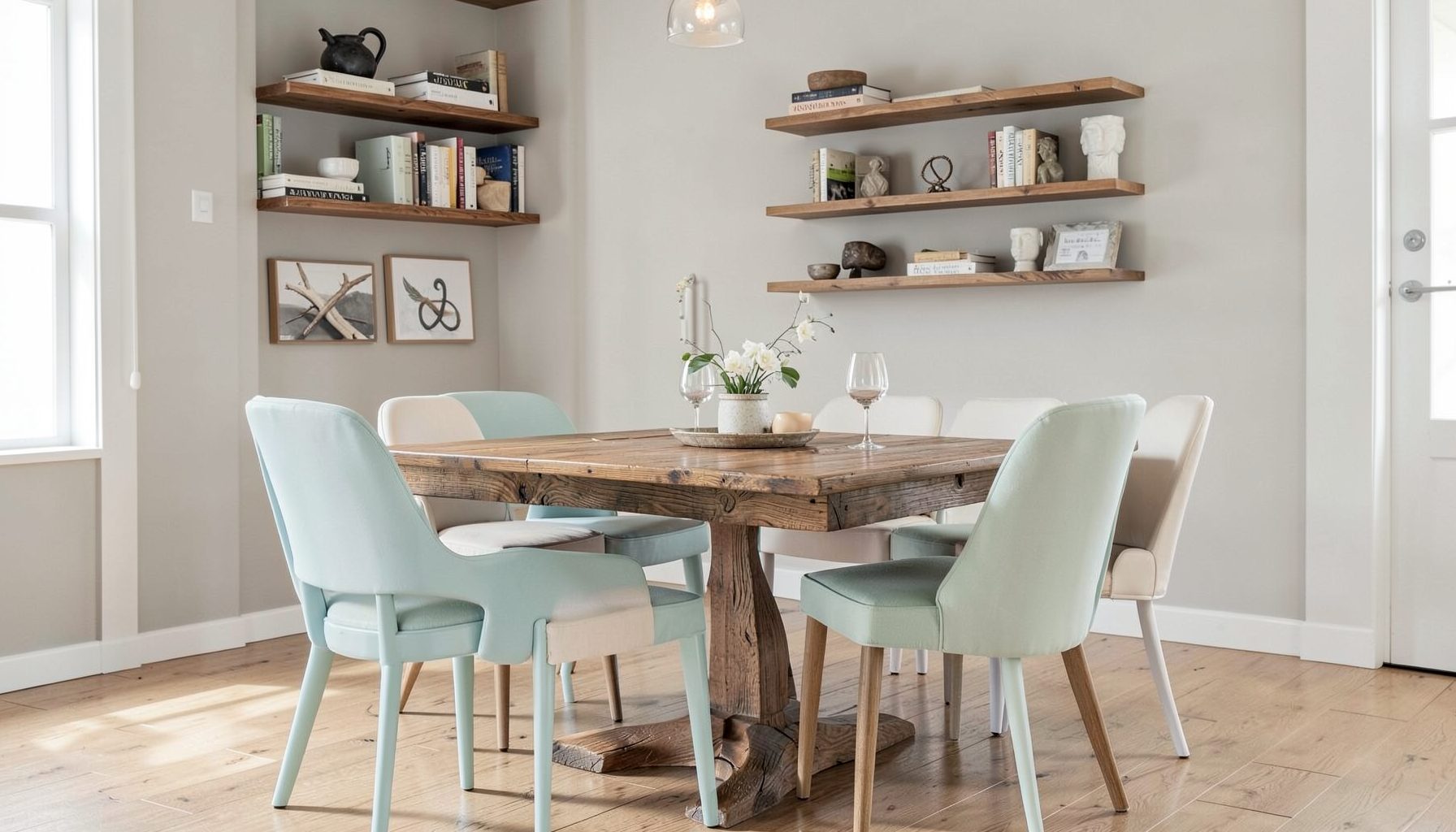
Interior Design
Full-service decorating that blends high and low, vintage finds with modern pieces for spaces that feel personal and collected.
Learn More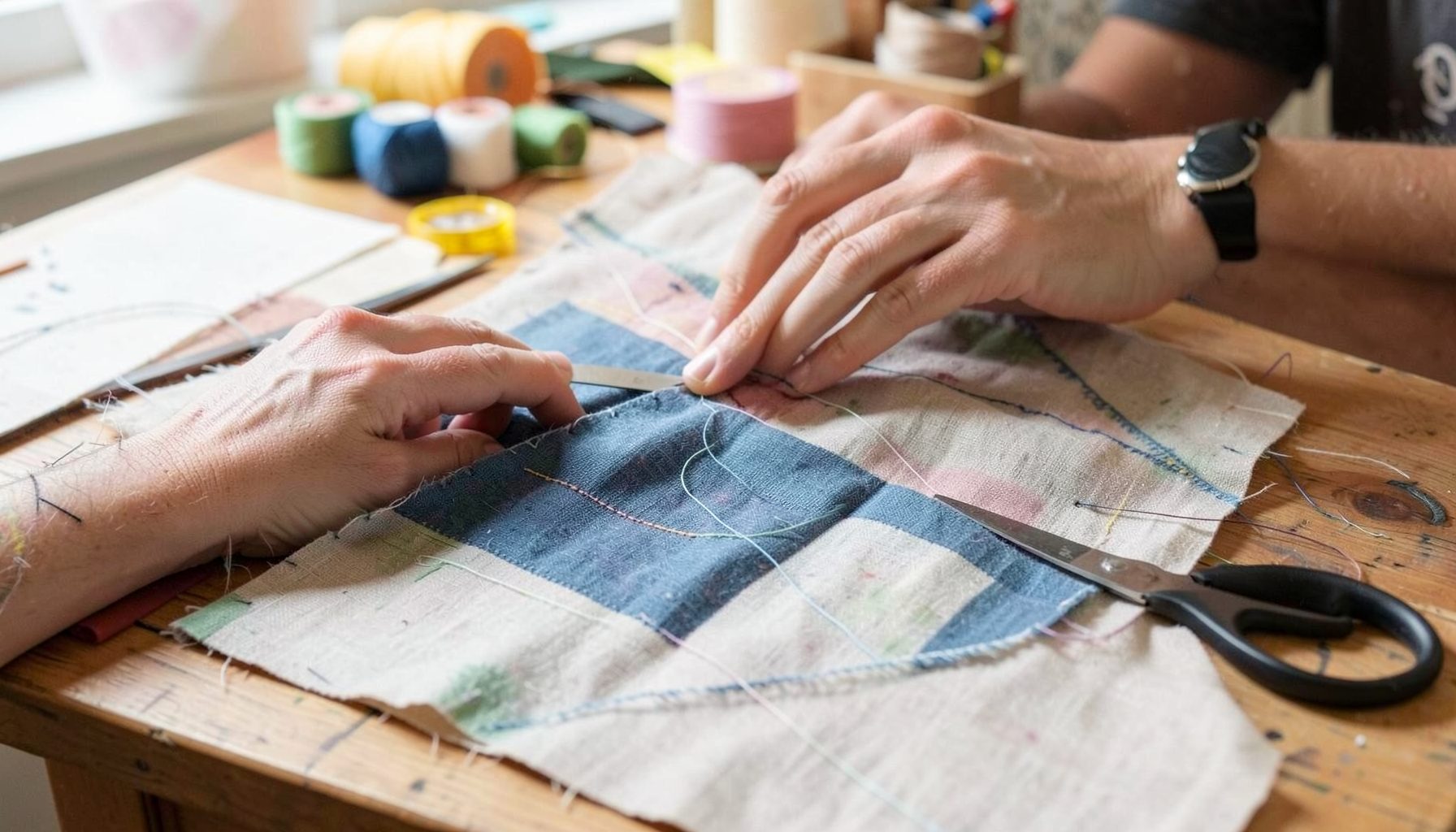
DIY Projects
Step-by-step tutorials for refinishing furniture, sewing pillows, styling bookshelves, and transforming rooms on a budget.
Learn More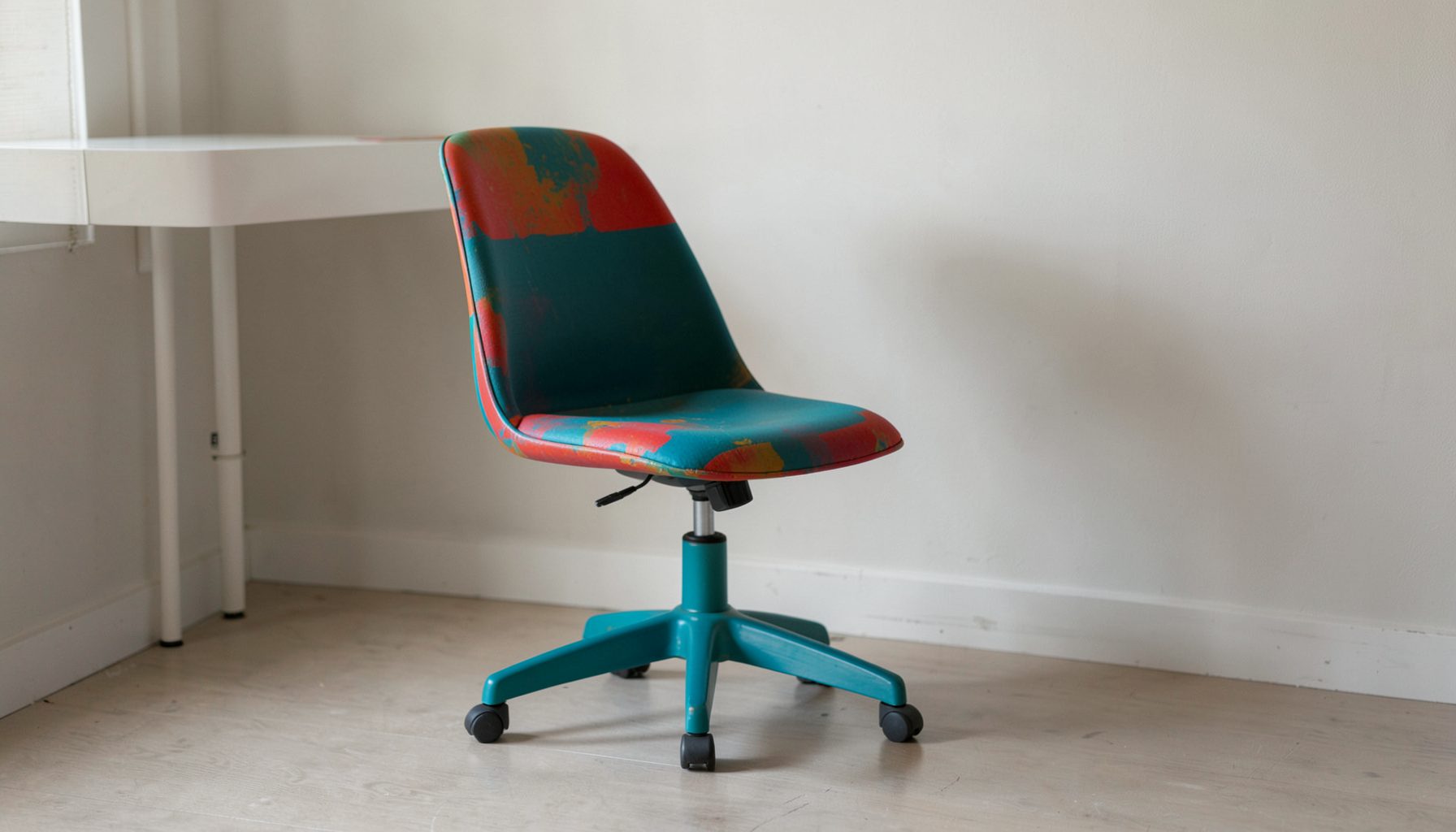
E-Decorating
Personalized design guidance delivered online — perfect for clients anywhere in the world who want a professional eye.
Learn More
Portfolio
Browse completed room makeovers, before-and-after transformations, and styling projects from Bay Area homes.
Learn More
Blog
Interior design inspiration, fashion finds, entertaining ideas, and peeks into real home renovations and styling projects.
Learn More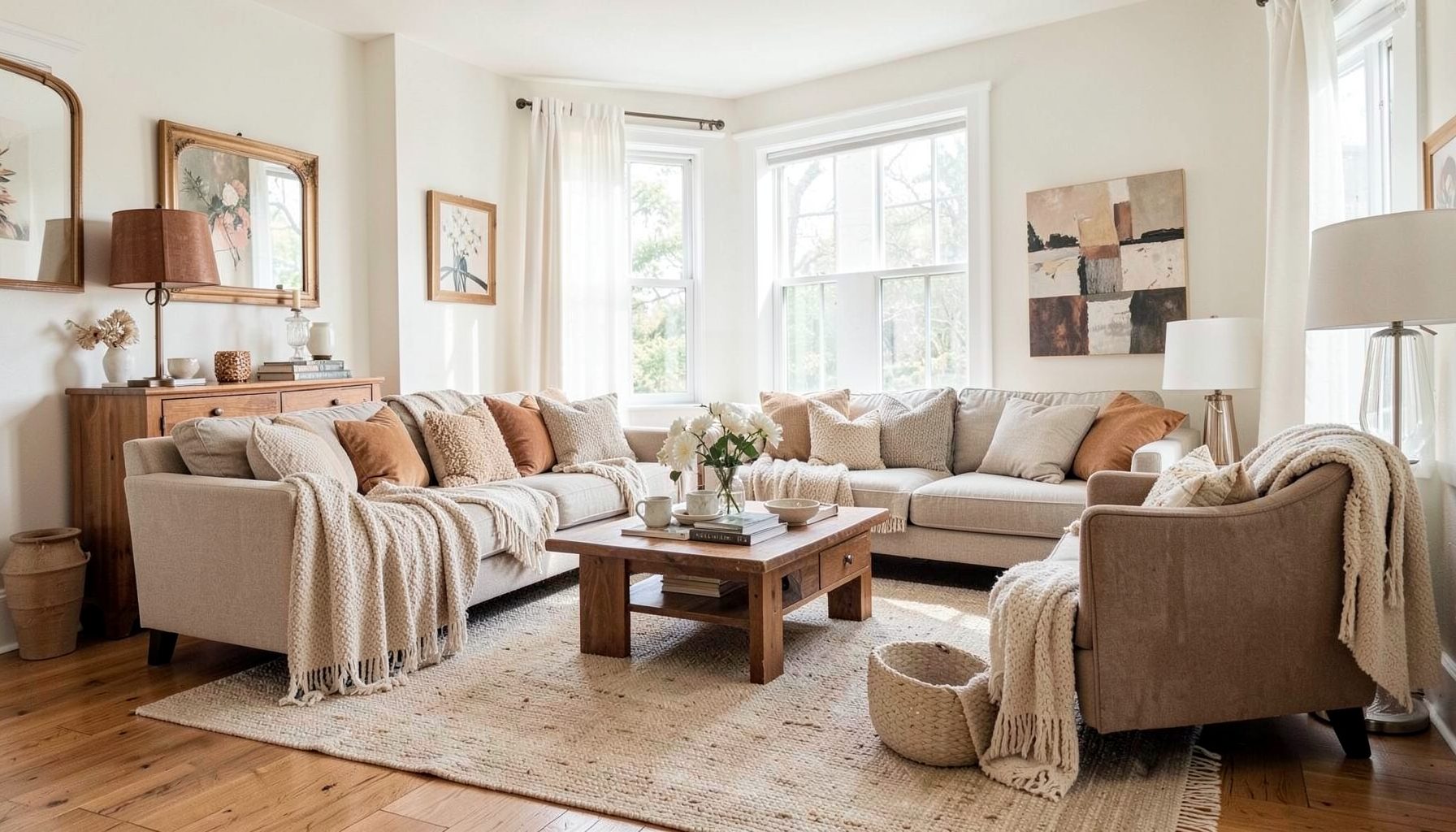
Downloads
Free curated resources for home decorating and design — guides, checklists, and inspiration to help you get started.
Learn MoreCreating a Collected Room With Vintage and Modern Style
A room feels especially personal when it brings together pieces from different eras. The clean lines of a contemporary sofa can make an antique cabinet feel intentional, while a vintage rug can soften the sharper profile of a modern coffee table. This contrast gives a space depth, warmth, and a sense of having evolved over time.
The key is to create visual relationships rather than filling the room with unrelated finds. Vintage and modern furnishings work beautifully together when they share a connection through color, scale, material, shape, or function. A room does not need to look perfectly matched; it needs enough rhythm to feel cohesive.
This approach also makes decorating more flexible. You can invest in a well-made new sofa, inherit a traditional dining table, find an affordable accent chair, and bring everything together with thoughtful styling. The result is layered design that reflects how people actually live, rather than a room assembled from a single showroom collection.
Start With A Clear Design Direction
Before shopping or rearranging, decide how you want the room to feel. Words such as relaxed, tailored, collected, romantic, earthy, or refined can guide decisions when individual pieces come from different periods. A clear mood keeps the mix from becoming visually noisy.
Consider which style will act as the foundation. In a living room, that may be a modern sectional, a vintage rug, or an architectural feature such as original molding. The foundation does not need to dominate, but it should establish the room’s overall character. Supporting pieces can then add contrast without competing for attention.
It helps to create a small visual reference using fabric samples, paint colors, photographs, and images of furniture you already own. Look for repeated qualities rather than identical items. A curved vintage chair and a contemporary sofa may share an inviting silhouette, while a brass lamp and an antique mirror can connect through their warm metallic finish.
For a broader design perspective, explore the work and resources from Maggie Rose Interiors, where layered rooms combine collected character with practical, livable choices. Inspiration is most useful when it helps you identify the principles behind a room, not simply copy its appearance.
Give Each Era A Role
A successful mixed-style room usually has a clear hierarchy. If every item makes a strong historical or contemporary statement, the space can feel like a competition. Instead, allow one era to provide the main structure and use the other to create punctuation.
For example, a modern room might include a streamlined sofa, simple side tables, and minimal lighting, with a carved antique chest as the focal point. In a more traditional setting, a classic sofa and vintage case goods can be refreshed with a sculptural contemporary lamp, abstract artwork, or a clean-lined accent chair.
Think about the function each piece serves. Older furniture often contributes patina, craftsmanship, and irregularity. Newer pieces can offer comfort, durable performance fabrics, integrated storage, and efficient proportions. Let each item do what it does best. A vintage chair may be beautiful but better suited to occasional seating, while a new sofa can handle everyday use.
Avoid using vintage objects only as decoration. An antique dresser can function as a media console, a retro cabinet can hold barware, and an old farm table can become a generous workspace. Giving historical pieces a practical role helps the room feel current rather than staged.
Connect Pieces Through Scale And Shape
Scale is one of the strongest tools for unifying furniture from different periods. A petite vintage side table may disappear beside a deep modern sofa, while an oversized contemporary light fixture can overwhelm delicate traditional furniture. Measure carefully and compare visual weight, not just dimensions.
A large item should generally be balanced by something with similar presence. Pair a substantial antique armoire with a generous upholstered chair, or place a slim modern console beneath a weightier vintage mirror. The goal is not symmetry in the strict sense; it is equilibrium across the room.
Repeated shapes create another quiet connection. If the room includes a round vintage mirror, echo that curve in a circular coffee table, a domed lamp, or a rounded ottoman. If the architecture is angular, introduce a few softened forms to prevent the composition from feeling severe.
Leg styles, hardware, and profiles also matter. Tapered legs on a mid-century chair can relate to the slender feet of a traditional cabinet. A contemporary sofa with piping may connect to the tailored edge of an older upholstered piece. These small echoes make contrasting furnishings appear thoughtfully selected.
Build A Shared Color Story
Color can make furniture from different decades feel as though it belongs in the same room. Begin with a restrained palette of two or three dominant colors, then add accents through textiles, art, and accessories. A consistent color story gives the eye a path through varied shapes and finishes.
Neutral rooms benefit from tonal layering. Cream, camel, mushroom, olive, charcoal, and warm white can support both a weathered wood table and a crisp contemporary sofa. Rather than choosing one exact beige, combine related shades and textures so the space feels dimensional.
In a colorful room, repeat an accent color at least twice. A muted blue in a vintage rug might appear again in a modern ceramic lamp and a throw pillow. Terracotta in an old painting can be echoed through a new upholstered stool or a pair of linen curtains. Repetition creates cohesion without requiring matching sets.
Be mindful of undertones. Honey-colored wood, cool gray upholstery, yellowed ivory, and bright white may fight if they are placed together without a connecting element. Textiles are useful for bridging these differences because a patterned rug or printed fabric can contain several colors and make the entire palette feel deliberate.
Balance Patina With Freshness
Vintage pieces bring evidence of age: worn wood, softened edges, faded textiles, oxidized metal, and hand-finished details. These qualities add soul, but too much patina in one area can make a room feel heavy. Balance older materials with something crisp and fresh.
A sleek floor lamp can brighten a dark antique cabinet. New linen drapery can frame an old window seat. Contemporary art can bring energy to a room filled with traditional furniture, while a vintage rug can make a minimalist space feel less stark. Contrast works best when the newer element has enough simplicity to let the older piece remain visible.
Mixing materials also prevents the room from becoming visually flat. Combine polished and rough surfaces, soft upholstery and hard stone, glossy ceramics and matte wood. A modern glass table beside a distressed wooden chair creates a useful tension, especially when repeated materials appear elsewhere in the room.
Use restraint with decorative objects. A few meaningful pieces, such as collected pottery, old books, or a sculptural vessel, are more effective than a crowded arrangement. Leave some breathing room around distinctive antiques and artwork so their craftsmanship can be appreciated.
Compare Furnishing Strategies
Different rooms call for different levels of contrast. The right balance depends on how much character your existing furniture already provides, how frequently the room is used, and whether you want the overall impression to feel calm or expressive.
| Room approach | Vintage emphasis | Modern emphasis | Best connecting details |
|---|---|---|---|
| Contemporary foundation | One antique cabinet or mirror | Sofa, lighting, and tables | Warm wood, brass, and repeated curves |
| Traditional foundation | Classic seating and case goods | Artwork, rug, or occasional chair | Updated color palette and simple silhouettes |
| Collected eclectic room | Several varied vintage accents | Clean backdrop and practical upholstery | Repeated colors, balanced scale, and open space |
| Minimal layered room | One or two aged focal pieces | Restrained furniture and accessories | Texture, tonal neutrals, and strong proportions |
| Family-friendly mixed room | Durable vintage wood pieces | Performance fabrics and modern storage | Consistent finish, useful layouts, and washable textiles |
A room with a strong vintage foundation may need fewer historical accessories than expected. Let the architecture, furniture, or flooring carry the story, then introduce modern pieces where comfort and function matter most. This prevents the design from becoming overly nostalgic.
If the room begins with contemporary furniture, start with one memorable older piece rather than several small antiques. A single well-proportioned cabinet or richly patterned rug will usually have more impact than a collection of minor vintage accents scattered throughout the space.
Style The Room In Layers
Once the major furniture is in place, use lighting, textiles, art, and accessories to refine the relationship between old and new. Start at floor level with a rug that supports both eras. A traditional Persian-style rug can ground modern furniture, while a geometric flatweave can update a room with antique case goods.
Lighting deserves special attention because it affects every surface in the room. Pair a vintage chandelier with modern task lighting, or use a contemporary pendant above an antique dining table. Include several sources at different heights so the room feels atmospheric in the evening rather than dependent on one overhead fixture.
Artwork can bridge periods especially well. Mix an old landscape, a graphic print, and an abstract canvas if they share a palette or visual weight. Hang pieces in relation to the furniture rather than arranging them strictly by age. A modern print above a traditional console can feel more natural than a room where every object belongs to the same period.
Finish with textiles that introduce softness and repetition. Layer curtains, pillows, throws, and upholstery in related tones, varying the scale of patterns. A small floral print, a broad stripe, and a solid woven fabric can coexist when their colors and proportions are carefully controlled.
Practical Ways To Keep The Mix Cohesive
The most polished rooms usually include a few intentional pauses. Empty space, simple surfaces, and unobstructed pathways allow contrasting furnishings to be appreciated. Editing is as important as adding, particularly when working with collections of inherited or secondhand pieces.
Before committing to a purchase, consider how an item will relate to what is already in the room. A beautiful vintage find may still be wrong if its scale, finish, or function does not support the space. Take photographs from several angles and assess the room as a whole rather than judging each item in isolation.
Use these principles when bringing the final pieces together:
- Choose one dominant furniture style and let the contrasting era play a supporting role.
- Repeat at least one color, material, or shape across old and new furnishings.
- Balance delicate vintage pieces with modern items that have comparable visual weight.
- Pair patinated surfaces with clean textiles, fresh lighting, or uncluttered artwork.
- Keep everyday comfort in mind when selecting seating, rugs, storage, and table heights.
A collected room should still be easy to use. Make sure chairs can be pulled out, tables are reachable, lighting is adequate, and decorative objects do not interfere with daily routines. Practicality gives an eclectic space the relaxed confidence that makes it feel authentic.
The best combinations often include a little imperfection. A repaired finish, an unusual thrifted object, or a contemporary piece that does not quite match the rest can add personality when the larger composition is balanced. The objective is a room with visual conversation, not a museum of perfectly coordinated items.
Bring the process together slowly, allowing the room to develop as you find pieces that genuinely suit your home and your life. With a thoughtful palette, balanced proportions, and a mix of practical and character-filled furnishings, vintage and modern elements can share the same room with ease. Begin with one meaningful contrast, then build outward until the space feels layered, comfortable, and distinctly yours.

Recent Projects