Interior Design
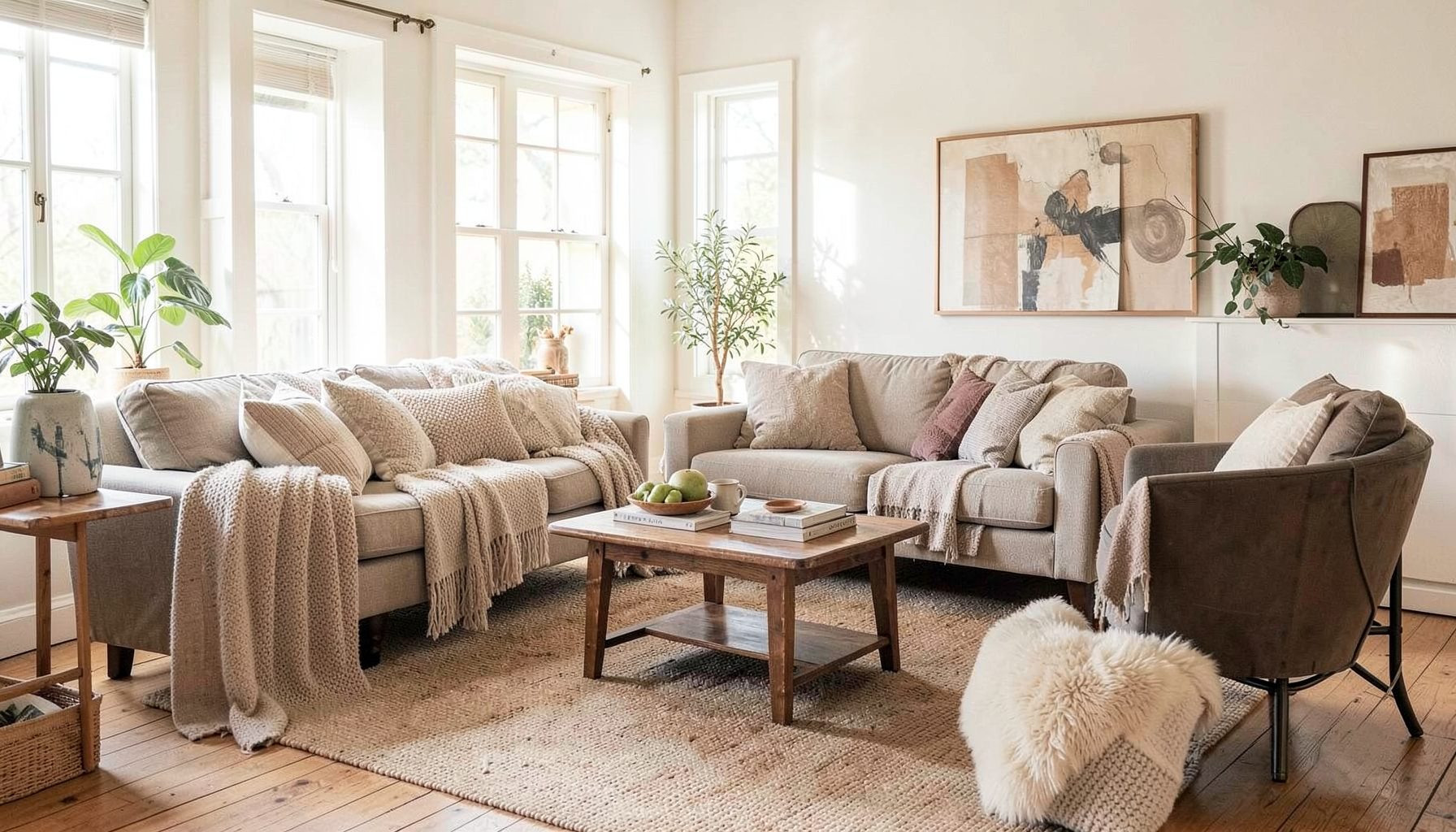
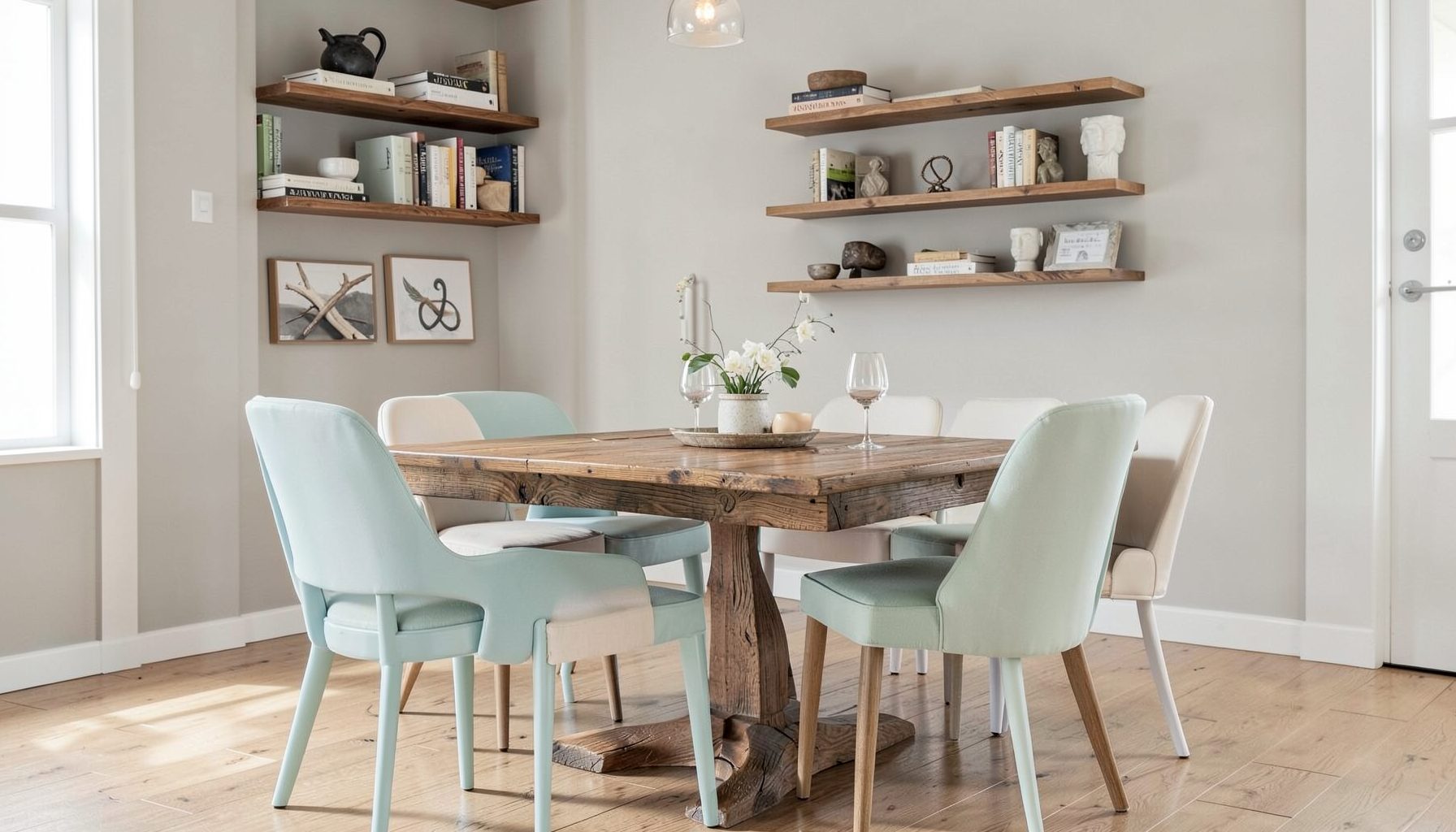
Full-service decorating that blends high and low, vintage finds with modern pieces for spaces that feel personal and collected.
Learn More
DIY Projects
Step-by-step tutorials for refinishing furniture, sewing pillows, styling bookshelves, and transforming rooms on a budget.
Learn More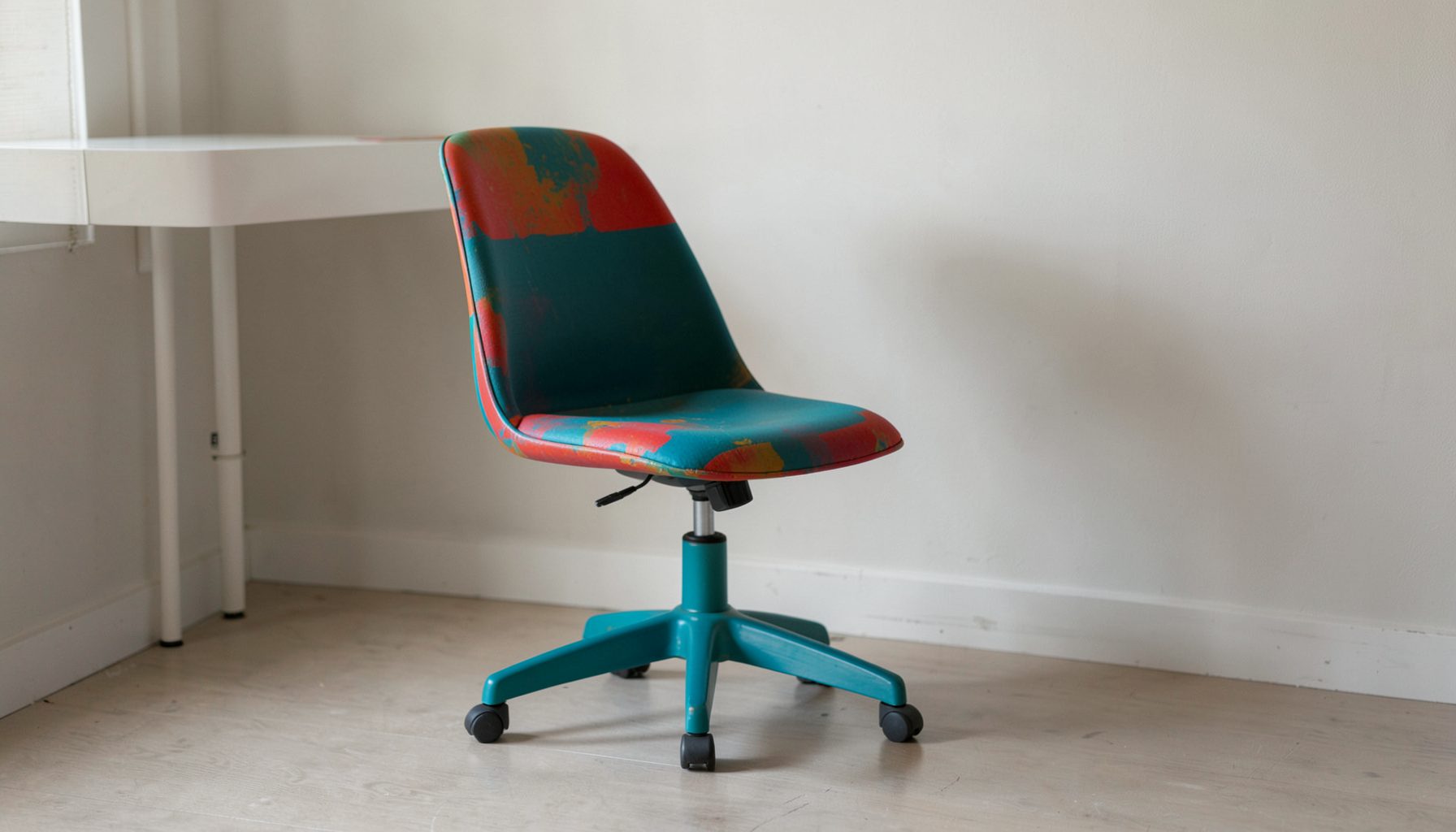
E-Decorating
Personalized design guidance delivered online — perfect for clients anywhere in the world who want a professional eye.
Learn More
Portfolio
Browse completed room makeovers, before-and-after transformations, and styling projects from Bay Area homes.
Learn More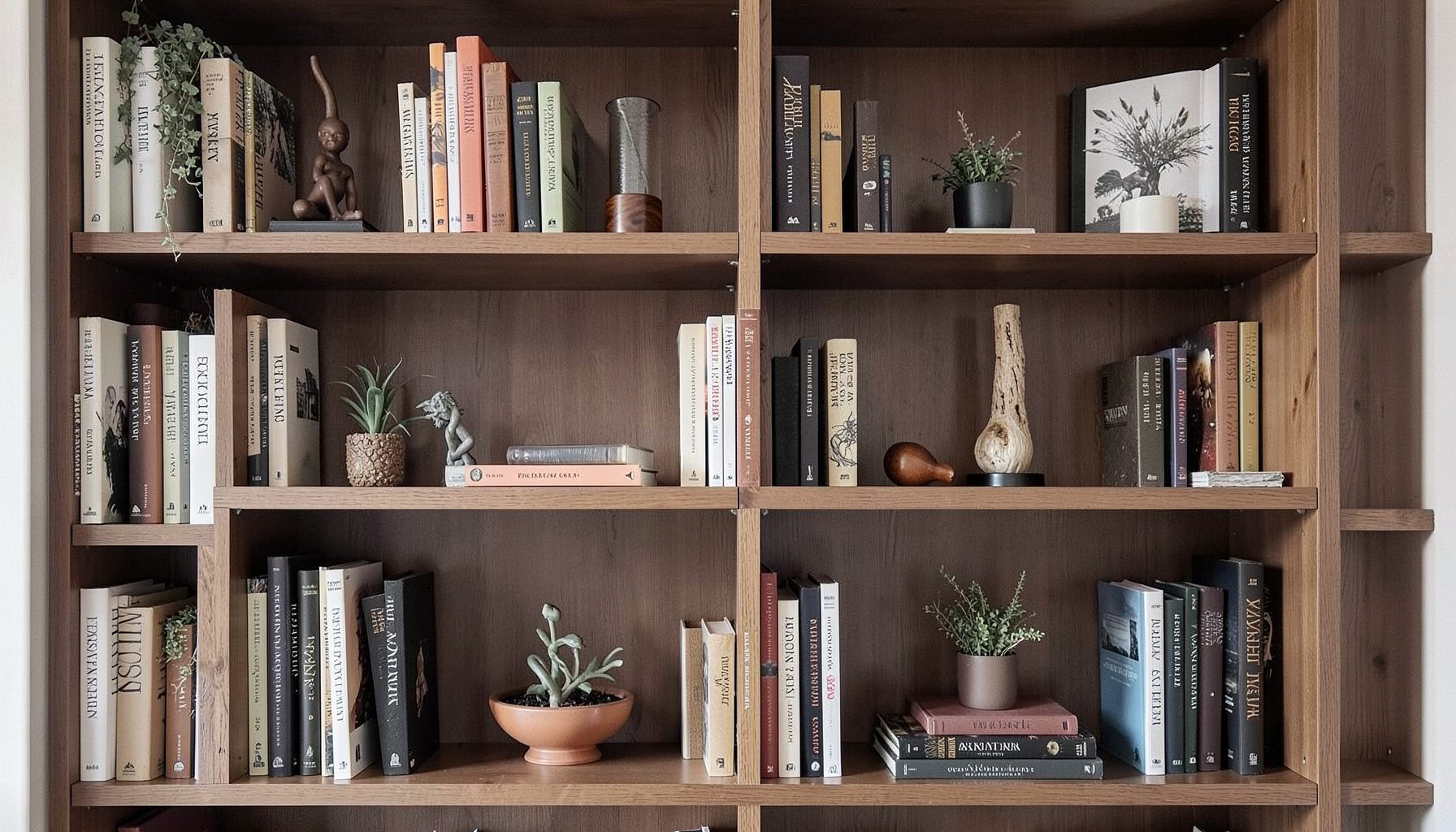
Blog
Interior design inspiration, fashion finds, entertaining ideas, and peeks into real home renovations and styling projects.
Learn More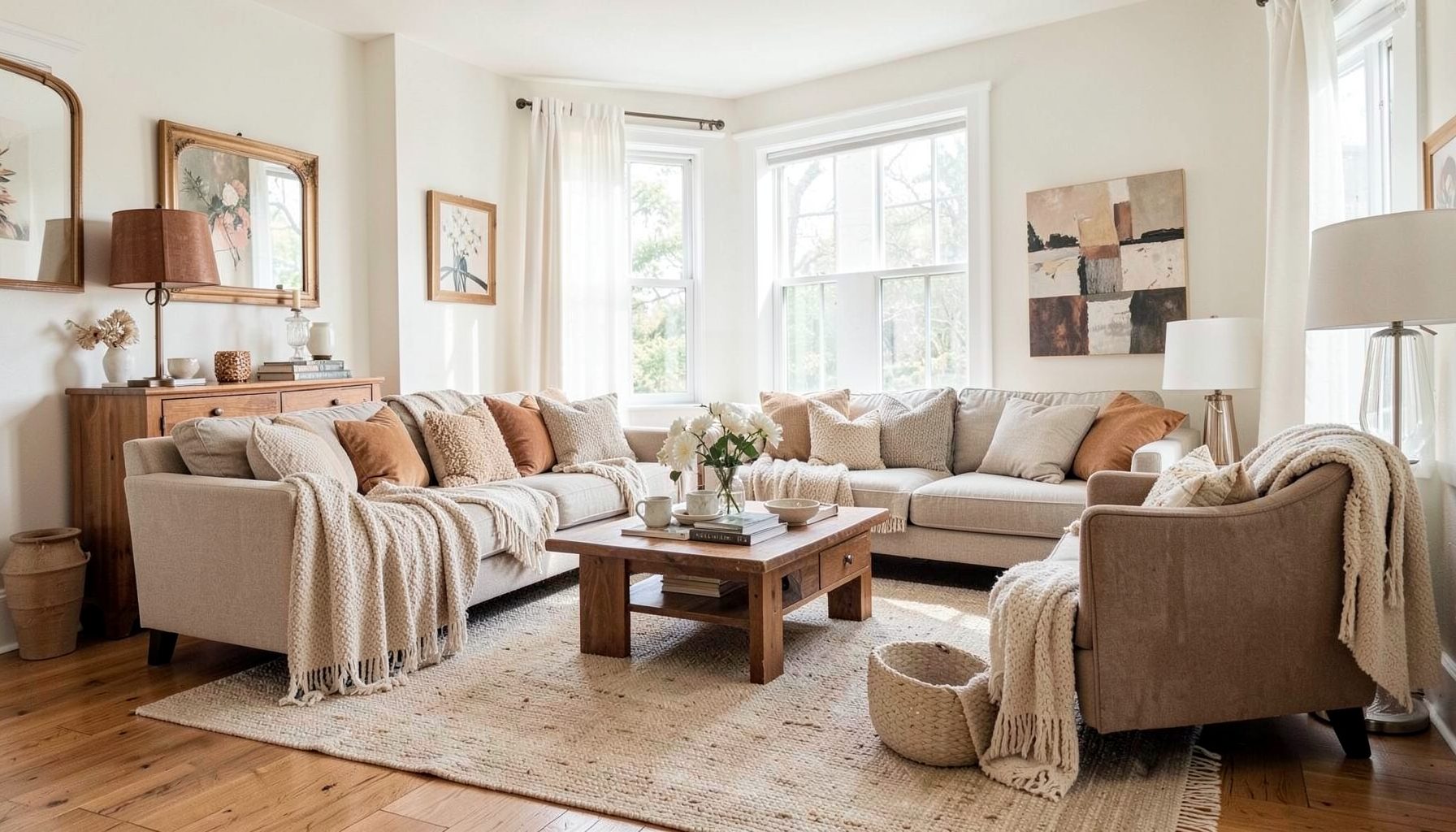
Downloads
Free curated resources for home decorating and design — guides, checklists, and inspiration to help you get started.
Learn MoreHow to layer lighting in a living room
A well-lit living room needs more than one attractive pendant or a pair of lamps. The most comfortable rooms use several kinds of illumination together, allowing the atmosphere to shift from bright and practical during the day to warm and relaxed in the evening. Ambient, task, and accent lighting each have a different role, and the best result comes from treating them as parts of one flexible scheme.
This approach suits the layered, collected style often found in welcoming Australian homes. Vintage furniture, contemporary artwork, textured upholstery, and objects gathered over time all benefit from considered light. Whether you are furnishing an apartment in Melbourne, a Queenslander in Brisbane, or a family home in suburban Sydney, the aim is the same: to make the room feel balanced, useful, and personal.
Start with the room’s natural light
Before choosing fittings, observe how daylight moves through the living room. A north-facing room can receive strong sun in Australia, while a south-facing space may rely more heavily on artificial light throughout the year. West-facing windows can bring intense afternoon glare and heat, particularly in cities such as Perth, Adelaide, and Brisbane. Curtains, blinds, and window orientation all affect the lighting plan.
Notice the areas that become dim after sunset. A sofa positioned away from the windows may need a floor lamp, while a reading chair in a darker corner could benefit from a directional wall light. Walk through the room at different times of day and consider how the finishes respond. Glossy surfaces reflect brightness, pale walls bounce light around the space, and darker fabrics absorb it.
Natural light should guide the placement of your fittings, rather than dictate the entire design. You still need layered illumination for cloudy mornings, winter afternoons, and evenings when the blinds are closed. A thoughtful plan fills the gaps left by daylight without making the room feel overlit.
Build a comfortable ambient layer
Ambient lighting provides the general glow that makes a living room easy to navigate. It may come from a central pendant, recessed downlights, wall sconces, architectural track lighting, or several lamps working together. The goal is an even foundation, not a harsh pool of brightness in the centre of the ceiling.
In a large open-plan room, a single ceiling fitting often leaves the edges in shadow. Several low-glare downlights can help, but spacing matters. Rows of bright downlights may create a commercial feel and can cast unflattering shadows across faces. Consider using a decorative pendant over a central coffee table, then supporting it with lamps around the perimeter.
Light temperature affects the mood as much as the fitting itself. Warm white bulbs around 2700K to 3000K generally create a relaxed residential atmosphere, while very cool white light can feel stark at night. In homes with warm timber, linen, aged brass, or earthy colours, a softer temperature usually enhances the materials.
Dimmers make ambient lighting far more adaptable. A higher setting can support cleaning, entertaining, or children’s play, while a lower setting creates a quieter evening environment. Choose compatible lamps, dimmers, and bulbs from the beginning so the system performs reliably rather than flickering or buzzing.
Add task lighting where life happens
Task lighting is designed for specific activities. In a living room, that may include reading, knitting, using a laptop, sorting mail, playing board games, or enjoying a drink beside a lounge chair. It should be directed enough to illuminate the activity without shining into someone’s eyes or creating glare on a screen.
An adjustable floor lamp beside an armchair is one of the most versatile choices. Look for a shade or arm that can be angled towards a book, rather than a fixed light that illuminates the back of the chair. A table lamp on a side table can provide a gentler pool of light, especially when its shade sits around eye level while you are seated.
If the living room includes a desk, games table, or built-in cabinetry, treat that area separately. A wall-mounted reading light can save floor space in a compact Sydney or Melbourne apartment. Picture lights, library lights, and slim LED strips can also make shelves more functional without competing with the main seating area.
Task lighting should be comfortable rather than merely bright. A bulb with good colour rendering makes printed pages, timber tones, and artwork appear more natural. Diffused shades reduce glare, while opaque shades can direct light downwards for focused activities.
Use accent lighting to create depth
Accent lighting draws attention to the features that give a living room its character. Artwork, a sculptural vase, a textured wall, a bookcase, or an architectural detail can all become part of the composition. This layer adds depth because it gives the eye somewhere to travel beyond the sofa and television.
Picture lights are a classic option for artwork, but they are not the only solution. A small spotlight aimed at a painting can create a gallery-like effect, while a concealed LED strip inside shelving gives books and objects a soft outline. A directional floor lamp can wash light across a beautiful wall finish or highlight a large indoor plant.
Aim the beam carefully. Light that lands directly on glass can cause distracting reflections, and a very narrow beam may create an unwanted hot spot. Adjustable fittings are useful because artwork and furniture often change over time. A room should be able to evolve without requiring a complete electrical redesign.
Accent lighting is especially effective in the evening, when the room’s ambient level is reduced. A low lamp glowing behind a sofa or a small light inside a cabinet can make the space feel layered and intimate. These quieter sources are often what make a room feel finished rather than simply illuminated.
Coordinate fittings with the interior
Lighting fixtures are furnishings in their own right. Their shape, scale, and finish should relate to the room without forcing every metal or style to match. A vintage ceramic lamp can sit comfortably beside a contemporary brass floor lamp when both connect with the room’s colours and proportions.
Consider the visual weight of each fitting. A large pendant can anchor a generous living room, but it may overwhelm a compact apartment. Likewise, a tiny lamp can disappear beside a deep sofa or substantial side table. The shade should generally be proportionate to its base, and the complete fitting should feel stable within the furniture arrangement.
Layering also means combining light sources at different heights. Ceiling lights illuminate from above, floor lamps bring light to mid-level, and table lamps create a lower glow. Wall lights and picture lights fill the vertical plane. This variation prevents the room from looking flat and helps distribute attention throughout the space.
When selecting lampshades, look at both the material and the direction of light. Linen and cotton shades create a soft, diffused glow, while metal shades usually provide stronger downward illumination. Opal glass can spread light evenly, whereas clear glass tends to produce sparkle and a more defined visual presence.
Plan controls, colour, and Australian conditions
Ideally, ambient, task, and accent lighting should operate on separate switches or circuits. This lets you combine the layers according to the moment instead of turning every fitting on at once. A living room might use ambient lighting for general use, a floor lamp for reading, and accent lights alone when watching a film.
Smart globes and app-controlled fittings can provide convenience, but they are not essential. Simple dimmers and well-placed switches are often easier for guests and family members to use. Place controls near entrances and seating areas where possible. If the room is part of an open-plan kitchen and dining area, separate zones help prevent the entire space from becoming equally bright.
In Australia, electrical work must be treated seriously. New wiring, hard-wired wall lights, ceiling fittings, and changes to switches should be completed by a licensed electrician in accordance with applicable state or territory requirements and Australian standards, including AS/NZS 3000. Plug-in lamps are simpler to install, but cords still need to be positioned safely away from walkways and children.
Heat, dust, and energy use also influence the choice of fittings. Quality LED lamps generally use less energy and produce less heat than older halogen globes, which is valuable during hot Australian summers. In homes with ceiling fans, check the relationship between the fan and pendant before installation, and confirm that the selected fixture is suitable for the available ceiling height and airflow.
Create a lighting plan before buying
Begin with a simple floor plan showing windows, doors, power points, seating, side tables, shelves, and artwork. Mark where the room needs general illumination, where people read or work, and which features deserve emphasis. This prevents the common mistake of buying attractive lamps that have nowhere practical to sit.
Work with the furniture arrangement rather than choosing lighting in isolation. A sofa may move closer to a window, an armchair may replace a cabinet, or a side table may need to remain clear for drinks and books. Portable lamps offer flexibility, while hard-wired fittings create a more permanent architectural statement. A mixture of both usually provides the best balance.
Test the scale with temporary pieces where possible. Masking tape can indicate the footprint of a floor lamp, and a paper pendant template can help judge whether a fitting feels too large. For a lamp beside a sofa, check that the shade does not sit directly in your line of sight. For a pendant, leave enough clearance for people to move comfortably beneath it.
Keep the visual background in mind as well. A lamp may look perfect in a showroom but cast an awkward shadow against a nearby wall. A downlight may illuminate the floor while leaving faces dim. Testing bulbs at home, or using a retailer with a clear return policy, can save money and help you judge the actual colour and intensity in your own room.
A strong living room lighting scheme feels effortless because each source has a purpose. Ambient light establishes comfort, task lighting supports daily activities, and accent lighting brings out the character of furniture, art, and collected objects. The layers should work independently, but they should also share a coherent warmth and rhythm.
The most memorable rooms are rarely lit by a single brilliant fixture. They use pools of light at different heights, gentle contrast, and enough flexibility for ordinary routines. When choosing the next lamp or fitting, remember that good lighting should reveal the room’s personality, support the way it is lived in, and make every carefully chosen detail feel at home.

Recent Projects