

Interior Design
Full-service decorating that blends high and low, vintage finds with modern pieces for spaces that feel personal and collected.
Learn More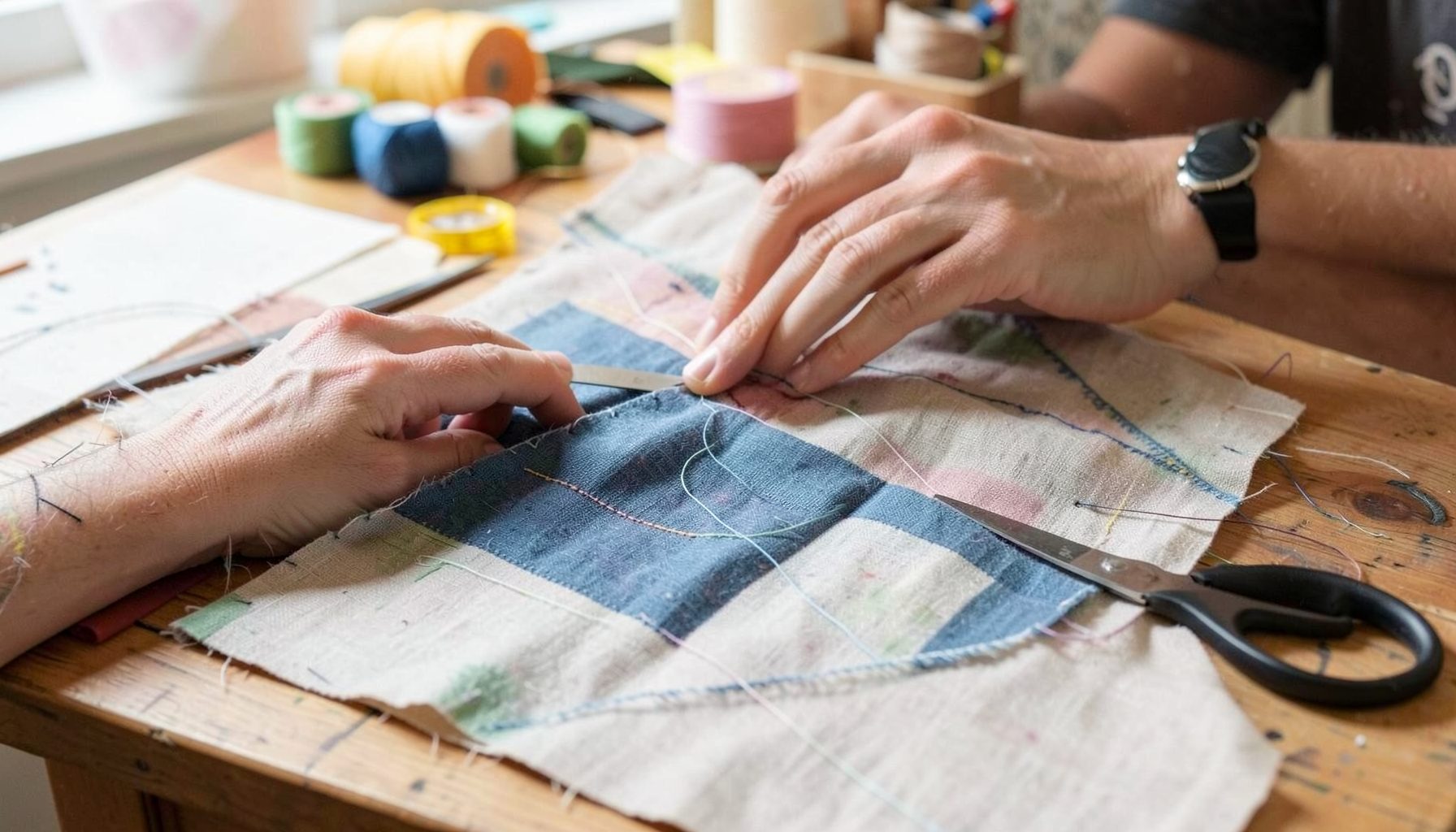
DIY Projects
Step-by-step tutorials for refinishing furniture, sewing pillows, styling bookshelves, and transforming rooms on a budget.
Learn More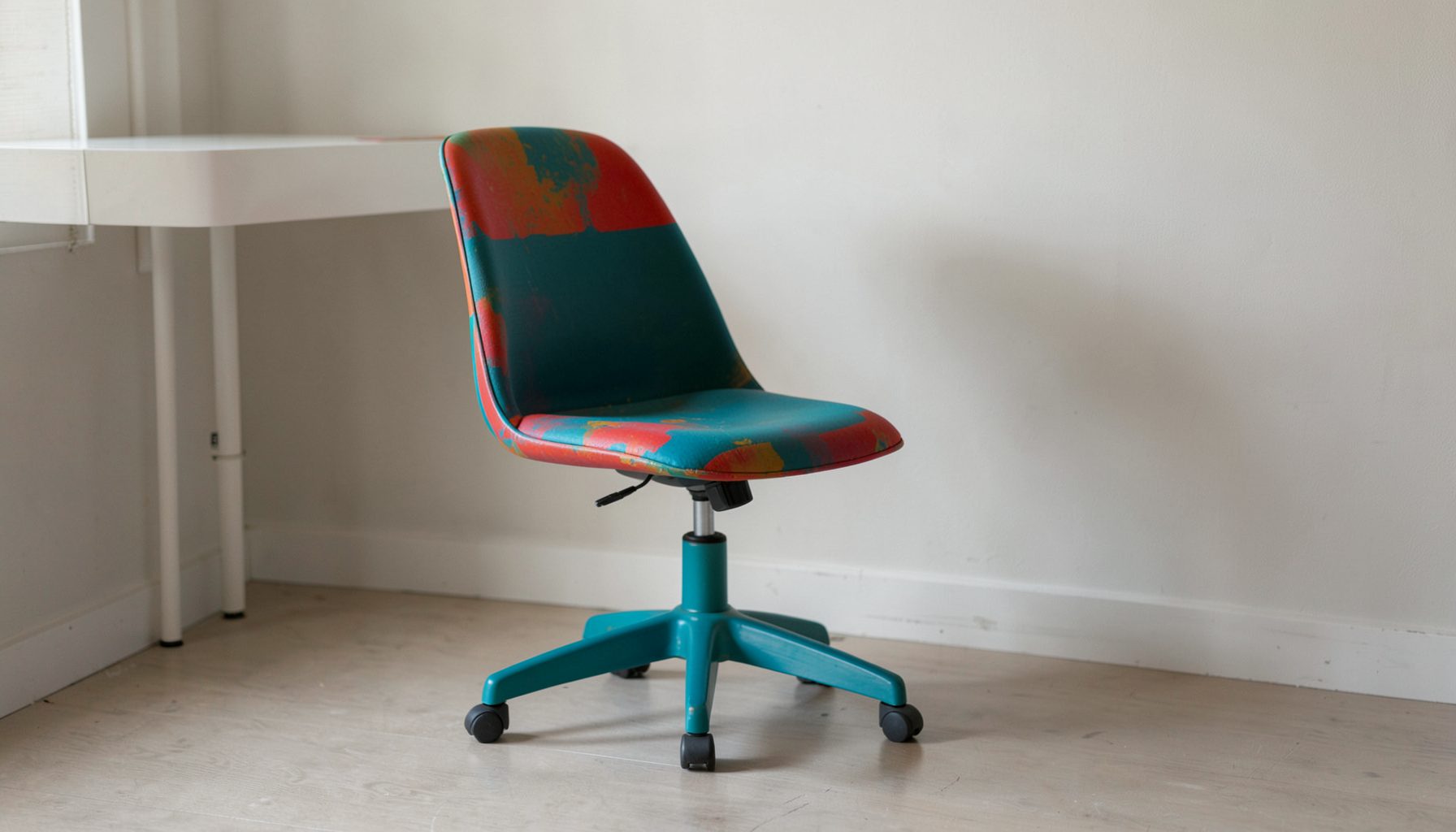
E-Decorating
Personalized design guidance delivered online — perfect for clients anywhere in the world who want a professional eye.
Learn More
Portfolio
Browse completed room makeovers, before-and-after transformations, and styling projects from Bay Area homes.
Learn More
Blog
Interior design inspiration, fashion finds, entertaining ideas, and peeks into real home renovations and styling projects.
Learn More
Downloads
Free curated resources for home decorating and design — guides, checklists, and inspiration to help you get started.
Learn MoreHang a Tension Rod Shower Curtain in a Tub Without Drilling
When you live in a Sydney apartment, a Melbourne terrace, or a Brisbane unit, the bathroom often comes with rules you can't bend. Most rental agreements, especially under the NSW Residential Tenancies Act or Victoria's Residential Tenancies Regulations, require tenants to avoid any modification that alters the original fittings. Drilling into ceramic tiles, even when you live in a regional town like Geelong or Cairns, can mean losing part of your bond or triggering a dispute at the next inspection. A tension rod shower curtain lets you get a properly framed tub in minutes, leaving the walls completely untouched.
The best part about a drill-free rod is that it travels with you. A lease break, an end-of-year relocation, or a quick swap to a new share house in Fremantle or Hobart, and the whole setup packs down into a single cardboard tube. It is a low-cost upgrade that still feels considered, which fits the way many Australian decorators approach a space: layered, lived-in, and personal rather than permanently rebuilt.
Why drilling into bathroom walls is often off-limits
Most renters don't realise how strict strata by-laws tend to be until a building manager points it out. In newer apartment blocks across Parramatta, Zetland, or South Brisbane, body corporate rules frequently prohibit drilling into waterproof membranes because of liability for water ingress into the units below. Older homes in Adelaide or Fremantle often sit behind heritage overlays that protect original pressed-metal ceilings, leadlight windows, and tiled walls from permanent fixtures that weren't part of the original build.
Even in a freestanding house you've just signed a lease on, real estate agents usually carry a clause requiring the bathroom to be returned in its original condition. The Victorian bond authority and NSW Fair Trading routinely hold back several hundred dollars for wall repairs, even when the marks are small and easy to patch, which is why a tension rod shower curtain is the safer default. If you own your place and still don't fancy the mess, it is also faster than sourcing a masonry bit, anchors, and a level on a Sunday arvo at Bunnings.
Choosing a tension rod that actually stays put
Not every spring-loaded pole is created equal. Cheap models tend to bow in the middle once the curtain's weight pulls them down, leaving a damp puddle creeping across the tile floor. Look for a rod marketed as no-sag or heavy duty, with internal ribbing or a textured rubber foot at each end. The rubber pads grip the wall better than smooth plastic, which matters in older Federation bathrooms in Sydney's Inner West where the original tiles are slightly uneven and prone to flexing under pressure.
Curved tension rods give you a few extra centimetres of elbow room inside the tub, which is useful in tight ensuites common in Perth apartments or studio granny flats in regional Queensland. Straight rods are easier to find and often carry higher load ratings for heavier curtain weights. For dense fabrics like velvet, layered linen, or a triple-weave polyester, a straight rod with a higher kilogram rating is the smarter buy, even if it sits flush against the rim rather than curving outward.
The rod length matters more than people think. A 70-centimetre rod on a 110-centimetre tub opening looks tidy at first, but the curtain will get pushed inward every shower. Measure the opening edge to edge at the highest point, then subtract around one to two centimetres so the spring tension has room to grip the tile faces rather than bowing off the ceiling line.
Tools and prep before the install
You'll only need a soft cloth, rubbing alcohol, a pencil, and a tape measure. No power tools, no wall plugs, no silicon. Lay everything out on the bathroom floor so you can swap pieces quickly once the rod is in place, because sliding it in and out to adjust will be your main task over the next twenty minutes.
Wipe the wall area where each rubber foot will land. Soap residue, moisturiser film, and the faint water marks left by everyday showers all reduce grip. A quick pass with isopropyl wipes, a stock item in any Australian cleaning aisle from Aldi to Chemist Warehouse, removes that film and lets the pads bite into the tile properly rather than skating across a thin oily layer.
Stand in the tub and make a tiny pencil tick on the wall at the height your curtain should end. Most curtains are 180 centimetres in drop, but Australian bathrooms tend to set the rod a few centimetres higher so the fabric brushes the inside rim rather than puddling on the splash zone. Mark both ends, double-check with a spirit level if you have one, then you are ready to fit.
Step by step: fitting the tension rod shower curtain
Hold the rod at one end against the first tick mark and extend the inner section by hand until the second end reaches the opposite tile. Don't twist the rod to full spring just yet. Make small adjustments, around half a centimetre at a time, until both rubber feet sit flat against the wall. The pads need even contact or you'll feel the rod drift downward after a few days.
Once the contacts are flat, twist the rod in the direction the instructions specify, usually clockwise, until the spring feels firm but the walls aren't straining. A good test is to let go and gently bump the curtain ring with your palm. If the rod slides inward, you've gone too tight. If it slides down by more than a millimetre on a flat wall, you need more tension. Tension rods are forgiving, but overtightening will crack older ceramic, especially the soft glazed brick tiles found in many Adelaide bungalows and in renovated workers' cottages around inner Melbourne.
Hook the curtain onto the rod before you finalise. Curtain weight changes the load on the rubber feet, and a flat sheet of polyester behaves differently from a heavy woven cotton or a quilted hemp blend. Adjust the tension a quarter turn, then hang the rings. Step back and look for any daylight peeking between the curtain hem and the tub lip; if you see gaps, the rod is too high or the curtain is too short for the drop you've allowed.
Stopping the curtain from blowing in or leaking
The classic complaint is the curtain drifting inward like a sail every time you run the hot tap. Two small tricks solve this without making the fix obvious. First, hang the curtain from the rings so the inner-facing hooks all face the same direction, which trains the fabric to fall into the tub rather than cling to your shoulder. Second, drop a couple of small magnets or a weighted hem along the inside edge so the curtain settles instead of billowing.
If your bathroom already has a glass panel, run the rod slightly wider than the screen, then tuck the curtain inside the lip of the tub. This is the standard layout in many Melbourne walk-in showers and keeps water from creeping along the tile toward the vanity. For windowless ensuites in newer apartments in Docklands or Green Square, a heavier polyester curtain also helps absorb steam and reduces the foggy mirror issue that drives most renters mad on cold winter mornings.
Check the rod weekly during the first month. Buildings settle, particularly in newer apartments around Marrickville or Woolloongabba where construction has only just finished, and a slight shift in the tile plane can drop tension over time. A gentle twist back to firm pressure takes ten seconds and resets the grip before water finds a way through.
What to do when the tension rod keeps slipping
Persistent slipping usually points to one of three things: the wrong surface, the wrong rod, or the wrong position. Glass splashbacks and acrylic wall panels are notorious for low grip. A pair of self-adhesive non-slip pads, the rubber disc kind sold at Bunnings or any two-dollar shop, stuck under each foot fixes the issue without damaging the wall. They peel off clean when you leave, and the agents at most inspections won't even notice them.
If the rod itself is the weak link, swap to a spring-and-lock model where you set the length with a pin and then twist. These hold a fixed distance and tend to outperform simple spring poles on wider openings. For extra-wide tubs over 160 centimetres, you may need a centre-mounted ceiling tension rod instead, which still doesn't require screws because it grips between floor and ceiling.
Finally, if the wall surface is rough or heavily textured, like the rendered brick walls in many converted warehouses in Sydney and Brisbane, even the best rod will struggle. A thin strip of smooth acrylic panel adhered to the wall, with no fixings visible, gives the rubber pads something flat to grip. It is a workaround favoured by stylists on rental makeover shows and can be removed at the end of the lease without leaving a mark.
A tension rod shower curtain proves that a polished bathroom doesn't need a single drilled hole. Pick a rod rated for your curtain's weight, measure twice, and respect the wall surface you're gripping. The right kit will hold firm through steamy showers and humid coastal mornings without leaving a mark when the lease ends, making it one of the cheapest updates a renter or owner can commit to without second-guessing the bond.

Recent Projects