Interior Design
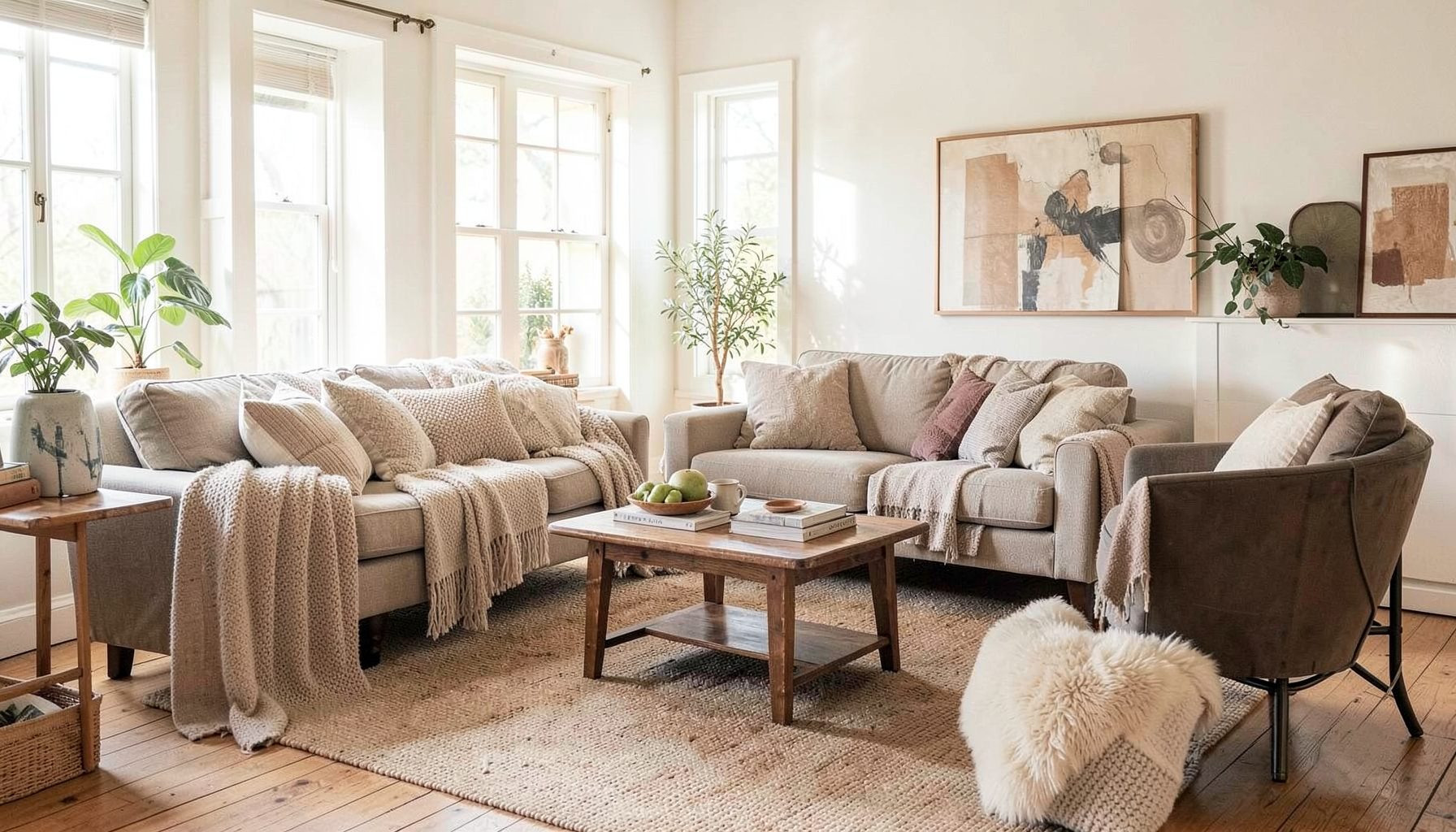
Full-service decorating that blends high and low, vintage finds with modern pieces for spaces that feel personal and collected.
Learn More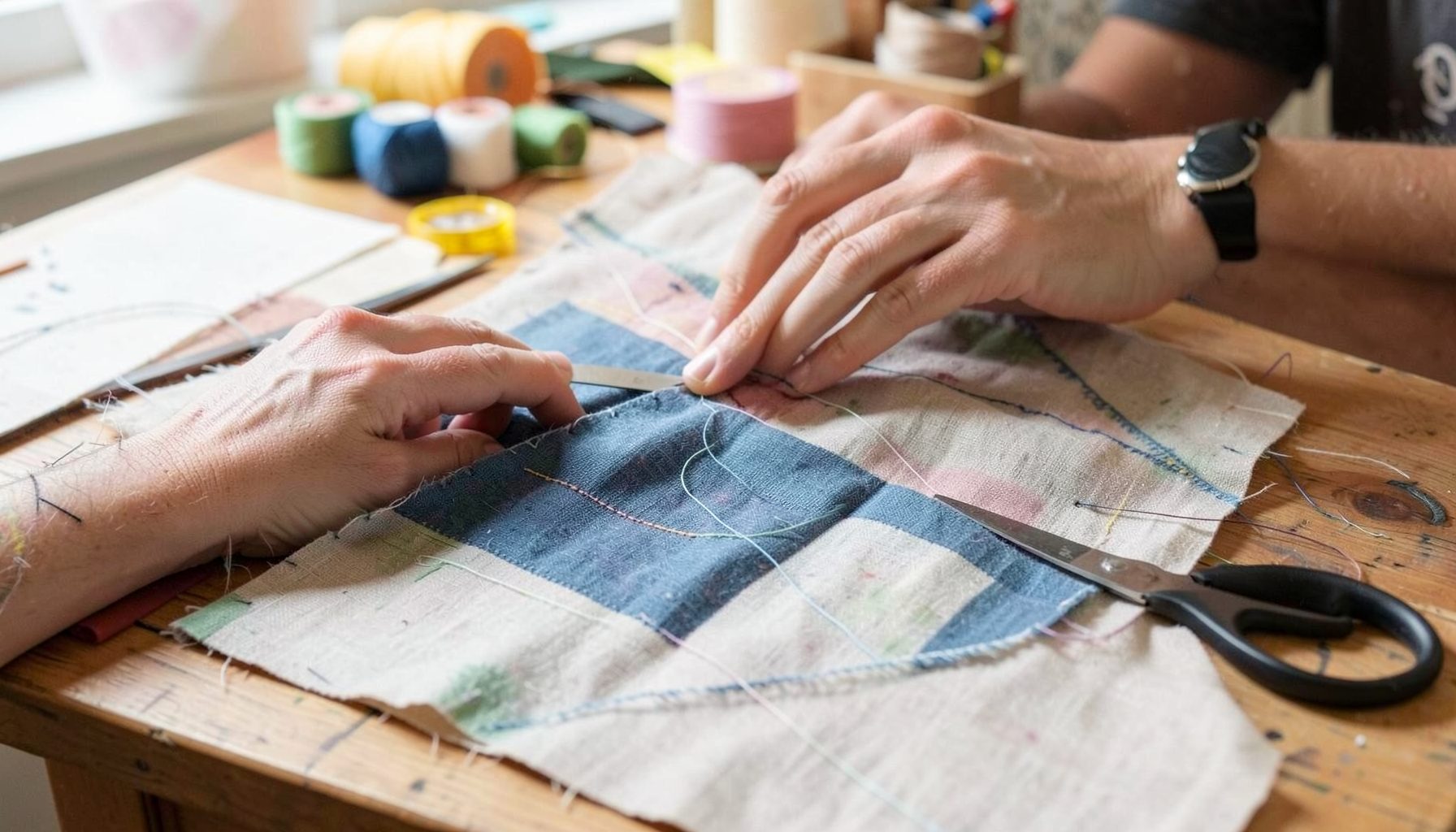
DIY Projects
Step-by-step tutorials for refinishing furniture, sewing pillows, styling bookshelves, and transforming rooms on a budget.
Learn More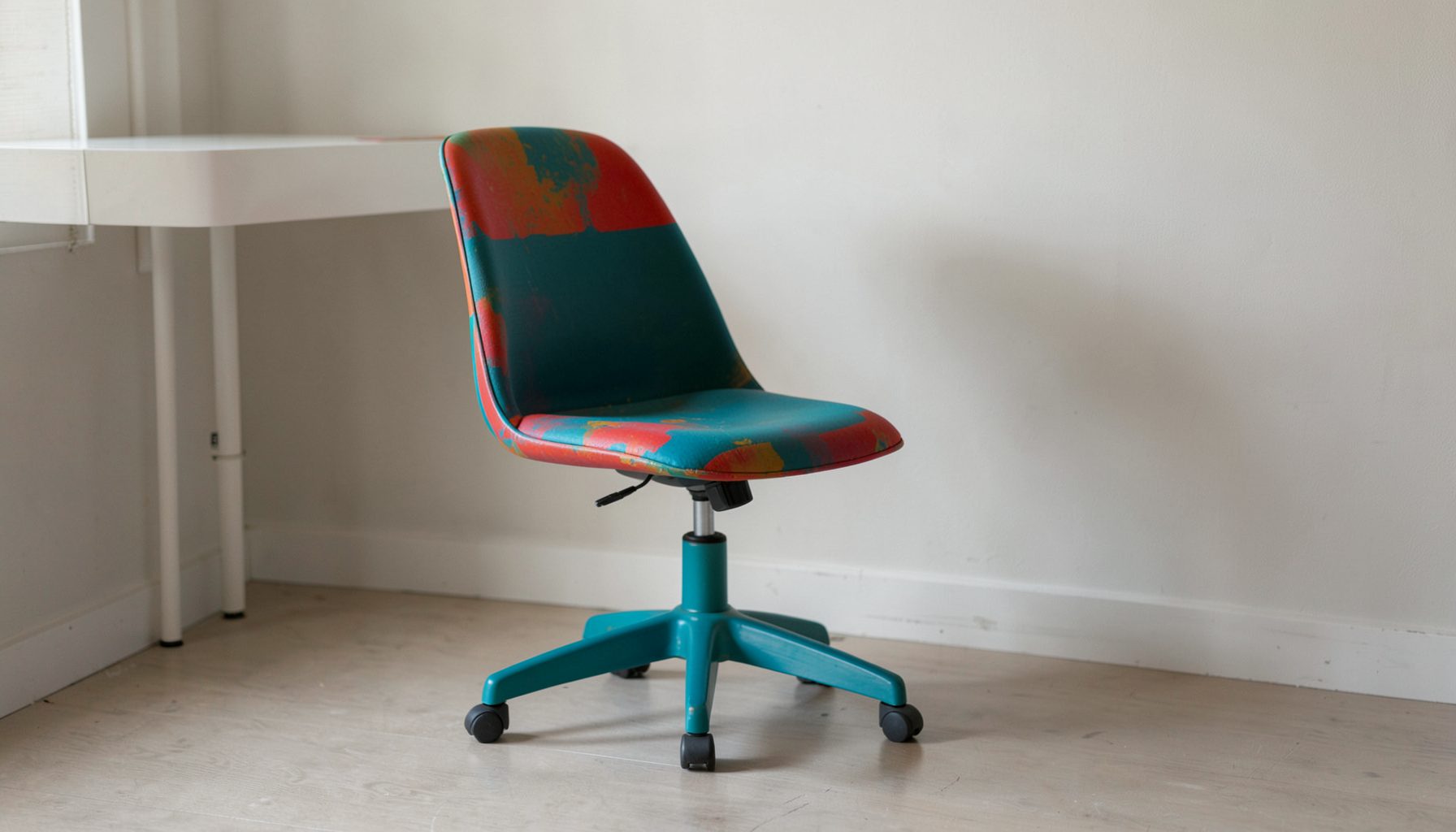
E-Decorating
Personalized design guidance delivered online — perfect for clients anywhere in the world who want a professional eye.
Learn More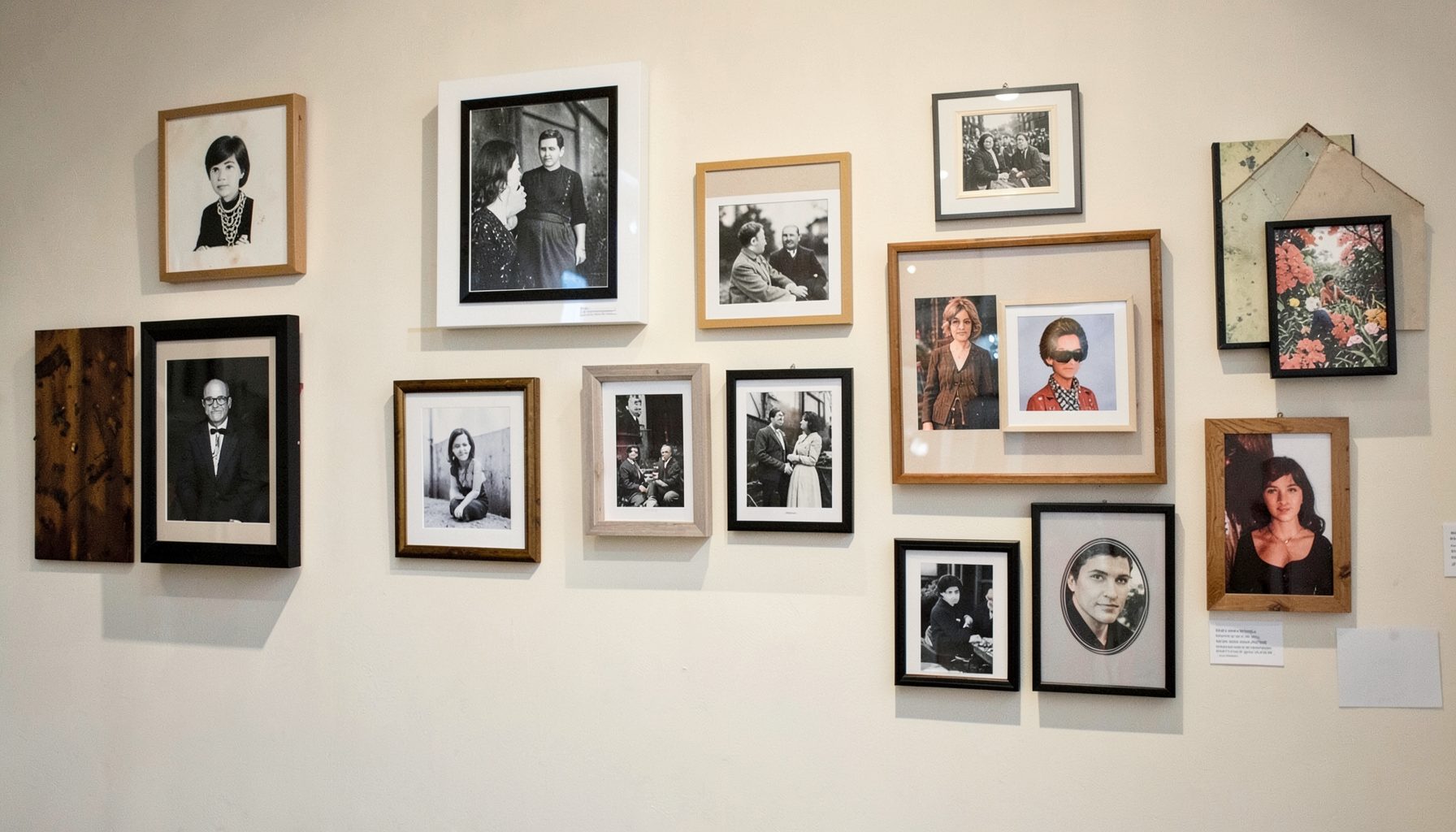
Portfolio
Browse completed room makeovers, before-and-after transformations, and styling projects from Bay Area homes.
Learn More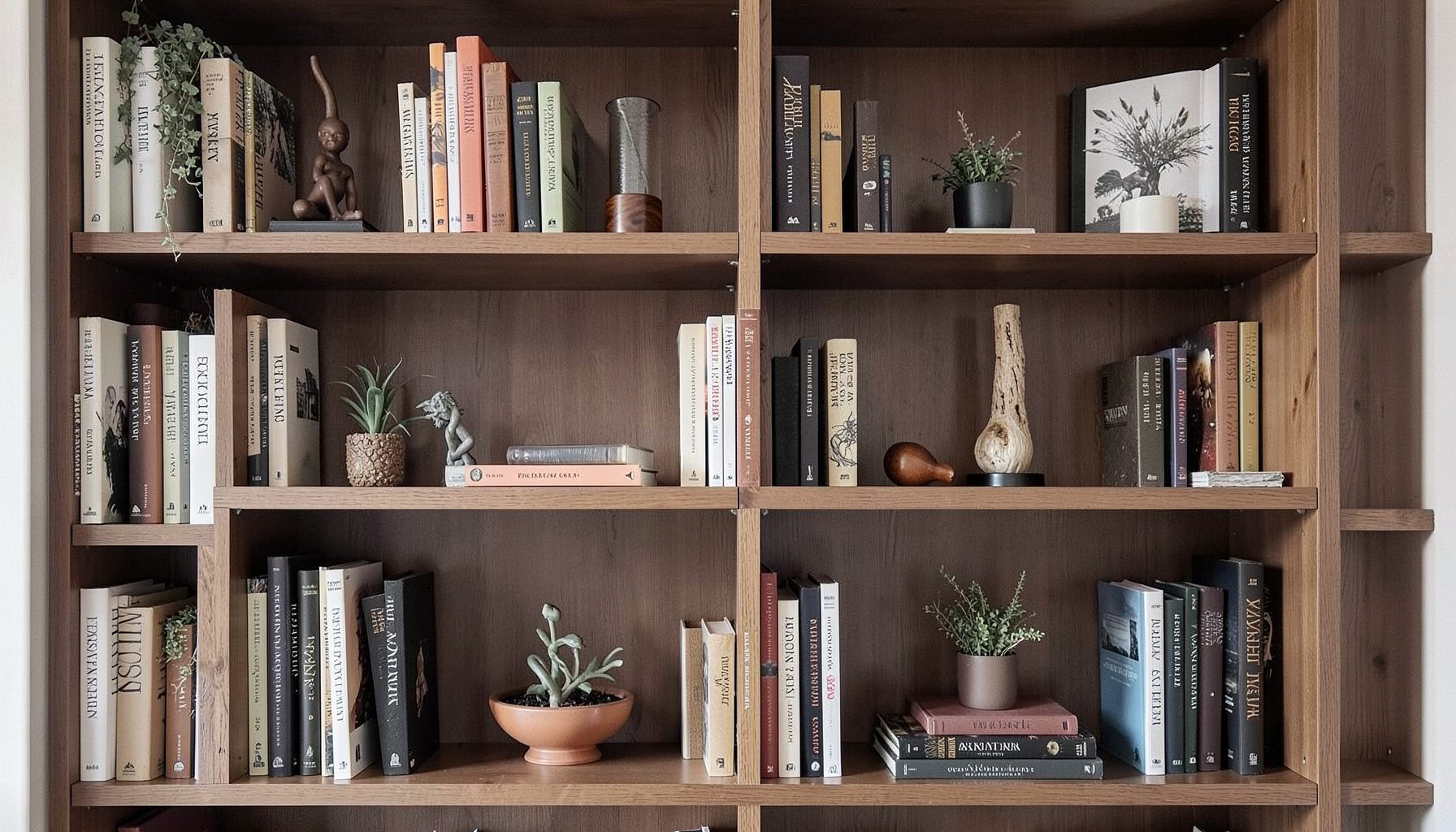
Blog
Interior design inspiration, fashion finds, entertaining ideas, and peeks into real home renovations and styling projects.
Learn More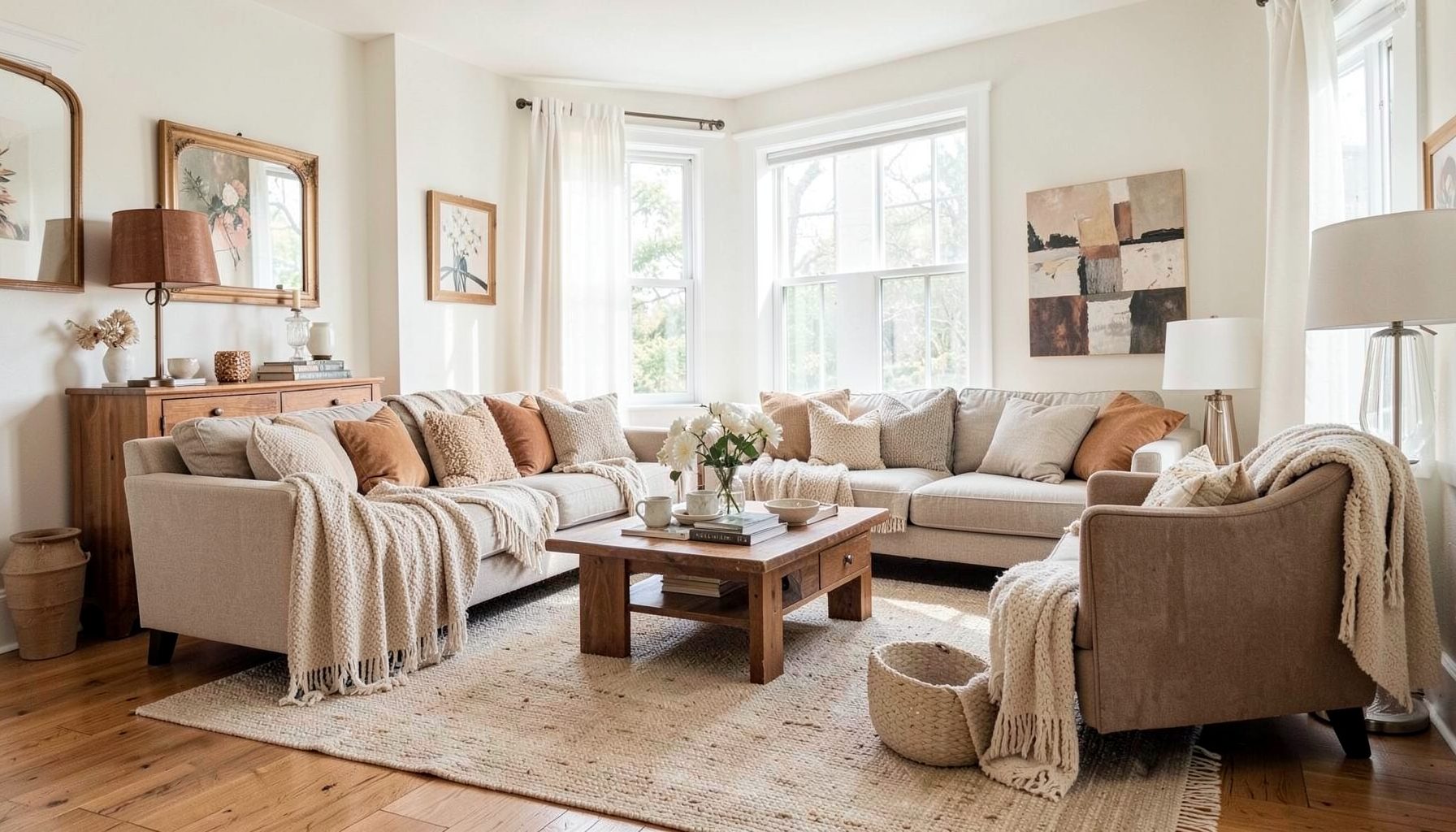
Downloads
Free curated resources for home decorating and design — guides, checklists, and inspiration to help you get started.
Learn MoreHow to Incorporate Family Heirlooms into a Contemporary Design
Family heirlooms bring something to a home that new furniture cannot purchase: a sense of memory, continuity, and personal meaning. A carved side table from a grandparent, a collection of hand-painted dishes, or a well-loved armchair can make a room feel connected to the people and places that shaped your life.
The challenge is giving these treasured pieces a natural place in a contemporary interior. Modern rooms often rely on clean lines, edited furnishings, and a restrained color palette, while heirlooms may carry ornate details, traditional proportions, or visible signs of age. The answer is rarely to make every piece match. A more successful approach is to create an intentional conversation between old and new.
At Maggie Rose Interiors, layered spaces are shaped by contrast, character, and the client’s personal story. Combining vintage finds with modern furniture, refined finishes with relaxed textures, and investment pieces with accessible accents creates a home that feels collected rather than staged.
Start With Story And Structure
Before deciding where an heirloom should go, consider what makes it meaningful. Its value may come from its craftsmanship, its connection to a family member, or the memories associated with using it. Understanding that significance helps determine whether it should become a focal point, a quiet supporting detail, or a functional part of everyday life.
Take inventory of the pieces you want to include. Note their size, condition, material, color, and visual weight. A large antique cabinet may need architectural breathing room, while a small silver tray can be incorporated into a coffee table arrangement. Grouping every inherited object in one room can make the space feel like a museum. Distributing them throughout the home usually creates a more natural rhythm.
The room’s layout should guide the placement. Contemporary interiors benefit from clear circulation paths and a sense of openness, so avoid allowing sentimental furniture to interrupt how the room is used. If an heirloom is beautiful but impractical in its original position, consider giving it a new role. A vintage dresser can become a bathroom vanity, and an old trunk can serve as a bedside table or entry bench.
Build A Cohesive Color Story
Color is one of the easiest ways to connect a traditional heirloom with a modern setting. Look closely at the object for tones you can repeat elsewhere in the room. A muted blue in an antique rug might appear again in a contemporary accent chair, while warm wood tones can be echoed through flooring, frames, or woven accessories.
Repetition does not need to be exact. Contemporary design often feels more sophisticated when colors are related rather than perfectly matched. A faded red textile can work with clay, rust, or soft terracotta. A dark walnut table can sit comfortably alongside espresso, caramel, and natural oak when the surrounding materials provide balance.
If an heirloom has a strong or unusual finish, allow it to lead the palette instead of trying to disguise it. Pair a richly painted cabinet with quiet walls, simple window treatments, and streamlined lighting. The contrast will make the piece feel deliberate. For smaller objects, use a tonal backdrop so their patina, pattern, or craftsmanship receives attention without competing with the entire room.
Balance Old With New
The most appealing collected interiors depend on contrast. Pair a traditional dining table with modern upholstered chairs, place a sleek lamp on an antique console, or style a contemporary sofa near a vintage occasional table. These combinations prevent the room from leaning too heavily toward a single period.
Scale matters as much as style. An ornate heirloom may look disconnected if every surrounding piece is equally delicate. Give it a substantial modern companion, such as a generously sized sofa, a graphic rug, or a broad-framed piece of artwork. Conversely, a petite antique object may disappear beside oversized contemporary furnishings. Use books, boxes, lamps, or a smaller side table to establish visual proportion.
Material contrast can also make the transition feel intentional. Smooth stone, polished metal, glass, and crisp upholstery bring freshness to worn wood or aged textiles. Natural linen, boucle, cane, and woven fibers soften hard modern surfaces while adding a tactile quality that works beautifully with vintage furniture.
| Heirloom Type | Contemporary Pairing | Styling Approach |
|---|---|---|
| Antique wood chest | Minimal metal or ceramic lamp | Keep the surface lightly styled so the grain remains visible |
| Vintage portrait or artwork | Clean-lined frame arrangement | Repeat one color from the artwork in nearby textiles |
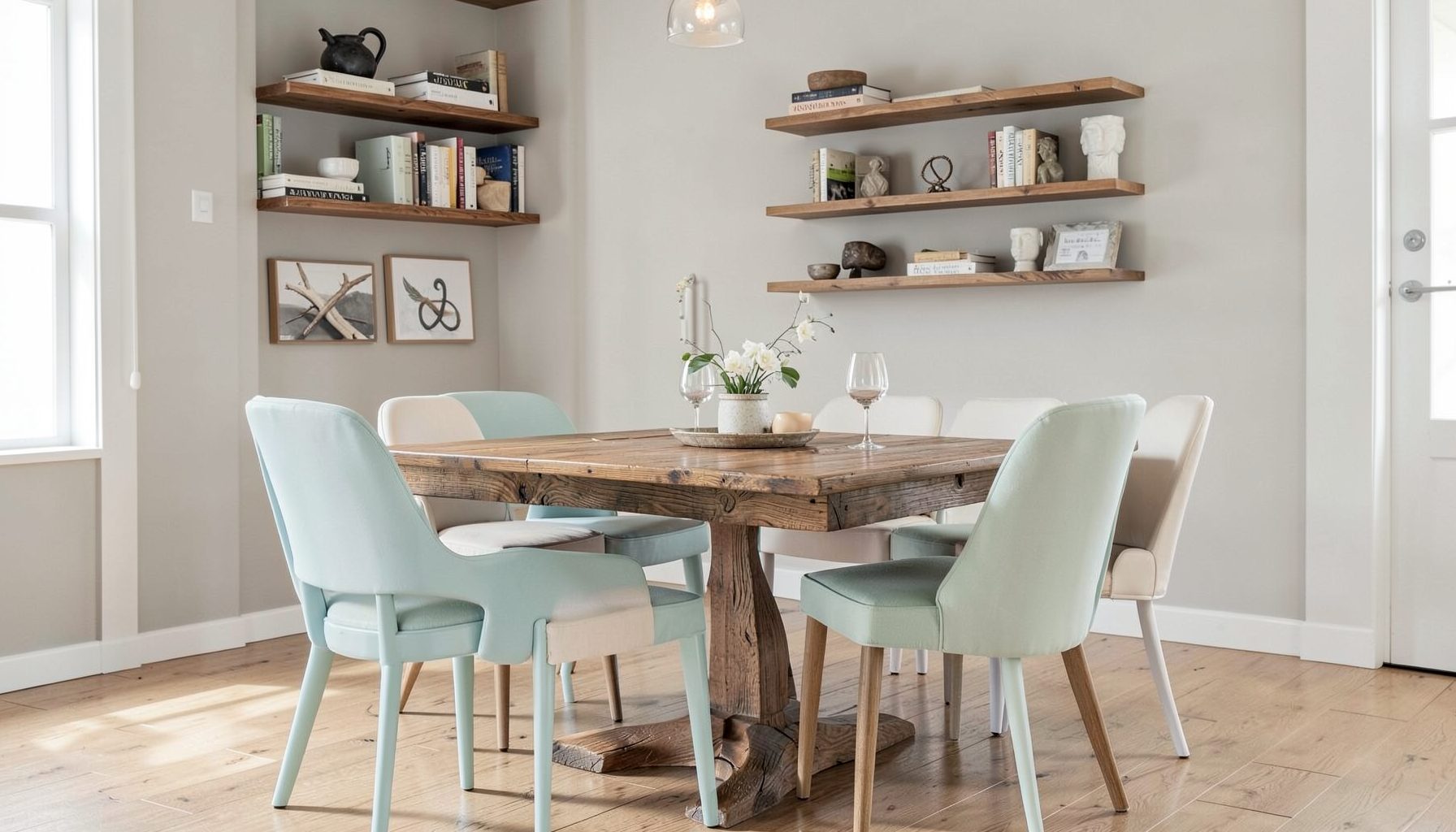
| Traditional dining table | Modern upholstered chairs | Use a simple pendant to connect the contrasting forms |
| Inherited rug | Neutral sofa and sculptural coffee table | Let the rug anchor the room while keeping accessories edited |
| Decorative china | Open shelving or modern display cabinet | Mix a few heirloom pieces with everyday ceramics |
| Classic armchair | Contemporary side table and floor lamp | Reupholster selectively if the structure is sound |
Give Special Pieces Room To Breathe
A meaningful object does not need to be surrounded by other meaningful objects. Negative space allows the eye to recognize its shape and appreciate its details. A single heirloom mirror above a streamlined console can have greater impact than a crowded gallery of inherited accessories.
Create a focal point by considering sightlines from the entry, hallway, or main seating area. A tall cabinet may deserve an uncluttered wall, while an ornate mirror can reflect light and expand a narrow room. Place art and furniture at comfortable viewing heights, and ensure the arrangement feels connected to the room’s architecture rather than randomly inserted.
For tabletop displays, vary height and texture while keeping the number of objects controlled. A ceramic vessel, a stack of design books, and a small framed photograph may be enough. Use a tray to create a visual boundary for loose objects, especially on ottomans, coffee tables, and consoles. This preserves the relaxed character of a lived-in home without allowing sentimental pieces to become visual clutter.
Refresh Without Erasing Character
Some heirlooms need a small update to function well in a modern home. Restoration should protect the qualities that make the object special, not remove every mark of age. A professional furniture repair specialist can stabilize a loose joint, repair damaged veneer, or refresh a finish while preserving its original character.
Upholstered pieces often offer the greatest opportunity for transformation. A dated chair can feel current in linen, textured cotton, or a small-scale patterned fabric. Choose a material that respects the chair’s shape. A formal carved frame may suit a quiet neutral, while a simple mid-century silhouette could support a bolder geometric textile.
Painting an heirloom is a more permanent decision, so consider it carefully. A finish change may be appropriate when the original surface is badly damaged or when the piece needs to coordinate with a new function. However, valuable wood furniture, antique finishes, and hand-painted details should be assessed before refinishing. Sometimes cleaning, waxing, or replacing hardware is all that is needed.
Modern updates can also happen around the heirloom rather than to it. Replace dated lampshades, add a contemporary art piece above an old cabinet, or use tailored drapery to frame a vintage window seat. These changes preserve the object’s identity while helping it participate in the larger design.
Use Repetition To Create Continuity
A single heirloom can look accidental when it has no relationship to anything else in the home. Repeating a characteristic such as wood tone, aged brass, botanical imagery, or a particular color helps the object feel integrated. The repeated element can appear subtly in several rooms, creating a consistent visual thread.
For example, a collection of inherited landscape paintings might inspire a palette of moss, cream, charcoal, and faded blue. You could carry those colors from the living room into a hallway runner and a bedroom throw. The artwork remains personal, while the surrounding design feels cohesive and current.
Collections should be edited with care. Displaying every inherited plate, vase, or framed photograph at once can overwhelm even a large room. Rotate pieces seasonally or preserve some in a cabinet for occasional use. A smaller selection gives each item more presence and allows the home to evolve over time.
Make Sentimental Objects Part Of Daily Life
Heirlooms become most successful in contemporary interiors when they remain useful. A silver serving bowl can hold fruit on a kitchen island. A vintage quilt can be folded at the foot of a bed. A family desk can become a working station with updated lighting and discreet cable management. Functional placement gives the object a continuing role rather than treating it as untouchable décor.
Practical use also helps bridge generations and design styles. Children can learn the story behind a chair they use for reading, or guests can admire a dish that still serves appetizers during gatherings. When an inherited item participates in ordinary routines, its significance becomes part of the home’s present, not just its past.
Protect fragile materials according to how they are used. Place coasters on delicate wood, avoid direct sunlight on textiles and paper, and use museum putty or discreet hardware for unstable objects. If a piece is too delicate for daily use, display it in a location where it can be appreciated safely. Thoughtful care allows the heirloom to remain part of the household for years to come.
Design Decisions Worth Making Early
A clear plan helps sentimental pieces feel purposeful rather than added at the last minute. Before purchasing new furniture or selecting finishes, decide which heirlooms should lead the room and which should play a supporting role. This prevents modern additions from competing with the pieces you most want to preserve.
Keep these principles in mind:
- Choose a small number of heirlooms as focal points and give each adequate visual space.
- Repeat colors, materials, or patterns from inherited pieces throughout the room.
- Pair ornate or traditional objects with clean-lined furniture, simple lighting, and edited accessories.
- Repair, reupholster, or repurpose pieces when it improves function without removing their character.
- Use heirlooms in everyday settings so their stories remain part of daily life.
A thoughtful room does not require every object to share the same age or style. It needs a sense of proportion, connection, and intention. Contemporary design provides the clarity that allows family treasures to stand out, while heirlooms bring warmth and individuality to an otherwise polished space.
Maggie Rose Interiors can help translate your collection, memories, and practical needs into a layered home that feels distinctly yours. Explore personalized interior decorating, room makeovers, online e-decorating, and design guidance to create a contemporary space where family history has a natural place.

Recent Projects