Interior Design
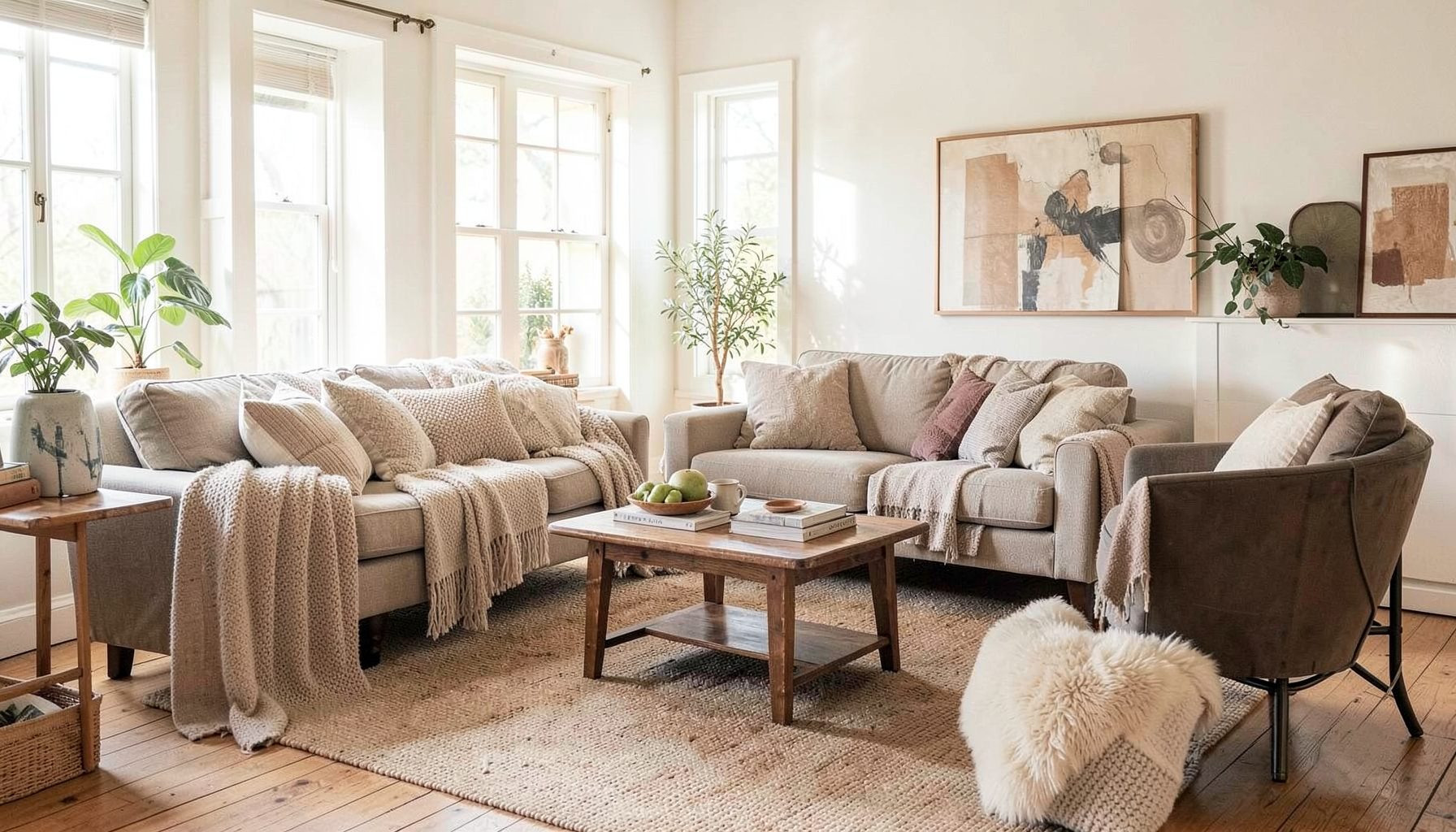
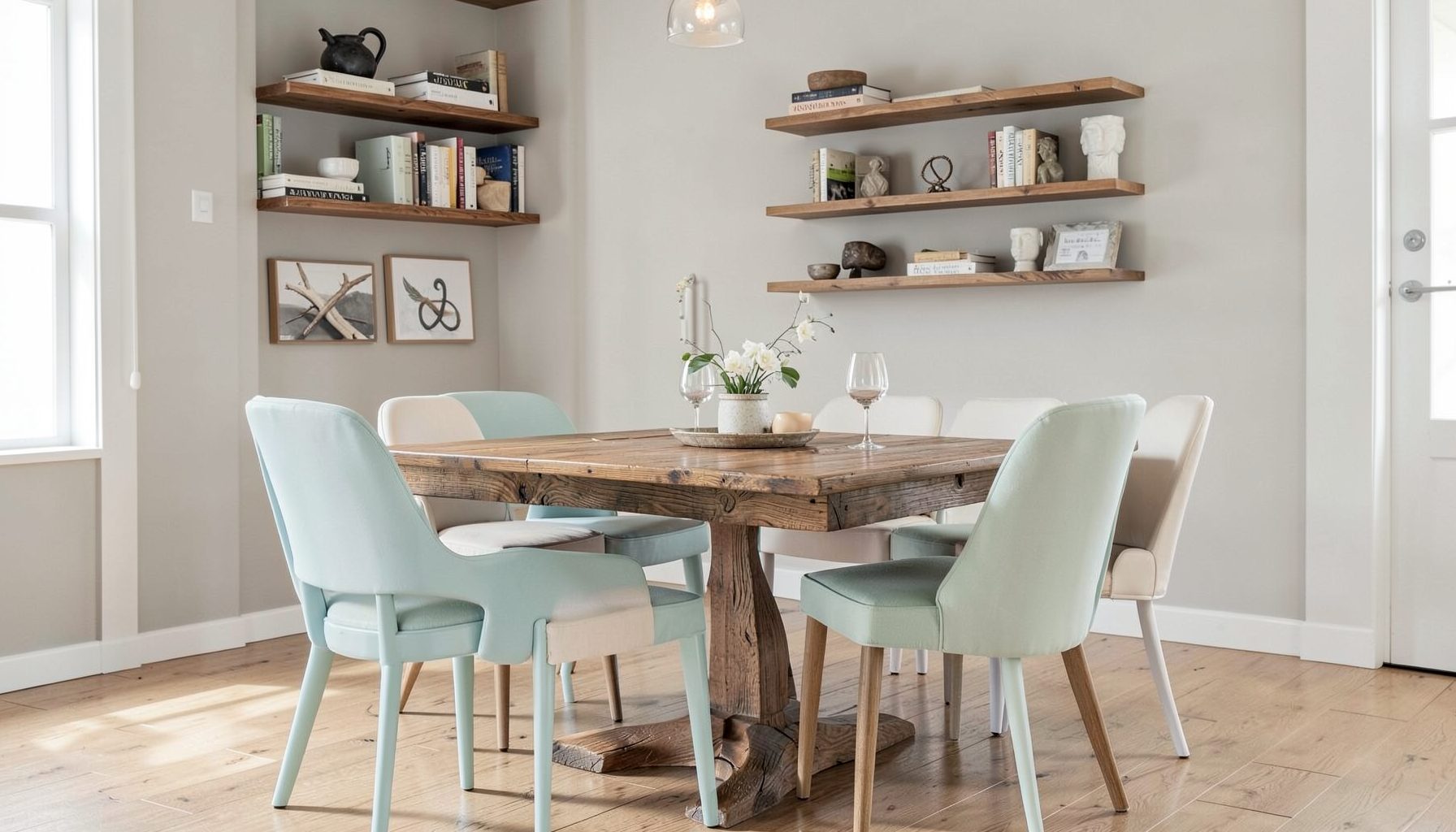
Full-service decorating that blends high and low, vintage finds with modern pieces for spaces that feel personal and collected.
Learn More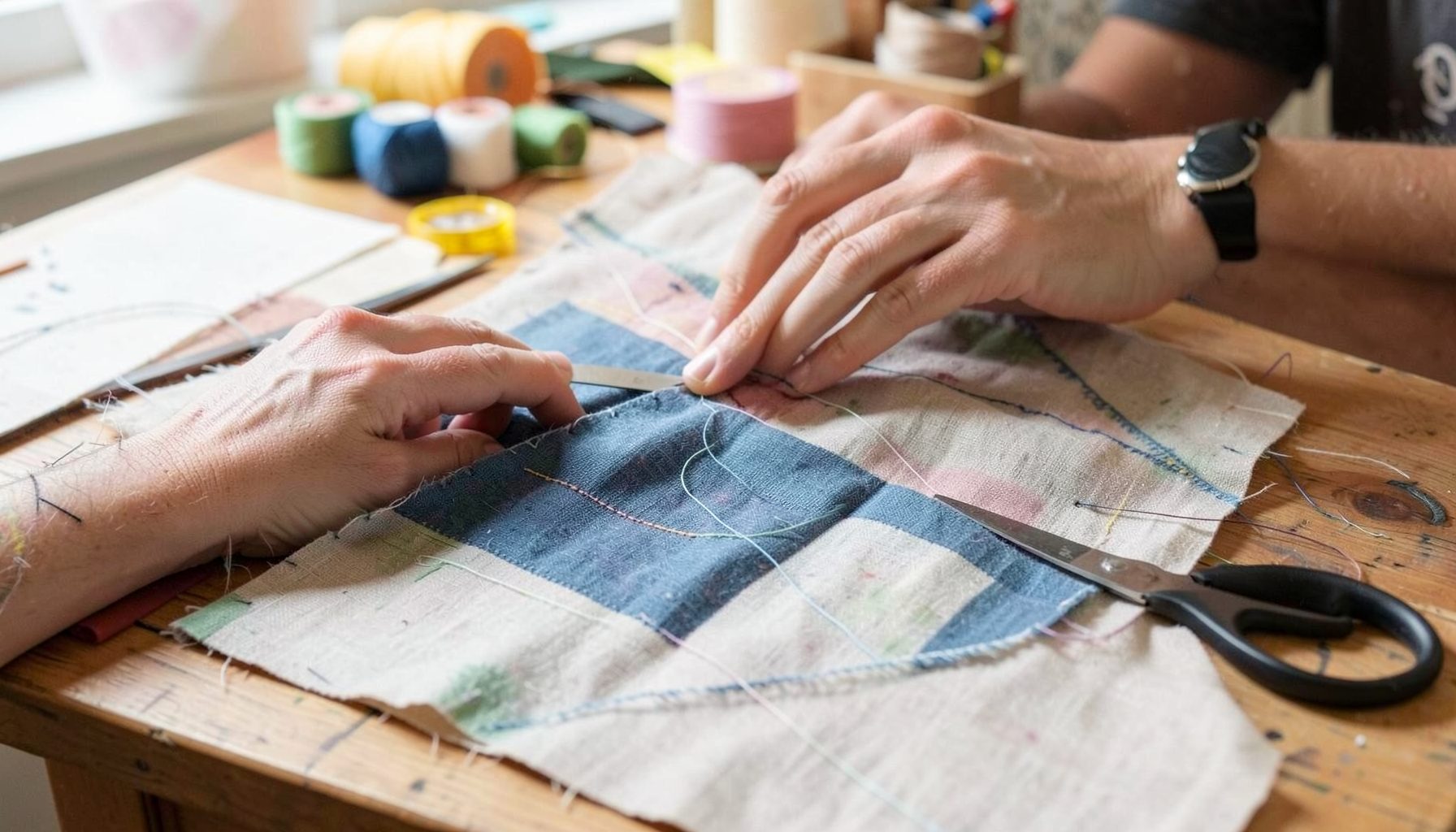
DIY Projects
Step-by-step tutorials for refinishing furniture, sewing pillows, styling bookshelves, and transforming rooms on a budget.
Learn More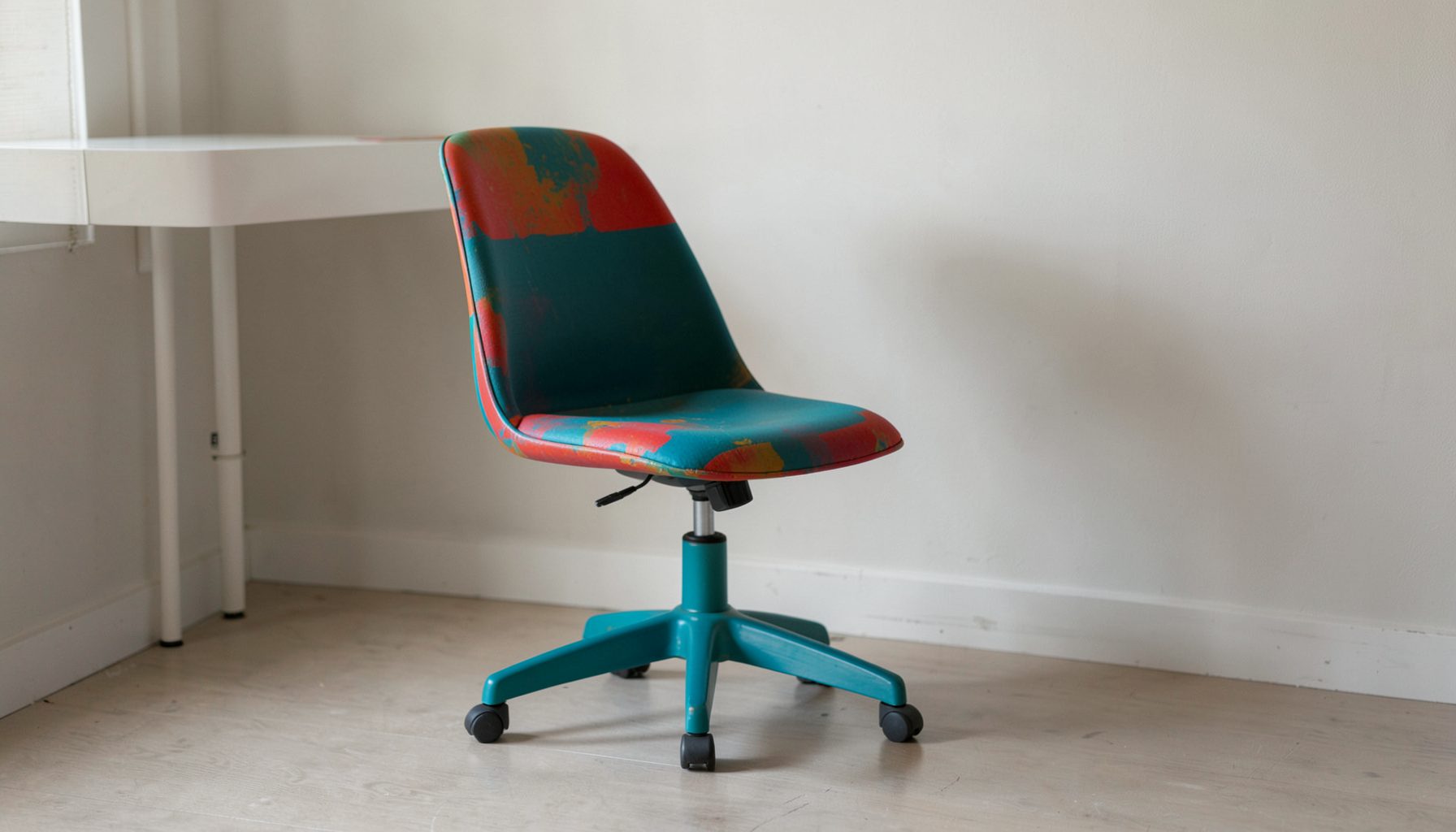
E-Decorating
Personalized design guidance delivered online — perfect for clients anywhere in the world who want a professional eye.
Learn More
Portfolio
Browse completed room makeovers, before-and-after transformations, and styling projects from Bay Area homes.
Learn More
Blog
Interior design inspiration, fashion finds, entertaining ideas, and peeks into real home renovations and styling projects.
Learn More
Downloads
Free curated resources for home decorating and design — guides, checklists, and inspiration to help you get started.
Learn MoreBold Geometric Patterns in a Neutral Room Done Right
For many Australian homeowners, the appeal of a quiet palette is real. Soft taupes, milky whites, gentle putty shades and warm sandy tones make it easier to live with a space across long summers and grey winters alike. In a market where most apartments in Sydney and Melbourne lease unfurnished or semi-furnished, those same forgiving colours give you flexibility to make a rental feel like yours without losing a bond at the end of the lease. They are also a natural fit for Queenslanders, weatherboard cottages and renovated brick homes that already have plenty to say, architecturally speaking.
The trick comes when a neutral room feels a touch flat, or when you sense it wants a heartbeat. Bold geometric patterns, handled with care, will give the room exactly that. Pattern brings rhythm, energy and personality without overwhelming the calm you worked hard to build. The art is in placement, scale and the conversation between the pattern and the things already there.
Start With the Neutrals You Already Own
Look around the room with fresh eyes before buying anything. Pull together the existing whites, creams, ochres and warm greys into one mental pile. Notice which direction the light comes from in summer when the afternoon sun turns a Sydney eastern-suburb window into a wall of gold, and again in winter when a Melbourne breeze cools every surface in the kitchen.
A pattern will echo whatever colour story already lives in the space. If your sofa is a pale oat linen and your floorboards are a deep walnut, a pattern that leans into ochre and rust will sing. If your walls are a whisper of bone and your curtains are alabaster, a pattern in saturated navy, forest or terracotta will look intentional from day one. This is why starting with what you have is more satisfying than chasing a mood board full of pieces that fight the room.
Choose the Shape and Scale of Your Geometry
Geometric patterns are not one thing. A narrow stripe, a wide chevron, a Moroccan trellis, a sixties op-art curve and a small-scale tessellation each create a different mood. Sharp diagonals feel energetic and modern. Honeycomb or hexagon repeats feel meditative and architectural. Soft checks or windowpane prints feel orderly and quiet.
Scale matters as much as shape. A pattern with large blocks of colour reads as art on a wall and makes a generous room feel grander. A pattern with small, repeating motifs works behind glass, on upholstery or underfoot, where it becomes texture rather than event. In a compact apartment in Brisbane's inner west or a snug terrace in Surry Hills, a smaller-scale geometry often feels more in scale with the architecture. In a Queenslander with soaring ceilings and a wide hallway, a bolder repeat earns the space it fills.
Anchor the Pattern in One Statement Spot
The simplest, most reliable approach is to give the geometry a single home and let it lead. A feature wall is the obvious choice for renters who cannot commit to paint, and a large piece of artwork, a vintage rug or a pair of floor-to-ceiling curtains can carry equal weight. When the pattern arrives in one place, the eye knows where to rest, and the rest of the room can stay in its white-clay-cocoa lane.
Curtains in a strong geometric print, hung close to the ceiling and brushing the floor, are a useful anchor in older Australian homes with tall ceilings. A rug, particularly a flat-weave vintage piece bought from a weekend market or an op shop run by one of the larger charities, can ground a seating group and quietly raise the whole room. Whichever surface you pick, hold samples against it at the time of day you live in that room, because Australian light is famously generous and unforgiving at the same time.
Echo the Geometry in Smaller Touches
Once the anchor is in place, the work is to repeat the geometry in doses. A pair of cushions that share a colour but not the pattern keeps things interesting. A throw folded over a chair, the inside of a lampshade, or the inner pelmet of a curtain can carry a single shape across the room without becoming busy.
This is also where the layering you find in publications such as Belle, Inside Out and Home Beautiful earns its keep. Picture a Brisbane living room where the hero curtain is a wide navy chevron, the rug is a soft jute flat-weave, a small terracotta vase picks up one stripe from the curtain, and a ceramic bowl in deep ochre lands on the coffee table. Nothing shouts. Everything rhymes.
For renters concerned about permanent changes, soft furnishings and removable elements are your friend. A geometric decal on a wardrobe door, a self-adhesive film on the back of a bookcase, or even wallpaper applied to the inside of a pantry, hallway or linen cupboard can be added, photographed and removed before the next inspection.
Layer Vintage and Modern Around the Pattern
Geometric pattern sits particularly well in a room where old and new share the conversation. This is the heart of the layered, collected look that defines a confident interior, and it is how you stop a geometric feature from feeling like a page torn from a catalogue. A 1970s vinyl chair in ochre, a contemporary sofa in oat linen and a vintage kilim underfoot will all speak to the same warm, lived-in language.
Australian homes often come pre-loaded with vintage character. Mid-century sideboards are easy to find through estate clearances or weekend browsing at markets like The Finders Keepers in Sydney, the Rozelle Collectors Market, or the Saturday fair at Salamanca in Hobart. A vintage piece that curves or angles can pick up the geometry in soft furnishings, while a raw, weathered texture keeps the pattern from looking too polished.
Keep the floor or ceiling quiet when the patterns sing. A natural timber, a honed stone, a sisal rug, or a simple VJ panel wall treated in a soft limewash gives the eye somewhere to rest. Australian homes built in the 1970s and 1980s with built-in cabinetry in golden timbers pair beautifully with cool blue and crisp charcoal geometry. If you have a period home, let the geometry be the new thing in the room, not the timber detailing.
Shop the Way Australians Actually Shop
Budget shapes the brief for most people, and the good news is that you do not need a serious budget to land the look. Kmart's home range is a reliable starting point for geometric cushions, throws and storage baskets in the current seasonal palette. Spotlight offers a deep range of fabrics, including geometric prints in cottons and linens that work for cushion covers, simple Roman blinds or a slipcover for an old armchair.
For the statement piece, the IKEA stores at Marsden Park, Tempe and Logan often stock rugs, armchairs and pendant lights in shapes that quietly echo geometry. If you want investment pieces, local studios and small makers listed through The Design Files often have one-off pieces, and many will work with a decorator to tweak scale and finish.
If you live further from the city, rely on what is around you. Bunnings holds a wider art and canvas range than most people expect, which makes custom framed artwork easy. Regional antique stores, estate sales and the rotating racks at your local Lifeline or Vinnies will throw up the unexpected, and a Saturday morning spent browsing is rarely wasted on an interior project.
A bold geometric pattern is not the loudest thing in a neutral room. It is the thing that gives the room an opinion. Begin with the neutrals already in place, choose a shape and a scale that suits the architecture, anchor the pattern in one generous spot, then echo it across the room through smaller, removable choices. Vintage pieces soften the edges and keep the space feeling collected, while accessible retailers and weekend markets keep the budget reasonable.
The room you remember is rarely the one with the most pattern. It is the one where the pattern felt inevitable, as if it had always lived there and you simply let it in.

Recent Projects