Interior Design
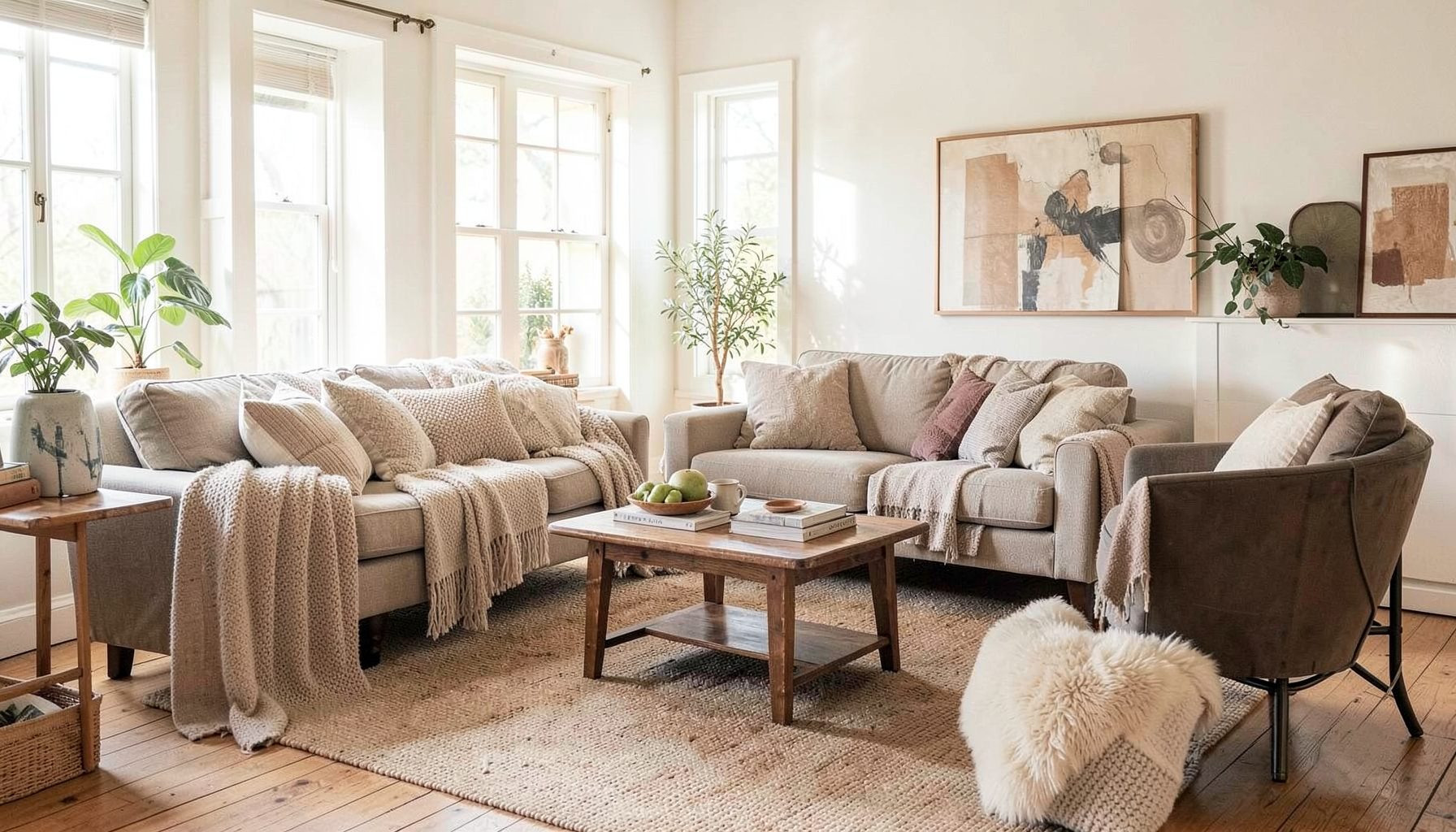
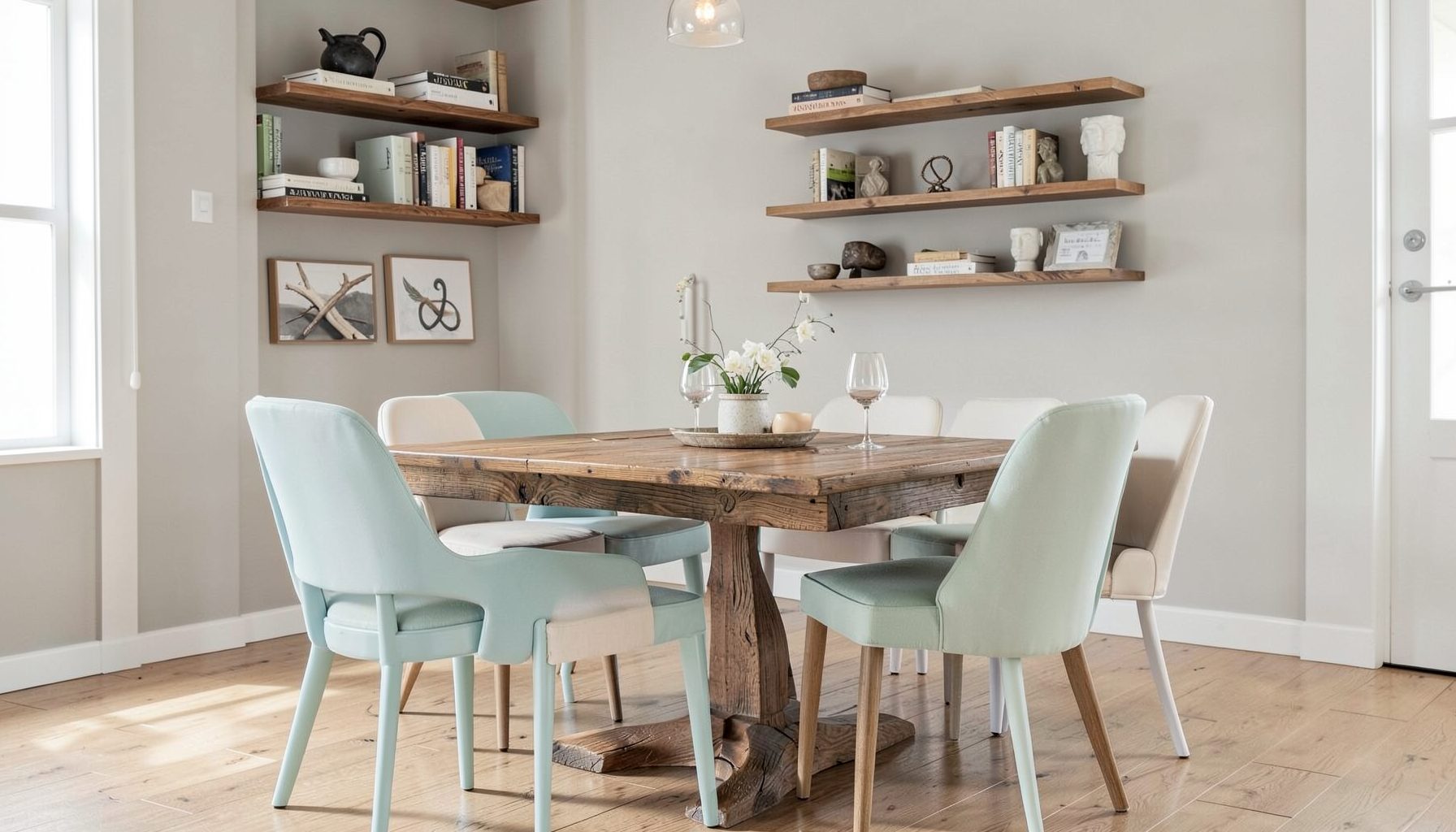
Full-service decorating that blends high and low, vintage finds with modern pieces for spaces that feel personal and collected.
Learn More
DIY Projects
Step-by-step tutorials for refinishing furniture, sewing pillows, styling bookshelves, and transforming rooms on a budget.
Learn More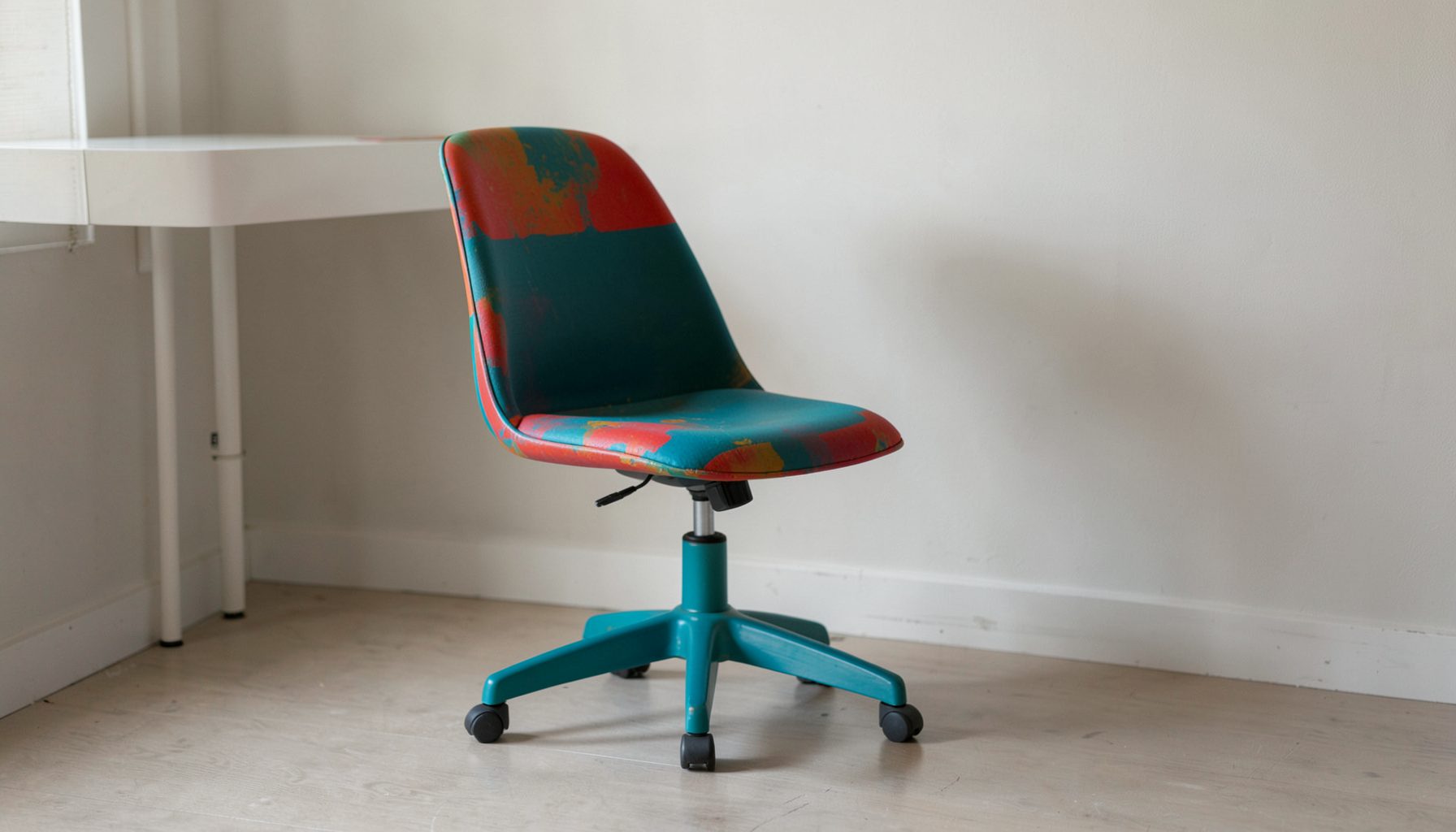
E-Decorating
Personalized design guidance delivered online — perfect for clients anywhere in the world who want a professional eye.
Learn More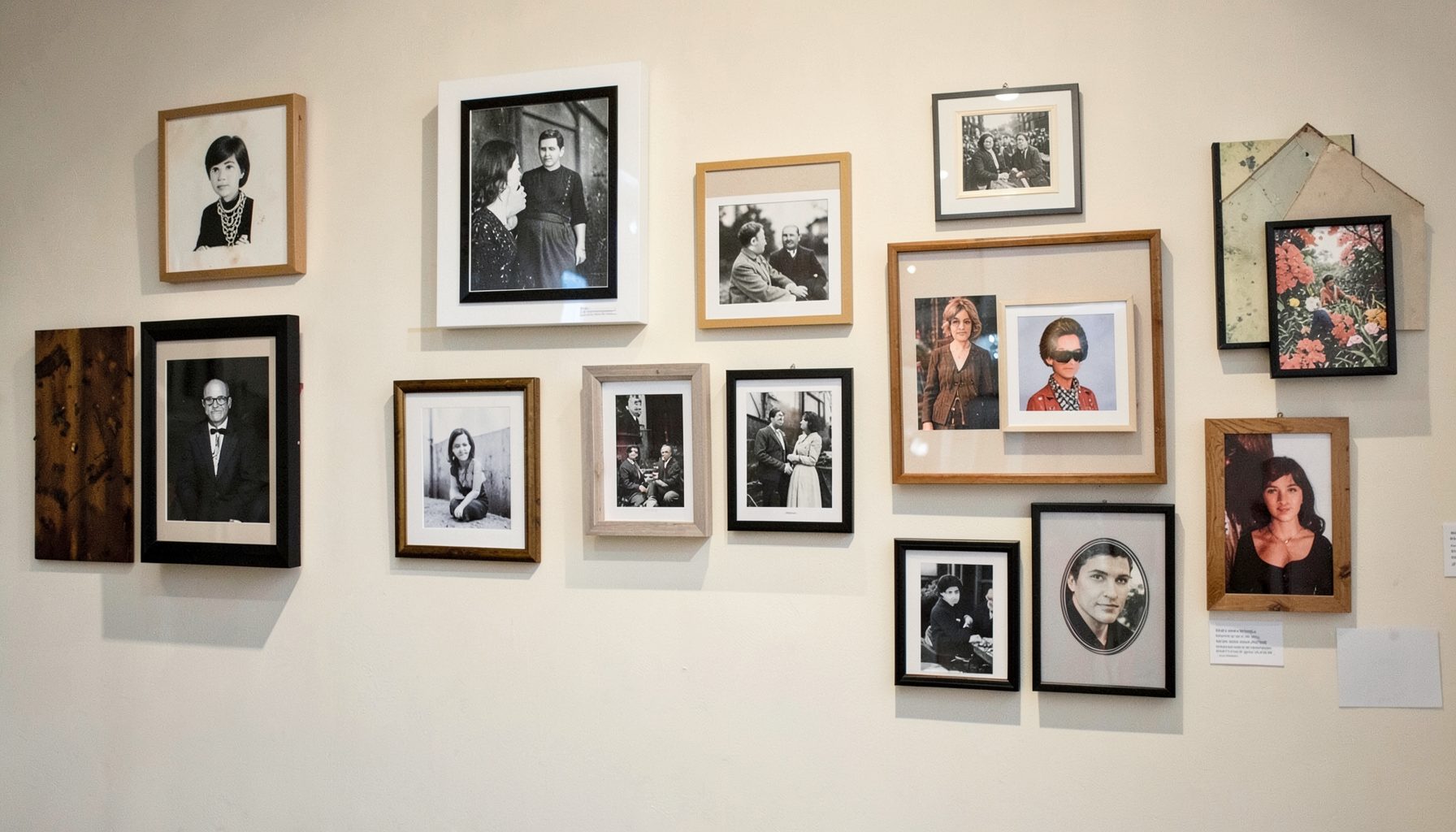
Portfolio
Browse completed room makeovers, before-and-after transformations, and styling projects from Bay Area homes.
Learn More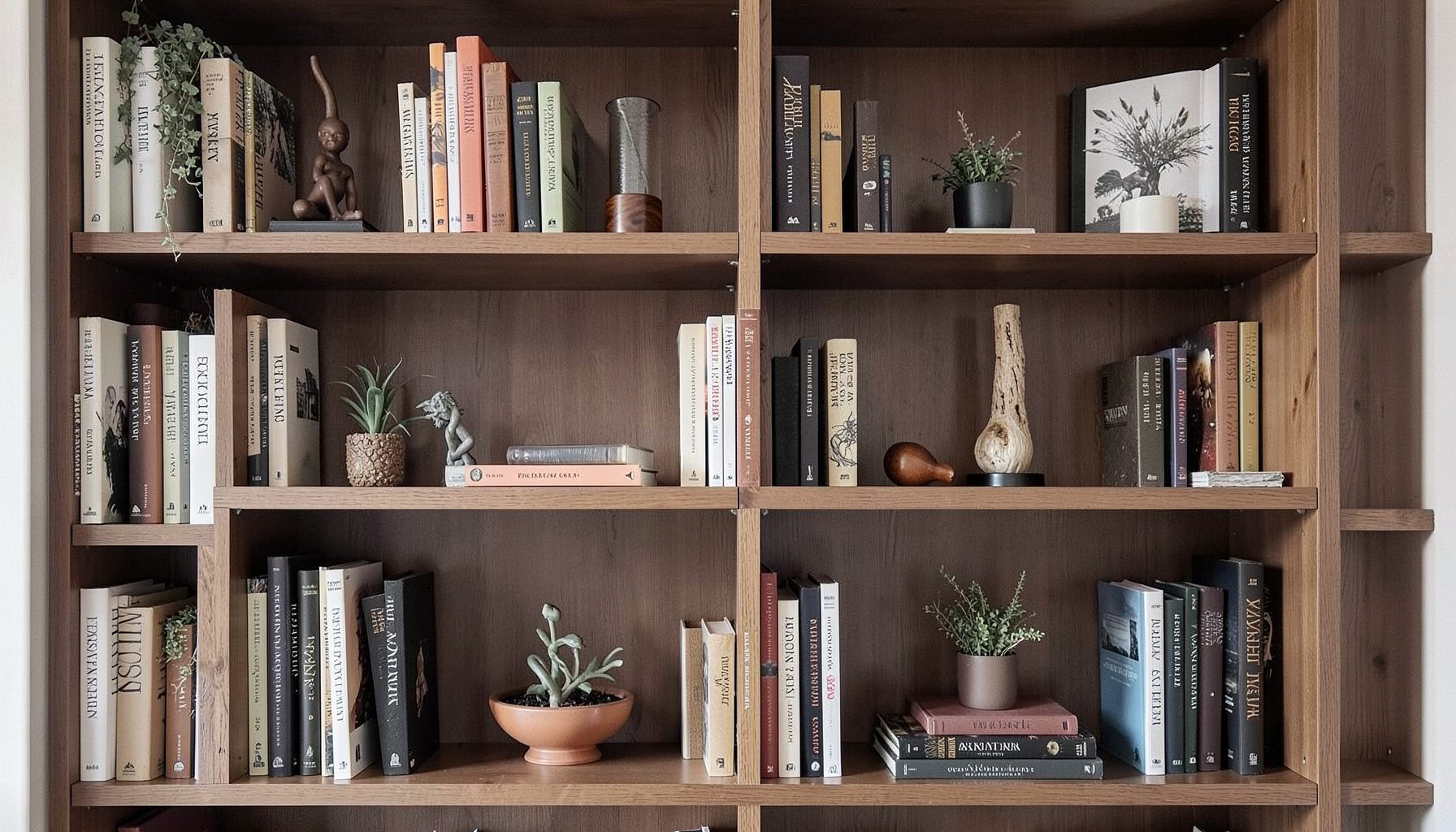
Blog
Interior design inspiration, fashion finds, entertaining ideas, and peeks into real home renovations and styling projects.
Learn More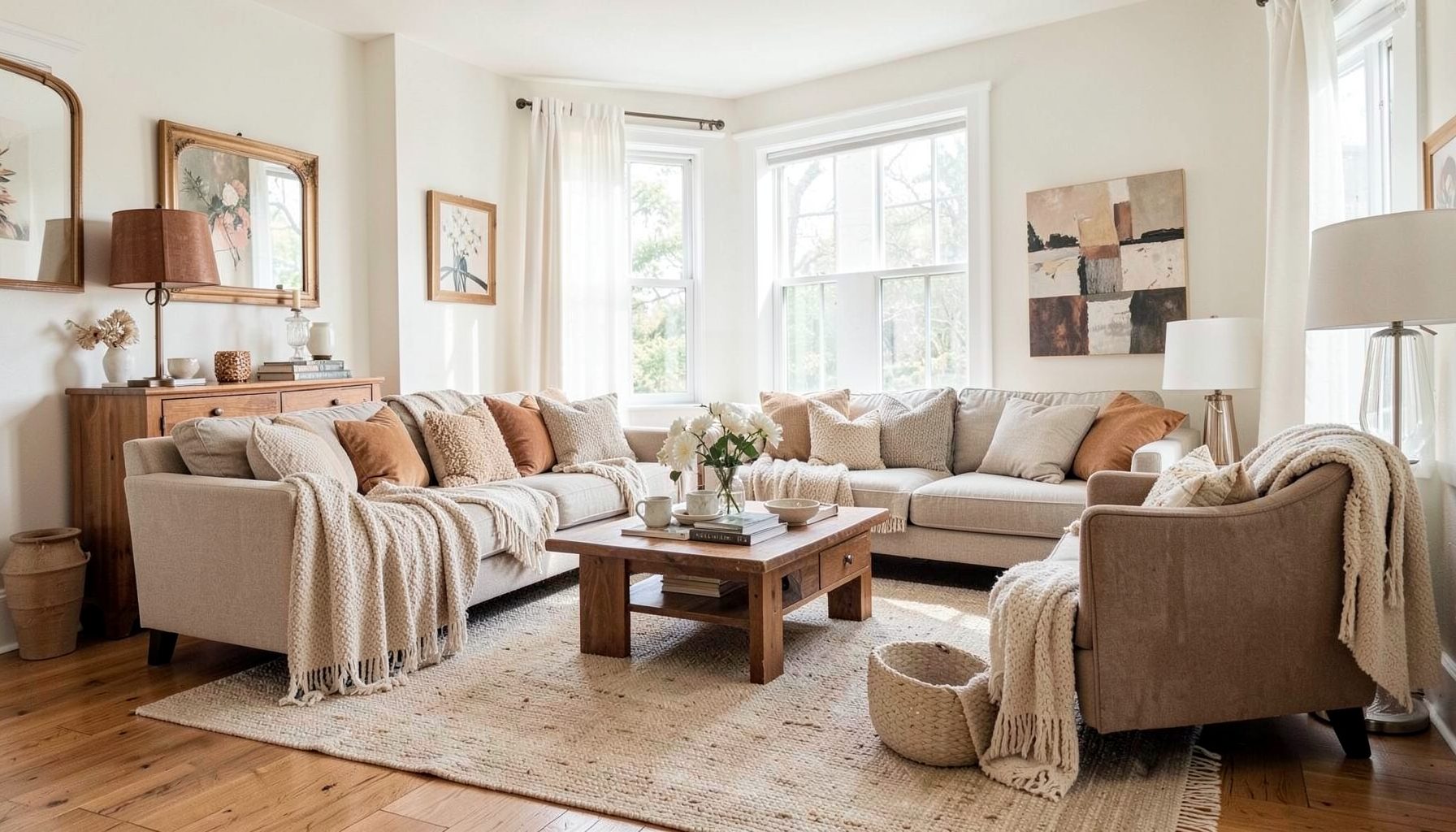
Downloads
Free curated resources for home decorating and design — guides, checklists, and inspiration to help you get started.
Learn MoreHow to Use Black Accents Without Making a Room Feel Dark
Black can give an ordinary room a sharper point of view. A matte pendant, dark timber frame or slim set of curtain rods can make softer colours look more considered, while adding a sense of depth that pale interiors sometimes lack. The key is to use black as a deliberate detail rather than a heavy block of colour.
In Australian homes, this balance matters because natural light can be intense. A north-facing room in Sydney may receive strong midday sun, while a darker Melbourne terrace can feel quite different by late afternoon. Black surfaces respond visibly to changing light, so the right finish, placement and proportion are just as important as the shade itself.
The most successful rooms usually combine black with a range of warm and reflective materials. Think aged brass beside black metal, a charcoal cushion against oatmeal linen, or a dark frame resting on a warm timber console. These layers keep the scheme welcoming and give the eye somewhere to travel.
You do not need to replace your furniture or commit to a dramatic feature wall. A considered edit of smaller pieces can create the same visual impact, whether you are furnishing a Brisbane apartment, refreshing a coastal home near Newcastle or working within the limits of an Australian rental.
Start With The Room’s Natural Light
Before bringing in black decor, watch how daylight moves through the room. A space that feels bright in the morning may become shadowy after lunch, especially if it faces south or is screened by neighbouring buildings. Sit in the room at several times of day and notice which corners stay bright, which areas recede and where artificial light will be needed after sunset.
Use black in places where it can define the architecture without swallowing it. A slim picture frame around a sunlit artwork, a black tap against pale tiles or a narrow console under a window will read as an outline. Large, solid objects are more demanding. A black sofa or painted wall can work beautifully, but it needs generous daylight, lighter surrounding surfaces and enough visual breathing room.
Reflective finishes are useful when a room lacks brightness. Smoked glass, polished ceramic, a lightly lacquered side table or an antique mirror can carry dark colour while bouncing light around the space. Matte black has a softer, more grounded quality, though too much of it in a low-light room can feel flat. Combining a matte finish with one or two subtle reflective surfaces creates variation.
Window treatments deserve special attention in Australia. Heavy dark curtains may feel cosy in winter but can overpower a compact room and absorb precious daylight. Consider sheer curtains with a black rod, or a pale roller blind paired with darker woven side panels. This keeps the window treatment practical while allowing the black detail to frame the view.
Build A Layered Colour Palette
Black is rarely at its best beside plain white alone. The contrast can feel stark, particularly under bright Australian light. Softer neutrals such as warm white, putty, sand, mushroom and pale stone create a gentler background. These shades still give black definition, but they take the edge off the scheme.
Timber is one of the easiest ways to warm dark accents. Black metal looks inviting next to oak, walnut, rattan or Australian timbers such as blackbutt. A black dining chair beside a timber table feels relaxed and collected; the same chair in a room filled with cool grey laminate may look more severe. Natural grain also introduces movement, which stops the palette becoming visually dense.
Colour can be added in small, repeatable doses. Olive green, dusty blue, rust, terracotta and muted ochre all sit comfortably with black. In a beachside home, try black with chalky blue, creamy linen and pale timber rather than stark white. In a Melbourne terrace, deep green walls, aged timber and black hardware can create a moody look that still feels lived in.
Follow a simple distribution rule: repeat black in several small places rather than concentrating it in one oversized item. A black lamp, frame, vase and chair leg can quietly connect the room. The accents do not need to match exactly. Variations in texture and shape make the arrangement feel gathered over time instead of purchased as a set.
Choose The Right Scale And Placement
Small black details are effective because they act like punctuation. Cabinet handles, a picture light, a mirror frame or the base of a floor lamp can give a room structure without changing its overall mood. In an open-plan lounge and dining area, repeating black across both zones helps the spaces feel connected.
Scale changes the emotional weight of the colour. A thin-legged coffee table appears lighter than a chunky square version. An open metal bookshelf keeps more of the wall visible than a solid black cupboard. If you love dark furniture, look for pieces with raised legs, curved edges or visible negative space so light can pass beneath and around them.
Consider what sits at eye level. Black artwork frames or a dark-framed mirror can anchor a pale wall, while a black ceiling fan may draw attention upward without closing in the room. On the floor, a patterned rug with small black markings is often easier to live with than a solid black rug, especially in a family room where dust and pet hair are visible.
In smaller Australian homes, including compact Sydney apartments and narrow terrace rooms, preserve clear pathways. A dark accent is more successful when the room around it feels edited. Remove one or two competing accessories, then allow the chosen piece to have presence. The aim is visual rhythm, not a collection of unrelated dark objects.
Balance Black With Texture And Light
Texture prevents black from looking one-dimensional. Woven baskets, boucle upholstery, linen, aged leather, ribbed glass and rough ceramic all catch light differently. A black linen cushion feels softer than a black velvet one; a hand-finished ceramic lamp feels more characterful than a perfectly uniform factory finish.
Lighting should be planned in layers. Overhead lighting alone can make dark accents look harsh at night, particularly with cool white globes. Add table lamps, wall lights or a floor lamp to create pools of warmth. Bulbs around 2700K to 3000K generally suit living areas, and dimmers allow you to shift from practical brightness to a more relaxed evening setting.
Metallic details can lift the scheme without making it glossy. Aged brass, bronze and warm nickel introduce small flashes of light, while chrome gives a crisper, more contemporary effect. Choose one dominant metal and use another only sparingly. Black hardware with aged brass lighting, for example, feels layered and timeless rather than overly coordinated.
For a dining room or entertaining space, let the table setting carry some of the contrast. Dark napkins, candleholders or a simple black vase can provide definition while natural linen and pale ceramics keep the arrangement light. The same restrained approach appears in a minimalist holiday table, where a few strong details can make a setting feel special without crowding the surface.
Make The Look Personal And Practical
Black accents have more staying power when they connect with the way you live. If the room is used for family movie nights, choose washable covers and robust finishes rather than delicate pieces that need constant protection. If you entertain often, black serving boards, framed menus or dark-toned glassware can make the dining area feel intentional without requiring a permanent redesign.
Renters can achieve the effect through movable details. Swap in black cabinet pulls if permitted, or choose removable hooks, freestanding shelving, lamps and artwork. A black-and-white photograph, a vintage stool or a narrow metal trolley can shift the character of a room without leaving a mark. Australian retailers such as Bunnings, Freedom and local vintage markets offer different price points, making it possible to mix accessible pieces with second-hand finds.
In a humid Brisbane home, allow air to circulate around furniture and avoid placing metal directly against damp walls. In a coastal property, powder-coated finishes and sealed timber are more practical than delicate untreated materials. For homes exposed to strong western sun, check that artwork, rugs and upholstery are protected from fading; black itself may stay visually strong, but nearby fabrics can change noticeably.
The most convincing interiors include something that could not have come from a single showroom. Pair a contemporary black sconce with an inherited timber cabinet, or place a sculptural black bowl beside a stack of well-used books. A found object, handmade piece or vintage photograph adds warmth and keeps the room from feeling overly styled.
Black works best when it supports the larger story of the room. It can sharpen a soft palette, repeat an architectural line, ground pale furniture or highlight a treasured object. When every element is fighting for attention, the colour becomes heavy; when it is repeated with restraint, it gives the room confidence.
Begin with the light, then choose the background colours, materials and scale that suit the space. Repeat black in a few intentional places, soften it with timber and fabric, and use warm layered lighting after dark. The detail to remember is simple: black should provide definition, not dominate the room.

Recent Projects