Interior Design
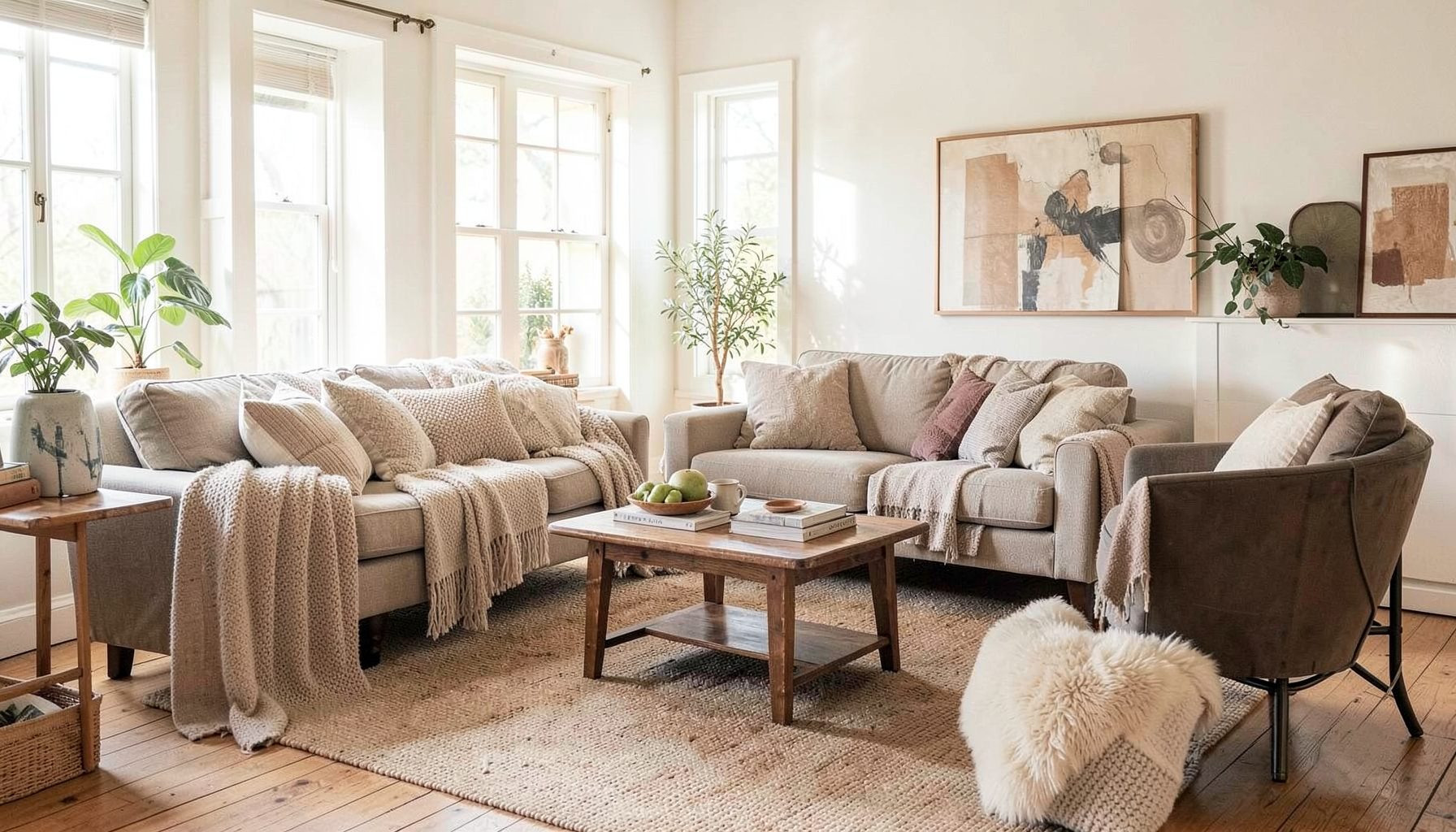
Full-service decorating that blends high and low, vintage finds with modern pieces for spaces that feel personal and collected.
Learn More
DIY Projects
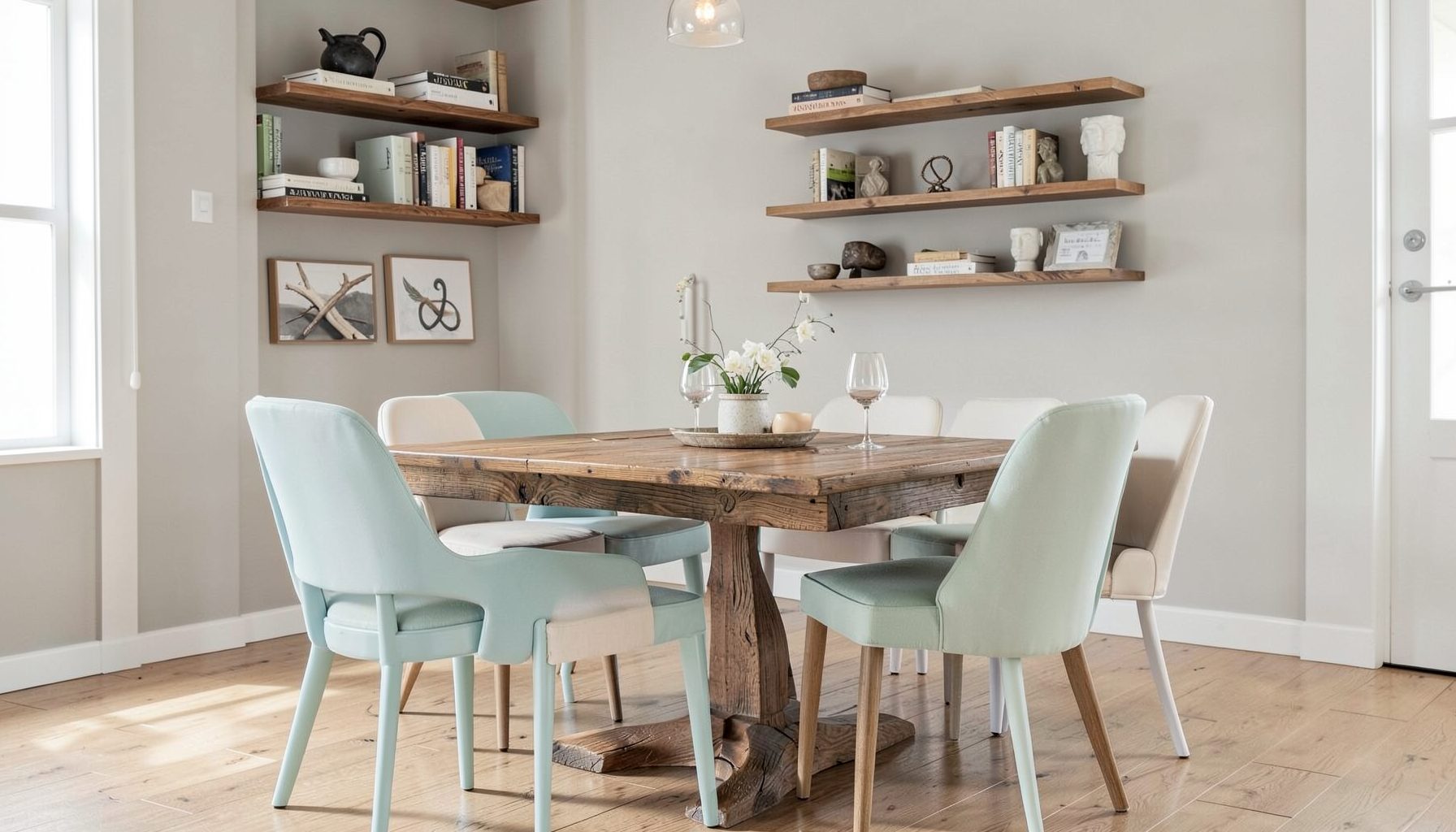
Step-by-step tutorials for refinishing furniture, sewing pillows, styling bookshelves, and transforming rooms on a budget.
Learn More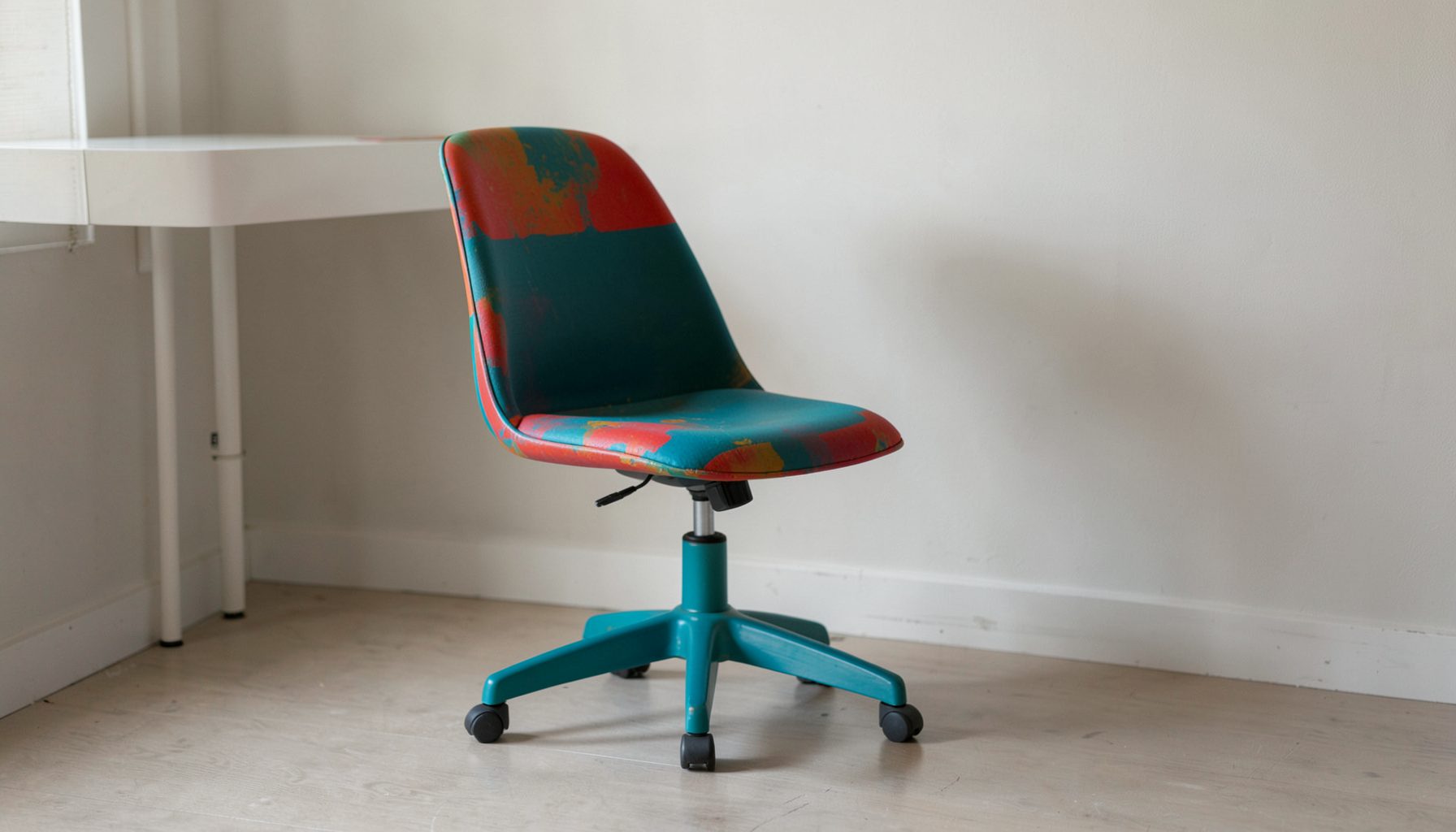
E-Decorating
Personalized design guidance delivered online — perfect for clients anywhere in the world who want a professional eye.
Learn More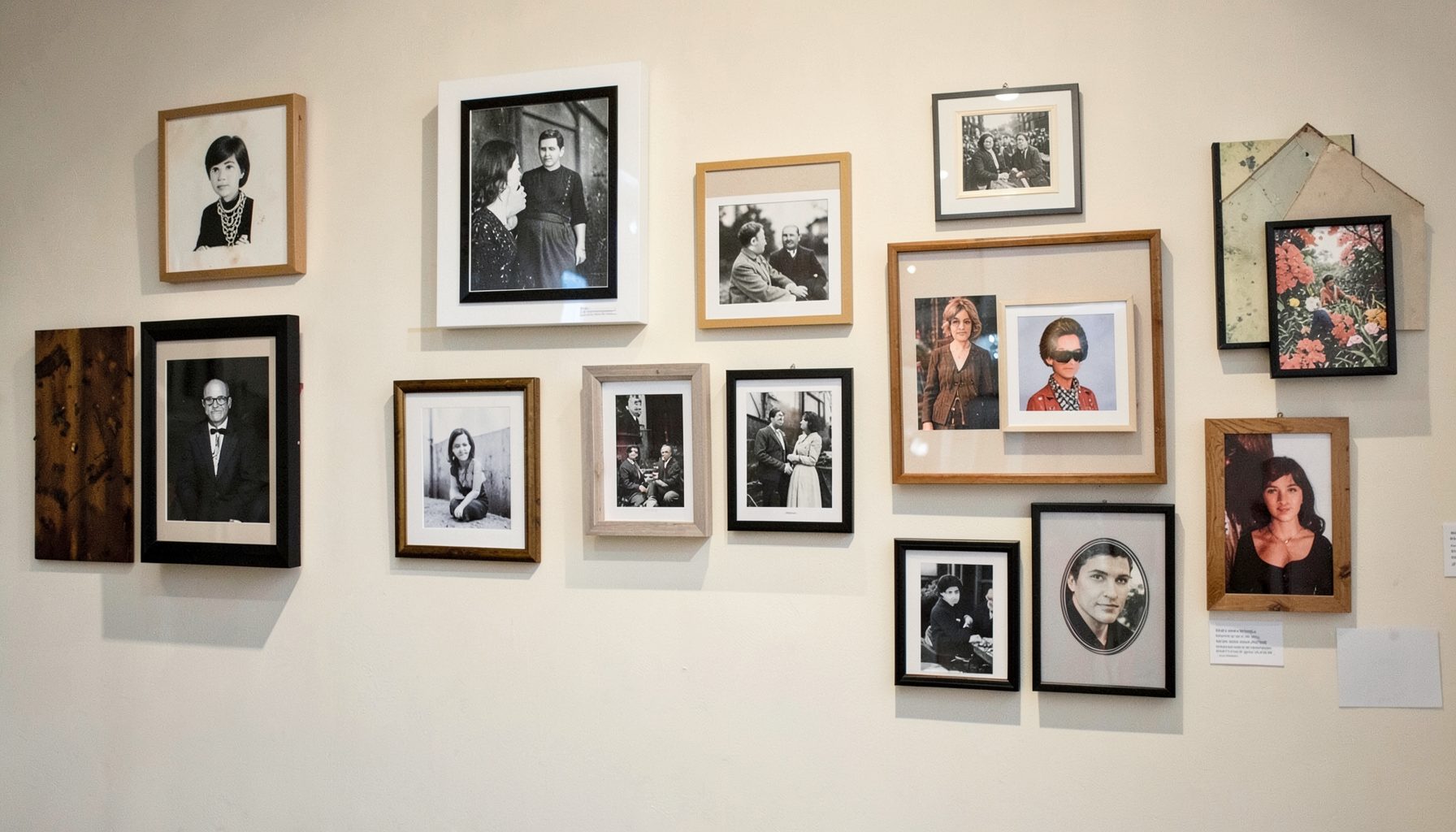
Portfolio
Browse completed room makeovers, before-and-after transformations, and styling projects from Bay Area homes.
Learn More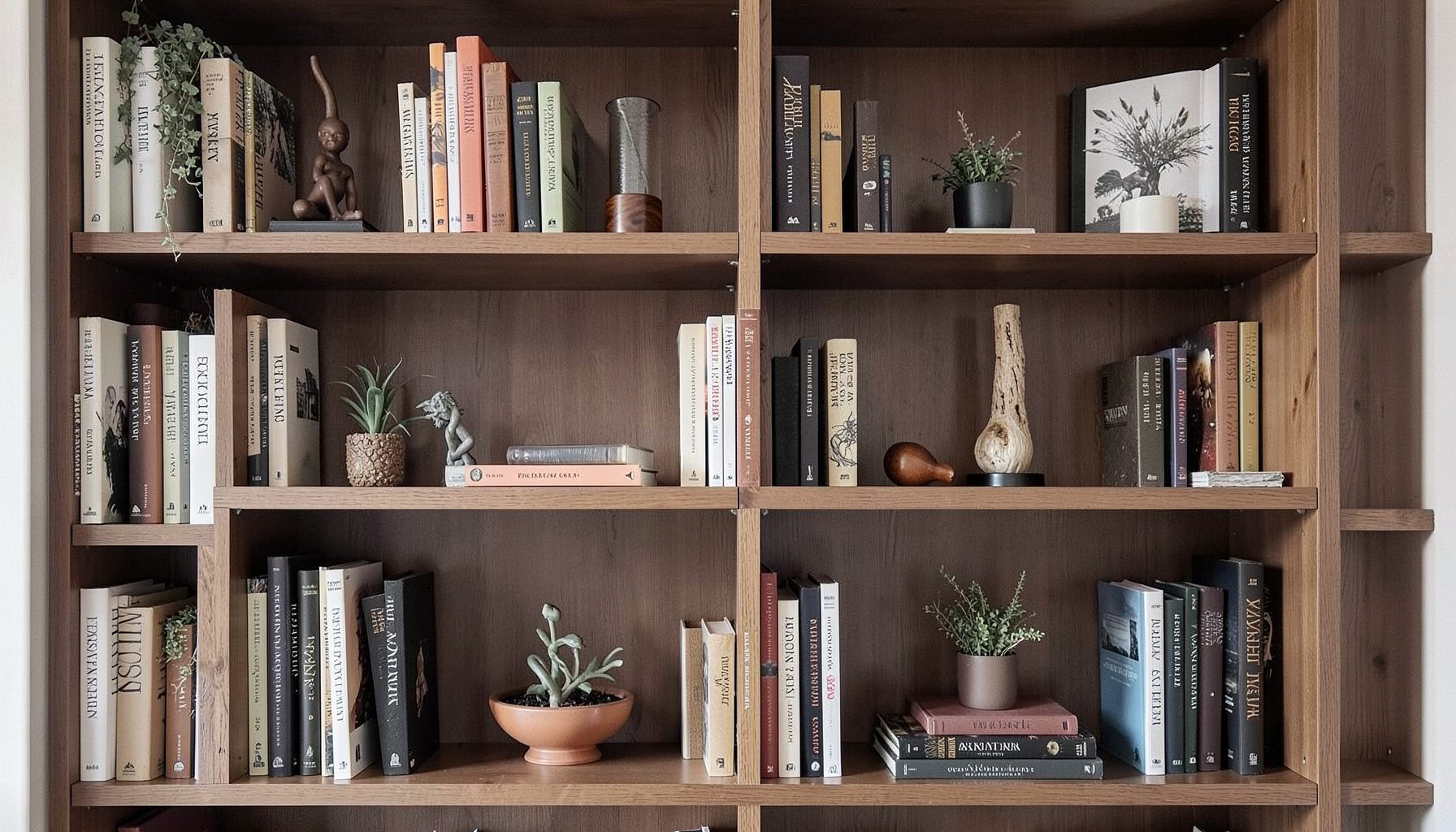
Blog
Interior design inspiration, fashion finds, entertaining ideas, and peeks into real home renovations and styling projects.
Learn More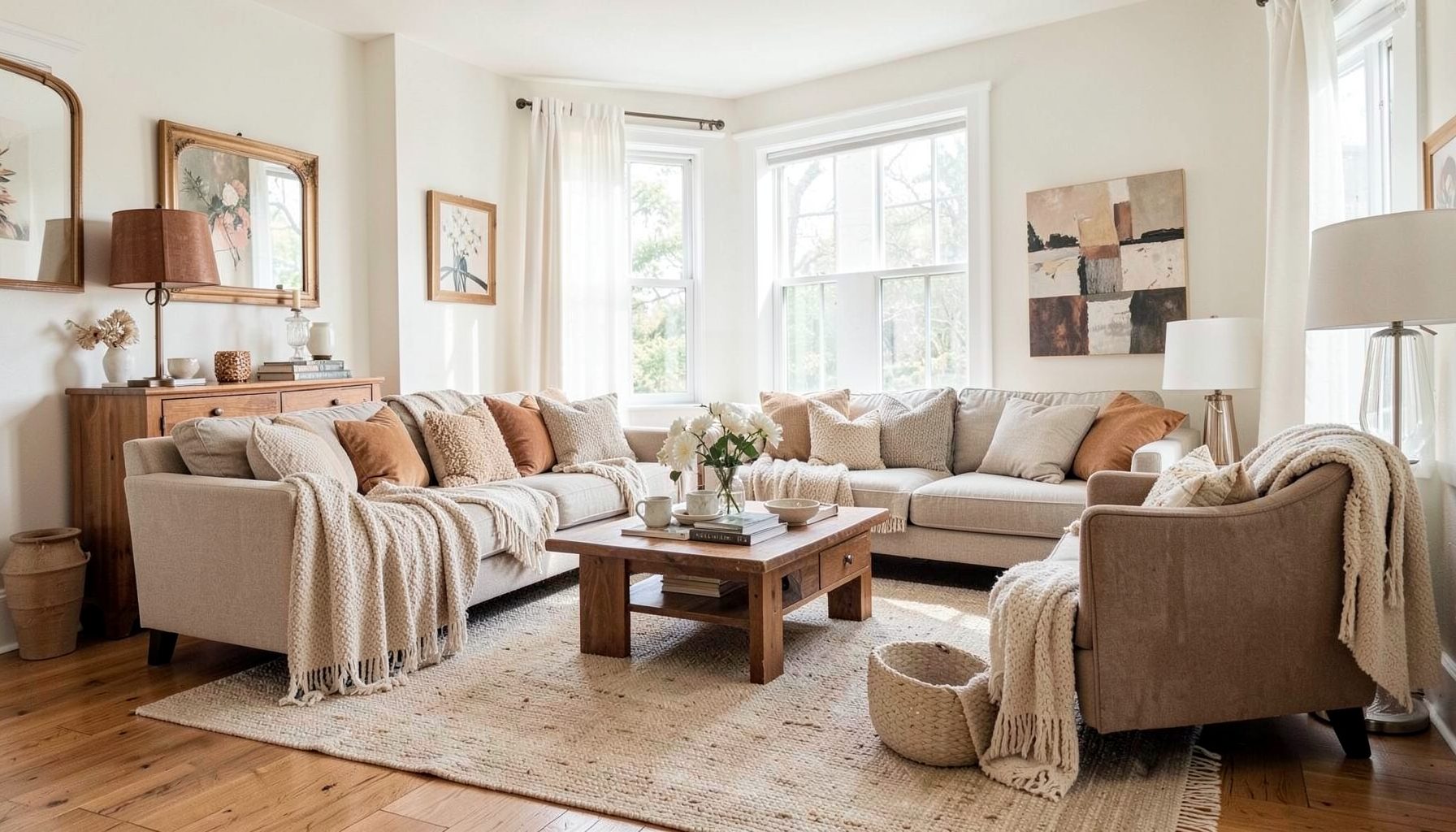
Downloads
Free curated resources for home decorating and design — guides, checklists, and inspiration to help you get started.
Learn MoreHow to Incorporate a Desk into a Living Room Without Feeling Like an Office
As working from home becomes part of everyday life, the living room often has to perform several jobs at once. It may be the place for morning emails, movie nights, weekend guests and the occasional school project. A desk can fit into this shared space beautifully, provided it feels like part of the room rather than an office that happens to contain a sofa.
The key is to treat the workspace as a furniture arrangement, not a separate commercial zone. Scale, texture, lighting and storage all influence whether a desk blends into a layered interior. When these elements relate to the rest of the room, a laptop can sit comfortably beside a vintage lamp, artwork or a well-loved armchair.
Australian homes bring their own considerations. A compact Sydney unit, a Melbourne terrace with narrow rooms, a Brisbane living area that needs to stay cool, and a larger suburban home in Adelaide may each call for a different solution. The most successful desk areas respond to the architecture, the available floor space and the way the household actually lives.
Start With the Room’s Natural Flow
Before buying a desk, look at how people move through the living room. A workspace should not interrupt the path between the entry, kitchen, balcony or hallway. Positioning a desk against a wall is often the simplest solution, but a shallow console-style desk can also sit behind a sofa or beside a window when the room allows it.
Avoid placing the chair where it blocks a door or faces directly into the busiest part of the room. A desk tucked into an unused corner can feel calm and intentional, especially if the chair can be pushed fully underneath it. In a smaller flat, every extra centimetre matters, so measure the desk, chair and clearance needed to sit comfortably before committing to a layout.
Consider what the desk will look like from the sofa. If the back of a monitor, a tangle of cords or a bulky office chair dominates the view, the room will quickly feel work-focused. A side-on position, a low-profile screen or a desk placed within a bookcase can give the living area a more relaxed visual balance.
Choose Furniture That Looks Residential
The desk itself sets the tone. Commercial desks with metal legs, cable trays and large work surfaces can be practical, but they often make a lounge room feel like a corporate workspace. Look for pieces with the character of residential furniture: timber legs, a painted finish, rounded corners, drawers or a surface that resembles a writing table.
A vintage desk, dressing table or compact console can work especially well. An older timber piece adds warmth and makes the workspace feel collected rather than newly installed. In Australia, local vintage shops, estate sales and markets such as Finders Keepers can be useful places to look for a smaller desk with personality. A second-hand piece may also offer better proportions for an older terrace or apartment than a standard office workstation.
The desk does not have to match the coffee table exactly. It should, however, share at least one visual quality with nearby furniture. A walnut desk can relate to timber picture frames, a black finish can echo a floor lamp, and a pale oak surface can sit naturally with a Scandinavian-inspired sofa. These quiet connections make the desk feel like it belongs.
Use Colour and Texture to Soften the Work Zone
Colour is one of the easiest ways to keep a work area from becoming visually dominant. A desk in a tone already present in the room will recede more gently than a bright white or glossy black piece that introduces a completely new finish. This does not mean the workspace has to disappear; it simply needs to participate in the existing palette.
Layer the area with materials that feel comfortable in a living room. A woven desk mat, linen-covered pinboard, ceramic pencil cup, timber tray or small artwork can replace the harder visual language of a conventional office. A fabric-covered chair may be more at home beside a sofa than a task chair with a shiny plastic frame.
A restrained palette is particularly useful in compact Australian living rooms, where a desk may be visible from several angles. Soft neutrals, dusty greens, warm whites and muted terracotta can work with coastal, contemporary or heritage interiors. If the room already has strong colour, repeat one of its deeper shades in a desk lamp, artwork or cushion to create a sense of continuity.
Create a Gentle Boundary Without Closing Off the Room
A living room workspace needs some separation, especially when several people share the space. Full-height partitions can make a room feel smaller, so begin with lighter visual boundaries. A bookcase with open shelves, a large plant, a narrow screen or a change in rug placement can define the desk area without making it feel boxed in.
A desk behind the sofa is an effective arrangement when the room is wide enough. The sofa creates a natural boundary while keeping the workspace connected to the conversation area. A console-height desk can be particularly elegant here, though it should be deep enough for comfortable use and positioned so the chair does not obstruct the main circulation route.
In a rental, the boundary may come from styling rather than construction. Hang a framed artwork above the desk, place a floor lamp beside it and use a small rug to give the area its own identity. Renters in Melbourne or Sydney apartments can achieve a distinct nook without adding built-ins or making permanent changes to the walls.
Plan Storage for the End of the Workday
The fastest way for a living room to look like an office is to leave work equipment in view. A laptop, notebook, chargers, paperwork and headphones can spread across the entire room within minutes. Good storage makes it easier to restore the space when the working day ends.
Choose a desk with drawers, or place a lidded basket underneath for cables and accessories. A nearby sideboard can hold a laptop stand, files and stationery, while a decorative box can conceal smaller items. If the desk is inside a bookcase, use a combination of closed cupboards and open shelves so practical pieces can be hidden while books and objects remain on display.
Cable management deserves attention from the start. Run cords along the rear edge of the desk, secure them with discreet clips and keep the power board off the floor where possible. A small cable box can prevent a cluster of plugs from becoming the first thing you notice. In a home with an NBN modem or other connected equipment nearby, grouping technology inside one considered zone can make the entire room feel calmer.
Make Lighting Work for Both Tasks and Relaxation
Lighting determines whether the workspace feels inviting or overly functional. A desk lamp with a decorative shade or sculptural base can provide task lighting while looking like part of the living room. Brass, ceramic, timber and linen finishes tend to feel more domestic than highly technical work lights.
Place the desk near natural light when possible, but avoid positioning a screen directly in front of a bright window. Glare can make work uncomfortable, while strong western sun can be harsh in the afternoon. In warmer parts of Australia, such as Queensland or Western Australia, window coverings may be important for managing heat as well as brightness.
Use multiple layers after dark. A desk lamp can illuminate the work surface, while a floor lamp or wall light keeps the surrounding room softly lit. This prevents the desk from becoming a bright island in an otherwise dim lounge. Warm bulbs and dimmers help the room transition from working hours to evening downtime without changing the furniture.
Comfort still matters, even when the workspace is designed to look attractive. Choose a chair that supports the way you work, then soften its appearance with upholstery, a cushion or a timber frame. If you work at the desk for long periods, make sure the screen height, seat height and legroom are suitable rather than relying on style alone.
Style the Desk as Part of a Collected Interior
The objects around the desk should tell the same story as the rest of the room. A stack of art books, a framed photograph, a small vase or a sculptural object can make the arrangement feel personal. Keep enough clear surface for practical use, though; a desk that is entirely covered in accessories will become frustrating very quickly.
Plants are useful for softening straight lines and adding life to a workspace. Select a variety suited to the available light and your maintenance habits. In a bright living room, a small olive tree, trailing plant or architectural indoor plant may provide height and texture. Avoid placing delicate pieces where they could be knocked by a chair or damaged by direct afternoon sun.
Artwork can make the greatest difference. Rather than choosing generic motivational prints, use something with a relationship to the home: an abstract work in the room’s colours, a vintage botanical print, a family photograph or a small piece collected while travelling. This approach supports the layered, personal quality of a room that combines old and new furnishings.
The desk area should also reflect the room’s level of formality. A relaxed coastal home may suit rattan, pale timber and woven baskets, while a more traditional home could take a dark timber writing desk and an antique lamp. The aim is a workspace that looks as though it evolved with the room, rather than arriving as a separate package.
Adapt the Workspace to Your Home and Routine
The best arrangement depends on how often the desk is used. For occasional laptop work, a narrow writing desk may be enough. If the space needs to support video calls, study or a full working day, allow for a larger surface, comfortable seating and storage that can handle daily equipment. Be realistic about whether the desk needs to disappear completely or simply become less prominent at night.
In a small unit, consider a fold-down desk, wall-mounted shelf or a desk incorporated into a media cabinet. In a larger home, a desk may fit beside a fireplace, beneath a staircase or between built-in bookcases. A home office nook does not need to be large to feel purposeful; it needs a clear function and an arrangement that respects the room around it.
Australian furniture dimensions and availability can vary, so check measurements carefully rather than assuming an imported image will translate directly to your home. A compact desk that suits a terrace in inner Melbourne may be a better choice than a wide executive design, while a breezy Queensland living room may benefit from light finishes and breathable upholstery. Retailers such as Jardan, Freedom and IKEA offer different levels of price and customisation, while local makers can help when an unusual size is required.
Think about the household’s habits as well. If children use the desk, include a drawer or basket for school supplies. If the living room doubles as a guest space, choose a chair that can move easily. If you take calls throughout the day, orient the background so it shows a composed section of the room rather than a pile of household clutter.
A desk can become one of the most thoughtful elements in a living room when it is selected with the same care as the sofa, rug and lighting. The right proportions protect the room’s circulation, residential materials keep the mood relaxed, and considered storage allows the workspace to close down at the end of the day.
Begin by measuring the wall, corner or sofa-back area you are considering, including the space needed for the chair, and write down the maximum desk width and depth before looking for a piece.

Recent Projects