Interior Design
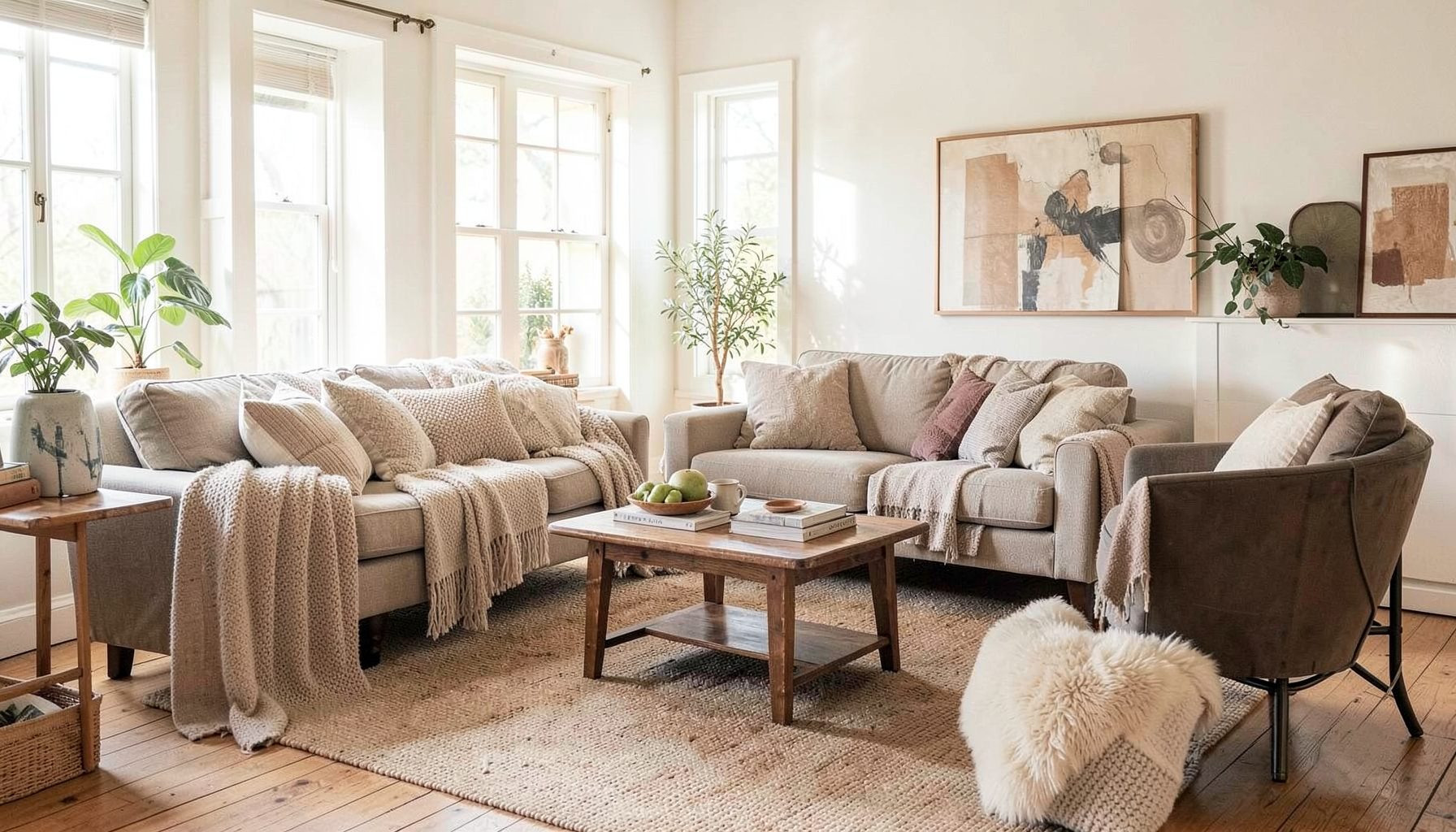
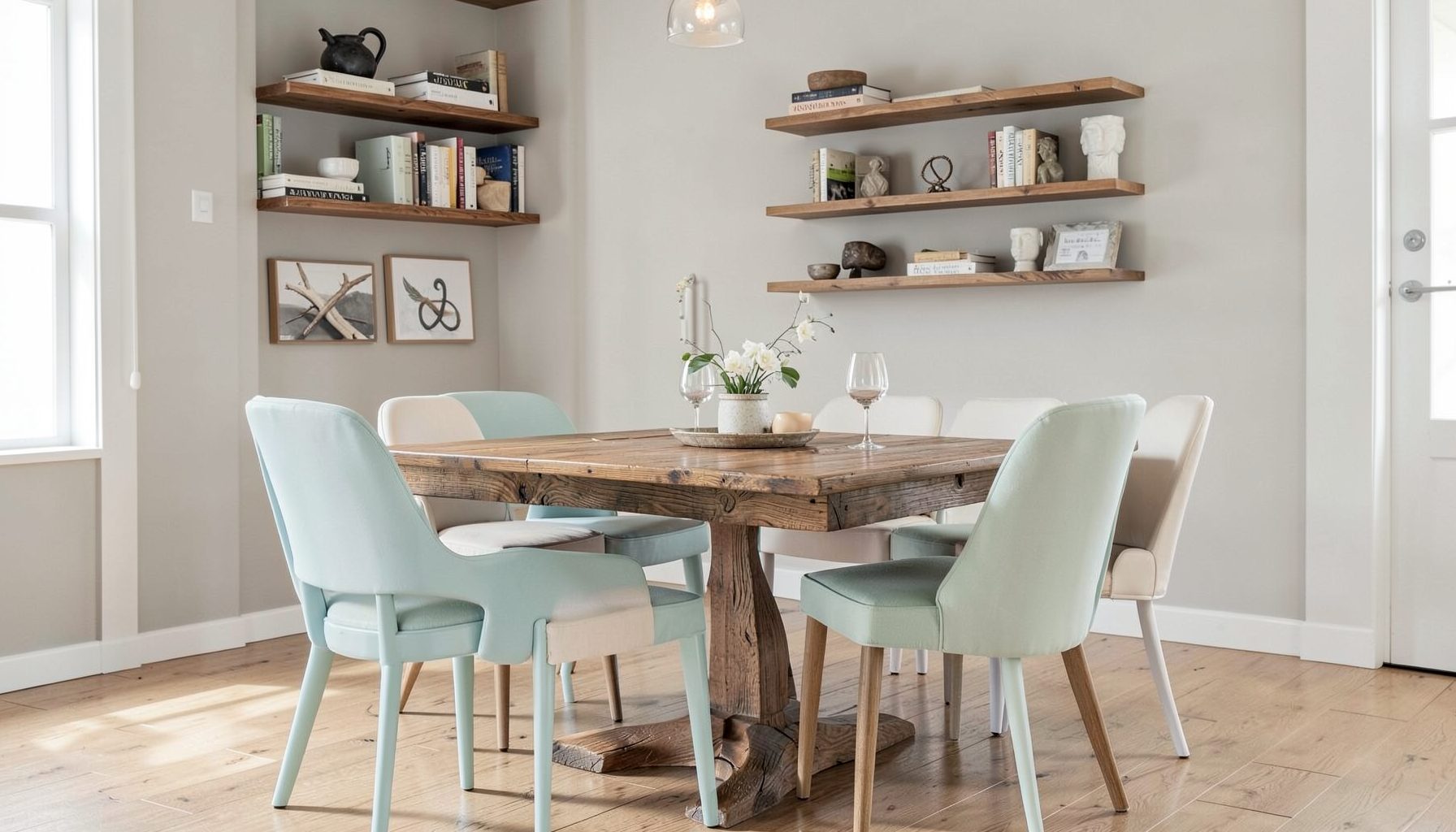
Full-service decorating that blends high and low, vintage finds with modern pieces for spaces that feel personal and collected.
Learn More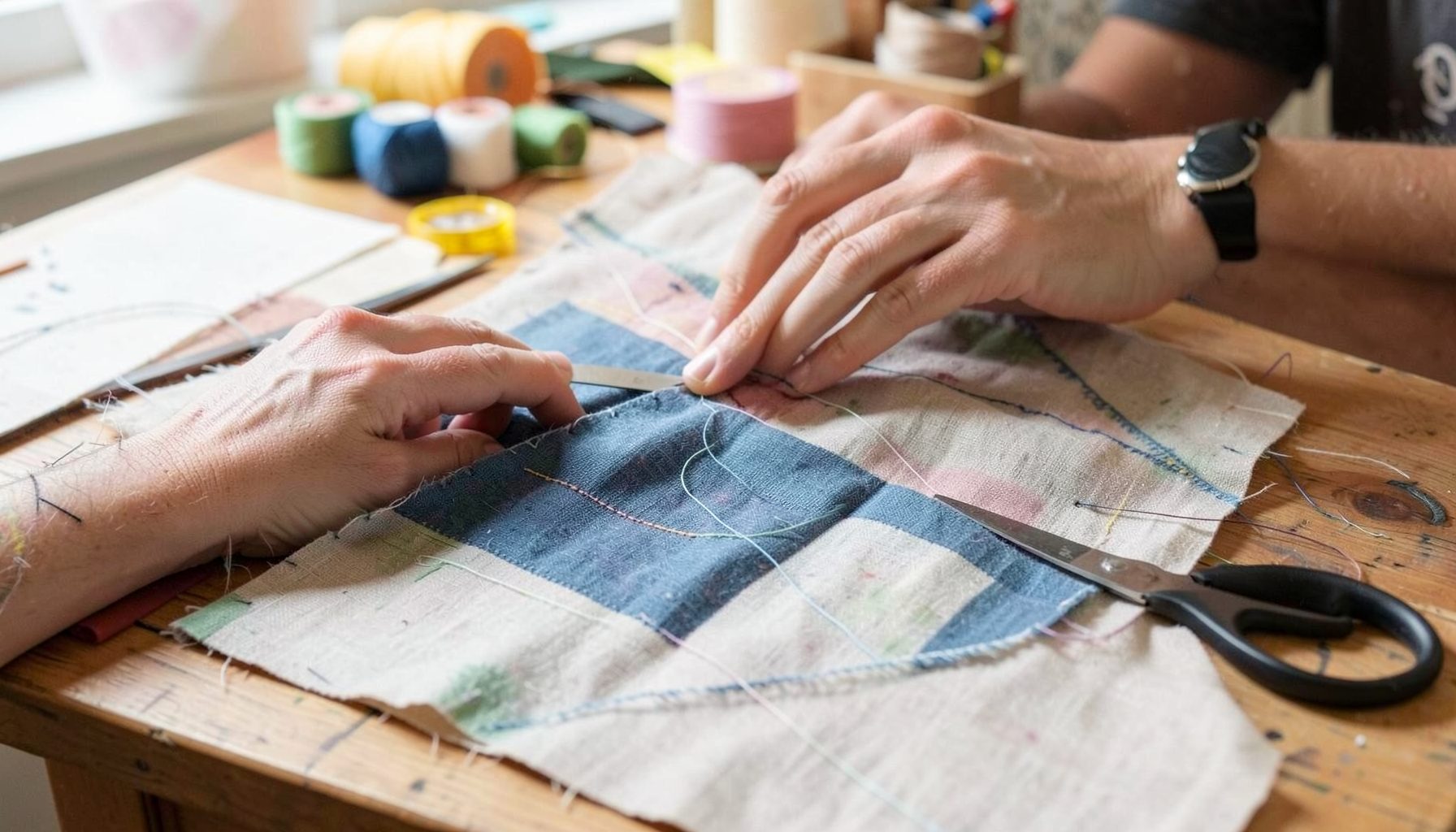
DIY Projects
Step-by-step tutorials for refinishing furniture, sewing pillows, styling bookshelves, and transforming rooms on a budget.
Learn More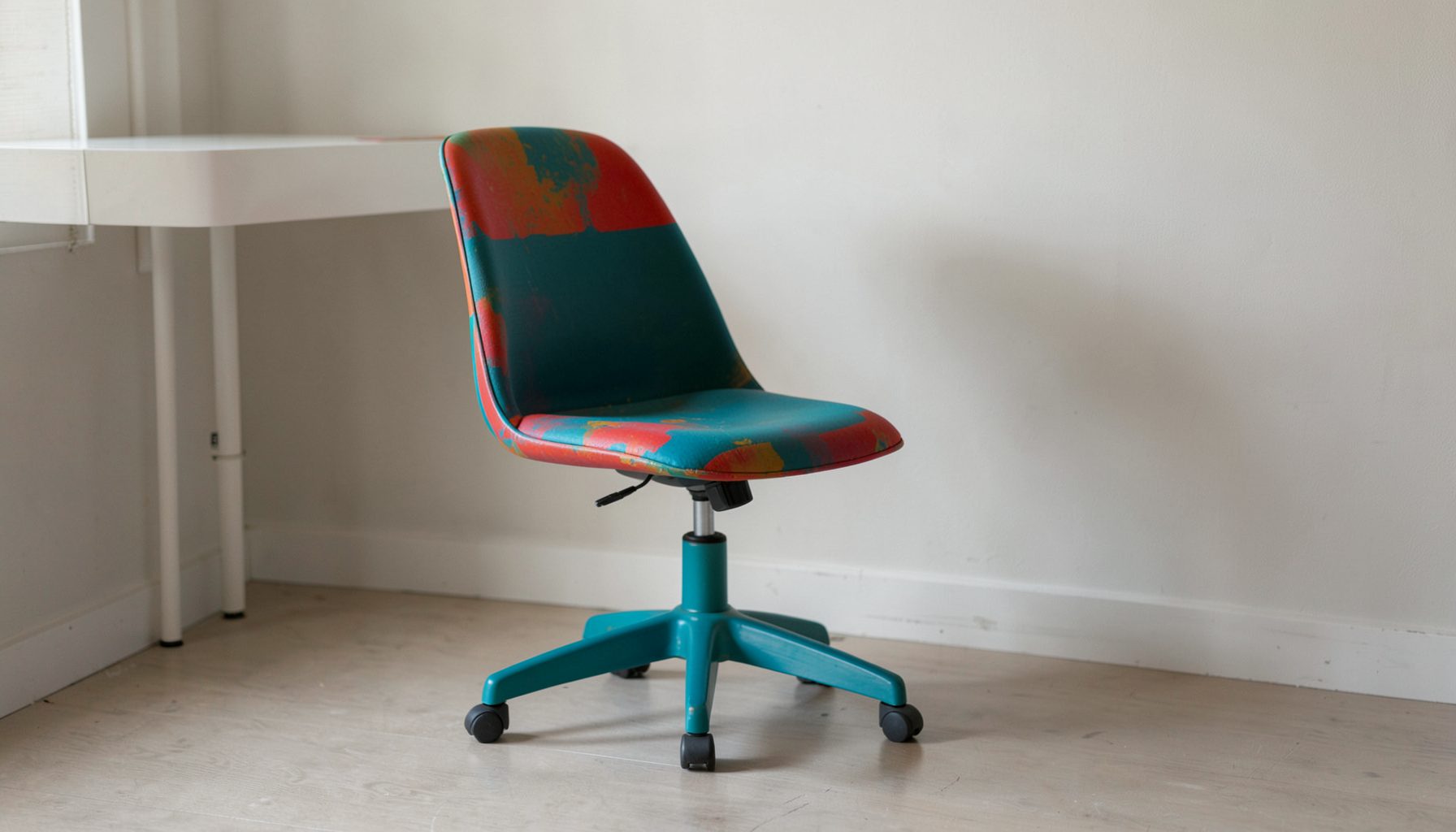
E-Decorating
Personalized design guidance delivered online — perfect for clients anywhere in the world who want a professional eye.
Learn More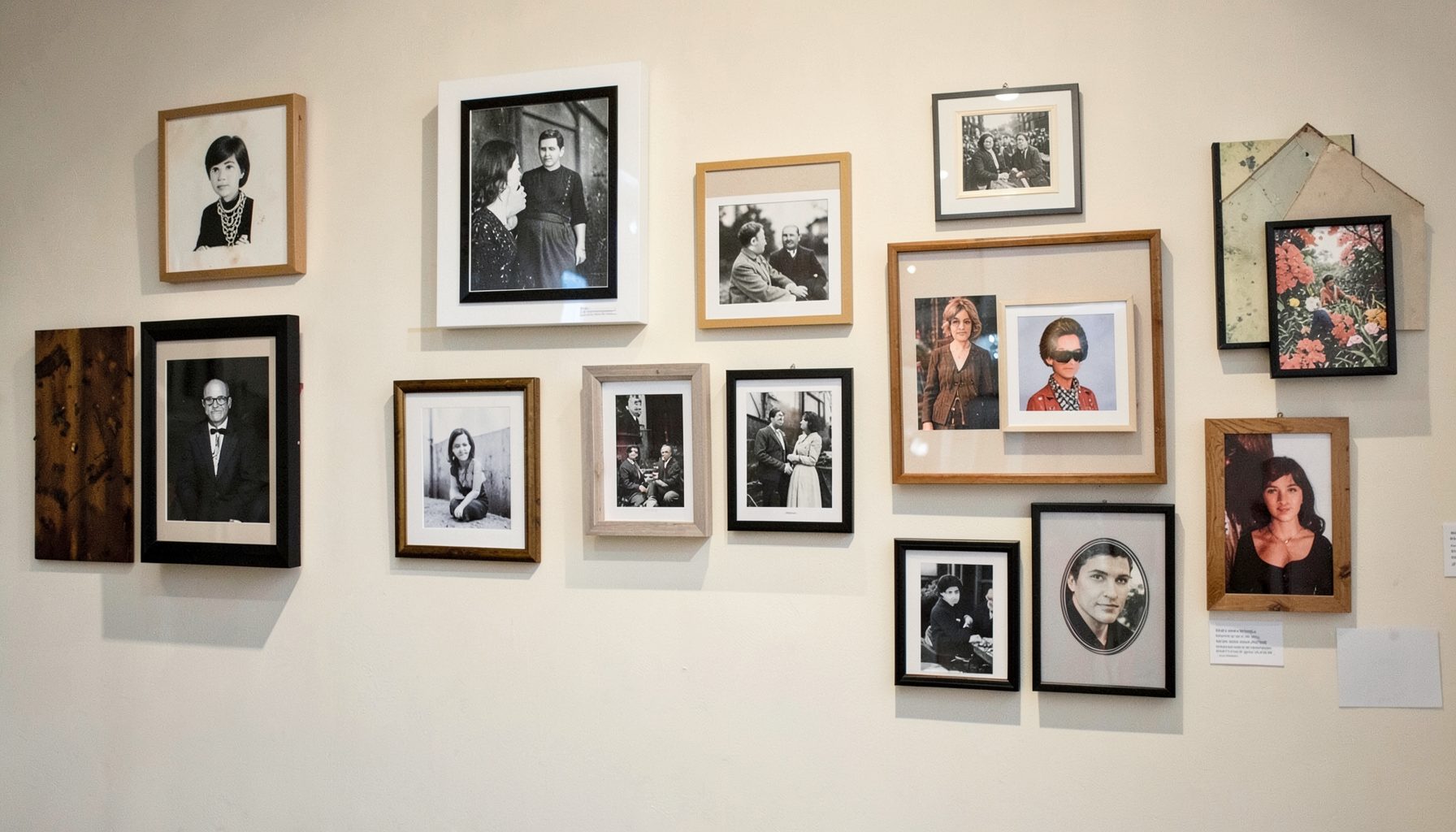
Portfolio
Browse completed room makeovers, before-and-after transformations, and styling projects from Bay Area homes.
Learn More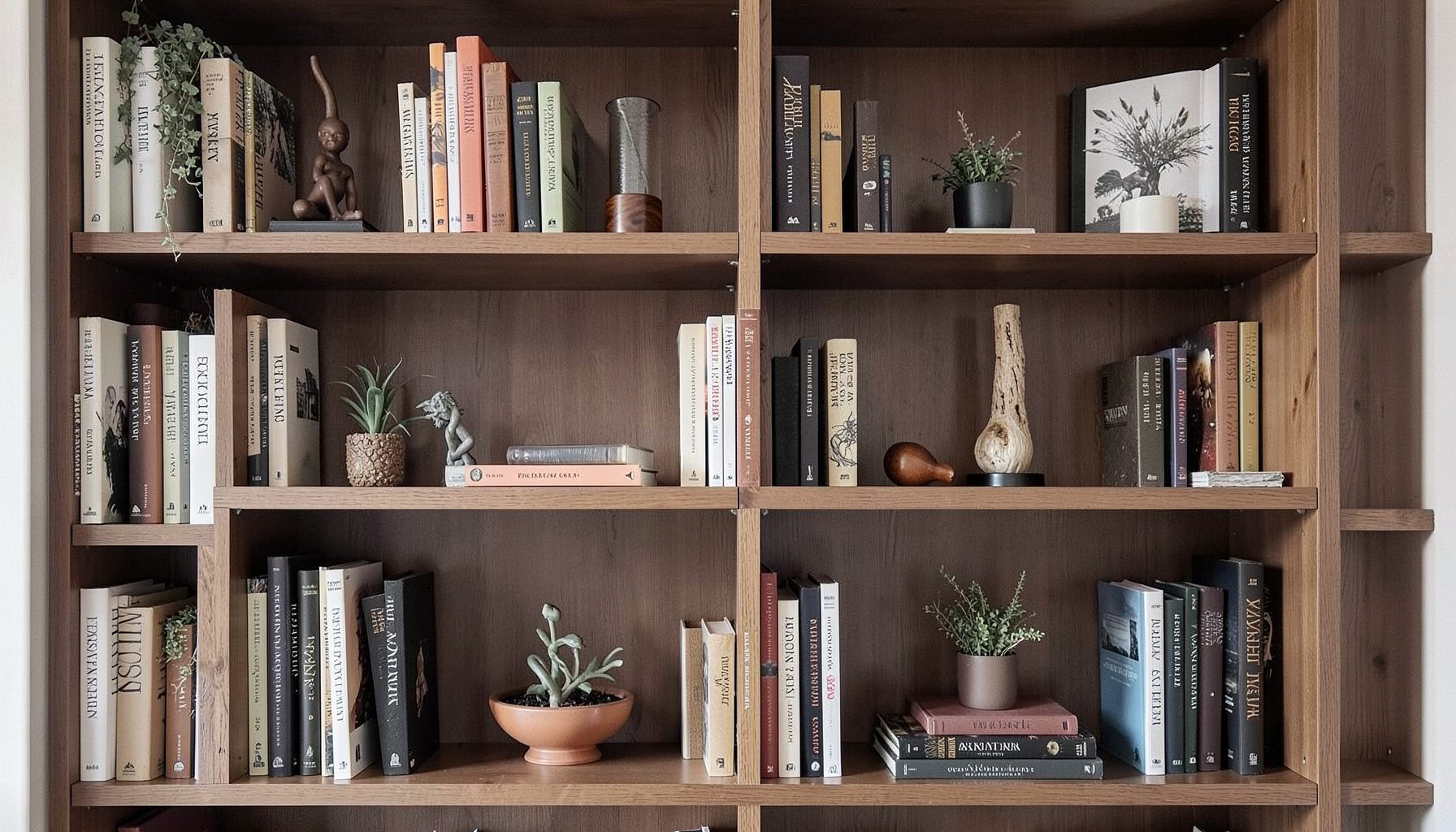
Blog
Interior design inspiration, fashion finds, entertaining ideas, and peeks into real home renovations and styling projects.
Learn More
Downloads
Free curated resources for home decorating and design — guides, checklists, and inspiration to help you get started.
Learn MoreHow to Decorate a Home Office That Inspires Productivity
A home office should support the way you actually work, whether your day involves video calls, creative projects, focused writing, or a mix of household and professional responsibilities. The most productive workspace is rarely a sterile room filled with matching office furniture. It is a thoughtful environment that makes it easier to begin, concentrate, organize, and finish.
Good office design balances function with atmosphere. A supportive chair, practical storage, and suitable lighting create the foundation, while color, texture, artwork, and personal objects give the room character. When these elements work together, the space can feel polished and inviting without losing its purpose.
The best approach is to create a layered home office that reflects your taste and accommodates your routines. Vintage accents can soften modern pieces, budget-friendly finds can sit comfortably beside investment furnishings, and a few meaningful details can make the room feel distinctly yours.
Define How The Room Needs To Work
Before choosing paint colors or desk accessories, identify the activities the room must accommodate. A person who works primarily on a laptop has different needs from someone who sketches, manages paperwork, records content, or hosts frequent virtual meetings. Write down the tasks you perform most often and use them to guide the layout.
Consider whether the room needs a large work surface, a secondary table, filing space, open shelving, or a comfortable reading chair. If you occasionally meet with clients or colleagues, leave enough visual and physical breathing room for conversation. If the office doubles as a guest room, plan furniture that can shift roles without making the space feel crowded.
Measure the room, door swings, windows, and available wall space before shopping. A scaled floor plan, even a simple one, helps prevent common mistakes such as selecting a desk that blocks natural light or placing shelving where drawers cannot open fully. Keep the primary walkway clear and position the desk so the room feels intentional when viewed from the doorway.
Choose A Desk And Chair With Care
The desk is the anchor of a work-from-home setup, so its size should match your workflow rather than the room’s style alone. A writing desk may be enough for a laptop, while a wider workstation can accommodate a monitor, notebooks, samples, and a lamp. Built-in cabinetry offers an efficient solution in a small office, while a vintage table can bring warmth and individuality to a larger one.
Desk height matters for comfort. Your forearms should rest naturally when you type, with your shoulders relaxed and your feet supported. If several people use the office, an adjustable-height desk can make the room more flexible. Cable management should be considered early; hidden power strips, cable trays, and clips keep the work surface visually calm.
A supportive ergonomic chair does not have to look clinical. Look for lumbar support, adjustable height, and a seat that allows you to sit comfortably for extended periods. Upholstered dining chairs, vintage office chairs, and tailored task chairs can all work when they provide appropriate support. Add a small footrest or lumbar cushion if needed, and choose a finish that complements the rest of the room.
Use Light And Color To Shape Focus
Natural light can improve the feeling of a home office, but glare on a screen quickly becomes distracting. Place the desk perpendicular to a window when possible, allowing daylight to illuminate the workspace without shining directly into your eyes or monitor. Sheer curtains, woven shades, or adjustable blinds can soften strong afternoon sun while preserving brightness.
Layered lighting makes the room useful throughout the day. Combine ambient illumination from a ceiling fixture with task lighting at the desk and accent lighting on a shelf or side table. A lamp with a warm, diffused bulb can make evening work feel more comfortable. If you use video conferencing, place a soft light in front of you rather than directly overhead to create a more flattering, even appearance.
Color can influence energy and concentration, though personal response matters more than rigid design rules. Soft greens, muted blues, warm whites, and earthy neutrals can create a grounded backdrop. Terracotta, ochre, or deep olive accents add character without overwhelming the room. If you prefer a dramatic office, use a saturated wall color with lighter furnishings and reflective finishes to maintain balance.
| Design Element | Productive Choice | Style Opportunity |
|---|---|---|
| Desk | A size that supports your daily tasks | Vintage wood, painted finish, or streamlined modern form |
| Chair | Adjustable height and reliable lumbar support | Upholstered fabric, leather, or a sculptural silhouette |
| Lighting | Ambient, task, and accent layers | Decorative pendant, ceramic lamp, or aged metal fixture |
| Storage | Closed organization for supplies and open display for favorites | Baskets, built-ins, bookcases, or antique cabinets |
| Wall treatment | A calm color or subtle pattern | Paint, wallpaper, framed art, or a gallery arrangement |
| Accessories | A limited group of useful and meaningful objects | Ceramics, collected books, textiles, and personal mementos |
Build Storage That Reduces Visual Noise
Clutter creates friction, especially when every unfinished task remains in view. Effective office organization gives papers, technology, stationery, and supplies a designated home. Closed drawers and cabinets are useful for items that do not need to be accessed constantly, while open shelving can display books, artwork, and attractive containers.
Use vertical space in a compact room. Tall bookcases, wall-mounted cabinets, peg rails, and floating shelves can hold essentials without taking over the floor area. Keep the most frequently used supplies within easy reach and place occasional items higher or farther away. This simple arrangement saves time and prevents the desk from becoming a catchall.
Storage should contribute to the room’s visual language. Woven baskets bring softness to a modern office, painted cabinetry adds personality, and a vintage dresser can serve as a distinctive filing unit. Group similar objects together, leave some shelf space empty, and vary the height of books and accessories. A restrained arrangement feels more collected than a perfectly symmetrical display.
Create a small reset routine at the end of the workday. Return notebooks to one place, clear unnecessary cups and papers, and prepare the surface for the next morning. This habit turns organization into a practical part of the design rather than an occasional rescue mission.
Add Personality Without Creating Distraction
An inspiring office should contain visual interest, yet every object does not need to compete for attention. Begin with pieces that have meaning or provide genuine usefulness: a framed print, a favorite photograph, a handmade bowl, a collection of design books, or a textile that brings in pattern. These details make the room feel lived in and can provide a welcome mental shift during a demanding day.
Artwork can help establish the emotional tone of the workspace. Choose one larger piece for a strong focal point or create a gallery wall with varied frames for a more collected look. Place artwork where it can be enjoyed during breaks, while keeping the area directly in front of your screen relatively quiet. A pinboard can combine function and beauty when it holds a curated selection instead of every loose note.
Plants bring color, texture, and a sense of vitality to a home office. Select varieties according to the room’s light and your willingness to maintain them. A substantial plant can soften an empty corner, while a small potted herb or trailing plant can enliven a shelf. Natural materials such as wood, rattan, linen, wool, and ceramic add warmth and help prevent a workspace from feeling overly technical.
Personal style is easier to express when the room evolves over time. Mixing contemporary pieces with vintage finds often creates more depth than buying an entire matching collection. For additional perspective on how a thoughtful design process can translate into real homes, explore these client design experiences for inspiration.
Make Comfort And Technology Work Together
A beautiful office still needs to support your body and your devices. Position your monitor so the top of the screen sits near eye level, and keep it far enough away to avoid leaning forward. A laptop stand paired with a separate keyboard and mouse can significantly improve posture. If you use multiple screens, arrange them so you can view them without repeatedly twisting your neck.
Pay attention to sound, temperature, and air quality. A rug can reduce echoes and define the work zone, while curtains and upholstered furniture help absorb noise. If the room becomes stuffy, improve ventilation or add an air-purifying plant. A small fan, discreet heating solution, or comfortable throw can help maintain a steady environment without distracting from the overall design.
Keep technology visually contained where possible. Route cords along the back of the desk, conceal routers in ventilated baskets, and use a charging station rather than scattering cables across several surfaces. Choose desk accessories in a consistent palette so practical items appear intentional. Even small changes, such as matching file boxes or a refined pencil cup, can make the workspace feel more composed.
Practical Details That Make Work Easier
- Place a small wastebasket and paper recycling bin within easy reach of the desk.
- Use a desk mat to protect the surface and visually define the primary work area.
- Keep a water carafe, coaster, and snack dish nearby to reduce unnecessary interruptions.
- Add a clock, planner, or analog timer if you want gentle structure without checking your phone.
- Reserve one drawer or basket for unfinished tasks so they remain contained after work hours.
Create A Room That Supports Your Routine
Productivity is shaped by habits as much as furniture. Design the office around the rhythm of your day: bright and energizing for early work, calm and focused for long stretches, or flexible enough for creative transitions. A small lounge chair can provide a place to review documents away from the screen, while a standing surface can encourage movement during phone calls.
Use visual cues to separate work time from personal time. A door that closes, a curtain that draws across an alcove, or a desk positioned away from household traffic can create a stronger boundary. In an open-plan home, a rug, bookcase, or painted niche can establish a defined office zone without requiring construction.
Leave room for the design to change. Your work may become more collaborative, your equipment may expand, or your storage needs may shift. Select adaptable pieces, preserve some empty space, and avoid filling every wall immediately. A flexible office remains useful longer and allows new discoveries to become part of the room.
A productive home office should feel inviting when you enter and orderly when you leave. Start with the desk placement and lighting, solve storage based on real habits, then layer in color, artwork, textiles, and objects that make the space personal. Thoughtful editing will keep the room focused while giving it the warmth of a well-loved interior.
Bring your workspace into alignment with the way you live and work. Whether you are refreshing one corner or planning a complete room makeover, a considered combination of layout, furnishings, and finishing details can turn an ordinary office into a place that supports clear thinking and satisfying progress. Explore Maggie Rose Interiors’ design services and begin shaping a home office with purpose and personality.

Recent Projects