Interior Design
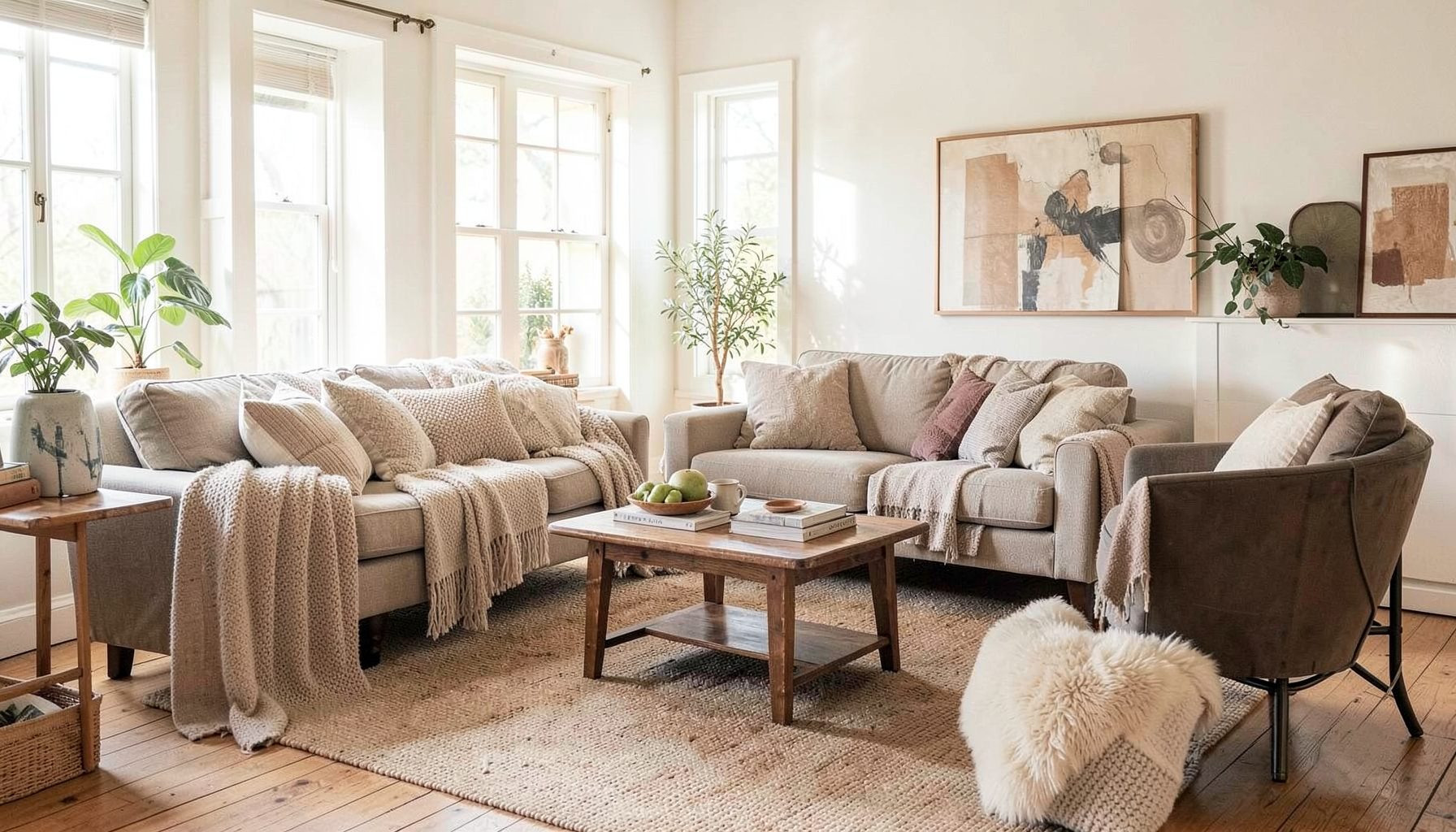
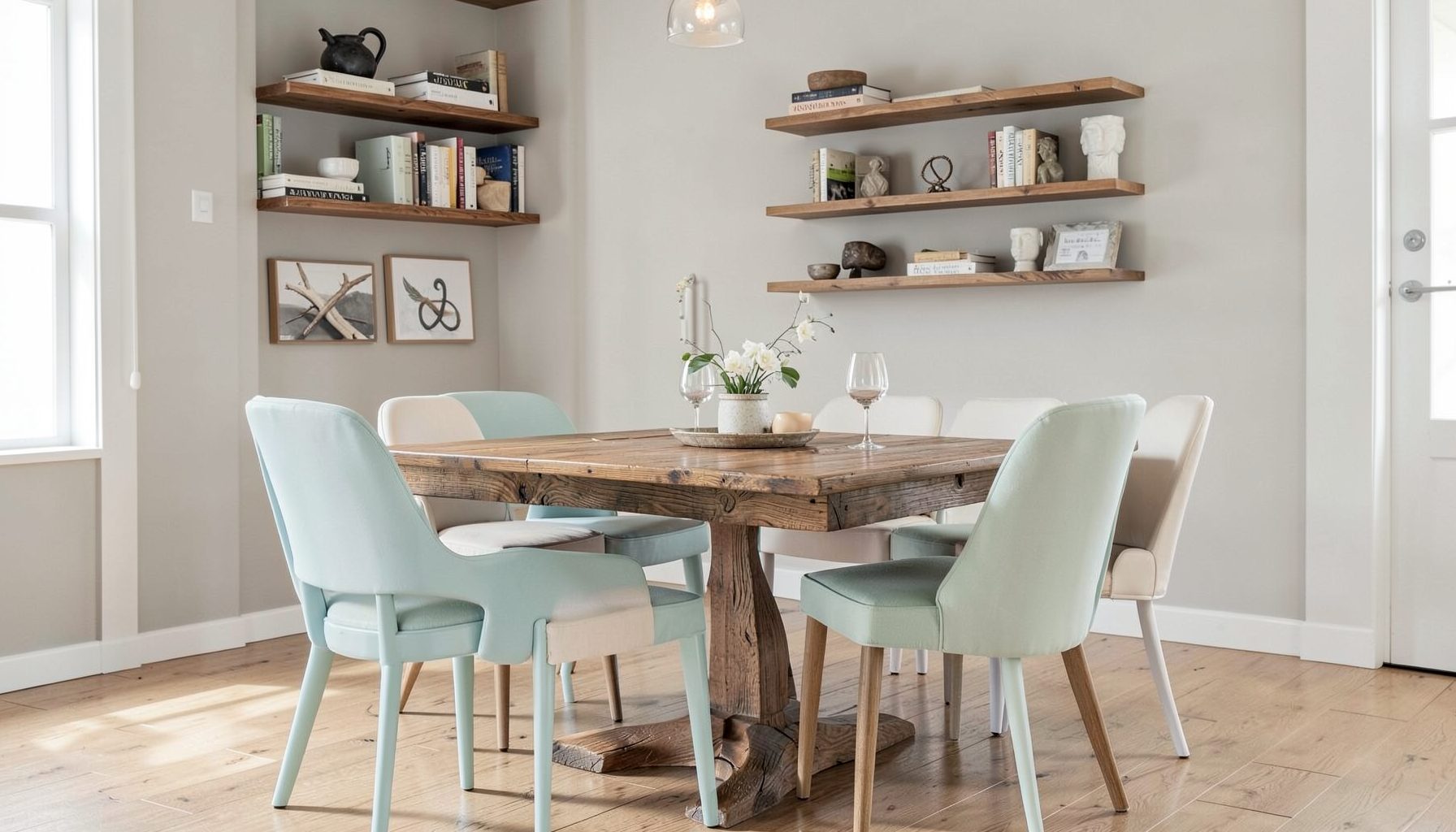
Full-service decorating that blends high and low, vintage finds with modern pieces for spaces that feel personal and collected.
Learn More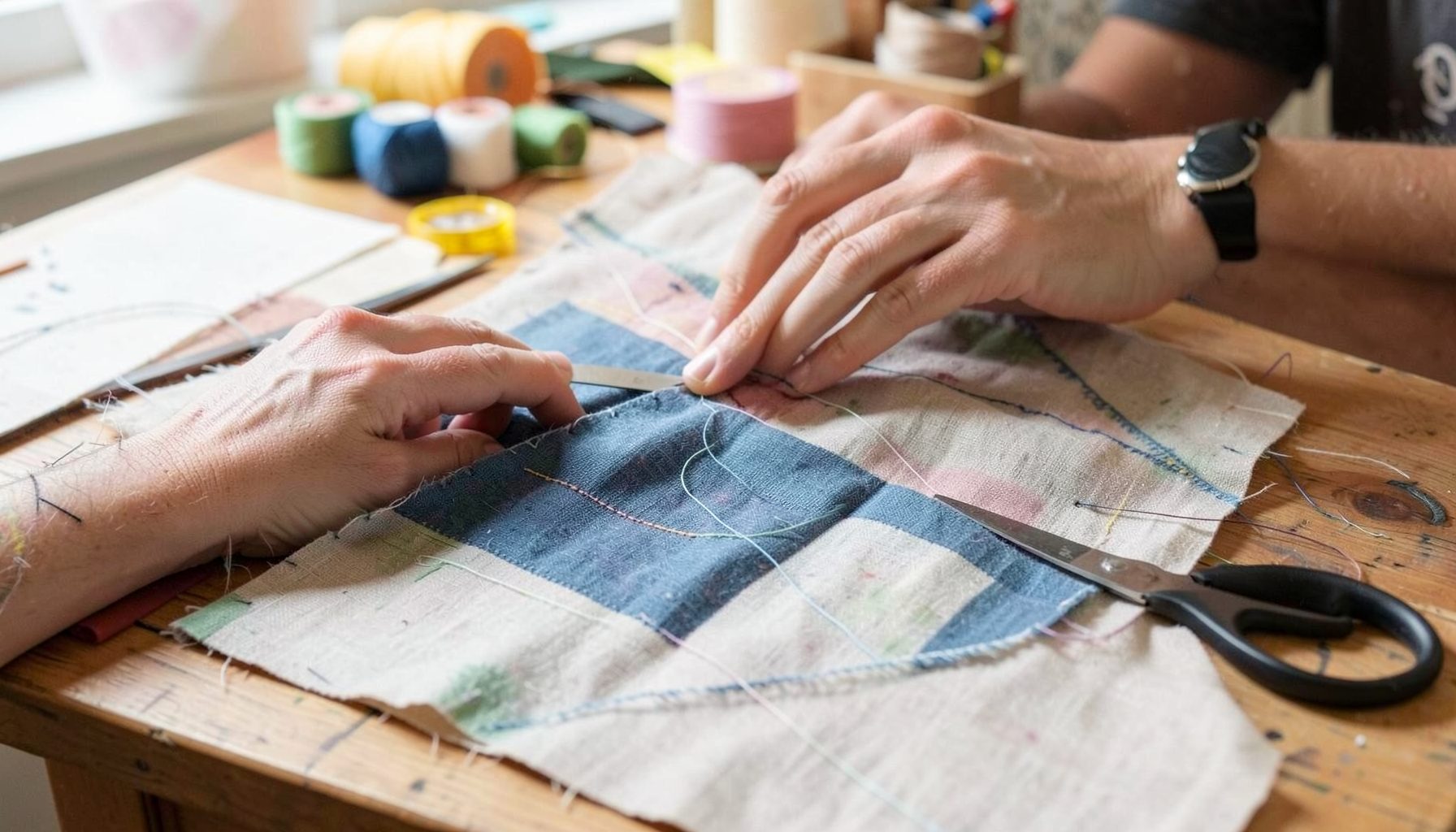
DIY Projects
Step-by-step tutorials for refinishing furniture, sewing pillows, styling bookshelves, and transforming rooms on a budget.
Learn More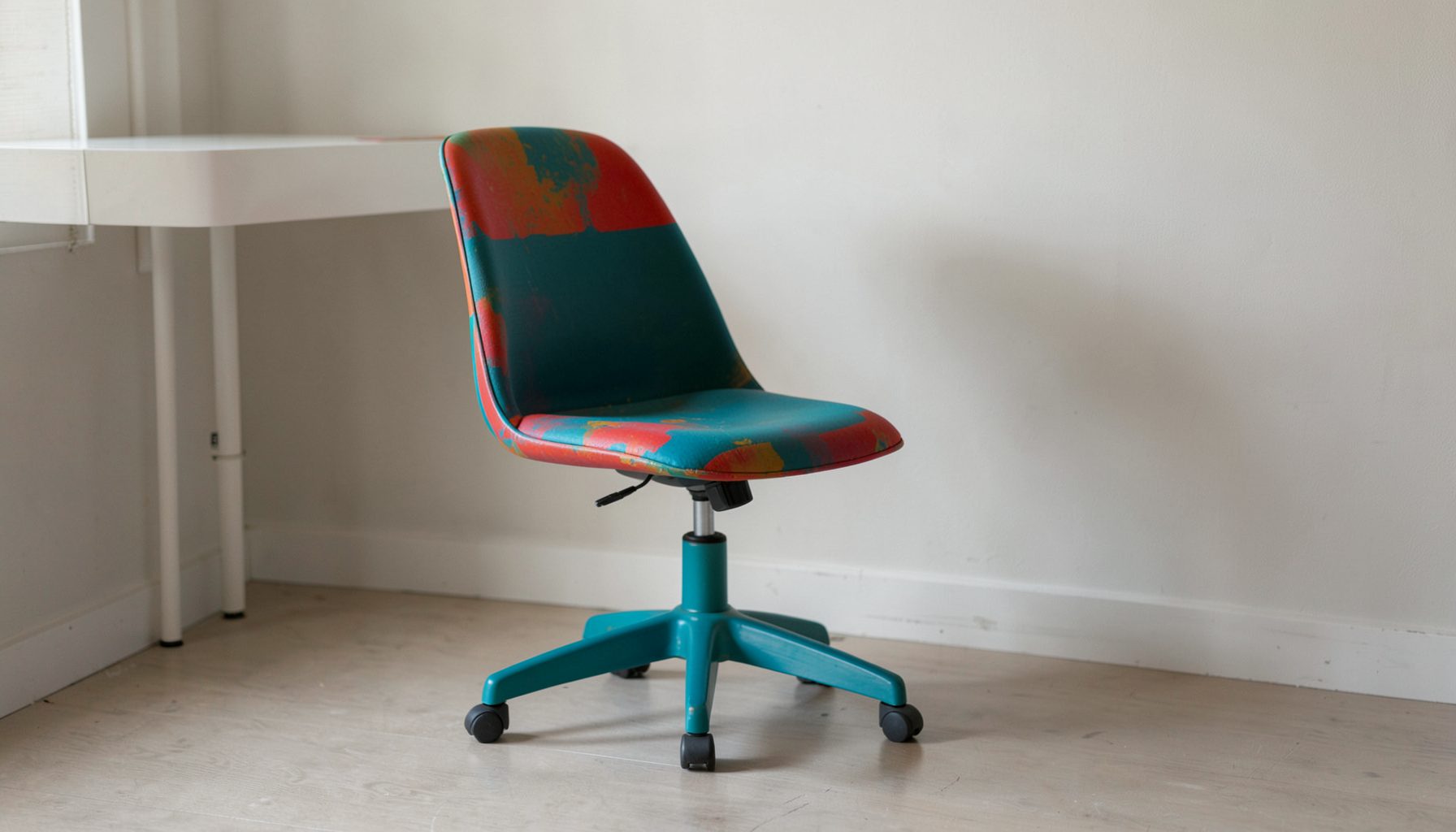
E-Decorating
Personalized design guidance delivered online — perfect for clients anywhere in the world who want a professional eye.
Learn More
Portfolio
Browse completed room makeovers, before-and-after transformations, and styling projects from Bay Area homes.
Learn More
Blog
Interior design inspiration, fashion finds, entertaining ideas, and peeks into real home renovations and styling projects.
Learn More
Downloads
Free curated resources for home decorating and design — guides, checklists, and inspiration to help you get started.
Learn MoreA Salvaged Door or Vintage Textile as Your Next Headboard
A headboard does more than prop up pillows. It anchors the bed, sets the tone for the bedroom, and signals the kind of room you actually want to sleep in. Off-the-shelf options from big-box retailers tend to look exactly like that, which is why so many Australians are turning to salvage yards, kerbside collections, and op shops for materials with a story.
Upcycling has moved well past small craft projects. A weathered door from a 1920s Federation cottage or a length of hand-loomed textile salvaged from a market in Fitzroy can become a one-of-a-kind headboard for a fraction of a designer piece. The appeal is practical as well as aesthetic: a custom-sized focal point, materials kept out of landfill, and a result that genuinely reflects the person sleeping beneath it.
Two paths work best. The first uses a solid timber door, mounted flat against the wall or trimmed into a freestanding panel. The second uses a vintage textile stretched over foam and plywood, as an upholsterer would approach a headboard but with fabric that already carries decades of character. Both suit the Australian climate and the layered, collected look that defines interiors from Paddington terraces to Byron Bay beach houses.
What follows is a practical walk-through of both projects, with notes on sourcing, preparation, and mounting that keeps the finished piece steady through Brisbane summers, Hobart winters, and everything in between.
Finding the right materials in Australia
Old doors turn up in surprising places. Gumtree and Facebook Marketplace are reliable starting points in the larger capitals, where demolitions, renovations, and estate clearances happen week in, week out. Search for "reclaimed door" or the names of specific eras - Federation, mid-century, art deco - to narrow the results. Architectural salvage yards in Sydney, Melbourne, Adelaide, and Perth usually hold a rotating stock worth inspecting in person.
Council hard-rubbish collections are an underrated source. Most metropolitan councils, from the City of Sydney to the City of Port Phillip, run scheduled kerbside pickups two to four times a year. A walk down the street on collection morning can turn up solid timber doors other households no longer want. Check your local council's website for exact dates, and never remove items from someone else's verge without asking.
For textile projects, op shops such as Salvos Stores, Vinnies, and the Red Cross shops along Crown Street in Surry Hills and Brunswick Street in Fitzroy often stock vintage curtains, tablecloths, and fabric offcuts for a few dollars a metre. Look for hand-loomed Indian runners, French linen sheets, embroidered Suzani panels, and old Australian wool blankets. Strong pattern and visible wear become features, not flaws, once stretched across a headboard.
Matching era and style to your home
Before any cutting or sanding, hold the door or textile up in the actual room and against the wall where it will live. Federation-cottage doors suit rooms of similar proportions: high ceilings, deep skirtings, a fireplace nearby. A four-panel door in silky oak or cedar reads as period-correct in a Brisbane Queenslander, where original joinery is part of the home's character.
Mid-century teak and tasmanian oak panels pair naturally with post-war brick homes around Adelaide's inner suburbs and Perth's inner south. Their cleaner lines suit ceiling heights of around 2.7 metres. Heavily carved doors can overwhelm a small room, while slim, flush panels can disappear behind a tall bed.
For textiles, weigh the room's existing palette. A richly coloured kilim or Suzani works as the dominant pattern in a quiet bedroom, while a faded French linen sheet or grain sack reads better when paired with bolder soft furnishings. Lay swatches on the floor and live with the combination for a day before committing.
Preparing a salvaged door for the wall
Start by removing every piece of hardware: hinges, handles, locks, and the strike plate. Old screws often snap rather than unscrew, so keep locking pliers on hand and be prepared to drill out stubborn fixings. Pack any salvageable brass into a labelled bag for later projects.
Decide whether to keep the existing finish or strip it back. Paint that has flaked or been layered over many times usually benefits from removal, particularly if the timber grain is worth revealing. A heat gun and sharp scraper work well on thick old paint, though lead-based coatings were common in homes built before 1970, so wear a proper respirator and wet-sand rather than dry-sand if the door is genuinely vintage. Alternatively, a coat of chalk paint or tinted wood oil can pull the look together without erasing the patina.
Sand smooth with 120-grit paper, finishing with 220-grit on any surface touched daily. Vacuum the dust, then seal the timber. In coastal suburbs and anywhere in Queensland north of the Sunshine Coast, humidity swings cause untreated timber to cup. A penetrating hard wax oil or marine-grade sealer from Bunnings Warehouse will keep the panel stable through wet season and the dry spells that follow.
Working with vintage textiles safely
Vintage fabric needs more care than new bolt cloth. Antique textiles may carry moth, dust, or mould residue, particularly after years folded in a cupboard. Before cutting, vacuum both sides through a fine mesh, then air the fabric outside on a dry, breezy day. If smells persist, a light mist of white vinegar and water, followed by full drying in indirect sunlight, usually does the trick without damaging natural fibres.
Fragile pieces benefit from a backing of lightweight interfacing or calico before upholstering. Fusible interfacing from Spotlight or Lincraft stabilises loose weaves and stops decorative stitching from pulling apart under tension. Trim loose threads, but resist washing antique embroidered panels: old dyes may bleed and hand-work can unravel in the machine.
Plan the layout before cutting. Centre any pattern, align motifs with the top edge, and remember that symmetry usually reads better than an off-centre crop when the headboard frames the bed. Cut the textile roughly fifteen centimetres larger than the foam-and-plywood panel on every side to allow for wrapping and stapling.
Mounting hardware and structural considerations
A full-sized timber door headboard is heavy, often forty kilograms or more once sealed, so mounting matters. The most reliable method is a French cleat: two interlocking aluminium or timber strips, one fixed to the wall and the other to the back of the door, that lock together under the door's weight. Bunnings stocks cleats rated for different loads, with a pair rated to sixty kilograms appropriate for most internal doors.
Wall type determines fastener choice. Plasterboard walls in post-war fibro homes and newer apartments need heavy-duty hollow-wall anchors or, ideally, a fixing into the timber studs behind. Brick walls common in Sydney terraces and inner-Melbourne Victorian cottages accept masonry screws directly. A stud finder and a decent drill are worth the investment; the cost is small compared with the inconvenience of a headboard crashing down at 2 a.m.
Height is a matter of taste, but a useful rule is to align the bottom of the headboard with the top of the mattress or slightly above. Position the French cleat so the door hangs at the desired height, then check with a spirit level before tightening fully. If the headboard will sit behind a divan base, allow clearance so the door does not press against the mattress.
Upholstering a fabric headboard
Build the panel from a sheet of plywood cut to the desired size, typically matching the mattress width plus ten to fifteen centimetres on each side. Add a layer of upholstery foam - 50 mm density from a foam supplier is a comfortable starting point - and a top layer of polyester batting to soften the edges and round the corners.
Lay the textile face down on a clean floor, centre the foam-and-plywood panel on top, then pull the fabric up and over the edges. Staple the centre of each side first, working from the middle outwards to keep tension even. Stretch firmly but not so aggressively that the pattern distorts. Trim excess fabric at the corners, fold them neatly, and staple again.
Finish the back with a length of black calico stapled across the rear of the panel to hide the workings and stop dust settling into the foam. A row of decorative nails along the outer edge adds a tailored touch and covers the staple line on the front. Mounting is identical to the door version, with a French cleat fixed into studs or masonry and the panel hanging from matching cleat hardware on the back.
Finishing, styling, and climate notes
Once the headboard is mounted, style the bed to suit. Layered linen bedding in neutral tones lets a patterned textile shine; a plain linen cover in oat or clay is the understated base many Australian interior designers reach for. Add a couple of vintage cushions, a wool throw folded at the foot, and a bedside lamp with a warm bulb to complete the look.
Bear in mind how the room breathes. Bedrooms in Darwin, Cairns, and along the humid Queensland coast can sit at high humidity for months, which makes breathable natural fibres the smarter choice for anything upholstered. Synthetic backings trap moisture and can develop mildew. In cooler regions such as Hobart or the Adelaide Hills, denser wool textiles and heavier timbers add welcome warmth to a winter bedroom.
For households with original features - decorative cornices, fireplaces, leadlight windows - keep the headboard's scale in proportion. A door from a Federation cottage usually suits rooms of similar proportions, while a slim mid-century panel pairs well with the lower ceilings of post-war brick homes. The finished piece should feel as though it has always belonged.
A headboard built from a salvaged door or a length of vintage textile carries more than fabric and grain. It carries the room it came from, the tradesperson who first fitted it, and the hours spent coaxing it back into shape. That history settles into the bedroom in a way no flat-pack panel ever manages, and it is the reason these projects tend to outlast the trend cycles that inspired them in the first place.

Recent Projects