

Interior Design
Full-service decorating that blends high and low, vintage finds with modern pieces for spaces that feel personal and collected.
Learn More
DIY Projects
Step-by-step tutorials for refinishing furniture, sewing pillows, styling bookshelves, and transforming rooms on a budget.
Learn More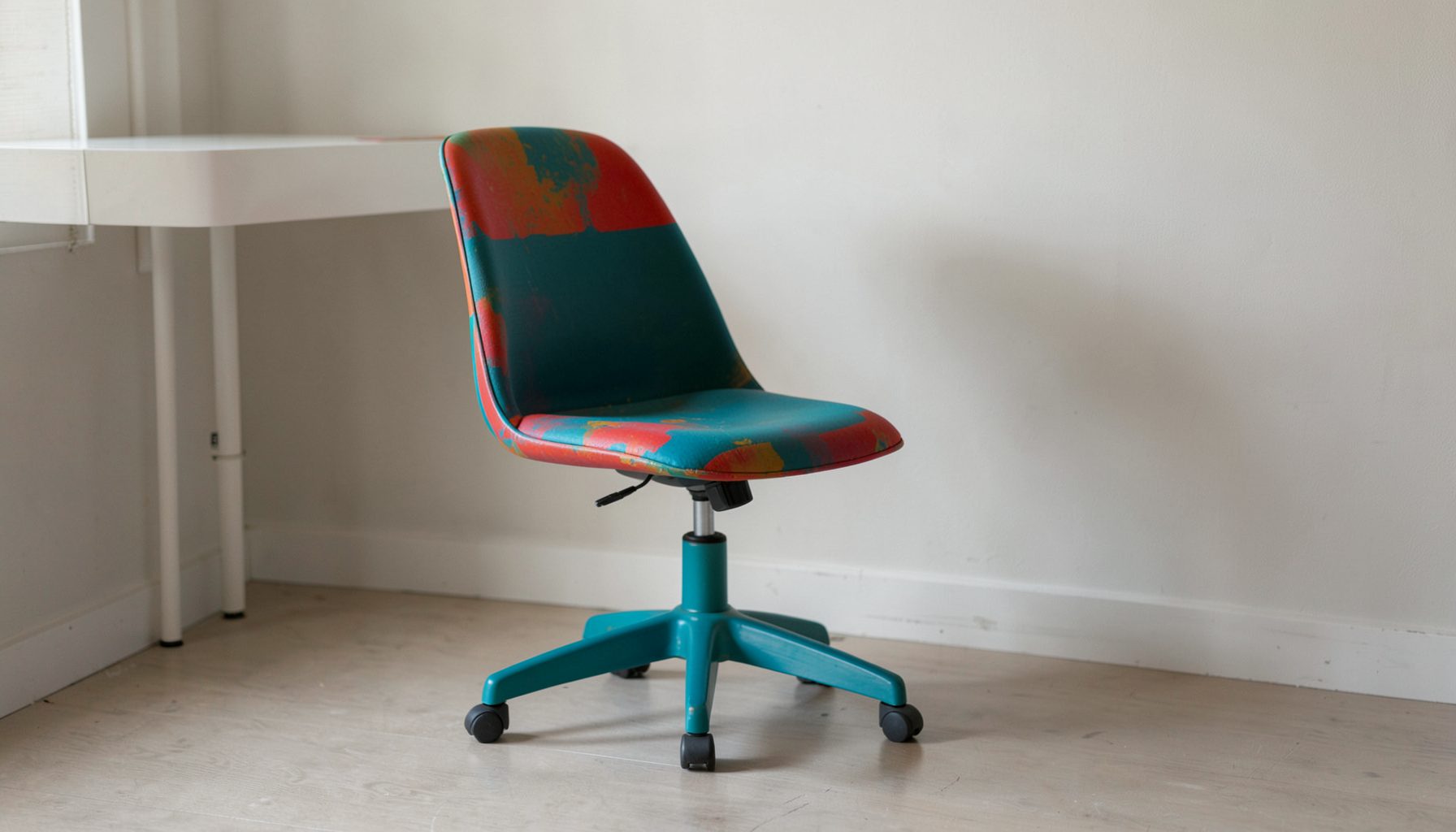
E-Decorating
Personalized design guidance delivered online — perfect for clients anywhere in the world who want a professional eye.
Learn More
Portfolio
Browse completed room makeovers, before-and-after transformations, and styling projects from Bay Area homes.
Learn More
Blog
Interior design inspiration, fashion finds, entertaining ideas, and peeks into real home renovations and styling projects.
Learn More
Downloads
Free curated resources for home decorating and design — guides, checklists, and inspiration to help you get started.
Learn MoreChoosing a Mattress That Suits Your Sleep Style
A mattress affects far more than how comfortable the bed feels at bedtime. It influences spinal alignment, pressure on the hips and shoulders, temperature regulation, and the quality of rest you get through the night. The right choice depends on your sleeping position, body shape, movement habits, bedroom climate, and personal preference for a softer or firmer surface.
For Australian homes, the decision also needs to account for warm summers, humid coastal weather, apartment access, and the local mattress market. A bed should support your body while fitting naturally into the room, whether you are furnishing a compact Sydney apartment, a Melbourne terrace, a Brisbane home, or a larger bedroom in Adelaide or Perth. Comfort is the foundation, but proportions, materials, and the way the bed works with the rest of the space matter too.
Start with your natural sleeping position
Side sleepers usually need enough cushioning to allow the shoulders and hips to sink slightly into the mattress. If the surface is too firm, these pressure points can feel compressed, which may lead to numbness or aching by morning. A medium or medium-soft mattress often provides a useful balance, although a heavier person may need a firmer version of the same feel to prevent excessive sinking.
Back sleepers generally benefit from even support across the lumbar area. A mattress that is too soft can let the pelvis drop lower than the chest, while an overly hard surface may leave a gap beneath the lower back. Look for a supportive centre with enough contouring to keep the spine in a neutral position. Combination sleepers, who move between their side and back, often prefer a responsive medium-firm mattress that makes changing position easy.
Stomach sleepers need particular care because the midsection can sink into a plush bed and place strain on the lower back. A firmer, more stable surface is usually preferable, with enough comfort to prevent pressure around the ribs and hips. If you are unsure of your dominant position, notice how you fall asleep and how you wake up; the position at the start of the night is often less important than the one you hold for several hours.
Match firmness to support and pressure relief
Firmness and support are related, but they are not the same thing. Firmness describes how hard the top of the bed feels, whereas support refers to how well the mattress keeps the body aligned. A plush mattress can still be supportive if its deeper layers resist excessive sinking, and a hard mattress can provide poor support if it fails to adapt to your shape.
Body weight also changes the way a mattress feels. Someone with a lighter frame may experience a firm model as unyielding because they do not sink far enough into its comfort layers. A heavier sleeper may compress those same layers more deeply and require stronger coils or a denser foam core. Couples with different preferences can consider a split firmness option, a mattress with reinforced edges, or a model designed to minimise movement across the surface.
When testing a mattress, pay attention to more than its first impression. Lie in your usual sleeping position for at least ten minutes, relax your shoulders, and check whether your hips and shoulders feel evenly supported. If you are shopping with a partner, test the bed together. A comfortable mattress should absorb ordinary movement without making either person feel as though they are rolling towards the centre.
Compare foam, springs and hybrid construction
Memory foam moulds closely around the body and can relieve pressure effectively, especially for side sleepers. It also tends to reduce partner disturbance, which is useful when one person rises early or changes position frequently. Its drawbacks may include a slower response when turning and a warmer feel, particularly in rooms without strong airflow.
Traditional innerspring mattresses offer a more buoyant sensation and often provide better ventilation through the open space around the coils. Pocket springs move more independently than older connected spring systems, making them a practical choice for couples. They can also make getting in and out of bed feel easier because the surface responds quickly instead of absorbing the body.
Hybrid mattresses combine springs with foam, latex, or other cushioning materials. They are popular with people who want pressure relief without the deep, enveloping feel of all-foam construction. Latex is naturally resilient and generally sleeps cooler, while wool and cotton in the quilted cover can create a breathable surface. In Australia’s warmer regions, including Brisbane and coastal Queensland, airflow may be just as important as the initial softness of the bed.
Consider heat, moisture and bedroom conditions
A mattress can feel very different in January than it does during a cool winter night. Dense foam tends to retain more body warmth, so hot sleepers may prefer latex, pocket springs, or a hybrid with breathable comfort layers. Look for ventilated foam, moisture-wicking covers, and construction that allows air to circulate rather than relying only on marketing terms such as “cooling”.
Humidity also affects bedding comfort. In tropical and coastal areas, a breathable mattress protector is preferable to a thick, impermeable cover that traps perspiration. Washable cotton or wool bedding can help manage moisture, while a slatted base may improve ventilation beneath the mattress. Sunlight and fresh air are useful for airing the room, but a mattress should not be left in direct, intense sun for long periods because heat and ultraviolet exposure can damage its materials.
Your bedroom design has a practical role here. Heavy curtains, crowded furniture, and a bed pushed tightly into a corner can reduce airflow, while generous clearance around the bed makes cleaning and changing sheets easier. Even a carefully layered bedroom benefits from a clear circulation path. The same principle applies when arranging other rooms: a dining room layering guide can help explain how texture, scale, and function work together without making a space feel crowded.
Get the size right for your body and room
Australian mattress dimensions differ from American sizing, so check measurements rather than relying on labels alone. A standard Australian queen is approximately 153 by 203 centimetres, while a king is approximately 183 by 203 centimetres. A queen is often a practical choice for a couple in a typical bedroom, but a king may be worthwhile if both sleepers move a lot or if the room can accommodate generous walkways.
Measure the room, doorways, stairwells, lifts, and the path from the delivery point to the bedroom before ordering. This is particularly important in older inner-city homes in Melbourne or Sydney, where narrow staircases, heritage door frames, and apartment lifts can complicate delivery. A mattress-in-a-box is easier to manoeuvre than a fully expanded model, though it still needs time to regain its intended shape after opening.
The bed base matters as much as the mattress dimensions. Check the manufacturer’s requirements for slat spacing, centre support, and ventilation. An unsuitable base can affect comfort, void a warranty, or cause premature sagging. If you are replacing an old ensemble, inspect the frame for bowed slats, unstable joints, and worn castors before placing a new mattress on top.
Scale should guide the visual choice as well as the practical one. A large upholstered bedhead can make a queen bed appear substantial, while slim timber framing keeps a smaller room feeling open. Leave enough space for bedside tables, drawers, and doors to open comfortably. A beautiful mattress will not improve a room if its size prevents everyday movement.
Shop with trial periods and long-term care in mind
Online mattress shopping has become a significant part of the Australian market, with many brands offering compressed delivery and home trial periods. These policies can be useful because a mattress often feels different after several nights than it does during a brief showroom test. Read the conditions carefully: some companies require a minimum adjustment period, protectors may be mandatory, and collection fees or geographic restrictions can apply to returns.
A showroom still has value, especially if you want to compare firmness levels side by side. Wear comfortable clothing, remove bulky outer layers, and lie down rather than sitting on the edge for a few seconds. Ask about the materials, warranty exclusions, base requirements, and expected lifespan. Sales language can be helpful, but your body’s response is more reliable than a label such as “luxury firm” or “hotel comfort”.
Once the mattress arrives, give it time to settle and allow your body to adjust if the change is significant. Keep the receipt, warranty documents, and delivery details in one place. Rotate the mattress only if the manufacturer recommends it; many modern models are designed for one sleeping surface and should not be flipped. Use a breathable protector, wash bedding regularly, and avoid folding or bending the mattress beyond the instructions.
Replacing a mattress is usually a substantial purchase, so consider the complete sleep system rather than treating the mattress as an isolated object. A supportive pillow should fill the space between your head and shoulders without tilting your neck. Sheets should fit the mattress depth, and a stable base should prevent movement. If two people share the bed, separate duvets can improve comfort when their preferred warmth levels differ.
The best mattress is the one that supports your body in its usual sleeping position, remains comfortable through the night, and suits the conditions of your home. Compare construction, firmness, ventilation, dimensions, delivery arrangements, and trial terms before choosing. In practical terms, measure the room first, test the bed in a relaxed position, select support over showroom softness, and allow the mattress several nights before judging it.

Recent Projects