Interior Design
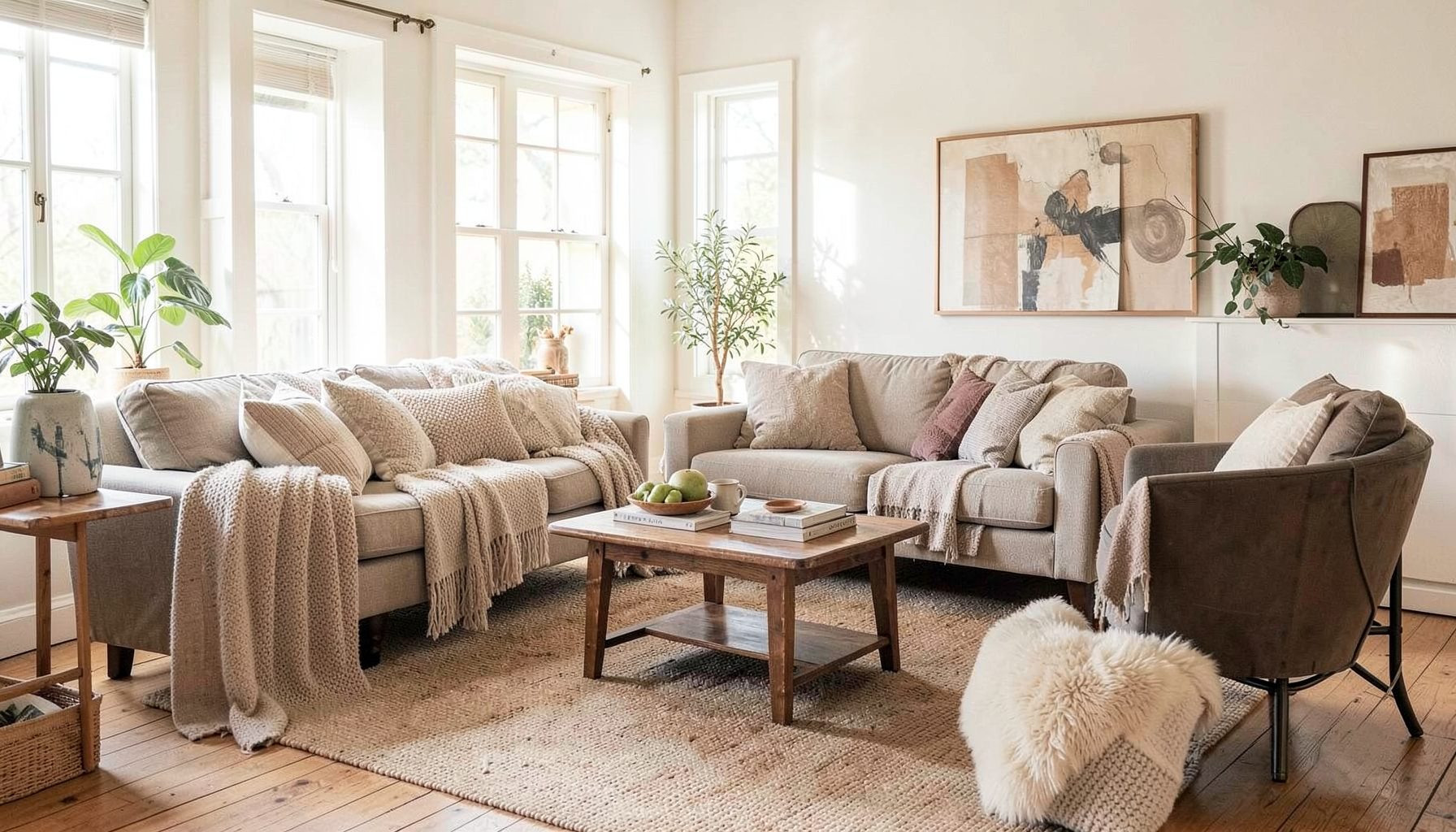
Full-service decorating that blends high and low, vintage finds with modern pieces for spaces that feel personal and collected.
Learn More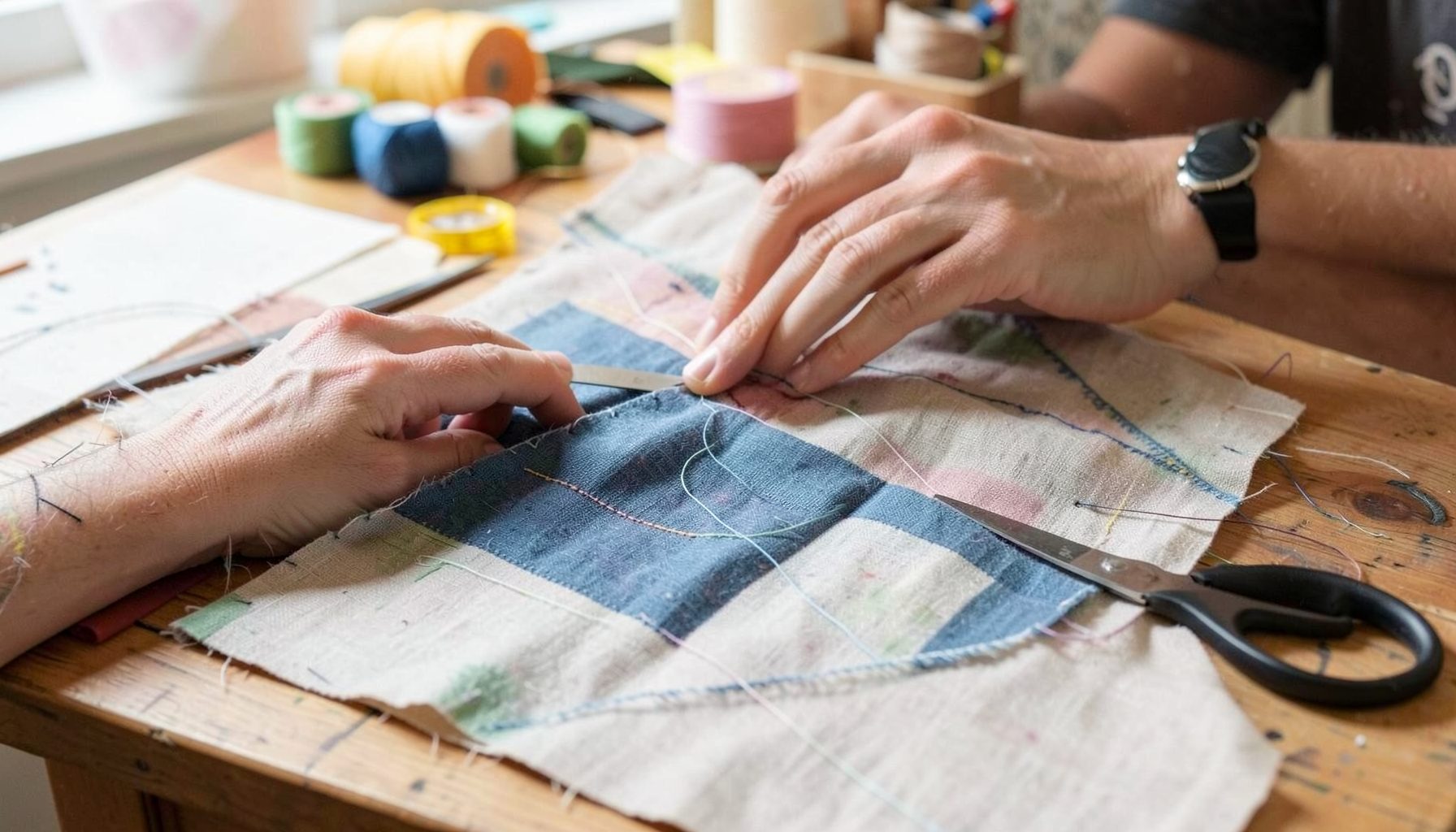
DIY Projects
Step-by-step tutorials for refinishing furniture, sewing pillows, styling bookshelves, and transforming rooms on a budget.
Learn More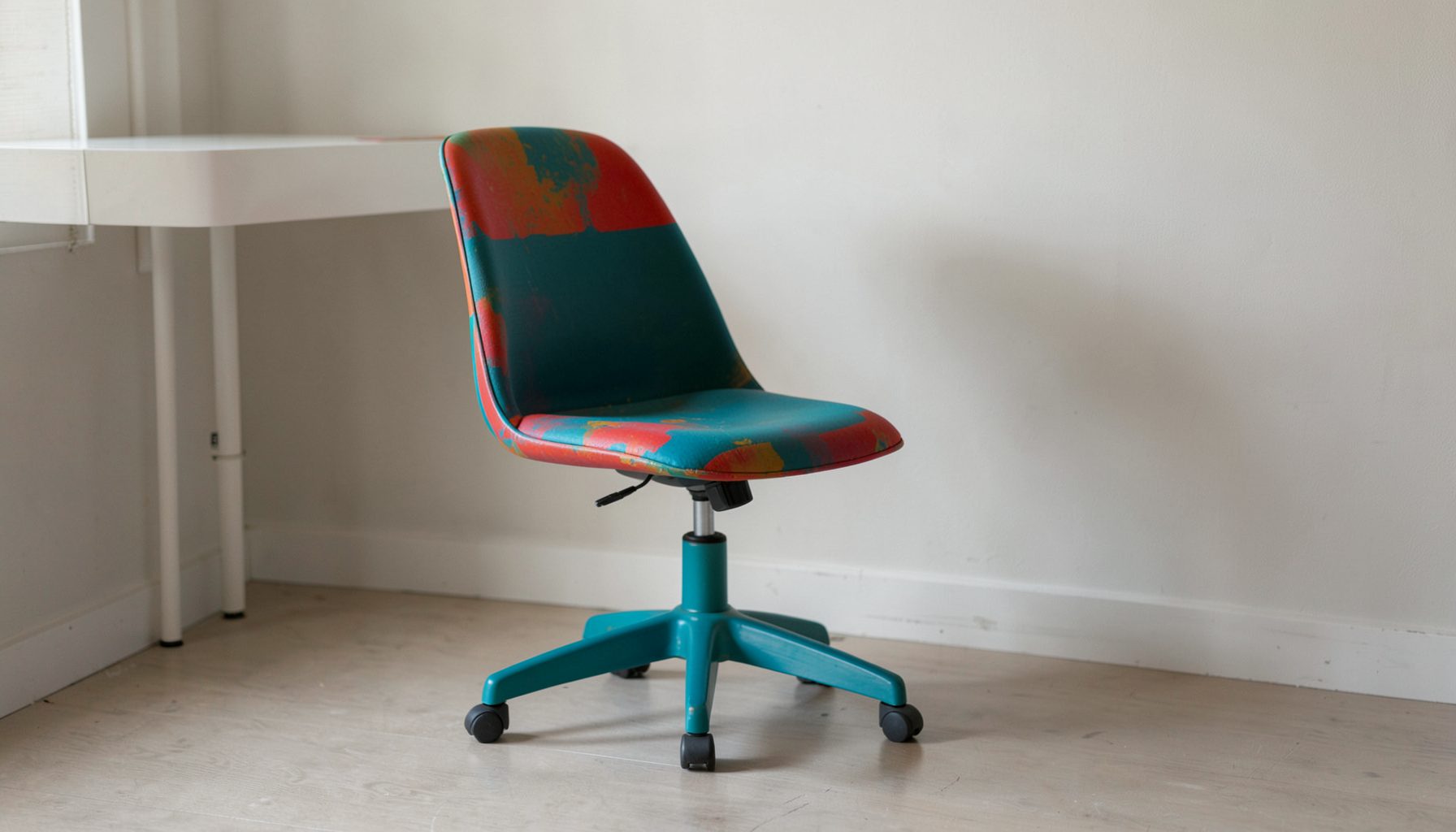
E-Decorating
Personalized design guidance delivered online — perfect for clients anywhere in the world who want a professional eye.
Learn More
Portfolio
Browse completed room makeovers, before-and-after transformations, and styling projects from Bay Area homes.
Learn More
Blog
Interior design inspiration, fashion finds, entertaining ideas, and peeks into real home renovations and styling projects.
Learn More
Downloads
Free curated resources for home decorating and design — guides, checklists, and inspiration to help you get started.
Learn MoreChoosing a Dining Table Shape That Suits Your Home and Lifestyle
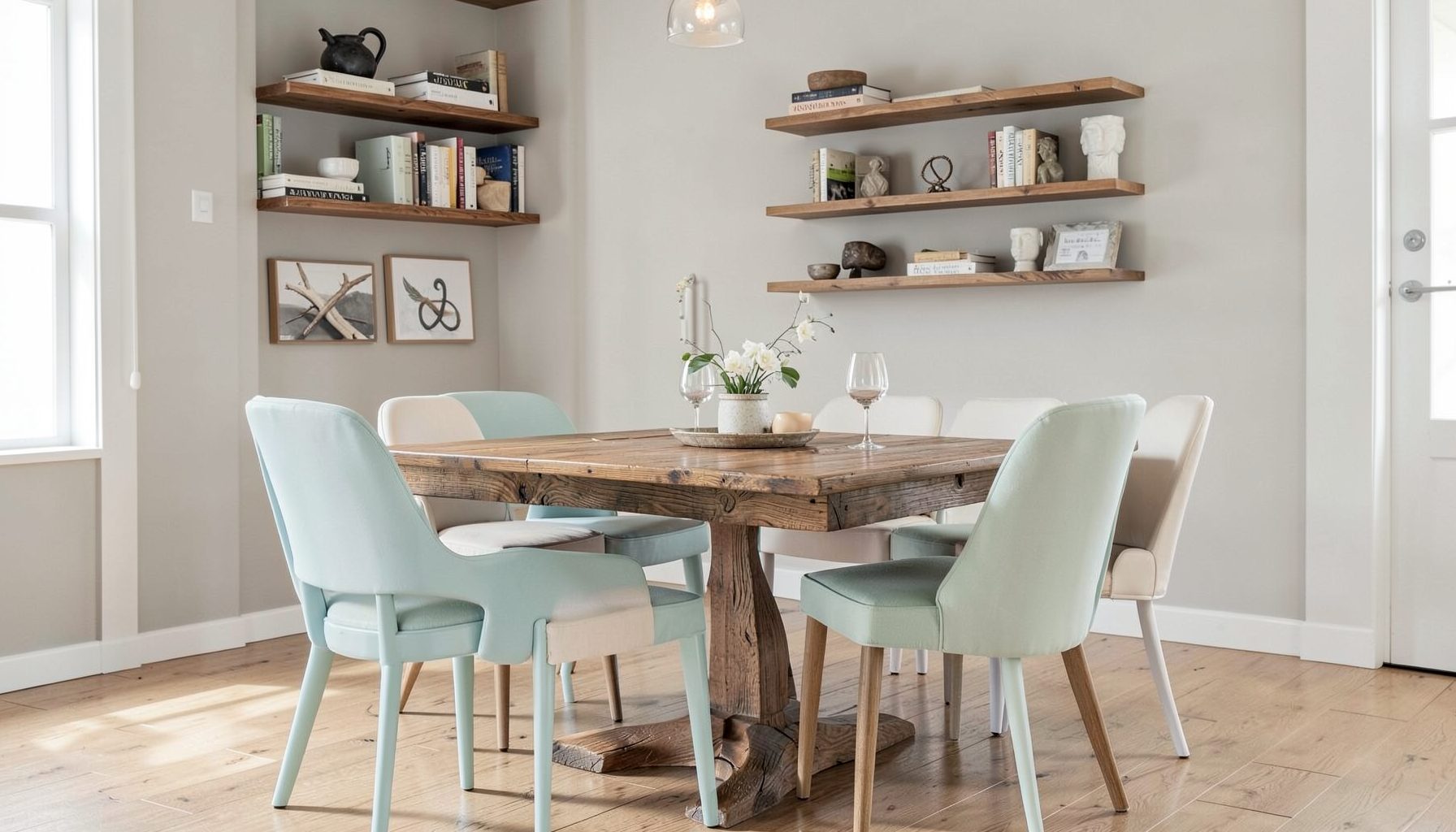
The dining table tends to anchor the busiest room of the house. In Australia, where homes are often designed around indoor-outdoor flow, this piece of furniture carries more weight than it does in colder climates. It hosts weeknight family dinners, weekend brunches with friends, kids' homework marathons, and the slow Sunday lunches that stretch into the arvo. Choosing the right shape quietly shapes how all of those moments unfold.
A dining table's footprint influences everything from how people move through the room to how many guests you can seat without pushing elbows. Before falling for a beautiful timber top or a sculptural pedestal base, it helps to start with the geometry. The shape you choose will either open up the space, define a clear dining zone in an open-plan layout, or quietly solve a chronic squeeze around a tight corner.
Rectangle Tables and the Open-Plan Layout
Rectangle dining tables remain the most common choice in Australian homes, largely because newer builds lean heavily toward open-plan living. Kitchens, dining zones, and lounges flow into one another, and a long rectangular surface reinforces that linear flow nicely. It works particularly well in homes with a galley kitchen or a kitchen island, where the table can be positioned parallel to the benchtop for a clean sightline.
The key dimensions to consider are length, width, and how much clearance you can leave on all sides. A classic rule of thumb is roughly 90 to 100 centimetres between the table edge and any wall or piece of furniture, so diners can slide in and out without bumping shoulders. This matters in Australian homes where the dining zone is often a thoroughfare between the kitchen and the alfresco area.
Rectangle shapes also lend themselves to bench seating along one side, a popular workaround for families who want extra diners without crowding the room. A built-in banquette paired with a rectangular table is a common sight in renovated Queenslanders and Hamptons-style builds along the NSW coast.
Round Tables for Smaller Footprints
Round dining tables soften a room's geometry and tend to make smaller spaces feel more generous. In inner-city apartments across Sydney and Melbourne, where dining zones can be modest, a circular surface removes hard corners that interrupt the eye. Round tables are also inherently democratic: there is no head of the table, and conversation feels more equal among four or six diners.
A common trap is choosing a diameter that swallows the room. A 120-centimetre round comfortably seats four, while a 150-centimetre round can stretch to six if you skip the centre pedestal and use a slim four-leg base instead. For very tight spaces, a 90 to 100-centimetre round bistro table can serve as a breakfast spot for two without dominating the layout.
Round tables also pair beautifully with circular rugs and pendant lights, anchoring the dining zone in open-plan spaces where the shape needs to feel intentional. In apartments where the dining area sits near a window or sliding door, a round table helps traffic curve around the space rather than squeeze past sharp edges.
Oval Tables as a Practical Compromise
Oval dining tables quietly solve problems that pure rectangles or pure circles create on their own. They retain the generous seating capacity of a rectangle while softening the corners so movement around the table feels smoother. For Australian homes with longer, narrower dining zones, an oval can feel less like a bowling alley than a comparable rectangle would.
Ovals are particularly well suited to families with young children. The rounded ends reduce the chance of bumped foreheads and sharp-corner injuries, and they make it easier for little ones to navigate around the table during busy mealtimes. Many oval tables come with extending leaves that shift the shape from a neat circle for weeknight dinners to an elongated oval when guests arrive.
When choosing an oval, pay attention to the base. Pedestal ovals keep the floor open and feel light in the room, while four-leg ovals offer more traditional stability but can make pushing back chairs awkward at the corners. This is worth testing in a showroom or by taping out the shape on the floor before committing.
Square Tables for Compact Dining Nooks
Square dining tables work best in rooms that are roughly square themselves, or in dedicated dining nooks tucked into the corner of an open-plan space. In apartments and townhouses across Brisbane and Perth, a square table for two or four can define a dining zone where a longer rectangle would feel oversized.
A 90-centimetre square comfortably seats two to four people, while a 120-centimetre square can stretch to four adults for everyday use and six for occasional dinners. The trick is to leave at least 80 centimetres between the table edge and the nearest wall or piece of furniture, so chairs can be pulled back without scraping the surrounding joinery.
Square tables also lend themselves well to modern and mid-century interiors, where their geometry feels intentional. They pair nicely with upholstered corner bench seating in window nooks, a layout that maximises seating without the visual bulk of freestanding chairs on every side.
Extending Tables for Entertainers
For households that regularly host extended family or dinner parties, an extending dining table is often the smartest investment. Australian homes are built around entertaining, and many families expect to seat eight to ten people on holidays and birthdays without crowding around a tiny café table. An extending mechanism lets you keep a compact footprint for daily life and stretch the table only when needed.
There are three common extension styles. Butterfly leaves fold and store inside the table itself, which is convenient but adds weight to the centre. Drop-leaf sides let you fold down one or both ends for tight spaces. End extensions slide apart to reveal a stored leaf in the middle. Each has trade-offs around aesthetics, ease of use, and how the joinery looks when the table is fully extended.
Before choosing an extending table, think about where the extra leaves will live when not in use. Under a bed, in a hallway cupboard, or inside the table itself all work, but the storage spot should be practical. It is also worth testing the mechanism in a showroom to make sure one person can operate it comfortably.
Pedestal and Four-Leg Bases
The base of a dining table influences how the room feels just as much as the top does. Pedestal bases, with a single central column, keep the floor visible and make small rooms feel more open. They also allow chairs to be tucked in neatly from any angle, which is helpful when the dining zone sits close to a kitchen island or hallway. For Australian homes with open-plan layouts, pedestal tables help the eye move smoothly from kitchen to lounge without a forest of table legs interrupting the flow.
Four-leg bases are sturdier and often more affordable, but they dictate chair placement. Diners tend to cluster at the ends or sides, which can make conversation across the table feel disconnected. In rectangular four-leg tables, a centre stretcher between the two long legs can also interfere with legroom for anyone sitting at the ends, especially taller diners.
Trestle bases are growing in popularity in Australian homes for their architectural look and generous legroom. They pair well with both modern farmhouse and contemporary interiors, and work with rectangular, oval, or even round tops.
Working With Australian Materials and Climate
Material choice matters more in Australia than in many other markets because of the country's climate extremes. Sun streaming through west-facing windows can bleach timber tops over time, while coastal humidity in places like the Mornington Peninsula or the Gold Coast can warp softer woods. Hardwoods such as spotted gum, Tasmanian blackwood, and Tasmanian oak hold up well to daily use and the occasional spill, though they still benefit from regular oiling and a bit of shade.
For outdoor-adjacent dining zones, particularly those opening onto an alfresco deck, consider how the table will fare when the doors are thrown open for a summer arvo. Stone, concrete, and sealed hardwoods are forgiving choices. Light timbers show dust and crumbs more readily, while darker stains tend to mask everyday mess but show water rings more obviously.
Australian shoppers can browse a wide range of dining tables through local retailers like Temple & Webster and Freedom, as well as the second-hand market for pre-loved pieces. Bunnings also stocks raw timber and basic table legs for anyone keen to build their own, which suits the country's strong DIY culture. Whichever route you take, the right shape will quietly transform the way the room works for everyone who gathers around it.
The shape of a dining table is rarely just an aesthetic decision. It shapes how people move through a room, how many friends can squeeze in for a birthday dinner, and whether the morning rush of breakfast feels calm or cramped. Measure the space carefully, tape out the footprint on the floor if you can, and choose a shape that suits both the architecture of the home and the way the household actually lives day to day.

Recent Projects