Interior Design
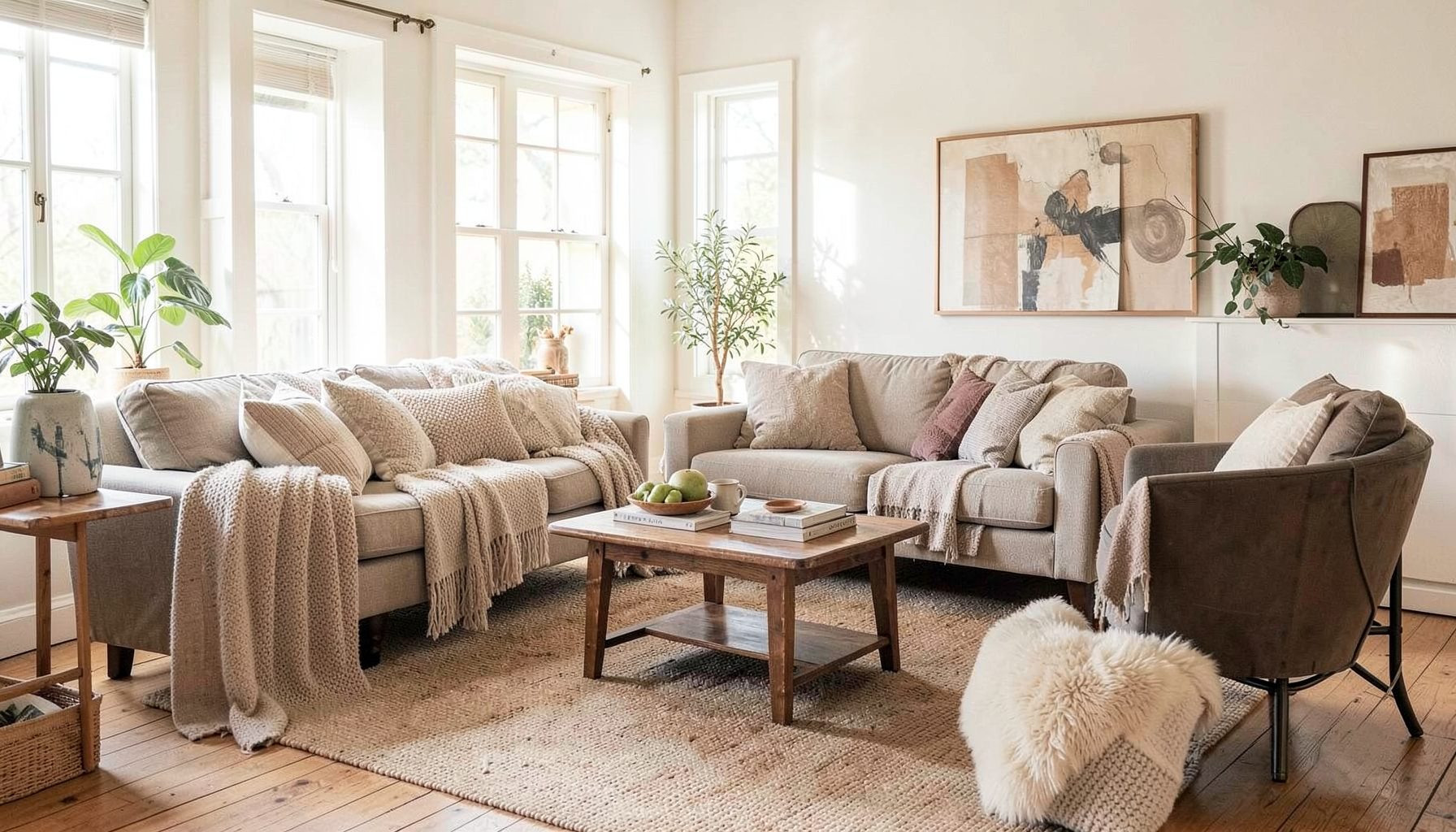
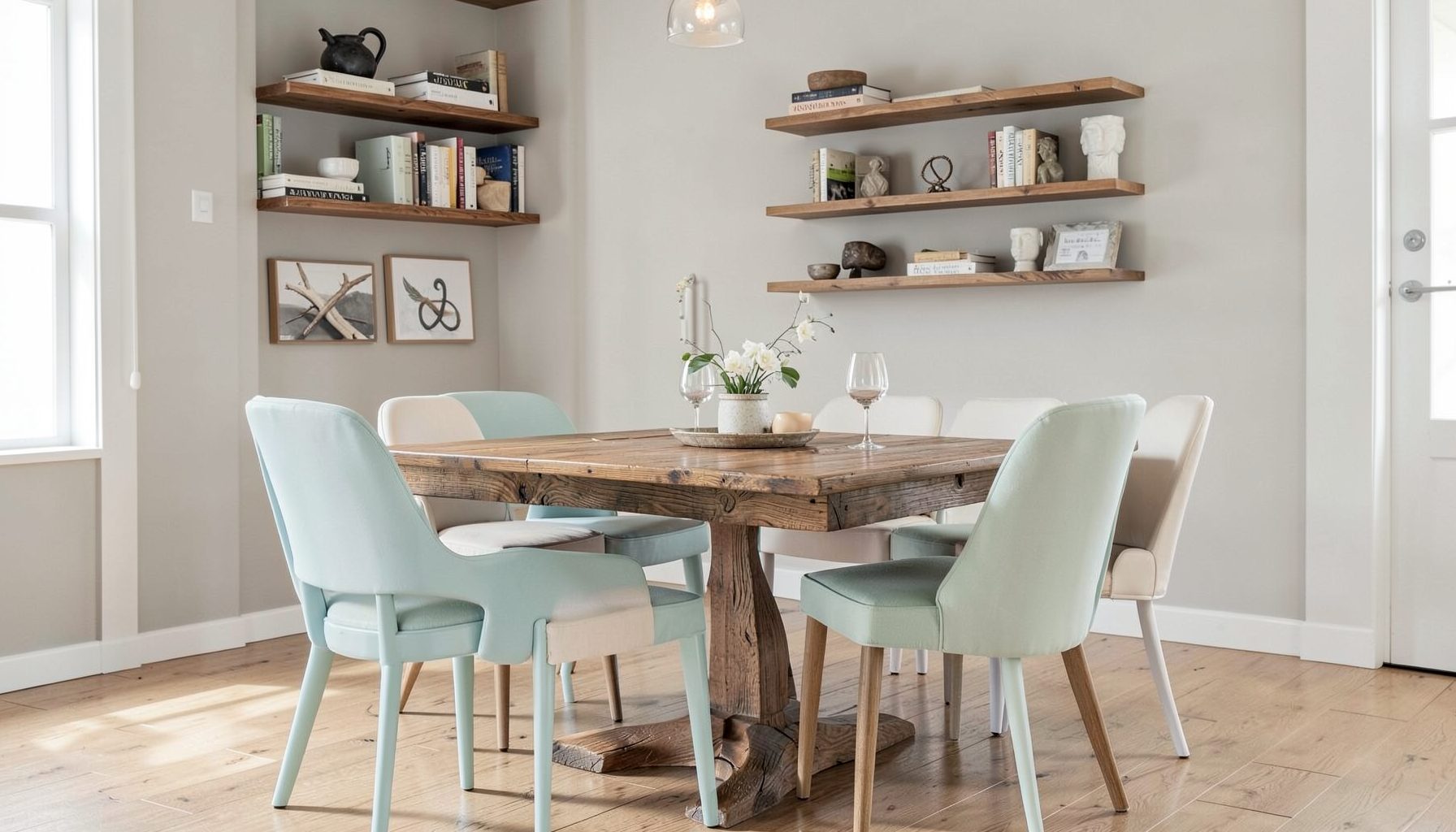
Full-service decorating that blends high and low, vintage finds with modern pieces for spaces that feel personal and collected.
Learn More
DIY Projects
Step-by-step tutorials for refinishing furniture, sewing pillows, styling bookshelves, and transforming rooms on a budget.
Learn More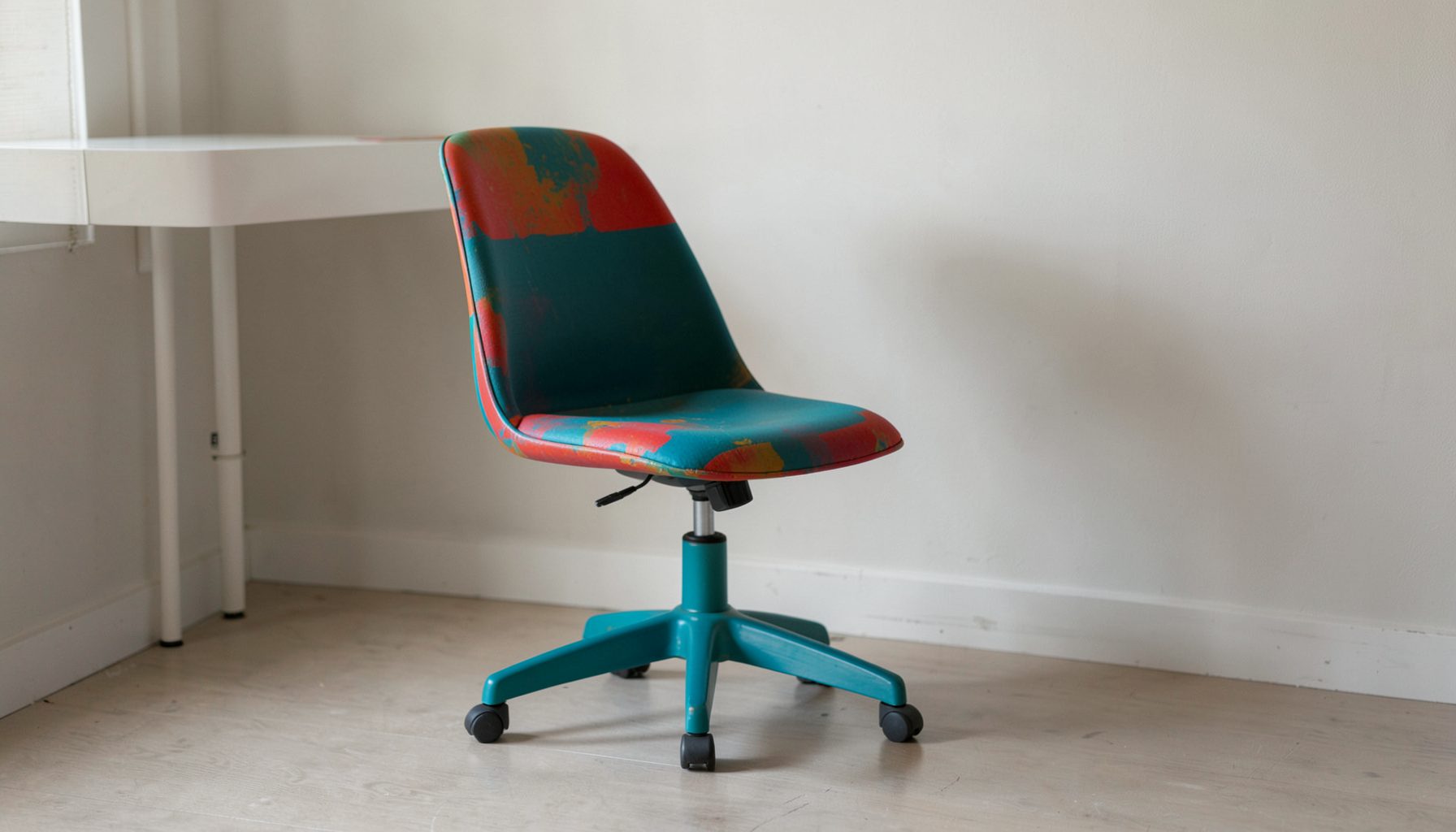
E-Decorating
Personalized design guidance delivered online — perfect for clients anywhere in the world who want a professional eye.
Learn More
Portfolio
Browse completed room makeovers, before-and-after transformations, and styling projects from Bay Area homes.
Learn More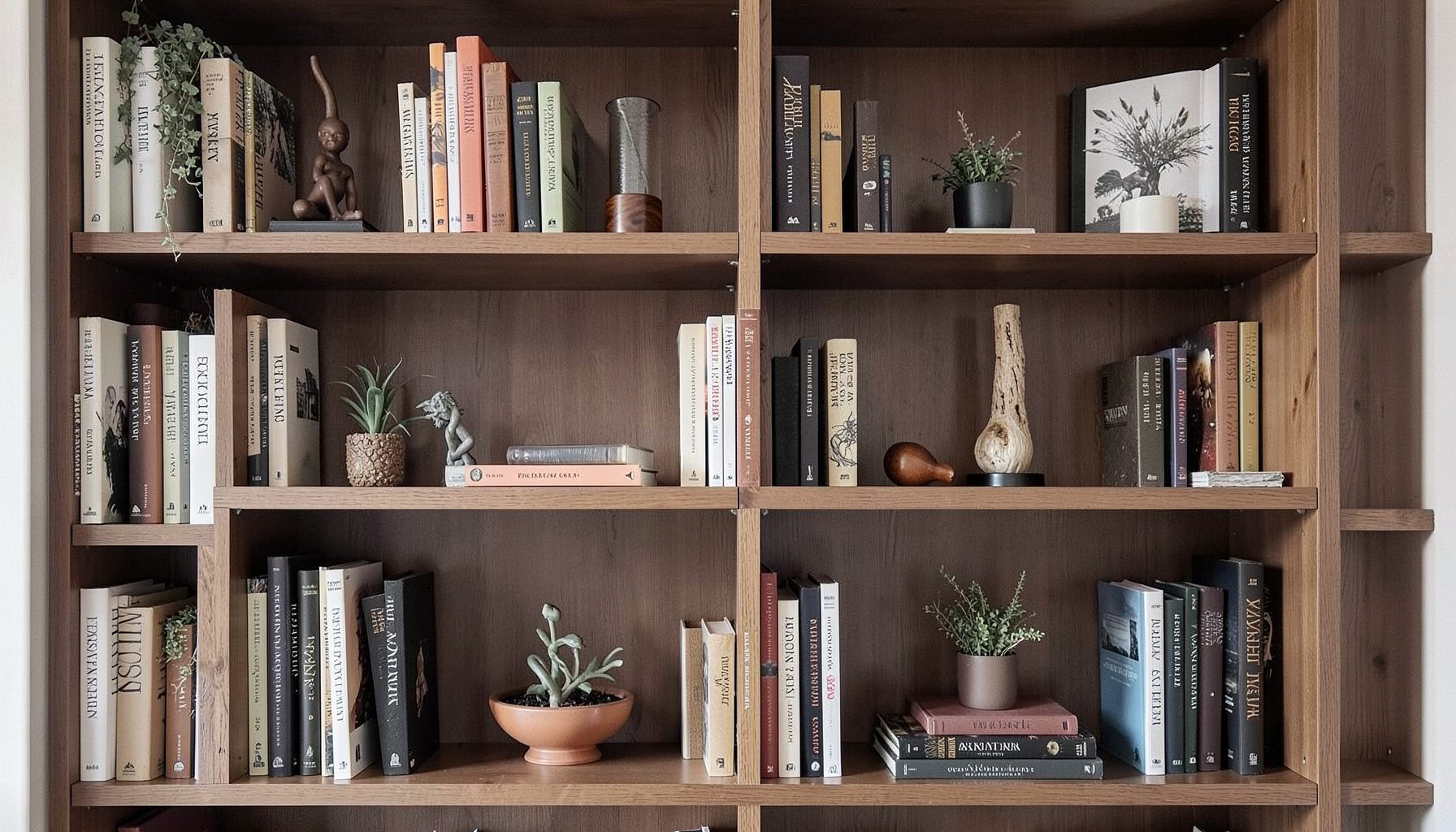
Blog
Interior design inspiration, fashion finds, entertaining ideas, and peeks into real home renovations and styling projects.
Learn More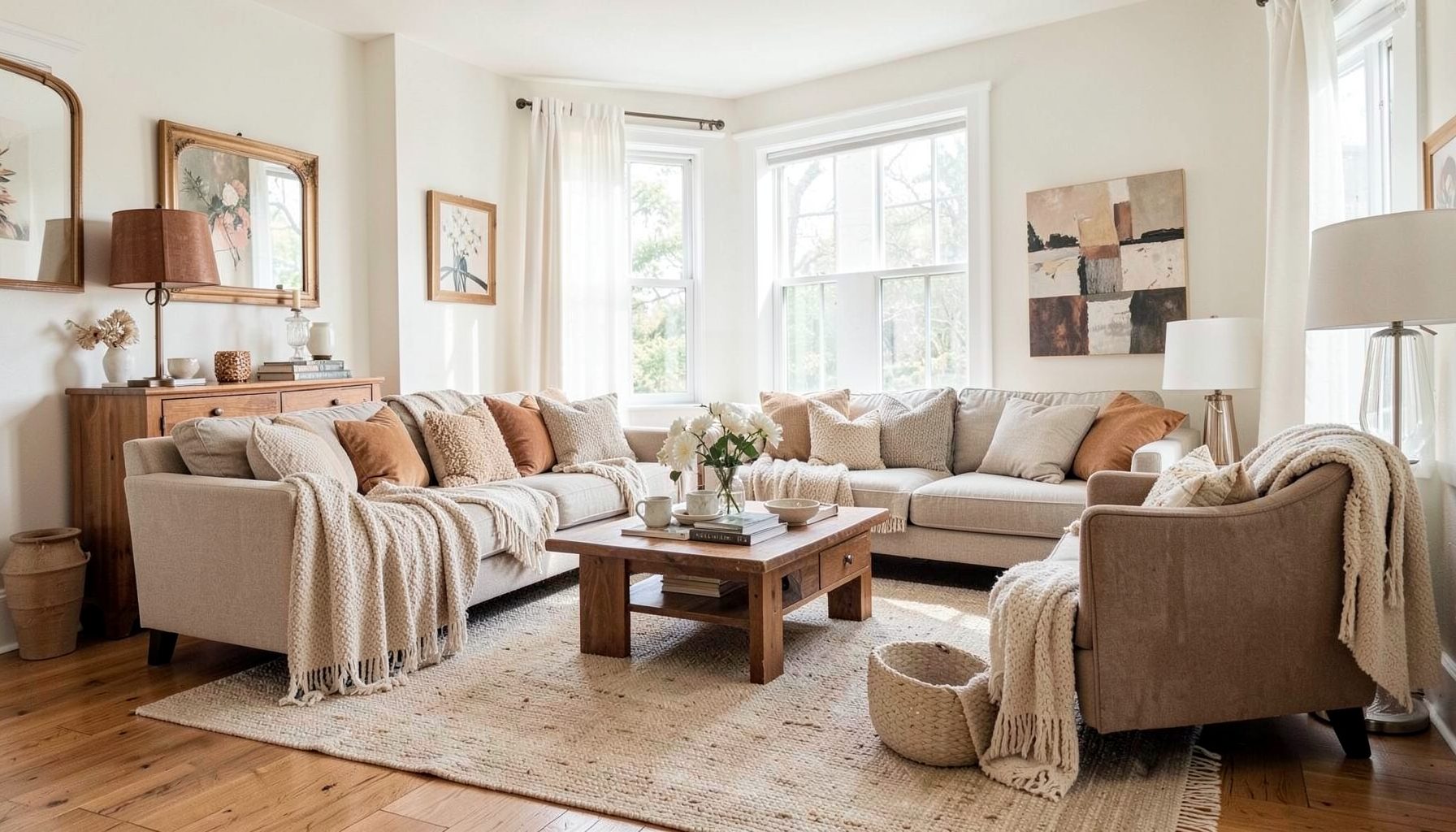
Downloads
Free curated resources for home decorating and design — guides, checklists, and inspiration to help you get started.
Learn MoreChoosing the right light bulb temperature for every room
Lighting shapes the way a home feels long before the furniture or paint colour ever register. Walk into a space bathed in soft amber and the body instantly relaxes. Step into a room flooded with cool, bluish-white light and the brain shifts into work mode. Australians live with some of the most intense natural light on the planet, which means our indoor lighting has to work even harder to complement or counteract what the sun is doing outside the window.
For most households, picking a bulb still means grabbing whatever is on the shelf at Bunnings or scrolling through the options at Beacon Lighting without much thought. The little number on the box, measured in Kelvin, quietly dictates the mood of every room. Once you understand what those numbers mean, the difference between a tired-looking lounge and a welcoming retreat often comes down to a few simple swaps.
The Australian climate also plays a role that overseas guides tend to ignore. Long summers, bright afternoons that stretch well into the evening during daylight saving, and homes built for cross-ventilation all influence how artificial light performs. A bulb that reads "warm" in a London terrace can feel almost yellow in a Brisbane Queenslander. Knowing how to tune the temperature room by room helps create layered, collected spaces that feel intentional rather than accidentally lit.
A final thought before diving into the rooms themselves: lighting is rarely a one-bulb-fits-all job. The most beautifully decorated homes in Sydney, Melbourne, or Perth tend to mix two or three temperatures in a single space, using dimmers and lamps to soften or sharpen the effect throughout the day. Treat the guidance below as a starting point, then trust your own eye once you see how the bulbs look at home.
Why colour temperature matters more than you think
The Kelvin scale measures how warm or cool a light source appears, ranging from roughly 2000K at the candlelight end to around 6500K at the daylight end. Warm bulbs sit below 3000K and cast a golden, almost honey-coloured glow. Neutral bulbs cluster around 3500K to 4000K and look cleaner, closer to the morning sun. Anything above 5000K begins to feel clinical, the sort of light found in hospitals and car parks.
Most Australian homes lean towards the warmer end because our interiors often feature timbers, woven rugs, vintage finds, and earthy palettes. A bulb in the 2700K to 3000K range flatters those materials and gives skin a healthy tone, which matters when guests are over for a barbie on the deck. A cooler bulb can wash out timber grain and make a leather sofa look grey.
Energy efficiency adds another layer to the decision. LED technology has come ahead in leaps and bounds, and most retailers now stock LEDs across the full Kelvin range. The wattage printed on the box is far lower than what an old halogen would have drawn, but the temperature label still drives the mood. Always check both figures: a 6-watt LED at 2700K produces a fraction of the light of a 12-watt LED at the same temperature, which can make a hallway feel dim if you choose the wrong combination.
Bedrooms: soft warmth for wind-down
Bedrooms benefit from bulbs in the 2200K to 2700K range, particularly for bedside lamps and any fixture that stays on during the evening routine. Cooler light suppresses melatonin and signals the brain to stay alert, which is the opposite of what you want when you are trying to drift off after a long arvo at work. Warm light does the opposite, gently easing the body towards sleep.
A common mistake is installing a single overhead fixture with a 4000K globe and expecting the room to feel cosy. The result is often a flat, slightly sterile look that works against soft bedding and layered throws. A better approach is to use a warm bulb in the ceiling fitting, then add table lamps or wall sconces at lower eye level. The contrast between the two light sources gives the room depth, and the lower lamps create pockets of intimacy that overhead lighting alone cannot achieve.
If you read in bed, look for a bulb that sits around 2700K with a high colour rendering index, often labelled CRI 90 or above. The CRI figure tells you how accurately the bulb reveals colours, and a higher number means books, clothing, and skin all look true to life. Cheap LEDs with a low CRI can make a paperback novel look slightly green or grey, which strains the eyes over a long chapter.
Living rooms: flexible glow for every occasion
Living areas are the hardest rooms to light because they pull double duty. Mornings might mean a casual breakfast on the couch with a coffee, afternoons turn into nap territory, and evenings host everything from footy on the telly to dinner with friends. A single temperature rarely covers all of that, which is why layering matters so much here.
A good starting point is a central ceiling fixture at around 3000K, warm enough to feel inviting but bright enough to fill the room. From there, add floor lamps tucked beside armchairs at 2700K and accent lights on artwork or shelving at 3500K to bring out details. The variation across the room keeps the eye moving and makes the space feel curated rather than uniform.
Smart bulbs have become widely available at retailers like IKEA, Bunnings, and Officeworks, which makes it easier to shift temperatures throughout the day without buying a dozen separate globes. Many Australians now program their living room lights to run warm in the evening and slightly cooler during the day, especially in winter when the sun drops early and the room needs a lift. Dimmers add another layer of control, and a wall-mounted dimmer costs far less than a full rewire.
Kitchens and laundries: crisp, clean clarity
Kitchens call for cooler light than living areas, somewhere between 3500K and 4000K, because food preparation demands accuracy. Slicing vegetables, reading recipes, and checking the colour of a roast all rely on the ability to see clearly. A warm bulb in this setting makes everything look slightly orange, which can throw off judgement and even affect appetite.
Under-cabinet strip lighting has become standard in new Australian builds, and most modern strips default to around 4000K. Pair that with a ceiling fixture at the same temperature and the workspace reads bright and clean. For open-plan kitchens that flow into dining zones, consider a slightly warmer bulb, closer to 3000K, over the table itself. The shift signals the boundary between the working zone and the social zone without needing a physical wall.
Laundries follow a similar logic. Sorting colours, spotting stains, and checking care labels all benefit from a neutral, slightly cool bulb. A 4000K globe in a small ceiling fitting is usually enough, though adding a fluorescent-style LED panel can help in windowless laundries that sit at the back of the house.
Bathrooms: flattering light without the clinical feel
Bathrooms walk a fine line. The light needs to be bright enough for shaving or applying makeup, but it also needs to flatter. The classic mistake is installing a single 5000K downlight above the mirror, which casts unflattering shadows under the eyes and nose. That temperature belongs in a warehouse, not a family bathroom.
A better recipe pairs a 3000K to 3500K bulb at the mirror with a slightly warmer ambient bulb in the ceiling. The mirror light should sit at face height rather than overhead, ideally on either side of the vanity, to remove those harsh shadows. For homes with a freestanding bath or a long soak being part of the routine, a dimmable 2700K bulb in a pendant or wall sconce turns the room into a retreat at the end of the day.
Many Australian bathrooms now feature matte black or brushed brass fittings, and warmer bulbs tend to complement those finishes better than cool whites. The trend towards softer, spa-inspired bathrooms means the days of clinical white lighting are mostly behind us, though the practical side of the room still needs proper task lighting.
Home offices and study zones: focus without the headache
A home office or study nook benefits from a cooler bulb, generally between 4000K and 5000K, to support concentration. Cooler light suppresses melatonin and helps the brain stay alert, which is useful during a long stretch of spreadsheets or video calls. The trick is to avoid going so cool that the room feels sterile, especially in a space that doubles as a creative corner or a reading room.
If the office sits in a corner of a bedroom, consider a smart bulb that shifts from 2700K in the evening to 4500K during work hours. That single swap can reinforce the mental boundary between rest and productivity, which matters more than ever in homes where the office is also the spare room or the spot at the end of the dining table.
Desk lamps deserve a mention here. A directional task lamp with a CRI of 90 or above in the 4000K range reduces eye strain and helps documents read clearly. Many Australian office workers now layer a warm ambient floor lamp behind the desk with a cooler task lamp on top, which keeps the room from feeling too cold while still giving the workspace the clarity it needs.
Outdoor entertaining areas and alfresco zones
Outdoor lighting in Australia has to stand up to harsh UV, salt air along the coast, and insects, which makes the bulb choice more about durability than mood alone. Most outdoor fittings now ship with integrated LEDs rated for wet areas, and the colour temperature tends to run warmer than indoor bulbs, often between 2500K and 3000K, to create a relaxed evening atmosphere.
String lights, often called fairy lights or café lights, have become a backyard staple from Fremantle to the Gold Coast. Most run at around 2200K and give off a soft, almost candle-like glow that flatters timber decking and makes the space feel like an outdoor dining room. Path lighting at 2700K keeps walkways safe without flooding the garden with brightness.
For covered alfresco areas with a ceiling fan and a dining setting, a flush-mount fixture at 3000K strikes a balance between task and mood. Avoid cooler temperatures in these spaces, because they tend to clash with the timber and concrete tones common in Australian outdoor design. The goal is to feel like an extension of the indoor living space, not a car park.
The most useful habit when refining the lighting in any home is to swap one bulb at a time. Start with the room where the mood feels most off, replace the bulb with a temperature a step warmer or cooler, and live with it for a few days. A small bag of spare globes, each at a different Kelvin rating, costs less than a takeaway dinner for two and removes the guesswork forever.

Recent Projects