
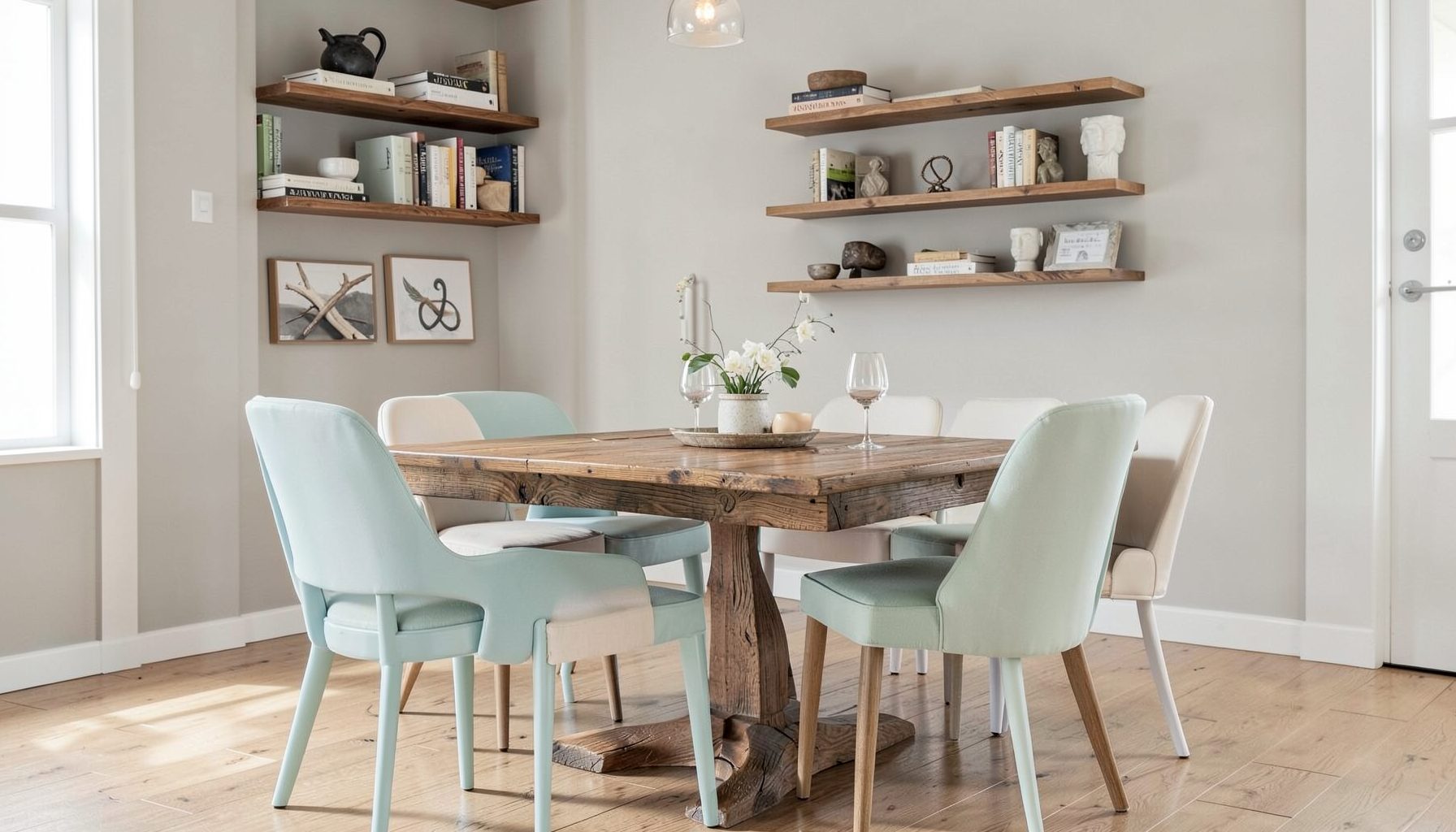
Interior Design
Full-service decorating that blends high and low, vintage finds with modern pieces for spaces that feel personal and collected.
Learn More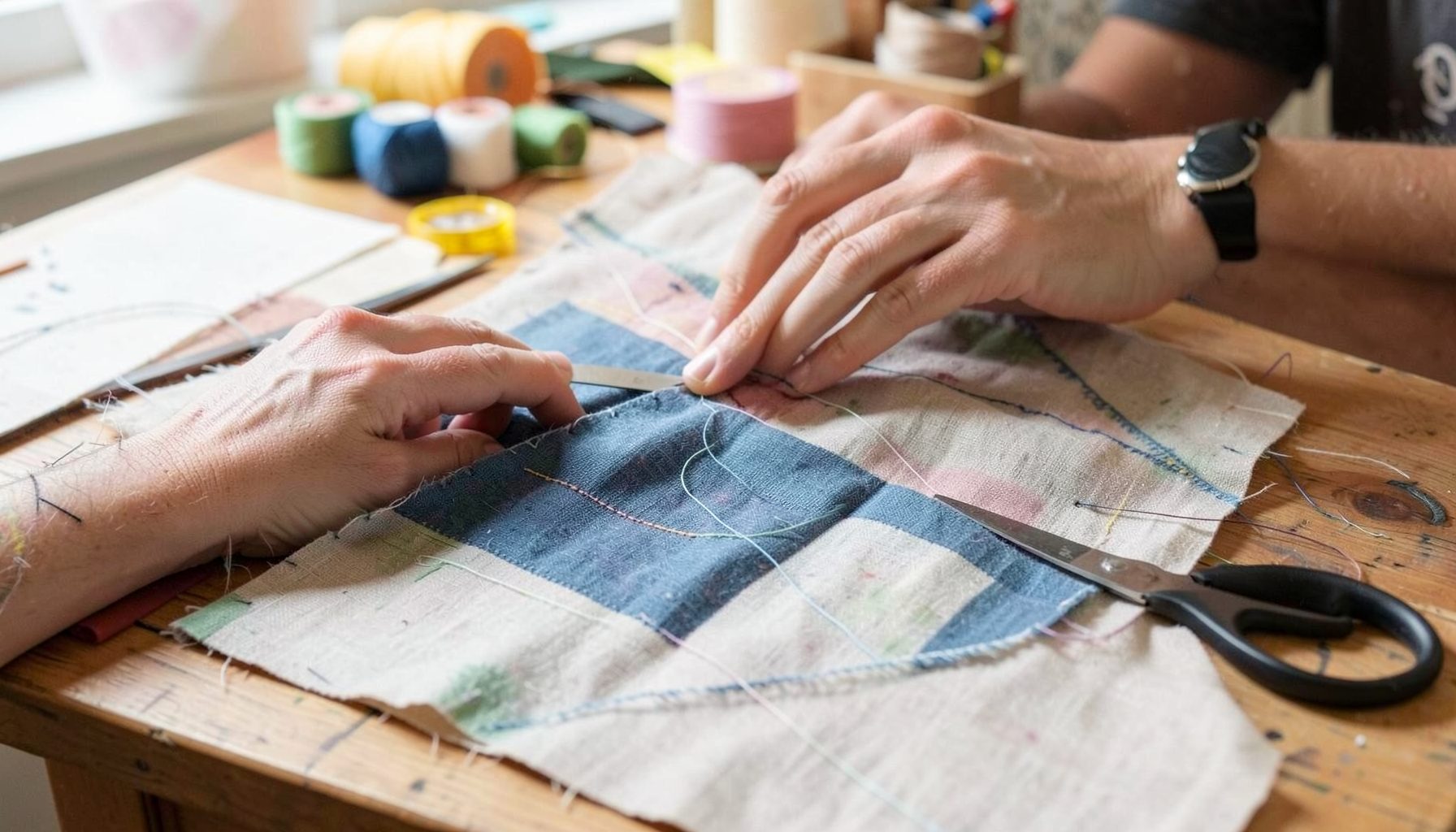
DIY Projects
Step-by-step tutorials for refinishing furniture, sewing pillows, styling bookshelves, and transforming rooms on a budget.
Learn More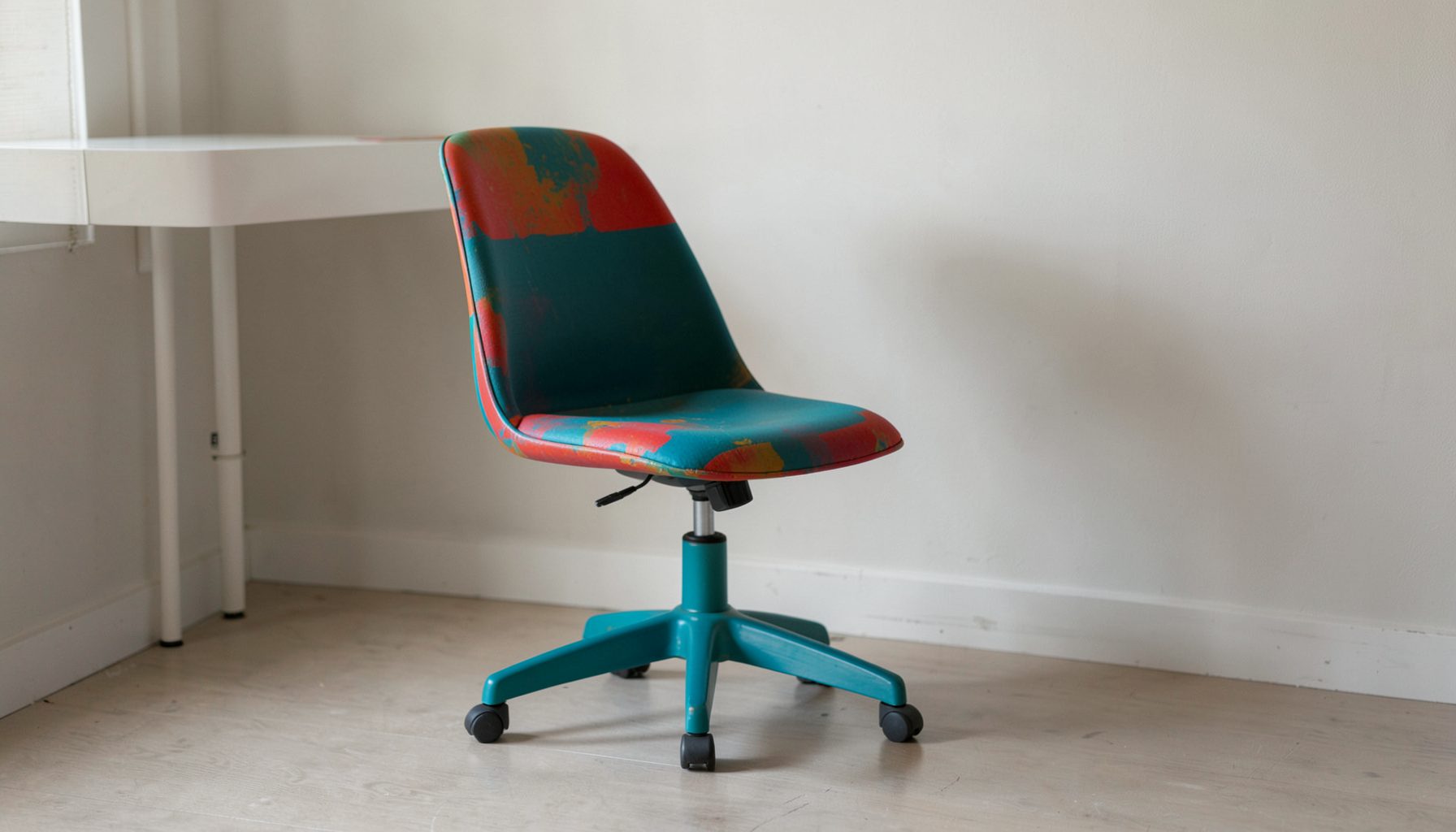
E-Decorating
Personalized design guidance delivered online — perfect for clients anywhere in the world who want a professional eye.
Learn More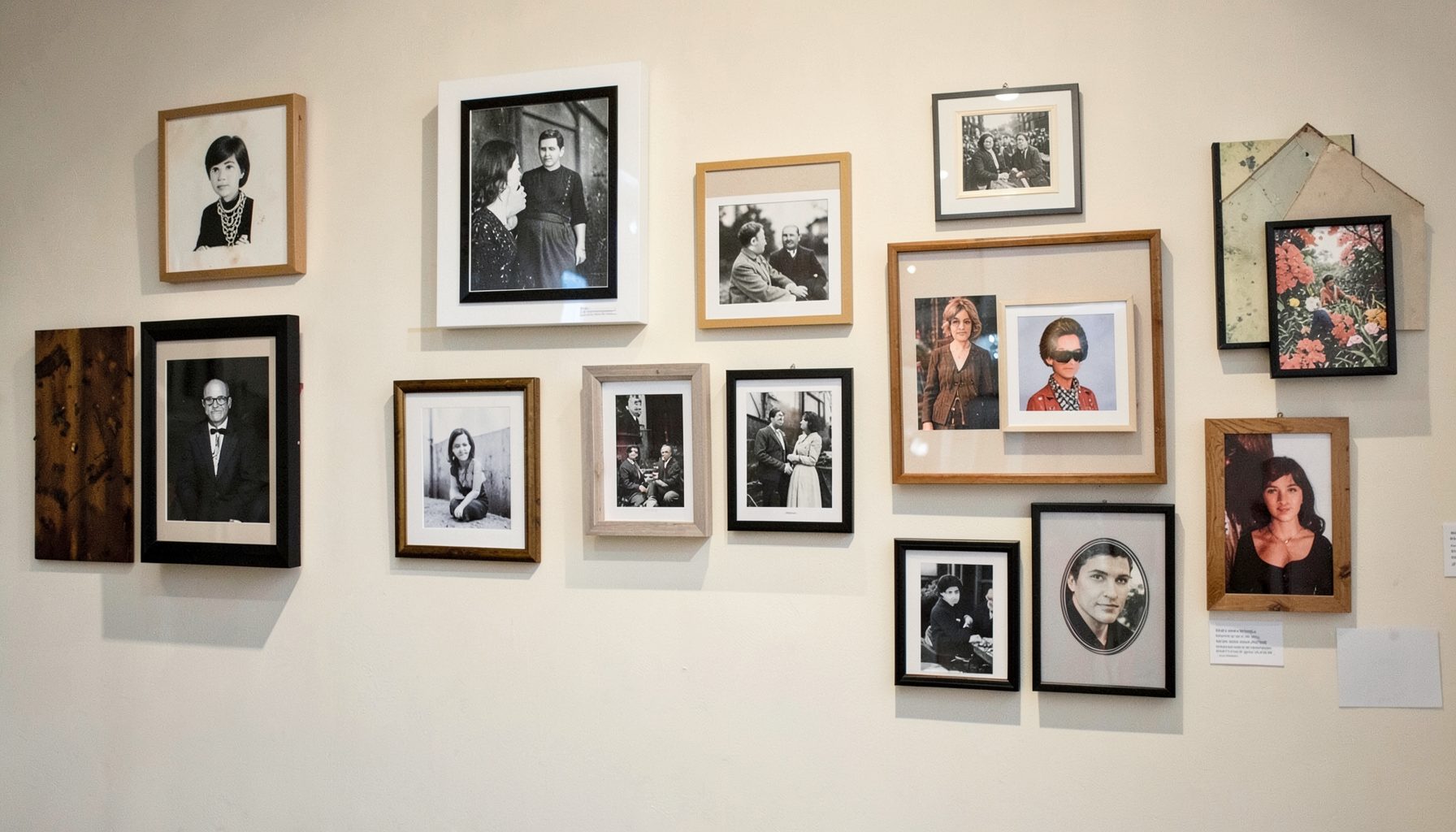
Portfolio
Browse completed room makeovers, before-and-after transformations, and styling projects from Bay Area homes.
Learn More
Blog
Interior design inspiration, fashion finds, entertaining ideas, and peeks into real home renovations and styling projects.
Learn More
Downloads
Free curated resources for home decorating and design — guides, checklists, and inspiration to help you get started.
Learn MoreHow to choose curtain length for floor-to-ceiling windows
Floor-to-ceiling glazing can make a room feel expansive, bright and connected to the outdoors, but it also creates a decorating decision that standard windows do not: where should the curtains finish? The answer affects the room’s proportions, the amount of daylight, insulation, privacy and how easily the window operates.
In Australian homes, tall windows often need to manage intense sunlight, summer heat and cool winter nights at the same time. A home in Brisbane may need strong glare control and breathable fabrics, while a Melbourne living room may benefit from lined curtains that reduce draughts. In Sydney, apartment owners may also need to consider strata rules before installing a ceiling-mounted track.
The best curtain length depends on the relationship between the ceiling, the window frame and the floor. It also depends on whether the fabric is purely decorative, drawn across the glass each evening, or paired with roller blinds, shutters or sheers. A beautiful puddled hem is unlikely to be practical beside a busy sliding door, while a precise hover may look too strict in a relaxed bedroom.
Thoughtful measuring comes first. Once the track position, stack-back space and floor finish have been considered, you can choose a hem style that looks intentional and performs well. The goal is a curtain treatment that feels generous and polished without becoming difficult to clean or use.
Start with the window and ceiling relationship
For most floor-to-ceiling windows, the curtain track should sit as high as practical rather than directly above the glass. Mounting it close to the ceiling draws the eye upwards and allows the fabric to fall in a long, uninterrupted line. If there is a substantial cornice, the track can be installed just below it or within a recessed pelmet so the heading is concealed.
A ceiling-mounted track is especially useful when the window reaches almost to the ceiling or when there is limited wall space above the frame. It can also make a modest ceiling height appear more generous. In older Australian houses with decorative cornices, architraves or uneven plaster, a slim wall-mounted track may be easier to install neatly than a ceiling fixing.
Avoid deciding the curtain length by measuring from the top of the window alone. Measure from the exact point where the track or rod will be installed to the finished floor. If the track is fitted before flooring, account for the final thickness of timber, stone, tile, carpet or underlay. A difference of even 15 millimetres can change a clean hover into an unwanted gap.
Choose a hem that suits daily life
A floor-skimming curtain finishes approximately 5 to 10 millimetres above the floor. This is a reliable choice for contemporary interiors because the hem appears to touch the floor without collecting much dust. It works particularly well with a concealed ceiling track, linen-look sheers and rooms where the curtains are opened and closed regularly.
A slight break allows the fabric to rest gently on the floor, usually with an additional 10 to 25 millimetres of length. This creates a softer, more relaxed appearance and can be attractive in bedrooms, formal sitting rooms and layered schemes with heavier velvet or cotton-linen drapery. The extra fabric may settle differently after washing, so the care instructions and expected shrinkage should be discussed with the workroom before sewing.
A puddled curtain extends further onto the floor and creates a gathered, decorative effect. It suits a romantic or collected room where the window treatment is mostly stationary. It is less suitable for family rooms, homes with pets, or sliding doors that need to remain clear. Dust, vacuuming and foot traffic can quickly make an exaggerated puddle look untidy.
For most Australian living spaces, a floor-skimming or slight-break hem offers the best balance of appearance and maintenance. If the glass opens onto a balcony, courtyard or garden, keep the fabric clear of the threshold so it does not catch on the door, absorb moisture or become a trip hazard.
Account for fabric, lining and shrinkage
Curtain fabric changes the way length reads. Lightweight sheer curtains often look elegant with a small floor hover because their transparency keeps the overall effect airy. Linen and linen blends tend to relax and ripple over time, so a workroom may recommend allowing for a small amount of settling after hanging. Velvet, wool blends and heavily lined fabrics create a fuller visual weight and often look better with a precise hem or a restrained break.
Ask whether the fabric has been pre-treated, steamed or tested for shrinkage. Natural fibres can respond to humidity and laundering, which matters in coastal areas such as the Gold Coast, Wollongong and Perth. Curtains exposed to strong sun through north- or west-facing glass may also fade over time, especially when unlined. A quality lining helps protect the face fabric while improving privacy and light control.
Australian homes often need more than one layer. A sheer curtain softens views during the day, while a blockout or dimout curtain provides privacy and darkness at night. In a bedroom, the blockout layer should be long enough to minimise light gaps at the sides and bottom. A ceiling track, return to the wall and generous overlap across the centre can improve performance significantly.
For west-facing rooms, consider the afternoon heat before choosing a delicate fabric. In northern parts of Australia, solar control may be a priority for much of the year. In cooler cities such as Melbourne and Canberra, lined drapery can reduce the sense of cold near large panes of glass. The right length supports the overall treatment, but fabric selection and lining determine much of its practical value.
Measure for width, fullness and stack-back
Curtain length receives most of the attention, yet width is equally important. Measure the total track length rather than the window width, including any return that carries the fabric back towards the wall. Curtains need enough fullness to form attractive folds when closed, and they need sufficient stack-back space when open so the glass is not unnecessarily covered.
The amount of fullness depends on the heading style and fabric weight. A pinch pleat or tailored wave heading creates a different rhythm from a gathered tape heading. A wave curtain usually requires a compatible track and consistent spacing, while a traditional pinch pleat may need more space at the top. Your curtain maker can calculate the finished width based on the fabric’s usable width and pattern repeat.
Stack-back is particularly important for narrow rooms and large sliding doors. If the curtain is designed to open to one side, make sure furniture, power points and door handles do not obstruct it. For a central opening, allow room on both sides of the window. A generous track that extends beyond the glass often improves the view and prevents the curtains from bunching directly over the frame.
In apartments across Sydney, Melbourne and Brisbane, the available wall width can be limited by neighbouring windows or air-conditioning units. Check the position of split-system indoor units before specifying a ceiling track. If drilling is restricted by concrete slabs or strata requirements, a professional installer can identify suitable fixings and confirm whether approval is needed.
Balance style with Australian light and privacy
A curtain that reaches the floor should relate to the rest of the room rather than compete with it. In a layered, collected interior, a soft neutral sheer can connect vintage furniture with contemporary upholstery. A patterned full-length curtain can become a focal point when the surrounding pieces are restrained. The length remains simple, allowing the colour, weave and fall of the fabric to provide character.
Consider the direction of the glazing. In the southern hemisphere, north-facing windows generally receive strong daylight, while west-facing windows can bring harsh late-afternoon sun and heat. East-facing rooms may need privacy and glare control in the morning. A sheer can filter the view without making a room feel closed, while a lined side curtain offers stronger control when needed.
Privacy also changes throughout the day. A home overlooking a neighbouring property may need a translucent layer that can stay drawn during daylight hours. In a high-rise apartment, reflective glass can reduce some views but may create glare and heat. Curtains should be selected with the surrounding buildings, balcony sightlines and evening lighting in mind.
Colour and texture matter in bright Australian interiors. Very white fabric can feel sharp under intense sunlight, while warm ivory, stone, oat and muted grey can create a calmer transition between glass and furnishings. Before ordering, view large samples in the room at different times, especially if the curtains will cover a broad wall.
Plan installation, safety and maintenance
Curtain hardware must be fixed securely because tall curtains are heavier than they appear. The track should be supported at appropriate intervals, with fixings suited to plasterboard, timber, masonry or concrete. Where windows are unusually wide, a professional installer can prevent the track from flexing and ensure the carriers glide smoothly.
Cord safety is a legal consideration in Australia. Internal window coverings with cords or chains must comply with mandatory safety requirements, including safe cord placement and child-resistant arrangements. Corded blinds and curtain systems should be installed with cleats, tension devices or other compliant measures where required. Keep beds, cots and furniture away from accessible cords, and ask the supplier how the selected system meets current Australian regulations.
Maintenance should influence the hemline. Floor-length curtains collect less dust when they hover slightly above the floor, especially in homes with pets or children. Check whether the fabric can be vacuumed with a soft brush, professionally cleaned or removed for laundering. In coastal homes, occasional ventilation helps reduce musty smells, while homes near busy roads may need more frequent cleaning.
Before finalising the order, record the track height, finished floor level, curtain drop, opening direction and fabric care instructions. Have the installer confirm these details on site rather than relying solely on measurements taken during an earlier renovation stage. Floors can change after cabinetry, rugs or building work are completed.
The safest general choice is a curtain that finishes just above the finished floor, installed from a high track and made with enough fullness to stack clear of the glass. Adjust that formula for the room’s purpose: use a practical hover near doors, a softer break in a formal space and a puddled finish only where the fabric can remain largely undisturbed.
Begin by measuring from the proposed track position to the completed floor in three places, note the shortest measurement, and take those figures to a reputable Australian curtain workroom before ordering fabric.

Recent Projects