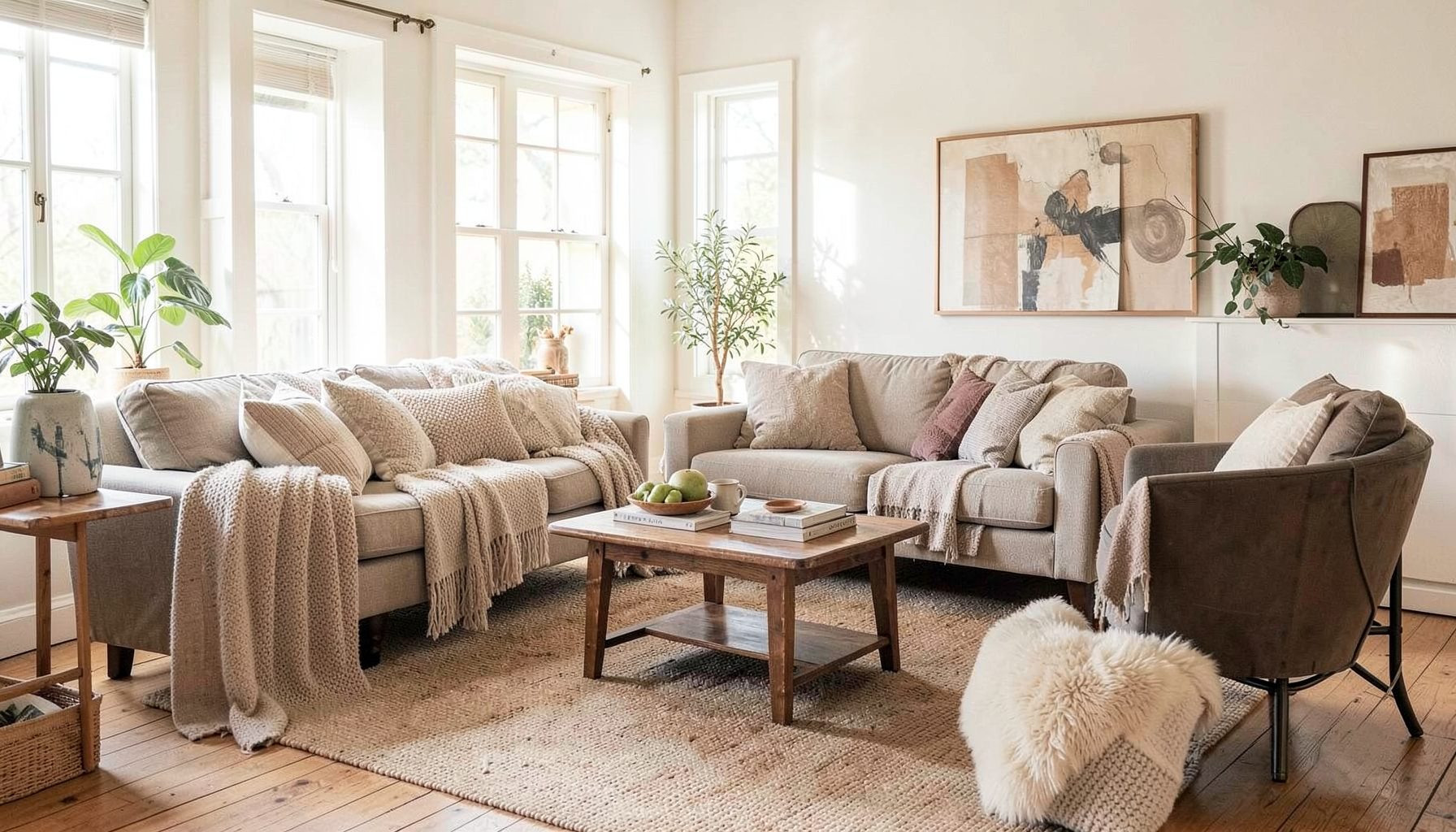
Interior Design
Full-service decorating that blends high and low, vintage finds with modern pieces for spaces that feel personal and collected.
Learn More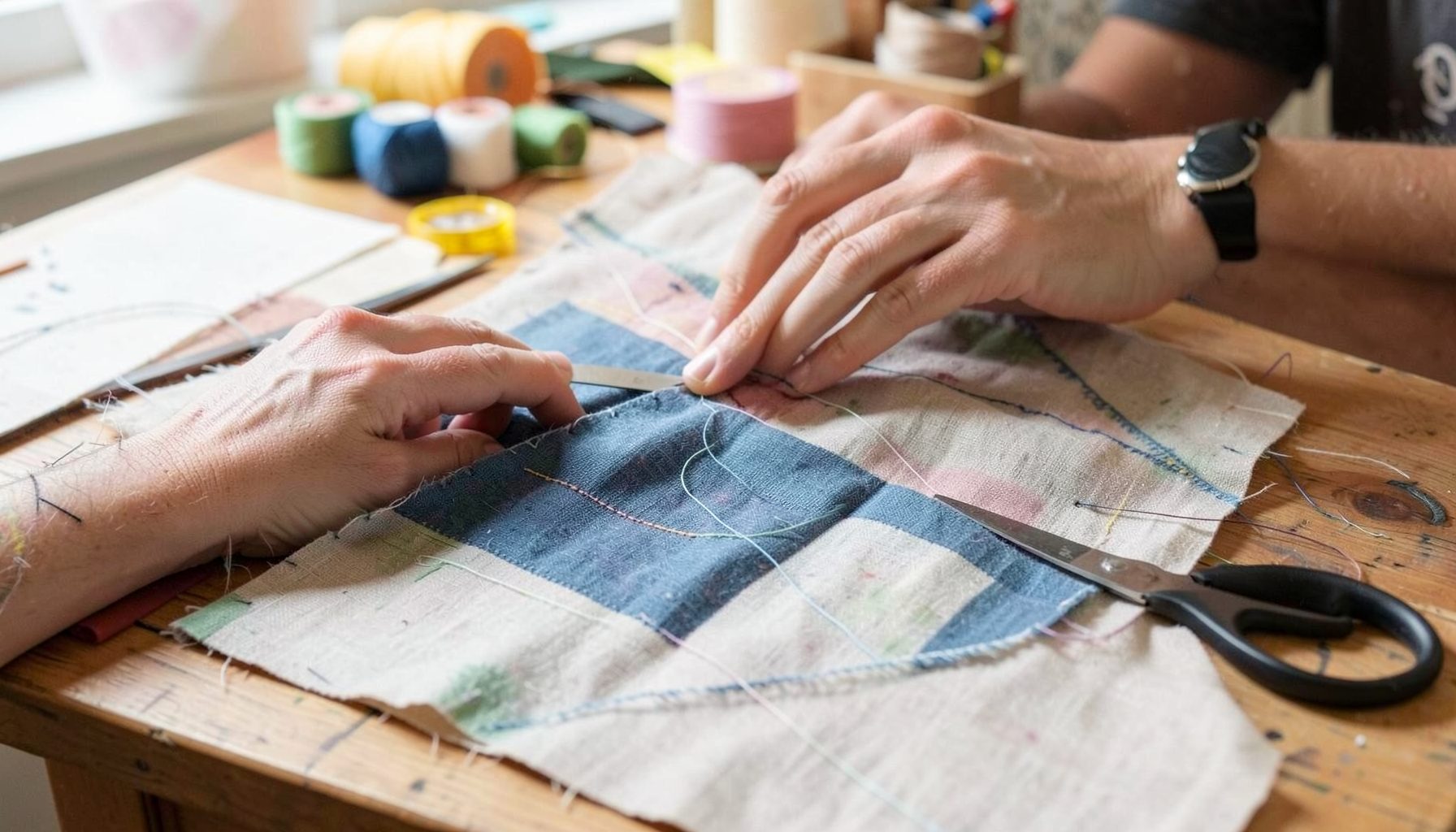
DIY Projects
Step-by-step tutorials for refinishing furniture, sewing pillows, styling bookshelves, and transforming rooms on a budget.
Learn More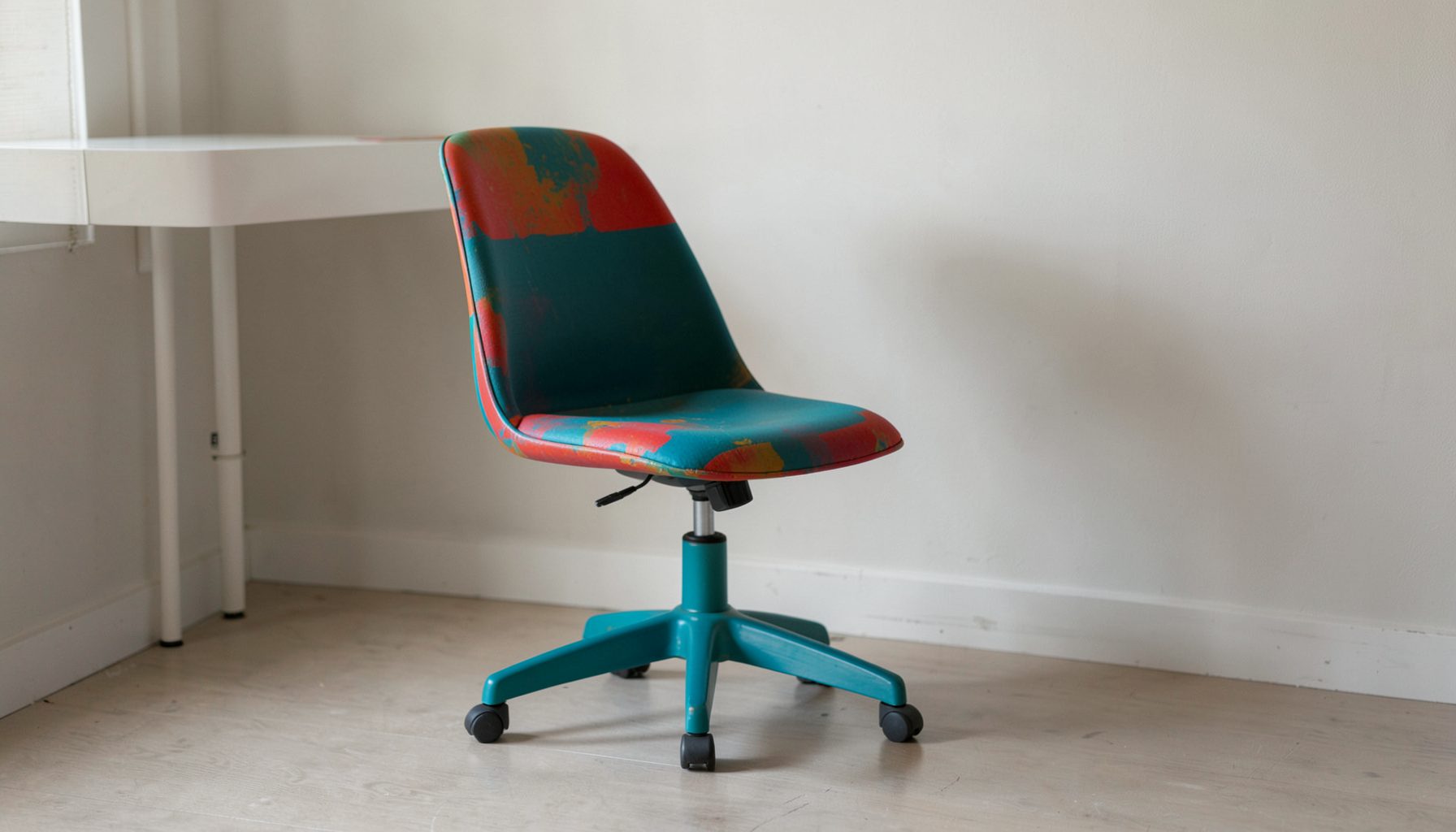
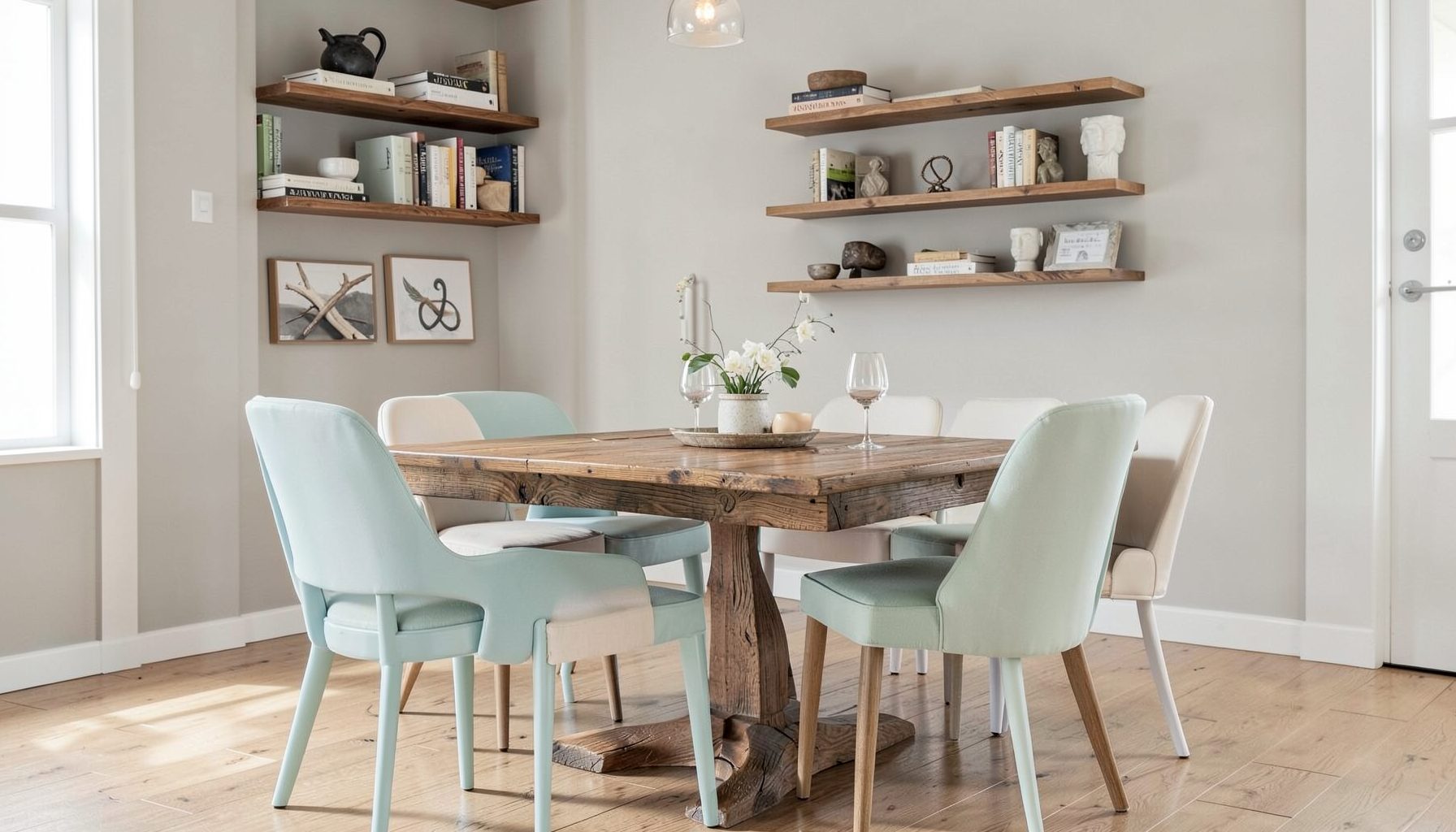
E-Decorating
Personalized design guidance delivered online — perfect for clients anywhere in the world who want a professional eye.
Learn More
Portfolio
Browse completed room makeovers, before-and-after transformations, and styling projects from Bay Area homes.
Learn More
Blog
Interior design inspiration, fashion finds, entertaining ideas, and peeks into real home renovations and styling projects.
Learn More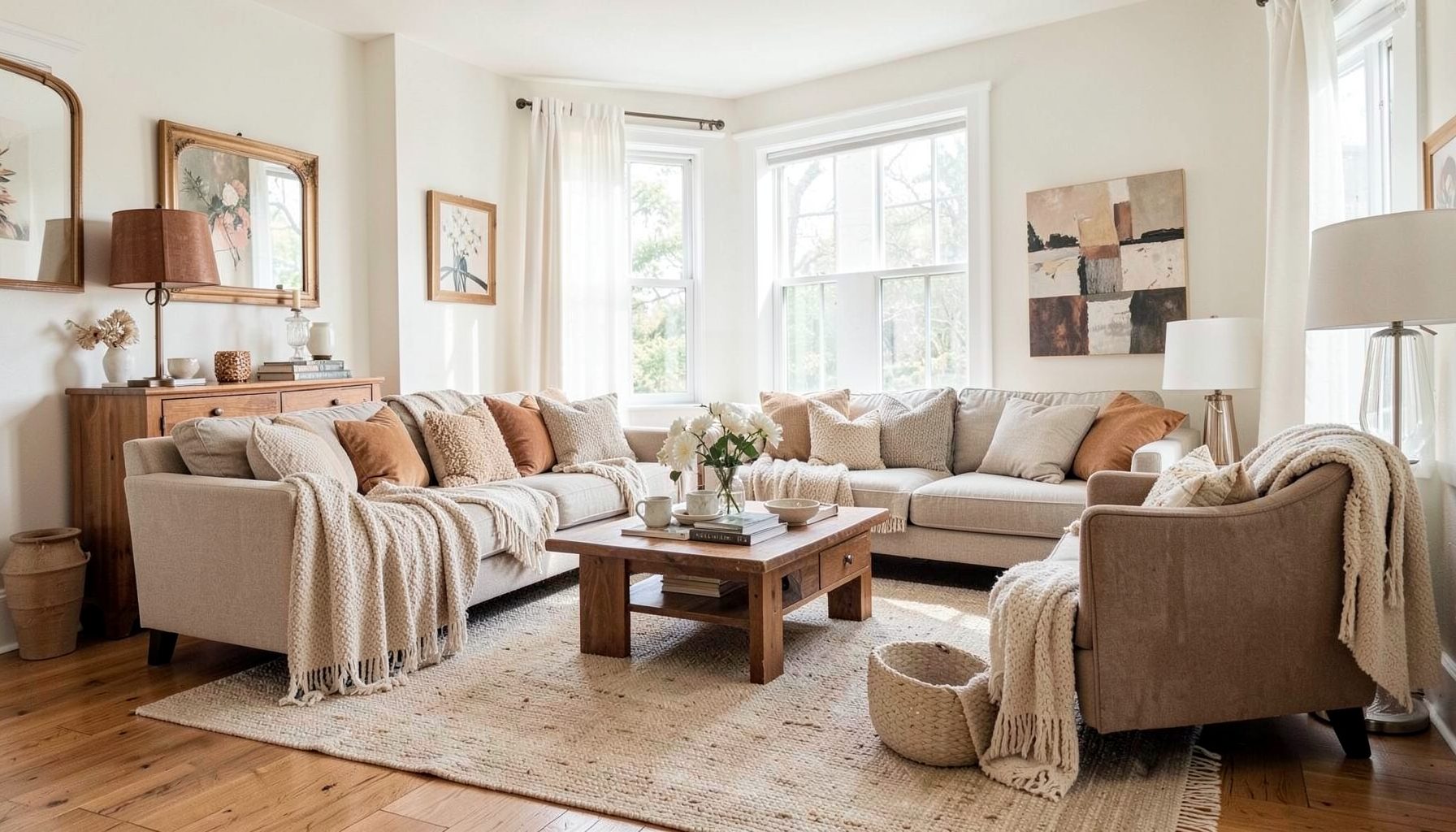
Downloads
Free curated resources for home decorating and design — guides, checklists, and inspiration to help you get started.
Learn MoreHow to choose the perfect rug size for your living room layout
A rug can make a living room feel settled, generous and thoughtfully layered, while the wrong size can leave furniture looking scattered or make the room feel visually cramped. The right rug size is less about following a rigid decorating rule and more about creating a clear relationship between the sofa, chairs, coffee table and the boundaries of the room.
Whether you are furnishing a terrace in Sydney, refreshing a coastal home in Newcastle or styling an apartment in Melbourne, the same principle applies: choose a rug that supports the way people use the space. Consider the furniture footprint, walking paths, room proportions and the atmosphere you want to create before you fall in love with a particular pattern.
Start with the furniture footprint
The most reliable way to select a living room rug is to measure the seating arrangement first. Measure the full width and depth of the sofa, armchairs or occasional chairs, including the space between individual pieces. The rug should relate to this entire grouping rather than being sized around the coffee table alone.
For many living rooms, a 200 x 300 centimetre rug is a practical starting point. It often accommodates a standard sofa and coffee table, with the front legs of surrounding chairs or a lounge resting on the rug. A larger 240 x 330 centimetre rug creates a more generous arrangement and works well in spacious rooms or homes with deep sofas.
If the seating area is compact, a 160 x 230 centimetre rug may be sufficient. This size can sit beneath the coffee table while allowing the front legs of a sofa to overlap its edge. It is usually more successful than a small mat that floats in the centre of the room with every piece of furniture pushed away from it.
Use masking tape or painter’s tape to mark the proposed rug dimensions on the floor. This simple step gives you a much clearer sense of scale than looking at measurements online. Leave the tape in place for a day if possible, paying attention to door swings, walkways and the distance between furniture.
Decide how much furniture should sit on it
There are three dependable rug placement approaches. The first is a fully anchored layout, where the rug is large enough for every seating piece to sit completely on it. This creates a polished, unified look and suits generous living rooms, large open-plan areas and formal entertaining spaces.
The second approach places the front legs of the sofa and chairs on the rug while the back legs remain on the floor. This is often the most versatile solution for an average-sized living room. It visually connects the furniture without requiring an oversized rug, and it leaves enough floor around the perimeter for the room to breathe.
The third approach keeps all furniture off the rug, with the rug positioned beneath the coffee table. This can work in a small sitting room or when using a particularly beautiful vintage rug that you want to feature. To avoid a disconnected appearance, the rug should still be large enough for the coffee table and at least the front legs of the main sofa, where possible.
Avoid placing a rug so close to the sofa edge that it creates an awkward strip of floor between the rug and the furniture. A small overlap is generally more cohesive. If the room has several chairs, ensure at least their front feet touch the rug; this makes the seating group read as one conversation area.
Match rug size to common layouts
For a standard sofa facing a television or media unit, a 200 x 300 centimetre rug usually provides enough length to extend beyond both sides of the sofa. Ideally, the rug should be wider than the sofa or at least close to the sofa’s width. A rug that stops noticeably short at either end can make the furniture appear oversized.
In an L-shaped sectional, measure the full outer dimensions rather than choosing a rug based only on the central coffee table. A 240 x 330 centimetre rug often works well, with the long side running parallel to the longest section of the sofa. In a very large room, a 300 x 400 centimetre rug can anchor the sectional and leave space for an additional chair or ottoman.
For two sofas facing one another, place a rectangular rug beneath the coffee table and extend it under the front legs of both sofas. In a smaller room, the rug may need to sit closer to the coffee table, while a larger layout benefits from generous margins on each side.
A square rug can suit a square living room or a conversation area built around a round coffee table. Round rugs are useful for softening boxy architecture, highlighting a circular table or defining a reading corner. Their curved edge can be especially effective in a narrow apartment where a rectangular rug would emphasise the room’s length.
Consider the room’s scale and clearance
A rug should leave a visible border of flooring around the seating zone, but the amount depends on the room. In a large living room, leaving roughly 30 to 45 centimetres of floor around the rug can make the arrangement feel intentional. In a smaller room, the rug may reach closer to the walls, particularly if the seating occupies most of the available space.
Do not force a small rug into a large room simply because it fits within a particular budget. A rug that is too small often makes the seating appear fragmented and can exaggerate the empty floor around it. If a large hand-knotted rug is outside your budget, consider a simple wool or cotton foundation rug layered with a smaller patterned rug on top.
Clearance matters around the rest of the room, too. Check that a rug does not catch against a hinged door, block access to built-in storage or sit beneath a heater. In Australian homes, open-plan living and dining spaces are common, so allow enough room for dining chairs to move without catching on the rug edge.
Apartment living in inner Melbourne, Sydney or Brisbane may call for a slightly more flexible arrangement. A medium rug can define the lounge zone without running beneath every piece of furniture. The aim is to create a visual boundary while keeping circulation comfortable.
Use rugs to define open-plan zones
In an open-plan home, rug placement can provide the architectural separation that walls do not. A living room rug should clearly sit within the lounge arrangement, while a dining rug should be large enough for chairs to remain on it when pulled away from the table. Matching rugs are rarely necessary; related tones, textures or patterns are usually enough to make the zones feel connected.
Keep a consistent amount of floor or visual space between separate rugs. If two rugs nearly touch, the room can look crowded. If they are placed too far apart, the living and dining areas may seem unrelated. The available space between zones may determine whether you choose a 160 x 230 centimetre rug for the lounge or step up to a 200 x 300 centimetre design.
In a Queenslander, beach house or contemporary Australian family home, the rug also needs to work with generous windows and indoor-outdoor movement. Position it so the main route to a balcony, deck or garden remains clear. A rug that stops short of a frequently used doorway will be easier to live with and less likely to curl at the edge.
For homes with a television and a fireplace on different walls, use the seating arrangement as the anchor rather than aligning the rug with either focal point. The rug belongs beneath the area where people sit, talk and relax. Furniture orientation should determine its position.
Choose materials for Australian living
Rug size and material need to be considered together. A large rug has a major visual presence, so its texture should suit the way the room is used. Wool is durable, naturally resilient and comfortable underfoot, making it a strong choice for busy living rooms. Flatweave cotton and indoor-outdoor rugs can be practical in homes where sandy feet, pets or frequent entertaining are part of everyday life.
In warmer parts of Australia, a low-pile or flatweave rug can feel lighter than a thick shag design. It is also easier to clean after summer gatherings and works well beneath furniture with slim legs. In cooler southern climates, a dense wool rug adds warmth and softness to timber or polished concrete floors.
Think carefully about the rug’s edge and backing. A larger rug can shift if it is placed on smooth floorboards, tiles or concrete, so a properly sized rug pad is worthwhile. It improves comfort, reduces slipping and helps the rug lie flat. In a rental, a pad can also protect the flooring beneath the rug.
Sun exposure is another practical detail. Strong Australian light can gradually fade certain dyes, especially near north-facing windows. Rotate the rug periodically if its design and furniture allow, use window coverings during the brightest part of the day and ask about colourfastness before buying a richly dyed piece.
Balance colour, pattern and layering
Once the dimensions are right, consider how the rug contributes to the room’s overall composition. A large rug can carry a stronger pattern than a small one because the design is spread across a wider surface. In a neutral room, a faded Persian-style rug, geometric wool design or softly striped flatweave can add character without overwhelming the furniture.
If the sofa is patterned, a quieter rug may create a calmer foundation. If the furniture is restrained, the rug can introduce colour, movement and a collected quality. Look at the undertones in the flooring, upholstery, curtains and artwork rather than trying to match one exact colour.
Layering is useful when you need extra scale, texture or flexibility. A large natural jute or wool foundation can define the seating area, while a smaller vintage rug placed over it brings pattern and personality. Keep the top rug centred on the furniture grouping and make sure the combined edges sit flat.
A rug should feel connected to the rest of the room without looking as though every item was purchased as a matching set. Mixing contemporary furniture with an older rug, or pairing a budget-friendly base with a special one-off piece, creates the relaxed, collected feel that makes a living room feel personal.
Check the layout before you buy
Before ordering, sketch the room or create a simple floor plan using the actual measurements. Include the sofa, chairs, coffee table, side tables, media unit and pathways. Mark the rug’s intended position and check whether at least two legs of the main seating pieces can sit on it comfortably.
Think about sightlines from the entry, kitchen and adjoining rooms. A rug may look right when viewed from the sofa but feel unbalanced from the hallway. In an open-plan space, its edges should support the broader flow of the home rather than creating an unexpected visual stop.
When shopping online, check the exact dimensions in centimetres rather than relying on labels such as medium or large. Australian retailers may list familiar sizes differently, and imported rugs can use measurements that are close to, but not identical with, local standards. Compare the listed size with your tape outline on the floor.
Give yourself a little tolerance for furniture movement. A rug that works only when every chair is perfectly aligned may become frustrating in daily life. The best size leaves room for people to sit, stand and move naturally while keeping the furniture visually connected.
The perfect living room rug size is the one that anchors the seating arrangement, respects the room’s proportions and supports everyday movement. Measure the furniture first, test the dimensions with tape, choose a placement style that suits your layout and select materials that make sense for your climate and lifestyle. Remember that a well-sized rug should make the whole room feel connected, comfortable and intentionally yours.

Recent Projects