Interior Design
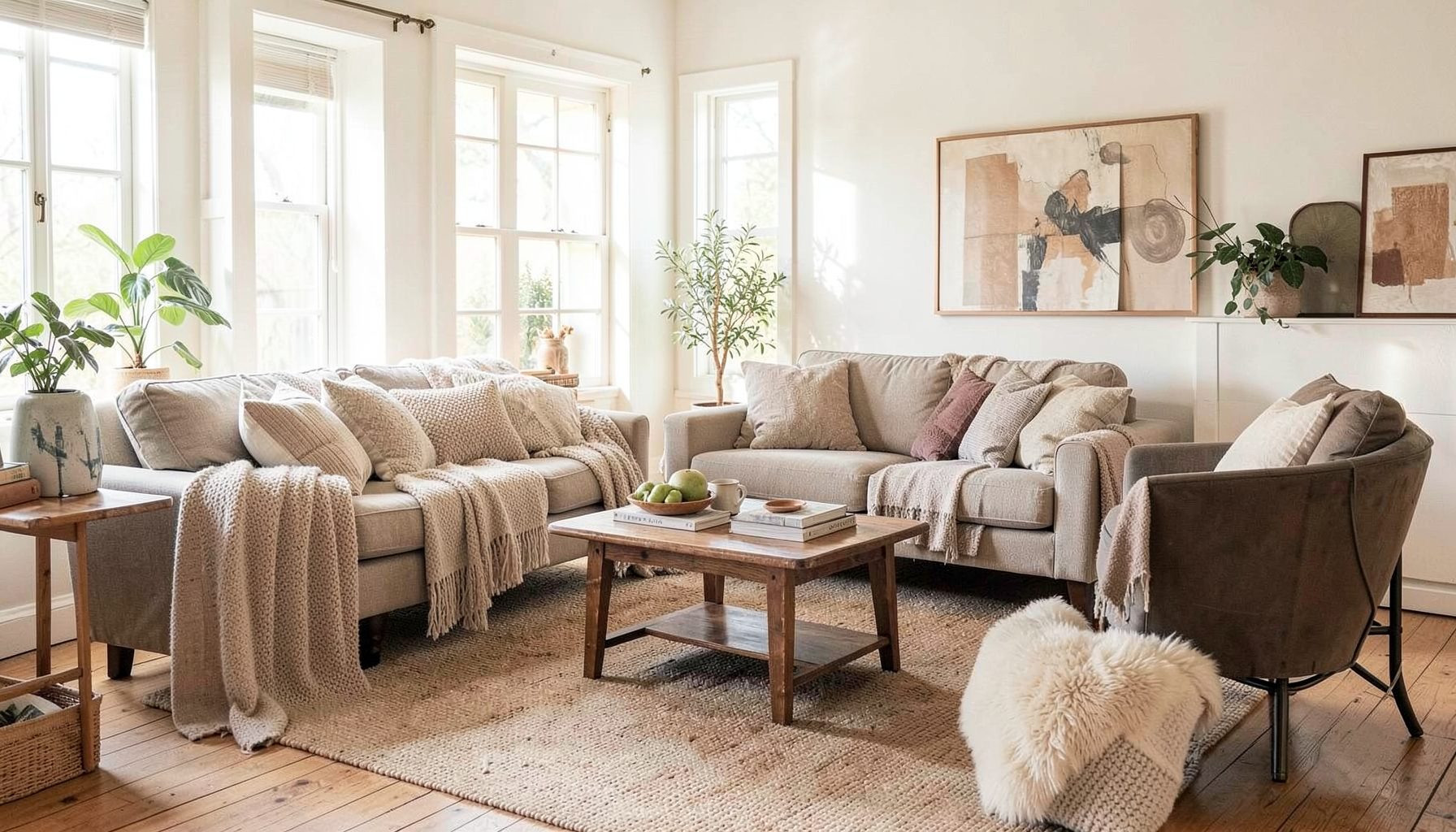
Full-service decorating that blends high and low, vintage finds with modern pieces for spaces that feel personal and collected.
Learn More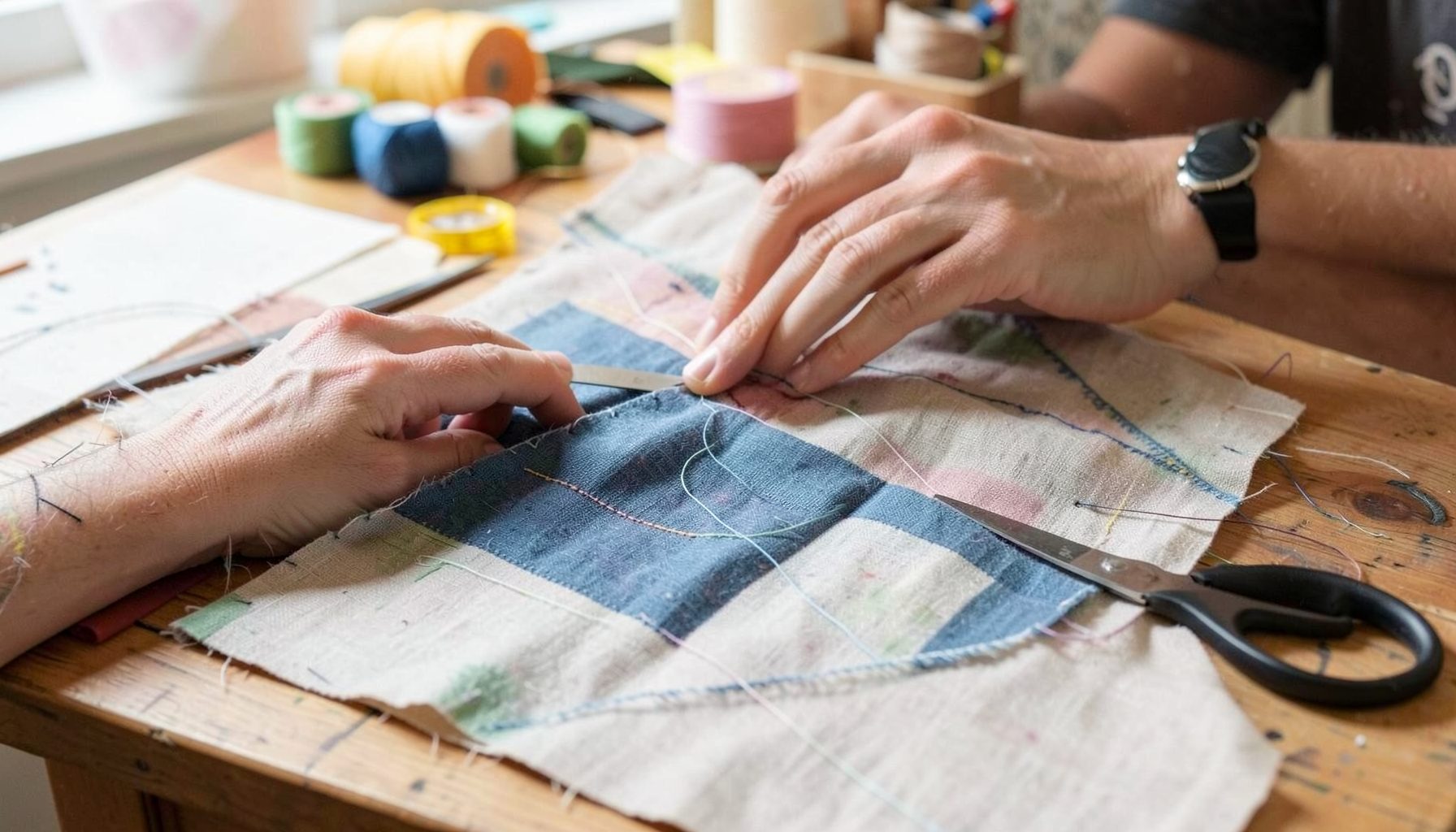
DIY Projects
Step-by-step tutorials for refinishing furniture, sewing pillows, styling bookshelves, and transforming rooms on a budget.
Learn More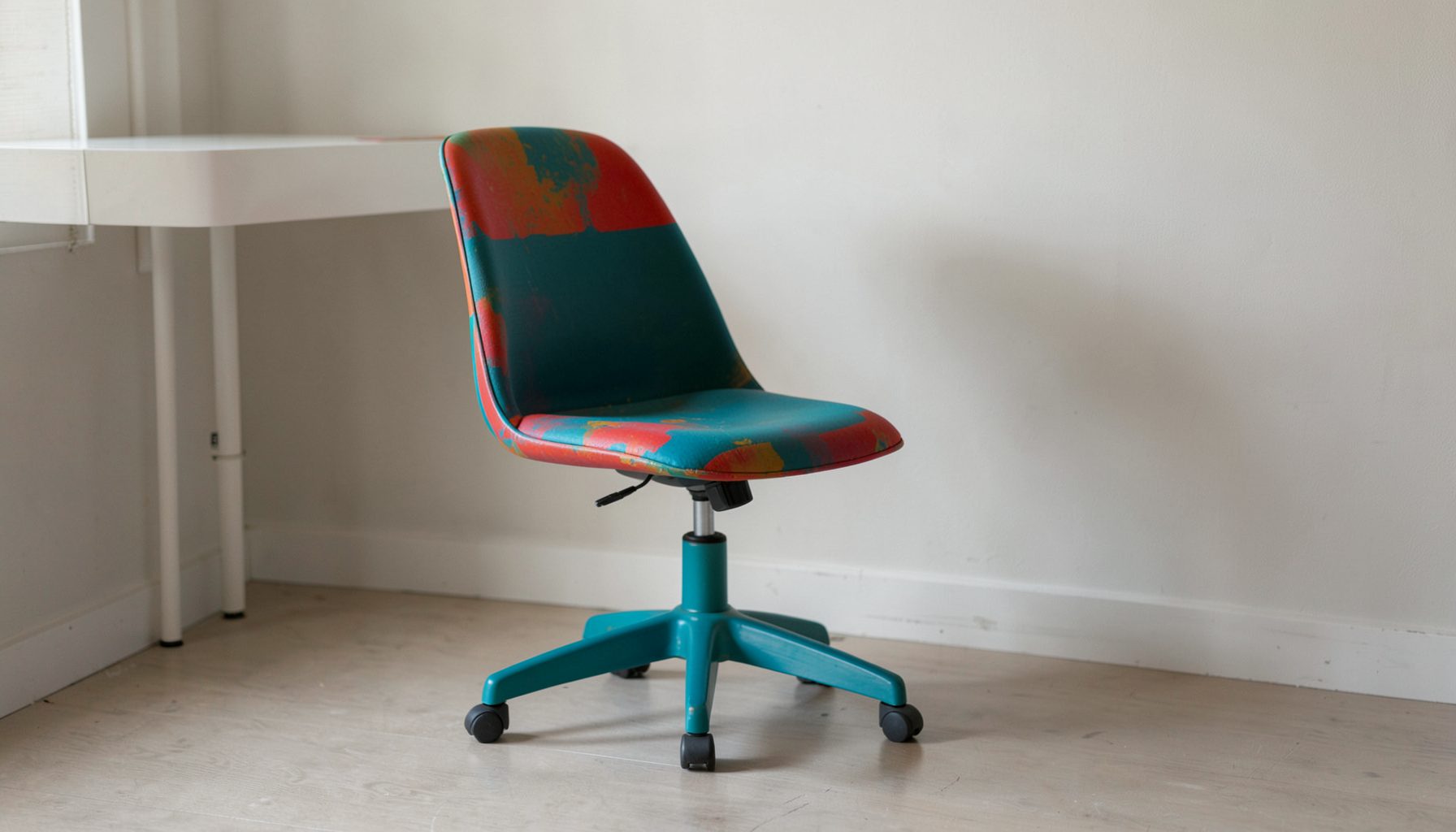
E-Decorating
Personalized design guidance delivered online — perfect for clients anywhere in the world who want a professional eye.
Learn More
Portfolio
Browse completed room makeovers, before-and-after transformations, and styling projects from Bay Area homes.
Learn More
Blog
Interior design inspiration, fashion finds, entertaining ideas, and peeks into real home renovations and styling projects.
Learn More
Downloads
Free curated resources for home decorating and design — guides, checklists, and inspiration to help you get started.
Learn MorePicking Counter Stools to Match Your Kitchen's Style and Height
Counter stools often get treated as an afterthought, slotted in once the island bench is already poured and the splashback is tiled. In practice, they shape how a kitchen actually works: how many people can sit comfortably, how a morning coffee feels, whether the bench reads as a serious cookspace or a casual gathering point. A well-matched seat quietly transforms the most-used room in the house.
This guide walks through what to weigh up before clicking add to cart or visiting a showroom in Sydney or Melbourne. From measuring seat-to-bench clearance and testing back support, to picking materials that survive a Queensland summer or a Tasmanian winter, the goal is a set of stools that look like they belong and feel like a treat to sit on.
Measure first, browse second
Australian kitchens are usually built around a benchtop height of 900 millimetres, sometimes 920 millimetres for thicker stone slabs. The rule of thumb is to leave roughly 230 to 280 millimetres between the top of the seat and the underside of the counter, so legs and knees fit comfortably without crowding the surface.
Pull a tape measure rather than trust a product photo. Measure from the floor to the underside of the bench at a few points along the run, because stone and timber benchtops can vary slightly in thickness. Note any overhangs, support brackets or power points that might force a stool back a few centimetres, and decide whether you want full clearance for knees or just a footrest to perch against.
Once the numbers are in hand, write them down next to the bench photo on your phone. Showroom staff in Adelaide and Brisbane will ask for the gap, the bench height and the stool seat height in one breath, so having those figures ready turns a browsing afternoon into a confident decision.
Match the stool to your bench material
A heavy marble or engineered stone island in a renovated Victorian terrace in Melbourne can carry almost any stool, but a floating timber benchtop on a Sydney apartment balcony has a quieter weight allowance. Matching the visual mass of the seat to the bench keeps the kitchen feeling balanced rather than top-heavy.
Timber stools in blackbutt or Tasmanian oak echo the warm tones common in newer builds across Perth and Brisbane. They soften a crisp white kitchen and age gracefully with the patina of daily use. Metal stools in matte black or brushed brass lean more contemporary, and pair beautifully with veined stone or concrete-look surfaces.
If the island is a bright quartz or porcelain slab, consider a stool with a sculptural silhouette, perhaps a curved back or a slim sled base, so the seat adds a note of interest rather than disappearing. Conversely, on a richly grained timber bench, a simpler upholstered or rattan seat stops the look from getting noisy.
Choose the right back and support
Backless stools look sleek tucked under a small breakfast bar and slide out of the way when the kitchen becomes a serving station for a long-table dinner. They are a popular pick for compact apartments in inner Sydney or Brisbane, where every centimetre of floor counts and visual clutter registers loudest.
Stools with a low back or a contoured seat give noticeably more comfort for longer sits, weekend brunches or after-school homework sessions. They also frame the bench as proper seating rather than a perch, which suits open-plan living areas where the kitchen shares the space with a family room.
A high-backed stool with arms reads almost like an accent chair at the bench. It can feel luxurious in a generous kitchen with a long island, but it can crowd a smaller footprint and trap dust near the bench. Think about how often the stools will be used for actual meals versus quick coffee and emails, and pick the support level that fits the rhythm of your household.
Pick a style that speaks to your home
Hamptons-style kitchens remain a fixture in coastal suburbs from the Northern Beaches to the Mornington Peninsula, and they pair naturally with woven seats, soft linen cushions and turned timber legs. Coastal looks can lean rattan, wicker or cane-back stools, which also suit the alfresco way Australians treat their outdoor kitchens, since they breathe well in humid summers.
Industrial and modern farmhouse spaces, with their mix of black tapware, exposed shelving and wide-plank floors, often call for metal stools in matte black, gunmetal or aged brass. They can read tough in a warehouse conversion in Fitzroy or Collingwood, but they also work in newer estates on the urban fringe where a touch of grit keeps the palette from feeling too sweet.
Hamptons, Scandi, mid-century and country all have a place in Australian homes, and the safest move is to echo one or two existing finishes already in the kitchen. A stool leg in the same finish as the cabinetry handles, or a seat fabric that pulls from a nearby dining chair, ties the room together without forcing a perfect match. For homeowners weighing up multiple looks, a short consultation with a decorator can quickly shortlist two or three stool silhouettes that suit the bench, the splashback and the broader kitchen palette.
Think about swivel, arms and footrests
Swivel stools are wonderful for parents chatting with kids doing homework at the island, and for hosts who want to pivot between the cooktop and the dining table without dragging the seat across tiles. The mechanism does add cost and weight, and over time it can loosen, so a quality base matters if you intend to swivel daily.
Armrests give a sense of luxury and a defined place for an elbow, but they also demand more clearance from the bench edge. For a tight breakfast bar with only 600 millimetres of knee space underneath, arms often become a daily frustration rather than a comfort. Footrests, however, are non-negotiable for most adults. A horizontal bar roughly 200 to 250 millimetres below the seat takes pressure off the lower back and stops feet from dangling.
If children are regulars at the bench, look for stools with a wide, stable base and a footrest that small feet can reach. Some families keep one set of adult stools and a smaller stool tucked away for kids, which sidesteps the awkward in-between heights altogether.
Comfort, upholstery and easy living
Fabric seats feel welcoming under bare legs in winter, but they show spills. In a busy household in Brisbane or Perth where the island doubles as a homework zone and a buffet, a leather, vinyl or performance fabric seat will wipe clean in seconds. Removable covers are a gift when someone drops a glass of red on a linen cushion at a Friday night gathering.
Cushion density matters more than people expect. A seat that feels plush in the showroom can flatten within months under daily use, while a firmer foam wrapped in a feather topper usually holds its shape longer. Sit in the stool for at least five minutes before buying, leaning forward as you would to talk to someone at the bench.
Open weaves in rattan or cane suit the relaxed Australian indoor-outdoor lifestyle, but they can snag on denim and are harder to deep clean. In coastal homes where salt air drifts through open doors, consider a sealed rattan or a synthetic alternative that mimics the look without the upkeep, especially if the stools live near a servery window that catches sea breezes.
Sourcing stools across Australia
Showrooms in Sydney, Melbourne and Brisbane carry the widest ranges and let you sit-test before committing. Large retailers such as Domayne and freedom, along with locally-made brands at design markets in Fitzroy or Paddington, also offer solid mid-range options, while IKEA Tempe and the broader Bunnings catalogue cover entry-level choices that suit rentals and first homes.
Online retailers deliver nationwide, but the risk of a stool that looks smaller or larger in person is real. Order swatches, check the seat height listed in millimetres rather than inches, and read the returns policy carefully. Australian Consumer Law protects buyers when goods are not of acceptable quality, so keep photos of any defects and contact the retailer in writing if a stool arrives damaged or different to the listing.
For something truly bespoke, Australian joiners and small furniture makers can build stools to a chosen bench height, finish and timber. The lead time is longer and the price higher, but the result is a piece that fits the kitchen exactly and often outlasts anything off the shelf.
Before settling on a stool, build a quick mock-up at the bench using a stack of books or a dining chair set to the planned seat height, then sit, lean and slide in and out for a week as though the kitchen were already finished. That single experiment reveals more about the right counter stools for the kitchen than any product page ever will.

Recent Projects