Interior Design
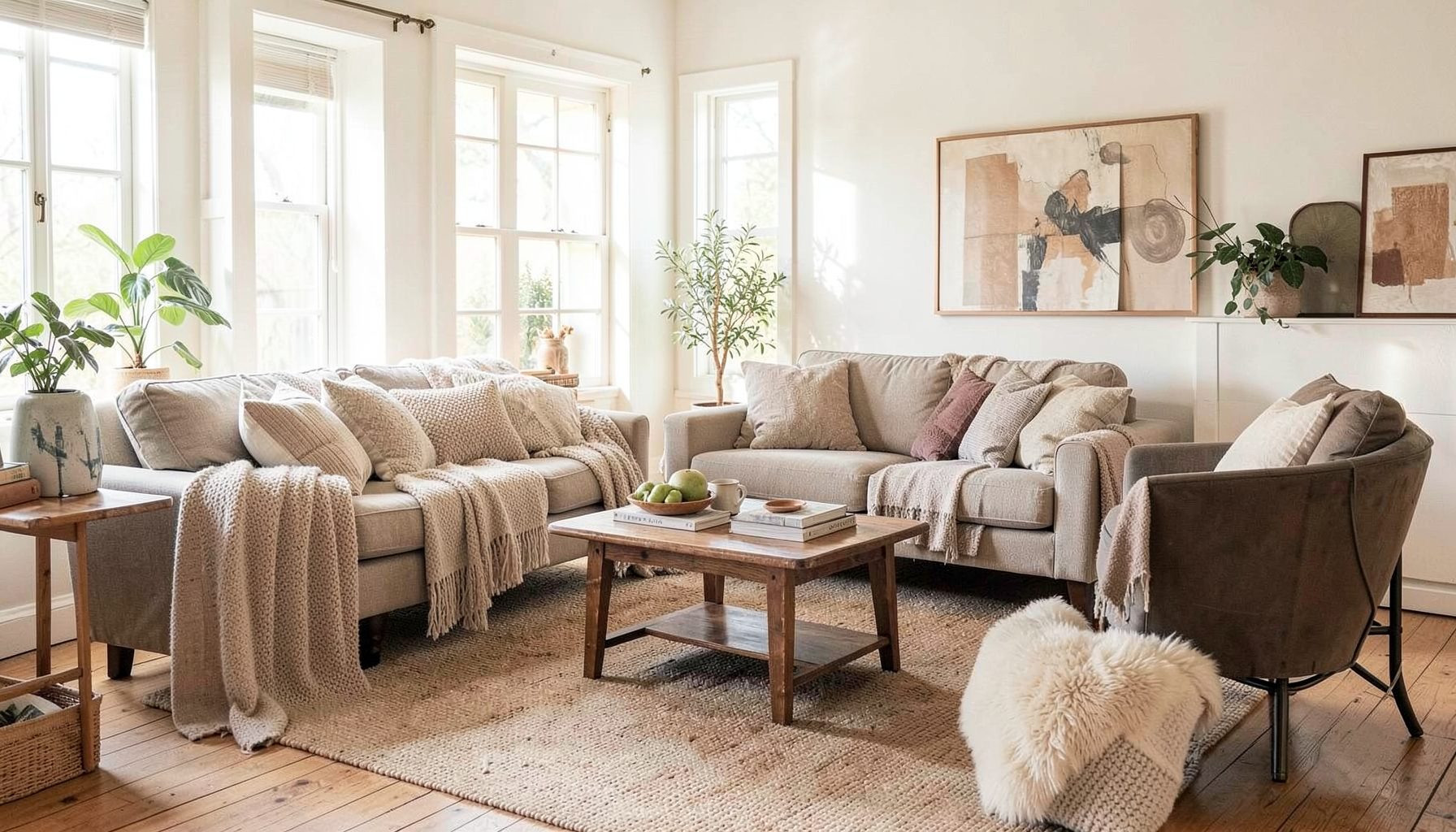
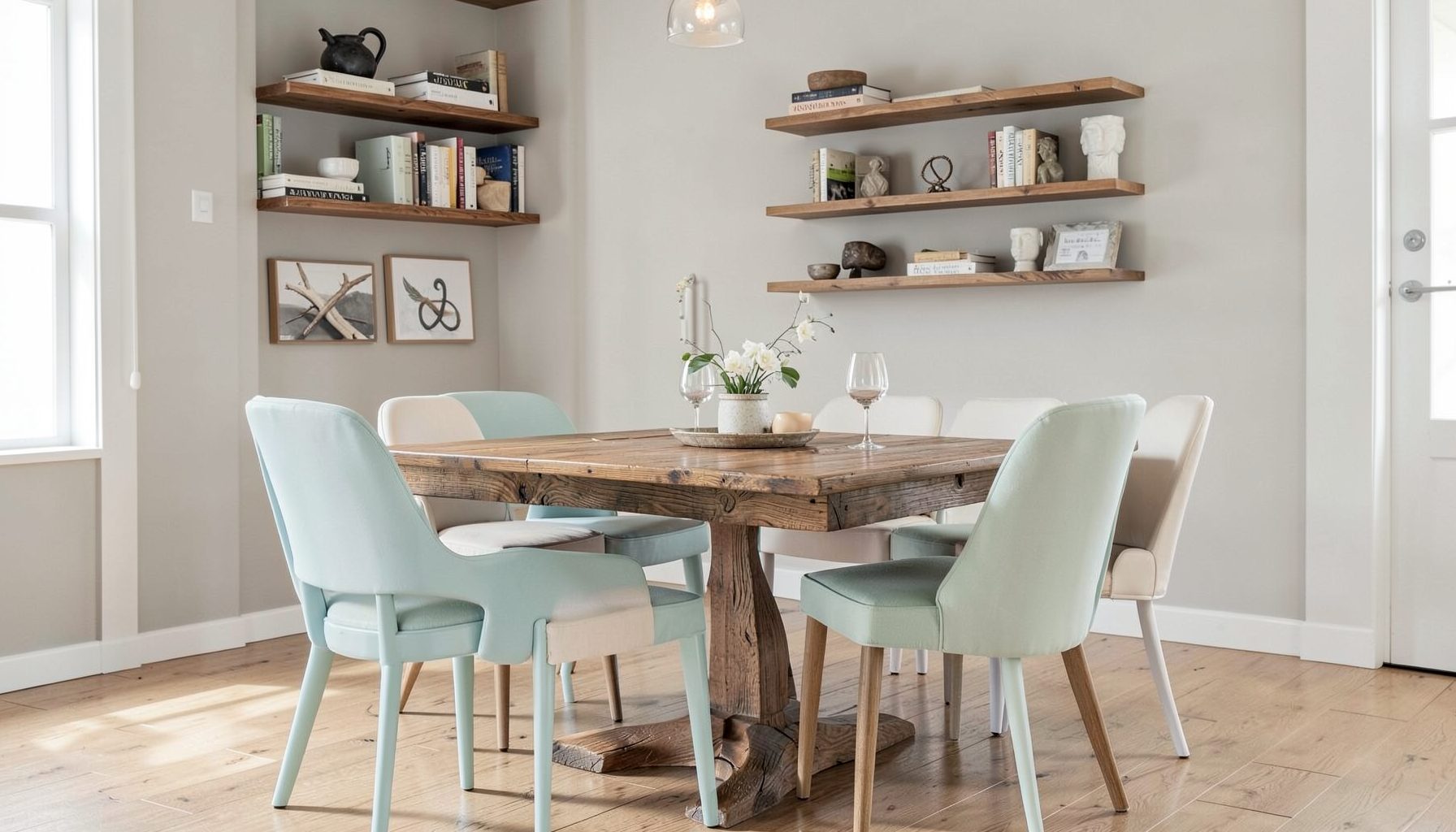
Full-service decorating that blends high and low, vintage finds with modern pieces for spaces that feel personal and collected.
Learn More
DIY Projects
Step-by-step tutorials for refinishing furniture, sewing pillows, styling bookshelves, and transforming rooms on a budget.
Learn More
E-Decorating
Personalized design guidance delivered online — perfect for clients anywhere in the world who want a professional eye.
Learn More
Portfolio
Browse completed room makeovers, before-and-after transformations, and styling projects from Bay Area homes.
Learn More
Blog
Interior design inspiration, fashion finds, entertaining ideas, and peeks into real home renovations and styling projects.
Learn More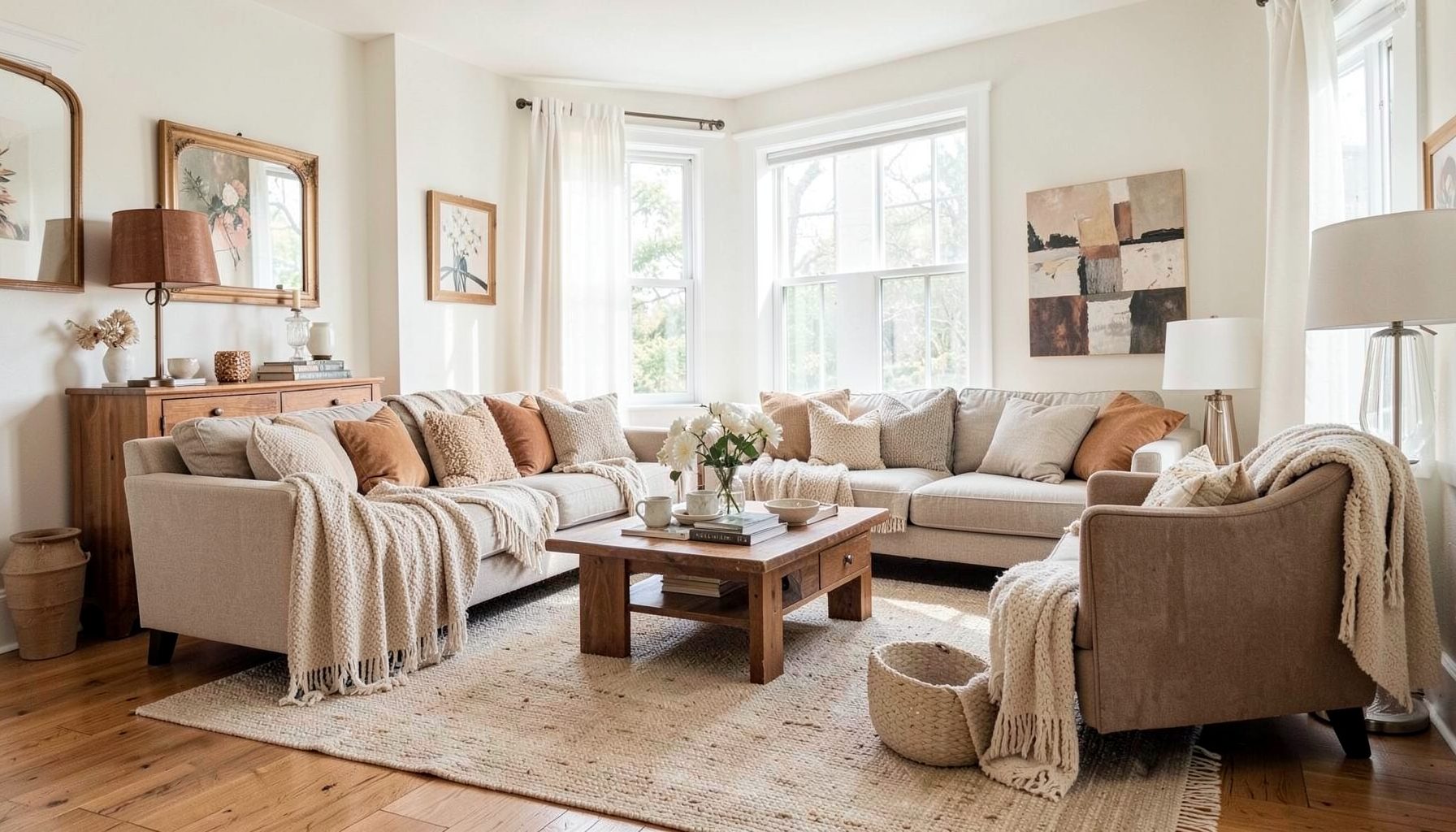
Downloads
Free curated resources for home decorating and design — guides, checklists, and inspiration to help you get started.
Learn MoreChoosing the Right Floor Covering for a Basement Rec Room
A basement rec room needs to work hard. It may be a family lounge, a games area, a home cinema, a guest zone, or the place where muddy shoes and sports gear land after a wet afternoon. The floor covering has to feel comfortable and inviting while coping with moisture, spills, heavy furniture, and changing uses.
A rug and carpet tiles create very different foundations for the room. A rug brings pattern, softness, and an easy way to define a seating area. Carpet tiles offer broader coverage, practical replacement options, and a more consistent underfoot feel. The best choice depends less on fashion than on the condition of the basement, the room’s layout, and how much flexibility you want in the years ahead.
Start With The Basement Itself
Before comparing colours and textures, check whether the room is genuinely ready for a textile floor covering. Look for musty smells, damp patches, flaking paint, condensation, salt deposits on masonry, or a concrete slab that feels persistently cold and wet. Water can enter through walls, plumbing faults, poor drainage, or heavy rain, so a beautiful floor plan will not solve an underlying moisture problem.
This matters in Australia even where basements are uncommon in older suburban housing. A lower-ground room in Melbourne may feel chilly through winter, while a basement in Brisbane or Sydney can become humid after storms and prolonged rain. Coastal areas such as Newcastle or Perth may also expose rooms to salty, damp air. Improve drainage, seal cracks, repair leaks, and use suitable ventilation before installing either option.
The floor should be clean, level, and dry. Carpet tiles generally need a smooth substrate because imperfections can telegraph through the tile edges or affect the adhesive. A rug is more forgiving, although a cracked or uneven slab can still make furniture wobble and create curled edges. If the concrete is cold, an appropriate underlay can add comfort, but it should not trap moisture against the slab.
A moisture test and advice from a qualified flooring professional are worthwhile, especially for a newly built or renovated basement. A local tradie can also identify whether the room needs a vapour barrier, floor levelling compound, improved subfloor preparation, or a different material altogether. The most stylish decision is still the one that protects the room from avoidable damage.
When A Rug Makes More Sense
A rug is usually the strongest choice when the basement has a finished hard floor and you want to add warmth without covering every square metre. It can anchor a sofa and coffee table, soften a media area, or create a defined games corner while leaving a circulation path around the edges. This layered approach works especially well in a collected interior where timber, leather, linen, metal, and painted furniture all need room to show.
Rugs are also useful when the room has more than one purpose. A large design beneath the seating group can separate the lounge from a pool table or workbench without building a wall. A smaller washable rug may suit a craft area, while a flatweave can sit under a dining-height table or card table. If the room’s function changes later, the rug can move with it.
Maintenance is relatively straightforward. Vacuum regularly, rotate the rug to distribute wear, and use a rug pad to prevent slipping and improve cushioning. For family rooms, wool blends, low-pile synthetics, and performance fibres are often more practical than delicate viscose or heavily textured styles. Consider how the material responds to crumbs, pet hair, red wine, and the occasional muddy footprint after a footy game.
A rug does leave much of the floor exposed, so it may not provide enough acoustic or thermal comfort for a large cinema-style room. It can also look undersized if the furniture floats around it. In most seating arrangements, at least the front legs of the sofa and chairs should rest on the rug. For a generous room, a larger rug often appears more intentional than several small mats scattered across the floor.
Where Carpet Tiles Earn Their Place
Carpet tiles are practical when you want wall-to-wall softness but still need a repairable floor. Individual modules can be lifted and replaced if one area is stained, worn, or damaged by a minor leak. That is especially useful in a rec room where drinks, art supplies, toys, and outdoor equipment may all share the same space.
They can also simplify installation in awkward basement layouts. Rolls of carpet are bulky and difficult to manoeuvre down narrow stairs, around tight corners, or through low doorways. Tiles are easier to carry in manageable boxes, and their modular format can accommodate columns, storage rooms, and irregular walls. Some are loose-laid or installed with tackifier rather than permanently bonded, although the product instructions and site conditions should guide that decision.
The visual result does not have to resemble an office. Modern carpet tiles come in quiet neutrals, subtle flecks, soft geometric patterns, and plank-like arrangements. Mixing two related tones can create a broad border or gently define zones. A low-profile tile in charcoal, oatmeal, olive, or warm grey can complement timber joinery and vintage furniture without overwhelming the room.
There are trade-offs. Seams may be visible, the surface can feel more commercial than a carefully chosen rug, and some tiles have a firmer pile underfoot. Pattern direction also needs attention, as rotating tiles incorrectly can create distracting shifts in colour. Order samples and view them under the basement’s actual lighting before committing. A tile that looks warm in a showroom may appear cool beneath recessed LEDs.
Compare Comfort, Cost, And Longevity
The initial price is only part of the calculation. A rug may require a good-quality pad, professional cleaning, and eventual replacement if the fibres fail or the design no longer suits the room. Carpet tiles may cost more across a large area once adhesive, preparation, delivery, and installation are included, but replacement is more targeted. Keeping a few spare tiles stored in a dry cupboard can extend the floor’s useful life.
Think about the room’s traffic pattern rather than its floor area alone. If people constantly walk between a stairwell, drinks fridge, bathroom, and sofa, a rug may show concentrated wear along those routes. Carpet tiles can make sense there because the most heavily used pieces can be changed later. Conversely, if the basement is mostly used for occasional entertaining, a rug may deliver all the warmth you need without a large installation expense.
Comfort is equally personal. A plush rug creates a softer, more residential feeling and helps furniture look grounded. Carpet tiles bring consistent cushioning across the room, which can be welcome in a children’s play zone or a long movie night. Add curtains, upholstered seating, and acoustic panels if sound bounces off concrete walls and hard ceilings; floor covering alone will not control every echo.
A layered budget often produces the best result. You might install durable tiles through the main room and place a patterned rug over the lounge zone. This gives you the resilient base of modular flooring and the personality of a decorative textile. It also allows the rug to be changed when you refresh the colour scheme, rather than replacing the entire floor.
Make The Choice Fit Your Style
A rug is the natural fit for a room built around character and contrast. It can introduce an heirloom pattern, a faded Persian-inspired motif, or a bold contemporary design against a simple concrete-look floor. This is a useful way to combine vintage finds with modern sofas, or affordable pieces with one or two investment items. The result feels considered rather than showroom-perfect.
Carpet tiles suit a calmer, more architectural scheme. Use tonal variation, a subtle grid, or a restrained herringbone layout to give the floor interest without competing with artwork and furniture. In a basement with built-in storage, a bar, or a wall-mounted television, this quieter background can help the room feel cohesive.
Scale matters in both cases. Small patterns can disappear in a big room, while oversized motifs may dominate a low-ceilinged basement. Measure the furniture layout first, including the position of recliners, side tables, beanbags, and floor lamps. A rug should be large enough to relate the seating together; tiles should be planned so narrow strips are not left beside prominent walls or doorways.
Colour should respond to natural light, which may be limited below ground. Warm taupe, muted blue, clay, olive, and soft mushroom can keep a room from feeling stark. Very dark floors may show lint and dust, while pale floors reveal spills quickly. To see how a finish behaves, place samples near the stairs, under artificial light, and beside the largest furniture pieces for several days.
Plan For Cleaning And Everyday Life
Maintenance can decide the issue once the visual preferences are clear. Carpet tiles with solution-dyed fibres are often a sensible option for a busy family basement because colour runs through the fibre rather than sitting only on the surface. Check the manufacturer’s guidance for stain treatment, steam cleaning, and water exposure. Some tiles are more suitable for spot cleaning than deep saturation.
Rugs vary widely in their care requirements. A low-pile wool rug can be durable and naturally resilient, while a washable synthetic rug may be better near a craft table or snack station. Avoid placing a valuable or moisture-sensitive rug directly on a slab that has not been thoroughly assessed. A breathable pad and occasional lifting can help, but neither replaces proper moisture control.
Furniture protection matters too. Heavy sofas and cabinets can crush pile or make tile removal awkward. Use suitable glides, keep spare flooring accessible, and avoid dragging furniture across the surface. Near exterior doors or basement stairs, a hard-wearing mat can catch grit before it reaches the main floor. In Australian homes, this is particularly helpful during wet winter weather or after children come in from the garden.
The most successful rooms balance practical decisions with a personal point of view. Design references from layered interiors can help you see how flooring, lighting, furniture, and accessories work together; the studio’s client testimonials also reflect the value of creating spaces that feel individual rather than copied. Whether you choose a relaxed rug or a full field of tiles, the surrounding details should make the basement feel connected to the rest of the home.
A rug is generally the better choice for flexibility, visual impact, and a smaller defined zone on a sound hard floor. Carpet tiles are the stronger candidate for broad coverage, frequent use, awkward access, and easier spot replacement. If the room needs both comfort and resilience, combine them: choose a reliable modular base, then layer a well-scaled rug over the area where people gather. The key thing to remember is that the right floor covering begins with a dry, prepared basement and ends with a room that supports real life.

Recent Projects