Interior Design
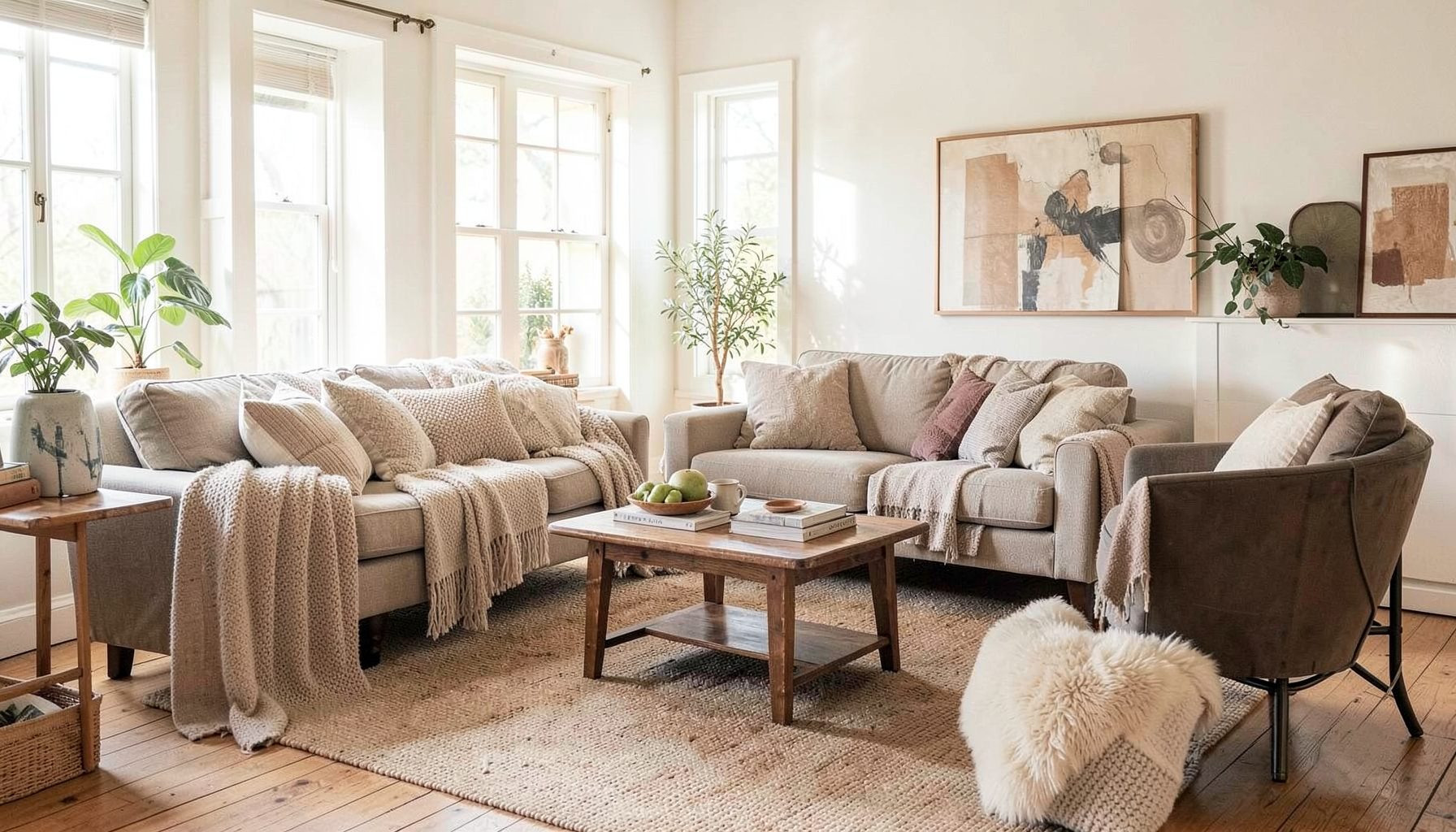
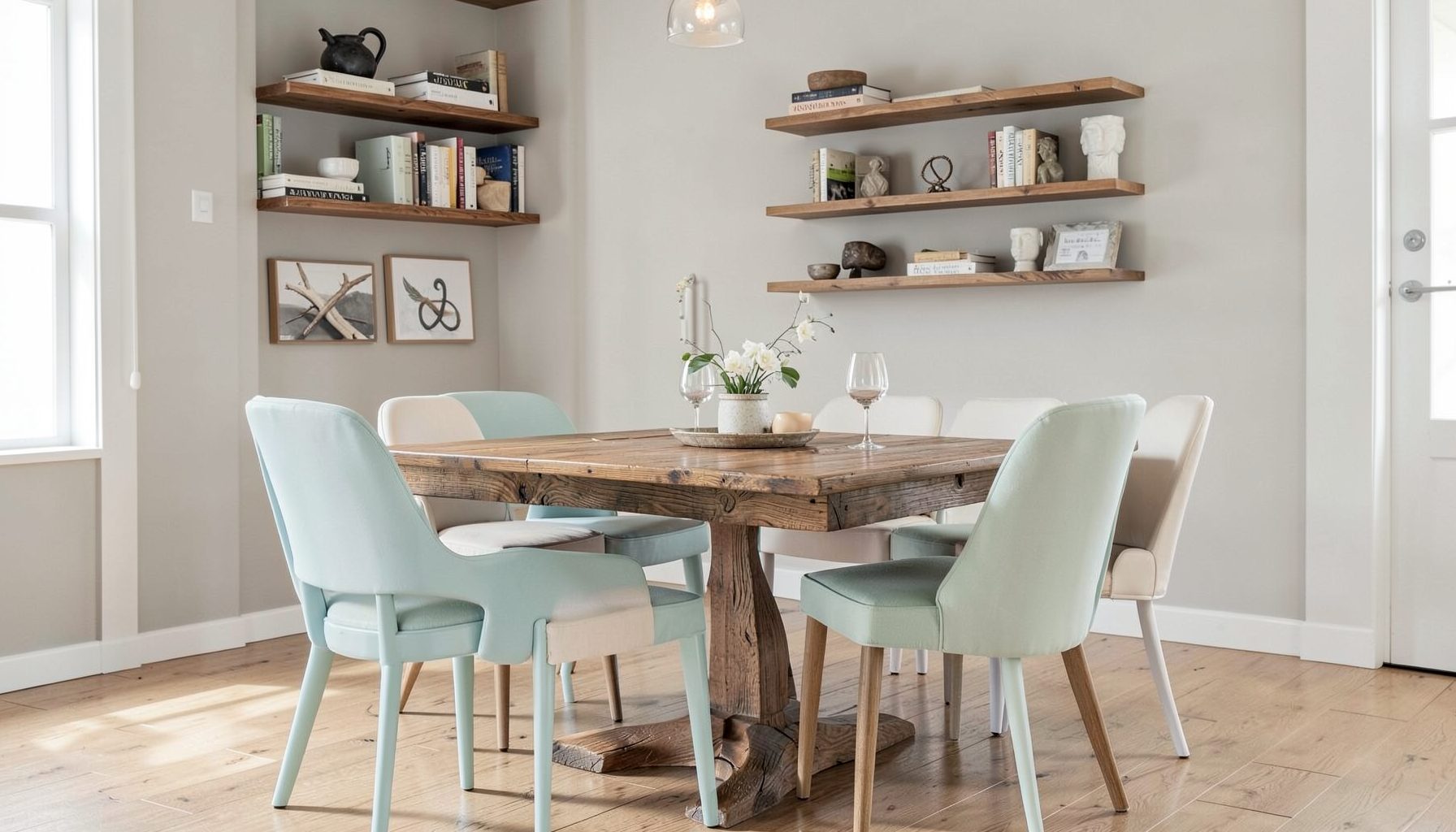
Full-service decorating that blends high and low, vintage finds with modern pieces for spaces that feel personal and collected.
Learn More
DIY Projects
Step-by-step tutorials for refinishing furniture, sewing pillows, styling bookshelves, and transforming rooms on a budget.
Learn More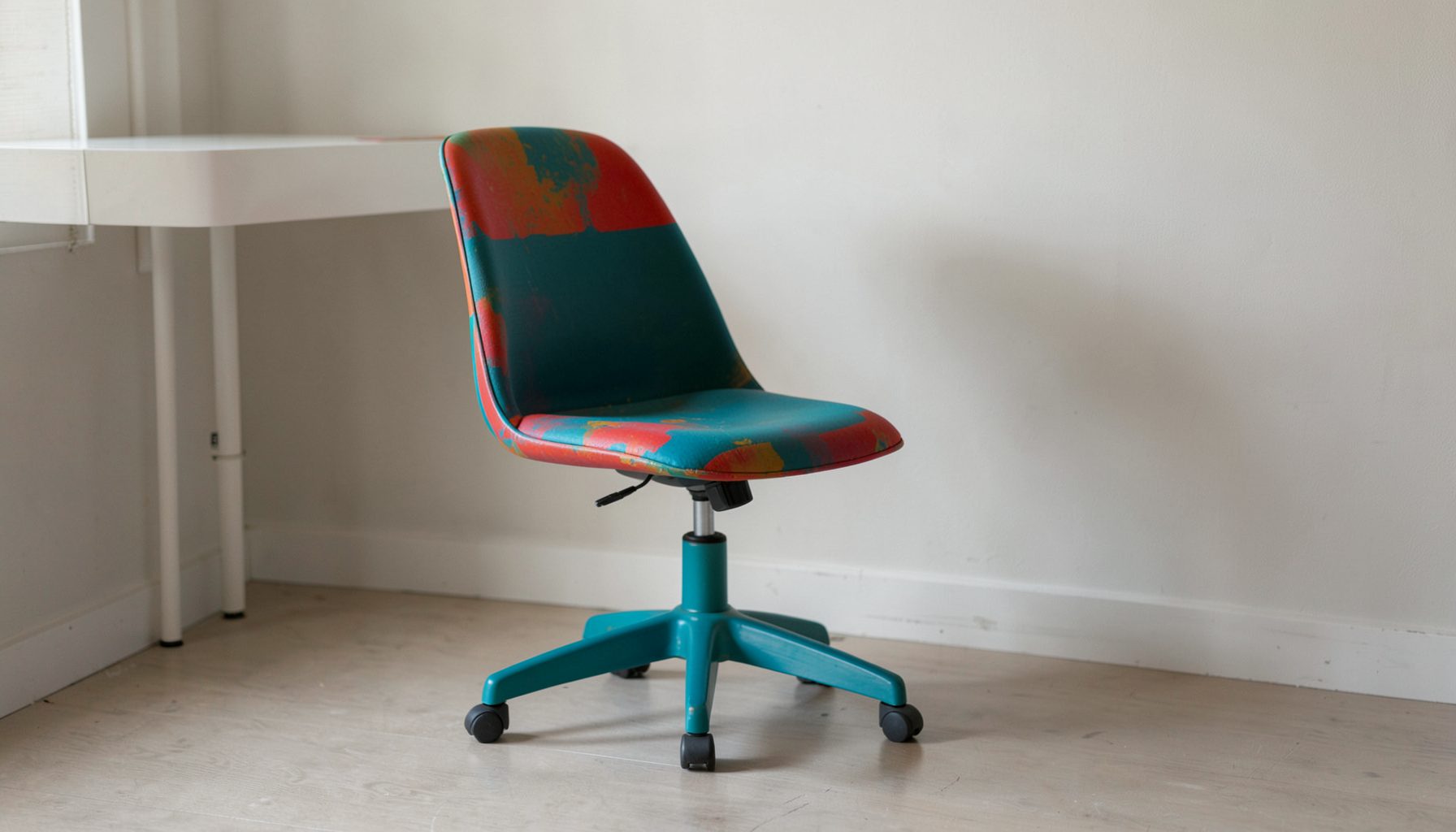
E-Decorating
Personalized design guidance delivered online — perfect for clients anywhere in the world who want a professional eye.
Learn More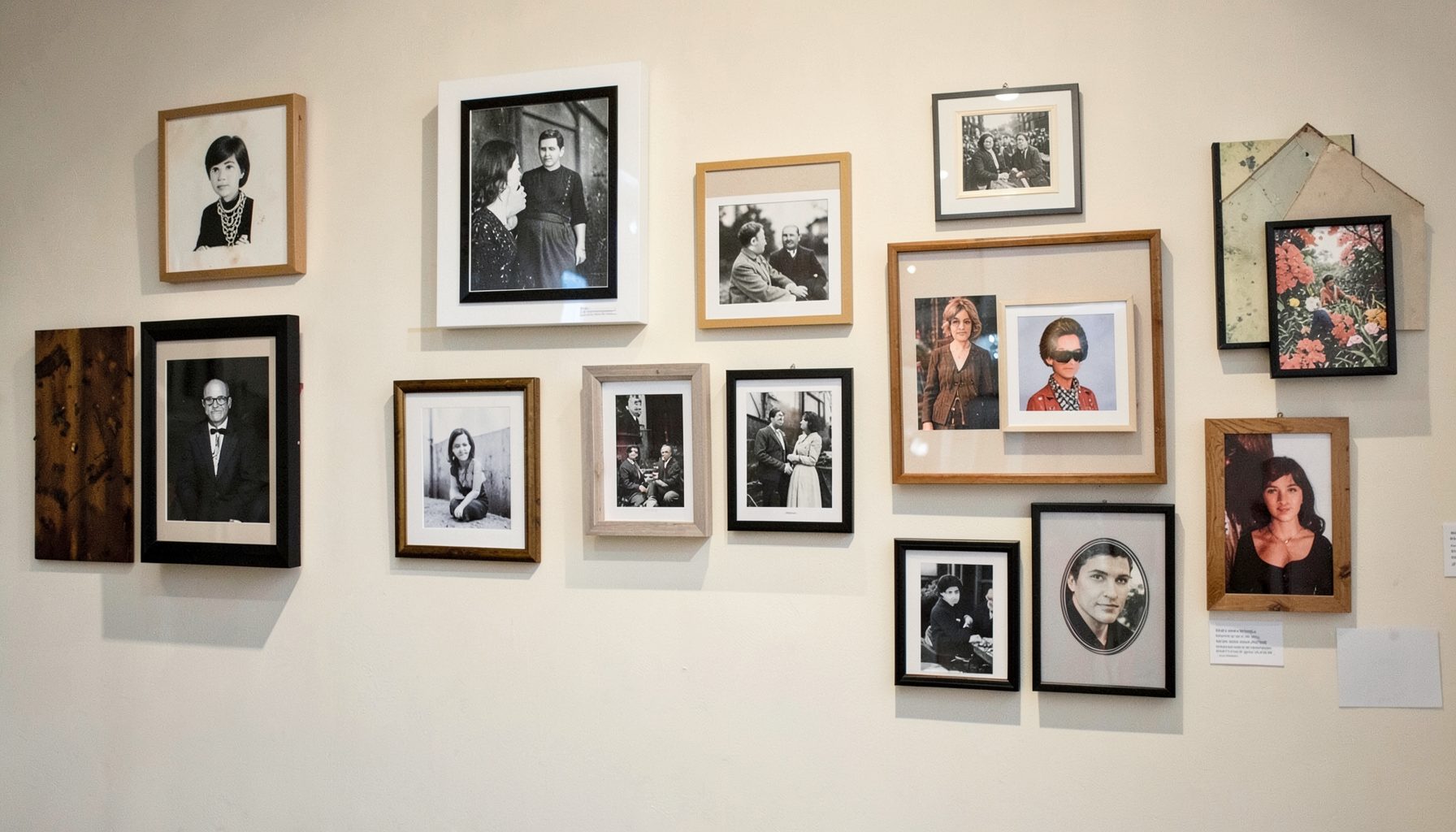
Portfolio
Browse completed room makeovers, before-and-after transformations, and styling projects from Bay Area homes.
Learn More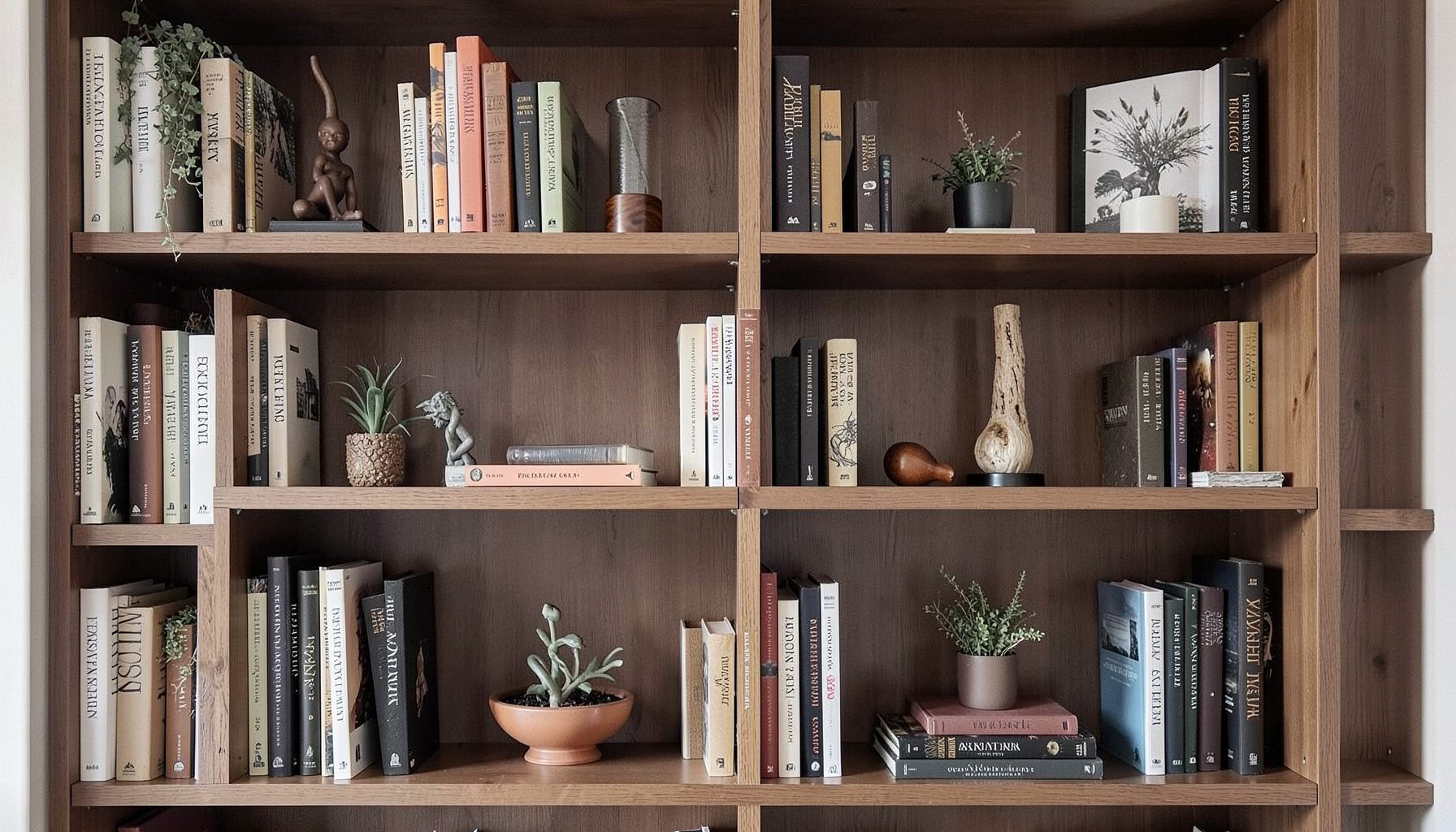
Blog
Interior design inspiration, fashion finds, entertaining ideas, and peeks into real home renovations and styling projects.
Learn More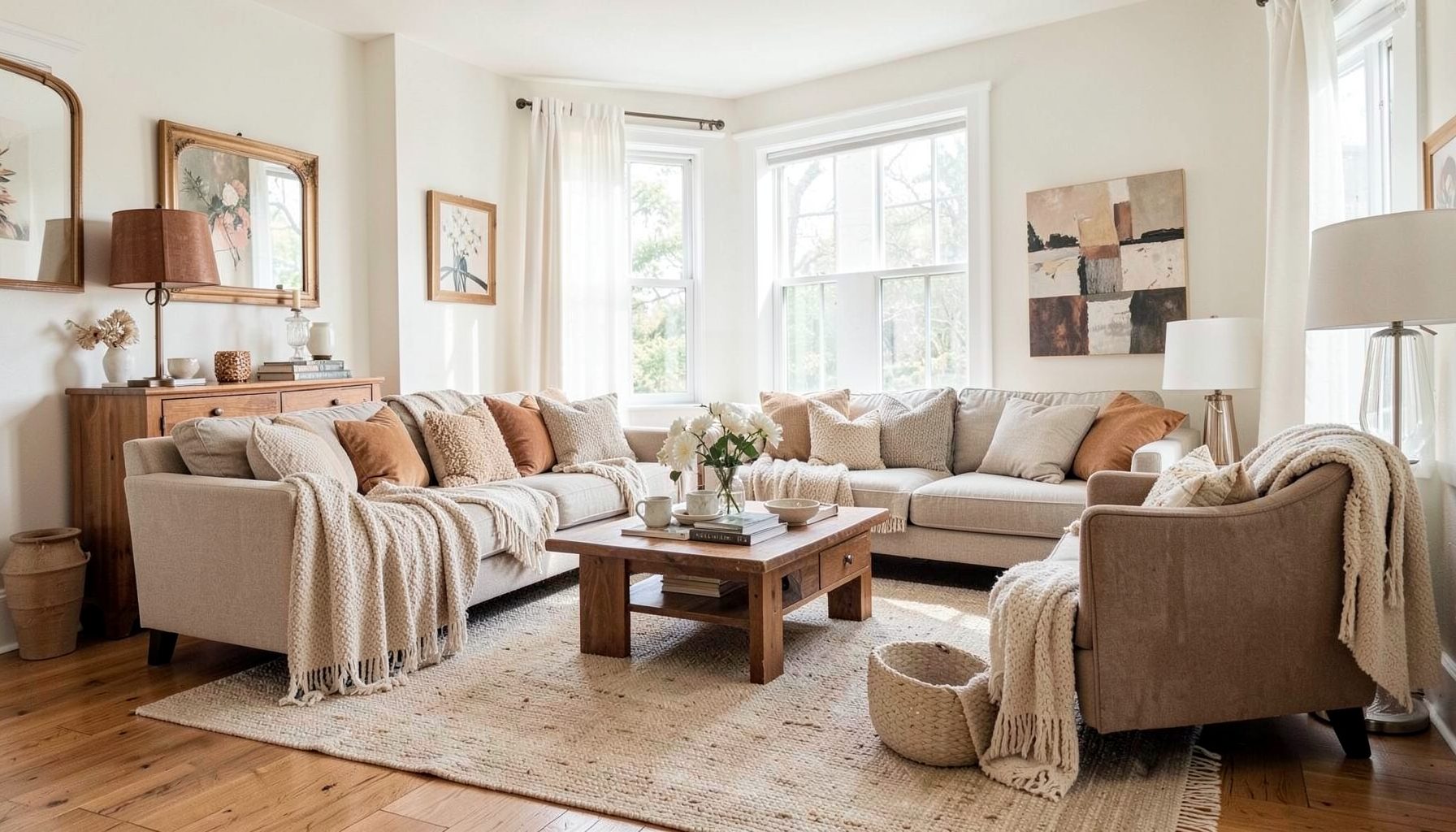
Downloads
Free curated resources for home decorating and design — guides, checklists, and inspiration to help you get started.
Learn MoreHow to Choose Art for a Layered, Eclectic Home
Art gives a room its emotional center. Furniture establishes scale and comfort, while lighting shapes atmosphere, but artwork reveals what the space is about. A collected interior feels personal because its walls hold evidence of curiosity, memory, travel, craftsmanship, and changing taste.
An eclectic art collection does not need to follow a single style, color palette, or period. It needs a relationship between pieces. A faded landscape can sit beside an expressive abstract, a sculptural object can balance a delicate botanical print, and a family photograph can feel at home next to a bold contemporary canvas.
The most successful arrangements are built gradually. Rather than searching for matching artwork, consider proportion, visual weight, texture, framing, and the mood you want each room to create. With a thoughtful process, vintage finds and new purchases can share the same address beautifully.
Begin With the Room’s Existing Story
Before buying art, study the room as it already exists. Notice the colors in the rug, upholstery, window treatments, wood tones, and decorative objects. These details provide a starting point without forcing every artwork to match. A room with warm terracotta textiles may welcome a painting with muted blue, cream, and rust, even if terracotta is not the dominant color in the artwork.
Look at the architecture as well. A tall wall can support a vertical portrait or stacked arrangement, while a long console may call for a horizontal piece or a group of smaller works. Architectural features such as fireplaces, built-in shelving, exposed beams, and unusual wall angles should influence placement.
The goal is to identify visual conversations rather than create a rigid scheme. If the furnishings are highly patterned, quieter artwork may offer relief. If the room is filled with simple silhouettes, an ornate frame or richly layered gallery wall can provide character. Art should respond to the room while adding something unexpected.
It can also help to describe the desired feeling in a few words: collected and relaxed, moody and intellectual, colorful and playful, or refined with a touch of eccentricity. This simple exercise keeps purchases connected to the atmosphere you want to live with.
Mix Styles Through Shared Qualities
Eclectic decorating works best when dissimilar pieces share at least one underlying quality. That quality might be color, subject matter, scale, frame finish, texture, or emotional tone. A modern geometric print and an antique oil painting can coexist when both contain similar ochre and charcoal tones.
Repetition creates cohesion without sacrificing variety. Repeat a small amount of blue across several pieces, echo a curved shape in both artwork and furniture, or use related materials such as aged brass, dark wood, and plaster. These recurring details act as quiet links between works that might otherwise feel unrelated.
You can also build a collection around a broad theme instead of a narrow style. Botanical studies, coastal scenes, portraits, architectural drawings, and abstract marks can all belong together if they reflect a shared interest in nature, place, or human expression. A theme provides direction while leaving plenty of room for discovery.
Avoid buying an entire gallery wall from one source in a single afternoon. Collections feel more authentic when they include different eras, techniques, and levels of finish. A mass-produced print can sit beside an inherited sketch if the arrangement gives both pieces enough presence.
Balance Color, Scale, and Negative Space
Color is one of the fastest ways to connect artwork across a room. A cohesive collection does not require identical hues, but it benefits from a controlled range. Choose one or two anchor colors that recur throughout the arrangement, then allow secondary shades to vary.
Consider saturation as carefully as hue. A vivid red print may overpower a group of soft, faded works, even if red appears elsewhere in the room. If you love a dramatic piece, give it breathing room or place it near another work with comparable intensity. Visual weight matters just as much as color.
Scale should be judged against the furniture beneath the art. Artwork above a sofa, bed, or console generally feels more grounded when its overall width is approximately two-thirds to three-quarters of the furniture width. A single small frame on a large wall can look accidental unless it is intentionally paired with additional objects or surrounded by generous negative space.
Negative space is an active part of the design. Leave enough wall visible between works for each piece to remain legible. Crowding can make a collection feel noisy, while excessive distance can disconnect the arrangement. For many gallery walls, a consistent gap of two to four inches provides a comfortable starting point, adjusted for frame size and room scale.
| Art Situation | A Strong Starting Point | What to Watch For |
|---|---|---|
| Large wall above a sofa | One oversized work or a wide grouping | Keep the arrangement visually connected to the sofa |
| Narrow hallway | Repeated small works or a vertical sequence | Avoid pieces that project into the walking path |
| Quiet neutral room | Saturated art, expressive marks, or sculptural pieces | Balance intensity with calmer neighboring elements |
| Patterned room | Line drawings, tonal paintings, or simple photography | Prevent competing patterns from becoming distracting |
| Mixed vintage and modern furnishings | Art with varied frames and one repeating color | Use spacing and scale to maintain order |
| Small room | Fewer pieces with generous breathing room | Too many small frames can make walls feel busy |
Treat Frames as Part of the Composition
Frames are not merely protective borders; they are design materials. A carved gilt frame adds history and ornament, while a thin black frame feels crisp and architectural. Natural wood introduces warmth, and painted frames can reinforce a room’s color story.
A layered home can accommodate several frame finishes, especially when the artwork itself varies. The key is to repeat each finish enough to make it feel intentional or balance it with similar visual weight. For example, one ornate gold frame may look isolated, but two or three gold details distributed through a gallery wall can create rhythm.
Matting changes the presence of a piece. A wide white mat gives a delicate drawing room to breathe, while a narrow mat makes the artwork feel denser and more immediate. Colored mats can be beautiful in an eclectic setting, but they should relate to a shade already present in the artwork or surrounding decor.
Do not overlook the frame’s condition. A little wear can add authenticity, particularly to vintage art, but loose joints, damaged glass, or severe discoloration may distract from the work. Professional framing is worthwhile for valuable pieces, unusual dimensions, and anything exposed to strong sunlight.
Build a Gallery Wall With Intention
A gallery wall should look collected rather than random. Start by gathering the artwork on the floor and arranging the pieces before making holes. Use paper templates on the wall if the collection is large or the composition includes valuable frames.
Begin with the largest or most visually dominant piece. Place it slightly off-center rather than automatically in the middle, then add smaller works around it. A mixture of vertical and horizontal orientations creates movement, while one or two unusual shapes—such as a round mirror, textile, or shadow box—can keep the arrangement from feeling predictable.
There are several effective structures. A symmetrical grid feels orderly and works well with similar frames. A salon-style arrangement feels more relaxed and allows varied sizes. A linear arrangement suits hallways, stair landings, and long consoles. Choose the structure according to both the architecture and your tolerance for visual spontaneity.
Use a consistent relationship to nearby furniture. The bottom of a gallery wall should generally sit close enough to the sofa, console, or headboard that the art feels connected to it. In rooms with higher ceilings, the arrangement can rise upward, but the center of the composition should remain at a comfortable viewing height.
Online inspiration can help you compare layouts, framing ideas, and color combinations, but save images for their specific lessons rather than copying an entire room. Even when exploring unrelated visual references, a desktop browsing guide can illustrate how hierarchy, spacing, and focal points direct attention—principles that apply equally to a well-organized inspiration board.
Add Art Beyond Framed Pictures
A layered interior becomes richer when art extends beyond conventional paintings and prints. Textiles, ceramic plates, woven baskets, antique maps, architectural fragments, mirrors, and small sculptures can all contribute to the collection. These alternatives introduce tactile contrast and prevent the walls from becoming visually flat.
Textile art is particularly useful in bedrooms, reading corners, and rooms with hard flooring. A quilt, embroidered panel, or handwoven piece softens sound and adds depth. Secure heavier textiles properly, using an appropriate rod, mounting system, or professional installation rather than relying on a lightweight hook.
Objects can also be grouped on shelves, mantels, and consoles. Lean a framed work behind a smaller object, place a ceramic form beside a stack of art books, or layer a mirror with a painting that partially overlaps its edge. This approach makes the entire room feel curated instead of limiting the collection to the wall surface.
Personal items often provide the strongest finishing touch. Children’s drawings, travel sketches, inherited photographs, and souvenirs can be displayed with more polished pieces. Consistent framing can give informal work a sense of importance, while a casual pinboard or clip rail can make rotating pieces easy and enjoyable.
Make Thoughtful Purchases Over Time
A meaningful collection rarely appears all at once. Begin with one or two pieces that genuinely move you, then allow the rest to develop around them. This prevents filler purchases and leaves room for discoveries that could not have been planned in advance.
When evaluating a potential purchase, ask whether you like the work independently of its current setting. Imagine it in different rooms, under different lighting, and beside artwork you already own. Measure both the art and the frame before buying, especially when working with a small wall or a specific piece of furniture.
Budget can be flexible. Original art from emerging artists, vintage prints, flea-market paintings, estate-sale finds, and professionally reproduced works can all contribute to an elevated room. The distinction between expensive and inexpensive matters less than condition, scale, placement, and the emotional connection the piece creates.
Use these principles when editing or expanding your collection:
- Choose artwork that creates a genuine emotional response, not simply something that fills an empty wall.
- Repeat a few colors, materials, or shapes to connect varied pieces.
- Mix large and small works while keeping their combined visual weight balanced.
- Give special attention to framing, matting, and the condition of each piece.
- Leave room for the collection to evolve as your taste and home change.
Let the Collection Evolve With the Home
Art should remain flexible. A painting that feels quiet in a bedroom might become a strong focal point in an entryway, while a gallery wall can be rearranged as new pieces arrive. Moving artwork is a practical way to refresh a room without replacing its furniture.
Lighting deserves regular attention. Direct sunlight can fade works over time, so use window coverings or UV-protective glazing where appropriate. Picture lights, adjustable sconces, and carefully aimed recessed fixtures can reveal texture and color after dark. Warm, controlled lighting usually supports the welcoming character of an eclectic interior.
Stand back from the room at different times of day. A composition that feels balanced in bright morning light may appear too heavy at night. Take photographs from the doorway and from common seating positions; the camera often reveals spacing and scale issues that are difficult to notice while standing close to the wall.
The best collected spaces retain a sense of life. Leave a little room for an unexpected find, a newly framed family photograph, or a piece discovered during travel. When art is chosen with curiosity and arranged with care, a home can feel layered without becoming cluttered, expressive without becoming chaotic, and polished without losing its personality.
Bring your walls into the larger story of your home with a considered mix of artwork, objects, textures, and memories. Explore personalized decorating guidance and full-service design support from Maggie Rose Interiors to shape a collected space that feels distinctly yours.

Recent Projects