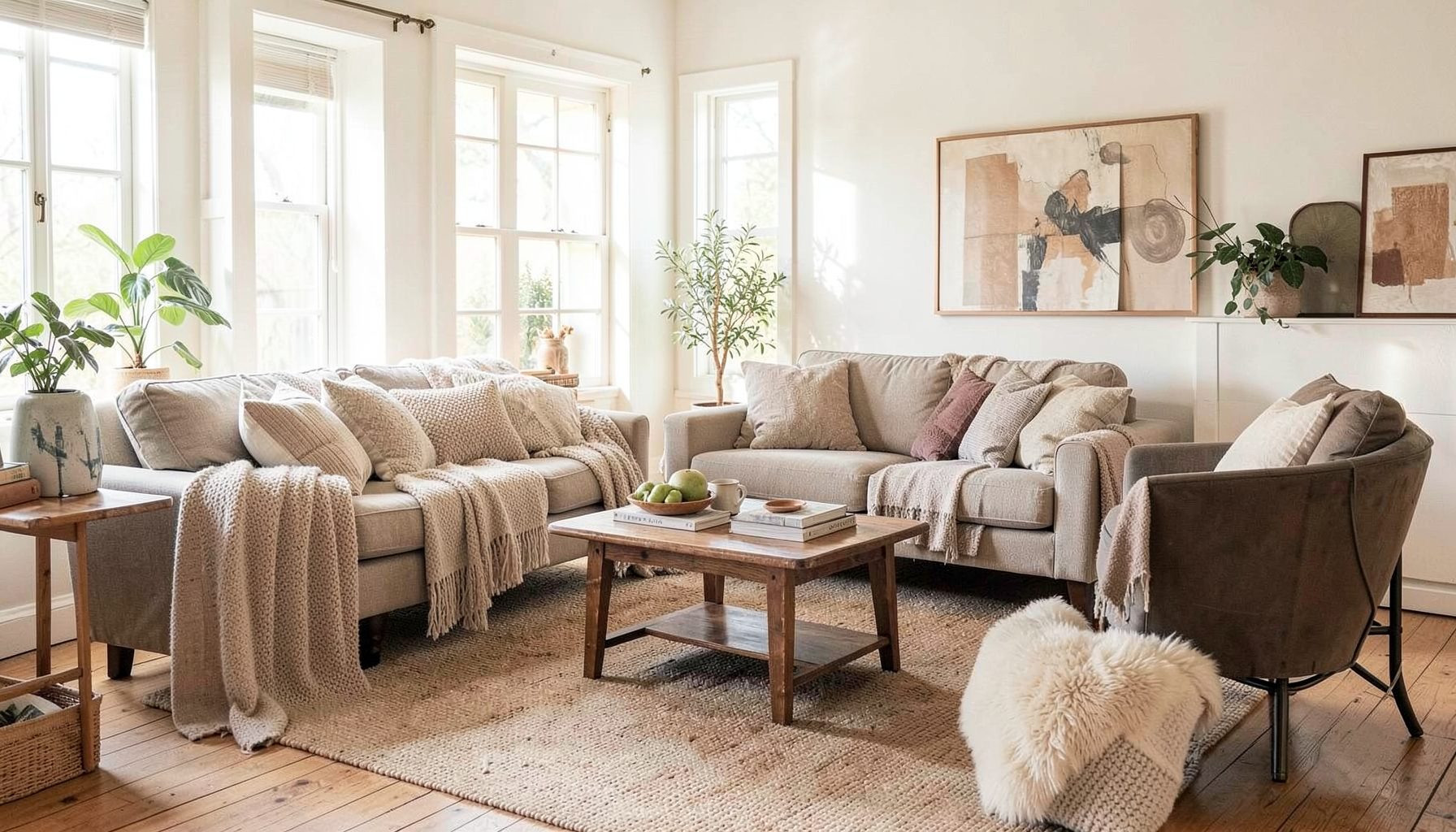
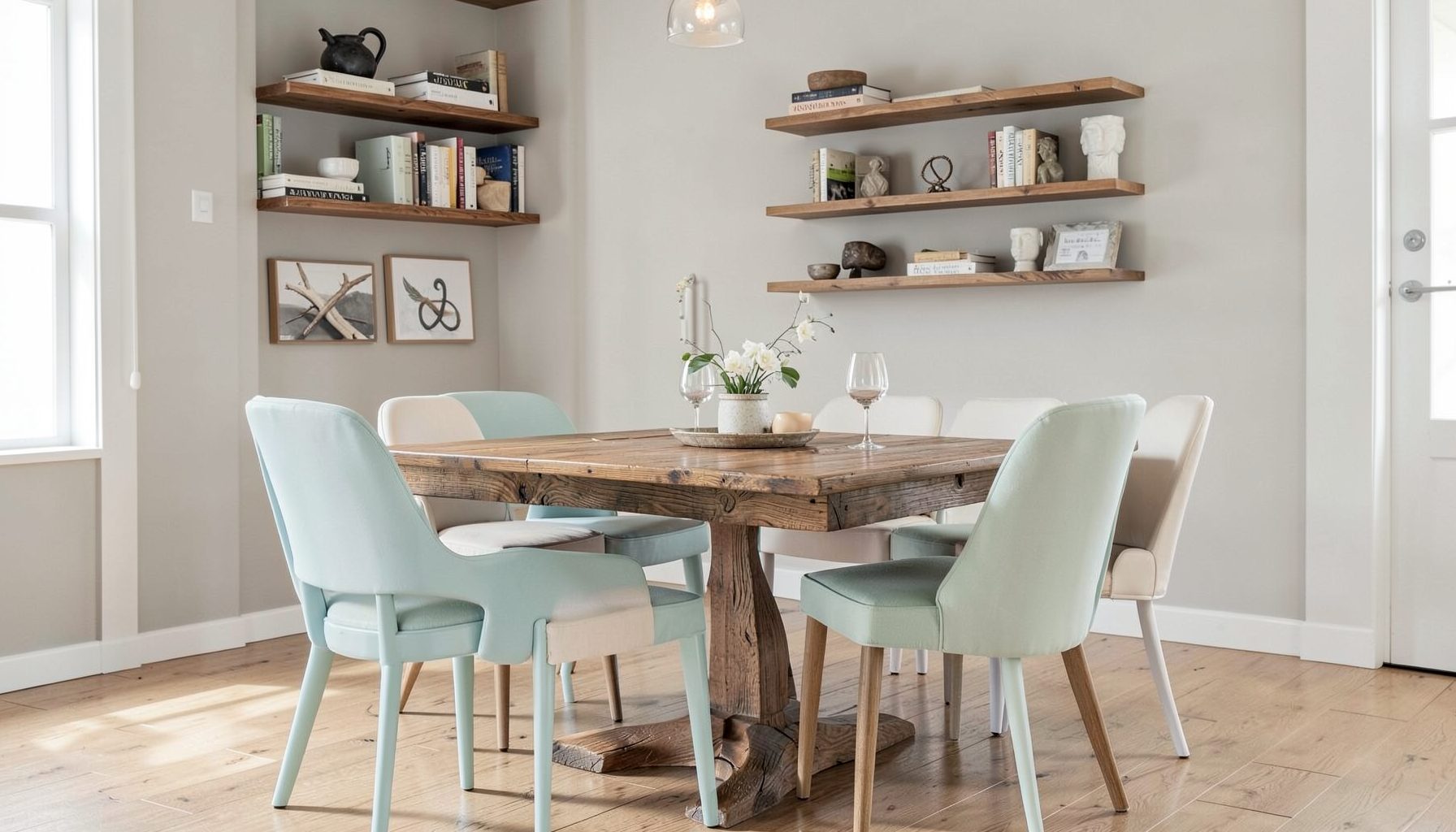
Interior Design
Full-service decorating that blends high and low, vintage finds with modern pieces for spaces that feel personal and collected.
Learn More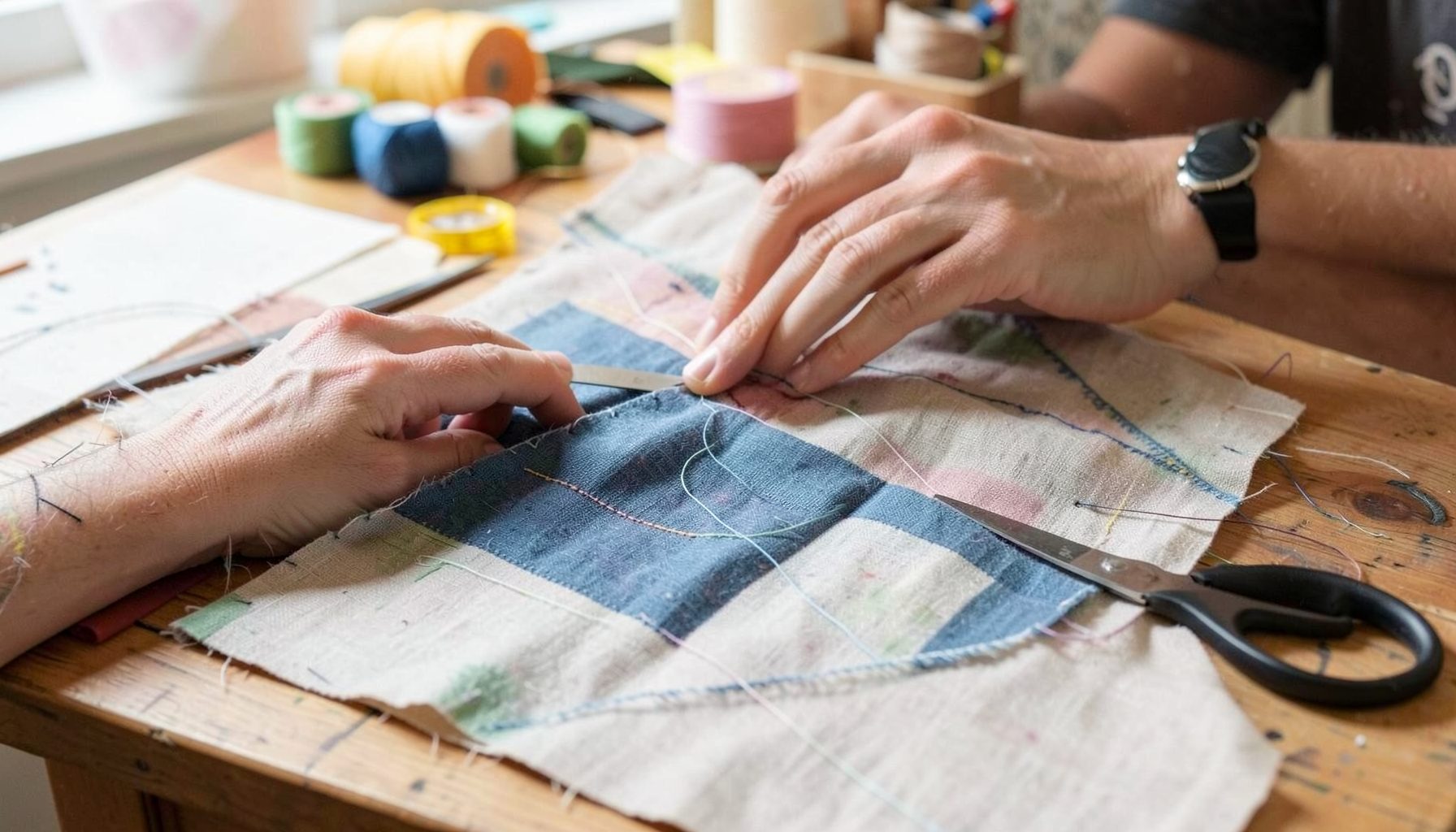
DIY Projects
Step-by-step tutorials for refinishing furniture, sewing pillows, styling bookshelves, and transforming rooms on a budget.
Learn More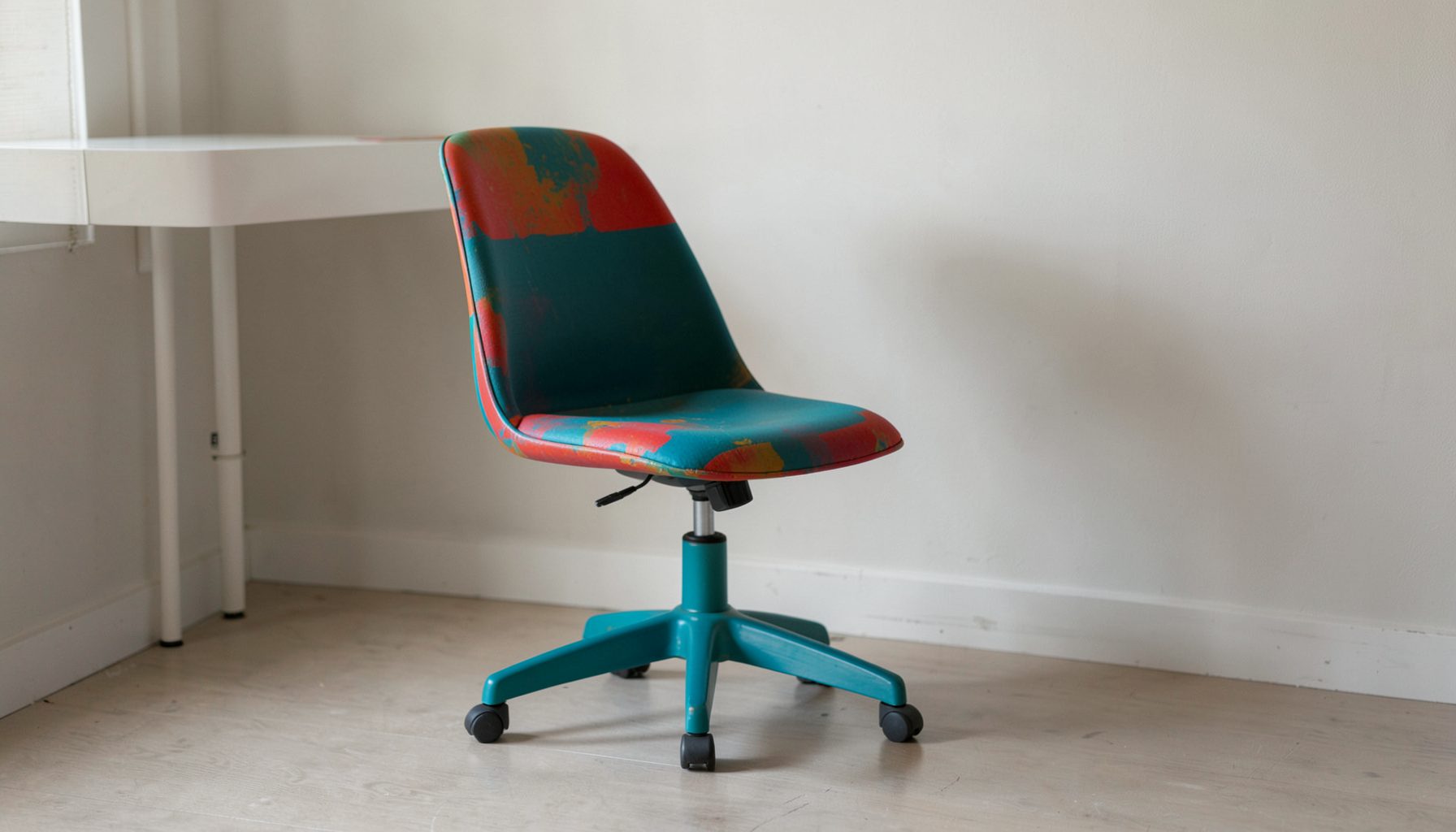
E-Decorating
Personalized design guidance delivered online — perfect for clients anywhere in the world who want a professional eye.
Learn More
Portfolio
Browse completed room makeovers, before-and-after transformations, and styling projects from Bay Area homes.
Learn More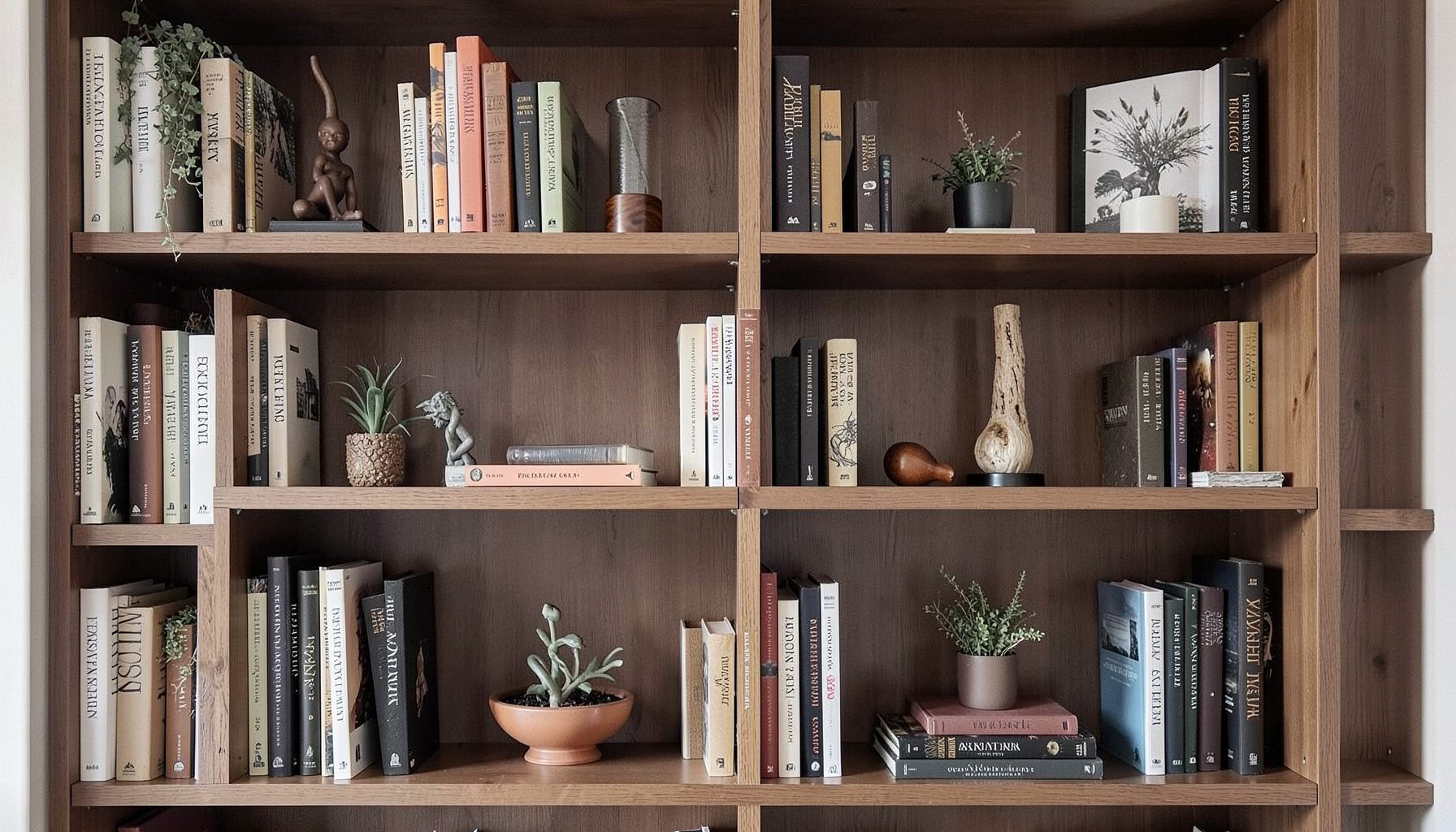
Blog
Interior design inspiration, fashion finds, entertaining ideas, and peeks into real home renovations and styling projects.
Learn More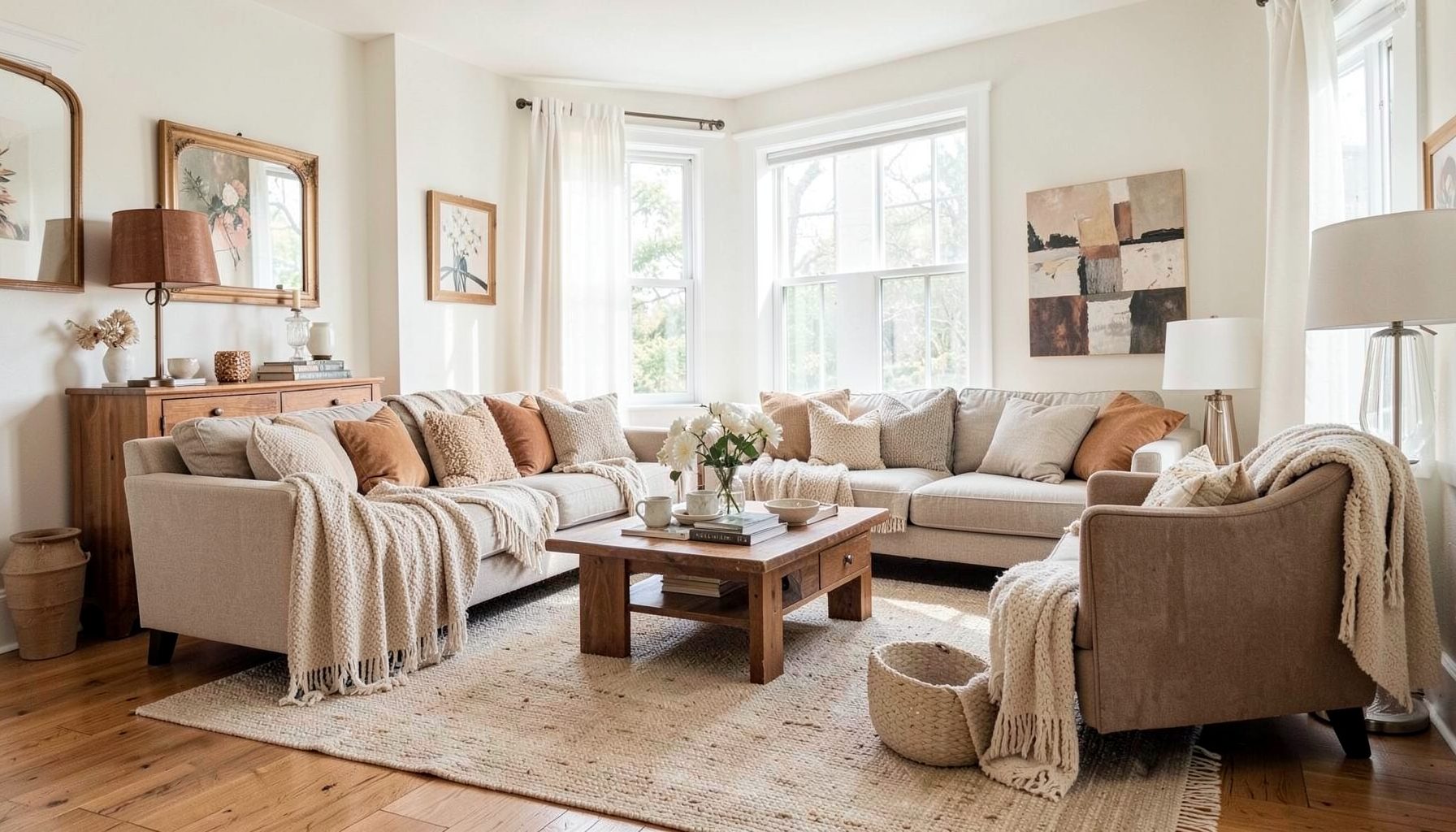
Downloads
Free curated resources for home decorating and design — guides, checklists, and inspiration to help you get started.
Learn MoreHow to Choose a Statement Rug for a Layered Interior
A statement rug can establish the mood of an entire room. It may bring a quiet neutral palette to life, anchor a collection of vintage furnishings, or introduce the color that makes a space feel intentional rather than assembled piece by piece. The right design adds character while giving every other element a place to belong.
In a layered interior, the rug should feel connected to the room without matching everything exactly. Pattern, texture, scale, color, and material all contribute to that balance. A faded Persian rug may complement a modern sofa, while a boldly geometric wool rug can give traditional furniture a fresher point of view.
Choosing well requires more than finding a beautiful pattern. Consider how the rug will function, where it will sit, how it relates to the furniture, and what kind of atmosphere you want to create. With a thoughtful approach, a floor covering becomes a foundation for a collected, personal space.
Begin With The Room’s Story
Before browsing rugs, identify what already gives the room its personality. Look at the wood tones, upholstery, artwork, window treatments, lighting, and accessories. A successful statement piece often picks up on one or two existing colors while adding a new shade, pattern, or texture to keep the scheme from feeling predictable.
The word “statement” does not always mean loud. A soft, tonal rug with a sculptural weave can make a powerful impression in a calm bedroom. A distressed antique design may be visually complex without appearing bright. In a family room, a saturated kilim or graphic wool rug could provide the energy that simpler furnishings need.
Think about the feeling you want to create. For a relaxed and collected atmosphere, consider faded motifs, natural fibers, and imperfect variations. For a more tailored room, look for crisp geometry, controlled contrast, or a refined border. The rug should support the emotional quality of the space rather than compete with it.
Match Pattern And Scale To The Space
Pattern scale affects how large or intimate a room feels. Large-scale motifs can look sophisticated in an open living area, where the design has enough distance to be appreciated. Small-scale patterns create movement and visual detail, making them useful in compact rooms or spaces with fewer decorative elements.
If the furniture is heavily patterned, choose a rug with a quieter design or a restrained color palette. A floral sofa, striped curtains, and expressive artwork may need a rug that acts as a textural anchor. When the upholstery is mostly solid, the floor offers an opportunity for medallions, checks, botanical forms, or abstract shapes.
Scale also applies to the rug’s relationship with the furniture. A design that is too small can make a room feel fragmented, while an oversized pattern in a narrow space may overwhelm the architecture. Use painter’s tape to mark the proposed dimensions before purchasing. This simple step reveals whether the rug will support the layout or leave awkward gaps.
Choose The Right Size And Placement
In a living room, the ideal rug usually reaches beneath at least the front legs of the main seating. When the room allows, placing the entire sofa and chairs on the rug creates a more unified conversation area. A smaller rug can still work, but it should be intentionally centered rather than floating in the middle of the floor.
Dining room rugs should extend beyond the table far enough for chairs to remain on the rug when pulled out. Measure the table, then add enough clearance on every side for comfortable movement. In a bedroom, a large rug can run beneath the lower two-thirds of the bed, or smaller runners can frame the sides while preserving more of the floor.
Use the architecture as a guide. Align the rug with a fireplace, window, island, or central axis when possible. In open-plan homes, a rug can define the living zone without adding a physical divider. This is especially useful when combining a dining area, kitchen, and sitting room into one continuous space.
| Room Or Setting | Useful Rug Placement | Design Consideration |
|---|---|---|
| Living room | Beneath the front legs of seating or under the full grouping | Choose a size that connects the conversation area |
| Dining room | Extend beyond the table and chairs on every side | A low-pile, easy-clean weave helps chairs move smoothly |
| Bedroom | Beneath the lower portion of the bed or beside it | Let the rug add softness without blocking doors or drawers |
| Entryway | Centered along the path of travel | Select a durable material and secure the edges |
| Open-plan space | Define one functional zone | Coordinate with nearby rugs without making them identical |
| Small room | Use a proportional area rug or layered runner | Leave enough visible flooring to preserve a sense of space |
Balance Color With Existing Layers
Color is often the first thing people notice, but it should be considered in context. Pulling one shade from a painting, cushion, or ceramic object can create cohesion without making the room feel coordinated in a rigid way. A rug can also introduce a bridge color that links warm and cool finishes, such as muted olive between cognac leather and blue-gray upholstery.
For a layered interior, variation is valuable. A rug with several related shades will generally be easier to live with than one flat, exact color. Look for tonal shifts, faded areas, or subtle contrast that can accommodate future changes. This flexibility allows you to refresh accessories without replacing the foundation of the room.
The surrounding floor matters as well. On dark wood, a lighter rug can create definition and lift the furniture. On pale oak or concrete, deeper neutrals and warm pigments can bring depth. If the flooring already has strong variation, a rug with a quieter border or softened pattern may keep the overall composition from becoming visually busy.
Consider Texture, Material, And Lifestyle
Material determines how a rug feels, wears, and responds to daily life. Wool is a versatile choice because it is comfortable, resilient, and naturally textured. Cotton can offer a lighter, more casual look, while jute and sisal introduce organic texture and work well in coastal, rustic, or relaxed modern rooms. Vintage rugs bring patina and individuality, though they may require more careful maintenance.
A high-pile or shag style creates warmth and softness in a bedroom or low-traffic sitting area. Flatweaves are practical beneath dining tables and in busy passageways because chairs and doors move more easily across them. Low-pile designs are often easier to vacuum and can be preferable for households with pets, children, or allergies.
Consider how the rug will age. A perfectly pristine surface may show marks quickly in a busy home, while a variegated pattern can disguise everyday wear. Secure the rug with a quality pad to prevent slipping, protect the floor, add cushioning, and help the piece lie flat. Always check cleaning requirements before choosing a delicate or antique textile for a high-use area.
Layer Rugs With Intention
Layering rugs can make a room feel richly collected, but the arrangement needs a clear hierarchy. Begin with a larger, quieter base rug in a natural fiber or simple weave. Place a smaller statement rug above it, allowing the upper layer to define the focal area. The contrast between texture and pattern adds depth without requiring more furniture or accessories.
The two rugs should share at least one relationship, such as a warm undertone, similar degree of softness, or compatible pattern scale. They do not need to match. A faded floral rug over a plain jute base can feel relaxed and eclectic, while a graphic wool piece over a subtle flatweave creates a more contemporary composition.
Avoid layering rugs that are similar in size, weight, and visual intensity. They may compete instead of creating dimension. Leave enough of the foundation rug visible to make the layering apparent, and use a rug pad or discreet grip underneath to prevent shifting. In a small room, layering may be most effective beneath a coffee table or at the center of a seating group rather than across the entire floor.
Make The Statement Feel Personal
A memorable rug usually has an element that could not have been selected from a generic room formula. It might be a vintage piece found while traveling, a hand-knotted design with irregular color, or a contemporary pattern that reflects an artistic interest. Personal meaning gives the room its strongest layer.
Mix the rug with furniture from different periods. A traditional rug can soften a streamlined sectional, while a modern abstract design can make an antique chest or carved chair feel current. Include budget-friendly pieces alongside investment items so the room feels lived in rather than staged. The contrast between refined and relaxed elements often creates the most welcoming result.
Use accessories to echo the rug without copying it. A cushion can repeat a muted rust tone, a vase can pick up a deep blue, or artwork can reflect the rug’s movement. Keep some elements independent so the room retains visual breathing space. Layered design depends on relationships, but it also needs contrast and restraint.
A Practical Selection Checklist
- Measure the furniture grouping and mark the proposed rug dimensions with painter’s tape.
- Identify two or three colors, textures, or materials already present in the room.
- Choose a pattern scale that complements the size and visual activity of the space.
- Select a fiber and pile suited to traffic, pets, children, dining, or relaxation.
- Add a properly sized rug pad and confirm the care requirements before buying.
Let The Rug Guide The Finishing Details
Once the rug is in place, give the room time to settle before adding more accessories. Notice which colors feel strongest, where the eye naturally travels, and whether the furniture arrangement feels anchored. A statement rug may make an old piece suddenly look right or reveal that a side table needs to move for better proportion.
Finish with a few deliberate connections. Repeat a rug color in a throw, bring in a material that balances its texture, or place artwork nearby that shares a similar rhythm. Avoid filling every available surface. A rug has more impact when surrounding pieces allow its pattern and character to remain visible.
The best choice will feel beautiful on the day it arrives and increasingly natural as the room evolves. For personalized guidance with a layered living room, bedroom, entry, or full-home refresh, explore Maggie Rose Interiors’ design services and portfolio. Bring your measurements, inspiration images, and a sense of what you love, and begin creating a space that feels collected, comfortable, and distinctly yours.

Recent Projects