Interior Design
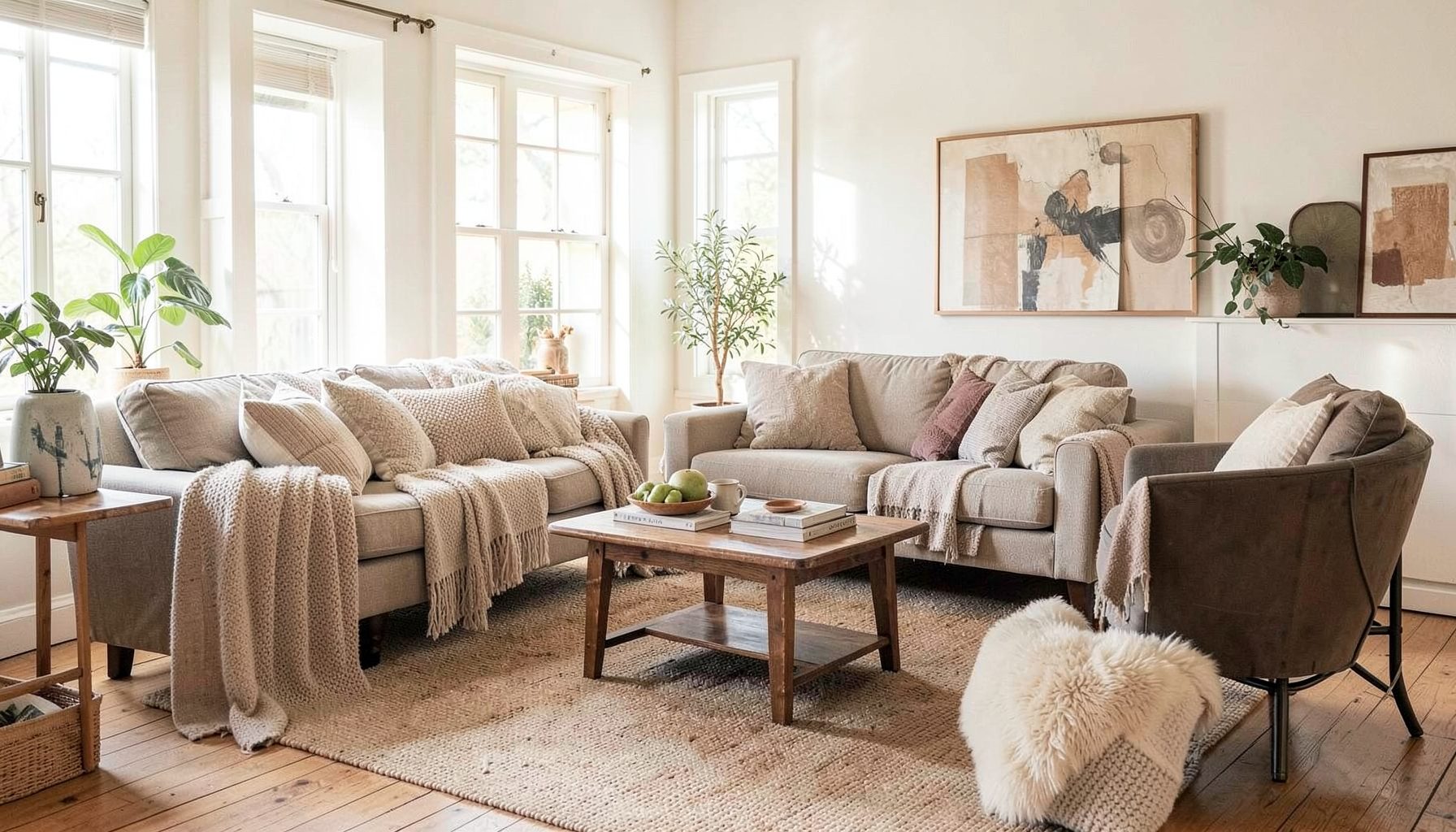
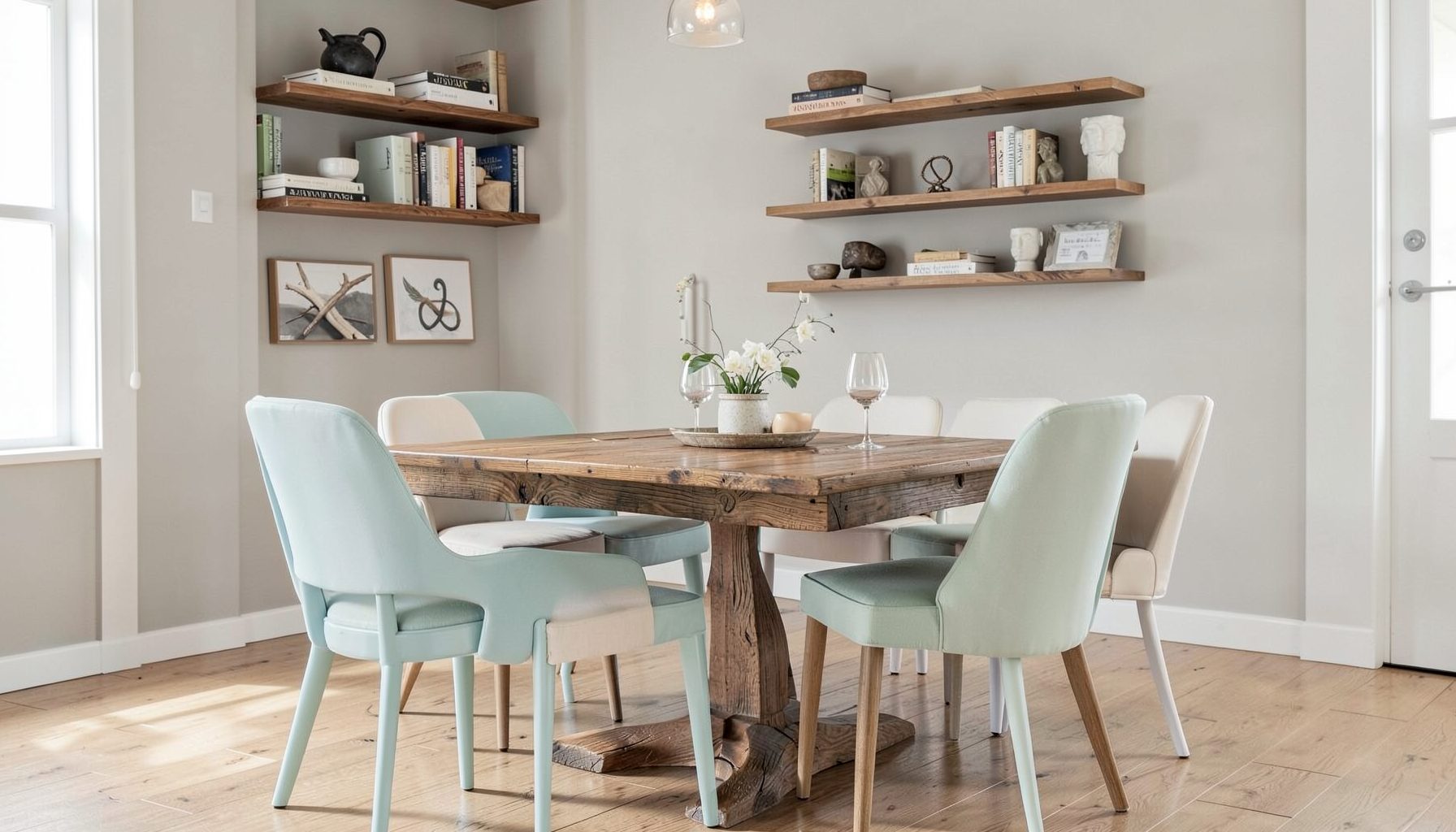
Full-service decorating that blends high and low, vintage finds with modern pieces for spaces that feel personal and collected.
Learn More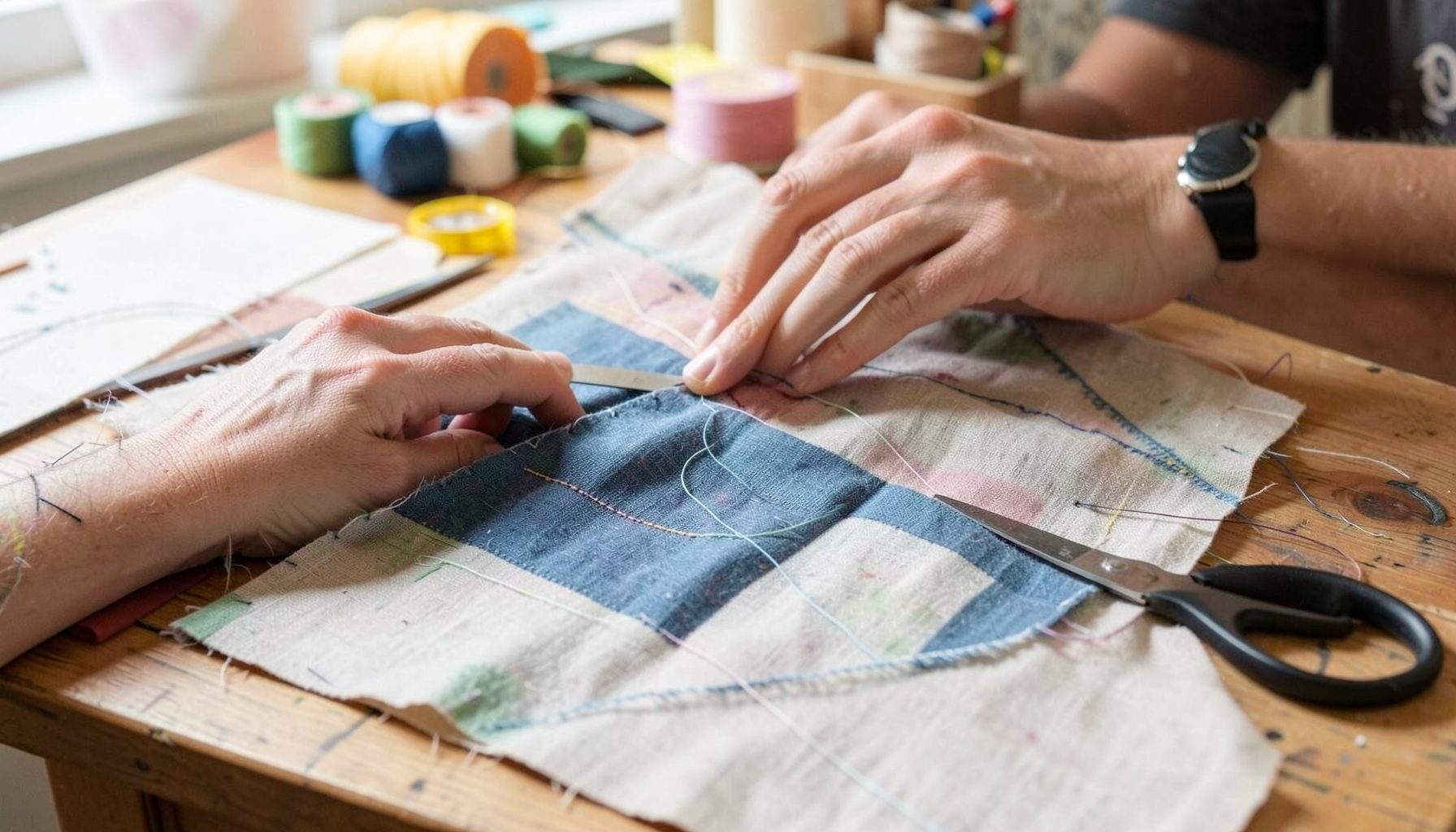
DIY Projects
Step-by-step tutorials for refinishing furniture, sewing pillows, styling bookshelves, and transforming rooms on a budget.
Learn More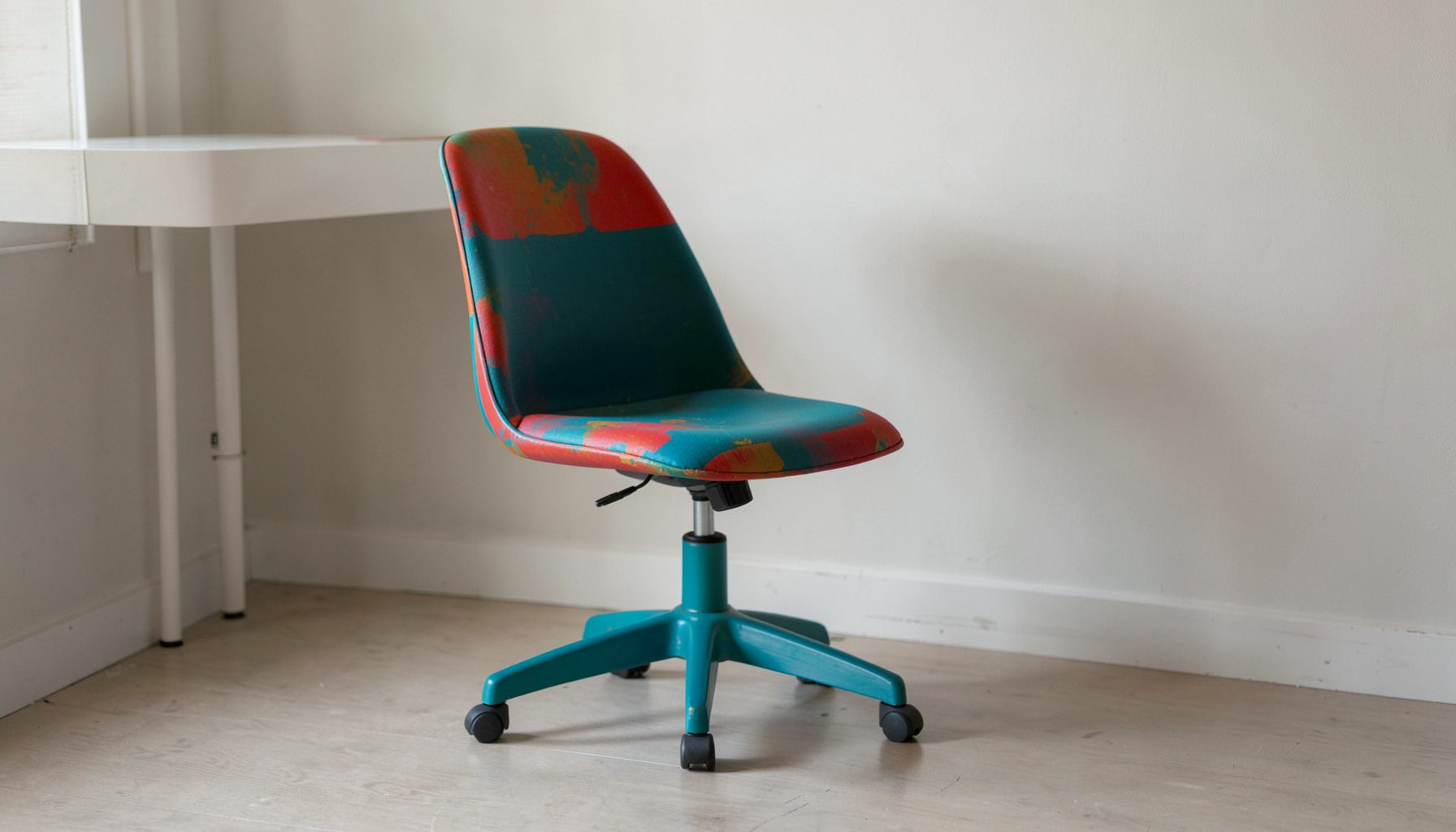
E-Decorating
Personalized design guidance delivered online — perfect for clients anywhere in the world who want a professional eye.
Learn More
Portfolio
Browse completed room makeovers, before-and-after transformations, and styling projects from Bay Area homes.
Learn More
Blog
Interior design inspiration, fashion finds, entertaining ideas, and peeks into real home renovations and styling projects.
Learn More
Downloads
Free curated resources for home decorating and design — guides, checklists, and inspiration to help you get started.
Learn MoreHow to arrange four pillows on a bed for a hotel-inspired look
Hotel bedrooms feel restful because their layers look controlled, not because every element matches exactly. With four pillows, the strongest composition has a clear hierarchy: two support the head, while two shape the front of the bed. The result can look crisp like a boutique hotel while remaining comfortable for everyday use.
The basic formula works for queen and king beds, compact guest rooms and spacious suburban bedrooms. Start with two functional pillows and two decorative cushions, then vary the placement to suit your headboard, bedding and personal style. The important details are proportion, balance and a little texture.
Choose the right pillow mix
Begin with two sleeping pillows sized for the bed. An Australian standard pillow is commonly around 48 × 74 cm, while queen beds often use a pillow measuring approximately 50 × 75 cm. King sizes vary between retailers, so check the dimensions before buying. Both sleeping pillows should have the same height and firmness for a calm, symmetrical foundation.
The other two pillows create the visible hotel-style layer. A pair of 45 cm decorative cushions gives a neat, tailored appearance, while 70 cm Euro shams create a softer, more generous look. If the decorative pillows will be used for sleeping, choose supportive inserts rather than delicate ones filled only for appearance.
Matching the two pairs internally is more effective than making all four pillows identical. For example, use coordinated white or oatmeal sleeping pillows with textured decorative cushions in olive, rust, navy or charcoal. Matching pillowcases and shams will also make inexpensive bedding appear more considered.
Build a balanced foundation
Make the bed before arranging the pillows, smoothing the doona or quilt from the foot toward the headboard. Place the two sleeping pillows side by side with their lower edges resting on the mattress. They should lean against the headboard at a slight backward angle rather than sitting completely upright, which can look stiff and push the head forward.
Fluff each pillow by pressing the centre down and lifting the sides, then smooth the pillowcase or sham. If the corners look flattened, remove the insert briefly and reshape it. The sleeping pillows should be similar in height, with their inner edges touching or overlapping slightly so there is no awkward gap in the middle.
Use the width of the headboard as a guide rather than trying to fill the entire wall. A little breathing room around the outside edges makes the arrangement look intentional. On a narrow bed, keep the pillows close to the centre; on a broad bed, allow generous space between the pillow group and the bed edges.
Place the decorative pair in front
Set the two decorative cushions directly in front of the sleeping pillows. Their centres should align roughly with the centres of the pillows behind them, and their bottom edges should rest firmly on the mattress or folded doona. Angle them back by around 15 to 25 degrees so they lean into the sleeping pillows without obscuring them completely.
A useful proportion is to overlap each decorative cushion with the sleeping pillow behind it by approximately 10 to 15 cm. Keep the two cushions symmetrical, allowing their inner edges to touch or overlap by no more than a few centimetres. Positioning them too far towards the outer corners creates a crowded, winged appearance that is less relaxed than a hotel arrangement.
Let the decorative cushions provide contrast rather than competing with the bedding. Cream linen pillows suit a crisp white doona, while one textured cushion can pick up a colour from a throw, artwork or bedside styling. The visual effect should feel layered and collected, with the pillows making the bed the focal point without looking overly formal.
Select the arrangement that suits the bed
The classic arrangement is the easiest to begin with: two sleeping pillows upright at the back and two smaller decorative cushions in front. Keep every edge parallel, check that both pairs are centred and step back from the doorway. This gives the room a composed, symmetrical finish similar to a well-styled hotel bed.
For a more generous European hotel effect, place two Euro shams against the headboard and position the two sleeping pillows in front at a lower angle. The Euro shams soften the space and create height, while the functional pillows remain accessible. Check that the lower pair does not push the head too upright when you lie down, as comfort matters more than a perfect photograph.
A relaxed variation suits a collected home better than rigid symmetry. Offset one decorative cushion by roughly 10 cm, or vary their angles slightly while keeping the sleeping pillows paired. The bed still reads as coordinated, but the softer arrangement works particularly well with linen, washed cotton and vintage furniture. One mismatched cushion is enough; too many variations quickly lose the hotel-inspired polish.
Adapt the styling to Australian homes
Australian bedding is commonly described by the doona rather than a duvet, and queen and king sizes use different proportions from some overseas ranges. A neatly folded-over top section of the doona creates the clean horizontal band often associated with hotel rooms. It also provides a calm background for the pillows without requiring a separate top sheet, although a plain folded sheet is useful in warmer weather.
Compact bedrooms in Sydney, Melbourne, Brisbane and Adelaide often have limited space around the bed. Two standard pillows and two smaller cushions create more height without spreading too far across the mattress. In rental properties, removable cushion covers and freestanding styling avoid permanent alterations, while a narrow headboard or padded wall panel can provide the support needed for upright pillows.
Climate changes the practical choices. Melbourne’s variable temperatures may call for a heavier doona and layered bedding, while Brisbane’s humidity makes breathable cotton and linen more comfortable. Strong sunlight in Brisbane and Adelaide can fade coloured cushions and pillowcases, so rotate them periodically and use blinds or curtains when direct sun reaches the bed.
The local market offers Australian-made linen and cotton alongside imported European fabrics, with retailers such as Adairs, Bed Bath N’ Table, The Joinery, IKEA, Kmart and Target carrying different price points. Op shops, Gumtree and eBay are also useful sources for vintage covers and textured cushions. When buying new, the Australian Consumer Law provides consumer guarantees on acceptable quality and fitness for a disclosed purpose, so retain the receipt if a pillowcase or linen product develops a fault during normal use.
Refine colour, texture and care
Choose a restrained palette with one dominant neutral and one supporting colour. White, oatmeal or warm grey pillows work with most bedding, while jewel tones or earthy shades can make a plain doona feel more distinctive. Repeat a colour elsewhere in the room to connect the bed to the wider scheme, but keep the pillows visually simple.
Texture creates most of the luxury effect. Combine smooth cotton pillowcases with linen, velvet, boucle or a lightly patterned cushion, limiting the mix to two or three materials. Vintage and modern pieces can sit together comfortably, especially when the shapes are consistent. This is the collected balance we favour at Maggie Rose Interiors: varied pieces, controlled proportions and no need for everything to match.
For a budget-friendly refresh, keep sound pillow inserts and replace tired covers rather than buying the entire set. Wash the covers according to their labels, reshape the inserts and let them dry fully before arranging them again. Rotate cushions front to back, plump them when the bed is made and protect them from prolonged direct sunlight. Clean pillow protectors regularly as well, since dust and skin oils build up quickly around the face and neck.
Remember the hierarchy that makes the arrangement work: a supportive pair at the back and a decorative pair in front. Symmetry, sensible sizing and a controlled palette create the hotel-inspired finish, while small variations keep the room personal and relaxed.
The finished bed should look composed from the doorway and feel inviting once the lights are low. When those two qualities are balanced, four pillows are enough to make the bed feel polished, layered and unmistakably at home.

Recent Projects