Interior Design
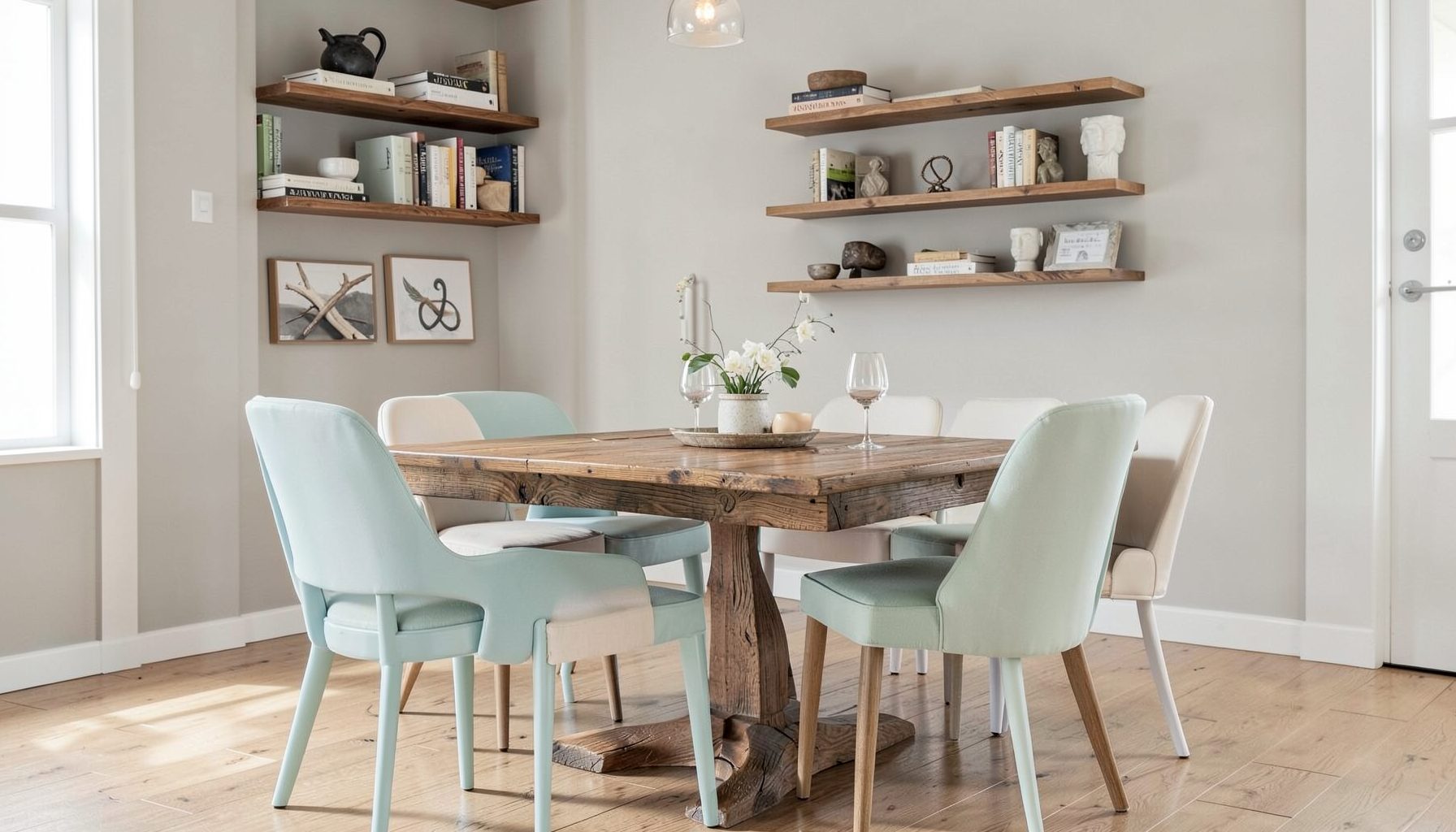
Full-service decorating that blends high and low, vintage finds with modern pieces for spaces that feel personal and collected.
Learn More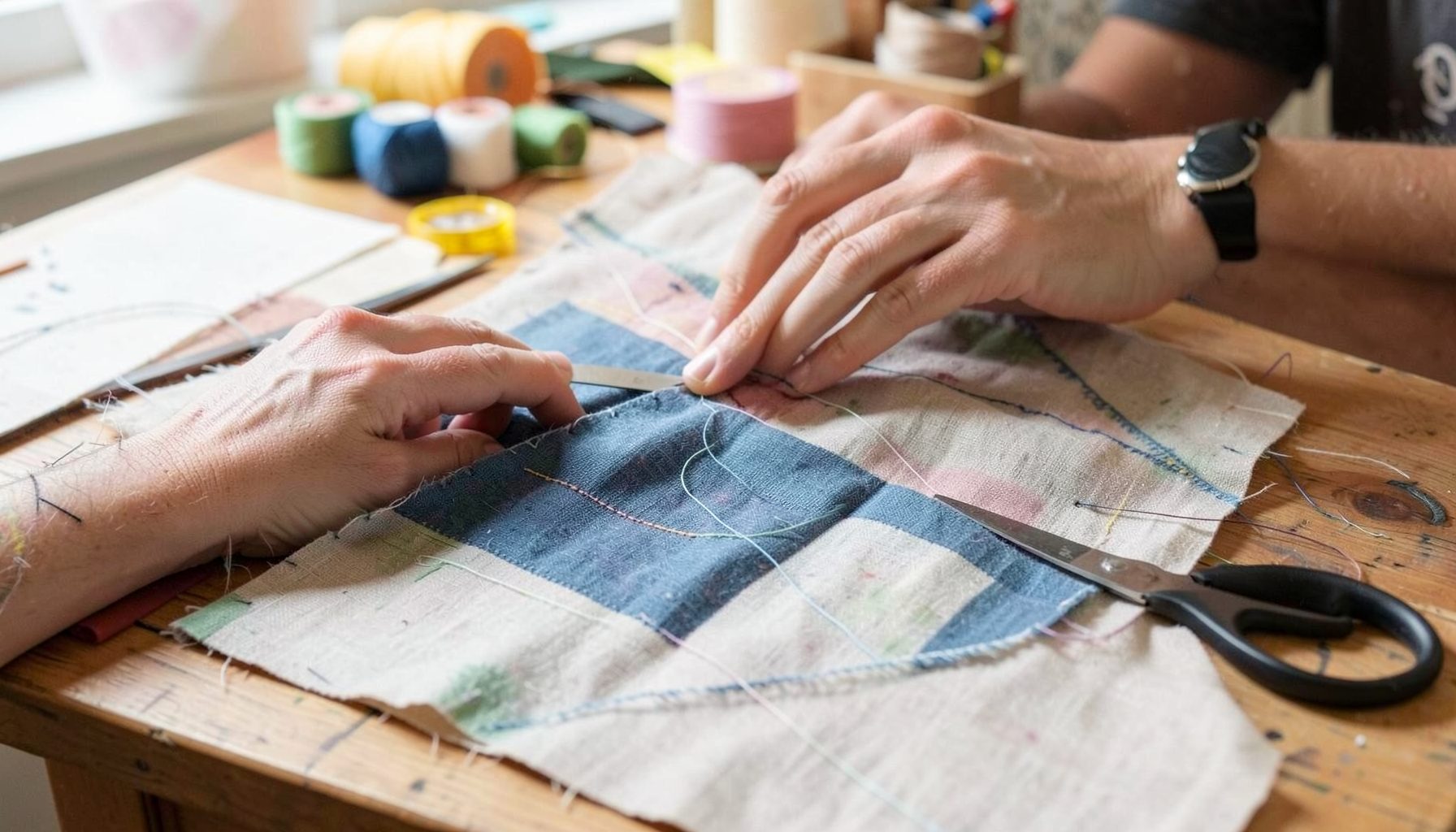
DIY Projects
Step-by-step tutorials for refinishing furniture, sewing pillows, styling bookshelves, and transforming rooms on a budget.
Learn More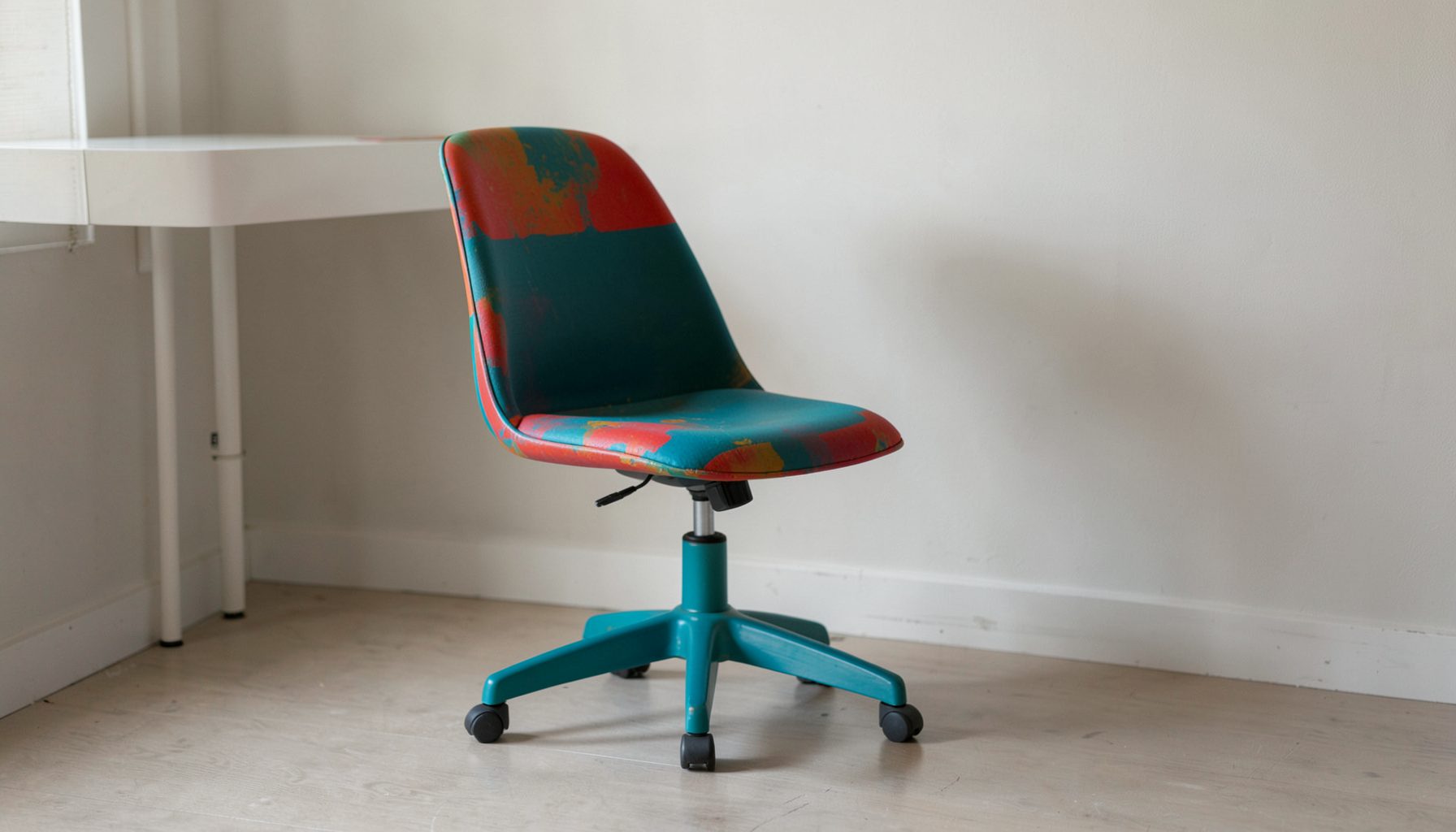
E-Decorating
Personalized design guidance delivered online — perfect for clients anywhere in the world who want a professional eye.
Learn More
Portfolio
Browse completed room makeovers, before-and-after transformations, and styling projects from Bay Area homes.
Learn More
Blog
Interior design inspiration, fashion finds, entertaining ideas, and peeks into real home renovations and styling projects.
Learn More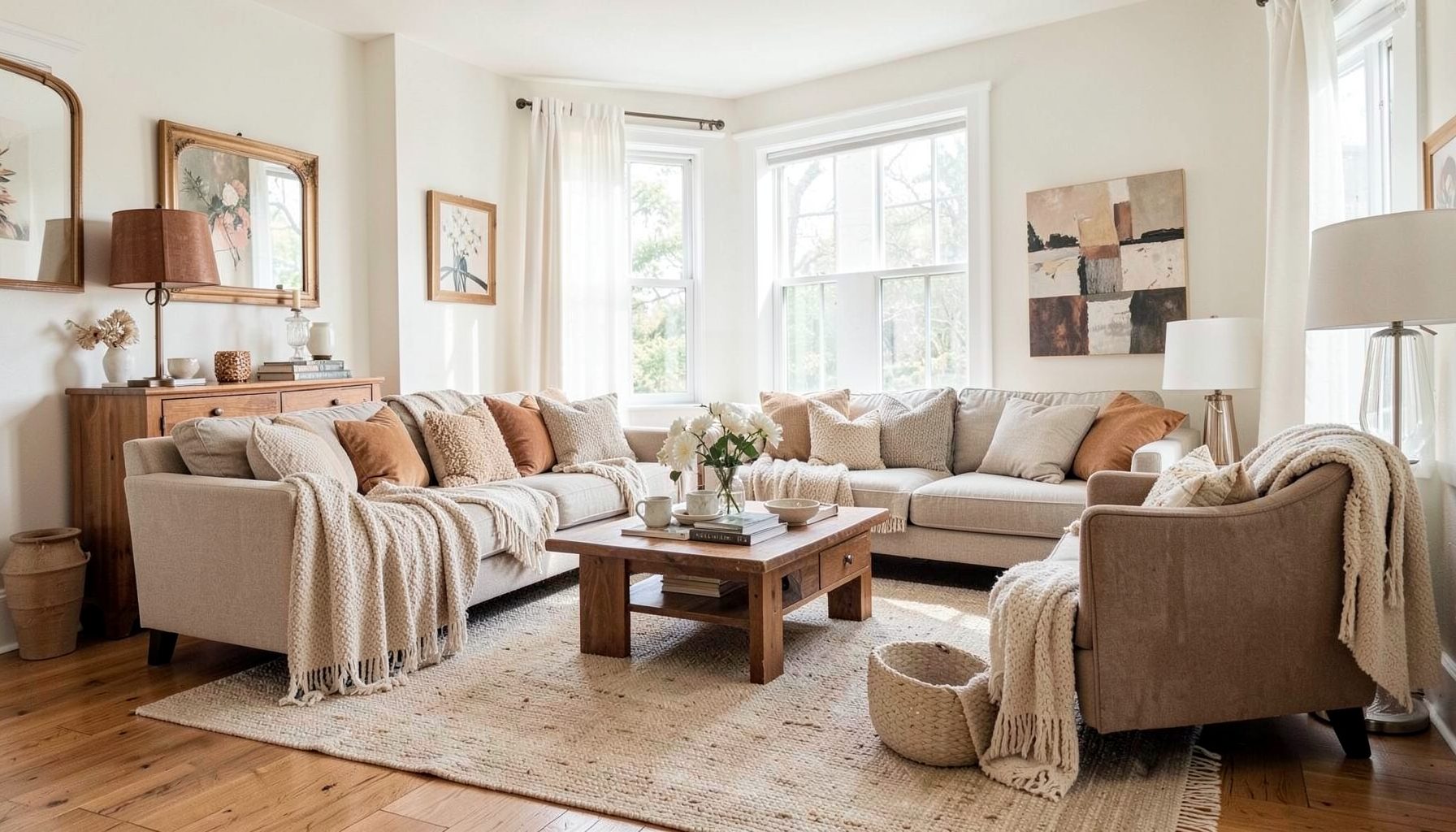
Downloads
Free curated resources for home decorating and design — guides, checklists, and inspiration to help you get started.
Learn MoreHow to Arrange a Symmetrical Sofa Setup in a Formal Living Room
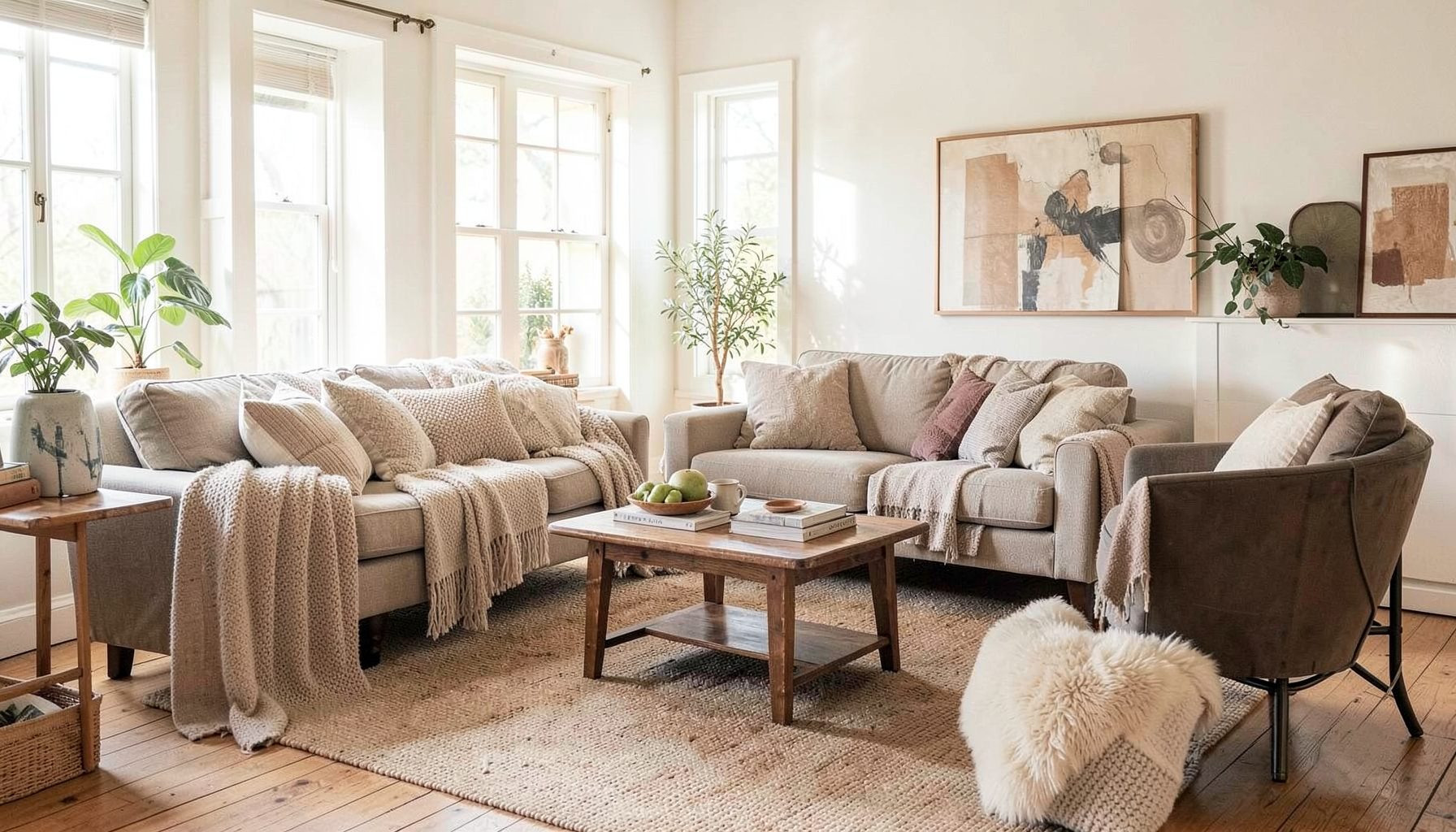
A formal living room benefits from a sense of order. When sofas, armchairs, tables and lighting are arranged with balance in mind, the room feels considered without becoming stiff. Symmetry gives the eye a clear path through the space, making conversation easier and allowing architectural features to take centre stage.
The most familiar arrangement places a sofa opposite two matching armchairs, with a central coffee table anchoring the seating group. Another option uses two identical sofas facing each other, particularly in a long room or a space designed for entertaining. The right configuration depends on the room’s proportions, doorways, windows and how the household uses the space.
Formal does not have to mean precious or old-fashioned. A tailored sofa can sit comfortably beside a vintage side table, a contemporary floor lamp or a relaxed linen cushion. The appeal lies in combining repetition with personality, so the room feels polished while still reflecting the people who live there.
Australian homes often require a little flexibility. A Sydney terrace may have a narrow front room, a Melbourne period home may include a fireplace and high ceilings, while a Brisbane living room may need to accommodate strong afternoon sun. Working with the room’s existing conditions will produce a more successful result than forcing a perfect furniture arrangement.
Choose The Right Symmetrical Layout
Begin by identifying the room’s main focal point. This might be a fireplace, a television, a large artwork, a garden view or a pair of architectural windows. Symmetry works best when the furniture reinforces that feature. In a room with a fireplace, centre the sofa or seating group on the mantel rather than aligning it with an unrelated wall.
For a classic conversation arrangement, place one sofa facing the focal point and position two matching armchairs opposite it, or angle the chairs towards the sofa. This creates a visual triangle and gives guests several comfortable directions in which to sit. If the room is broad enough, two sofas facing each other can create a more formal, balanced composition, with a coffee table running between them.
A single sofa can also look symmetrical when it is centred beneath artwork or between two windows. Add matching side tables and lamps at either end to establish visual balance. The pieces do not need to be identical throughout the room; repeating a shape, finish or colour is often enough to create cohesion.
Use a scaled floor plan before moving heavy furniture. Mark windows, doors, radiators, power points and circulation paths, then test the footprint of each piece. In Australia, where many homes combine open-plan areas with a defined formal lounge, leave a generous passage between the seating zone and nearby dining or kitchen areas.
Get The Measurements And Spacing Right
A well-balanced room depends on comfortable clearances. Aim to leave roughly 75 to 90 centimetres for the main walking paths, adjusting for the size of the room and the number of doors. Furniture can sit closer together within the conversation area, but pathways should remain obvious and unobstructed.
The coffee table should relate to the sofa rather than dominate it. A useful starting point is to leave approximately 40 to 45 centimetres between the front edge of the sofa and the table. This gives enough room to stretch out, place a drink and stand up without knocking knees. The table should generally be about two-thirds the length of the sofa, although a pair of smaller tables may suit a compact room better.
Keep armchairs close enough to participate in conversation. If they float too far away, the seating group loses its purpose; if they are pushed too close, the room feels crowded. In a symmetrical arrangement, measure from the room’s centre line so that each chair sits at a comparable distance from the sofa and coffee table.
Rugs help define the arrangement, especially in larger Australian homes with open living zones. Ideally, the front legs of the sofa and chairs should sit on the rug. A rug that only fits beneath the coffee table can make the furniture appear disconnected. For a Sydney apartment or a smaller Melbourne terrace room, choose the largest practical rug that still allows doors to open freely.
Create Balance Without Making The Room Rigid
Symmetry is a framework rather than a demand that every object match. Matching lamps, side tables or armchairs can establish order, while varied cushions, artwork and accessories introduce warmth. A pair of lamps with the same shade shape may have different bases, for example, or two side tables may share a timber tone without being identical.
Consider visual weight as well as physical size. A dark, substantial sofa may need a strong element opposite it, such as two patterned armchairs, a large artwork or a console with a substantial lamp. A pale linen sofa can be balanced with a darker rug, sculptural coffee table or grouped ceramics. The goal is for neither side of the room to appear heavier than the other.
Layering prevents a formal sitting room from feeling like a showroom. Combine a tailored upholstery fabric with a soft throw, a patterned cushion and a tactile rug. Vintage furniture is particularly useful here because it adds irregularity and history. A pair of antique occasional tables can bring character to a room furnished with new Australian-made seating.
Colour can reinforce symmetry in subtle ways. Repeat one accent colour in cushions, books, flowers and artwork rather than placing identical accessories on every surface. In a coastal Queensland home, muted greens or warm sandy tones can connect the room to the landscape. In a Victorian-era Melbourne home, deeper olive, rust or ink tones may complement original timber floors and decorative plasterwork.
Use Lighting And Decor To Strengthen The Arrangement
Lighting should be planned as part of the furniture layout, not added at the end. Matching lamps on either side of a sofa create an immediate sense of balance, while a central pendant or chandelier can emphasise the room’s axis. A floor lamp placed beside one armchair may be balanced by a tall plant, artwork or cabinet on the opposite side.
Layer several types of light for a room that feels inviting in the evening. Ambient lighting provides general illumination, task lighting supports reading and accent lighting highlights artwork, architectural details or collected objects. Dimmable fittings are especially helpful in a formal living room, allowing the atmosphere to shift from daytime entertaining to a quieter evening setting.
Artwork should be positioned in relation to the furniture below it. A large piece centred above the sofa often works better than several small works scattered across the wall. If using two artworks, align their outer edges or hang them as a pair with a consistent gap. The centre of the grouping should feel connected to the seating rather than floating close to the ceiling.
Accessories should be arranged in groups with varied heights. Place a low bowl or stack of books on the coffee table, then add a taller vase or candlestick nearby. Keep the central surface usable; formal living rooms still need somewhere to place a cup of tea or a glass of wine. Australian entertaining often involves guests moving between indoor and outdoor spaces, so avoid fragile objects near main walkways and choose finishes that can be maintained easily.
Add Personal Character To A Polished Room
A symmetrical layout provides calm, but personal details make the room memorable. Display travel finds, family photographs, inherited furniture or ceramics collected from local makers. These details can sit within a disciplined arrangement without undermining its elegance. The strongest rooms usually include a mixture of eras, textures and price points.
When selecting upholstery, consider the practical conditions of the household. Performance fabrics, washable covers and tightly woven textiles may be worthwhile in a busy home. Natural linen gives a relaxed Australian feel, while velvet, wool and cotton can add depth to a more formal scheme. In bright Brisbane rooms or north-facing spaces, test fabric samples in daylight before committing, as strong sun can change how colours appear and may affect fading over time.
The local market offers plenty of ways to build a layered look. Pair a quality sofa with a vintage side table sourced through a local dealer, or combine a designer lamp with a budget-friendly rug and cushions. Australian retailers such as Jardan, Coco Republic, King Living and Freedom offer different approaches to contemporary furniture, while second-hand shops, antiques markets and online marketplaces can supply pieces with more character.
Window treatments are another important part of a balanced scheme. Full-length curtains hung high and wide can make ceilings appear taller and frame a symmetrical seating group. In warmer climates, combine sheer curtains with blockout or lined panels to manage glare and heat. In older homes, carefully fitted blinds or shutters may preserve period details while improving comfort and privacy.
Stand back once the furniture is in place and assess the room from the entry, the sofa and the main circulation path. Check that the arrangement feels centred, that chairs are easy to approach and that the focal point remains visible. Small adjustments of a few centimetres can make a surprising difference, especially when a rug, coffee table and seating are intended to read as one connected composition.
The best formal living rooms feel balanced at first glance and interesting on closer inspection. Use symmetry to establish proportion, spacing and calm, then soften the structure with varied textures, personal objects and a few unexpected pieces. Remember that the aim is not perfect duplication; it is a comfortable, visually even room in which every element has a clear relationship to the others.

Recent Projects