Interior Design
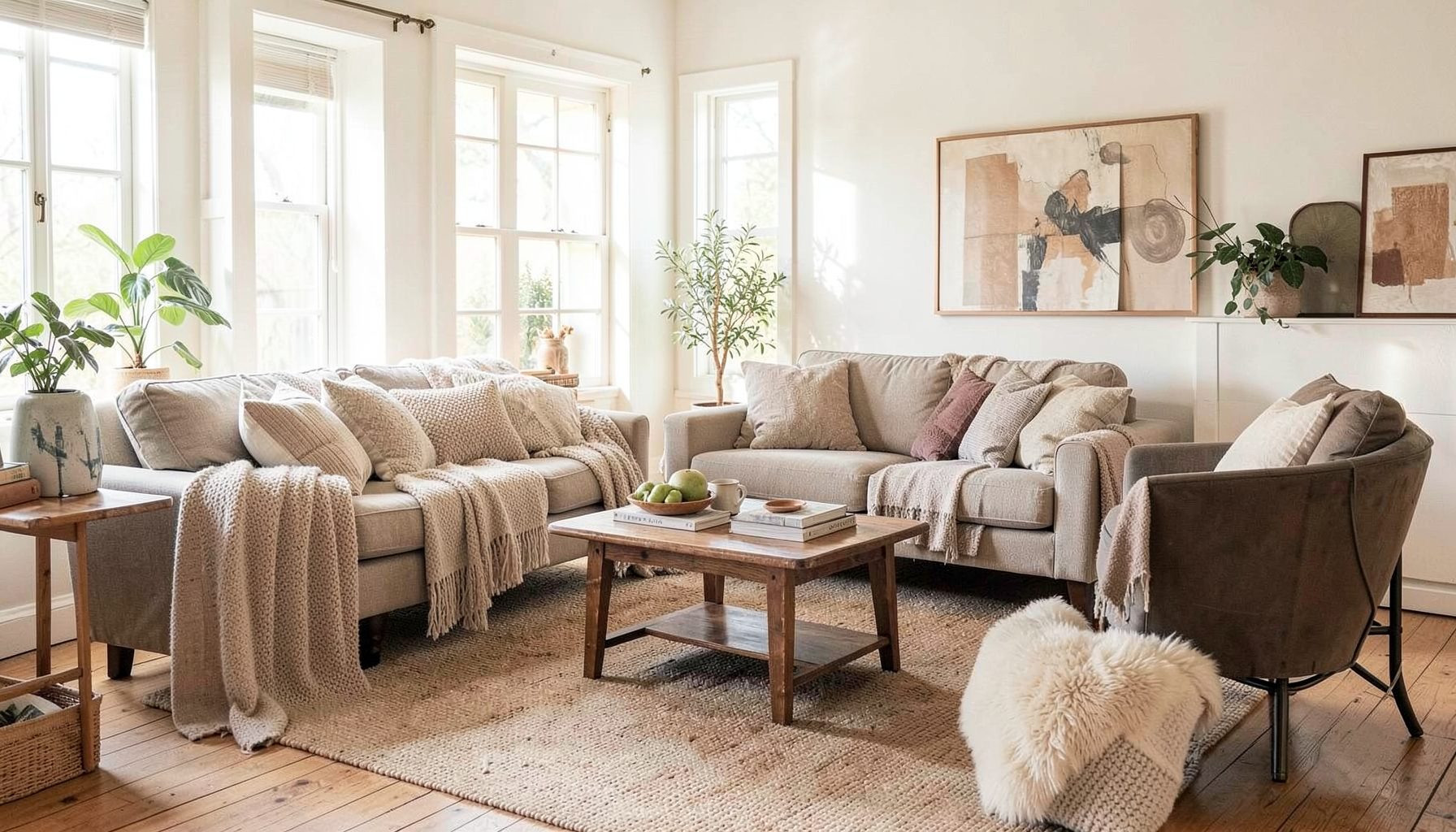
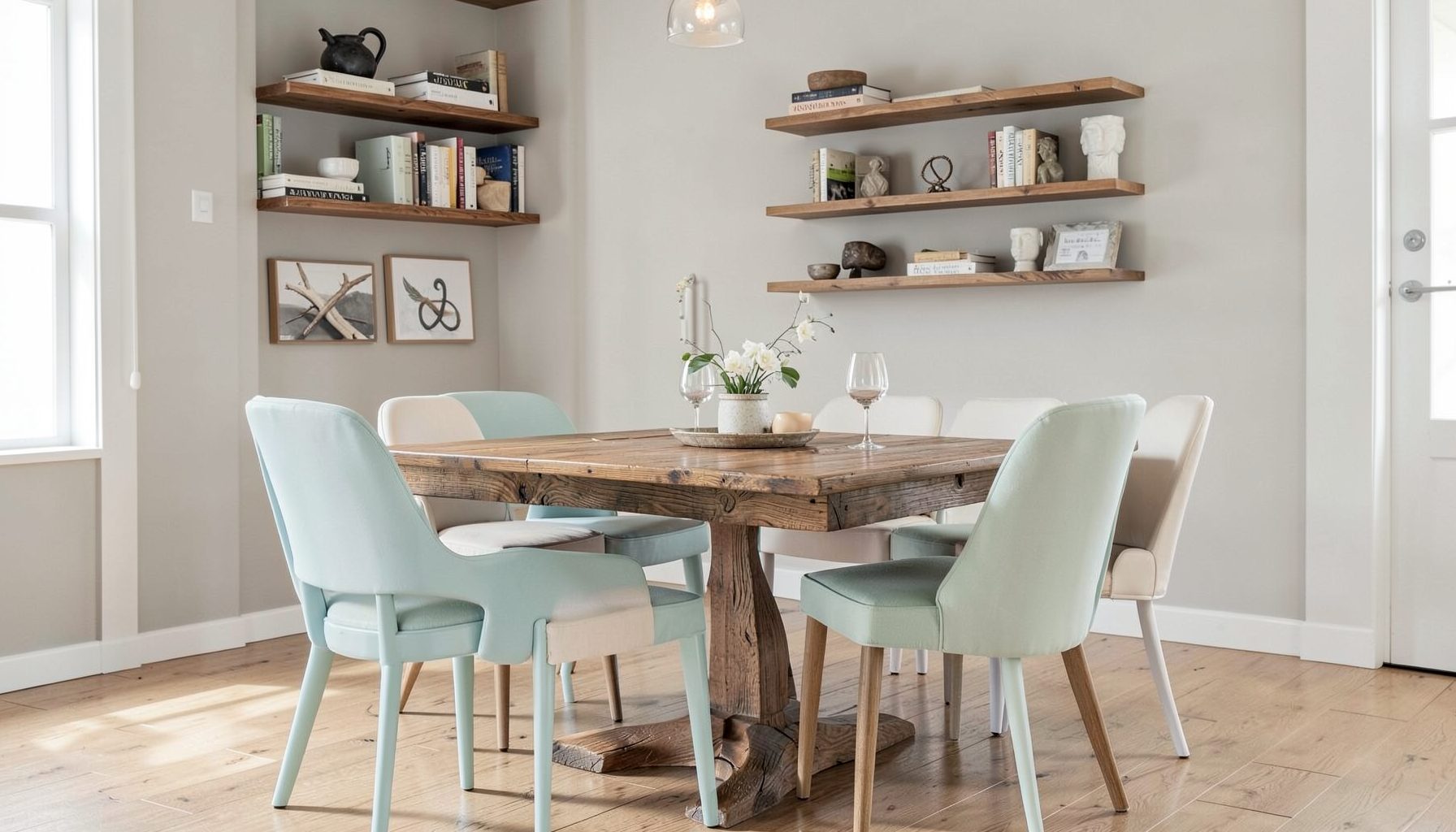
Full-service decorating that blends high and low, vintage finds with modern pieces for spaces that feel personal and collected.
Learn More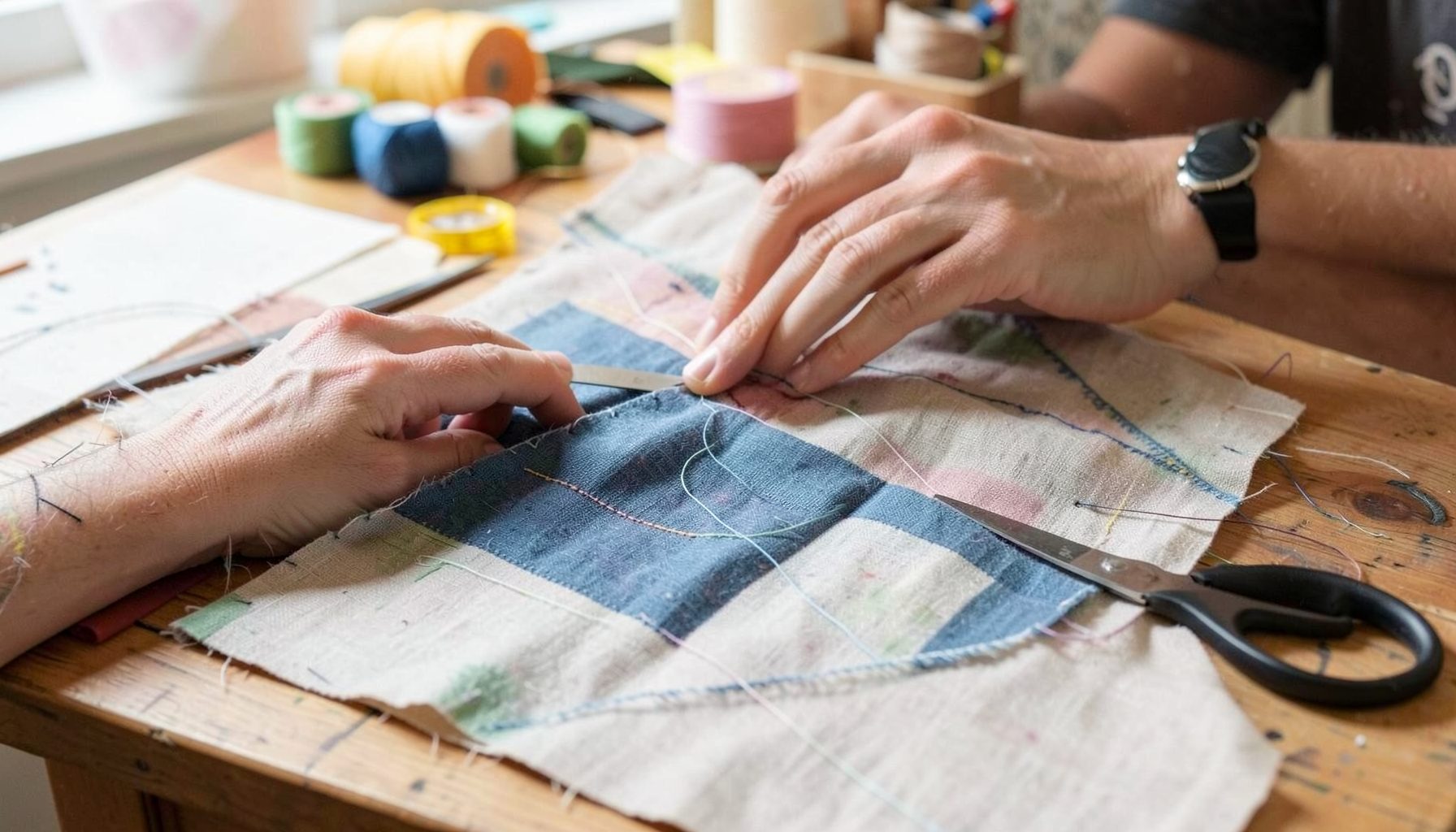
DIY Projects
Step-by-step tutorials for refinishing furniture, sewing pillows, styling bookshelves, and transforming rooms on a budget.
Learn More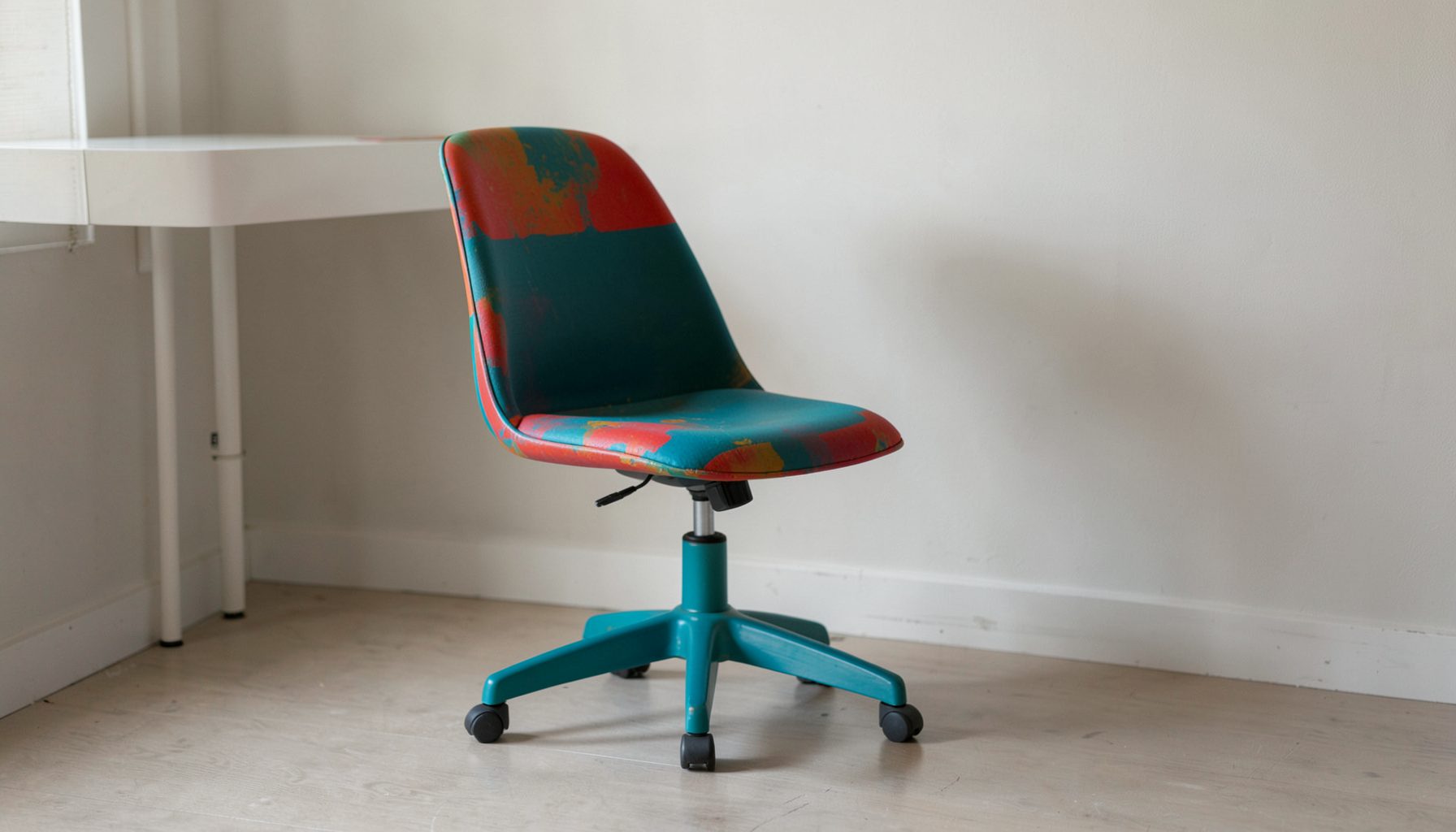
E-Decorating
Personalized design guidance delivered online — perfect for clients anywhere in the world who want a professional eye.
Learn More
Portfolio
Browse completed room makeovers, before-and-after transformations, and styling projects from Bay Area homes.
Learn More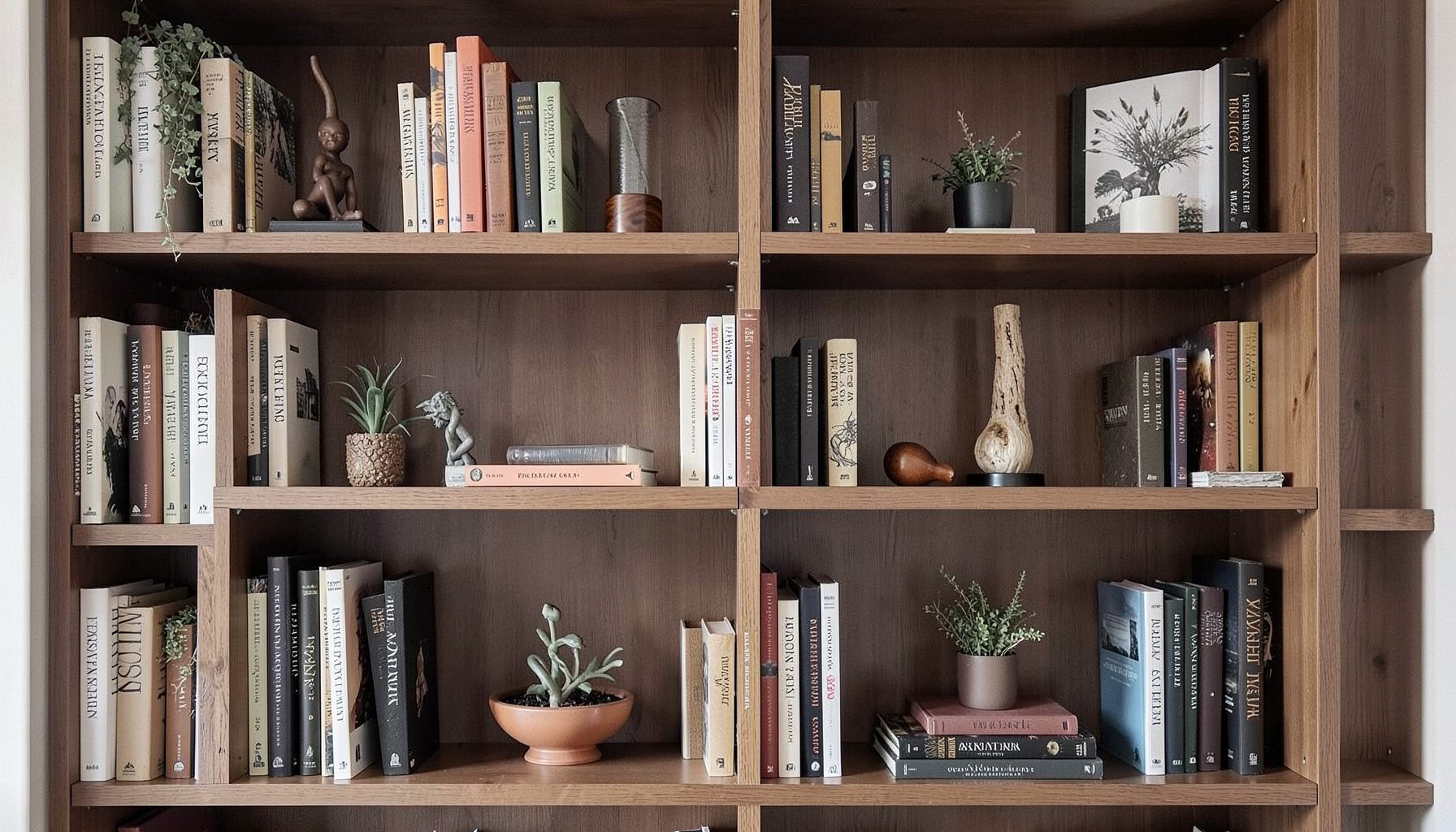
Blog
Interior design inspiration, fashion finds, entertaining ideas, and peeks into real home renovations and styling projects.
Learn More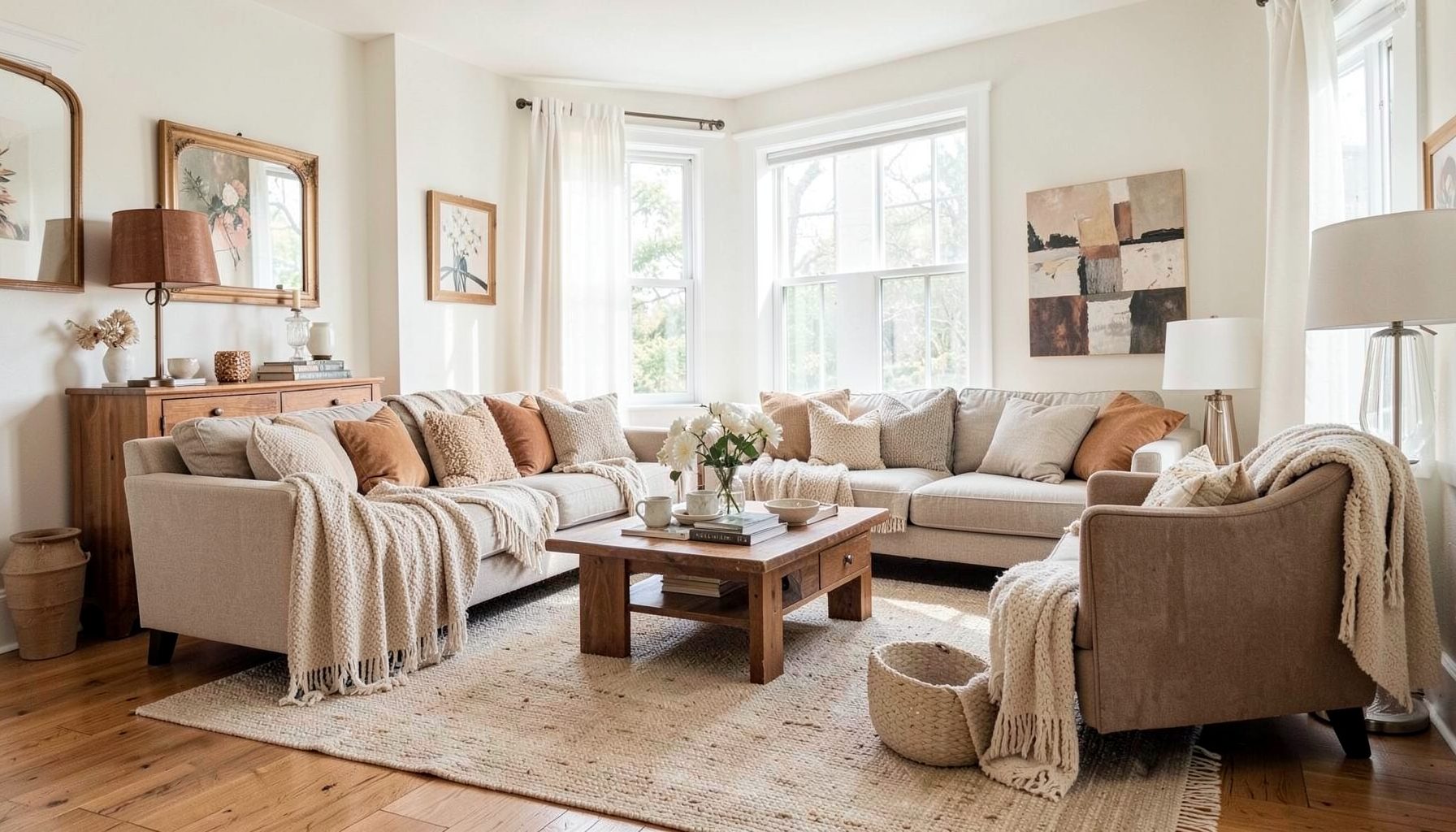
Downloads
Free curated resources for home decorating and design — guides, checklists, and inspiration to help you get started.
Learn MoreCreating a Tiered Plant Corner: Arranging Floor Plants of Mixed Heights
The corner of a living space is often overlooked, treated as an awkward negative pocket that simply holds a lamp or a stack of magazines. Yet in Australian homes, where open-plan layouts and abundant natural light are celebrated, corners offer a generous canvas for a layered botanical vignette. A considered grouping of floor plants at different heights can transform a forgotten angle into the most lived-in, soulful spot of the room, anchoring the eye and softening hard architectural lines.
Working with varying heights also lets you play with scale in a way a single plant cannot. By layering tall, mid-level and low specimens, you build a silhouette that feels collected over time, rather than assembled in a single trip to the nursery. The result is a corner that breathes, drawing the eye upward while keeping the floor grounded and the overall room feeling balanced.
Reading the corner before you buy
Before picking up a single plant, spend a few days observing how the corner behaves throughout the day. In Australian homes, especially in cities like Sydney and Brisbane, north- and west-facing corners can receive intense midday sun that will scorch leaves, while corners near a hallway or stairwell may only catch soft, filtered light. Note the angle of the sun, when it lands in that spot, and whether heating or cooling vents blow directly onto the area, as this can dry foliage surprisingly fast.
Measure the space carefully, including ceiling height, the width of the two walls meeting at the corner, and any obstructions such as skirting boards, power points or door swings. A tall statement plant like a fiddle leaf fig can reach two metres or more, so you need clearance above and beside it. Also consider the traffic flow; in compact apartments common across Melbourne and Perth, you do not want a frond brushing a shoulder every time someone walks past with a flat white.
Choosing plants for height, shape and light
The backbone of a tiered arrangement is a tall anchor plant, something that reads strongly from across the room. In Australian interiors, fiddle leaf figs, statement dracaenas, and Kentia palms are reliable favourites for filling vertical space, while a bird of paradise adds a sculptural, broad-leafed contrast. For a softer look, a mature monstera trained on a moss pole brings height plus textural interest without dominating the corner.
The mid-level should provide a transition between the anchor and the ground-hugging plants. Think of bushy species in the sixty to one-hundred-and-twenty centimetre range: a rubber plant, a peace lily with arching white spathes, or a chain of hearts in a small stand. For shaded corners, a calathea or aglaonema brings colour without demanding bright light. If your corner catches strong sun, a hardy zz plant or a potted citrus such as a calamondin can handle brighter conditions, and ties in beautifully with the relaxed indoor-outdoor feel of Australian entertaining spaces.
Finally, the lowest layer should spill, drape or ramble. Trailing plants like devil's ivy, string of pearls, or a rhipsalis in a low bowl soften the base of the grouping. A cluster of smaller potted succulents on a low tray, perhaps a few of the hardier native species like pigface or a dwarf kangaroo paw, also works well in dry corners. The mix of upright, mounding and trailing habits is what creates the gathered, layered look rather than a uniform line of stems.
Potting strategy: scale, weight and finish
Pots are the shoes of a plant arrangement, and getting them right is as important as the plants themselves. Vary the heights and diameters so the composition feels stepped rather than flat. A tall plant in a squat pot will look top-heavy, while a small plant in an oversized urn will vanish. In an Australian context, terracotta and stoneware remain perennially popular for their earthy, handcrafted feel, and they suit both heritage Queenslanders and contemporary coastal homes from Byron to Torquay.
Mix finishes to keep the eye moving: a matte black cylinder, a raw clay pot, and a woven basket over a plastic liner create tactile variety without clashing. Be mindful of the weight, particularly in upstairs apartments or on suspended timber floors common in Sydney terraces. Lightweight fibreclay or recycled plastic pots are practical, and many Australian designers now use these to achieve the look of heavier materials without the load.
When grouping pots, the rule of three odd numbers helps. Planters of slightly different heights and similar tonal range create rhythm. If your anchor plant is in a neutral pot, introduce one with a subtle pattern or glaze in the mid-level, then return to neutral at the lowest layer. This creates a gentle visual ladder that leads the eye downward through the arrangement, rather than letting it stop at the tallest plant.
Building the arrangement from back to front
Start by placing the tallest plant at the back, slightly into the corner rather than dead-centre, so its canopy can spread without crowding the walls. In many Australian living rooms, this is where a Kentia palm or fiddle leaf fig thrives, given the indirect light most corners provide and the gentle humidity that comes with open-plan living.
Step forward with the mid-level plants, staggering them slightly to one side or the other. Avoid lining them up like soldiers; offsetting each pot by a few centimetres and rotating them so the fullest side faces outward builds a triangular shape. If you have a feature piece like a vintage chair or a rattan stool in the same corner, use it as a riser to lift a smaller plant, much like a stage prop, drawing another tier into the composition without adding more greenery than the space can hold.
Tuck the trailing and low plants at the very front, where they can spill over the edge of their pots and onto the floor or a low tray. A trailing plant in a hanging basket suspended just above eye level can also add another tier of height, particularly useful in rooms with tall ceilings such as the open-plan extensions popular in newer Adelaide and Perth builds. Once everything is in place, step back and view from the main doorway, adjusting any that feel too rigidly placed.
Accessories and styling that anchor the grouping
A plant corner feels finished when it is treated like a small still life rather than a parking spot for greenery. A piece of artwork or a round mirror hung slightly off-centre on the back wall gives the taller plants something to relate to and bounces light back into the foliage. A textured rug layered under the pots grounds the whole vignette, particularly in rooms with polished concrete or timber floors that run through to an outdoor deck.
Add a low stool, a stack of design books, or a ceramic vessel on the floor to fill negative space between pots. In Australian homes, a woven basket from a local makers' market or a piece of collected Aboriginal art placed on the wall can introduce cultural texture and tie the arrangement to the broader home. For inspiration on styling layered vignettes that mix vintage and modern pieces, browsing the studio's portfolio shows how designers approach collected corners with quiet confidence.
Avoid cluttering the area with too many small objects, which can compete with the foliage. One or two sculptural pieces, such as a brass object or a piece of salvaged timber, will feel intentional rather than busy. If the corner is near a window, a linen curtain panel hanging close to the plants softens the harsh Australian light and adds another layer of texture without blocking it entirely.
Ongoing care and seasonal adjustments
A grouped corner requires a little more attention than a single plant, because each species may have different water and light needs. Rotate pots every few weeks so growth remains even, particularly for plants leaning toward a window. In the dry Australian winter, indoor heating can parch foliage quickly, while the humid summer months in Brisbane and Darwin encourage faster growth and more frequent watering.
Check pots for drainage each season, as waterlogged roots are the most common cause of plant decline. If you notice a build-up of mineral salts on terracotta rims, a simple wipe-down with a damp cloth keeps the pots looking fresh. Refresh the top layer of potting mix annually, and feed with a slow-release fertiliser in spring and summer, when most indoor plants in Australia enter their strongest growth phase.
Finally, allow the arrangement to evolve. Swap out a struggling plant for a fresh specimen, move a trailing piece to a hanging position to refresh the silhouette, or add a seasonal bloom like a potted orchid for a few months. A living corner is never really finished, and that quiet sense of change is what makes it feel like part of the home rather than a styled snapshot.
A corner group of floor plants at different heights works best when it feels gathered over time, not assembled in a single afternoon. Choose one tall anchor, a few mid-level fillers, and a trailing or low piece to soften the base, then trust the rule of odd numbers and varied pot finishes to carry the look. Within a season, the foliage will fill in, the pots will weather, and the corner will earn the kind of patina only a well-loved plant nook can offer.

Recent Projects