Interior Design
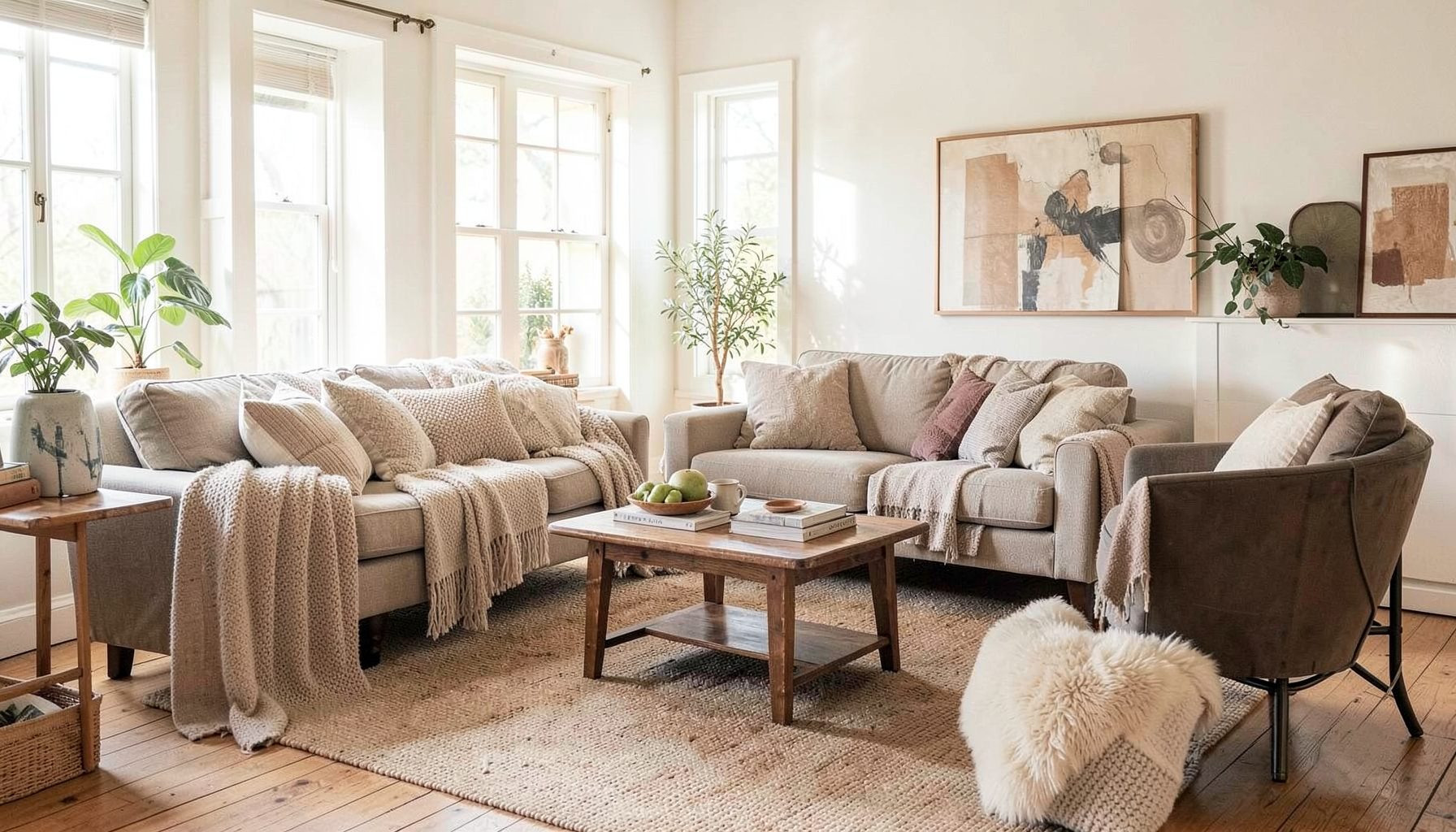
Full-service decorating that blends high and low, vintage finds with modern pieces for spaces that feel personal and collected.
Learn More
DIY Projects
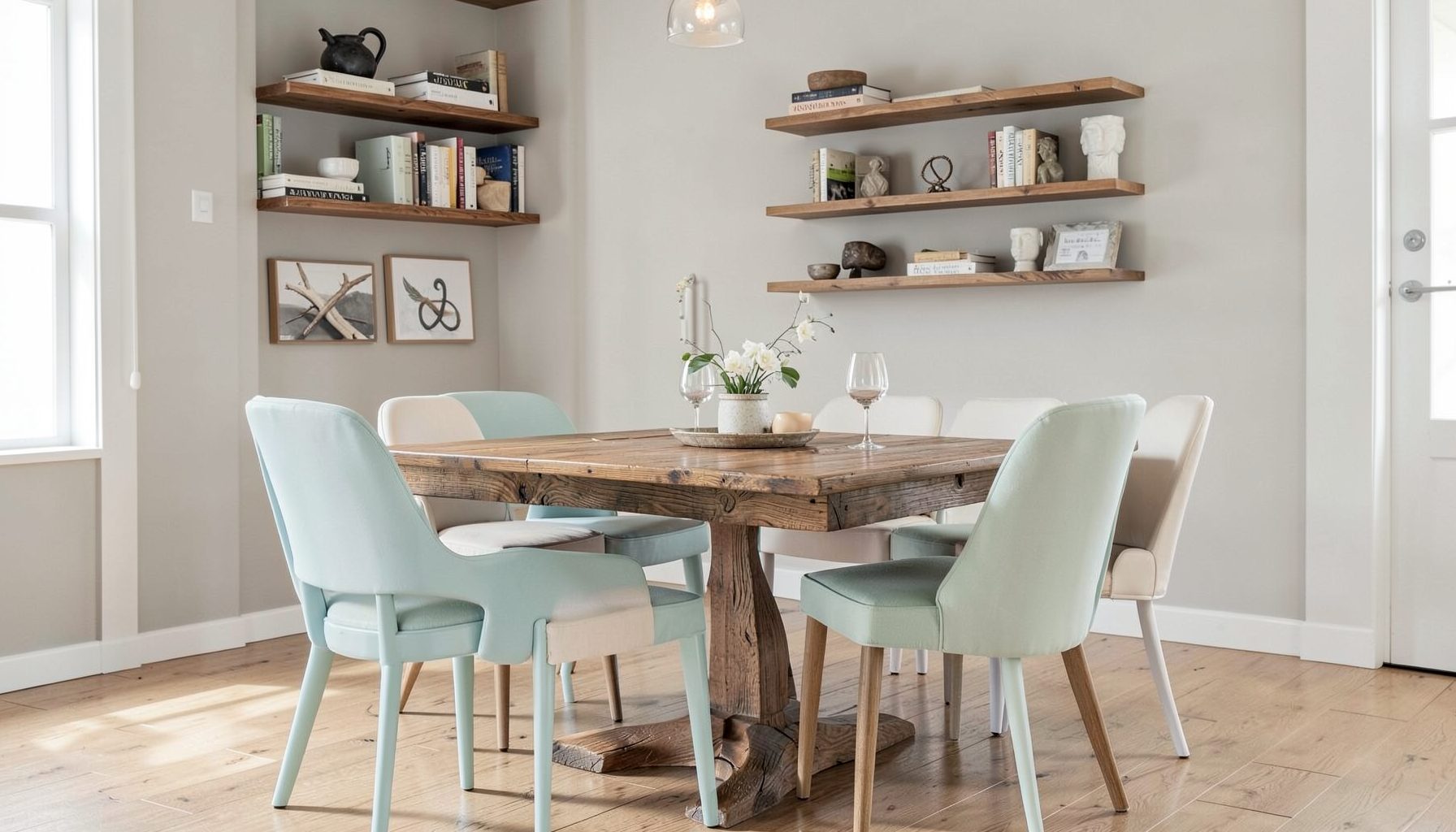
Step-by-step tutorials for refinishing furniture, sewing pillows, styling bookshelves, and transforming rooms on a budget.
Learn More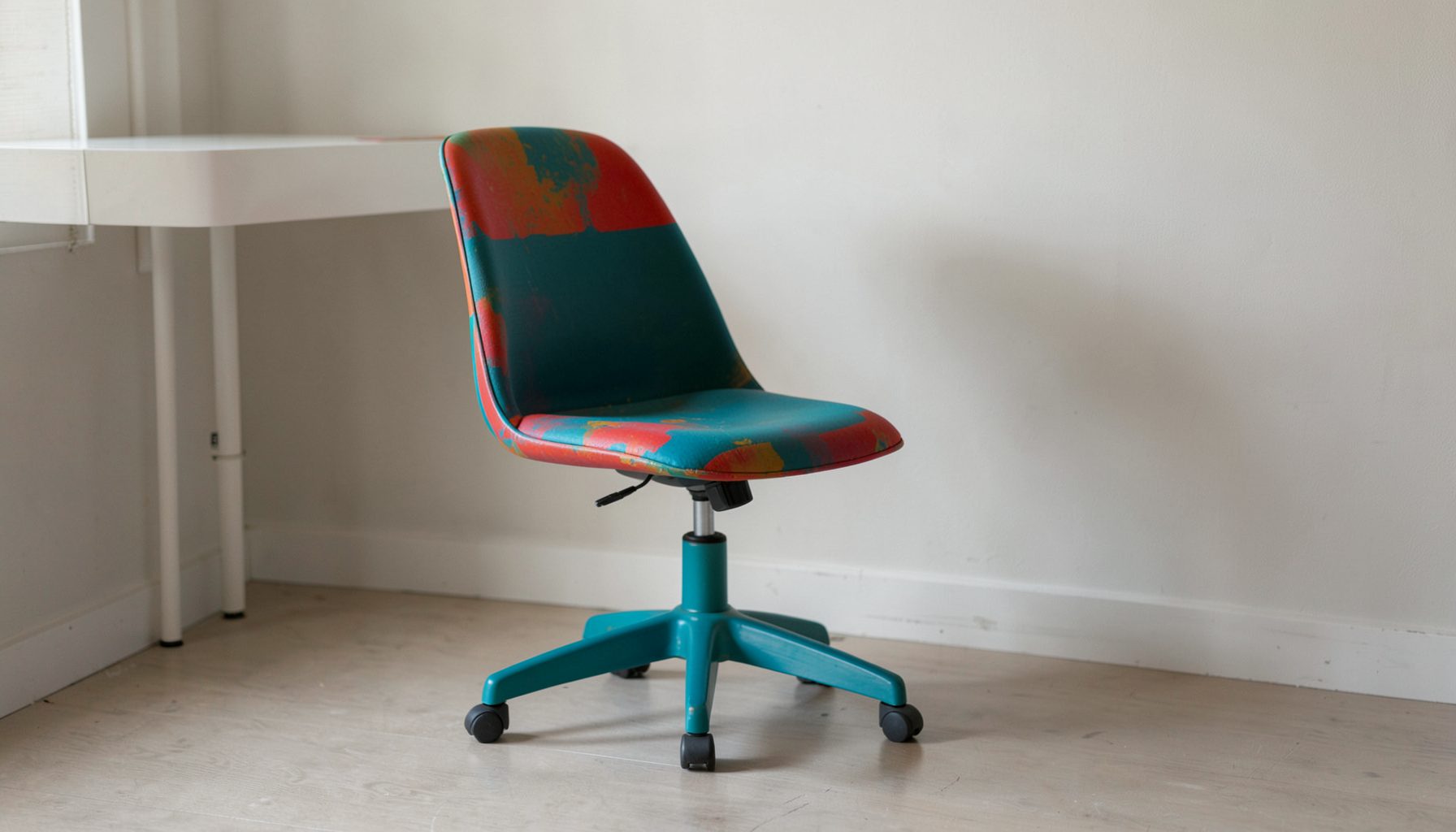
E-Decorating
Personalized design guidance delivered online — perfect for clients anywhere in the world who want a professional eye.
Learn More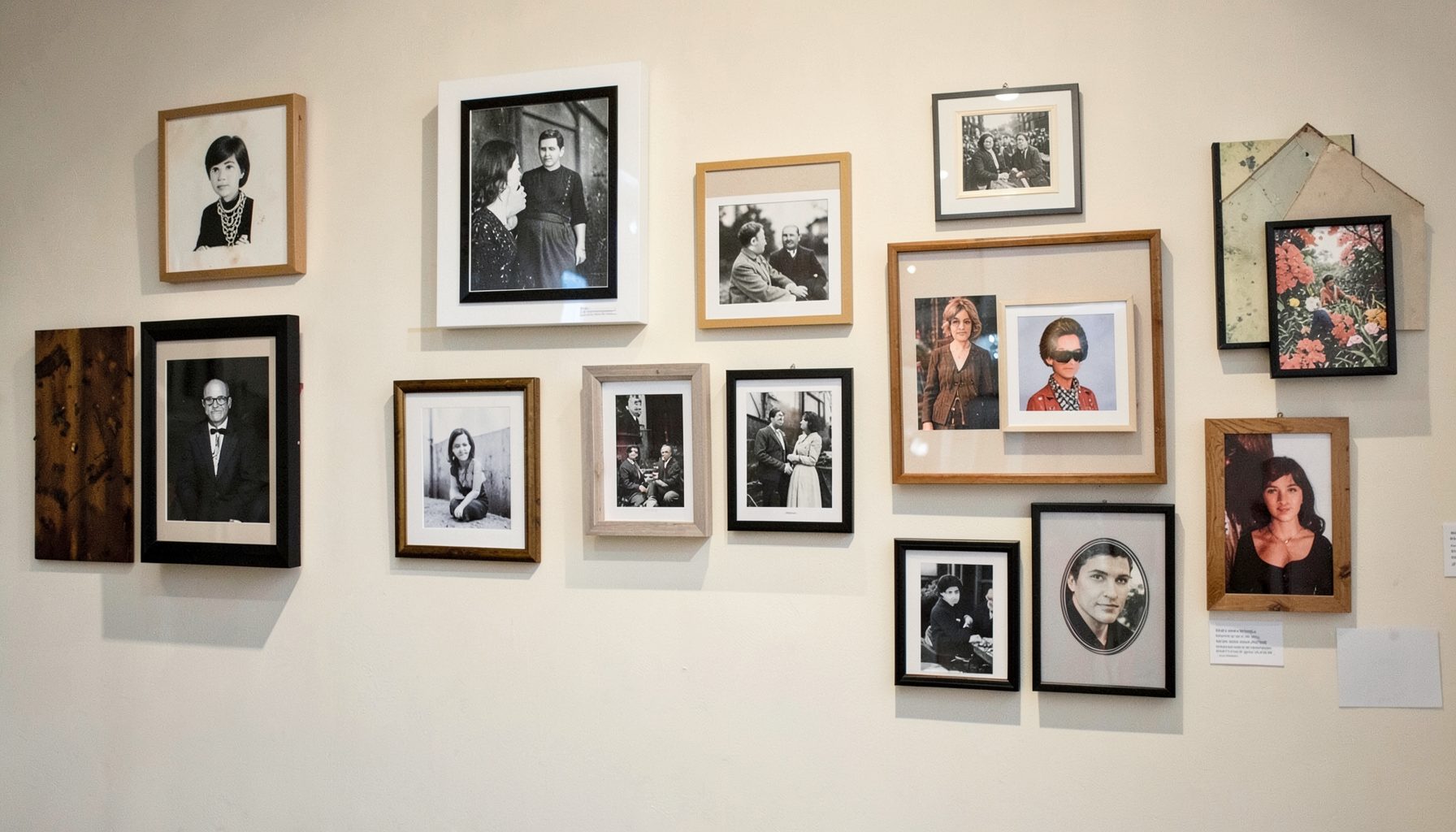
Portfolio
Browse completed room makeovers, before-and-after transformations, and styling projects from Bay Area homes.
Learn More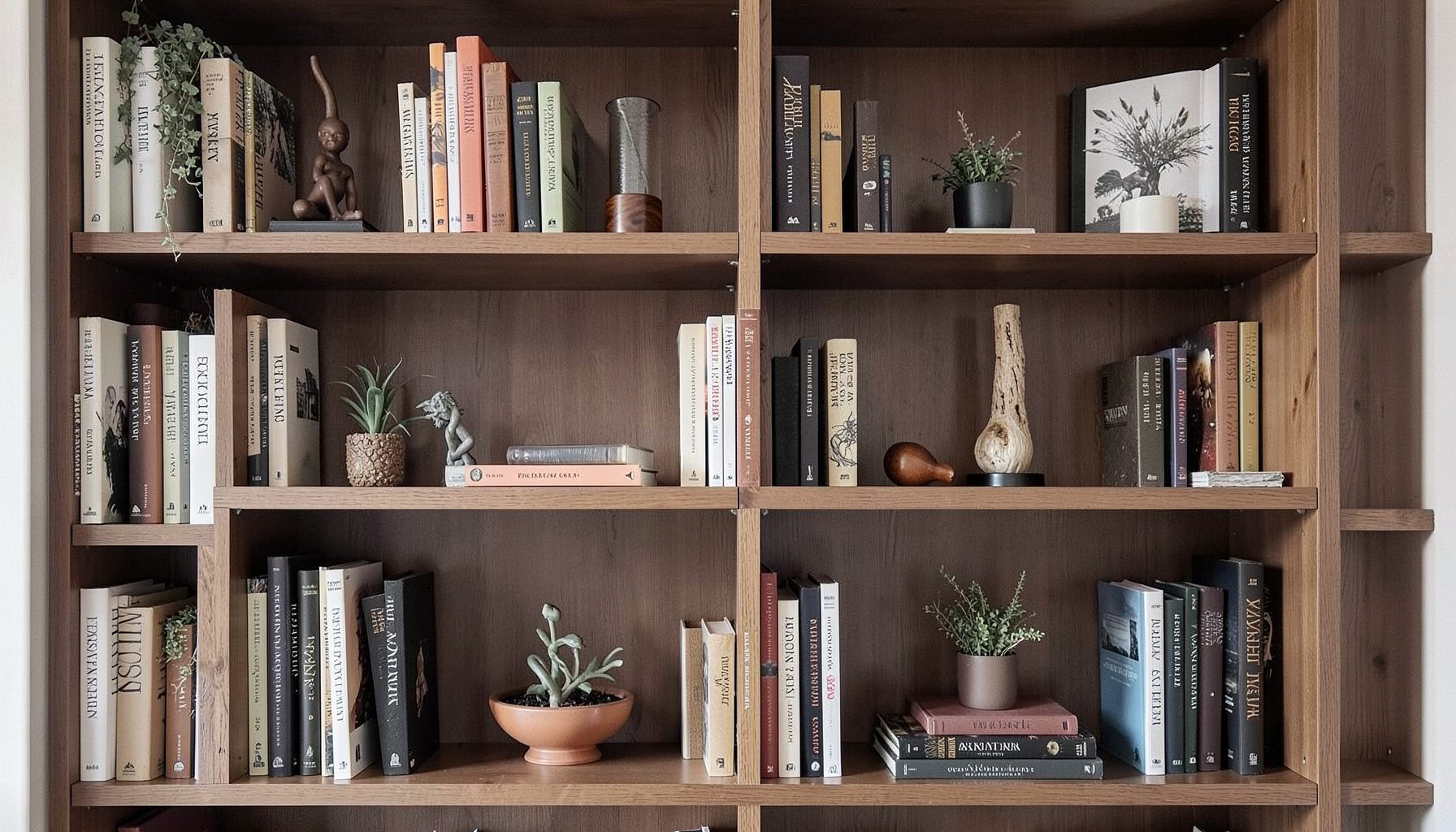
Blog
Interior design inspiration, fashion finds, entertaining ideas, and peeks into real home renovations and styling projects.
Learn More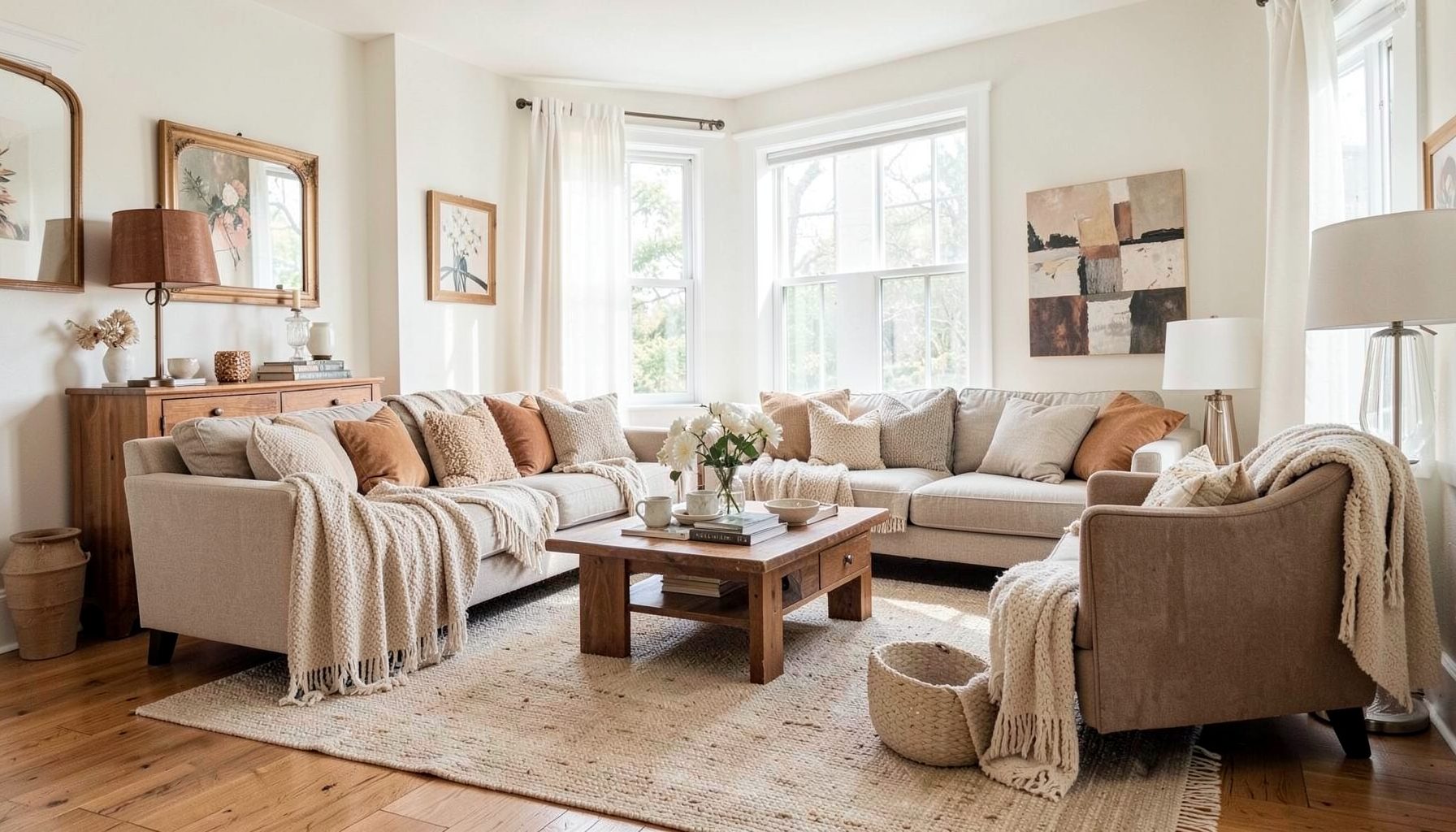
Downloads
Free curated resources for home decorating and design — guides, checklists, and inspiration to help you get started.
Learn MoreE-Design for Renters: Temporary Upgrades With Lasting Impact
Renting does not mean settling for rooms that feel unfinished, generic, or disconnected from your personality. With the right decorating strategy, a temporary home can feel layered, comfortable, and distinctly yours without permanent construction or a long list of landlord approvals.
E-design makes that process easier by translating your goals, measurements, photographs, and inspiration into a practical room plan. You can receive furniture layouts, color direction, shopping links, styling guidance, and installation advice tailored to your rental’s limitations and your budget.
The most successful rental updates focus on reversible changes with visual weight. A thoughtful paint alternative, substantial artwork, layered lighting, removable wallpaper, and well-scaled furnishings can transform the atmosphere while preserving the flexibility to move everything to your next home.
Start With A Rental-Friendly Design Direction
A strong plan begins with the feeling you want the room to create. Rather than choosing individual products at random, identify a few descriptive words such as collected, relaxed, warm, tailored, playful, or minimal. These words help guide decisions across furniture, textiles, artwork, lighting, and accessories.
Share photographs of the room from several angles, along with measurements, window locations, doors, outlets, heating vents, and any furniture you plan to keep. An e-design plan can work around awkward architecture more effectively when the designer understands how the space functions throughout the day.
It is also useful to identify restrictions before selecting upgrades. Some rentals prohibit painting, drilling, replacing fixtures, or applying adhesive products. A clear design brief can separate changes that are fully removable from those that need written approval, giving you a realistic decorating roadmap from the beginning.
Make Walls Feel Finished Without Permanent Work
Walls have a major effect on how complete a room feels, yet renters often assume their choices are limited to framed prints. A large-scale art piece, a gallery wall arranged with removable hooks, or a leaning canvas can add personality without altering the structure. Oversized artwork is especially effective in apartments because it creates a focal point without requiring many small items.
Removable wallpaper and peel-and-stick murals can bring pattern to a powder room, home office, or bedroom wall. Before applying anything, test a small hidden area and follow the manufacturer’s removal instructions. Smooth, clean surfaces usually provide the best results, while textured walls may require a different approach.
Textiles can soften plain walls in an equally flexible way. A decorative quilt, woven tapestry, or fabric panel suspended from a slim rod introduces color and dimension. In a dining area or entry, a mirror can reflect light and make the room appear larger while giving an empty wall a practical purpose.
For renters who prefer a quieter backdrop, concentrate on contrast. A dark frame against a light wall, a pale linen panel near warm wood, or a collection of black-and-white photographs can create definition without overwhelming the space. The goal is to make the walls feel intentional rather than simply decorated.
Use Lighting To Change The Atmosphere
Rental lighting is often one of the quickest ways to make a room feel impersonal. A single ceiling fixture rarely provides the warmth or flexibility needed for relaxing, working, entertaining, and winding down. Layered lighting solves this problem by combining ambient, task, and accent sources at different heights.
Start with portable fixtures that require no electrical work. Table lamps on a console or nightstand provide a soft pool of light, while a floor lamp can fill an empty corner and add vertical interest. Plug-in sconces are useful beside a bed or sofa when their cords can be neatly concealed with cord covers or routed behind furniture.
Bulb temperature matters as much as the fixture itself. Warm white bulbs, generally around 2700K, create a welcoming residential glow. Dimmable bulbs add further control, especially in living rooms and bedrooms. If your rental has cool, harsh overhead lighting, use it sparingly and let portable lamps establish the primary mood.
A designer can also help determine whether a room needs more illumination or simply better distribution. A compact apartment may benefit from several modest light sources rather than one oversized lamp. This approach creates depth and makes even budget-friendly pieces feel more considered.
Choose Furniture That Can Move With You
Temporary decorating has greater impact when the main furnishings are versatile enough to work in future homes. Prioritize adaptable silhouettes, durable materials, and sizes that can shift between rooms. A narrow console can serve as an entry table, a dining-room storage piece, or a desk. An upholstered bench can move from the foot of a bed to a hallway or dining nook.
Measure every major item before purchasing, including doorways, elevators, stairwells, and tight corners. In a rental, scale is often more important than style because oversized furniture can make a room difficult to use. A designer’s floor plan can show whether a sofa leaves enough circulation space, whether chairs can be pulled out comfortably, and how an area rug should be positioned.
Look for pieces with more than one function. Storage ottomans hide blankets and double as seating, nesting tables can separate when guests arrive, and a bookcase can divide a studio without closing it off. Freestanding furniture also creates architectural definition when a rental lacks built-ins or distinct zones.
Mixing price points helps the room feel personal instead of showroom-perfect. Invest in the pieces that receive daily use, such as a sofa or mattress, and save on accents that can be replaced or repurposed. Vintage furniture, secondhand artwork, and budget-friendly textiles often provide the character that makes a space feel collected.
| Rental-friendly upgrade | Visual impact | Reversibility | Best placement |
|---|---|---|---|
| Oversized artwork | High | High | Living room, bedroom, dining area |
| Peel-and-stick wallpaper | High | Medium | Powder room, office, accent wall |
| Plug-in sconces | Medium to high | High | Bedside, hallway, reading corner |
| Freestanding bookcase | High | High | Living area, studio divider |
| Layered area rugs | High | High | Living room, bedroom, dining zone |
| Decorative window treatments | Medium to high | High | Living room, bedroom |
| Removable hardware | Medium | High | Kitchen, bathroom, storage pieces |
Define Rooms With Textiles And Accessories
Area rugs are among the most effective temporary upgrades because they anchor furniture, absorb sound, and establish visual zones. In an open-plan rental, separate rugs can define a living area, dining area, and work corner without walls or construction. Select a size that allows at least the front legs of major seating to rest on the rug whenever possible.
Layering rugs can add warmth and pattern while making a small space feel more thoughtfully assembled. A neutral natural-fiber rug beneath a smaller patterned design creates texture and flexibility. If an existing carpet cannot be removed, place a low-profile area rug over it to introduce a new color story and make the flooring feel less dominant.
Window treatments deserve similar attention. Ready-made curtains hung as close to the ceiling as practical can make windows appear taller. Use renter-friendly tension rods, lightweight hardware, or existing mounting points based on the lease. Curtains with lining can improve privacy and light control, while sheer panels soften a bright room without blocking daylight.
Accessories should be edited rather than scattered across every surface. Group objects by height, material, and color so they read as arrangements. A ceramic vessel beside stacked books, a framed print, and a small lamp can give a console purpose. The layered entryway guide offers a useful example of how furniture, artwork, and everyday objects can work together in a compact area.
Personalize Kitchens And Bathrooms Carefully
Kitchens and bathrooms often reveal the temporary nature of a rental, but small changes can make them feel far more intentional. Replace cabinet pulls only when the original hardware can be stored and the new pieces fit the existing holes. Keep screws, knobs, and labels together so the space can be returned to its original condition at move-out.
If hardware replacement is not practical, styling can carry much of the visual work. A wood cutting board, attractive canisters, a washable runner, and a small piece of artwork can make an ordinary kitchen feel warmer. Use trays to group countertop items and reduce the sense of clutter around the sink or coffee station.
In bathrooms, concentrate on textiles and finish coordination. Matching towels, a fabric shower curtain, a bath mat, and a framed print can establish a cohesive palette quickly. Freestanding storage, over-the-door hooks, and slim rolling carts add function without requiring built-ins.
Keep moisture in mind when choosing artwork and materials. Use sealed frames, washable textiles, and pieces designed for humid spaces. A renter-friendly design should look beautiful on installation day and remain easy to maintain through everyday use.
Build A Practical E-Design Shopping Plan
A well-organized shopping plan prevents temporary upgrades from becoming a collection of disconnected purchases. Begin with the highest-impact priorities: usually lighting, a rug, window treatments, or one substantial artwork piece. Once those anchors are chosen, select smaller accessories that support their colors and textures.
Divide the plan into essential, secondary, and optional purchases. Essentials solve immediate problems such as insufficient seating, poor lighting, or a lack of storage. Secondary pieces improve comfort and cohesion. Optional accents, including decorative objects and seasonal textiles, can be added gradually as the room develops.
Consider availability, delivery requirements, assembly, return policies, and the likelihood of moving. Flat-pack furnishings may be easier to transport, while vintage pieces may offer more character but require careful measurements and local pickup. A complete e-design plan should account for these practical details instead of focusing only on the finished image.
- Measure rooms, doors, windows, and existing furniture before shopping.
- Select a flexible color palette that can work in a future home.
- Prioritize portable lighting, rugs, curtains, and artwork for immediate impact.
- Save original hardware and document every temporary installation.
- Combine investment pieces with vintage, secondhand, and budget-friendly finds.
Personal style becomes clearer when each purchase has a role. A designer can help edit competing ideas, identify the best scale, and create a sequence that respects your budget. This is especially valuable when a rental has unusual proportions or when several rooms need attention at once.
Turn Temporary Changes Into A Collected Home
The best rental interiors do not look like a series of workarounds. They feel layered because color, texture, scale, and repetition connect the rooms. Repeat a wood tone in frames and furniture, carry a favorite accent color from the living room into the bedroom, or use similar metal finishes in lamps and hardware.
Leave room for the home to evolve. A collected space usually gains character over time through travel finds, inherited pieces, flea-market discoveries, and objects connected to daily life. Temporary decorating gives you the freedom to experiment without treating every decision as permanent.
E-design is particularly useful when you want professional direction without a full in-home service. You receive a tailored concept and actionable resources while completing the installation at your own pace. For renters, that combination offers creative freedom, logistical clarity, and a realistic way to make a temporary address feel personal.
With thoughtful planning, reversible upgrades can create a home that supports your routines and reflects your taste. Reach out to Maggie Rose Interiors for personalized e-decorating guidance, room planning, and layered design ideas that help your rental feel finished now and ready to move with you later.

Recent Projects