Interior Design
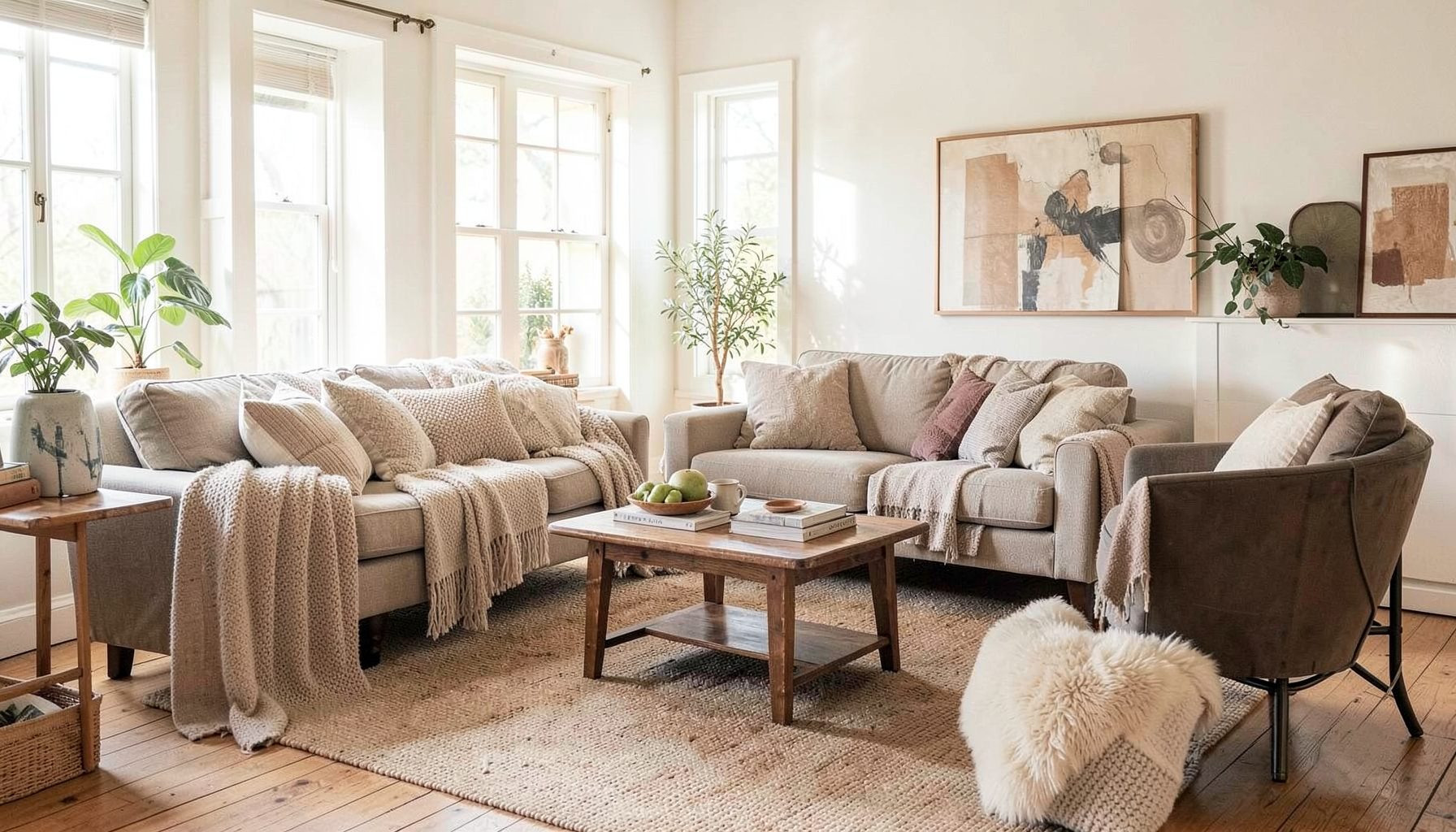
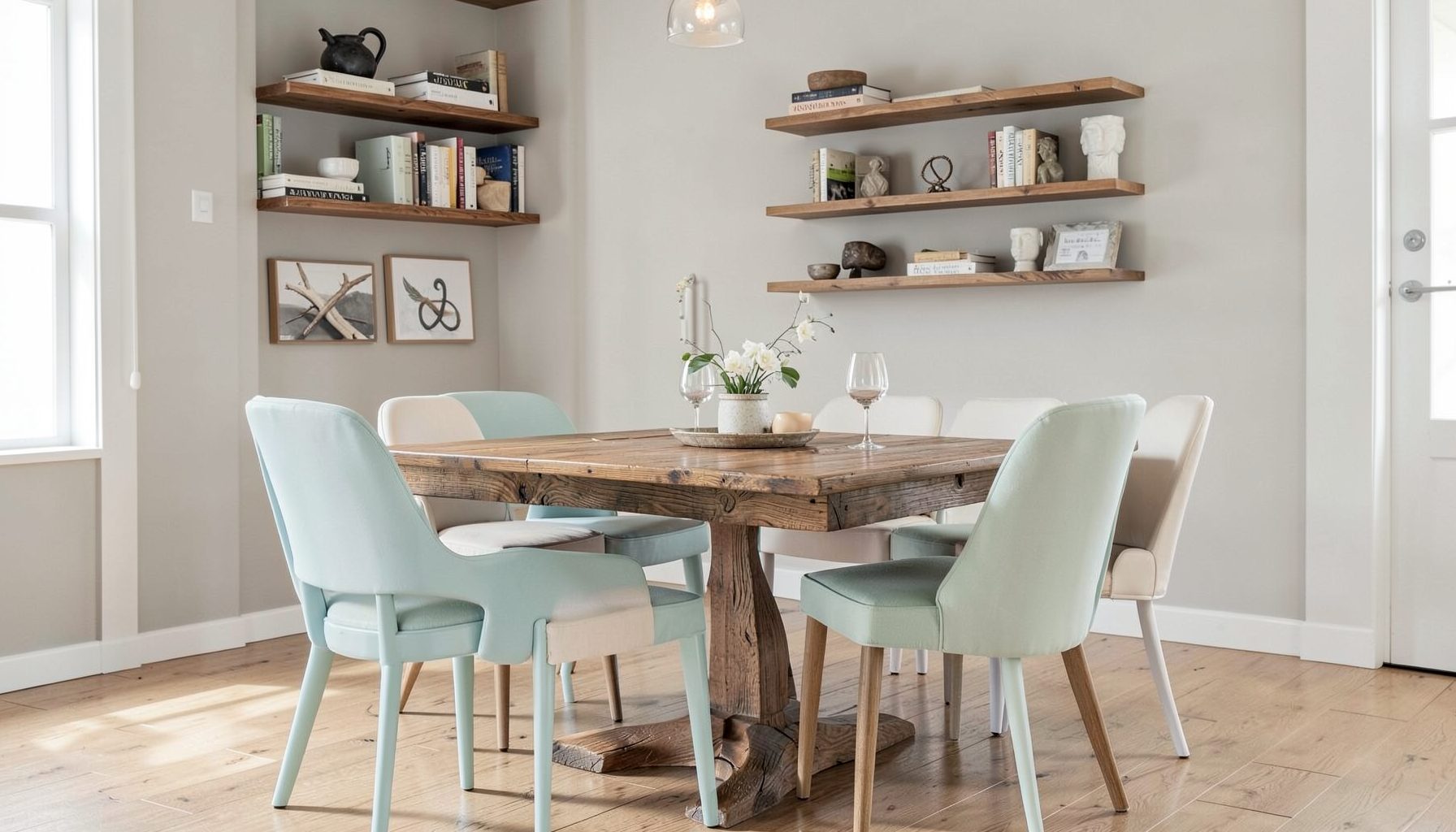
Full-service decorating that blends high and low, vintage finds with modern pieces for spaces that feel personal and collected.
Learn More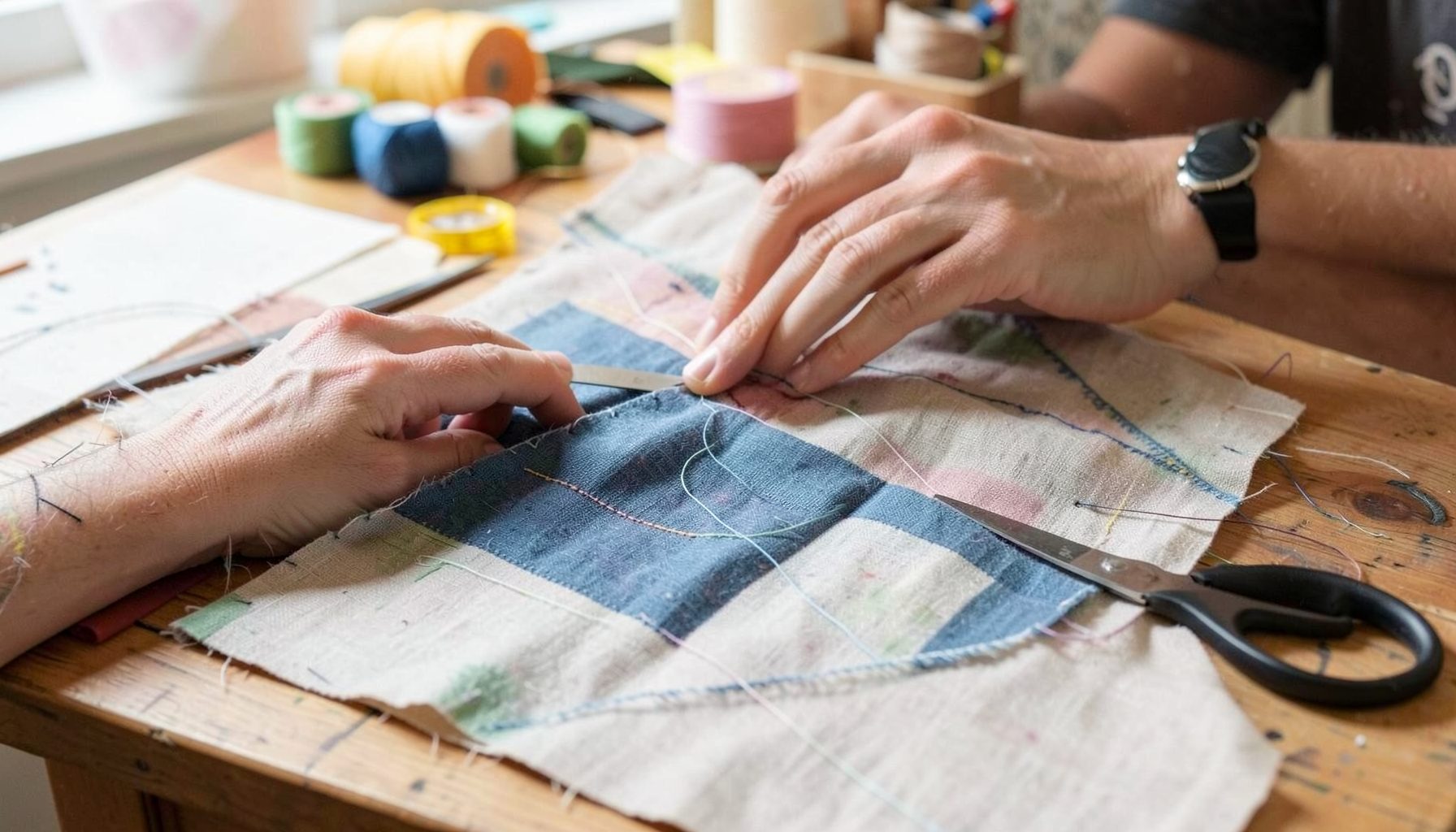
DIY Projects
Step-by-step tutorials for refinishing furniture, sewing pillows, styling bookshelves, and transforming rooms on a budget.
Learn More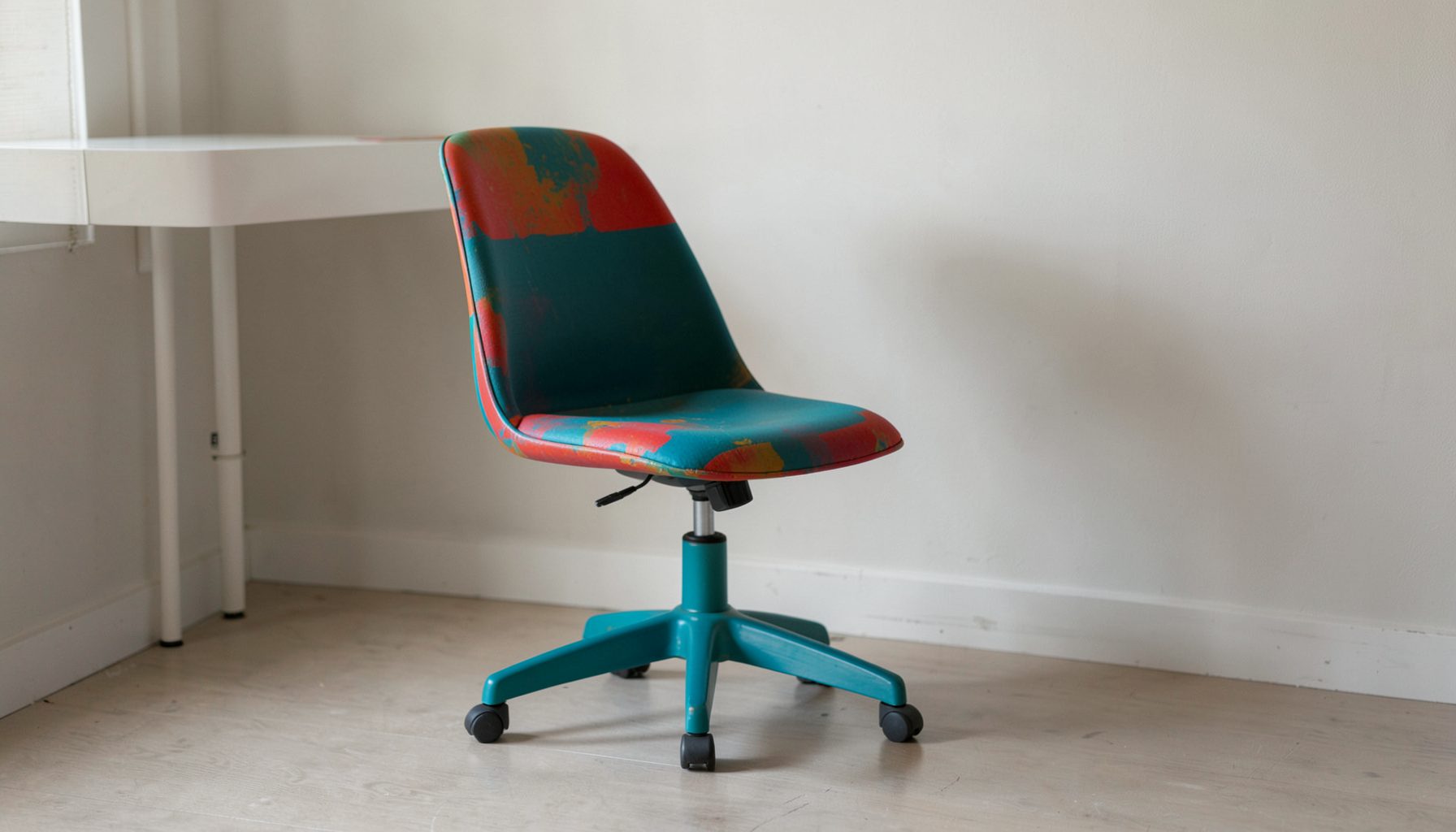
E-Decorating
Personalized design guidance delivered online — perfect for clients anywhere in the world who want a professional eye.
Learn More
Portfolio
Browse completed room makeovers, before-and-after transformations, and styling projects from Bay Area homes.
Learn More
Blog
Interior design inspiration, fashion finds, entertaining ideas, and peeks into real home renovations and styling projects.
Learn More
Downloads
Free curated resources for home decorating and design — guides, checklists, and inspiration to help you get started.
Learn MoreStyling a vintage-inspired bar cart for Australian entertaining
A bar cart earns its place in an Australian home the moment it starts carrying the rhythms of how people actually gather here. Long summer evenings on a Brisbane deck, slow Sunday afternoons drifting into golden hour in Melbourne, friends squeezing around a small Sydney apartment for no reason other than to be together — the cart becomes the little stage where these moments happen. With a bit of patience and a love of old things, you can build a vignette that feels collected, as though each glass and bottle wandered in from a different chapter of your life.
The look most people are chasing right now leans toward warm imperfection: crystal that catches the late light, decanters with a bit of patina, and glassware that could just as easily live in a 1970s loungeroom as a contemporary townhouse. It's an approach that suits Australian homes beautifully, especially when the climate encourages you to live casually across indoor and outdoor zones.
Choosing the right trolley for your floor plan
Before anything else, measure the spot where the cart will live. Many Australian homes — particularly the Queenslander-style houses around Brisbane or the renovated terraces scattered through inner Sydney and Melbourne — have generous rooms, but the path between kitchen and entertaining area can be narrow. A two-tiered drinks trolley on slim castors is usually the smartest choice, since it can swing through a standard doorway and tuck against a wall when not in use.
Material matters more than people realise. Brass and glass trolleys catch the afternoon light beautifully, but they need polishing and they show fingerprints. A painted timber cart with a marble or stone insert feels softer and more forgiving in homes with kids or pets. If you're renting, a freestanding piece keeps you on the right side of tenancy rules that restrict fixing heavy furniture to walls, and you can roll it with you when the lease ends. Even in newer apartments in places like Parramatta or Docklands, where body corporate by-laws sometimes restrict bulky built-ins in shared spaces, a movable cart sidesteps the issue entirely.
If budget is a factor, the seasonal ranges at Kmart and Target often include a surprisingly charming bar cart for a fraction of the price of a designer piece. They won't last forever, but they let you experiment with styling before committing to something more substantial. For something with real longevity, keep an eye on marketplace listings and weekend estate sales. Australians move house fairly often compared with many other populations, which means there's a steady supply of well-loved mid-century pieces coming out of garages and spare rooms across the suburbs.
Picking a decanter with its own story
A decanter is the anchor of the whole arrangement, and it's worth choosing one with a bit of personality. Australian wine regions like the Barossa Valley, Margaret River, and the Hunter Valley produce bottles that genuinely deserve a proper pour, so the decanter is doing real work, not just sitting pretty. A wide-bottomed lead-free crystal decanter is ideal for reds that need air, while a slimmer ship-style decanter suits lighter reds and aged whites.
Look for decanters with hand-cut detailing, etched monograms, or a stopper that fits satisfyingly into the neck. These details show up regularly at antique centres in places like Woollahra, Hawthorn, and New Farm. If you'd prefer something newer, several Australian glass artists — including studios in the Adelaide Hills and the Southern Highlands — make small-batch decanters that pair well with a vintage-leaning setting without feeling too precious.
Avoid decanters with visible lead content if you plan to store spirits in them long-term. Modern Australian retail standards have moved firmly toward lead-free crystal, and older decanters sometimes contain lead, which can leach into liquids stored for extended periods. If you inherit an antique decanter, treat it as a pour-and-display piece rather than a long-term storage vessel, and rinse it well between uses.
Hunting for vintage glassware the local way
Op shops are the backbone of any vintage glassware collection, and Australia is unusually well supplied with them. Salvos Stores, Vinnies, and the smaller regional op shops tend to stock boxes of mismatched crystal at modest prices, often donated by downsizers in coastal towns. In Sydney, the Salvos in Newtown and Surry Hills regularly turn up Czech stemware and pressed-glass coupes. In Melbourne, the Vinnies stores in Fitzroy and Brunswick reward patient digging with Waterford-style tumblers and delicate cordial glasses from the 1960s.
Weekend markets are the second pillar. Rozelle Collectors Market in Sydney, the Camberwell Market in Melbourne, and the smaller Sunday markets in Adelaide and Fremantle are wonderful for glassware because stallholders often bring pieces out only on certain weekends. Get there early, bring cash, and be willing to take the slightly chipped or slightly cloudy piece — it almost always polishes up, and a tiny imperfection adds to the layered look rather than detracting from it. Many sellers are happy to negotiate, especially late in the day when they'd rather not pack things up.
When choosing glassware, build around three basic profiles: a coupe or Nick and Nora for martinis and champagne cocktails, a small tumbler or old-fashioned glass for spirits, and a tall highball for longer drinks. A set of six in each profile is usually plenty for a dinner party. Mix and match by colour and pattern rather than chasing a uniform suite — that's the whole point of a collected look, and it's far more forgiving on the wallet.
Building the arrangement with bottles and stemware
A bar cart only reads as styled once the eye has somewhere to land. Start with the largest objects first — the decanter and one or two statement bottles — and place them slightly off-centre on the top tier. Group them in odd numbers, generally three or five pieces, and vary the heights so the silhouette rises and falls rather than marching in a flat line.
Stemware can hang from a rail beneath the top tier or stand in a small cluster on the lower shelf. Keeping the most-used glasses at the front and the special-occasion pieces further back creates a sense of depth. If you collect wine from different regions, a few bottles displayed horizontally on their side in a small rack doubles as decoration and storage.
This is the moment where styling crosses into something closer to art direction. The way a finished arrangement is finally revealed to friends — the first time the afternoon light catches the crystal, or the first time someone reaches for a glass — has its own quiet theatre. There's a thoughtful piece about presenting a styled moment with care that captures this idea well, even though it's written about artwork rather than glassware. The same principle applies: a well-set cart invites people to participate, not just to look.
Layering trays, books, and small accents
The lower tier is where the personality of the cart really shows. A small tray corrals the practical things — a jigger, a bar spoon, a small knife for citrus — and stops them from rolling around when you wheel the cart across a veranda tile. Look for trays in warm metals, rattan, or lacquered papier-mâché; the contrast against glass and crystal keeps the eye moving.
A few well-chosen books add warmth. Vintage cocktail books, a monograph on an Australian wine region, or a small hardcover on Australian garden design all work beautifully. Stack two or three at most, and let the books do some of the work of propping up a bottle or supporting a small bud vase.
Fresh botanicals — a sprig of rosemary, a few stems of dried eucalyptus, a single bloom in a tiny vase — bring the whole thing to life. Eucalyptus in particular suits Australian entertaining because it's local, hardy, and lasts well outside in the heat. A small candle or two finishes the vignette. Stick to unscented candles near the decanter so they don't compete with the aromatics of whatever you're pouring. If you'd like a hand pulling all these elements together, Maggie Rose Interiors' services cover everything from a single-room refresh to a full home styling brief.
Caring for crystal in the Australian climate
Australian water varies dramatically from region to region, and it leaves traces on glass. In hard-water areas — much of South Australia and parts of Western Australia — decanters and tumblers develop a cloudy film quickly. A rinse in distilled water after washing prevents most of it. In coastal homes from Coffs Harbour to Fremantle, salt air can etch crystal over time, so storing glasses in a closed cabinet when not in use helps them last.
Wash crystal by hand rather than in the dishwasher. A gentle detergent, lukewarm water, and a soft cloth is all you need. Dry with a lint-free tea towel, ideally while the glass is still slightly warm so water doesn't settle into etched patterns. Lead-free pieces can go in the dishwasher on a delicate cycle if you must, but hand-washing extends their life noticeably.
It's also worth keeping in mind Australian responsible service of alcohol guidelines when hosting. The standard drinks labelling on every bottle makes it easier to pace pours, and offering non-alcoholic options alongside spirits keeps the cart welcoming for everyone. In states with stricter liquor licensing — including parts of Queensland and Western Australia — it's worth checking local rules if you plan to charge for drinks at a public event, even one held at home.
The bar cart you build today will be the bar cart your friends remember years from now. The decanter's amber glow on a December evening, the coupe glasses catching light against the lower shelf, the eucalyptus cutting through the smell of sunscreen and citrus peel — those small details are what turns a piece of furniture into the place people gather around. Choose slowly, layer generously, and let the cart grow with your home rather than arriving fully formed.

Recent Projects