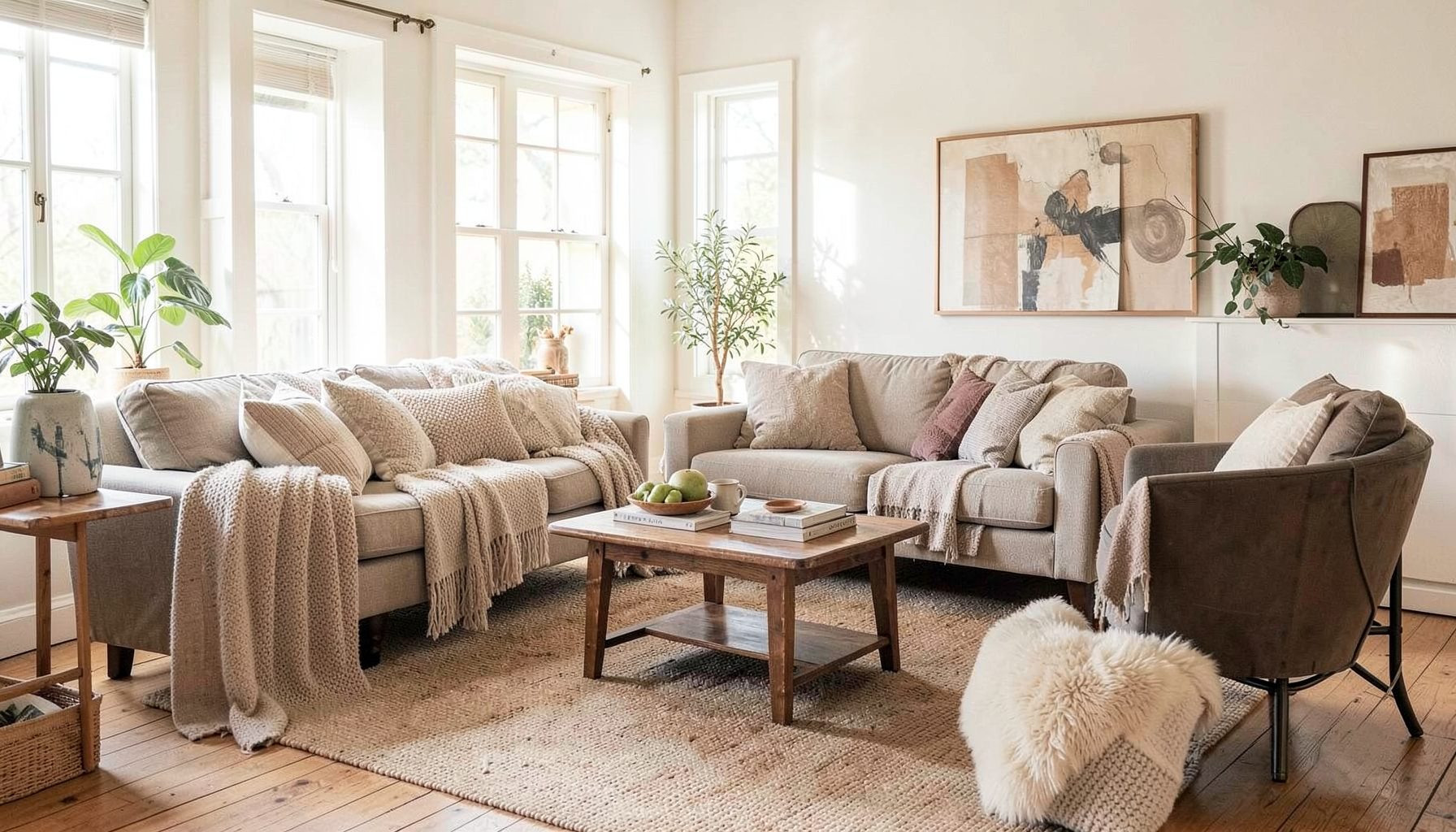
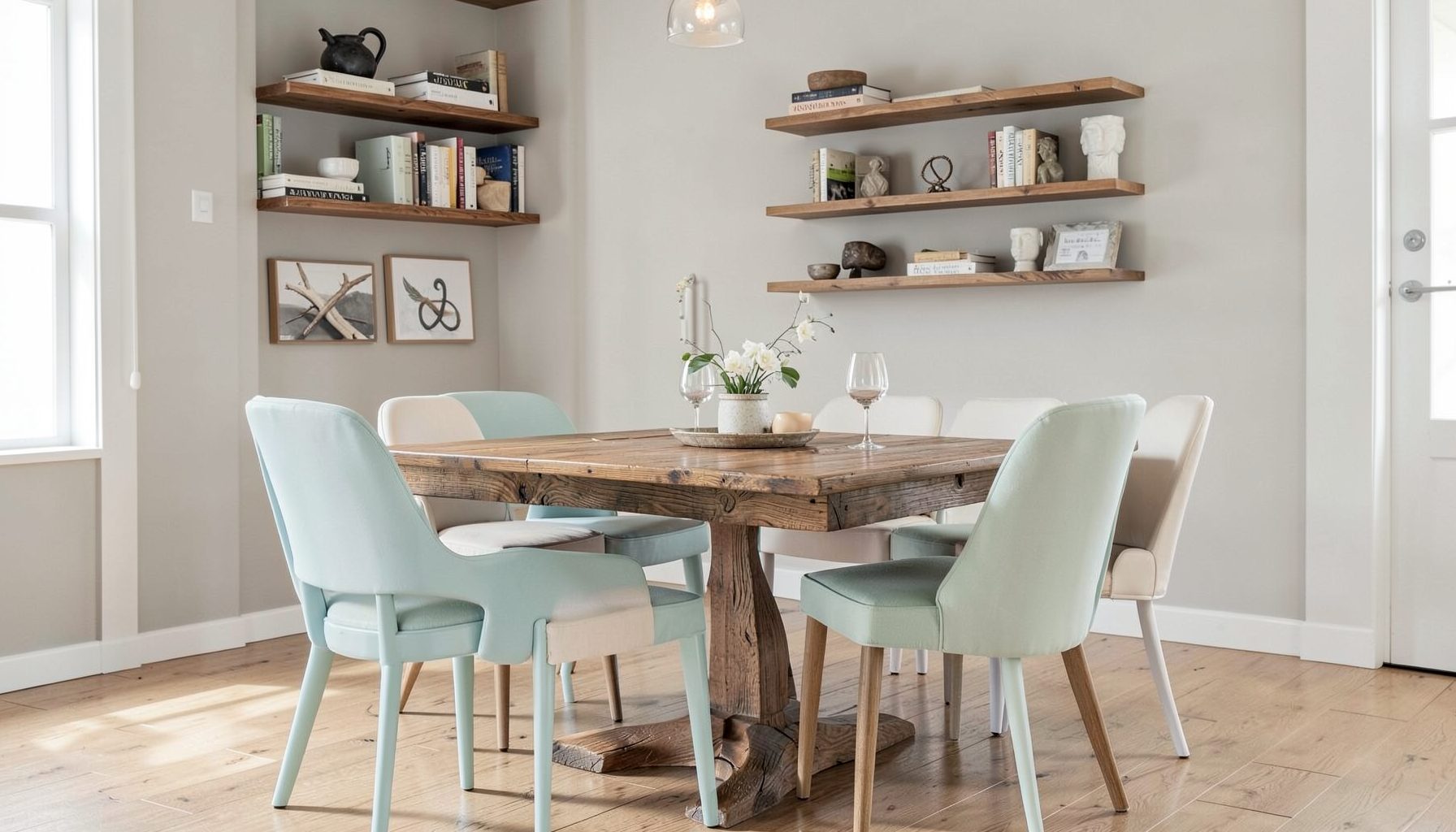
Interior Design
Full-service decorating that blends high and low, vintage finds with modern pieces for spaces that feel personal and collected.
Learn More
DIY Projects
Step-by-step tutorials for refinishing furniture, sewing pillows, styling bookshelves, and transforming rooms on a budget.
Learn More
E-Decorating
Personalized design guidance delivered online — perfect for clients anywhere in the world who want a professional eye.
Learn More
Portfolio
Browse completed room makeovers, before-and-after transformations, and styling projects from Bay Area homes.
Learn More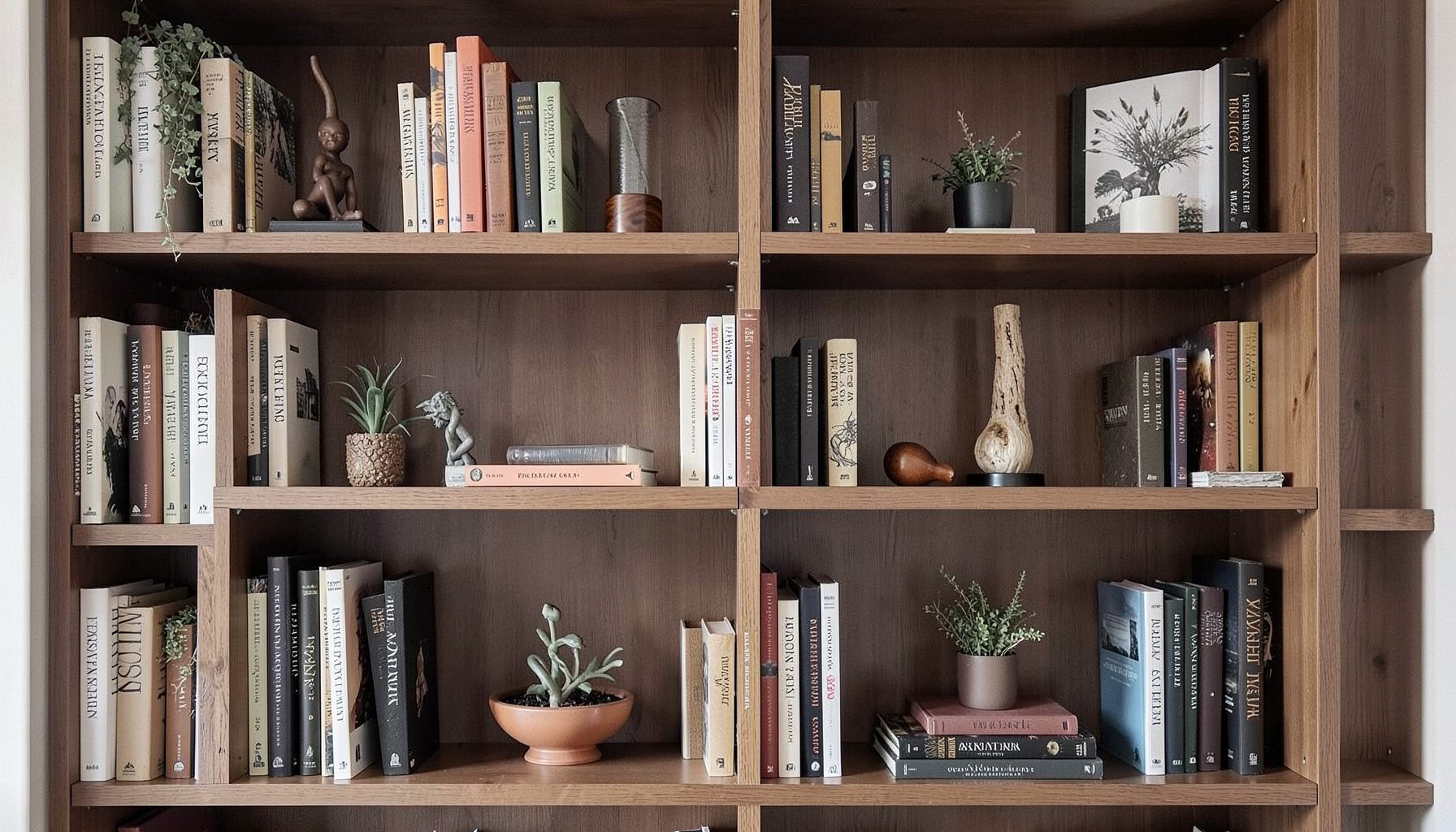
Blog
Interior design inspiration, fashion finds, entertaining ideas, and peeks into real home renovations and styling projects.
Learn More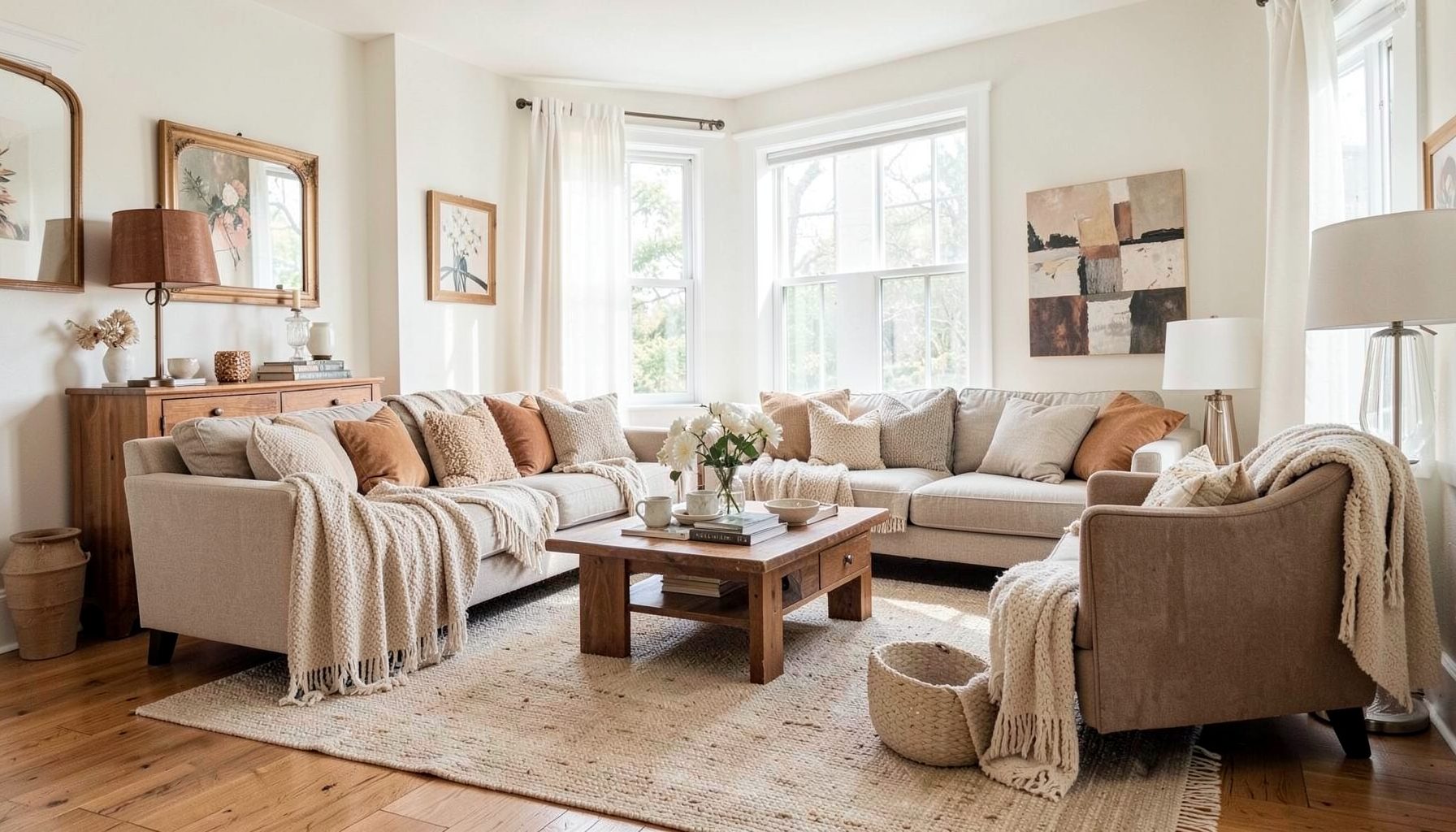
Downloads
Free curated resources for home decorating and design — guides, checklists, and inspiration to help you get started.
Learn MoreCreating a Serene Master Bedroom With Layered Bedding
A restful bedroom begins with more than a beautiful duvet. The most inviting spaces feel calm because every element has a purpose: the colors quiet the senses, the textures invite touch, and the arrangement makes daily routines feel easy. Layered bedding helps create that balance by giving the room softness, dimension, and flexibility.
The best bedroom designs rarely look as though every piece was purchased in a single afternoon. A tailored coverlet may sit beneath a relaxed linen duvet, while vintage nightstands, modern lamps, and a treasured artwork bring personality to the room. This collected approach creates a suite that feels personal rather than overly matched.
For Bay Area homes in San Jose, San Francisco, and beyond, a serene master bedroom can reflect both the architecture of the home and the way its occupants live. Whether the goal is a complete redesign or a simple room makeover, thoughtful bedding layers can transform the atmosphere without requiring a full renovation.
Start With A Restful Foundation
Begin with the elements that have the greatest effect on comfort: the mattress, bed frame, pillows, and window coverings. A supportive mattress is essential, while a well-proportioned bed frame establishes the visual scale of the room. Upholstered frames soften a space, wood adds warmth, and a simple platform creates a clean, modern foundation.
Consider the view from the doorway before adding decorative pieces. The bed is usually the focal point, so its placement should feel intentional. Whenever possible, position it where the headboard has a solid wall behind it and where the entry is visible without placing the bed directly in line with the doorway. This arrangement tends to feel grounded and balanced.
Window treatments deserve equal attention. Light-filtering shades, woven blinds, or lined drapery can soften morning glare and improve sleep quality. Neutral curtains in flax, ivory, or warm gray add another layer of texture while maintaining a peaceful palette. If the bedroom receives strong afternoon sun, choose fabrics and finishes that will remain comfortable and fade-resistant over time.
Choose A Quiet, Layered Palette
A serene color scheme does not have to be entirely white. Warm neutrals, muted greens, dusty blues, clay tones, and gentle taupes can all create a restful setting. The key is to limit strong contrast and let subtle variations in tone provide interest. A palette of cream, sand, mushroom, and soft olive feels collected without becoming visually busy.
Use the walls, upholstery, bedding, and accessories as parts of one color story. For example, a pale greige wall can support ivory sheets, a flax duvet, and a muted blue-gray quilt. Repeating one or two colors in smaller details, such as a lumbar pillow or ceramic lamp, helps the room feel cohesive.
Pattern can play a role in a calm bedroom, provided it is used with restraint. A narrow stripe, small check, faded floral, or vintage-inspired block print adds character without overwhelming the bed. Keep the largest surfaces relatively quiet, then introduce pattern through shams, a folded throw, or a bench cushion.
Material finishes also influence the mood. Matte paint, natural wood, brushed metal, and softly woven textiles create a more relaxed effect than an abundance of glossy surfaces. Combining materials gives a neutral bedroom depth while preserving its tranquil quality.
Build Bedding In Practical Layers
Layered bedding works best when each piece serves a different purpose. Start with breathable sheets, add warmth through a blanket or coverlet, and finish with a duvet or quilt that can be folded back easily. This approach lets the bed adapt to changing temperatures and makes the arrangement look inviting throughout the day.
A useful sequence begins with fitted and flat sheets, followed by a lightweight blanket placed near the foot of the bed. Add a coverlet or quilt across the mattress, then finish with a duvet folded down from the upper third. The folded section creates a visual break and makes the bed appear more tailored than a single oversized comforter pulled tightly from top to bottom.
Pillows should be arranged for both appearance and use. Sleeping pillows belong closest to the headboard, followed by standard or king shams, then one or two decorative pillows. A lumbar pillow can provide a final accent without requiring a crowded stack. In a king bedroom, three larger pillows across the back often look balanced; in a queen bedroom, two or three may be sufficient.
| Bedding Layer | Best Material Choices | Visual Effect | Everyday Purpose |
|---|---|---|---|
| Sheets | Cotton percale, linen, or bamboo | Clean and breathable | Direct contact with the skin |
| Lightweight blanket | Cotton, wool, or quilted fabric | Adds subtle texture | Flexible warmth between seasons |
| Coverlet or quilt | Matelassé, linen blend, or cotton | Creates a tailored base | Defines the bed and protects sheets |
| Duvet or comforter | Down, wool, or down alternative | Adds softness and volume | Primary warmth layer |
| Shams and accent pillows | Linen, velvet, cotton, or patterned textile | Introduces color and personality | Supports lounging and finishing style |
| Throw blanket | Wool, alpaca, cotton, or washed linen | Adds a relaxed final layer | Convenient extra warmth |
Fabric selection should reflect climate and personal comfort. Linen offers a relaxed, breathable finish that suits many Bay Area bedrooms, while cotton percale feels crisp and cool. Velvet, boucle, and heavier wool are better used as accents than as dominant bedding materials, since too much density can make the room feel visually heavy.
Mix Texture With Collected Character
Texture is what makes a restrained bedroom feel rich. Combine smooth cotton sheets with a nubby coverlet, softly rumpled linen, a woven bench, or a tactile wool throw. These differences are often more effective than adding many colors, especially when the palette is composed of understated neutrals.
Vintage and modern pieces can coexist naturally in the bedroom. A contemporary upholstered bed may pair with antique nightstands, or a streamlined dresser may be softened by a vintage mirror. Look for relationships in scale, finish, or color rather than requiring every item to match. Aged wood beside brushed brass and painted casework can create a warm, layered composition.
Accessories should tell the story of the people who use the room. A framed textile, a small collection of books, a ceramic vessel, or a piece of local artwork can make the suite feel connected to the rest of the home. The objective is to create a personal retreat, not a showroom arrangement.
For homeowners who enjoy a hands-on process, the same principles of proportion, editing, and personal expression can guide other rooms as well. The home office design guide offers a helpful example of how a thoughtful plan can bring together function, atmosphere, and individual style.
Balance Lighting And Bedroom Styling
Lighting has a significant effect on whether a bedroom feels restful at night and welcoming in the morning. Use several light sources instead of relying on one overhead fixture. Bedside lamps provide practical reading light, while a ceiling fixture or central pendant adds general illumination. Dimmable controls allow the atmosphere to shift from bright and functional to soft and quiet.
Choose lamps that relate to the scale of the nightstands and headboard. A small lamp may disappear beside a tall bed, while an oversized shade can crowd the surface. Ceramic, linen, aged brass, and wood finishes introduce warmth and reinforce the room’s material palette.
Styling the nightstands requires a light touch. Leave space for everyday items, then add one or two intentional objects such as a small tray, a vase, or a framed photograph. A pair of matching lamps can provide symmetry, while different accessories on each side prevent the arrangement from feeling rigid.
The foot of the bed is another opportunity to combine beauty and function. A bench offers a place to sit and put on shoes, while a compact stool or woven ottoman can provide texture without taking up much space. In a smaller room, a folded throw at the foot of the bed may be all that is needed.
Recommendations For A Calm, Livable Retreat
The most successful bedroom updates are practical enough to maintain. Before purchasing new pieces, measure the room, assess storage needs, and determine which existing furnishings can be reused. A simple bedding refresh may be enough when the bed frame, lighting, and architectural details already support the desired mood.
Keep visual clutter under control by providing a home for charging cables, extra blankets, books, and clothing. Baskets, lidded boxes, and drawers make it easier to preserve the calm appearance of the room. This is especially important in a primary suite that also serves as a dressing area or reading space.
Use these guidelines when refining the room:
- Choose a maximum of three primary bedding colors and repeat them subtly throughout the space.
- Combine at least three distinct textures, such as crisp cotton, relaxed linen, and woven wool.
- Fold the duvet or quilt instead of pulling every layer tightly across the entire bed.
- Select pillows for comfort first, then edit the arrangement until it feels balanced.
- Include one personal or vintage element that gives the room a sense of history.
Seasonal changes can be simple. Replace a heavy wool throw with washed linen in warmer months, or add a quilted layer when temperatures drop. Rotating a small number of textiles keeps the bedroom comfortable and fresh without changing its overall design direction.
A full-service decorating project can bring additional clarity when the room needs more than new bedding. A designer can coordinate furnishings, paint, window treatments, lighting, and accessories while preserving the client’s existing pieces and personal style. Online e-decorating and personalized guidance can also support a focused bedroom makeover for homeowners who prefer to manage installation themselves.
The final result should feel composed but easy to live in. Let the bed invite rest, let the materials add quiet character, and leave enough open space for the room to breathe. Maggie Rose Interiors can help shape a serene master bedroom that combines layered textiles, meaningful details, and practical design for everyday life. Explore the studio’s decorating services and portfolio to begin creating a bedroom that feels distinctly yours.

Recent Projects