Interior Design
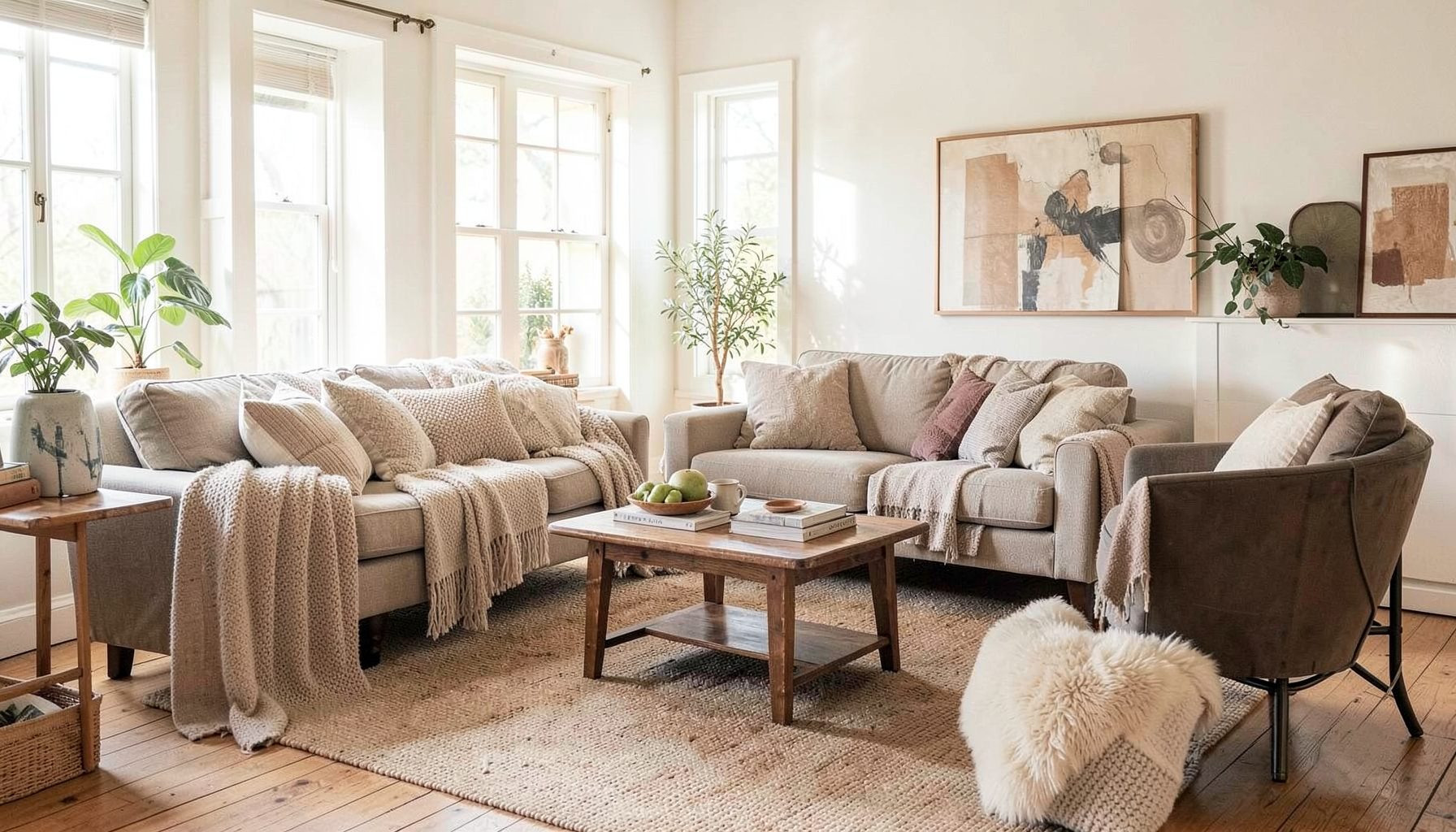
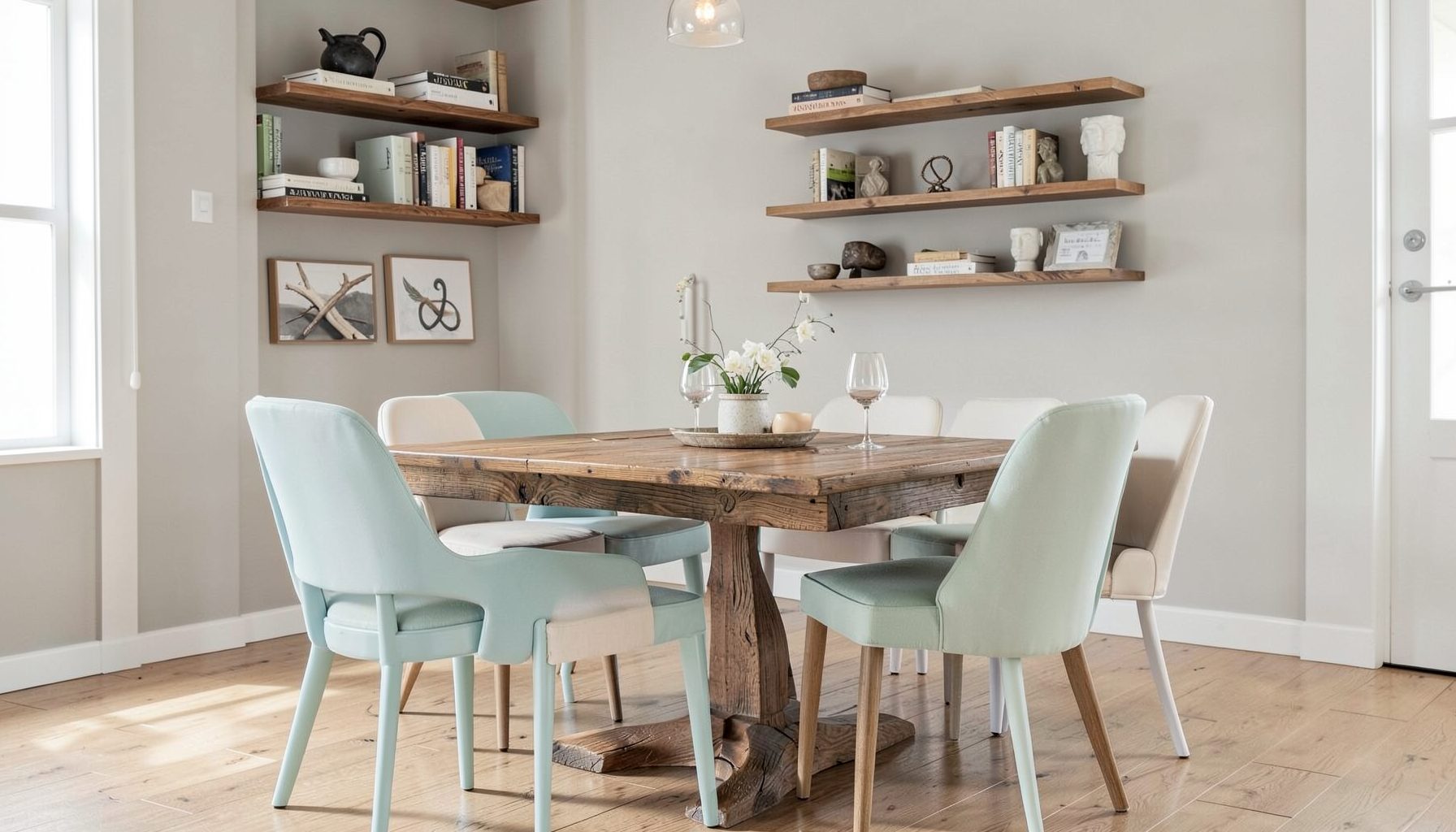
Full-service decorating that blends high and low, vintage finds with modern pieces for spaces that feel personal and collected.
Learn More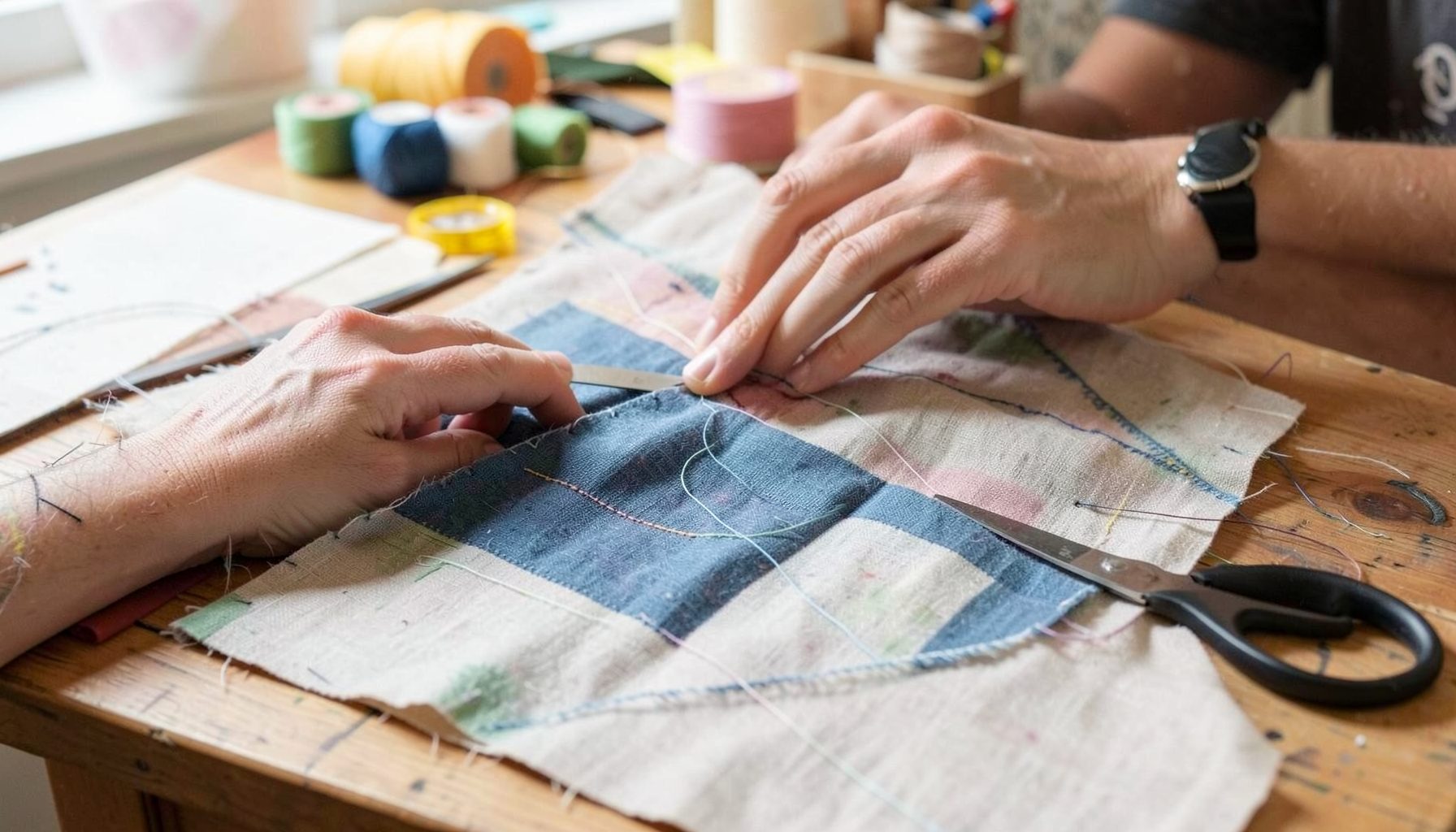
DIY Projects
Step-by-step tutorials for refinishing furniture, sewing pillows, styling bookshelves, and transforming rooms on a budget.
Learn More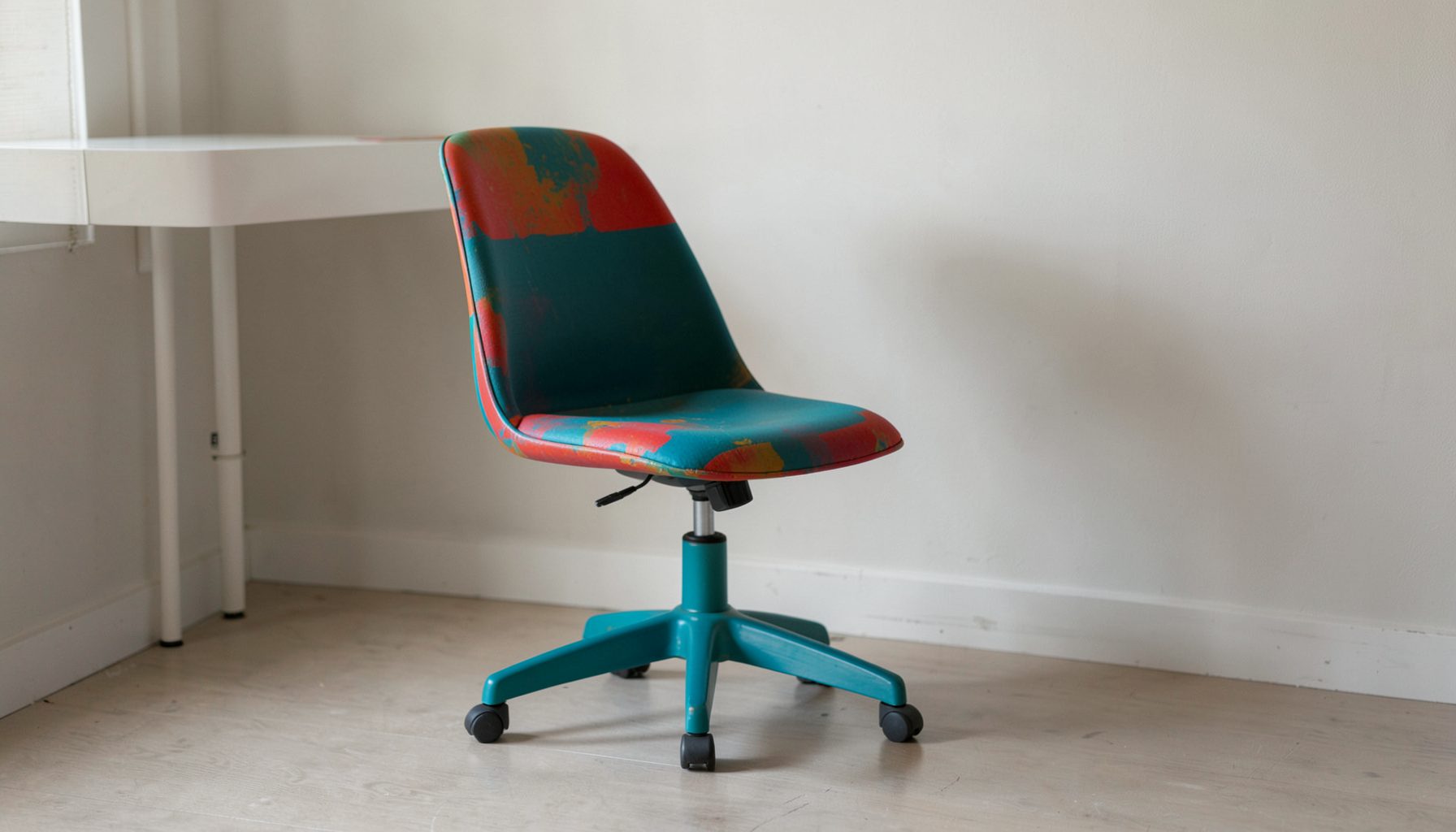
E-Decorating
Personalized design guidance delivered online — perfect for clients anywhere in the world who want a professional eye.
Learn More
Portfolio
Browse completed room makeovers, before-and-after transformations, and styling projects from Bay Area homes.
Learn More
Blog
Interior design inspiration, fashion finds, entertaining ideas, and peeks into real home renovations and styling projects.
Learn More
Downloads
Free curated resources for home decorating and design — guides, checklists, and inspiration to help you get started.
Learn MoreA practical guide to rotating seasonal decor through your home
Across Australia, the shift between seasons feels tangible and fast. One month you're opening windows to catch sea breezes in Brighton, and the next you're pulling out heavier throws for chilly evenings in the Adelaide Hills. This natural rhythm offers a brilliant framework for refreshing your home, and a well-planned seasonal decor rotation system makes it feel less like a chore and more like a creative ritual that runs alongside the year.
The biggest mistake homeowners make is treating the swap as a complete overhaul. Instead, think of it as editing. A few considered changes to textiles, accessories and styling accents can completely transform how a room feels, without sending you into a decorating frenzy every three months or blowing the budget on pieces you'll only use for a few weeks.
Reading the Australian seasonal calendar
Australia's seasons run opposite to the northern hemisphere, and this changes everything about how you plan a rotation. Christmas falls in the middle of summer, when families gather on verandahs in Brisbane and pack eskies for the beach. Easter arrives in autumn, often paired with cool mornings and golden light filtering through gum trees. Even Australia Day in late January carries a different mood than a wintery July celebration would in London or New York.
Tying your decor to these rhythms, rather than to imported northern hemisphere holidays, helps your home feel grounded in place. Spring (September to November) brings jacaranda blooms in Sydney suburbs and a fresh, hopeful palette of soft greens, blush pinks and creamy whites. Summer (December to February) calls for breezy linens, woven baskets and pops of ocean blue inspired by the coastline from Noosa to Margaret River. Autumn (March to May) is a celebration of warm rusts, ochres and burnt oranges, perfectly timed with the Melbourne Cup carnival and finals footy gatherings across the country. Winter (June to August) invites deeper tones, chunky textures and candlelit moments that pair beautifully with slow dinners and longer evenings spent indoors.
When you anchor your rotation to local events and weather rather than retail calendars, the system feels intuitive. Your home simply evolves alongside the world outside your window, and your interiors start to feel connected to the landscape rather than disconnected from it.
Setting up a storage system that suits compact homes
Most Australian homes, particularly in cities like Sydney and Melbourne, don't have the luxury of sprawling attics or basement storerooms. Storage needs to be clever, contained and accessible. Clear plastic tubs labelled by season stack neatly on top of wardrobes, under beds, or on shelving assembled from a weekend trip to Bunnings. The key is keeping everything together so the swap is a matter of pulling down one tub rather than hunting through ten scattered boxes in the back of a cupboard.
If you live in a newer apartment in Brisbane's inner suburbs or a townhouse in Perth, consider using the top shelf of a hallway cupboard, a section of the garage, or even vacuum-sealed bags under the bed for bulky winter items like heavy throws and woollen cushions. Slim under-sofa storage works beautifully for cushion covers and table linens, while a labelled basket in the laundry can hold off-season vases and decorative objects you only want to access twice a year.
Try to avoid the temptation to keep everything. A capsule approach works best here, where each season has only a small, curated collection waiting in reserve. When shopping, ask yourself whether a piece can earn its place in more than one season by being easily restyled, or whether it is truly distinct enough to justify the storage space and the effort of rotating it in and out.
Curating a capsule for each season
A capsule decor collection typically includes around five to seven statement pieces per season: perhaps a vase, a set of cushions, a throw, a candle or two, and one or two decorative objects. The beauty of working with a small number is that each piece gets to shine. Rather than a cluttered room fighting for attention, you get a layered, collected look where every item has breathing room.
For spring, consider a soft linen runner in a barely-there green, a bud vase for fresh blossoms, and a couple of pastel-toned ceramics sourced from a local maker or weekend market. Summer leans toward woven seagrass trays, coral-coloured glassware and lightweight cotton cushions you can move between the living room and the outdoor entertaining area. Autumn calls for velvet textures in copper and amber, alongside a stack of well-loved design books in warm tones. Winter is the moment for heavier textiles, candlesticks in matte black or aged brass, and a statement piece like a sculptural bowl or an oversized artwork.
Mixing vintage finds with contemporary pieces keeps the look considered rather than theme-park obvious. A second-hand stoneware vase from a weekend market in Paddington paired with a modern boucle cushion feels far more interesting than a matched set, and tends to age more gracefully as your taste evolves.
Refreshing the rooms that matter most
You don't need to touch every room in the house. Focus your energy on the spaces you use daily and the areas guests see first. The entryway sets the tone immediately, so a seasonal wreath, a fresh doormat, or a styled console table can do the heavy lifting. The living room is usually the heart of the home and benefits from a quick change of cushions, throws and a coffee table refresh. The dining table, even if it's just a small round one for weeknight dinners, deserves a centrepiece that reflects the moment and invites people to linger.
Bedrooms often get overlooked, but they are wonderful places to embrace the seasons. Heavier linen in winter, lighter cotton and muslin in summer, and a small change to bedside accessories can make the room feel completely different without any structural work. Window seats, nooks and reading corners also offer small canvases that respond beautifully to seasonal touches, and styling a window seat with layered cushions, a soft throw and a small lamp creates an inviting pause in the home regardless of the weather outside.
Try to keep the changes simple and consistent. Two or three rooms done well look far better than every room half-finished, and the unfinished ones tend to stay that way, draining your enthusiasm for the next rotation. Save energy for the spaces that genuinely get used.
Maintaining the rhythm without burnout
A rotation system only works if it feels sustainable. Pick a single weekend afternoon every three months to do the swap, and put it in your calendar the way you would a haircut or a school event. Many Australian homeowners find that the October long weekend or the Queen's Birthday break in June offers a natural window to reset the home, while others tie their swaps to the equinoxes and solstices as a quiet ritual.
Photograph each room at the end of every season. Not only does this become a lovely visual diary of how your home has evolved, it also helps you remember what worked and what didn't. You'll quickly spot the pieces you forgot you owned, the colours that felt jarring, and the arrangements you want to recreate next year. Over time, these photographs also become useful when you're shopping, helping you avoid duplicates and refine your style with intention.
Involve the family where possible. Even small children can help swap cushion covers, arrange a bowl of seasonal fruit on the table, or choose which candles to light. The process becomes part of the rhythm of home life rather than another task on an endless list, and it gives everyone a small sense of ownership over the shared spaces.
Start with one room and one season, store what you already own with intention, and let the swaps grow from there. Once the rhythm is in place, your home will quietly refresh itself four times a year without ever feeling like hard work, and you'll find yourself looking forward to the change rather than dreading it.

Recent Projects