Interior Design
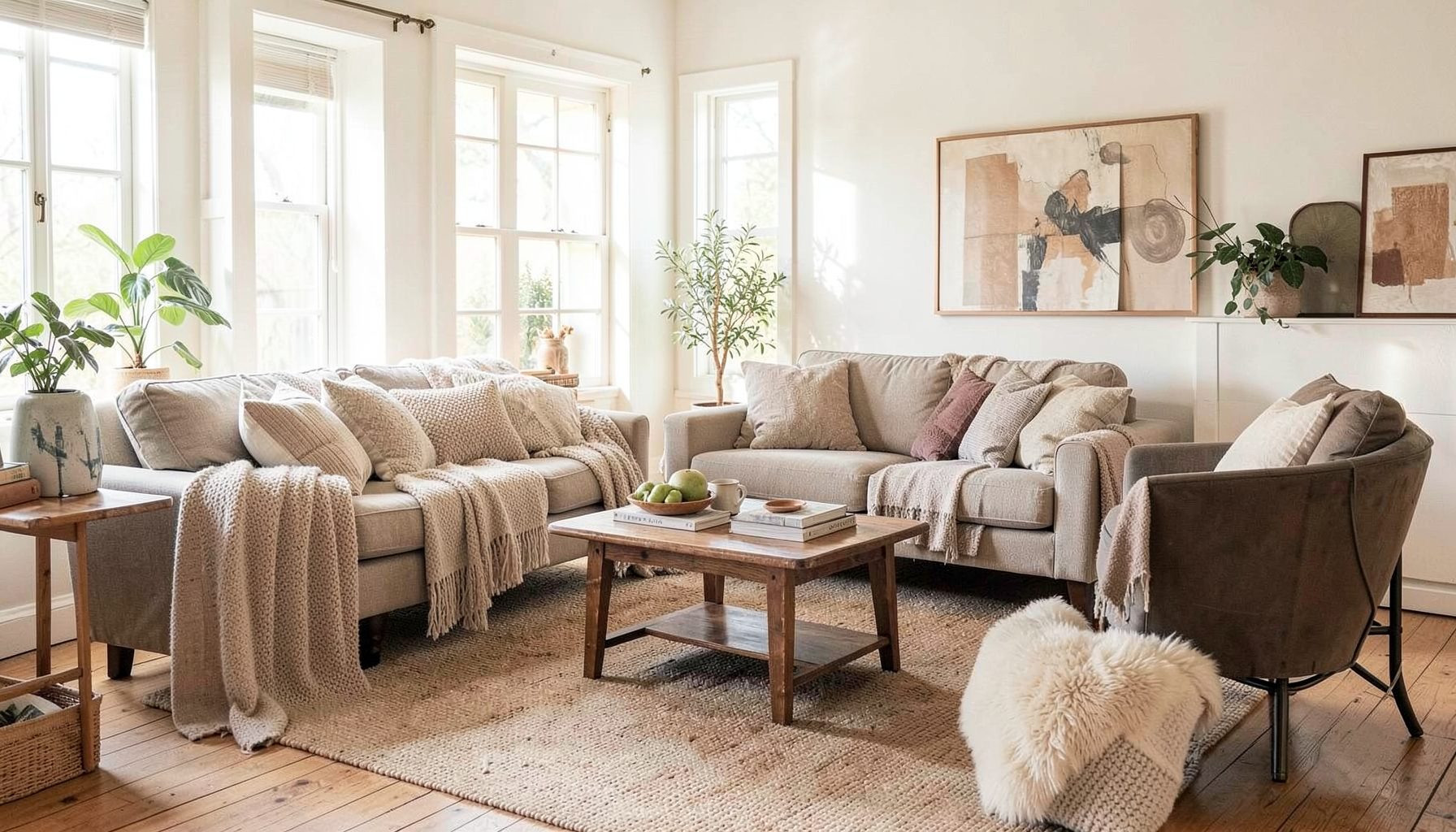
Full-service decorating that blends high and low, vintage finds with modern pieces for spaces that feel personal and collected.
Learn More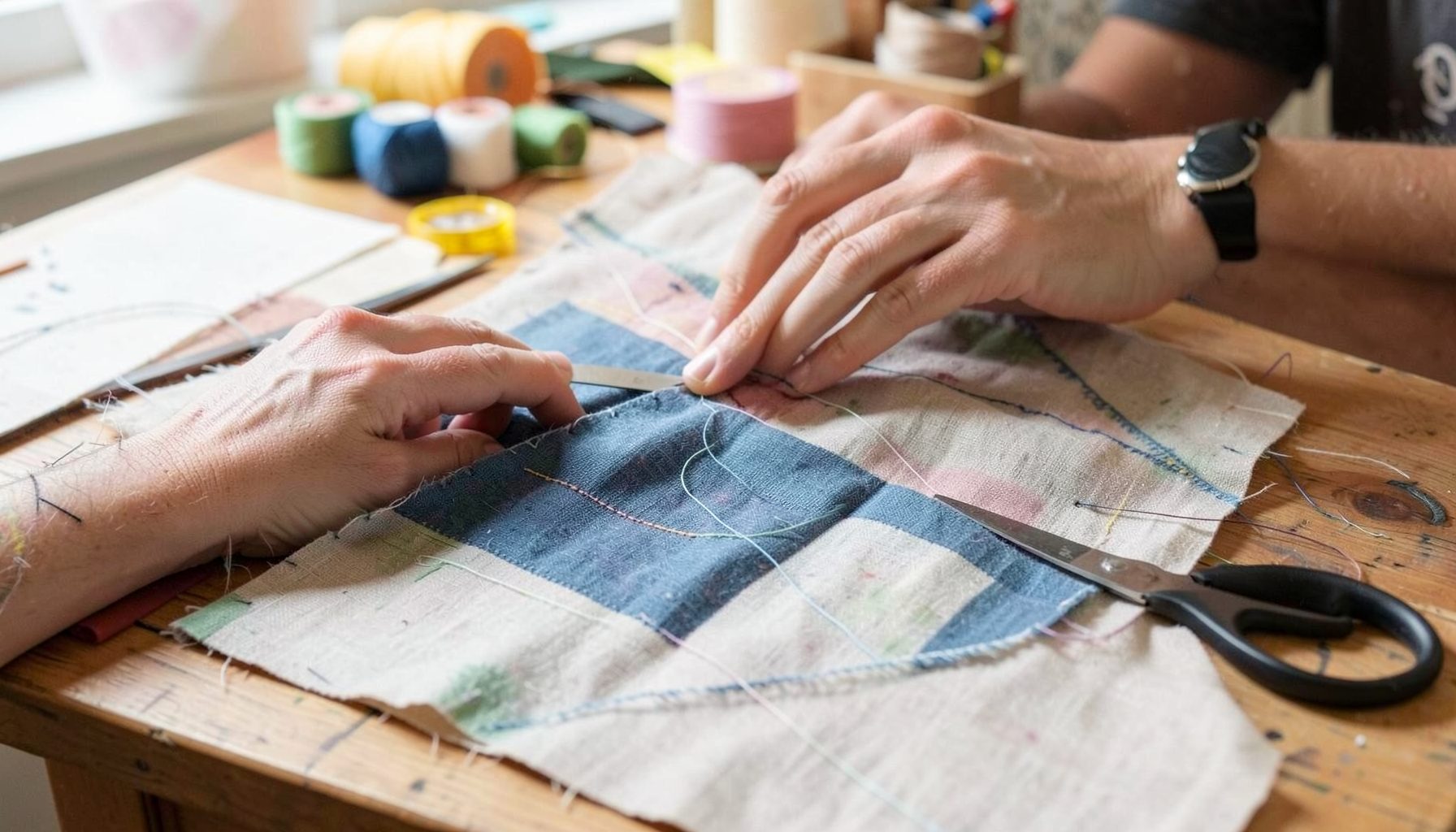
DIY Projects
Step-by-step tutorials for refinishing furniture, sewing pillows, styling bookshelves, and transforming rooms on a budget.
Learn More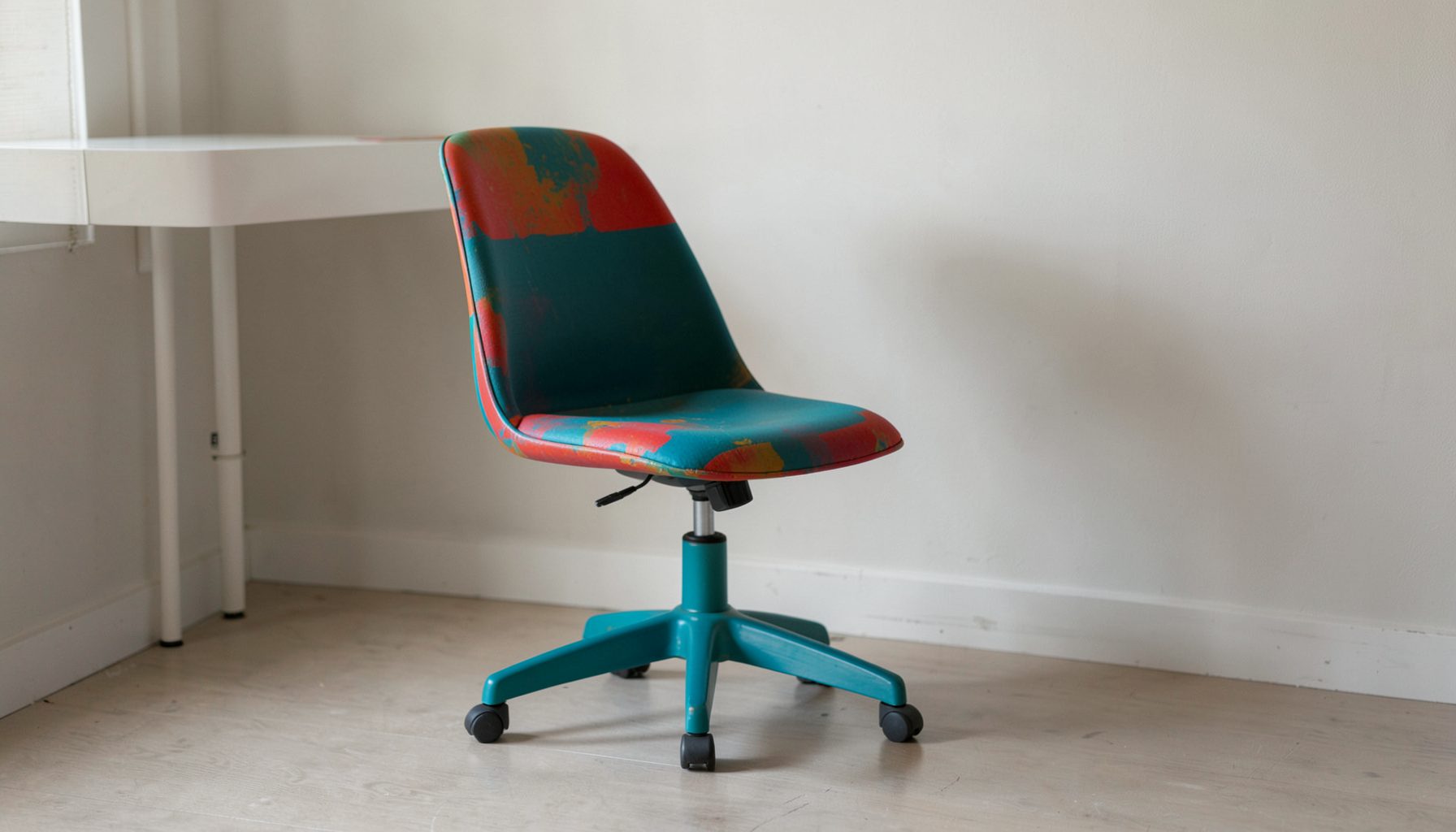
E-Decorating
Personalized design guidance delivered online — perfect for clients anywhere in the world who want a professional eye.
Learn More
Portfolio
Browse completed room makeovers, before-and-after transformations, and styling projects from Bay Area homes.
Learn More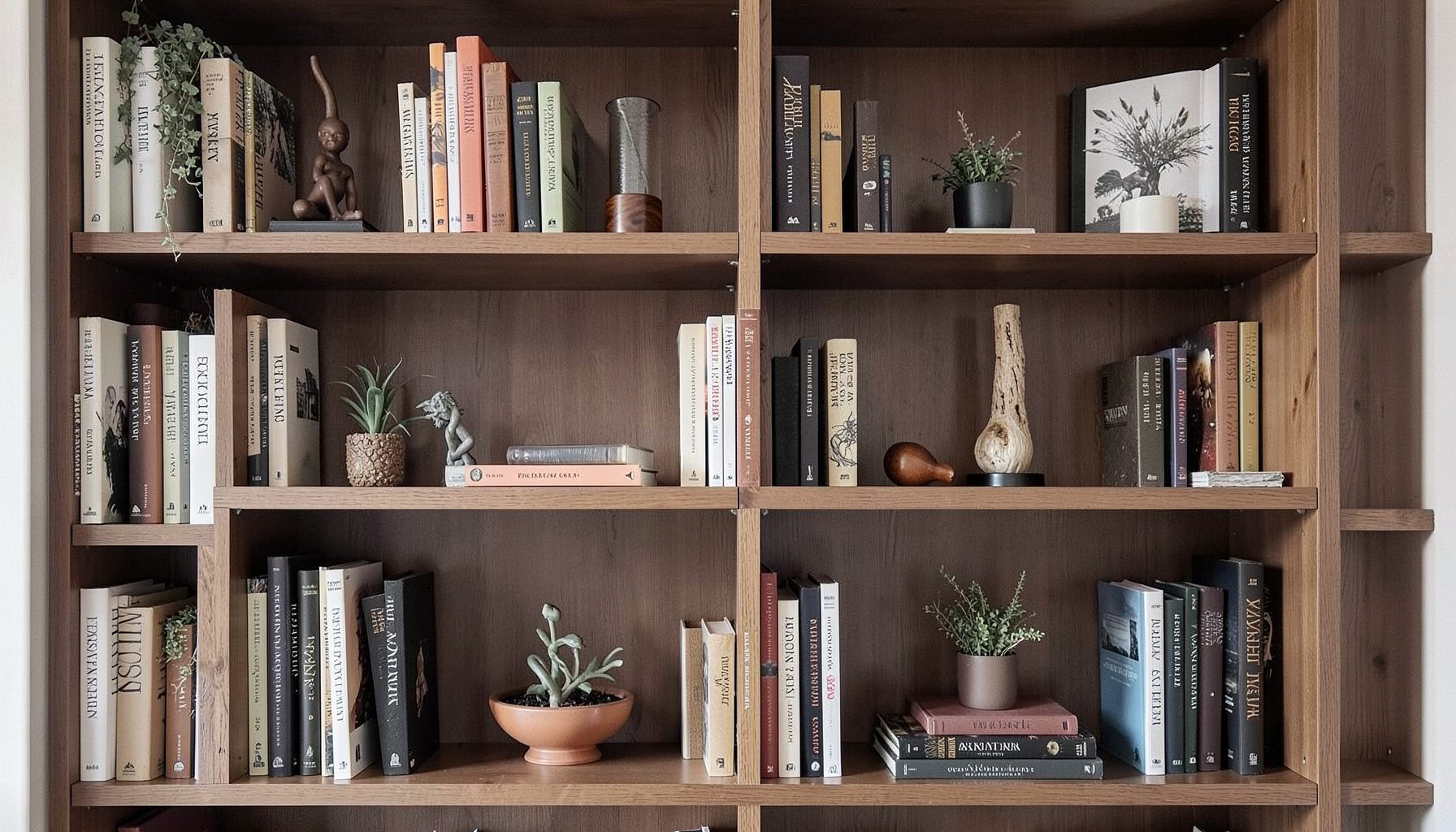
Blog
Interior design inspiration, fashion finds, entertaining ideas, and peeks into real home renovations and styling projects.
Learn More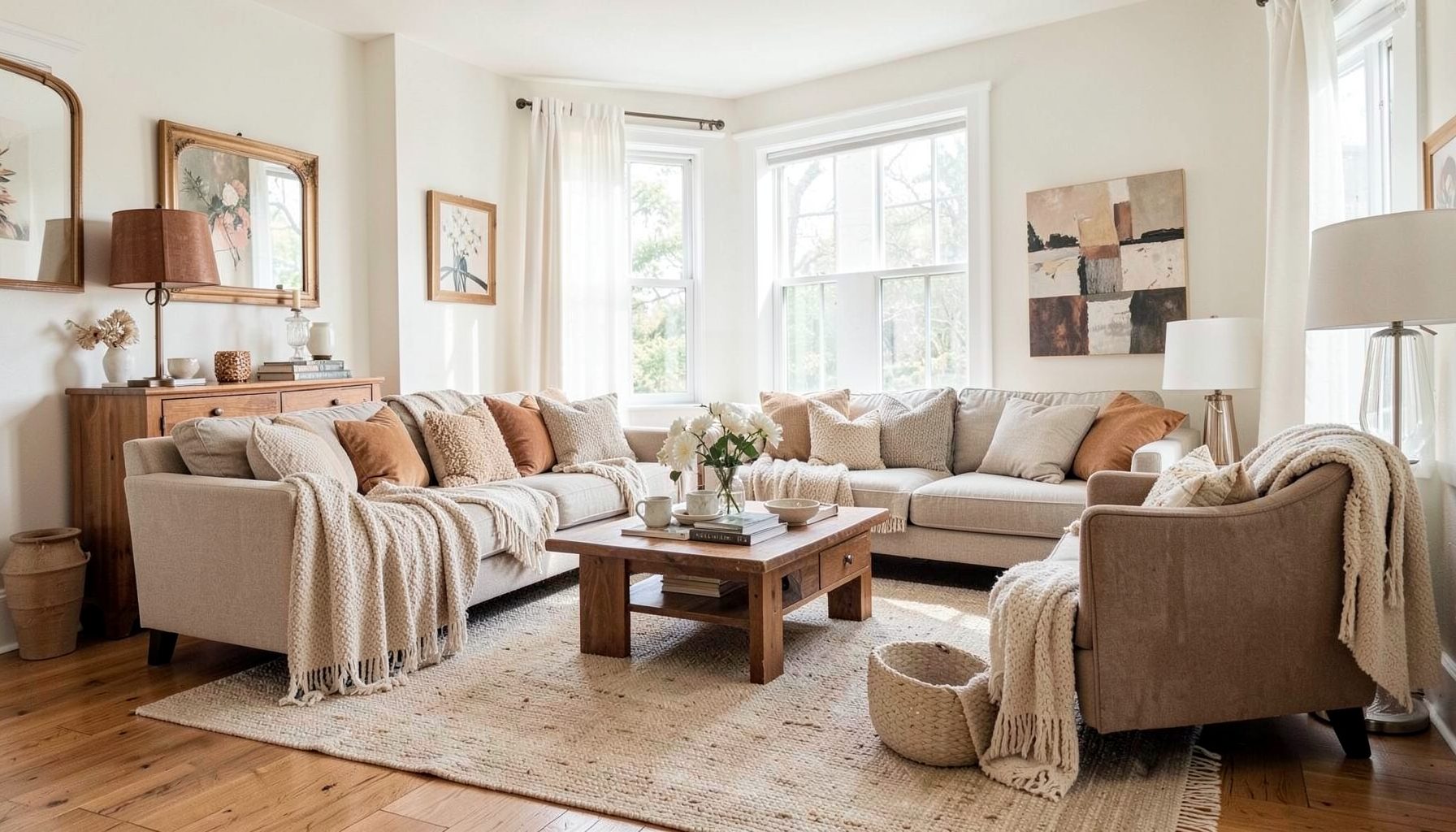
Downloads
Free curated resources for home decorating and design — guides, checklists, and inspiration to help you get started.
Learn MoreA stylish, durable living room that welcomes pets
A pet-friendly living room should feel comfortable for every member of the household, including the dog who claims the sofa and the cat who treats the armchair as a scratching post. Creating that balance is less about hiding signs of daily life and more about selecting beautiful materials that can handle them gracefully.
The most successful rooms combine practical upholstery, washable layers, sensible furniture placement and a thoughtful approach to colour. A lounge can still feel collected and personal while accommodating muddy paws, shedding, claw marks, dropped treats and the occasional enthusiastic zoomie.
For Australian homes, the brief often includes extra considerations. Strong sunlight, warm summers, open doors to the garden, sandy feet after a trip to the beach and compact apartment layouts all affect how fabrics perform. A room in a Brisbane Queenslander may need a different material palette from a Melbourne terrace or a coastal home near Perth.
The aim is a layered space where vintage finds, modern pieces, family treasures and pet-friendly finishes sit comfortably together. With the right choices, durability becomes part of the design rather than a compromise that makes the room feel overly casual or commercial.
Start with how the room is really used
Before choosing a fabric or ordering a sofa, observe the living room at different times of day. Notice where your pet sleeps, which route they take from the back door, where sunlight falls and where people naturally put their bags, shoes and cups. This practical assessment reveals which areas need the greatest protection.
A dog that comes inside from a garden will bring different mess into the room from an indoor cat. If the sofa sits beside the main entrance, a narrow washable runner or indoor-outdoor mat can catch dirt before it reaches the upholstery. In a flat, the entry may be a hallway shared with neighbours, so a slim console with a basket for leads and towels can keep pet supplies contained.
Think about access as well as appearance. Leave enough space around furniture for a larger dog to move comfortably, and avoid creating narrow gaps where toys disappear or anxious pets become stuck. A low, stable coffee table is often safer than a delicate pedestal design, particularly in a busy household.
This same planning principle applies to creative zones and multifunctional rooms. If a living room includes a desk or reading corner, art-led workspace ideas can help shape a nook that feels intentional rather than like an afterthought. Pets tend to settle more easily when their bed is near the family’s activity without being directly in the traffic path.
Choose upholstery that forgives everyday life
Performance fabrics are now available in far more attractive colours and textures than the stiff, shiny materials once associated with commercial interiors. Look for tightly woven linen blends, treated cottons, quality microfibres and durable recycled-polyester fabrics with a soft hand. Bouclé can be beautiful, but its loops may invite claws, so it is best reserved for households without a scratching cat or used on a less vulnerable piece.
A tight weave is generally more useful than a smooth finish alone. Run a fingernail gently across a sample and inspect whether the threads catch or pull. Ask the supplier about rub testing, stain resistance, cleaning instructions and whether the treatment is integrated into the fibre or applied as a surface finish. These details matter when comparing locally available upholstery ranges in Australia, where product specifications can vary considerably.
Colour and pattern can disguise minor marks between cleans. Mid-tone olive, tobacco, rust, denim, charcoal and warm taupe are often forgiving choices, while a small-scale pattern can break up the appearance of fur and everyday wear. Very pale flat-weave upholstery may show every paw print, although it can still work when used on a less active chair with a removable throw.
Leather and quality faux leather are practical in some homes because they can be wiped clean and do not hold as much hair as fabric. However, leather can show scratches, especially in a cat-friendly room. If choosing it, consider distressed or naturally varied finishes that develop character rather than pristine, uniform surfaces that make every mark obvious.
Build a washable layer system
Removable covers are one of the most useful features in a pet-friendly lounge. A sofa with zippered seat and back covers makes routine cleaning easier than a fully fixed design, particularly when the household includes a puppy or an older animal. Before buying, check whether replacement covers can be ordered and whether the cleaning method suits your washing machine.
Throws add softness, colour and protection without making the room look covered in plastic. Place one over the pet’s favourite sofa corner rather than draping every surface. Washed cotton, cotton canvas, recycled wool blends and tightly woven quilts are attractive options. Choose a size that can be removed quickly, then keep a second cover ready while the first is in the wash.
A washable rug can anchor the seating area and protect the flooring beneath it. Flat-weave wool, indoor-outdoor polypropylene and certain recycled-fibre rugs are useful choices, particularly for homes with access to a garden or pool. In a coastal Australian setting, sand can work its way into thick pile, so a low-pile or reversible design may be easier to maintain.
Layering also allows the room to change with the seasons. A lightweight cotton cover suits humid Queensland weather, while a wool throw adds warmth to a cooler Victorian winter. The result feels considered because the practical elements are selected as part of the palette rather than added as emergency protection.
Select furniture for stability and repairability
Pet-friendly furniture should be sturdy enough to handle movement, leaning and the occasional leap. A well-constructed sofa with a firm frame and properly supported seat cushions will usually last longer than a very soft piece that loses its shape quickly. Check that legs are securely attached and that the sofa sits firmly on the floor.
Rounded edges can be useful in a compact lounge, especially where pets and children share the same circulation paths. A coffee table with a solid lower shelf may provide useful storage for toys, while a light glass table can make a small room appear more spacious but may demand greater care around enthusiastic animals.
Look for pieces that can be repaired or refreshed. Australian homes often retain furniture for years, and local upholsterers can be an excellent resource for replacing foam, repairing seams or updating a tired chair. A vintage timber side table with a new finish may be more characterful and economical than a disposable flat-pack option.
Keep temptation in mind. Loose fringe, dangling cords and delicate cane can become irresistible playthings. Decorative baskets with lids can hold toys neatly, while a handsome storage ottoman can conceal blankets and grooming supplies. When pet essentials have a designated home, the room feels calmer and the design remains visible.
Coordinate colour, pattern and pet accessories
A pet bed does not need to look like a separate object dropped into the room. Choose one that relates to the upholstery, rug or artwork through colour and texture. A rust-coloured bed can echo terracotta accents, while a deep green cushion may connect with indoor plants and garden views.
Patterns can make practical living feel relaxed and layered. Stripes, checks, small geometrics and painterly motifs are often easier to live with than a single block of pale fabric. Use scale thoughtfully: a patterned armchair, a plain sofa and a subtly marked rug can create interest without making the room feel busy.
Pet accessories can also contribute to the decorative story. Ceramic bowls on a low timber stand, a woven toy basket and a washable mat in a complementary tone look far more integrated than brightly coloured plastic items scattered around the room. Choose materials that are stable and easy to clean, especially on floors that may become slippery when wet.
For homes influenced by Australian landscapes, earthy tones work particularly well. Eucalyptus green, sunbaked clay, sandy beige, ocean blue and ironstone can create a relaxed palette that suits both urban and coastal interiors. These colours also sit comfortably alongside timber, aged brass, woven textures and vintage furniture.
Keep cleaning realistic and regular
The best maintenance plan is one that fits ordinary life. Keep a lint roller, soft brush, pet-safe cleaning cloths and a small handheld vacuum somewhere accessible. A quick pass over the sofa every few days is easier than allowing hair and grit to build up until the task becomes overwhelming.
Vacuum upholstery using the correct attachment, paying attention to seams where fur collects. Blot spills rather than rubbing them deeper into the fabric, and follow the manufacturer’s instructions before using any stain treatment. Test cleaning products on an unseen area first, since some natural fibres and fabric finishes can react unpredictably.
Australia’s climate makes ventilation important, but open windows and doors can also bring in dust, pollen and outdoor debris. Homes in bushfire-prone regions may occasionally need to remain closed during smoky conditions, making washable throws and easily cleaned surfaces especially valuable. In sandy coastal areas, shake rugs outdoors where permitted and use a vacuum suited to fine grit.
Professional cleaning should be treated as part of the furniture’s care rather than a last resort. Ask how often the upholstery should be serviced and whether the cleaner has experience with the specific fibre. A clear maintenance routine protects the investment and keeps the room feeling fresh without demanding perfection every day.
A welcoming living room does not need to look untouched. The most convincing spaces show that people live in them: a softened leather chair, a patterned throw, a basket of toys and a dog bed that relates to the wider palette can all add warmth. Durability is strongest when it is designed into the room from the beginning.
Choose fabrics for their weave and care requirements, furniture for its stability and repair potential, and accessories for both usefulness and visual harmony. Allow the layout to reflect real movement through the home, especially around entrances, gardens and outdoor entertaining areas.
The details should support the atmosphere rather than dominate it. When practical layers, durable upholstery and personal decoration work together, a pet-friendly lounge can feel relaxed, polished and genuinely lived in. What the reader should remember is simple: design for the life happening in the room, and durability will become part of its beauty.

Recent Projects