
Interior Design
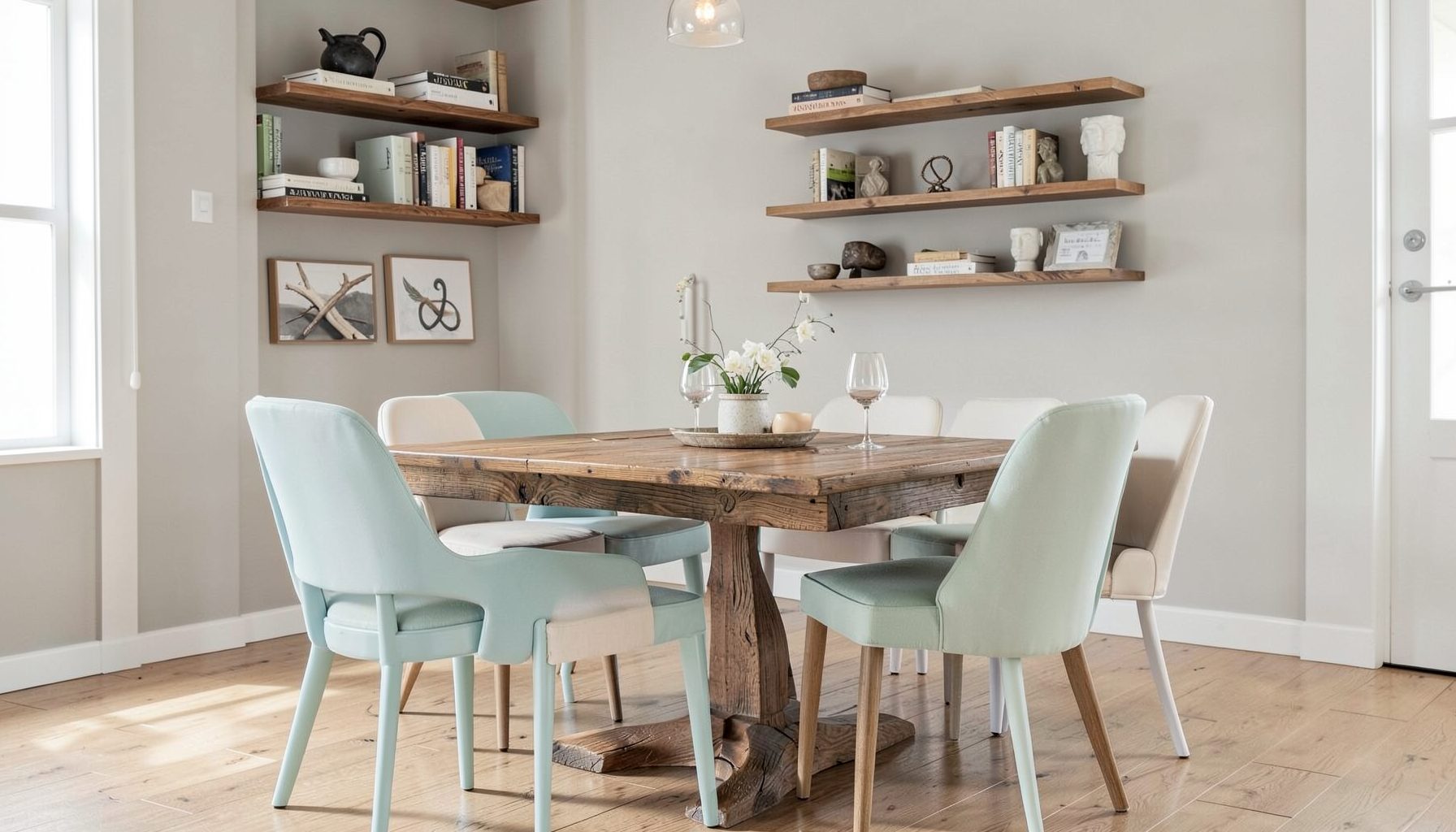
Full-service decorating that blends high and low, vintage finds with modern pieces for spaces that feel personal and collected.
Learn More
DIY Projects
Step-by-step tutorials for refinishing furniture, sewing pillows, styling bookshelves, and transforming rooms on a budget.
Learn More
E-Decorating
Personalized design guidance delivered online — perfect for clients anywhere in the world who want a professional eye.
Learn More
Portfolio
Browse completed room makeovers, before-and-after transformations, and styling projects from Bay Area homes.
Learn More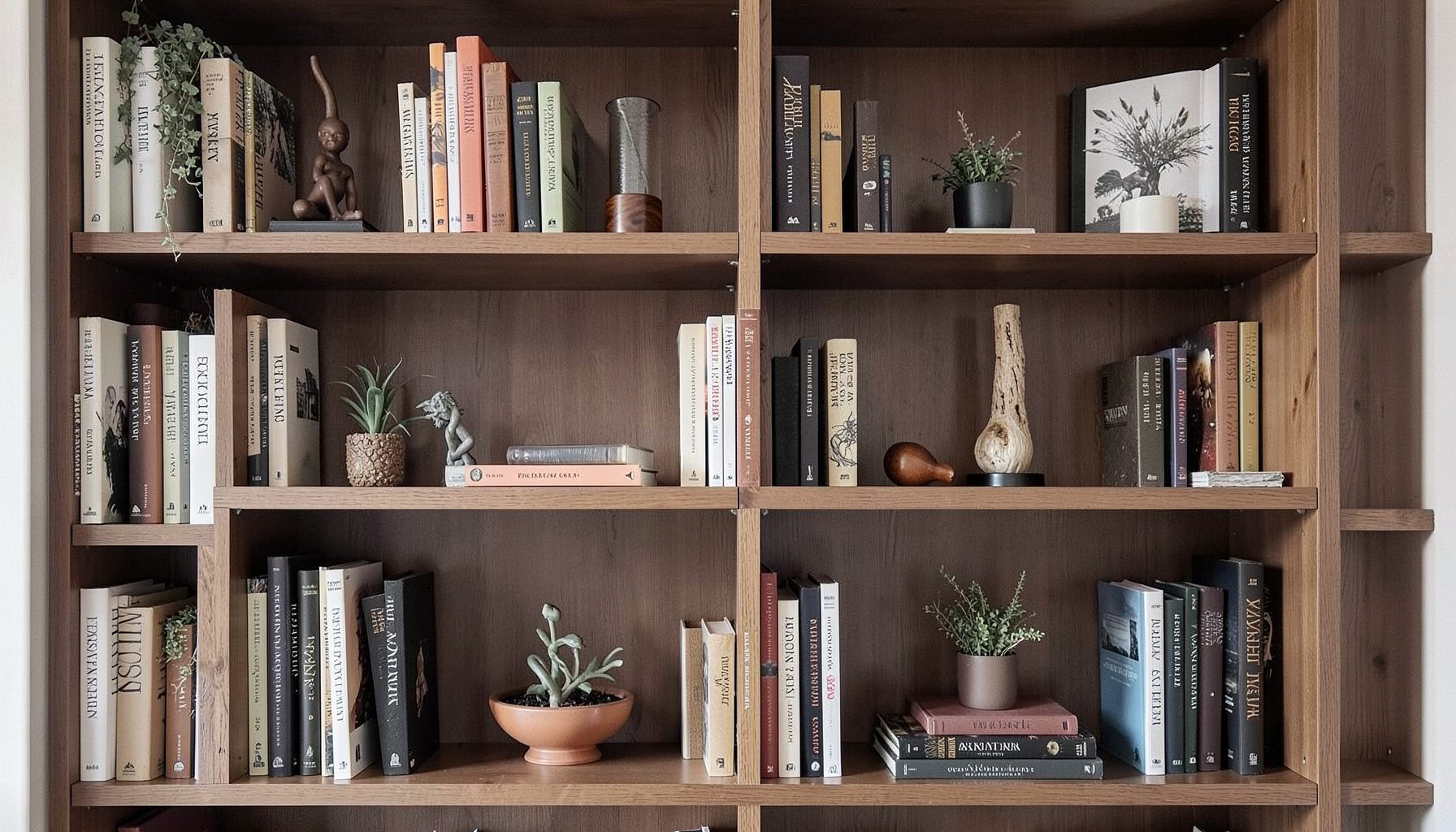
Blog
Interior design inspiration, fashion finds, entertaining ideas, and peeks into real home renovations and styling projects.
Learn More
Downloads
Free curated resources for home decorating and design — guides, checklists, and inspiration to help you get started.
Learn MoreA Lush Kitchen Windowsill Herb Garden for Everyday Cooking
There's a quiet kind of magic in being able to snip a few leaves of fresh basil or rosemary while dinner is bubbling on the stove. A mini herb garden on a kitchen windowsill turns a functional corner into a living, fragrant feature. It also gives you a steady supply of flavour without the plastic-wrapped bundles that wilt in the fridge after two days. Whether you live in a Bondi apartment or a Brisbane Queenslander, the sill above the sink can become the most productive square metre in your home.
The best part is that windowsill herbs reward you generously for very little effort. They ask for a bit of sunlight, a regular drink of water, and the occasional trim. In return, they perfume the room, brighten the space visually, and lift the simplest weeknight pasta. If you have ever wondered whether you can keep anything alive beyond a week, a small collection of potted herbs is the ideal place to begin.
Picking herbs that thrive indoors
Not every herb copes well with the dry, steady conditions of a heated kitchen. Some, like dill and coriander, tend to bolt quickly when warmth and light stay constant. Others, such as basil, chives, parsley, mint, thyme, rosemary, and oregano, settle into windowsill life with very little fuss. Choosing a small handful of varieties you actually cook with will save you from overrunning the sill with plants you never touch.
For an Australian cook, consider leaning into flavours that suit the local pantry. Basil thrives through the warm months in Brisbane and Perth, while rosemary and thyme handle the cooler winters of Melbourne and Hobart with ease. If you want something distinctly native, a small pot of lemon myrtle or anise myrtle from a specialist nursery brings a uniquely Australian note to desserts and teas. Mint, although vigorous, is better kept in its own container, as its roots will quickly crowd out anything planted nearby.
Containers that match your kitchen style
The vessel you choose sets the tone for the whole arrangement. Terracotta pots are forgiving and breathable, which suits the strong afternoon sun that pours through west-facing windows in Sydney suburbs like Newtown or Surry Hills. Glazed ceramic planters hold moisture longer and work beautifully in kitchens where you only want to water once or twice a week. Upcycled tins, vintage teapots, and stoneware jars all add the collected, layered feel that defines a thoughtfully decorated space.
Whatever you pick, drainage matters more than appearance. A pot without a hole at the base will collect water around the roots, leading to rot. You can drill a hole in most ceramics, or you can keep herbs in plastic nursery pots and nest those inside your decorative outer pot. A small layer of pebbles beneath the soil keeps the roots clear of any standing water, which is particularly useful in humid coastal cities such as Cairns or Darwin where the air stays damp for much of the year.
Light, position and the Australian climate
Most culinary herbs need at least five to six hours of direct sunlight each day. A north- or east-facing window in the southern hemisphere is the sweet spot. South-facing sills tend to stay too shaded, especially through the shorter days of a Hobart winter. If your kitchen only has a sun-starved window, a small grow light on a timer can carry the garden through the gloomier months without dominating the bench.
Be mindful of extremes. Glass magnifies heat, and a closed kitchen behind a west-facing window can easily reach temperatures that scorch basil leaves during a Perth summer afternoon. A sheer linen curtain or a slightly opened window softens the glare. In Adelaide or inland Victoria, summer breezes can also dry pots out shockingly fast, so check the soil daily when the mercury climbs above thirty degrees.
Soil, planting and propagation
A quality potting mix designed for herbs and vegetables is the easiest starting point. Garden soil is too dense for small containers and can introduce pests. Many Australian gardeners swear by premium mixes sold at Bunnings Warehouse or the smaller garden centres that line the streets of places like Richmond in Melbourne or Leichhardt in Sydney. Adding a handful of coarse sand improves drainage for Mediterranean herbs such as rosemary and thyme, which dislike wet feet.
Propagation is wonderfully simple and budget-friendly. Soft-stemmed herbs like basil and mint root readily in a glass of water placed on the sill. After a week or two, tiny white roots appear, and the cutting can be transplanted into a small pot. Hardier herbs such as rosemary grow more slowly from cuttings and benefit from a dip in rooting hormone before being tucked into moist mix. Many nurseries also sell established seedlings, and a quick stop at a Sunday market in Fremantle or Paddington will often reveal herb stalls overflowing with healthy young plants.
Watering routines and feeding
The most common mistake with windowsill herbs is overwatering. A simple finger test saves more plants than any fancy gadget. Press the top centimetre of soil; if it feels dry, water thoroughly until a little drains from the bottom. If it still feels damp, leave it alone. Most herbs prefer a brief dry cycle to sitting in constantly moist soil, which suffocates the roots and encourages fungus.
A light feed every three to four weeks keeps the leaves lush during the active growing months of spring and summer. A diluted seaweed extract, a worm-tea liquid from your local garden supplier, or a slow-release granular fertiliser pushed into the top of the soil will all do the job. Reduce feeding through the cooler months when growth slows, particularly for herbs like thyme and oregano that naturally rest over winter in the cooler parts of the country. Pinch out flower buds as they appear to keep leaves tender and the plant focused on producing foliage rather than seed.
Styling the display within your decor
Treat the windowsill garden as part of the room's styling, the same way you would treat a stack of vintage cookbooks or a favourite ceramic bowl. Group pots in odd numbers, mixing heights so the eye travels naturally across the arrangement. A small wooden stool, a folded linen tea towel, or a weathered clay saucer tucked beneath each pot adds the layered, collected texture that makes a kitchen feel lived-in rather than staged.
If your scheme leans modern, choose matte black or pale stoneware pots in clean shapes. For a heritage home in the Adelaide Hills or a Victorian terrace in Fitzroy, weathered terracotta, copper, or hand-thrown pottery will feel right at home alongside the rest of the decor. Herbs can also share the sill with a candle, a small piece of artwork, or a glass jar of dried pasta. The trick is to keep the composition breathing, leaving space between each pot so the foliage can spill softly over the edges rather than crowding into a single green wall.
Solving common growing problems
Even the most attentive gardener meets the occasional yellow leaf or leggy stem. Pale, stretched-out growth usually signals that the plant is reaching for more light, so rotate the pot or move it closer to the window. Yellowing leaves often point to overwatering, particularly in basil, which sulks dramatically when its roots sit in soggy soil. Black spots or a powdery white film suggest fungal issues, and removing the affected leaves while improving airflow usually clears things up.
Pests are less common indoors, but aphids and whitefly can wander in from an open window. A spray of diluted soapy water or a few drops of neem oil clears them without resorting to harsh chemicals. Mint occasionally attracts spider mites in dry, centrally heated kitchens, so a regular misting keeps the foliage healthy. When a plant has clearly finished its run, compost it rather than fighting to revive it. A fresh seedling costs only a few dollars from the local nursery and will quickly fill the space with new growth.
The memory worth keeping is this: a humble glass of water, a handful of cuttings, and a stretch of sunny sill can quietly transform the way a kitchen feels and the way you cook. With just two or three reliable varieties, the garden becomes part of the daily rhythm, returning flavour and fragrance season after season.

Recent Projects