Interior Design
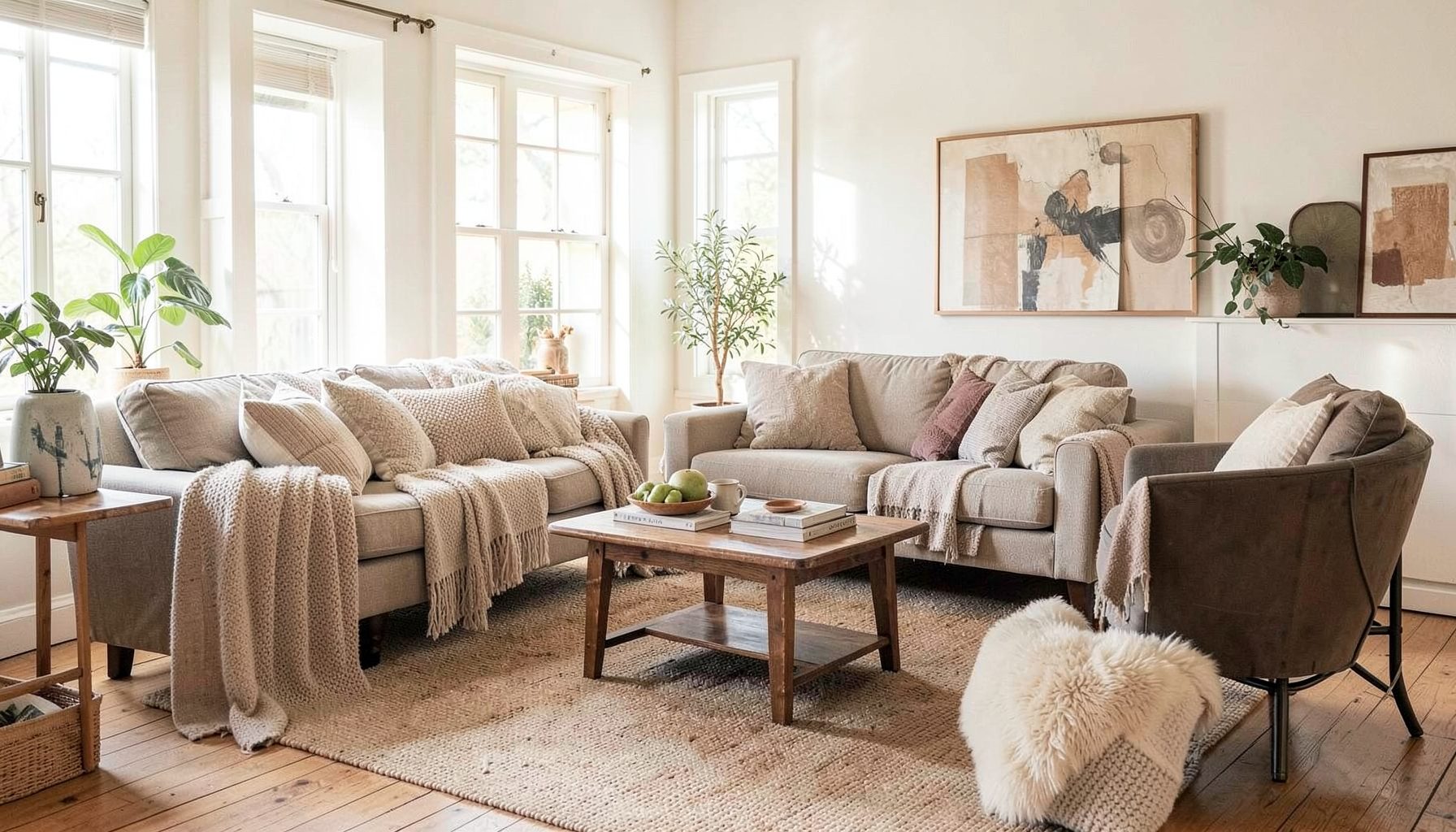
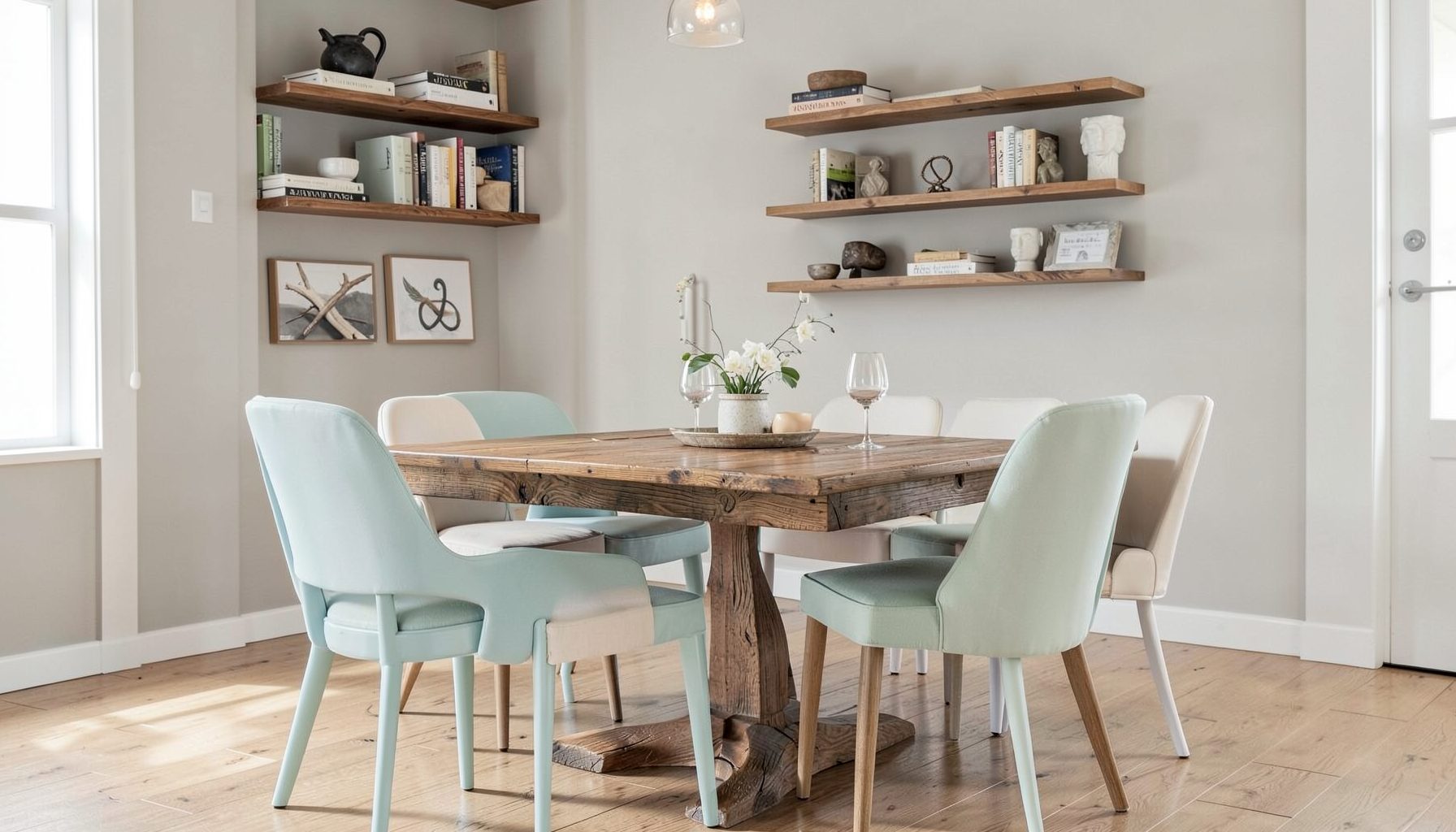
Full-service decorating that blends high and low, vintage finds with modern pieces for spaces that feel personal and collected.
Learn More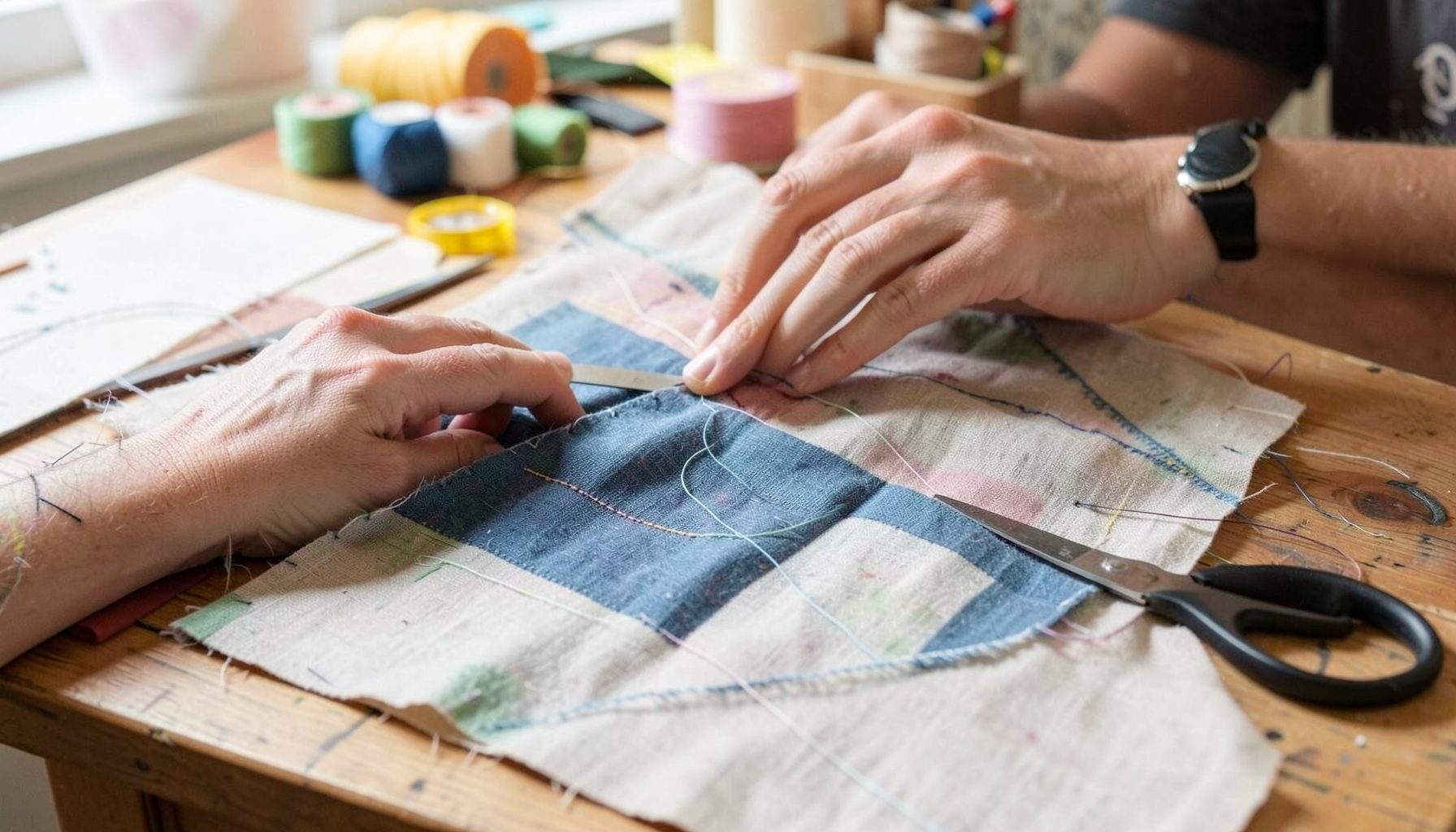
DIY Projects
Step-by-step tutorials for refinishing furniture, sewing pillows, styling bookshelves, and transforming rooms on a budget.
Learn More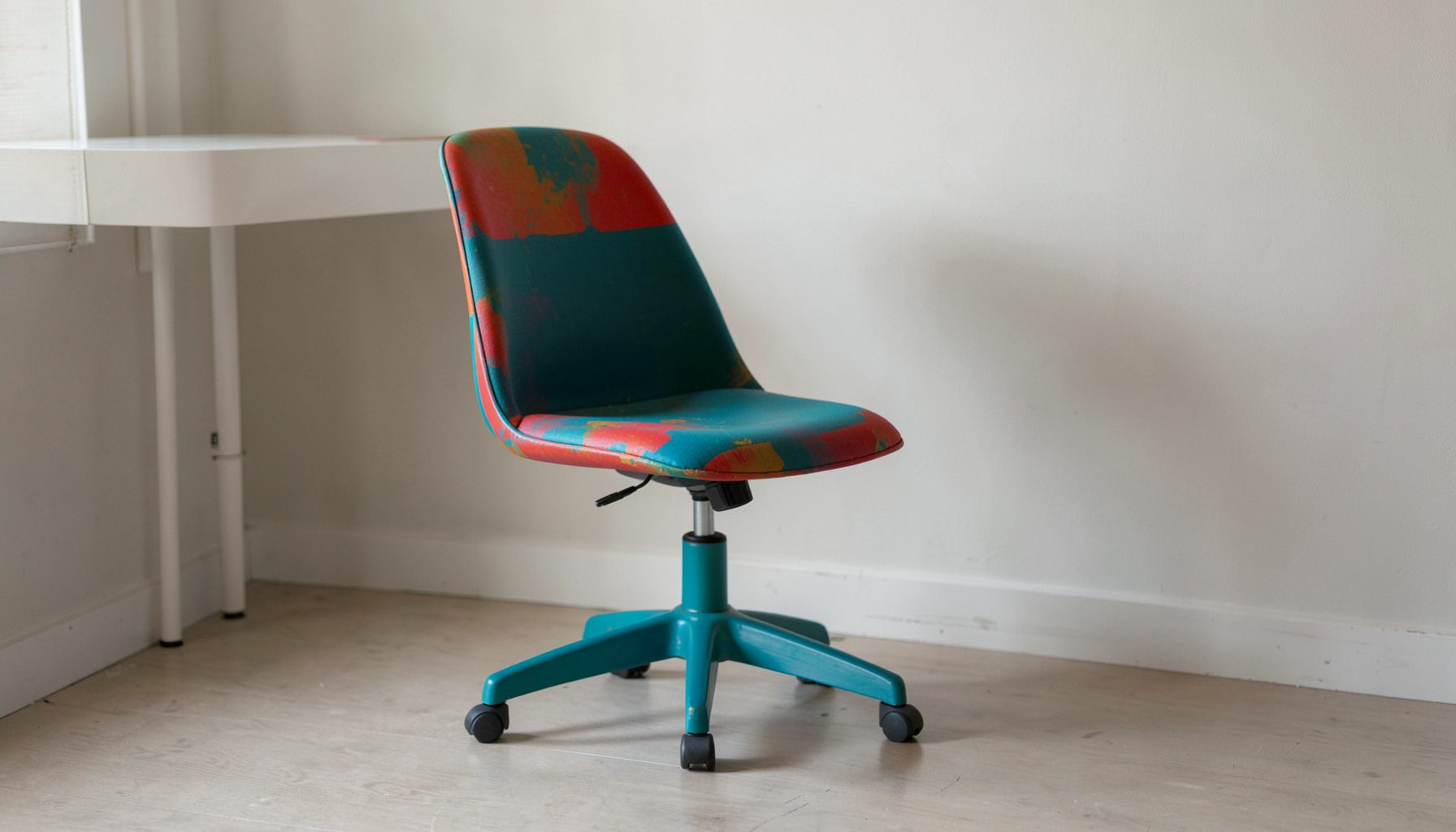
E-Decorating
Personalized design guidance delivered online — perfect for clients anywhere in the world who want a professional eye.
Learn More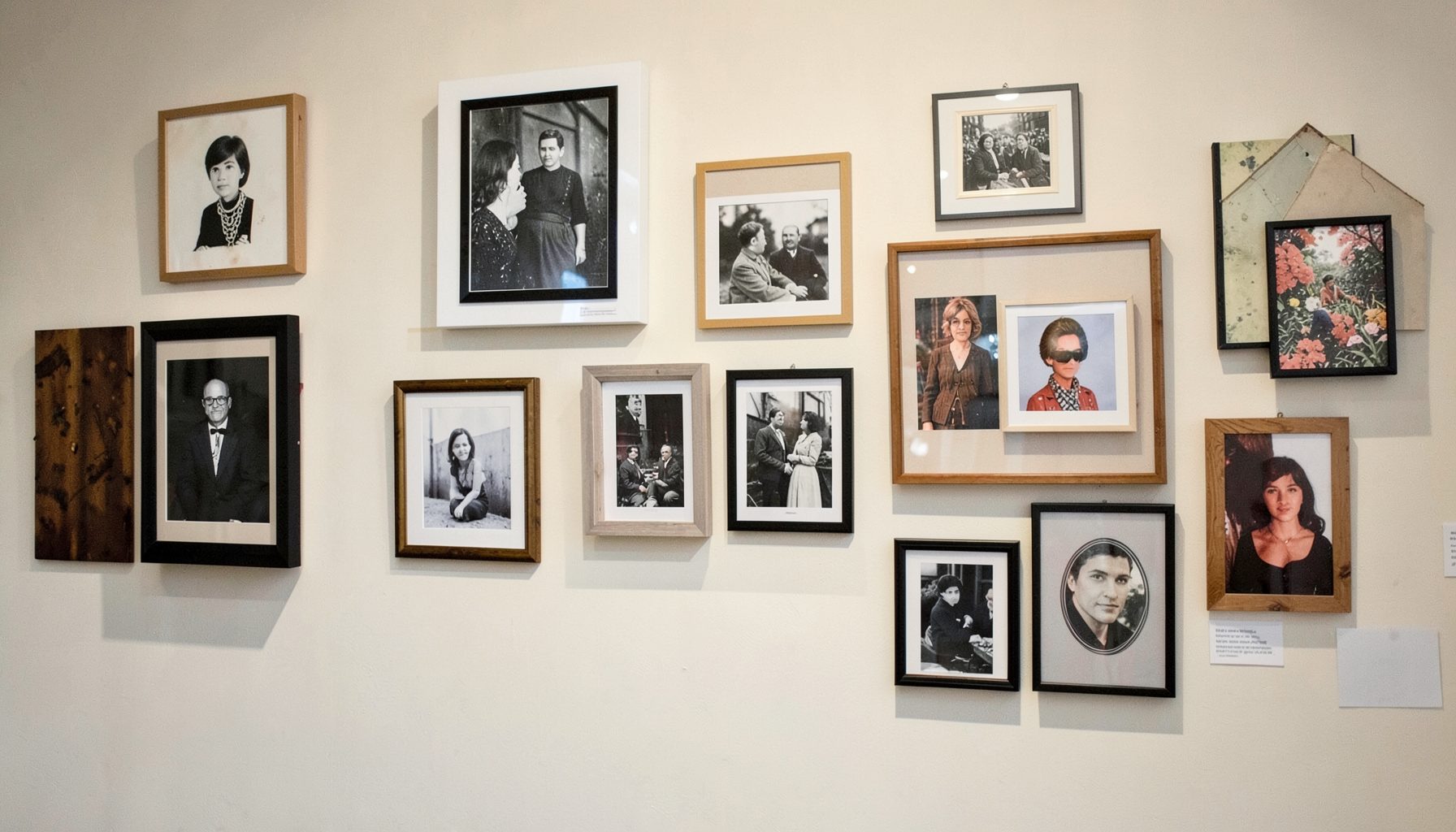
Portfolio
Browse completed room makeovers, before-and-after transformations, and styling projects from Bay Area homes.
Learn More
Blog
Interior design inspiration, fashion finds, entertaining ideas, and peeks into real home renovations and styling projects.
Learn More
Downloads
Free curated resources for home decorating and design — guides, checklists, and inspiration to help you get started.
Learn MoreA mini gallery of postcards and washi tape for rentals
Rentals come with a familiar problem: good light, decent bones and walls that belong to someone else. In Sydney, Melbourne and Brisbane especially, tenants cycle through share houses and apartments with blank white walls, patched plaster and a tenancy agreement that says nothing may be fixed without the agent's written okay. A mini gallery of postcards and washi tape answers the blank-wall problem without touching the paint, and it costs a fraction of what framed art would.
The format is deceptively simple. Postcards get taped or clipped into a loose arrangement, and a strip of low-tack tape does the work that two nails and a frame would normally handle. Because postcards are flat, light and inexpensive, they can be rearranged when the lease changes, moved into a bedroom, carried to a new place and re-hung in an afternoon. The wall ends up looking collected rather than decorated, which is exactly the effect we aim for in our layered rooms at Maggie Rose Interiors.
Why postcard walls suit Australian rentals
Australian tenancy agreements tend to include a make good clause, and agents photograph every wall during the final inspection. Even with fair wear and tear provisions, most tenants would rather not explain nail holes, filler patches or flaking paint to a property manager. A taped display that lifts cleanly removes that whole conversation from the move-out meeting.
There is a practical advantage to paper here too. A scuffed corner in a busy share house in Newtown or Carlton is a cheap fix: replace a seventy-cent card and move on. The gallery becomes a running record of where you have been, including trips along the Great Ocean Road, drives out to Uluru, weekends on the Sunshine Coast and surf towns further south. It also does something a flat print cannot: it carries handwriting, stamps, postmarks and old addresses, so the wall reads as lived-in from the first day.
Australians tend to host generously, whether it is a Sunday roast, a birthday in the backyard or friends arriving with a bottle. A wall of postcards gives guests something to pick up and read, and it stops a rental lounge looking like a showroom. We love mixing vintage cards with modern prints and treating one better piece as the anchor while the rest stay scrappy. That combination of collected, personal and affordable is the whole philosophy behind our room makeovers and e-decorating sessions.
Picking tape that leaves the paint alone
Not every roll sold as washi is equally gentle. Decorative masking tapes from discount bins can use a stronger adhesive that grips paint, especially in heat. Japanese-style rice paper masking tape, sold in Australia through Kikki.K, Typo, Muji and specialist paper shops, is designed to lift cleanly. Low-tack alternatives line the shelves at Officeworks and Bunnings, and a small roll costs roughly six to twelve dollars.
Always test before you commit a whole wall. Press a five centimetre strip into the least visible corner, behind a sofa or beside the skirting board, and leave it there for at least forty-eight hours. Pay attention to the afternoons rather than the mild morning. Perth and Adelaide homes can get punishing UV through west-facing windows, Brisbane apartments run warm and humid, and Sydney's coastal suburbs add salt to the mix. Adhesive that behaves well in a temperate room can behave badly in a hot one.
Surfaces matter as much as tapes. Skip walls painted in the last few weeks, textured plaster in older terraces, painted brick in Brisbane backyard rentals and rendered walls in inner Melbourne, since all of these trap adhesive. If you live in one of those, tape the corners onto the back of a postcard and hang the piece from a picture rail, or use removable mounting strips instead. Keep the display away from wall-mounted heaters and vents, and never rely on tape alone for anything larger than a small card.
Planning a layout that looks collected
Postcards arrive in handy standard sizes, and a little arithmetic keeps the wall calm. A postcard measures about 148 by 105 millimetres, A4 sits at 210 by 297, and leaving 25 to 40 millimetres between pieces gives you room to change your mind. Tape the top corners first, work from a fixed point such as the middle of the wall, and check the height of the finished row while sitting down. A gallery that reads well from a chair usually reads well from the door.
Odd numbers feel more relaxed than even ones. Five cards, seven cards or nine cards leave a natural rhythm, while a perfectly symmetrical grid of six can look like an office noticeboard. A little asymmetry also helps when you are mixing eras: a hand-tinted seaside scene from a 1950s market stall beside a flat modern print of a Sydney Harbour Bridge or a NGV exhibition looks considered rather than accidental.
Pull your palette from the room itself. Choose three colours from the cushions, rug or curtain and let cream, timber and white do the rest, so the gallery belongs to the space rather than fighting it. Layer one larger print slightly over a small card for depth, and give the whole arrangement one hero piece, perhaps an A4 reproduction of an Australian artwork or a vintage travel card you bought for a few dollars. One considered item surrounded by humble ones is the trick we use constantly when styling client rooms on a budget.
Sourcing paper from the Australian market
Australia Post sells tourist cards at post offices across the country and through its online shop, and it is a good place to pick up cheap cards showing the Opera House, the Twelve Apostles or reef scenes from Cairns. Art institutions do too. The National Gallery of Australia in Canberra, the NGV in Melbourne and the Art Gallery of NSW in Sydney all stock art postcards at gift-shop prices, and they are near enough to free galleries for a weekend in each city.
Markets remain the richest hunting ground. Melbourne's Rose Street market and the Queen Victoria Market, Sydney's Paddy's Markets, Fremantle Markets in Perth and the smaller Saturday markets in Adelaide and Hobart all have sellers who deal in old paper. Look for pre-war seaside greetings, lino-style travel cards and railway ephemera, and remember that these traders mostly deal in cash. A single vintage card can become the focal point of an entire wall.
For the modern pieces, print your own. Officeworks and independent print shops turn family photos, coastal maps and reproductions into A4 and A3 prints, and a sheet of laminate gives a favourite snapshot the same weight as a card. Tape, frames and mounting supplies come from Bunnings, Kmart Australia, Big W and IKEA Australia, where frames often run from three to eight dollars and washi tape sits in the stationery aisle. Online sellers on eBay and Etsy in Australia post anywhere in the country, which is useful if you are after a specific pattern in a hurry.
Hanging, lighting and handing the keys back
There are three reliable ways to get a postcard display onto a rental wall. Taping directly to the wall works on smooth, matte, well-aged paint and is invisible when it is done well. Removable mounting strips and putty, sold as Blu Tack at Officeworks and similar products at hardware stores, handle heavier A4 prints, though they should not touch wallpaper or fresh paint. If the property has a picture rail, hang a length of nylon line from a few brass clips and let the cards hang from it, which gives the whole arrangement a slight swing and a gallery feel.
Light will decide how long your pieces last. Australian windows deliver serious UV, particularly on the Gold Coast, in Perth and along the east coast, and that fades prints and softens colours in months rather than years. A wall without direct afternoon sun, or a hallway or bedroom wall that catches indirect light, protects both the paper and the tape. Coastal humidity can curl card edges, so keep the display out of laundries, bathrooms and unheated rooms during a wet winter.
Before the final inspection, photograph the wall so you have a record of the condition you inherited. Peel tape back slowly and at a shallow angle rather than straight out, spot clean any residue with warm water and a soft cloth, and pack the cards into a box you can label for the next place. Handing back a clean wall and keeping the collection is the best outcome a renter can ask for.
What should stay with you is that the mini gallery is not really about the wall. It is a portable collection of trips, family members and market finds that happens to hang beautifully for a year or two and then travels with you. A rental asks you to leave the place as you found it, and a postcard gallery lets you make it unmistakably yours in the meantime.

Recent Projects