Interior Design
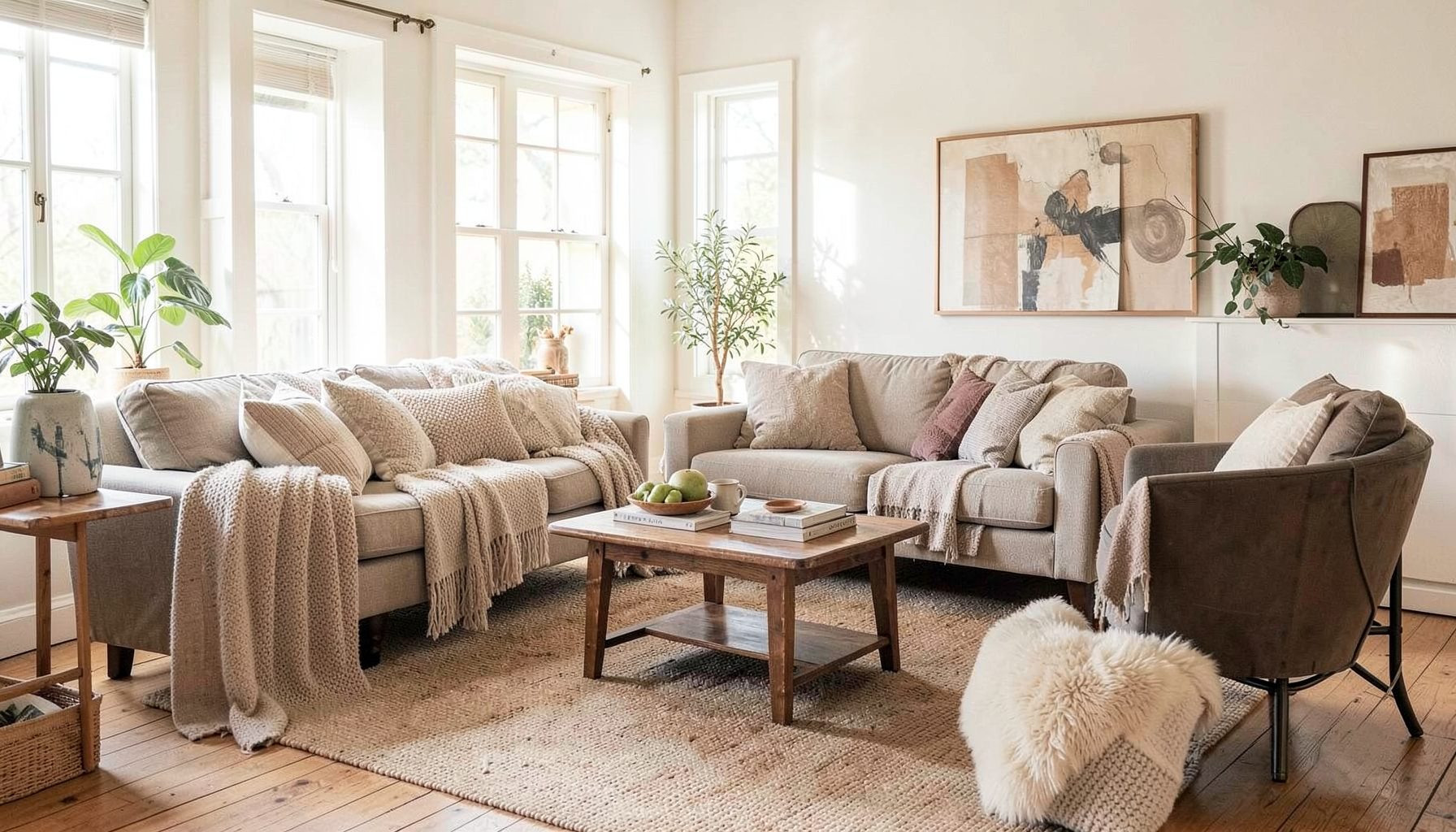
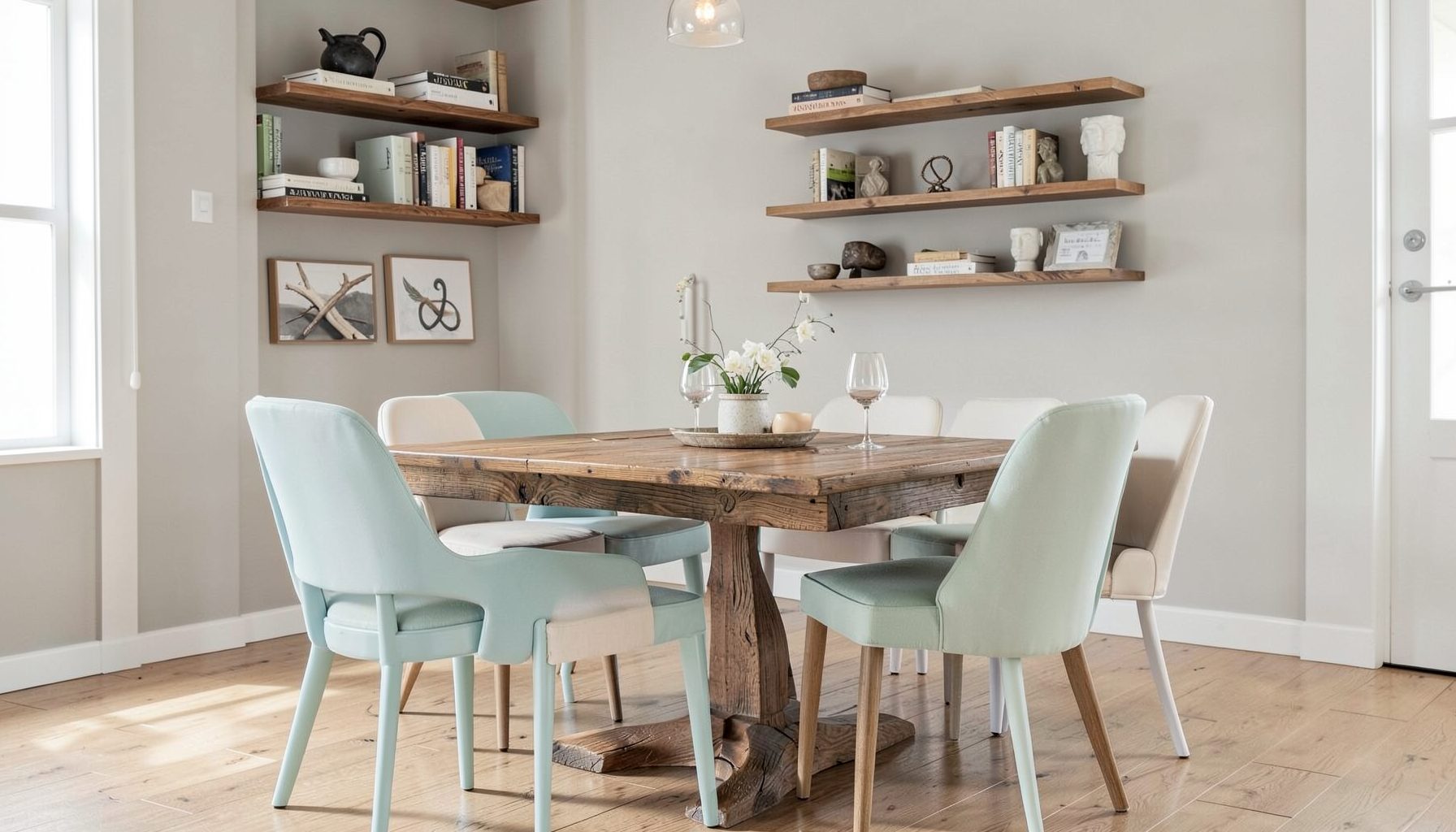
Full-service decorating that blends high and low, vintage finds with modern pieces for spaces that feel personal and collected.
Learn More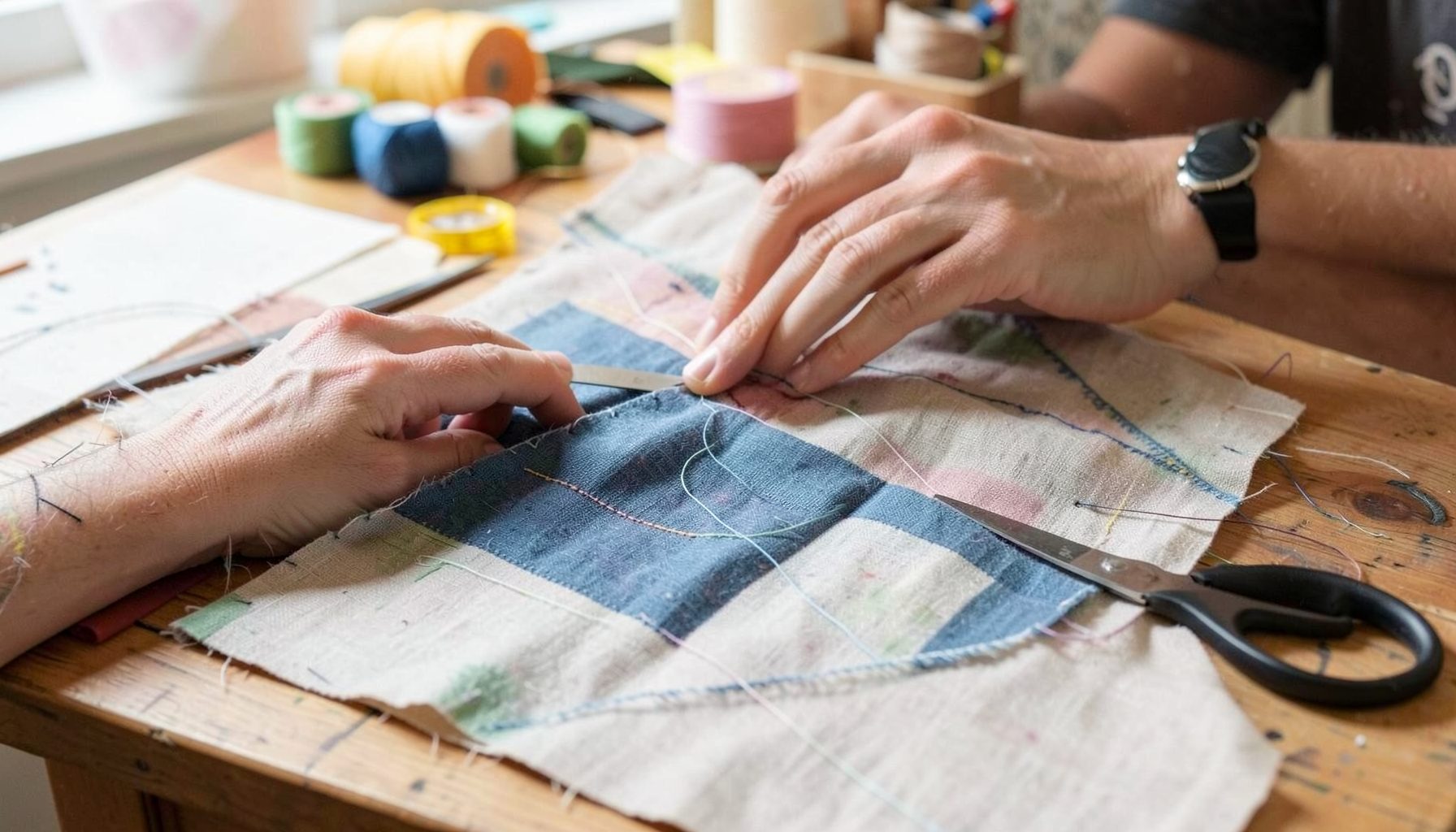
DIY Projects
Step-by-step tutorials for refinishing furniture, sewing pillows, styling bookshelves, and transforming rooms on a budget.
Learn More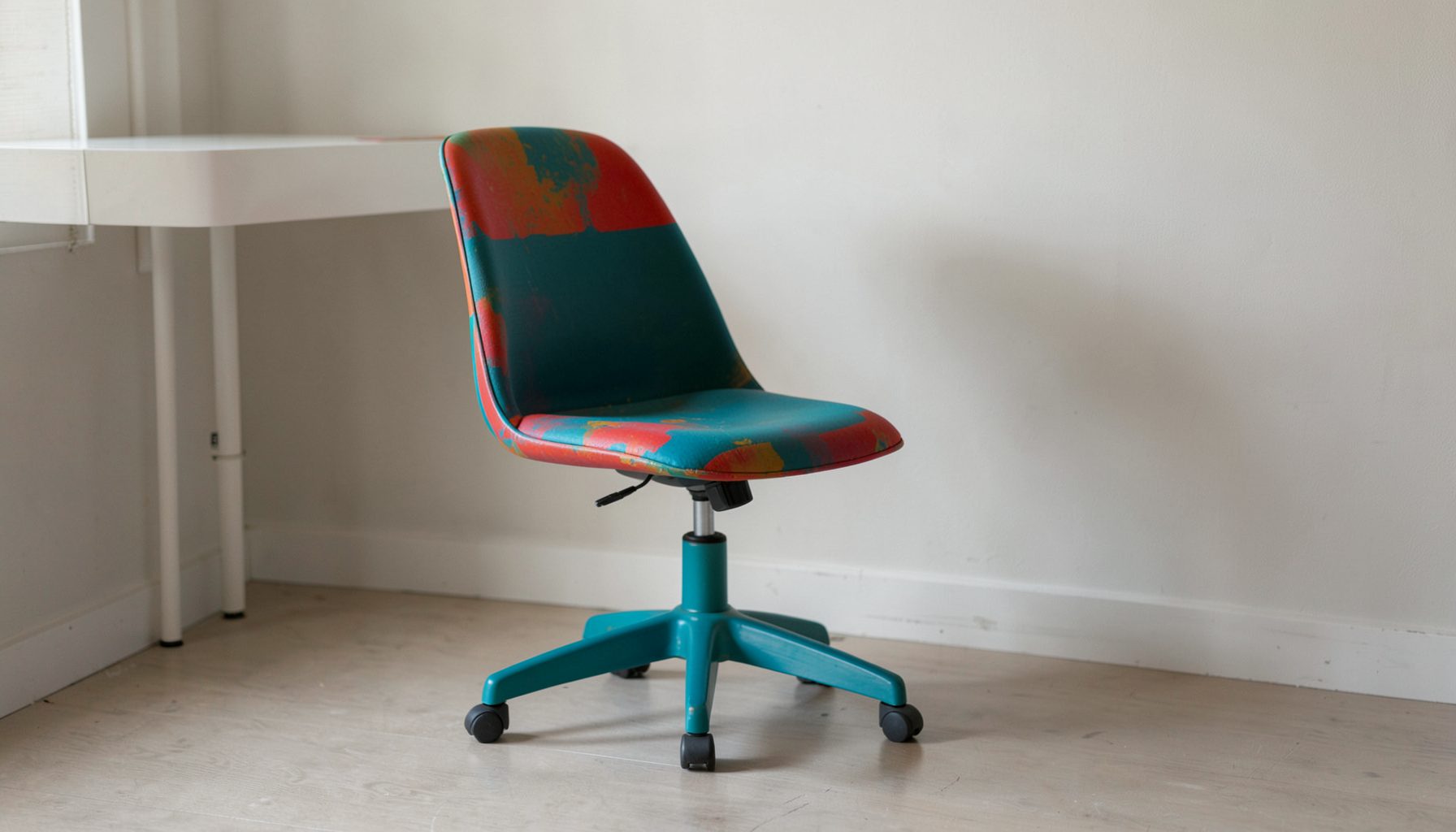
E-Decorating
Personalized design guidance delivered online — perfect for clients anywhere in the world who want a professional eye.
Learn More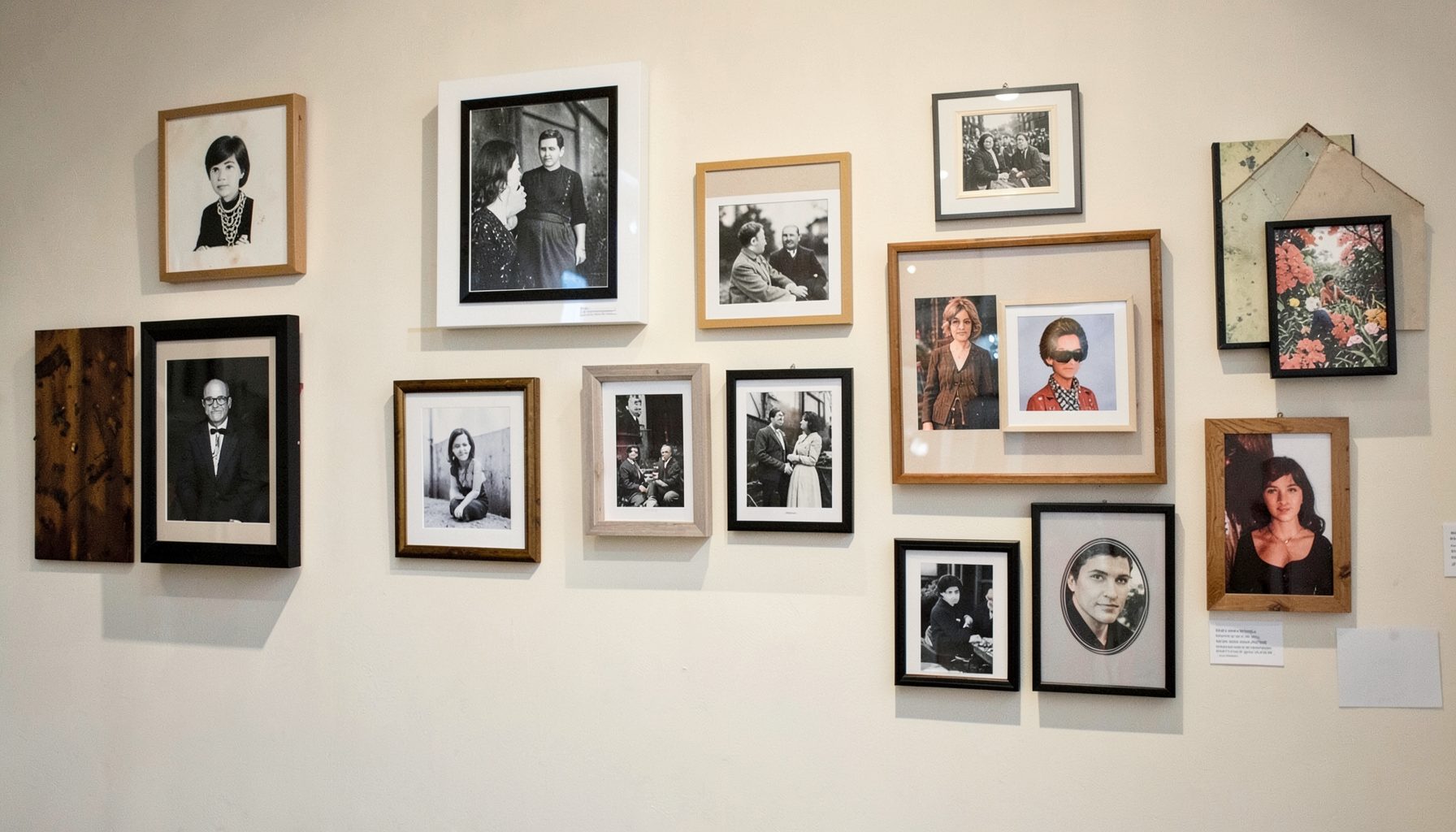
Portfolio
Browse completed room makeovers, before-and-after transformations, and styling projects from Bay Area homes.
Learn More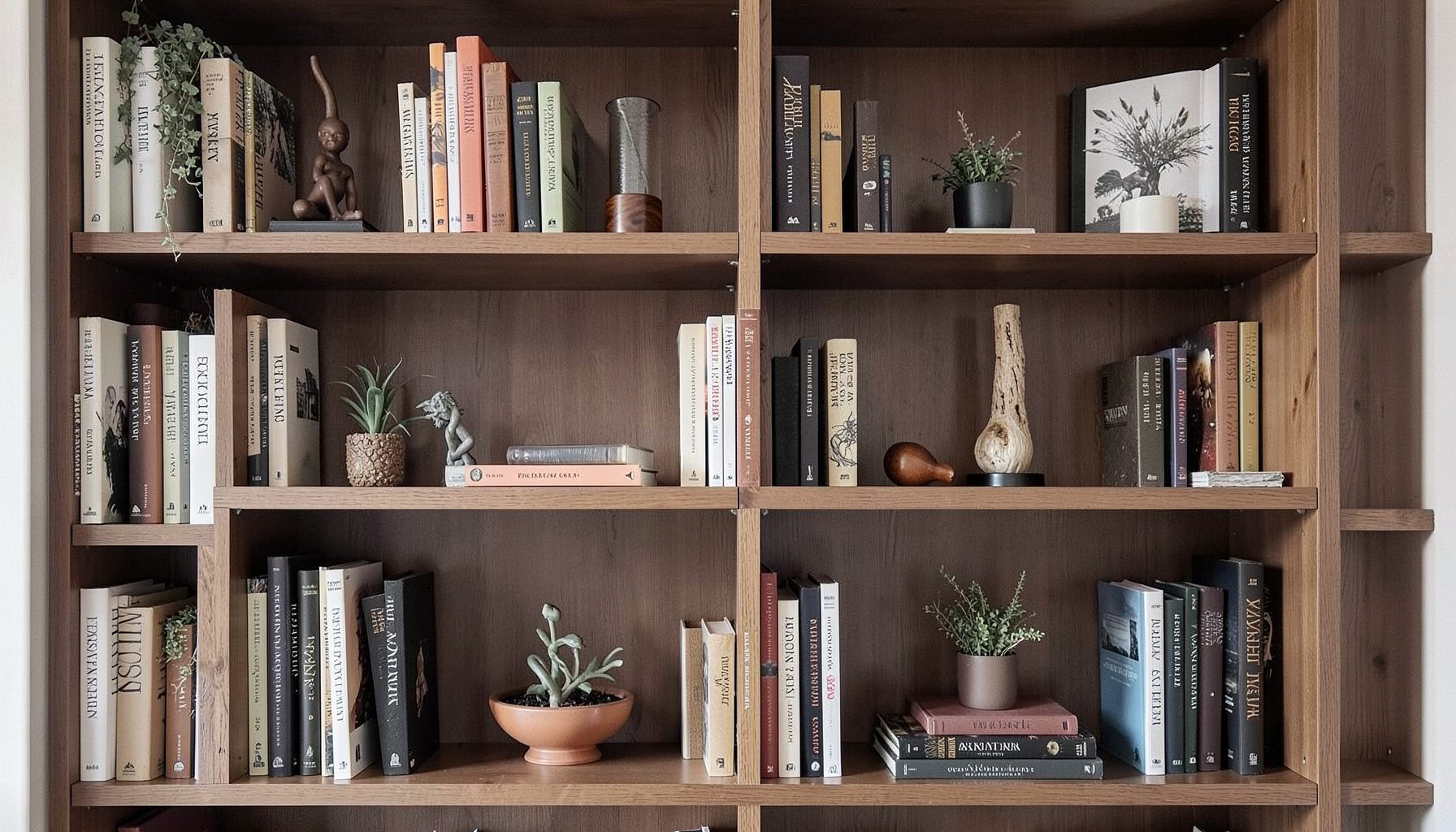
Blog
Interior design inspiration, fashion finds, entertaining ideas, and peeks into real home renovations and styling projects.
Learn More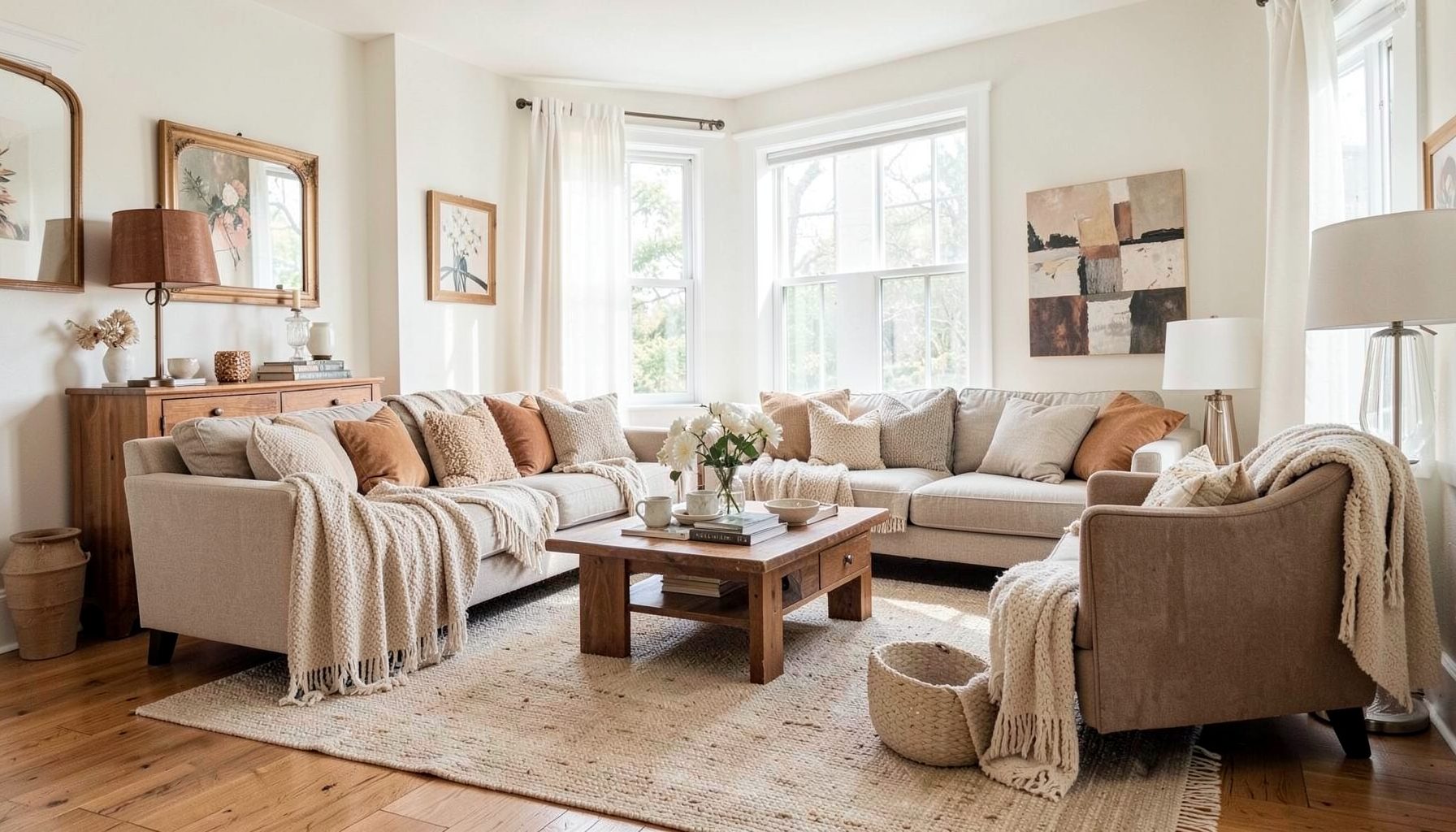
Downloads
Free curated resources for home decorating and design — guides, checklists, and inspiration to help you get started.
Learn MoreCreating a Calm Home Yoga Space That Feels Like You
A home yoga area does not require a dedicated studio, a panoramic view or a room filled with specialist equipment. A quiet corner of a living room, an underused guest bedroom or a generous section of a home office can become a restorative place to stretch, breathe and reset. The most successful spaces work with the architecture already available rather than trying to make an ordinary room look like a commercial wellness centre.
Good decorating matters because the atmosphere around your practice can influence whether you use the space regularly. Clear floor area, soft natural light, useful storage and a pleasing palette create gentle cues to slow down. A room that feels considered and welcoming is far more likely to support a morning flow or an evening wind-down than one where the mat is constantly competing with clutter.
The design can also reflect your personal style. Layered textiles, vintage timber, modern lighting and a few meaningful objects bring warmth without distracting from practice. In a Bay Area-inspired approach, polished finishes can sit comfortably beside relaxed, collected pieces, allowing a yoga nook to feel like part of a real home rather than a staged retreat.
Australian homes often call for flexible solutions. An inner-city Melbourne apartment may need a foldaway arrangement that respects limited floor space and strata rules, while a Brisbane living area may benefit from ceiling fans, breathable fabrics and protection from strong afternoon sun. Whether you live in Sydney, Perth, Adelaide or a regional town, the guiding principle is the same: make the space easy to clear, comfortable to inhabit and genuinely yours.
Choose The Right Location
Begin by observing how your home is used throughout the day. A spare bedroom may offer privacy and a door that can be closed, while a living area may provide better light and ventilation. If the room is shared with a desk, television or children’s play zone, identify a rectangle of floor that can remain visually calm. A standard yoga mat needs roughly 183 by 61 centimetres, but allow additional room for reaching, turning and placing props nearby.
Natural light can give the area an uplifting quality, especially in the morning. Positioning a mat near a window may help you feel connected to the outdoors, but direct glare and heat can become uncomfortable. In northern Australian-facing rooms, sheer curtains or woven blinds can filter sunlight while preserving brightness. In cooler parts of Victoria or Tasmania, choose a spot away from draughty windows and consider a soft rug beneath the mat during winter.
Privacy is equally important. A folding screen, linen curtain or open-backed bookcase can create separation without permanently dividing a room. In an apartment, use furniture to establish a visual boundary rather than undertaking structural changes that may require body corporate approval. Even a low console with baskets can signal that one area is dedicated to practice while maintaining a spacious feeling.
Build A Calming Colour And Material Palette
A yoga space benefits from colours that feel restful, though restful does not have to mean bland. Warm white, sand, clay, muted olive, dusty blue and soft charcoal can create a grounded backdrop. If the rest of your home has stronger colour, carry one shade into the practice area through a cushion, artwork or textile so the nook feels connected rather than artificially neutral.
Natural materials help soften the practical nature of exercise equipment. A jute or wool rug can define the zone, although the mat should sit on a stable surface rather than a thick, slippery pile. Timber stools, rattan baskets, cane screens and ceramic vessels add tactile interest. Australian hardwoods, pale oak finishes and locally made woven pieces can bring a regional quality to the room without making it feel themed.
Layering should be restrained enough to preserve mental clarity. A single framed print, a sculptural branch, a small stoneware bowl or a piece of collected art may be more effective than a crowded display. Vintage finds can add personality: an old timber bench might hold folded blankets, while a small side table can support a candle or water bottle. Mix these pieces with contemporary forms so the room feels collected over time rather than decorated in one shopping trip.
Select Furniture That Works Hard
The most useful furniture in a home practice area is easy to move and capable of serving another purpose. A slim bench can provide seating for meditation, hold blankets or act as a place to remove shoes. A lidded ottoman can hide blocks, straps and bolsters, then function as extra seating when guests arrive. In a compact Sydney flat, nesting tables or a wall-mounted shelf can preserve valuable floor area.
Storage should keep equipment within reach without placing it constantly on display. Woven baskets suit a relaxed coastal or earthy interior, while a painted cabinet can work in a more traditional room. Use one container for small items such as straps and socks, and another for larger props. If a spare room doubles as a guest bedroom, select a bed with drawers or slide shallow boxes beneath it so the practice area can be cleared quickly.
Avoid filling the room with furniture that interrupts movement. Leave a clear route from the doorway to the mat and check that cupboard doors, drawers and windows can open without collision. Furniture with rounded edges is helpful in a room where you may move barefoot or transition between poses. Any shelving should be securely anchored, particularly in Australian regions where building safety and earthquake considerations may influence fixing choices.
Make Comfort And Storage Part Of The Design
A yoga environment needs practical support for the body. Keep a folded cotton blanket nearby for seated poses, savasana or cooler mornings. Cork blocks, a strap and a bolster can cover many styles of practice, while a small tray prevents loose accessories from spreading across the room. Choose equipment in colours that complement the interior rather than treating every item as visual clutter.
Ventilation is especially important in warm climates. Cross-breezes, operable windows and a quiet ceiling fan can make movement more pleasant in Brisbane or coastal New South Wales. In areas affected by dry heat, dust or bushfire smoke, an air purifier may be useful when windows need to stay closed. Avoid heavily scented candles or oils if the room is poorly ventilated, and choose low-odour finishes for painted furniture.
Lighting should support different moods and routines. Daylight is ideal for an energising morning practice, while layered evening lighting can encourage slower movement. A dimmable ceiling fixture, a portable lamp and concealed LED lighting inside a cabinet provide flexibility. Warm bulbs generally feel more restful than cool white ones, and a lamp with a fabric shade can soften the room without taking up the floor space required for a standing light.
Personalise The Room Without Losing Its Purpose
The best home yoga areas carry a sense of personal meaning. Display a textile purchased on a trip, a small artwork by an Australian maker or a photograph that evokes a quiet landscape. If you enjoy gardening, a hardy indoor plant can bring life to the room, provided its position receives suitable light and the pot will not be knocked during movement. In dry interiors, consider plants that tolerate less frequent watering rather than selecting greenery purely for appearance.
Sound and scent can be addressed through simple, discreet choices. A compact speaker can support a guided class, while a small basket keeps headphones and charging cables organised. If incense is part of your routine, use a stable heatproof dish, keep it away from fabrics and follow local fire-safety guidance. A fresh, clean-smelling room often needs no fragrance at all; open air and washed textiles can create a more comfortable result.
Artwork and decorative objects should frame the practice rather than compete with it. Place a piece where it can be seen while seated, but avoid positioning fragile ceramics or heavy objects above the mat. Leave enough visual breathing room around the focal point. This is where a layered decorating approach is especially effective: a few carefully chosen vintage, modern, luxurious and affordable elements can express a complete point of view.
Before finalising the arrangement, test the room in real use. Roll out the mat, extend your arms, move through a sun salutation and lie down fully. Notice whether a pendant light feels too low, whether the rug shifts or whether the storage is inconvenient to access. A beautiful space becomes successful through these small practical adjustments. The aim is a room that welcomes regular practice, then returns gracefully to its everyday role when the session is over.
A home yoga space should feel like an extension of your life, not an isolated display of wellness products. Give the mat enough room, use materials that feel good underfoot and choose storage that keeps the room peaceful. When light, colour, comfort and personal character work together, even a small corner can become a dependable place to pause.
The details that matter most are often simple: a clear floor, a supportive surface, gentle lighting, fresh air and objects chosen with intention. Whether the setting is a Melbourne spare room, a Brisbane living area or a compact Sydney apartment, remember that the most valuable feature is a space that makes returning to yourself feel natural.

Recent Projects