Interior Design
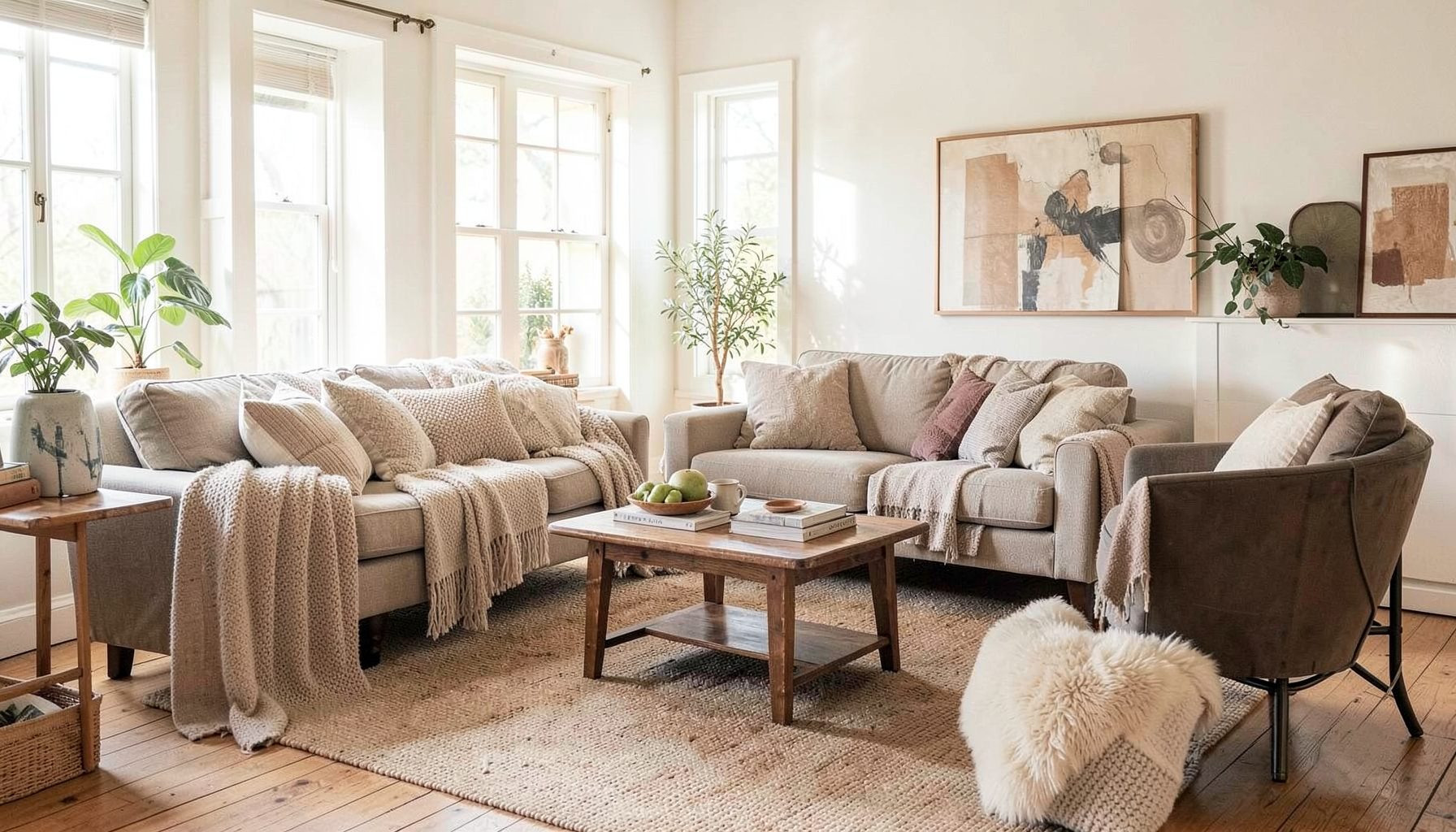
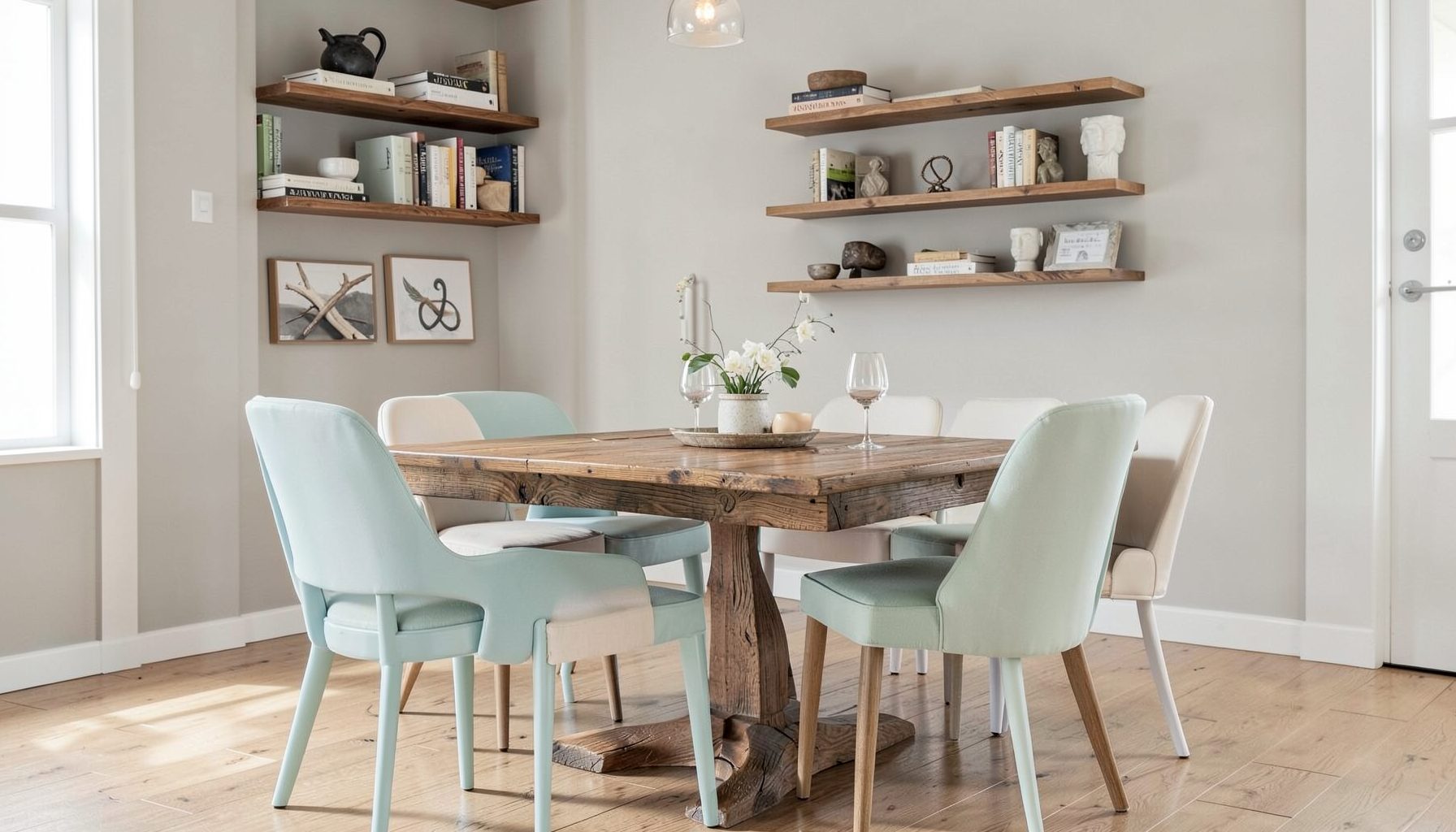
Full-service decorating that blends high and low, vintage finds with modern pieces for spaces that feel personal and collected.
Learn More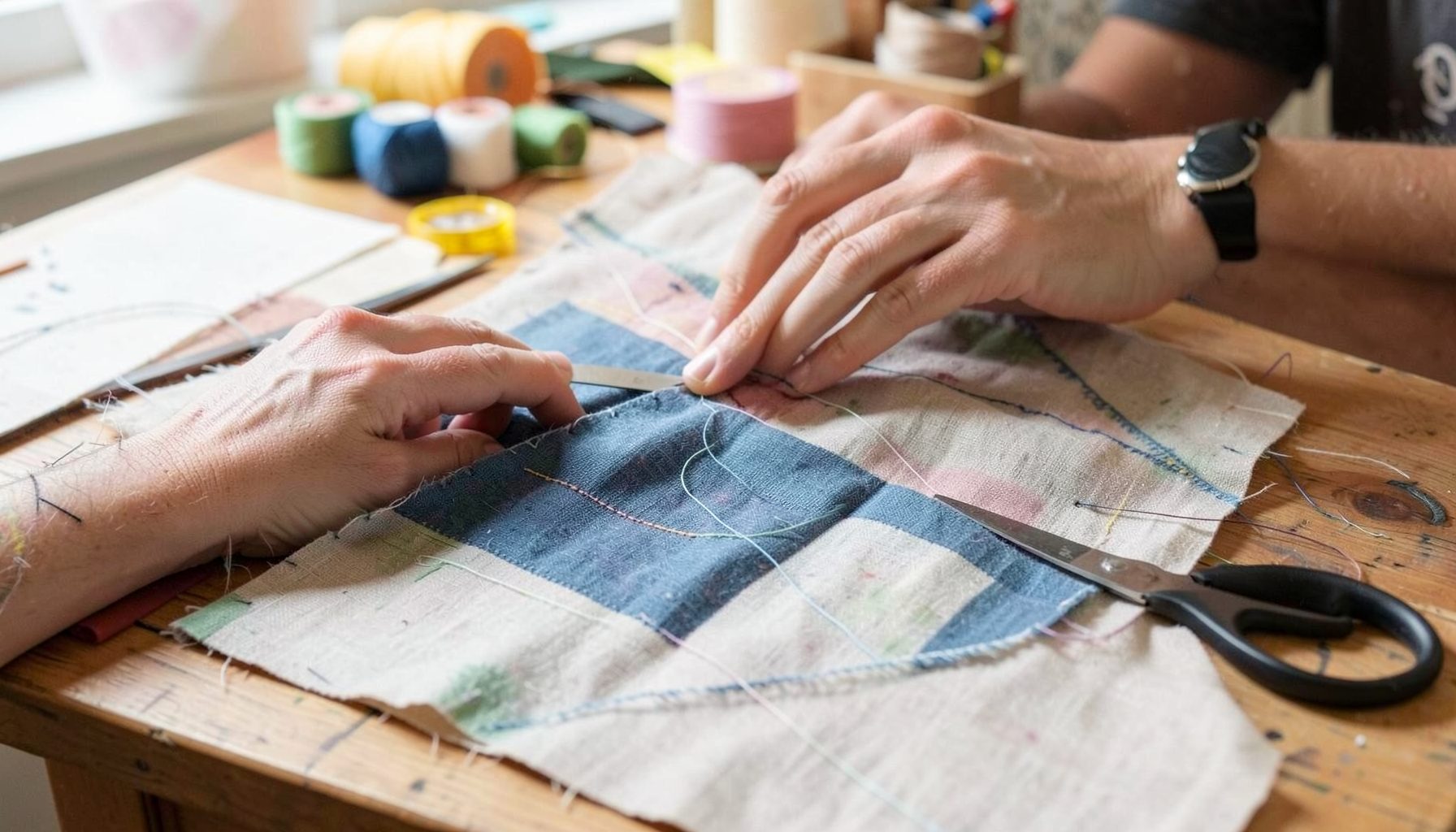
DIY Projects
Step-by-step tutorials for refinishing furniture, sewing pillows, styling bookshelves, and transforming rooms on a budget.
Learn More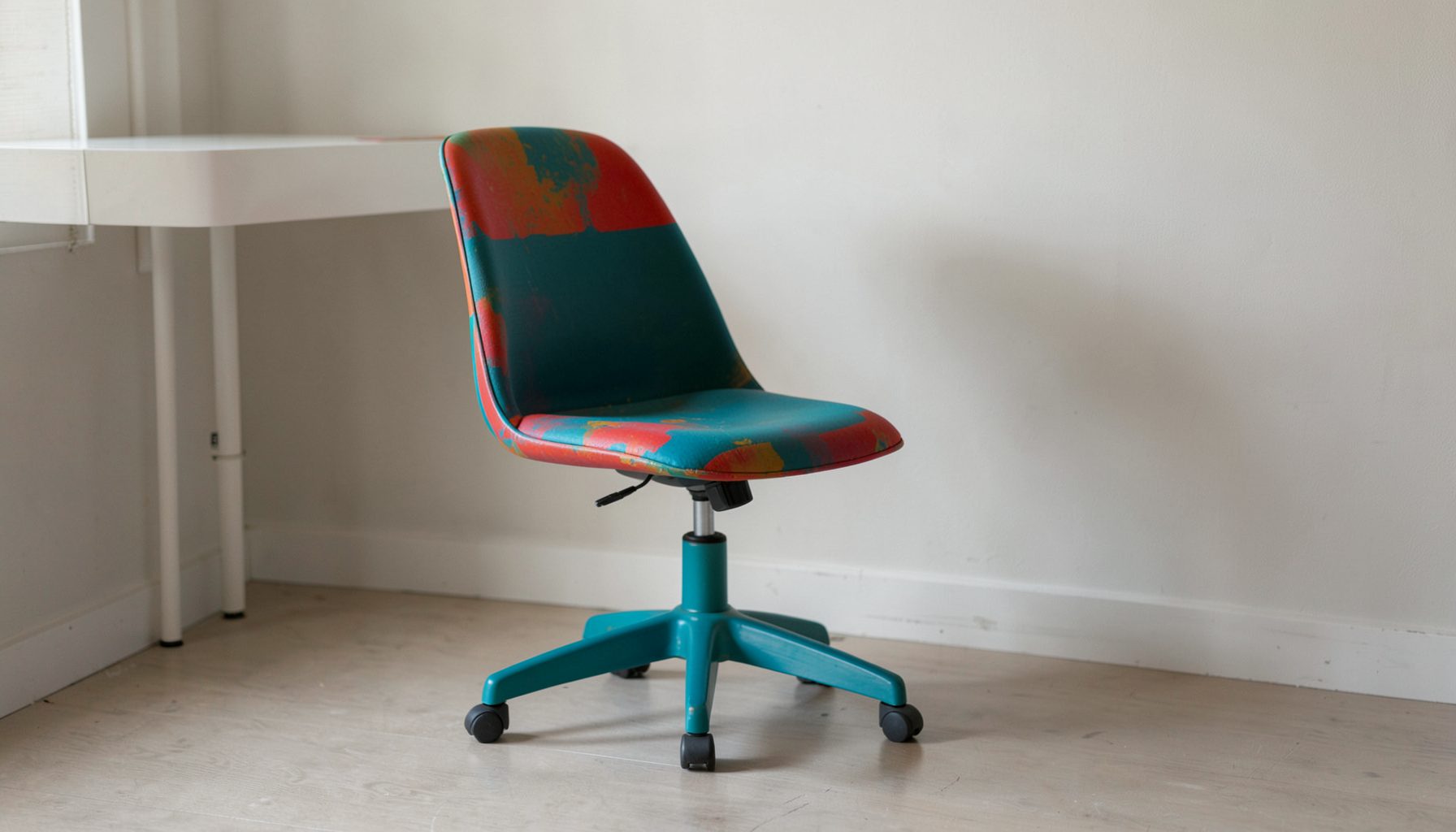
E-Decorating
Personalized design guidance delivered online — perfect for clients anywhere in the world who want a professional eye.
Learn More
Portfolio
Browse completed room makeovers, before-and-after transformations, and styling projects from Bay Area homes.
Learn More
Blog
Interior design inspiration, fashion finds, entertaining ideas, and peeks into real home renovations and styling projects.
Learn More
Downloads
Free curated resources for home decorating and design — guides, checklists, and inspiration to help you get started.
Learn MoreA Murphy Bed Home Office That Doubles as a Stylish Guest Room
Many Australian homes, especially in Sydney and Melbourne, have a single spare room that has to work overtime. With property prices the way they are, dedicating an entire bedroom to occasional visitors feels wasteful. A dual-purpose room — workspace by day, guest retreat when friends or family fly in — is one of the smartest answers to that squeeze.
The trick is making the room feel intentional rather than improvised. A foldaway wall bed tucked behind a desk, paired with considered styling, lets the same square metres serve as a quiet study for video calls and a proper bed for a grandparent visiting from Perth or a friend crashing after a wedding in the Barossa. The bones of the room do not change; the mood does.
What follows is a room-by-room guide to designing a guest space that hides a fully functional office inside it. The focus is on Australian homes — from inner-city terraces in Paddington to new builds in Brisbane's outer suburbs — and on choices that suit local climate, local suppliers, and the way we actually live.
Why a dual-purpose room earns its keep
A spare bedroom in a freestanding Adelaide bungalow or a two-bed apartment in Surry Hills often sits empty 350 days a year. Add a proper desk, a comfortable chair, and a wall bed, and that room becomes the most-used space in the house. It absorbs the morning emails, the school run paperwork, the side-hustle invoices, and the occasional overnight guest without anyone having to clear the dining table at 8pm.
The math is simple. A typical Australian home office setup — desk, chair, shelving, task lamp — needs roughly 2.5 to 3 square metres of floor space. A queen wall bed takes another 2 square metres when folded down. Together, that is the footprint of a small single bedroom, which is exactly the kind of room many households have on offer. By combining the two functions, you stop paying rent on unused floor space and start getting value out of every square metre.
There is also a lifestyle angle. Adult children who return for a stint, parents who come down for a few weeks in winter, friends passing through for a long weekend — Australian hospitality runs on having somewhere comfortable for people to sleep. A Murphy bed removes the awkwardness of asking guests to share a sofa bed in the living room, and it removes the need for the household's primary worker to give up their desk when visitors arrive.
Planning the layout so the room actually works
Before choosing furniture, draw the room at scale and mark the door, the windows, and any fixed elements like a built-in robe or a heater outlet. In a Victorian terrace in Fitzroy, that often means a single tall window and a chimney breast on one wall. In a modern townhouse in Perth, it is more likely a wide window and a sliding door to a small courtyard. Each layout calls for a different response.
The most reliable arrangement places the wall bed along the longest uninterrupted wall, ideally opposite the door so the room reads as a bedroom the moment a guest walks in. The desk then sits on the perpendicular wall, set at a right angle to the bed, so a person working at the computer is not staring at the closed cabinet face all day. Leave at least 90 centimetres of clearance around the desk chair and a clear 60 centimetre walkway between the foot of the bed and the opposite wall when the bed is down.
If the room is genuinely tight — say, 2.8 by 3.2 metres, which is common in inner-Sydney apartments — consider a side-tilt or a horizontal wall bed instead of a vertical queen. A horizontal unit folds sideways and leaves wall space above for a shallow floating shelf or a slim picture rail. Vertical models, meanwhile, make a stronger visual statement and tend to suit rooms with higher ceilings, such as the 2.7 to 3 metre ceilings found in many Queenslanders.
Picking a Murphy bed that suits Australian conditions
Not every wall bed sold overseas suits Australian homes. Local suppliers — and there are several solid ones, including Wall Beds Australia and the custom joinery shops around Melbourne's inner suburbs — build frames rated for our timber stud spacing and our plasterboard standards. That matters, because a poorly anchored bed is a safety issue, especially in a room that will host elderly relatives from time to time.
Mattress choice also deserves attention. Australian winters are mild compared with European or North American climates, but a guest staying in July in Hobart or Ballarat will appreciate a mattress with a wool or wool-blend cover, or a memory foam topper that holds warmth. For everyday use as a seat back when the bed is folded up, a medium-firm pocket spring sits well and still flattens neatly into the cabinet. Latex is another strong option for hot climates, since it breathes better than traditional foams in a Brisbane or Darwin summer.
Finishes are worth thinking through. White or pale oak cabinets read as built-in joinery and disappear into the wall, which suits the calm, neutral interiors popular in coastal homes from Byron to Fremantle. A darker walnut or a painted charcoal works well in a Federation-style home in Melbourne's east, where the rest of the house tends toward richer tones. Either way, specify soft-close mechanisms and a piston lift rather than a spring system, both for safety and for longevity.
Building the office around the bed
Once the bed is in place, the rest of the room should work hard. A desk that is 140 to 160 centimetres wide gives enough surface for a monitor, a lamp, and a notebook without crowding the wall. Pairs of slim 30-centimetre-deep bookcases flanking the bed cabinet keep the sightline clean and provide storage for stationery, files, and the stack of novels a guest might want on holiday.
Cable management is the unglamorous detail that makes a convertible room feel grown-up. Run power through the wall cavity to a single outlet behind the desk, and add a second outlet near the bed for a reading lamp and a phone charger. In older Australian homes with brick walls, surface-mounted conduit in a colour-matched paint finish is a clean compromise. Avoid trailing leads across the floor, both for safety and because they collect dust fast.
Lighting should be layered. A pendant or a flush-mount ceiling light handles general illumination, while a desk-mounted task lamp with an in-built USB port covers work. For guests, a small wall-mounted swing-arm light beside the bed reads as a hotel touch and frees up the bedside table. Dimmable LEDs in a warm 2700K temperature flatter skin tones on video calls and keep the room calm at night.
Making the room feel like one space, not two
The single biggest design mistake with combined rooms is letting the office side and the bed side shout over each other. Pull both halves into the same palette — soft whites, warm greys, sage green, or whatever runs through the rest of the house — and the eye stops counting functions. A wool rug under the desk that can be rolled back when the bed drops keeps the floor unified.
Soft furnishings do most of the heavy lifting here. Curtains that fall from ceiling to floor in a textured linen soften the harder lines of a wall bed cabinet and tie the room to the rest of the home. A pair of matching lumbar cushions on the desk chair and on a small bench at the foot of the bed repeats the same fabric and gives the room a subtle rhythm. Avoid leaning too hard into a particular theme; the goal is collected, layered, and personal rather than themed.
Art is the final unifier. One large piece above the desk doubles as the focal point above the bed when the unit is folded down. Smaller framed prints in a vertical column on the side wall keep the visual weight balanced. Australian artists — Margaret Olley-inspired still lifes, coastal prints from the Margaret River region, or botanical studies of native flora — bring a sense of place that feels grounded without being obvious.
Daily rhythms and guest-ready transitions
A room like this only works if the swap between office and guest room takes less than five minutes. Build that into the design from day one. A small upholstered stool or a pair of nesting side tables can live under the desk and roll out next to the bed when guests arrive. A basket at the bottom of the wardrobe holds spare towels, a spare duvet, and a folded throw, so a host is never hunting through the linen cupboard at 10pm.
A few small habits keep the room comfortable for everyone. Encourage household members to clear the desk at the end of each workday so the surface is calm for the morning. A lockable file drawer for sensitive paperwork keeps client files, school reports, or financial documents away from curious toddlers visiting with their parents. A scented candle or a small vase of eucalyptus in a sturdy vessel freshens the room between stays without overwhelming a guest who may have allergies.
Finally, leave a small welcome note and a printed wifi code on the bedside surface. It is a tiny gesture, but it turns a folded-up wall bed into a real guest room, and it tells the visitor that this corner of the house has been thought through for them.
When a spare room earns its keep as both a quiet workspace and a proper guest retreat, the rest of the house breathes more easily. A well-chosen wall bed, a considered desk, layered lighting, and a unified palette do most of the work; small daily habits take care of the rest. Measure twice, anchor the cabinet properly, and pick finishes that match the rest of the home, and the room will host both video calls and grandparents with the same ease.

Recent Projects