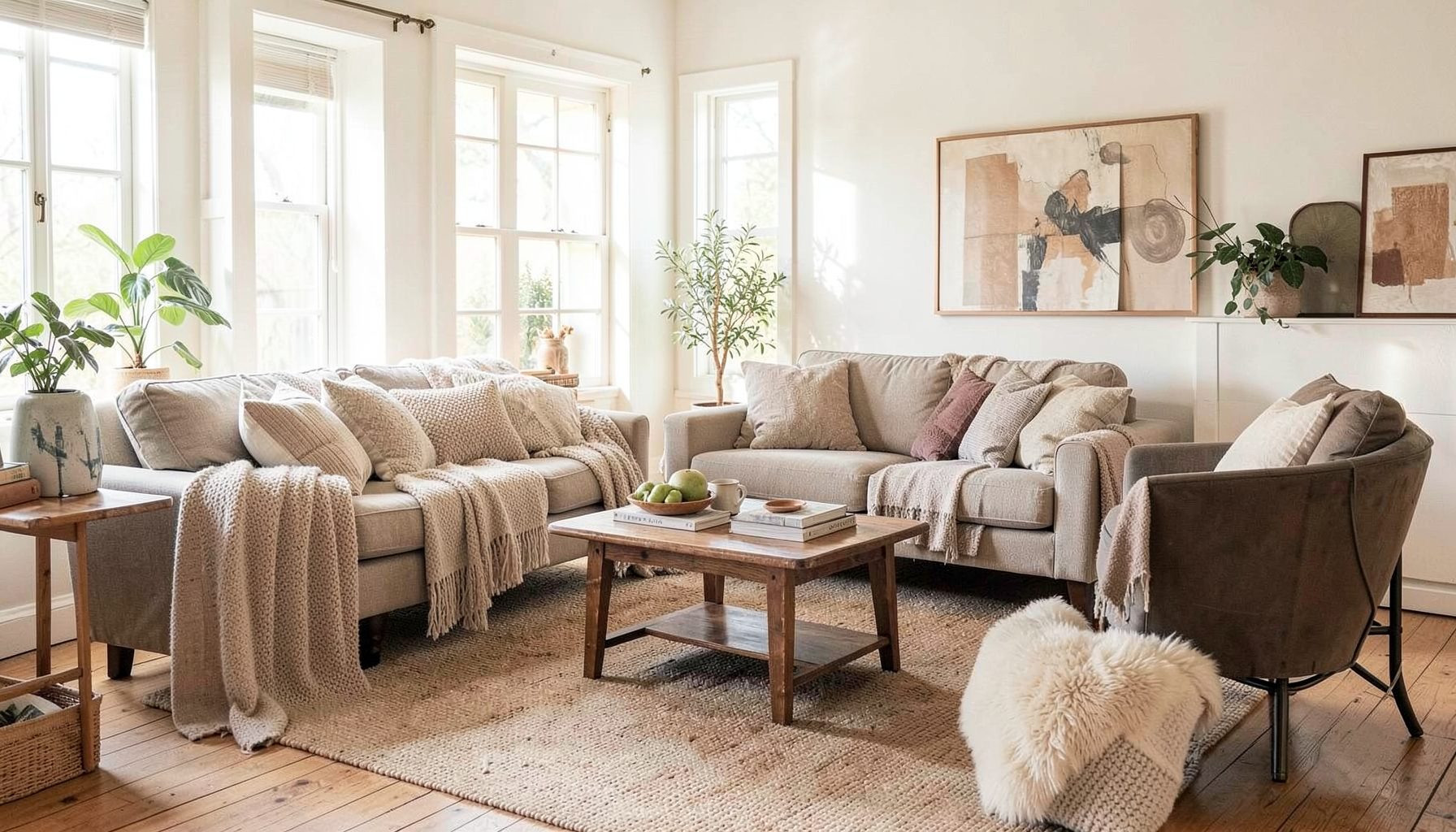
Interior Design
Full-service decorating that blends high and low, vintage finds with modern pieces for spaces that feel personal and collected.
Learn More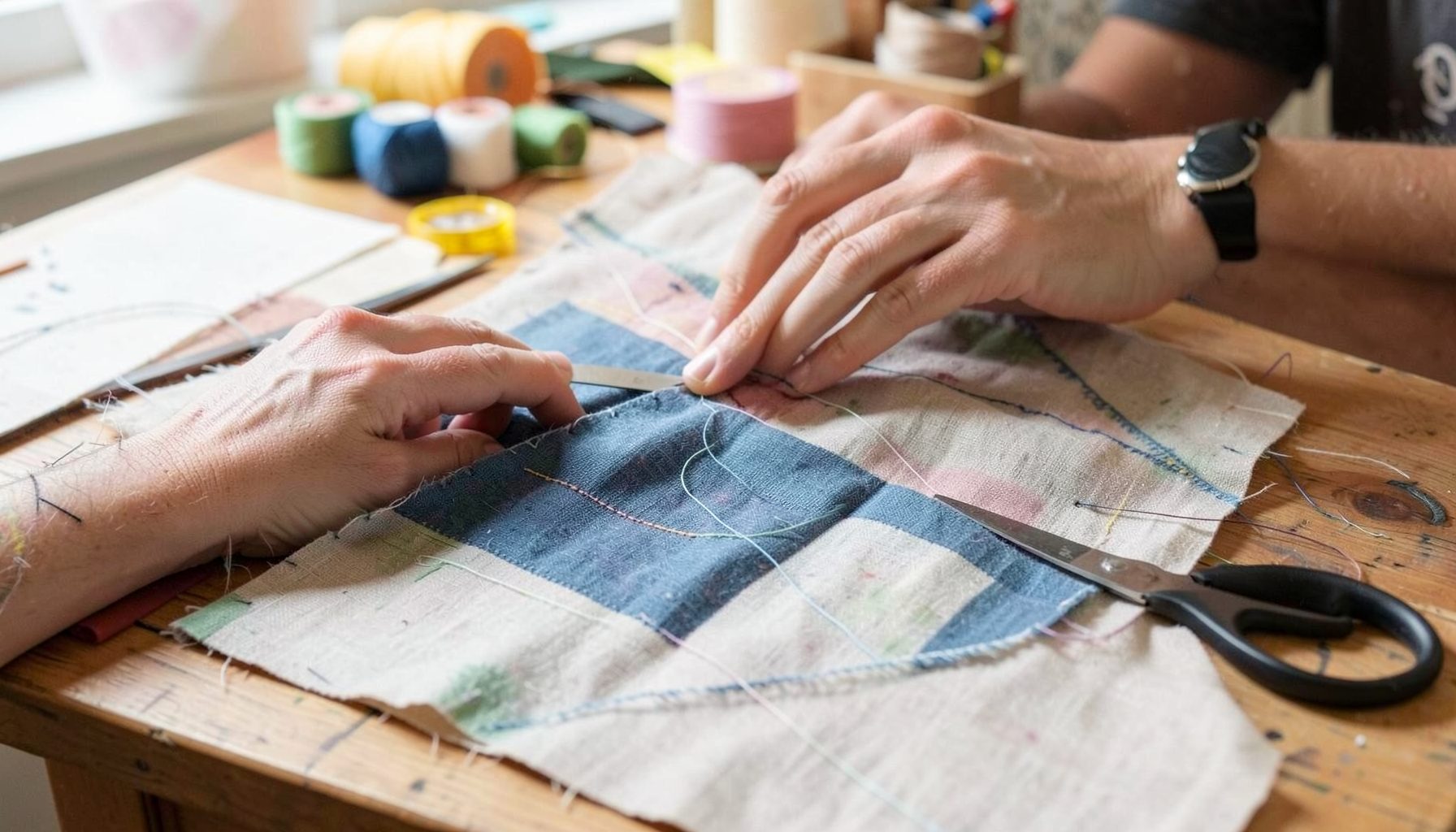
DIY Projects
Step-by-step tutorials for refinishing furniture, sewing pillows, styling bookshelves, and transforming rooms on a budget.
Learn More
E-Decorating
Personalized design guidance delivered online — perfect for clients anywhere in the world who want a professional eye.
Learn More
Portfolio
Browse completed room makeovers, before-and-after transformations, and styling projects from Bay Area homes.
Learn More
Blog
Interior design inspiration, fashion finds, entertaining ideas, and peeks into real home renovations and styling projects.
Learn More
Downloads
Free curated resources for home decorating and design — guides, checklists, and inspiration to help you get started.
Learn MoreBeautiful Filing Systems That Double as Home Office Decor
A home office should feel like a natural extension of the rest of your home, not a forgotten corner buried under paper. Yet most people treat filing as a purely functional chore, shoving manila folders into a grey cabinet and hoping the door stays closed when guests visit. The truth is that a thoughtfully designed filing system can become one of the most charming features of a workspace, layering texture, colour, and personality into the room while quietly taking care of the practical side of running a household or small business.
The secret is treating your paperwork the same way you would treat a collection of books, ceramics, or art. Curate what stays, choose storage that complements your existing palette, and let the containers themselves become part of the visual story. From vintage op shop baskets to sleek modular trays, the options for blending organisation with style have never been more varied, even within the Australian market where space is often at a premium.
Whether you work from a dedicated study in a Brisbane Queenslander, a converted spare room in a Melbourne terrace, or a compact nook in a Sydney apartment, the right approach to paper can transform the way the entire room feels. It also pays dividends during tax time, when sorting months of receipts and statements suddenly becomes far less painful.
Choosing Storage That Complements Your Decor Style
Before you buy a single folder, stand back and look at the room as you would any other space in your home. Identify the dominant finishes, the colours that already appear on soft furnishings, and the era of the pieces you love most. A heritage home in Adelaide's leafy eastern suburbs might call for warm timber tones, brass hardware, and a cabinet that looks like it has always belonged there, while a coastal apartment in Perth could lean toward whitewashed rattan, pale linen, and breezy, washed-oak finishes.
Australian retailers make this easier than ever. Officeworks stocks a wide range of filing cabinets from powder-coated steel in muted tones to warm timber-look pieces that read more like furniture than office equipment. IKEA's Richmond warehouse in Melbourne and Tempe store in Sydney offer modular systems such as the KALLAX and BESTÅ ranges that hide paperwork behind doors while displaying styled objects on open shelves. Even Kmart and Target Australia carry surprisingly chic baskets, magazine holders, and desktop organisers in trend-led colour palettes each season.
The goal is to choose pieces that look intentional. A filing cabinet in the same finish as your dining table reads as furniture. A set of matching magazine holders lined up on a shelf feels curated. Even a simple metal trolley can look like a styling moment when paired with a trailing plant and a small lamp.
Sorting and Decluttering Before You File
A beautiful system starts with less paper, not more storage. Australians generate an enormous amount of paperwork between bank statements, insurance renewals, utility bills, school permission slips, and work documents, and the default impulse is to keep it all. Sorting through what truly needs to be retained, and what can be scanned, shredded, or simply recycled, lays the groundwork for everything that follows.
Begin by gathering every piece of paper from your desk, drawers, and any scattered piles around the home. Divide the documents into three broad groups: active, reference, and archive. Active papers are those you need within the next month, such as current bills or project notes. Reference includes things like insurance policies and appliance warranties that you only consult occasionally. Archive covers older records you are keeping for compliance or personal reasons.
Australians are subject to the Privacy Act 1988, which requires that personal information be stored securely and disposed of responsibly when no longer needed. This makes shredding documents containing personal data a legal consideration, not just a tidy habit. The Australian Taxation Office also recommends keeping tax-related records for five years from the date you prepared or obtained them, which is helpful when deciding what belongs in long-term storage versus what can be released.
Reducing the volume first means your beautiful new system has room to breathe, and it prevents you from spending money on storage you do not actually need.
Labelling Systems That Are Both Pretty and Practical
Labels are where a good filing system either sings or stumbles. Handwritten tags on cream cardstock tied with twine suit a cottage-style interior, while engraved brass labels on leather boxes fit a more tailored look. The key is consistency: choose one type of label and stick with it across the entire system so the eye reads the shelves as a calm, organised whole rather than a jumble of mismatched tags.
For many Australian homes, the simplest approach is also the most effective. A small label maker produces clean, legible text that does not visually compete with the documents themselves. Place labels on the spine of each folder, the front of each box, and any drawer that holds paperwork. Categories can be broad, such as Finance, Health, Home, and Work, or broken into finer detail depending on how much you need to manage.
Colour coding adds a layer of visual rhythm without sacrificing elegance. A soft palette of muted greens, blues, and terracotta feels distinctly at home in a layered interior, while monochrome folders in cream and charcoal suit a more minimalist scheme. Whatever palette you choose, keep it tight. Two or three colours across the entire system read as curated, whereas ten different hues read as chaos.
Creative Containers: Baskets, Boxes, and Vintage Finds
Some of the most charming storage solutions are not purpose-built at all. Vintage and pre-loved pieces bring instant character to a home office, and Australia has a thriving network of op shops, antique dealers, and weekend markets where you can hunt for one-off finds. Salvos Stores and Vinnies outlets across the country regularly stock old leather suitcases, woven picnic baskets, metal bread bins, and timber wine crates that work beautifully as document storage.
A leather satchel or vintage briefcase tucked beside a desk can hold current projects and look like a styling piece at the same time. A row of matching glass jars with cork lids on a shelf can hold paperclips, rubber bands, and small receipts. Even an old tea tin lined with acid-free tissue can become an archive for keepsake documents like birth certificates or property papers.
When buying vintage storage, check for any damage that might affect paper. Australia's climate varies wildly, from the humidity of a Brisbane summer to the dry heat of a Perth afternoon, and old containers may have absorbed moisture or developed mould. A quick wipe with a mild vinegar solution, followed by thorough drying in a sunny spot, usually prepares a piece beautifully. Pair vintage finds with new, high-quality folders inside to protect your documents from any residual acidity in older materials.
Vertical Storage and Wall-Mounted Solutions
Floor space in Australian homes is often limited, particularly in inner-city apartments in Sydney and Melbourne where rents have climbed sharply in recent years. Looking upward opens up a wealth of possibilities for filing that does not crowd the room. Wall-mounted shelves above a desk can hold labelled magazine files, while floating boxes in a hallway can store reference documents that do not need daily access.
Pegboard is having a quiet revival in home offices and works brilliantly for paper management. A small section of pegboard behind a desk can hold clip-on folders, shallow trays, and small baskets for incoming and outgoing documents. Painted in a soft shade that matches the wall behind it, the pegboard almost disappears, leaving only the useful shapes of the tools themselves.
Another option is the humble ladder shelf, narrow enough to slot beside a desk or behind a door. These shelves work particularly well for magazines, current project folders, and reference books, keeping active paperwork visible without creating clutter on the desk surface. In homes with high ceilings, such as the classic Victorian cottages of Hobart or the workers' cottages of Fremantle, taller shelving units become a real feature, with styled objects interspersed between the files.
Handling Australian Paperwork: Tax, Privacy, and Records
A filing system that looks beautiful also needs to meet the realities of Australian record keeping. The end of financial year falls on 30 June, and the weeks leading up to it often involve a flurry of paperwork as freelancers, small business owners, and employees gather receipts, logbook entries, and deduction records. Designing the system around this annual rhythm, rather than treating it as a separate event, makes tax time significantly less stressful.
Keep a single labelled folder or accordion file dedicated to the current financial year, and file receipts into it weekly rather than leaving them to pile up on the kitchen counter. Many Australian banks and insurers now default to paperless statements, but it is worth keeping a folder for any physical documents that arrive, particularly those related to property, superannuation, or Centrelink.
Digital filing deserves a mention here, as many Australians now manage the bulk of their records electronically. A simple folder structure on a computer or cloud drive, backed up regularly, reduces the amount of paper that ever enters the home. Pairing digital storage with a small physical archive for originals and irreplaceable documents gives the best of both worlds, and keeps the visible side of the system genuinely beautiful rather than overflowing.
Maintaining the System Long Term
The most stunning filing system in the world falls apart without a maintenance rhythm built into the week. A few minutes every Sunday evening, a longer tidy each season, and a full reset at the start of each financial year keep the system working without ever feeling like a chore. Treat it the same way you would treat watering plants or rotating cushions, a small ritual that maintains the health of the room.
A weekly tidy involves emptying in-trays, filing anything that has been dealt with, and returning stray items to their proper home. A seasonal tidy might mean reviewing the contents of each folder, scanning older documents, and clearing out anything that has passed its retention period. The annual reset is the moment to reassess the categories themselves, as life changes, new categories appear and old ones become irrelevant.
The result is a home office that feels calm, considered, and unmistakably yours. Paperwork becomes part of the decor rather than a disruption to it, and the room pulls its weight as both a functional workspace and a beautiful room in the home. A well-designed filing system, like a well-designed room, is one you actually enjoy spending time in, and that is the detail worth remembering every time you reach for a folder.
Recent Projects