Interior Design
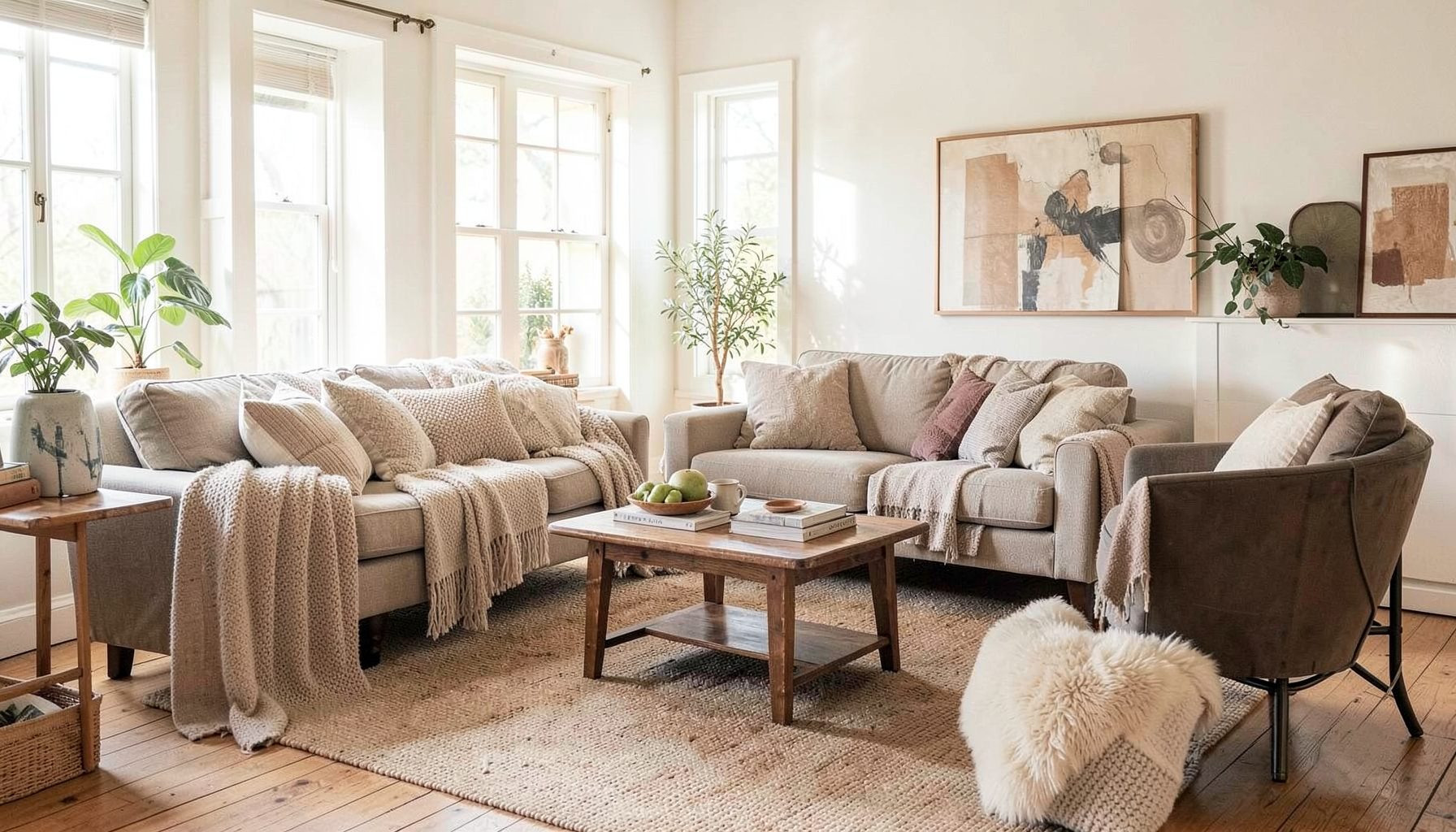
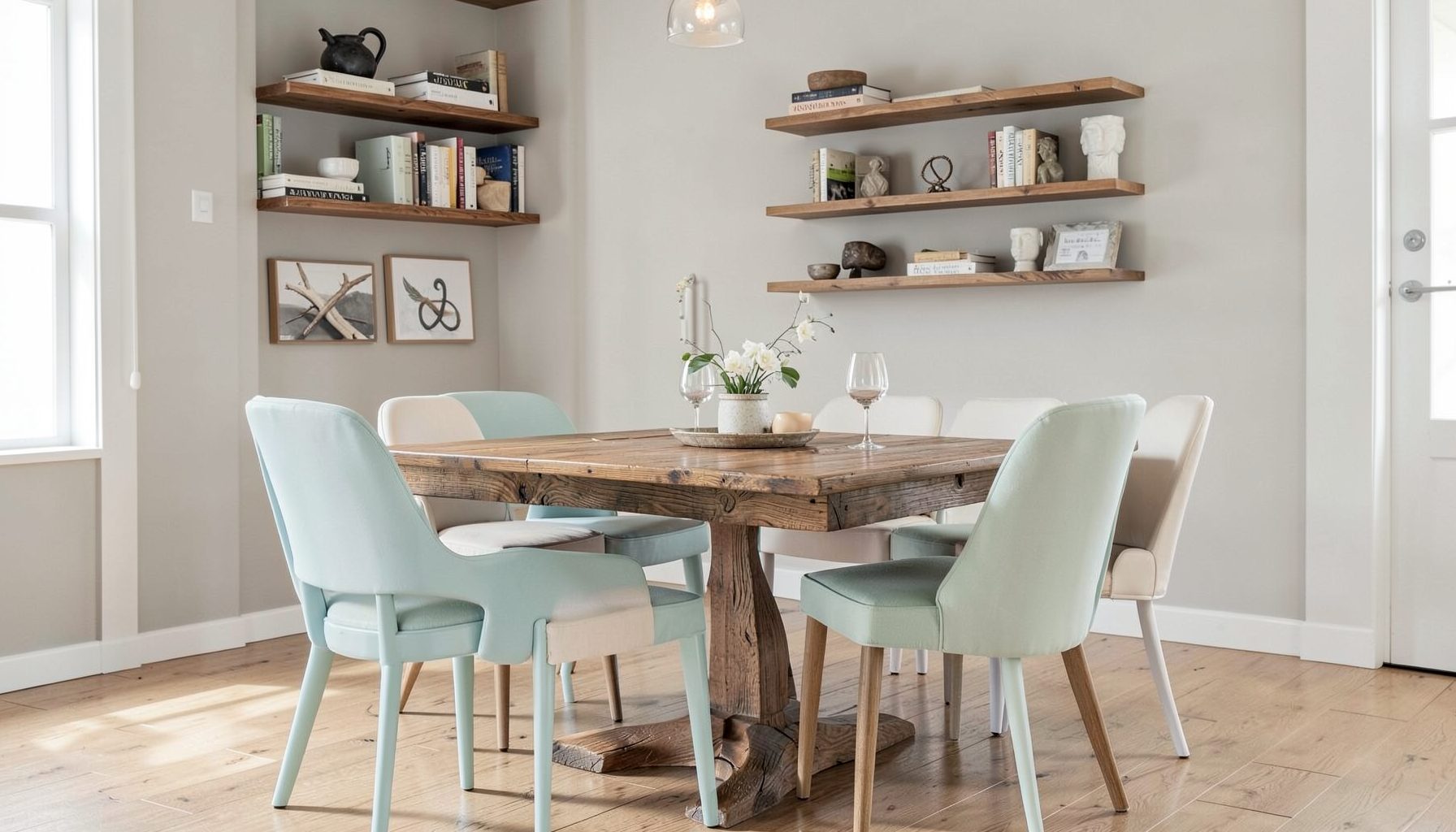
Full-service decorating that blends high and low, vintage finds with modern pieces for spaces that feel personal and collected.
Learn More
DIY Projects
Step-by-step tutorials for refinishing furniture, sewing pillows, styling bookshelves, and transforming rooms on a budget.
Learn More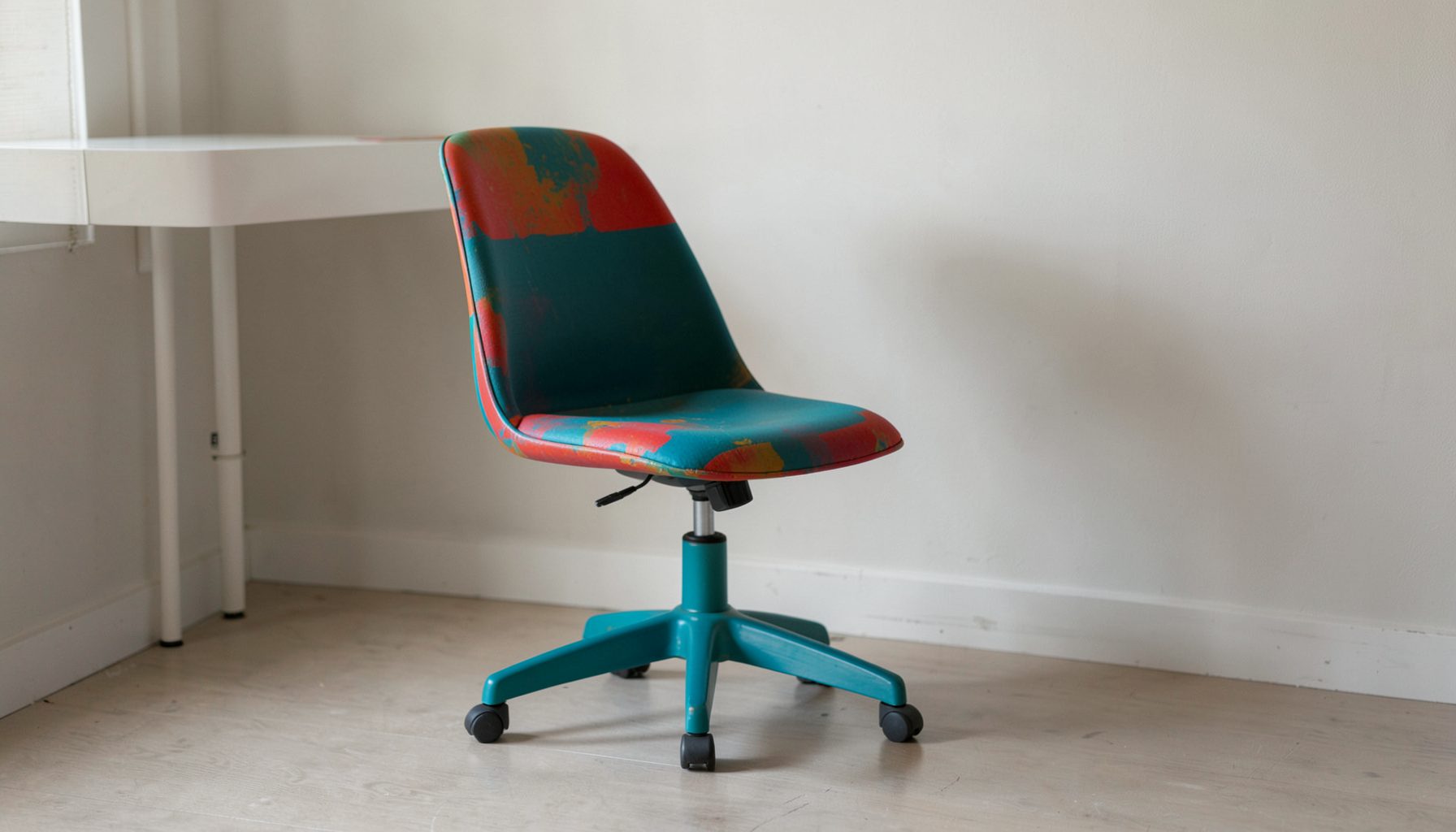
E-Decorating
Personalized design guidance delivered online — perfect for clients anywhere in the world who want a professional eye.
Learn More
Portfolio
Browse completed room makeovers, before-and-after transformations, and styling projects from Bay Area homes.
Learn More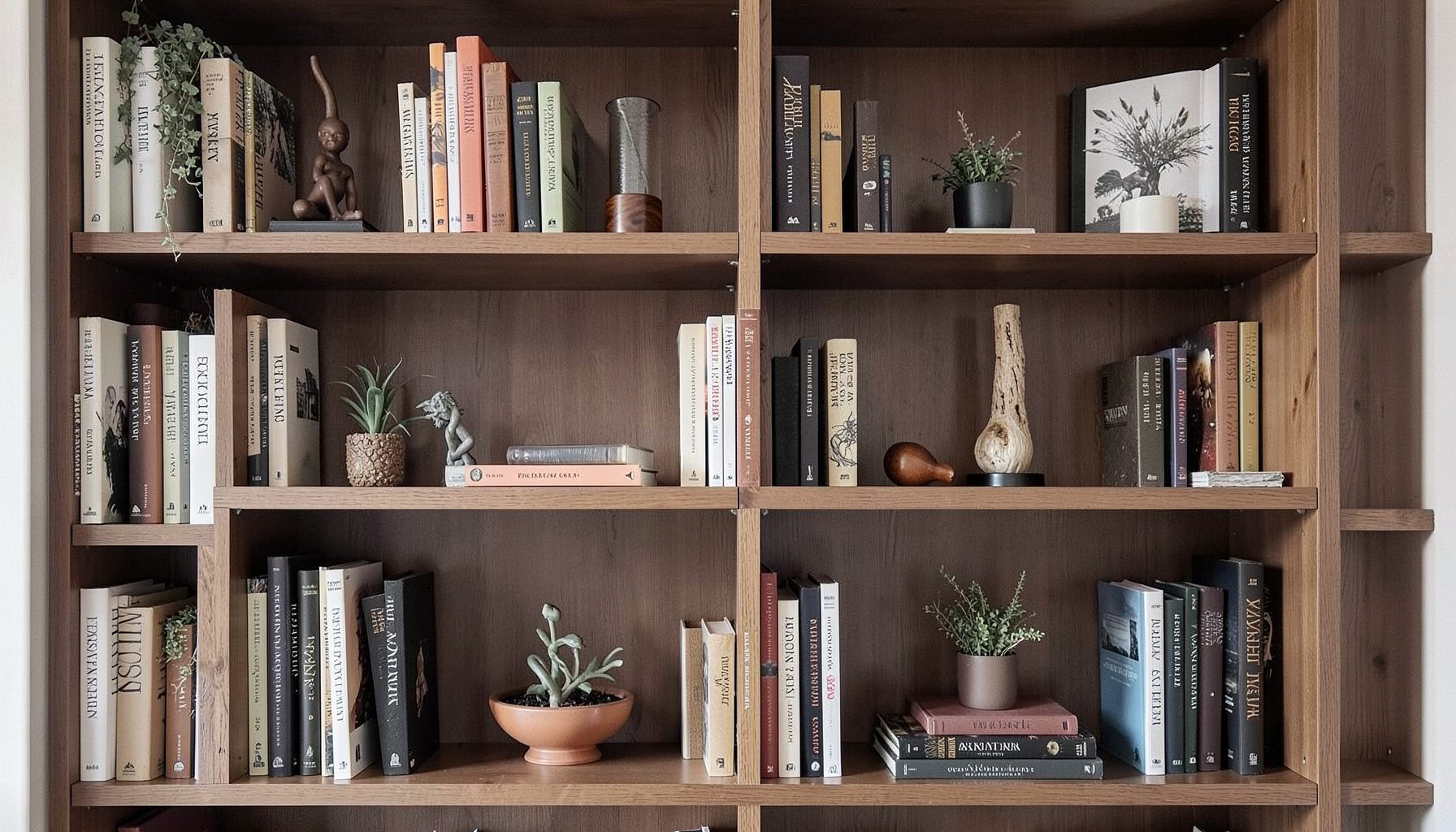
Blog
Interior design inspiration, fashion finds, entertaining ideas, and peeks into real home renovations and styling projects.
Learn More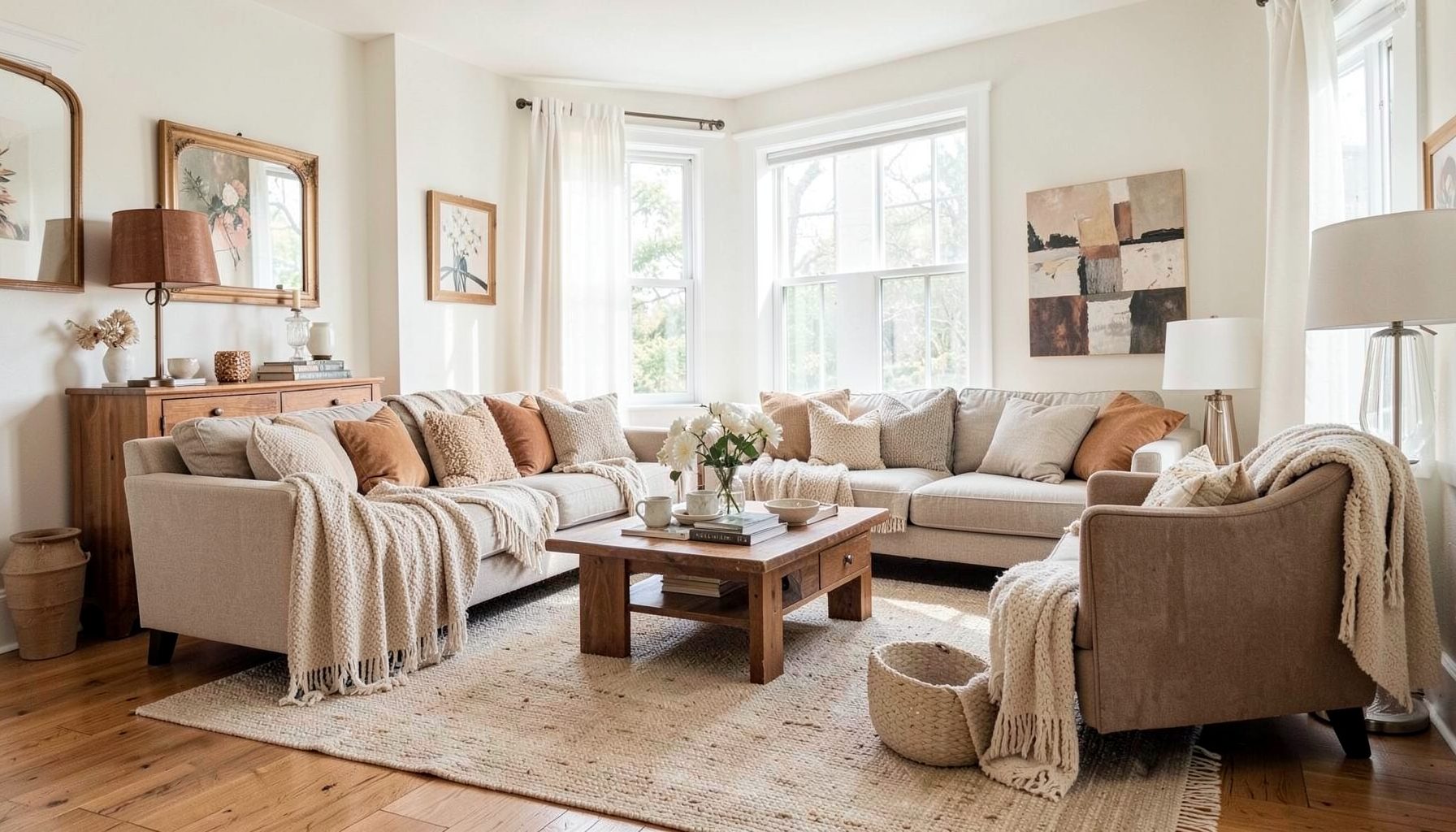
Downloads
Free curated resources for home decorating and design — guides, checklists, and inspiration to help you get started.
Learn MoreA Slim, Stylish Drop Zone for the Entryway
The entryway sets the tone for the rest of a home, but it also has to manage the daily rush. Keys, shoes, school bags, dog leads, parcels and reusable shopping totes tend to collect wherever there is a spare surface. A considered drop zone gives these things a home without making the entrance feel crowded.
A slim console paired with baskets is one of the most adaptable solutions for narrow halls, apartment foyers and open-plan living spaces. The console supplies a useful landing surface, while baskets conceal the less decorative essentials below. Together, they create storage that looks intentional rather than improvised.
For Australian homes, the arrangement needs to suit local routines. A Melbourne household may need a place for wet umbrellas and raincoats, while a Brisbane entry might regularly handle hats, sunscreen and sandals. In Sydney or Perth apartments, where floor area can be limited, furniture depth and clear passageways matter just as much as appearance.
The most successful version feels layered and personal. Combine a timber console, woven storage, a mirror, framed art and a small lamp with practical details such as washable liners or labelled tubs. The result can be polished enough for guests while remaining easy to use when everyone is arriving home at once.
Choose the Right Console Proportions
Begin by measuring the wall, the door swing and the walking route through the entrance. A console that is 25 to 35 centimetres deep can offer substantial storage without obstructing circulation. In a tight apartment hallway, even a shallow shelf-style table may be enough. Leave a generous walkway, especially if the entry is shared by several people or connects directly to the kitchen.
Height also affects how the drop zone functions. A console around 75 to 90 centimetres high is comfortable for placing keys, mail and sunglasses. If baskets will sit beneath it, measure the gap between the legs carefully. A low shelf or stretcher can prevent larger baskets from sliding into place, while a narrow frame with open sides may accommodate taller containers.
Look for visual lightness rather than simply the smallest piece available. Tapered legs, an open base or a timber top can keep the entry feeling spacious. A floating console is useful when the floor needs to remain clear for cleaning, though it requires secure wall fixing and may be less suitable for renters.
The material should relate to the wider home. Pale oak, rattan and limewashed finishes suit relaxed coastal interiors, while dark timber or painted finishes bring definition to a contemporary hallway. For a collected look, a vintage console from a local antique shop or Gumtree can sit comfortably beside newer baskets and modern lighting.
Use Baskets to Create Order
Baskets work best when each one has a clear role. One might hold shoes, another reusable shopping bags, and a third could be reserved for hats, dog accessories or sports equipment. Assigning categories prevents the area from becoming a general dumping ground. If several people use the entrance, choose baskets that are easy to pull out without moving the others.
Open baskets are convenient for everyday items, but they can look untidy when overfilled. Lidded versions conceal visual clutter and are useful for seasonal accessories. In a family home, a low basket for children’s shoes encourages independent tidying, while a higher container can hold less frequently used items such as spare umbrellas or picnic rugs.
Natural materials bring warmth to a hard entryway. Seagrass, rattan, water hyacinth and jute are widely available through Australian homeware retailers and can soften a console made from metal or glass. For a more tailored appearance, use fabric cubes or structured felt baskets in a restrained colour palette.
Consider the conditions near the front door before selecting a material. Wet shoes and sandy footwear can damage delicate fibres, so use a washable mat or a separate boot tray beneath the console. In coastal areas, salt and moisture may call for durable finishes and baskets that can be wiped or replaced easily.
Build a Layered Styling Moment
The console top should be useful first and decorative second. A shallow bowl or tray can gather keys and loose change, keeping small items from spreading across the surface. Add a lamp if there is a nearby power point, or choose a rechargeable light for a rental-friendly option. A small plant, ceramic vessel or stack of books can complete the arrangement without taking over.
A mirror is particularly effective above a narrow console. It reflects light, gives the entry a sense of depth and provides a convenient final check before leaving. Round mirrors soften angular furniture, while an oversized rectangular design can make a narrow wall feel taller. Secure the mirror properly, especially where children or pets use the space.
Artwork adds personality without consuming floor area. Try a pair of small prints, a textile wall hanging or a framed photograph connected to the colours used elsewhere in the home. The goal is a composition that feels collected over time, rather than a matching furniture set purchased in one afternoon. For further ideas on combining practical rooms with personal character, browse the studio’s design inspiration.
Keep some negative space on the console. A single statement vase and a small tray often look more elegant than a crowded arrangement of accessories. The entry should feel welcoming and calm when it is empty, not like another storage cupboard waiting to be sorted.
Adapt the Drop Zone to Australian Routines
Australian households often move between several types of daily activity: commuting, school runs, outdoor exercise, beach trips and spontaneous errands. A drop zone should reflect those patterns. A family in Adelaide might need space for school hats and library bags, while a household in Brisbane may prioritise sandals, sun hats and lightweight rainwear.
A dedicated basket for reusable bags is especially practical when supermarkets are part of the regular routine. Place it where it can be grabbed on the way out rather than tucked at the back of the console. A small hook rail nearby can hold dog leads, keys or lightweight caps, but avoid overloading a narrow wall with too many projections.
Weather should influence the lower section of the arrangement. In Hobart or Melbourne, a boot tray and umbrella container may be essential through wetter months. In Darwin, airflow and easy-clean surfaces are more important because humidity can affect natural fibres. A washable runner protects the floor and gives the entry a stronger visual boundary.
Apartment living creates another consideration. In Sydney, Melbourne and inner-city Brisbane, the entrance may open directly into a living room or communal corridor. Choose quiet baskets without rattling lids, keep the console within the apartment’s footprint and make sure no item encroaches on a shared access path or fire exit.
Make It Safe and Rental Friendly
Any freestanding console should be stable, especially if baskets will be pulled out frequently. Australian households with young children need to take furniture anchoring seriously. The mandatory toppling furniture safety standard introduced in 2025 includes requirements for certain furniture products, warnings and anchoring information, so check that new items meet current Australian consumer safety requirements.
Secure the console to the wall using appropriate hardware for the wall type, and follow the manufacturer’s instructions. Masonry, plasterboard and brick require different fixing methods. A small anti-tip strap can make a significant difference, but it should be installed correctly rather than treated as a decorative accessory. Keep climbing temptations away from the front edge, including stools and heavy baskets that can be pulled out like steps.
Renters can create a useful entry station without making permanent changes. A freestanding console, tension-mounted hooks, removable adhesive organisers and a leaning mirror offer flexibility, though adhesive products should be used within their weight limits and on suitable surfaces. In a strata apartment, review building rules before drilling into common walls, doors or shared corridors.
Landlord permission may be required for wall anchors, hooks or changes to paintwork under the relevant state or territory tenancy arrangements. Keep the original hardware and document any approved alterations. When in doubt, use a weighted freestanding piece and position it away from doorways, heaters and electrical equipment.
Refine the Look with Budget and Vintage Pieces
A drop zone does not need to be furnished entirely from one retailer. An older timber table can provide character, while affordable baskets from Kmart, IKEA, Bunnings or a local homewares shop supply the practical storage. Mixing price points gives the entry a more individual feel and allows the budget to focus on the elements that receive the most daily use.
When shopping for a second-hand console, inspect the joinery, check for wobbling and look beneath the top for signs of water damage. Measure the full dimensions rather than relying on a listing description. A piece that seems slim in a photograph may feel imposing once the door opens or a basket is placed beneath it.
Colour can unify mismatched elements. Repeat one tone in the baskets, artwork and rug, then allow the console finish to remain distinct. Warm timber with black metal, natural fibres with painted white, or walnut with aged brass can all work when the palette is kept deliberate.
Finish with a simple maintenance routine. Empty the key tray weekly, return shoes to their designated basket and remove items that belong elsewhere. Rotate seasonal accessories so the storage remains relevant. The practical measure of success is simple: everyone can find what they need quickly, and the entry still looks composed after a busy day.
A slim console and baskets turn an overlooked strip of wall into a hardworking part of the home. Measure for clear movement, allocate each basket a purpose, anchor furniture securely and select finishes that suit local weather and everyday habits. With a tray for small essentials, a washable mat and one or two personal styling details, the entryway becomes an orderly landing place rather than a clutter collection point.

Recent Projects