Interior Design
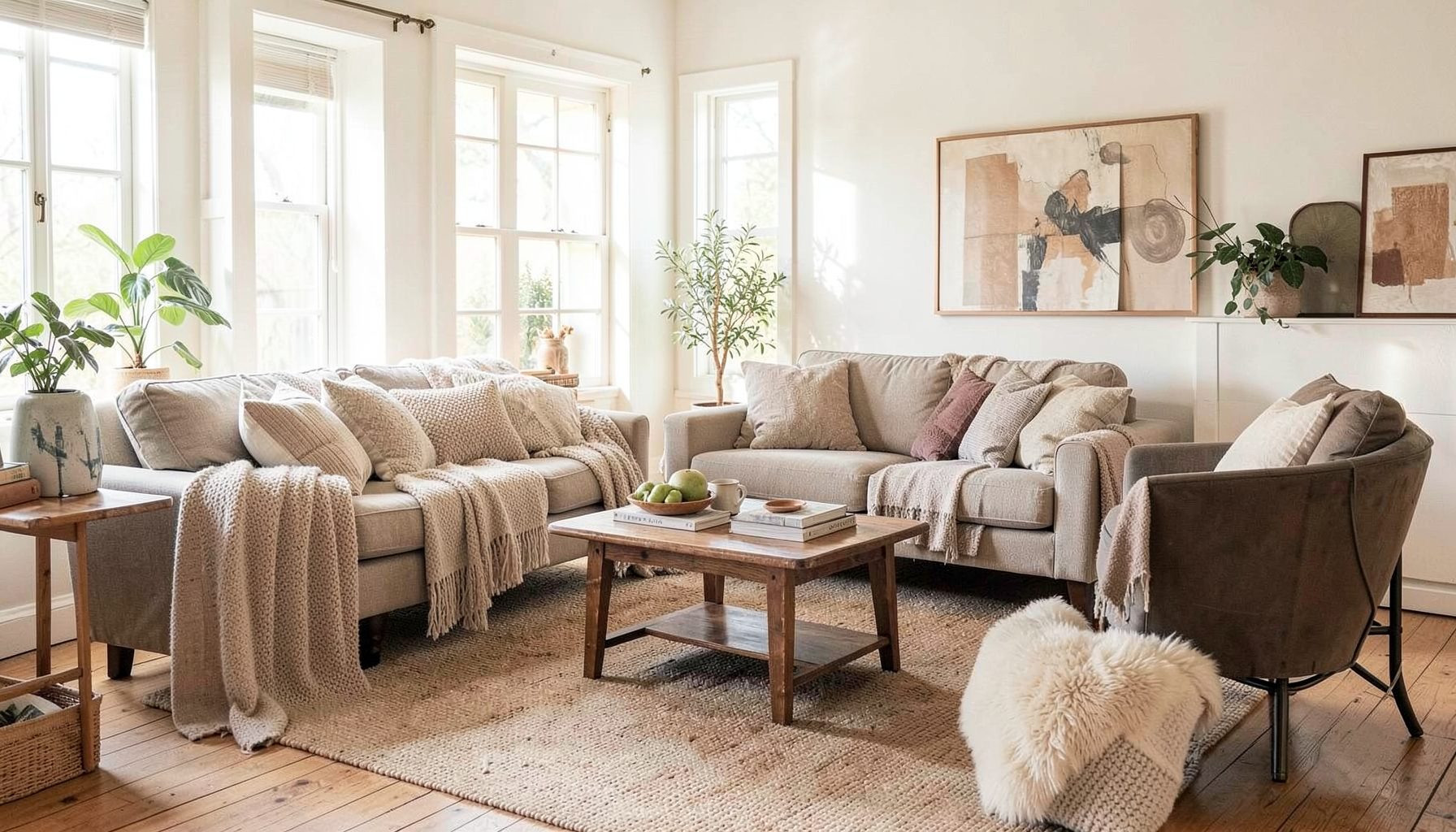
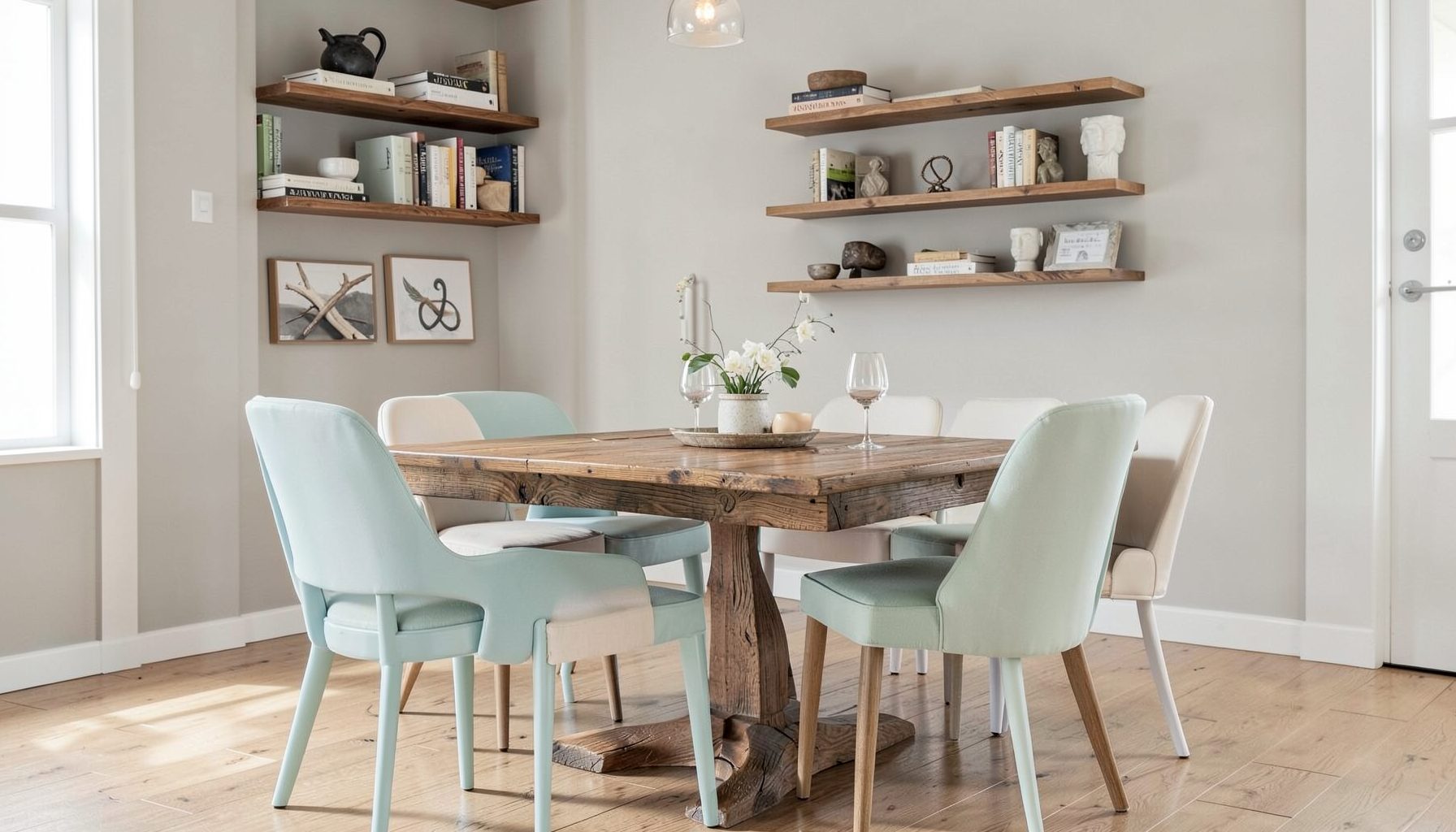
Full-service decorating that blends high and low, vintage finds with modern pieces for spaces that feel personal and collected.
Learn More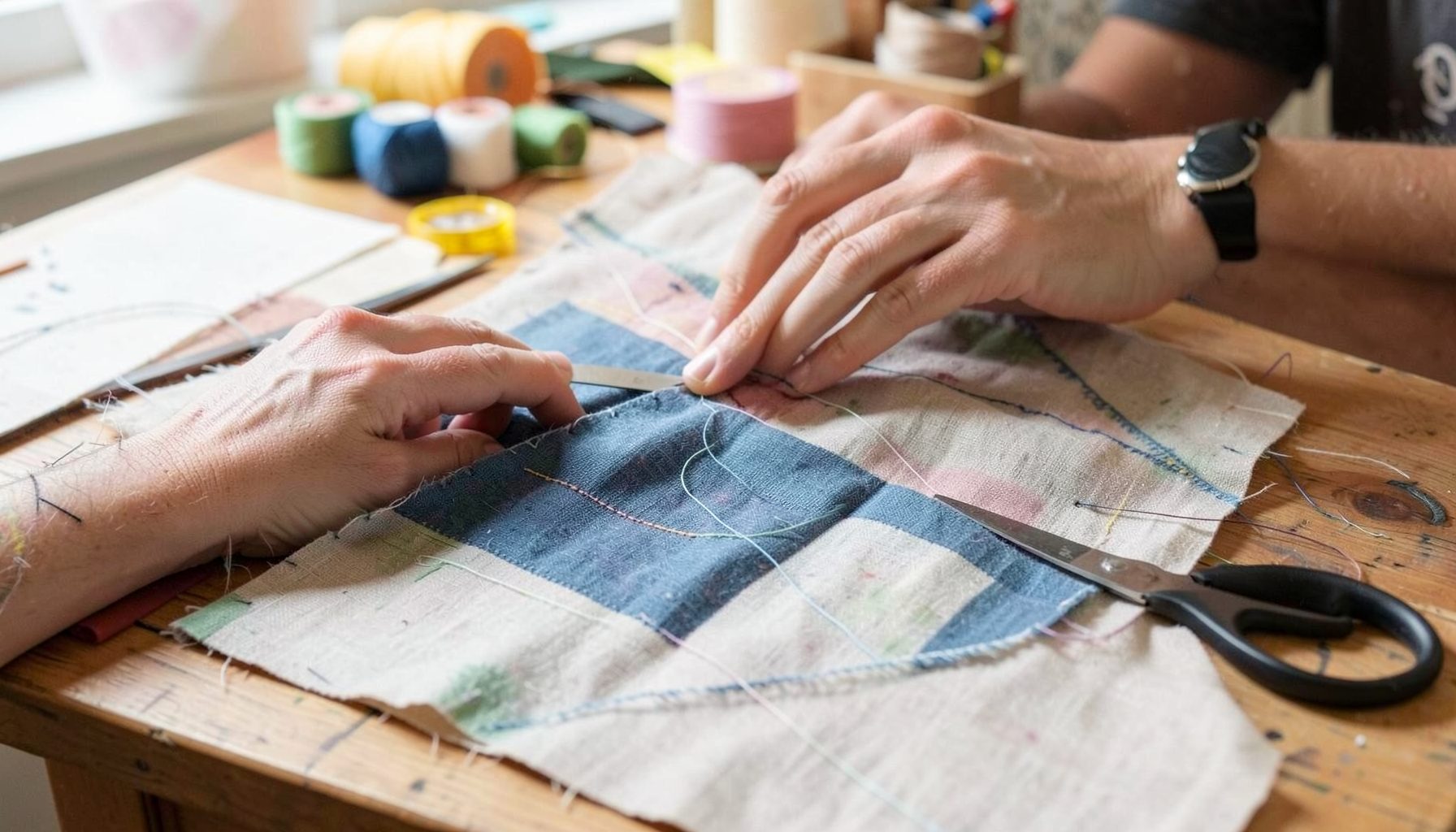
DIY Projects
Step-by-step tutorials for refinishing furniture, sewing pillows, styling bookshelves, and transforming rooms on a budget.
Learn More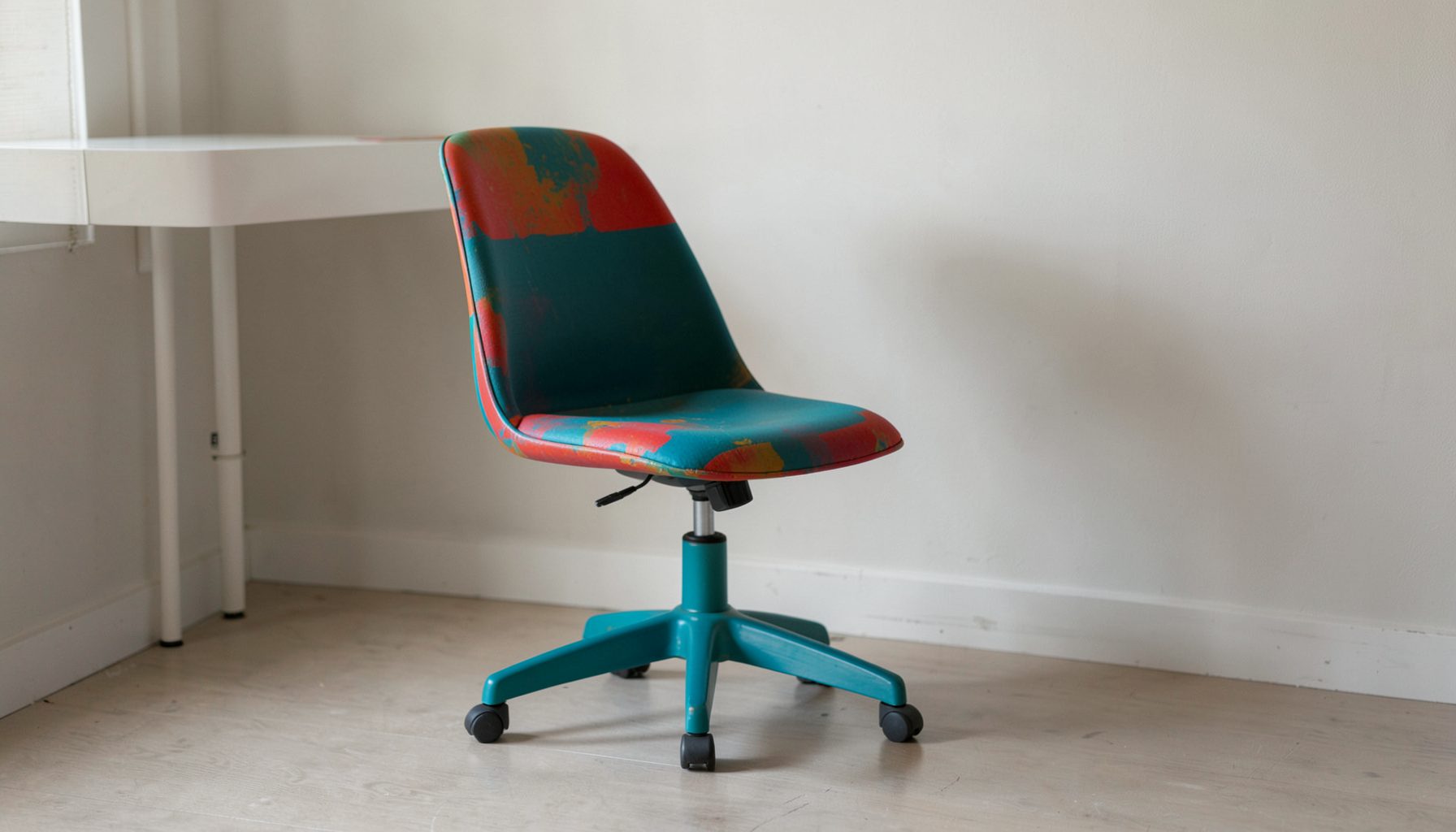
E-Decorating
Personalized design guidance delivered online — perfect for clients anywhere in the world who want a professional eye.
Learn More
Portfolio
Browse completed room makeovers, before-and-after transformations, and styling projects from Bay Area homes.
Learn More
Blog
Interior design inspiration, fashion finds, entertaining ideas, and peeks into real home renovations and styling projects.
Learn More
Downloads
Free curated resources for home decorating and design — guides, checklists, and inspiration to help you get started.
Learn MoreCrafting a stylish dressing corner with a freestanding mirror
A quiet corner of the bedroom often holds more potential than the rest of the room combined. In Australian homes where floor space tends to come at a premium, whether in a narrow Victorian terrace in Fitzroy, a high-set Queenslander in Brisbane, or a sleek apartment in Sydney's Surry Hills, turning an unused angle into a dedicated dressing area can transform the daily routine. A freestanding mirror acts as the anchor, defining the space without built-in cabinetry or permanent joinery.
Because it leans rather than mounts, a freestanding mirror suits renters, heritage properties with strict overlays, and homeowners who prefer not to drill into character walls. It also moves with you, which matters in a country where relocation between cities is part of life for many professionals. With the right mirror, a small dressing surface, and a few considered styling choices, any bedroom corner can become a calm spot to start the morning.
Choosing a freestanding mirror that suits Australian bedrooms
Freestanding mirrors come in several formats, and the right one depends on the proportions of the room. A traditional cheval mirror, with its twin posts and tilt mechanism, gives a full-length view and an old-world feel that pairs beautifully with the timber floorboards common in Australian homes. A full-length leaner rests against the wall at a slight angle and suits contemporary apartments where clean lines matter, while arched designs soften the geometry of a corner and pivot mirrors can be angled toward window light.
Scale matters as much as style. In terrace-lined suburbs such as Paddington, Balmain, or Carlton, bedrooms are modest in width, so a mirror wider than 55 centimetres tends to crowd the corner. In newer apartments around Melbourne's Docklands or Brisbane's South Bank, higher ceilings welcome a floor-to-ceiling leaner. Measure between skirting and any overhead shelf, and check the base depth so the mirror does not jut into walkways. Finish should respond to local climate too. Coastal humidity in the Northern Beaches or on the Gold Coast can cloud unprotected metal, so powder-coated steel, lacquered brass, or solid timber hold up best over years of use.
Mapping the corner for flow and function
Before buying, map the corner with painter's tape on the floor. Outline the mirror's footprint, the dressing surface, and a small stool, then walk the room the way you do each morning, toward the wardrobe, the bathroom, the kettle in a studio layout. If the dressing corner interrupts that path, it will frustrate you within a week. The best layouts keep the area visible from the bed yet tucked enough that the bedroom still feels restful.
Orientation of windows matters. North-facing bedrooms in Sydney, Perth, or Brisbane receive strong sun that can fade fabrics and overheat the corner. South-facing rooms in Melbourne are cooler and more diffused, which is kinder to skincare stored nearby. If the corner catches morning sun, choose a mirror with a UV-resistant backing or hang a sheer linen curtain to filter the harsh Australian glare. Heritage overlays in inner suburbs can also shape what is allowed on the walls. A freestanding mirror sidesteps council rules in places such as Haberfield, Fremantle, or Adelaide's inner east by leaning rather than fixing.
Lighting the nook for every hour
Lighting separates a dressing corner that feels like a cupboard from one that feels like a private salon. Natural light is the most flattering for checking outfits and makeup, but in many Australian bedrooms the corner furthest from the window can feel gloomy. Angle the freestanding mirror toward the brightest part of the room so it bounces light back into the nook. A pivot mirror is especially useful here because it adjusts through the day as the sun moves.
Once the sun sets, layer in artificial light. A wall sconce above the mirror, or a slim table lamp on the dressing surface, delivers task light without overwhelming the room. Choose bulbs in the 2700 to 3000 Kelvin range for a warm tone that flatters skin, and look for a Colour Rendering Index of 90 or above so colours read true. Australian retailers such as Beacon Lighting, Domayne, and Bunnings stock dimmable LED options that meet the energy efficiency requirements outlined in the National Construction Code for residential buildings, which simplifies the search for compliant fittings.
Furniture pairings for a collected look
The dressing surface sets the tone. A slim console with two drawers works in narrow bedrooms, while a small writing desk repurposed as a vanity adds character and matches the layered, collected look that suits Australian homes with their mix of architectural eras. Look for second-hand pieces at auction houses in Melbourne or Sydney, where estate sales often turn up solid timber tables that have aged beautifully. A coat of chalk paint in eucalyptus, putty, or chalk ties older pieces to newer mirrors without feeling matchy.
Local designers offer a strong alternative to flat-pack imports. Brands stocked through Temple & Webster, Sarah Ellison, or Jardan produce dressing tables with joinery that holds up to repeated use and finishes that suit the Australian palette of warm timbers, soft linens, and muted greens. If budget is tighter, IKEA Australia ranges such as MALM or ALEX can be customised with new handles, a stained surface, or a wallpapered drawer front to look far more bespoke. Anchor the corner with a comfortable seat. A small upholstered stool in a washable linen works for most wardrobes, while a slim bench tucks neatly beneath the table.
Smart storage for compact dressing corners
Storage is often the make-or-break of a dressing corner, particularly in newer apartments where bedroom wardrobes are shallow. Drawer dividers, small acrylic trays, and stackable boxes keep daily essentials visible and reachable. Local stores such as Kmart, Target, and Bunnings carry modular organisers that fit standard drawer sizes, saving the frustration of ill-fitting inserts. A shallow turntable on the dressing surface makes serums and perfumes easy to grab without knocking bottles over.
Above the area, a single floating shelf or a slim picture ledge holds the items you reach for most, including sunglasses, a daily watch, hand cream. In rentals, command strips or removable hooks rated for the wall material keep shelves secure without breaching lease agreements. The National Construction Code sets out requirements for fixing certain fixtures in new builds, but lightweight shelves used for personal items fall outside the strictest rules, so renters can install them with confidence if they remove them at the end of the tenancy. For bulkier items, a low basket in seagrass or felted wool stores out-of-season pieces while adding texture.
Finishing touches that feel personal
The final layer transforms a functional corner into a personal retreat. A rug underfoot softens the space and warms bare feet on cool mornings, particularly in homes with polished concrete or tile floors common in contemporary Australian builds. Australian wool rugs, whether sourced from specialist weavers in Sydney and Melbourne or from broader retailers, perform well because wool regulates temperature and resists crushing under a stool or chair.
Art and objects give the corner personality. A small framed print, a vintage hand mirror hung on the adjacent wall, or a single branch in a tall vessel pulls the eye upward and balances the visual weight of the freestanding mirror. Live plants such as peace lilies, ZZ plants, and pothos thrive in the lower light typical of interior bedroom walls. A small ceramic dish for rings and earrings keeps everyday pieces from migrating around the room and adds another layer of texture.
Stand back and look at the corner as a single vignette rather than a collection of separate objects. The mirror, table, stool, lamp, and accessories should read together, with the freestanding mirror as the focal point. Adjust the lamp height, swap a cushion on the stool, or change the artwork seasonally until the corner feels settled and reflects your taste.
Start with one decision: measure the bedroom corner, then choose a freestanding mirror that fits the height and width available. Once that anchor piece is in place, the dressing surface, lighting, and accessories can be added over a single weekend.

Recent Projects