Interior Design
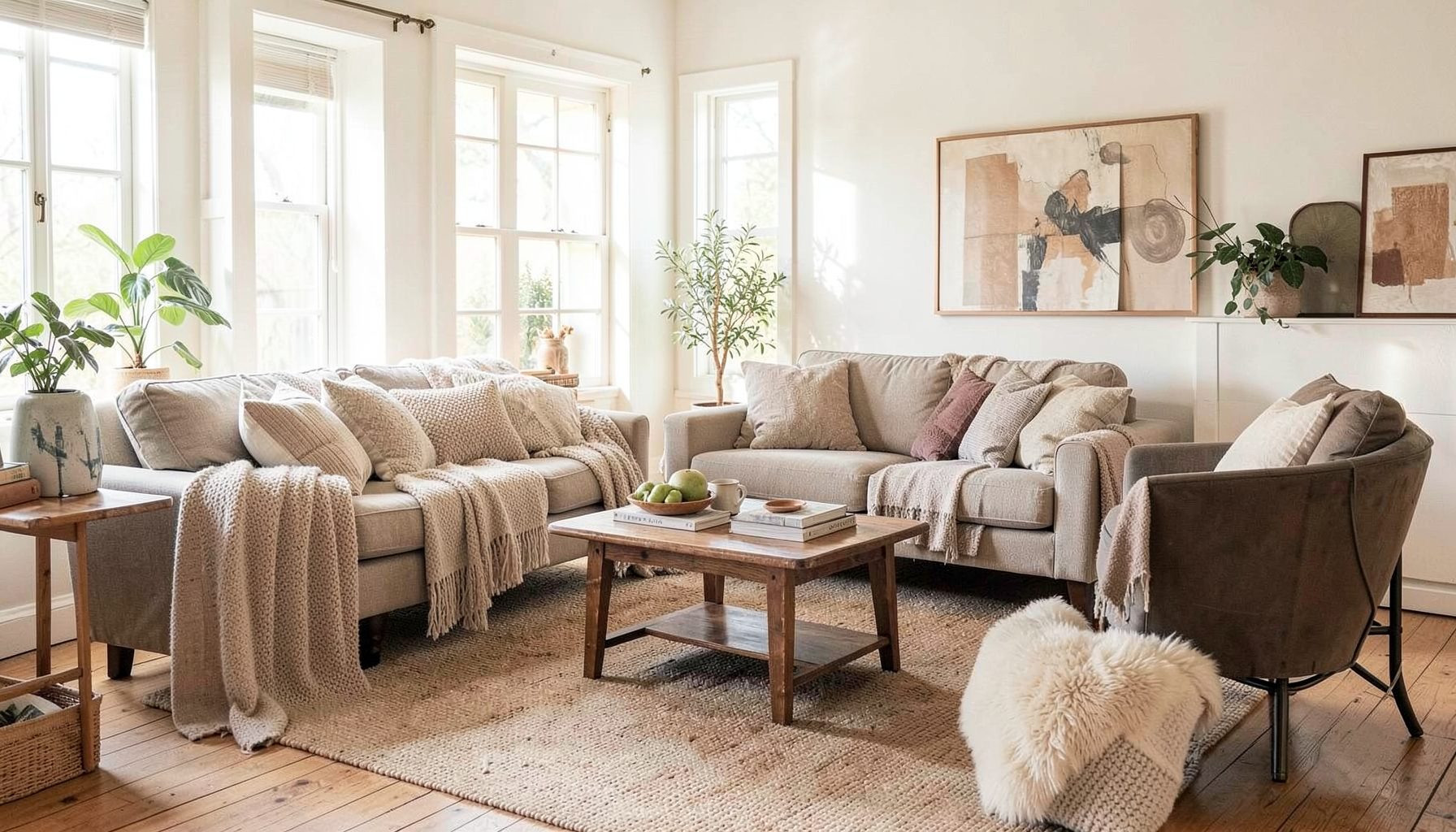
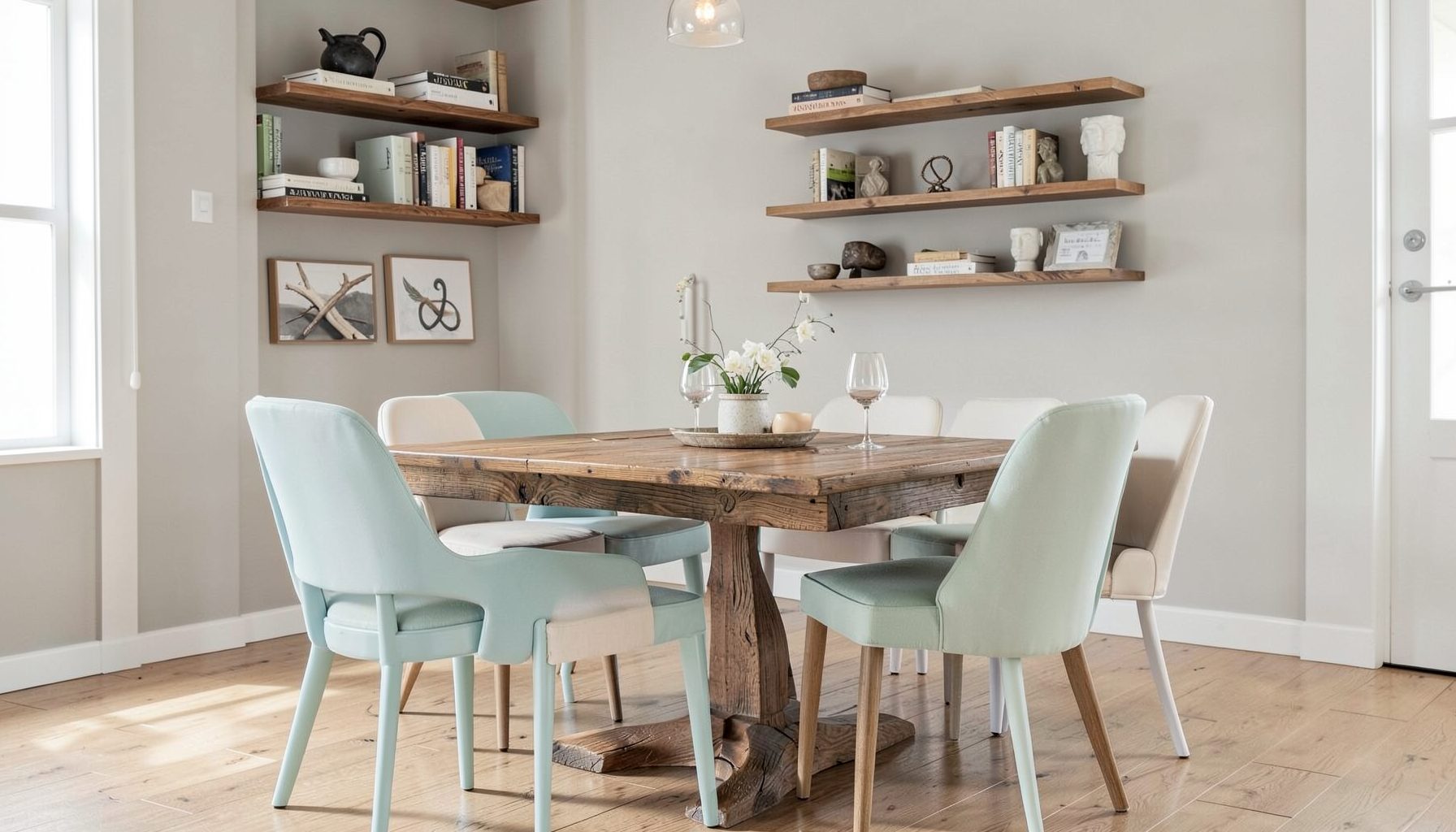
Full-service decorating that blends high and low, vintage finds with modern pieces for spaces that feel personal and collected.
Learn More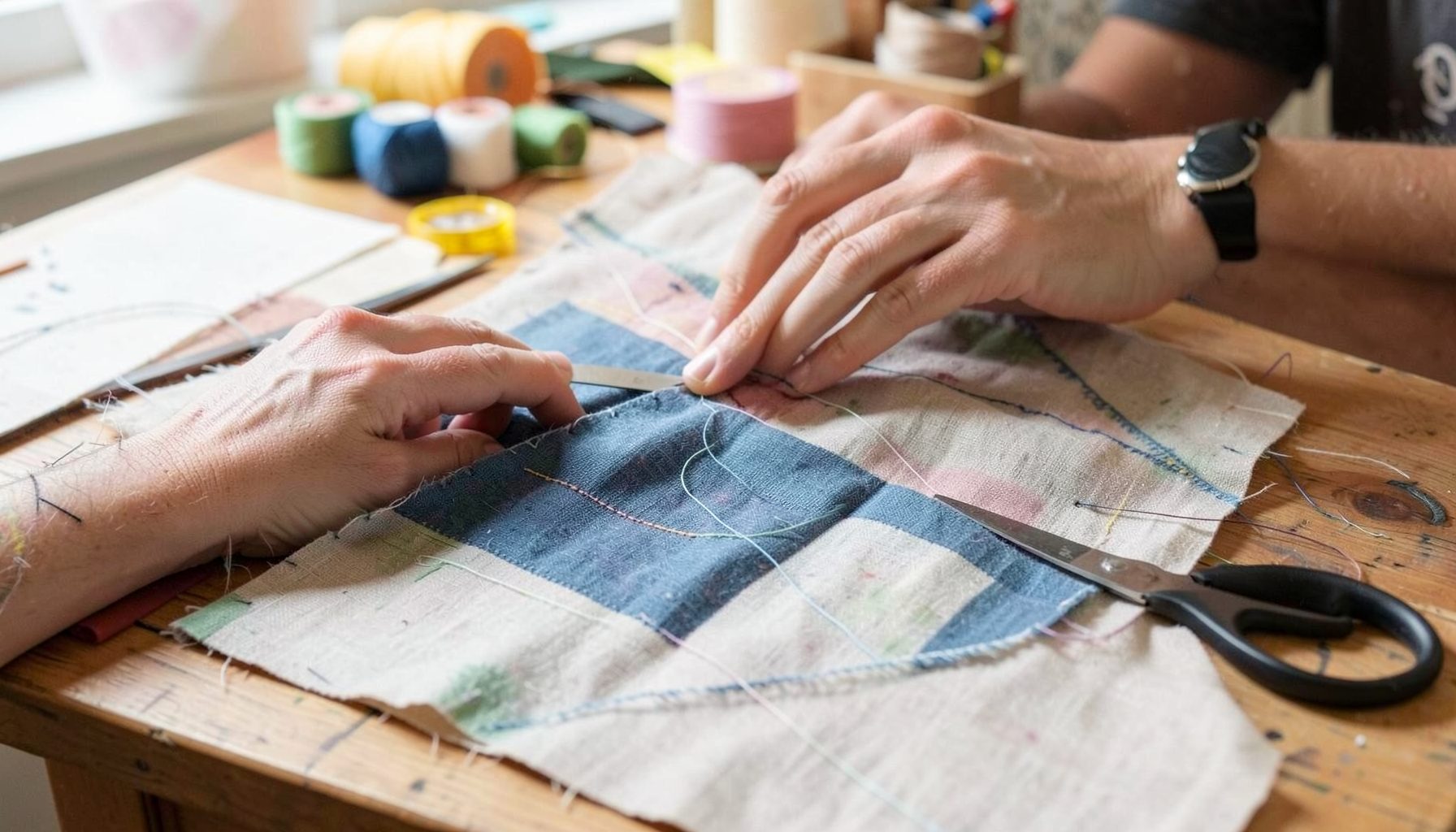
DIY Projects
Step-by-step tutorials for refinishing furniture, sewing pillows, styling bookshelves, and transforming rooms on a budget.
Learn More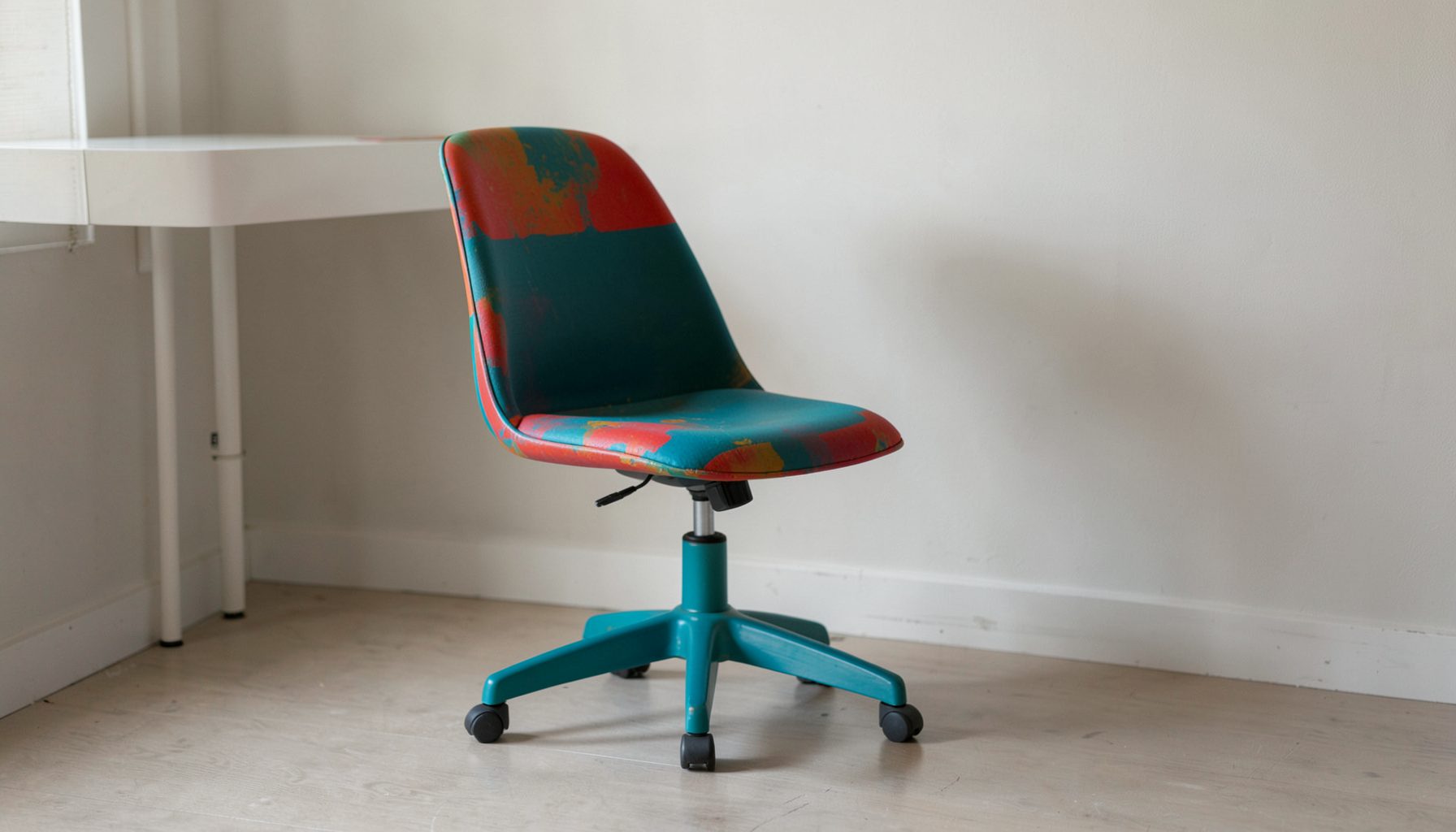
E-Decorating
Personalized design guidance delivered online — perfect for clients anywhere in the world who want a professional eye.
Learn More
Portfolio
Browse completed room makeovers, before-and-after transformations, and styling projects from Bay Area homes.
Learn More
Blog
Interior design inspiration, fashion finds, entertaining ideas, and peeks into real home renovations and styling projects.
Learn More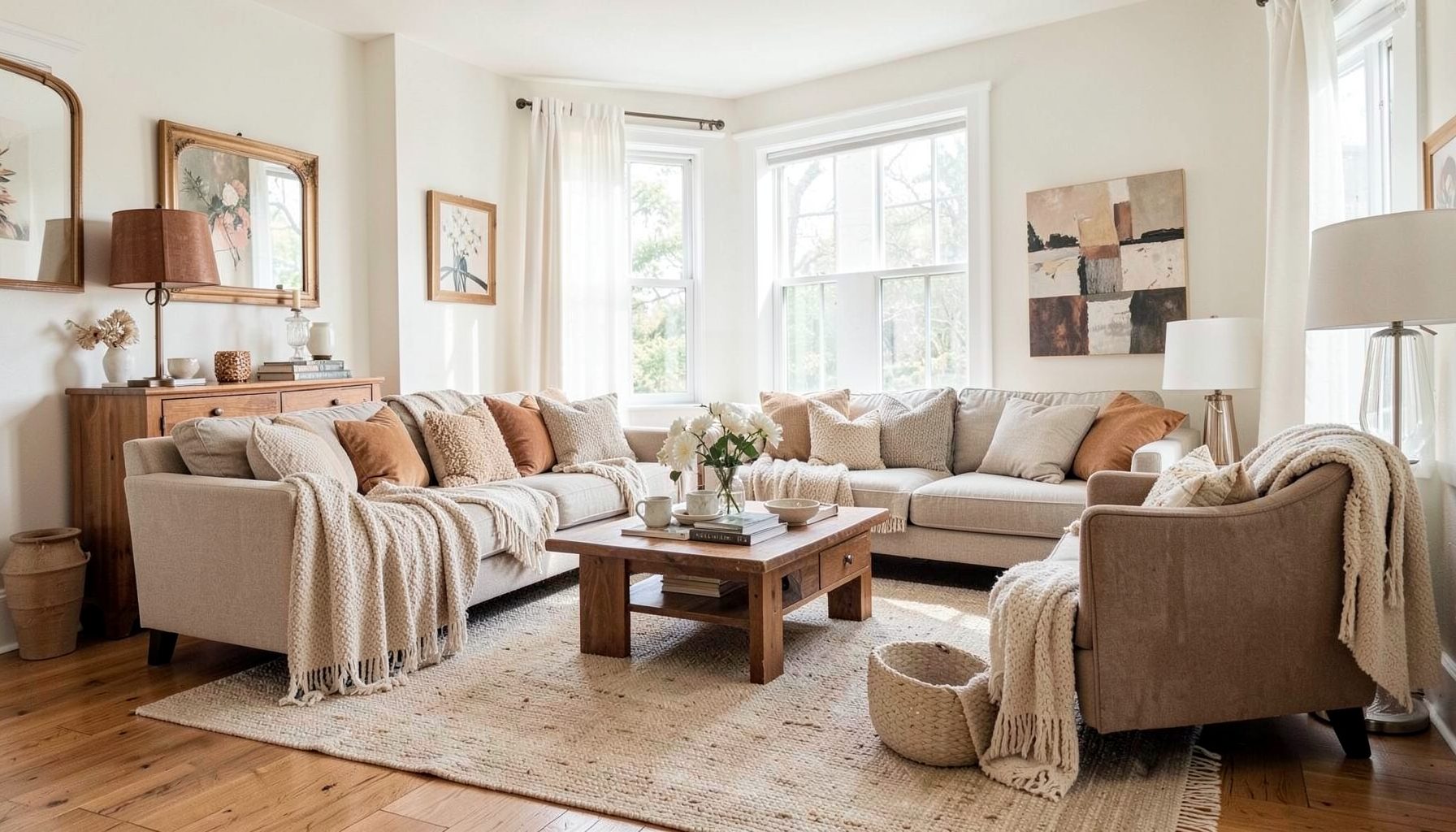
Downloads
Free curated resources for home decorating and design — guides, checklists, and inspiration to help you get started.
Learn MoreA Cosy Reading Retreat for Any Bedroom Corner
An unused bedroom corner can become one of the most inviting places in your home with a comfortable chair, thoughtful lighting and a few personal details. It does not need to be large, expensive or perfectly symmetrical. The best reading spaces feel gathered over time, with practical pieces softened by textiles, books and objects that reflect the person who uses them.
For Australian homes, the design needs to respond to real conditions: strong afternoon sun, warm summers, compact apartments and the relaxed habit of moving between indoor and outdoor spaces. Whether you live in a terrace in inner Sydney, a Melbourne apartment, a Brisbane townhouse or a suburban home in Adelaide, a neglected corner can be shaped into a calm spot for a morning coffee, an audiobook or a few quiet pages before bed.
Begin With the Corner’s Natural Potential
Start by observing how the space behaves throughout the day. Notice where sunlight falls in the morning and late afternoon, whether the corner becomes draughty in winter, and how close it is to the bedroom door, wardrobe or windows. A reading nook should feel tucked away without becoming awkward to reach. Leave enough clearance for drawers and cupboard doors to open fully, and keep the path around the bed comfortable.
Natural light is useful, though direct Australian sun can fade upholstery, timber and book covers surprisingly quickly. A sheer curtain, roller blind or adjustable window covering can filter the harshest rays while keeping the area bright. In north-facing rooms, particularly in Sydney, Canberra and Melbourne, positioning the chair slightly away from the glass can help prevent glare and overheating. A corner near a window is lovely, but a shaded wall can be equally successful when the lighting is designed well.
Use painter’s tape to mark the footprint of a chair, side table and footstool before buying anything. This simple test reveals whether the arrangement feels generous or cramped. A reading area often needs less floor space than expected, but it does need visual breathing room. If the corner is narrow, choose a compact armchair with exposed legs rather than a deep, boxy recliner. A small round table can provide the same usefulness as a larger rectangular one without making the room feel blocked.
Choose Seating That Invites You to Stay
The chair is the centre of the reading retreat, so comfort should guide its shape and scale. Look for supportive arms, a back height that allows you to rest your head occasionally and a seat that is deep enough to relax without forcing you to curl forward. A firm cushion is usually easier for reading than a very soft sofa cushion, which can cause your posture to collapse.
A vintage armchair can bring character to a bedroom, especially when paired with a newly upholstered seat or a textured throw. Australian vintage markets and second-hand furniture shops often have timber-framed chairs, cane pieces and compact occasional seating that work beautifully in smaller rooms. Check the frame for movement, inspect the fabric for odours or pests, and calculate reupholstery costs before committing. A well-priced chair is only a bargain if it can be made sound and comfortable.
Layer the seating with materials suited to your climate. Linen, cotton and lightweight wool are breathable choices for warmer regions, while a wool throw adds welcome texture during cooler evenings in Tasmania or Victoria. In Queensland and northern New South Wales, a washable cotton cover may be more practical than a heavy velvet cushion. A lumbar cushion can support the lower back without overcrowding the chair, and a small footstool makes the nook feel more complete.
Build a Useful Lighting Scheme
Reading comfortably requires focused light at the page, not simply a decorative glow across the room. A floor lamp with an adjustable arm is often the easiest solution because it can stand behind or beside the chair without taking up table space. Aim the light over your shoulder so your hand does not cast a shadow across the book. A shade that conceals the bulb from direct view will make the nook feel softer and reduce eye strain.
A wall-mounted sconce can be elegant in a permanent home, particularly when the corner is too tight for a floor lamp. However, hardwired electrical work should be completed by a licensed electrician in Australia, and the installation must meet applicable electrical safety requirements. Renters may prefer a plug-in wall light, rechargeable lamp or slim floor lamp that can move with them. Check the position of the nearest power point before choosing a design, since Australian bedrooms may have limited outlets around older walls.
Combine task lighting with a warm ambient source elsewhere in the room. A bedside lamp, dimmable ceiling fitting or concealed LED strip can prevent the reading light from feeling harsh against a dark bedroom. Select warm white bulbs, generally around 2700K to 3000K, for a restful evening atmosphere. For early risers, a directional lamp with a warmer setting is useful when reading before the rest of the household wakes.
The light fixture can become part of the room’s character. A pleated shade, aged brass stem or ceramic base adds a collected quality, while a simple black lamp suits a contemporary bedroom. The layered room examples show how lighting, textiles and furniture can work together without making every element match.
Add Texture, Storage and Personal Layers
A reading nook feels finished when it supports the small rituals around reading. Place a side table within easy reach for a cup of tea, glasses, a phone or a candle. The surface does not need to be large; a narrow pedestal, timber stool or small nesting table may be enough. Protect delicate finishes with a coaster, and avoid placing liquids directly beside books or electrical equipment.
Storage can be decorative as well as useful. A low basket can hold current magazines and blankets, while a slim bookshelf makes a strong vertical feature in an otherwise empty corner. If space is limited, use a single floating shelf for a rotating selection of books and one or two objects. Keep the display edited so the nook feels restful rather than becoming another place for clutter to accumulate.
Textiles bring warmth and help define the nook visually. A small rug underneath the chair and table gives the area its own zone, particularly in an open bedroom with timber or tiled flooring. Choose a rug large enough for at least the front legs of the chair to sit on. In rental properties, a loose rug is an easy way to add softness without attaching anything to the wall or floor.
The finishing pieces should tell a story about the room’s occupant. Add a framed print, a handmade vessel, a stack of well-loved novels or a branch in a simple vase. Mixing a contemporary lamp with a vintage table and a budget-friendly cushion creates more depth than purchasing a matching suite. The goal is an edited collection of useful and meaningful things, rather than a staged corner that cannot tolerate everyday life.
Make It Work for Your Home and Routine
The most successful nook fits naturally into the way you already use your bedroom. If you read before sleep, position it near the bed but outside the path to the wardrobe. If you enjoy weekend coffee and newspapers, make room for a stable table and a tray. For people who listen to audiobooks, the chair may need less intense task lighting and more emphasis on comfort, a charging point and a soft place to rest your feet.
Consider heat, cooling and airflow before finalising the arrangement. In many Australian homes, a ceiling fan or split-system unit affects where furniture can sit. Avoid placing a chair directly beneath a strong air-conditioning stream, and keep curtains clear of heaters. In warmer cities such as Brisbane and Perth, breathable fabrics and a shaded position may matter more than a thick layered look. In cooler areas, a draught stopper and a textured rug can make a corner feel inviting through winter.
If you rent, keep modifications reversible. Australian tenancy rules vary by state and territory, but tenants commonly need the landlord’s written consent for fixtures, significant alterations or changes that affect the property. A freestanding bookcase, plug-in lamp and removable hooks are generally easier to manage than built-in shelves or hardwired lighting. Always check your agreement and the relevant state tenancy authority before drilling, painting or changing electrical fittings.
Safety should remain part of the styling process. Anchor tall shelving to the wall where appropriate, keep cords secured and do not overload power boards. In homes with children or pets, choose stable tables, avoid sharp corners and place small objects out of reach. A reading corner should feel effortless, which means the practical details need to disappear into the arrangement rather than create hazards.
A modest budget can still produce a layered result. Start with the chair, then add lighting, a rug and one useful surface in that order. Search local vintage stores, community markets and Australian online furniture retailers for pieces with good proportions. Spend more on the item that carries the most physical use, and save on accessories that can be changed as your taste develops. Paint, a cushion cover or a second-hand lamp can shift the mood without requiring a full bedroom makeover.
A bedroom corner does not need a grand transformation to become valuable. A supportive seat, well-placed light, soft rug and small table can create a private pause within an ordinary room. Let the materials echo the rest of the home, but allow the nook to have its own quieter personality through colour, pattern and collected objects.
The details that matter most are the ones that make the space easy to use: a book within reach, a lamp that does not glare, a blanket for cool evenings and enough clear floor to move around comfortably. Remember that a cosy reading nook succeeds when it feels like a natural part of your daily life, shaped around comfort, light and the personal things you love to return to.

Recent Projects