Interior Design
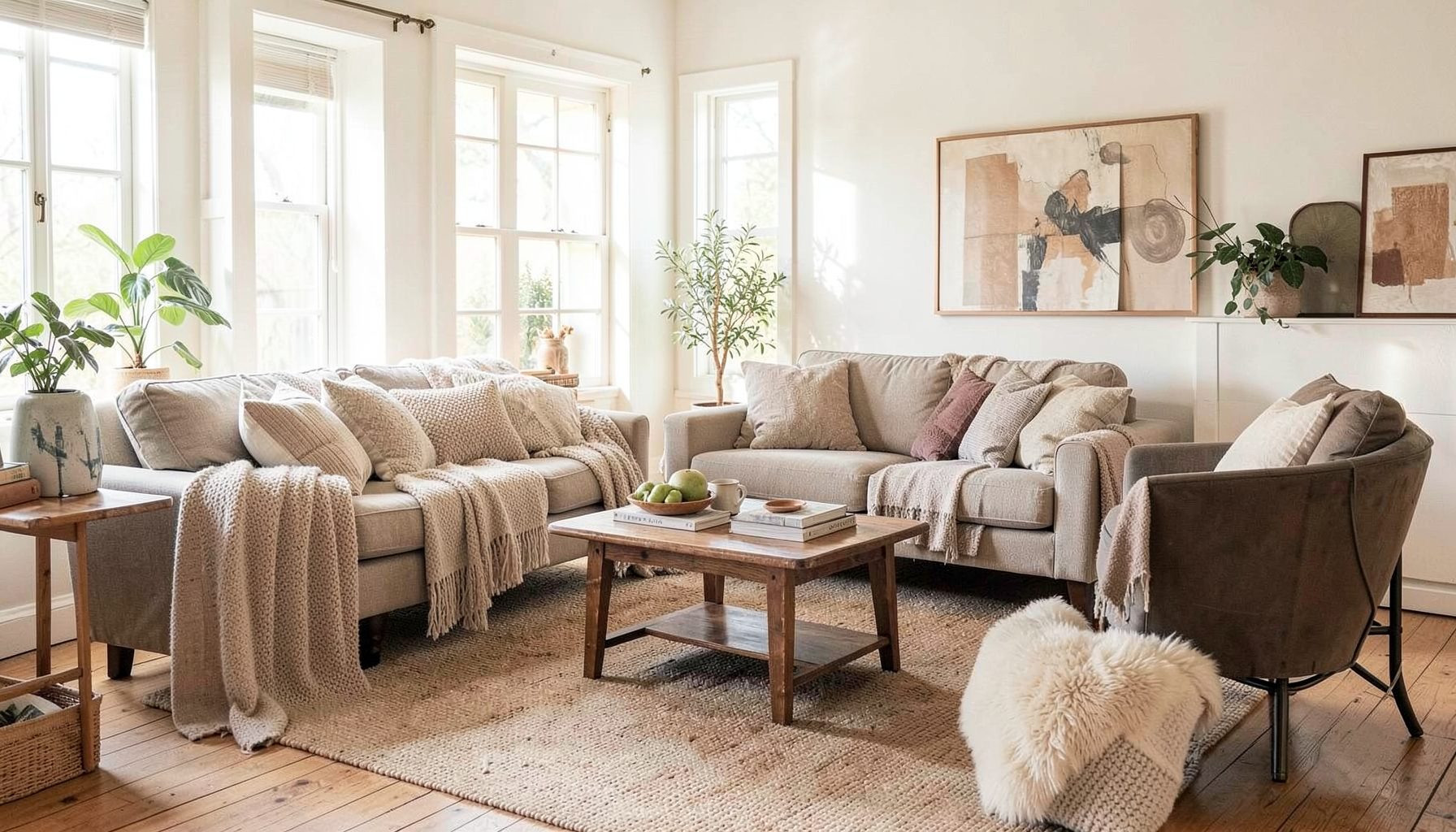
Full-service decorating that blends high and low, vintage finds with modern pieces for spaces that feel personal and collected.
Learn More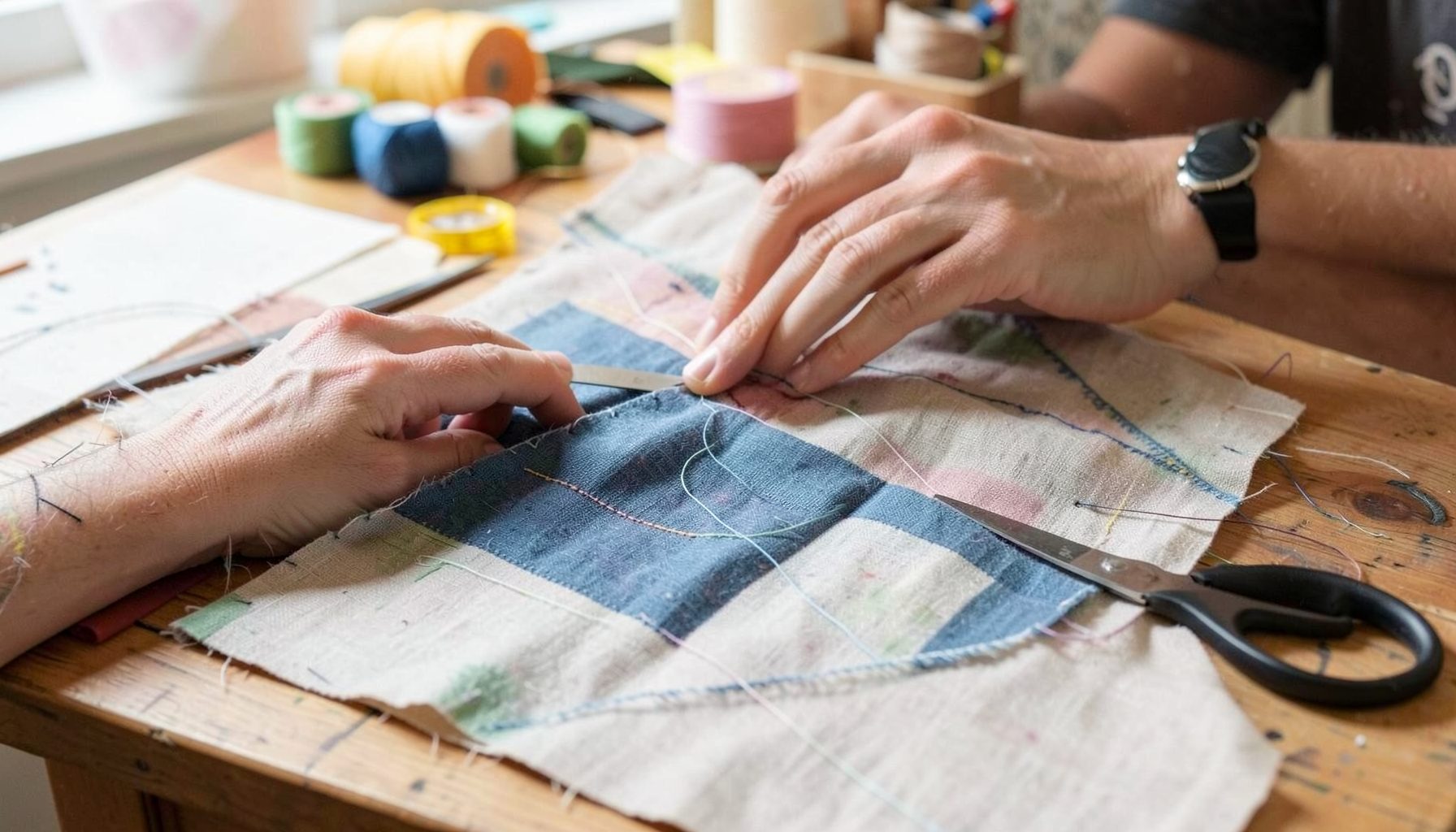
DIY Projects
Step-by-step tutorials for refinishing furniture, sewing pillows, styling bookshelves, and transforming rooms on a budget.
Learn More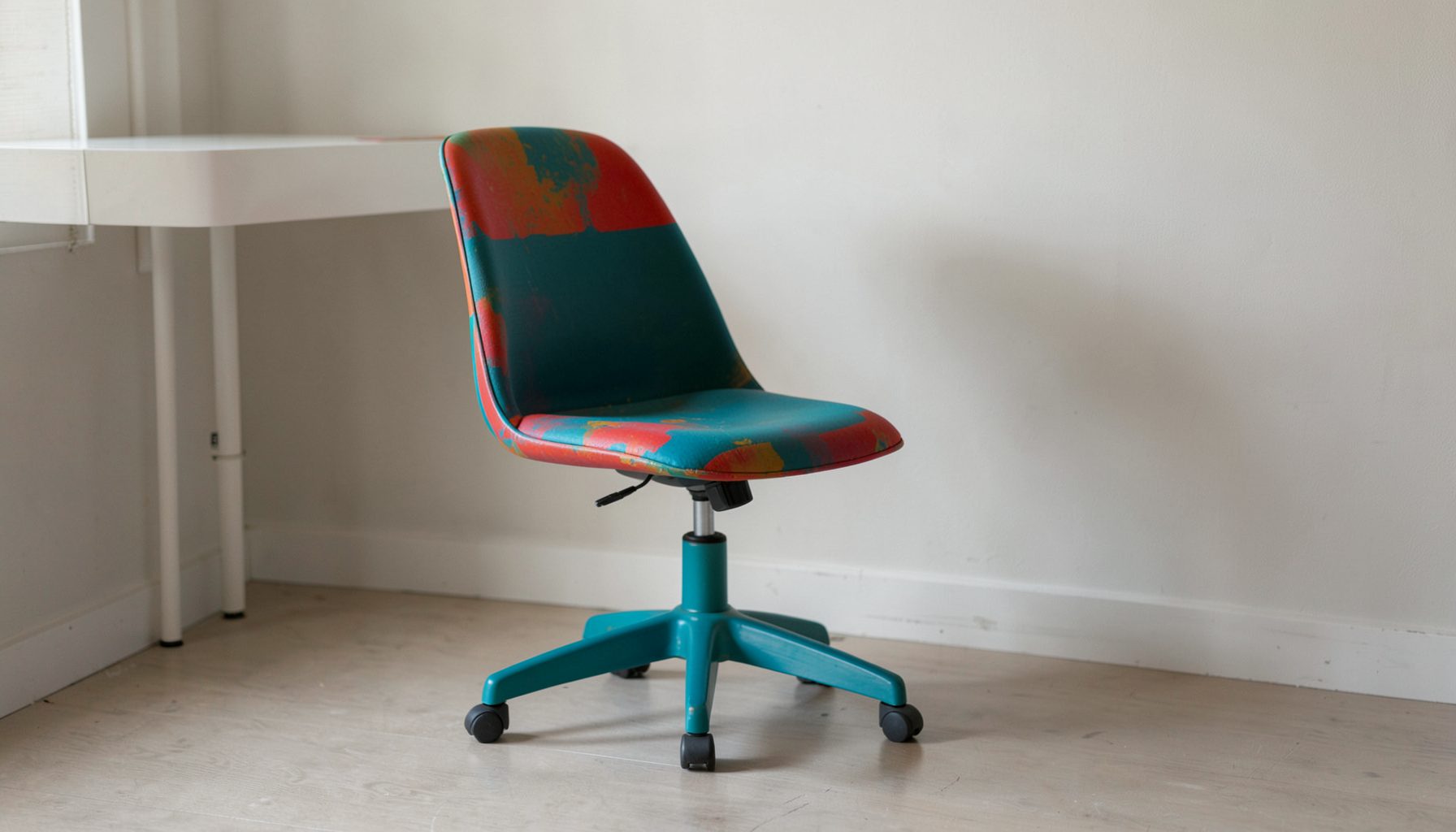
E-Decorating
Personalized design guidance delivered online — perfect for clients anywhere in the world who want a professional eye.
Learn More
Portfolio
Browse completed room makeovers, before-and-after transformations, and styling projects from Bay Area homes.
Learn More
Blog
Interior design inspiration, fashion finds, entertaining ideas, and peeks into real home renovations and styling projects.
Learn More
Downloads
Free curated resources for home decorating and design — guides, checklists, and inspiration to help you get started.
Learn MoreCreating a Cozy Reading Nook with Vintage and New Finds
A reading nook can transform an overlooked corner into one of the most inviting places in your home. It does not require a large footprint or a complete renovation. With the right chair, warm lighting, useful storage, and a few personal details, even a narrow landing, bedroom corner, or living room alcove can become a comfortable retreat.
The most memorable reading spaces often combine old and new pieces. A vintage side table may sit beside a contemporary lounge chair, while a new lamp illuminates a stack of well-loved books. This layered approach gives the nook character without making it feel overly themed or carefully matched.
For Bay Area homes, where square footage and architectural styles vary widely, flexibility matters. A reading corner should work within the proportions of the room, support everyday use, and reflect the person who will spend time there. The goal is a collected space that feels relaxed, personal, and beautifully lived in.
Start With The Feeling You Want
Before shopping, consider how the nook should feel when you settle into it. Some readers prefer a quiet, softly lit corner with deep colors, woven textures, and an enveloping chair. Others may want an airy spot with linen, pale wood, botanical prints, and plenty of daylight. Defining the mood first keeps individual purchases from feeling disconnected.
Look at the surrounding room as well. A reading nook can blend into an existing design scheme or provide a small moment of contrast. In a neutral living room, a moss-green chair or patterned vintage rug can add depth. In a colorful bedroom, a simple wood stool and cream-colored upholstery may create visual relief.
Comfort should guide every decision. Measure the available area, including clearance for a footstool, a small table, and a floor lamp. Check that the chair allows enough space to recline without blocking a walkway, door, drawer, or window. A beautiful nook that is difficult to access will quickly become decorative rather than useful.
Balance Vintage Character With New Comfort
Vintage pieces bring warmth, history, and variation to a reading corner. A small antique table, cane chair, old framed print, or faded rug can make the space feel collected over time. Look for signs of quality such as solid wood, pleasing proportions, hand-finished details, and materials that will age gracefully.
New furnishings can provide the comfort and reliability that older pieces may lack. A contemporary reading chair often offers better support, while a new floor lamp can provide adjustable light and safer wiring. Modern textiles are also useful for adding softness without worrying about delicate or heavily worn fabrics.
The most successful combination usually gives each item a clear role. Let the vintage piece supply personality and patina, while the new piece handles daily performance. For example, pair a newly upholstered armchair with a vintage pedestal table, or place a modern boucle ottoman over an old kilim rug. The contrast creates interest without requiring every object to share the same era.
Scale is more important than age. A small vintage table may look charming beside a compact chair but disappear next to an oversized sectional. Similarly, a delicate antique lamp can feel lost in a large corner. Compare the height, visual weight, and footprint of each item before bringing it home.
Build The Nook Around A Comfortable Seat
The chair is the anchor of the reading area, so choose it with the same care you would give a sofa. Test the seat depth, back angle, arm height, and cushion firmness. A chair that looks elegant but leaves your feet dangling or pushes your shoulders forward will not support long reading sessions.
A vintage chair can work beautifully when its structure is sound and its upholstery is in good condition. If the fabric feels dated but the frame is strong, professional reupholstery can give it a fresh life. A classic slipper chair, club chair, wingback, or bentwood armchair can each create a different mood while preserving the room’s collected quality.
Add a footstool or ottoman when space allows. It can improve comfort, provide an extra surface for a tray, and introduce another texture. A leather ottoman adds richness, while a woven pouf feels casual and relaxed. For a smaller nook, choose a lightweight stool that can be moved when the area needs to serve another purpose.
A cushion or throw should add support rather than clutter. A lumbar pillow can improve posture, and a soft wool or cotton throw makes the chair feel ready for use. Select patterns that relate to existing colors in the room, but avoid matching every fabric exactly. Repeated tones and varied patterns tend to feel more natural.
Layer Light, Texture, And Useful Surfaces
Good lighting makes a reading nook practical at different times of day. Natural light is helpful, but direct glare can make reading uncomfortable. Position the chair near a window while turning it slightly away from harsh sunlight. Sheer curtains, woven shades, or adjustable blinds can soften the light and protect vintage textiles from fading.
A floor lamp is often the most versatile choice because it does not require a large table. Look for a shade that directs light toward the page and a switch that is easy to reach from the chair. A swing-arm lamp, pharmacy-style fixture, or sculptural contemporary light can complement vintage furnishings without making the corner feel old-fashioned.
A side table should hold the essentials: a book, a cup, reading glasses, and perhaps a small vase. Its surface does not need to be large, but it should be stable and close enough to reach without leaning. A vintage nightstand, nesting table, plant stand, or small drink table can work well when its height suits the chair.
| Element | Vintage Option | New Find | Design Consideration |
|---|---|---|---|
| Seating | Refinished armchair or bentwood chair | Upholstered lounge chair | Prioritize posture, depth, and daily comfort |
| Side Table | Antique pedestal or wooden stool | Compact metal or oak table | Keep the surface within easy reach |
| Lighting | Rewired ceramic lamp | Adjustable floor or task lamp | Direct light toward the page without glare |
| Textile | Faded kilim or Persian-style rug | Wool, cotton, or washable runner | Use pattern to add warmth and define the area |
| Storage | Small barrister shelf or trunk | Modular bookcase or basket | Choose storage that fits the available footprint |
| Accessories | Framed art, brass object, old books | New vase, tray, or candleholder | Mix finishes while repeating one or two colors |
Texture helps a small nook feel rich without adding visual clutter. Combine smooth painted wood with nubby upholstery, woven fibers, aged metal, or soft linen. A rug can visually anchor the chair and make the corner feel separate from the rest of the room, especially in an open-plan home.
Add Books And Personal Details
Books are the natural decorative layer in a reading space, but they should remain accessible. A narrow bookcase, wall-mounted shelves, or a small stack beside the chair can provide storage without overwhelming the corner. Arrange books by subject, size, or color according to what feels intuitive rather than forcing a showroom-like display.
A vintage trunk can serve as both storage and a side table. Baskets are useful for magazines, blankets, and unfinished projects. If the nook is in a bedroom or office, a low cabinet may hide clutter while providing space for journals, chargers, and extra reading glasses.
Personal objects give the space its identity. Consider a framed family photograph, a small landscape painting, a ceramic vessel from a local maker, or a keepsake collected during travel. One meaningful item usually has more impact than a group of generic accessories. The nook should suggest the habits and interests of the person who uses it.
Plants can soften the lines of a chair and add life near a window. Choose varieties suited to the available light, such as a snake plant for lower light or a fern for a brighter, more humid setting. Keep plant care realistic; a reading retreat should feel restful, not like another demanding household project.
Shop With A Clear Decorating Strategy
Vintage shopping is most successful when you know the measurements and the specific role an item needs to fill. Keep a note on your phone with the nook’s width, depth, chair height, table height, and doorway dimensions. Photograph the surrounding room so you can compare colors and proportions while browsing flea markets, antique stores, estate sales, and local resale shops.
A little wear can contribute to the character of a collected interior, but inspect every item carefully. Check chairs for wobbling, tables for water damage, lamps for unsafe wiring, and rugs for odors or fragile areas. Upholstered vintage furniture may require additional cleaning or professional treatment before it enters your home.
Use new pieces strategically rather than replacing everything at once. A new insert can refresh a vintage pillow cover, a custom shade can update an older lamp base, and a modern rug pad can make an heirloom rug safer underfoot. Small improvements can make secondhand finds feel comfortable and intentional.
Keep a short list of priorities while shopping:
- Choose the chair before buying decorative accessories.
- Measure every vintage piece, including its height and clearance.
- Select one dominant color and two supporting tones for cohesion.
- Mix smooth, rough, soft, and reflective textures.
- Buy only items that serve a practical purpose or hold genuine meaning.
This approach leaves room for discovery while preventing impulse purchases from taking over the corner. A reading nook should feel gathered gradually, with enough breathing space around each object to appreciate its shape.
Make The Corner Work In Any Home
In a small apartment, a reading nook can occupy a section of the living room without needing a dedicated room. Use a compact chair, a narrow table, and a wall sconce or plug-in picture light. A rug smaller than the seating area can still define the corner, while a nearby bookcase creates a visual boundary.
In a larger home, the reading area can become a stronger architectural moment. Place it beside a fireplace, under a staircase, near a bay window, or at the end of a hallway. A pair of chairs can create a shared reading and conversation area, while a substantial vintage rug gives the arrangement enough presence.
For a San Jose or San Francisco home with distinctive architectural details, let the building guide the palette. Wood trim, original windows, plaster walls, or exposed beams can provide a natural foundation for vintage accents. New furnishings should support those details rather than compete with them.
Flexibility is especially valuable in multi-use rooms. Choose a lightweight side table, a movable ottoman, or a chair that can face the room when guests arrive. The best nook can shift between quiet reading, morning coffee, work breaks, and evening conversation without losing its sense of comfort.
Let The Space Evolve Naturally
A cozy reading corner rarely feels finished after a single shopping trip. Start with the chair, light, and surface you need most, then live with the arrangement for a while. You may discover that a plant belongs beside the window, that the lamp needs to move closer, or that a different pillow provides better support.
Over time, add pieces that deepen the story of the room. A handmade ceramic mug, a framed book illustration, an inherited quilt, or a small object found while traveling can make the nook increasingly personal. These details create the layered, collected feeling that mass-produced sets cannot provide.
The right mix of vintage and new finds should feel comfortable rather than precious. Allow a little asymmetry, visible texture, and evidence of use. When the lighting is warm, the seat is inviting, and the surrounding objects have meaning, the nook becomes more than a styled corner—it becomes a place you naturally return to.
Maggie Rose Interiors can help shape that feeling into a thoughtful, functional space. Whether you need guidance for one room, an online decorating plan, or full-service interior design in San Jose, San Francisco, or beyond, explore the portfolio and decorating resources to begin creating a home with warmth, character, and your own unmistakable point of view.

Recent Projects