Interior Design
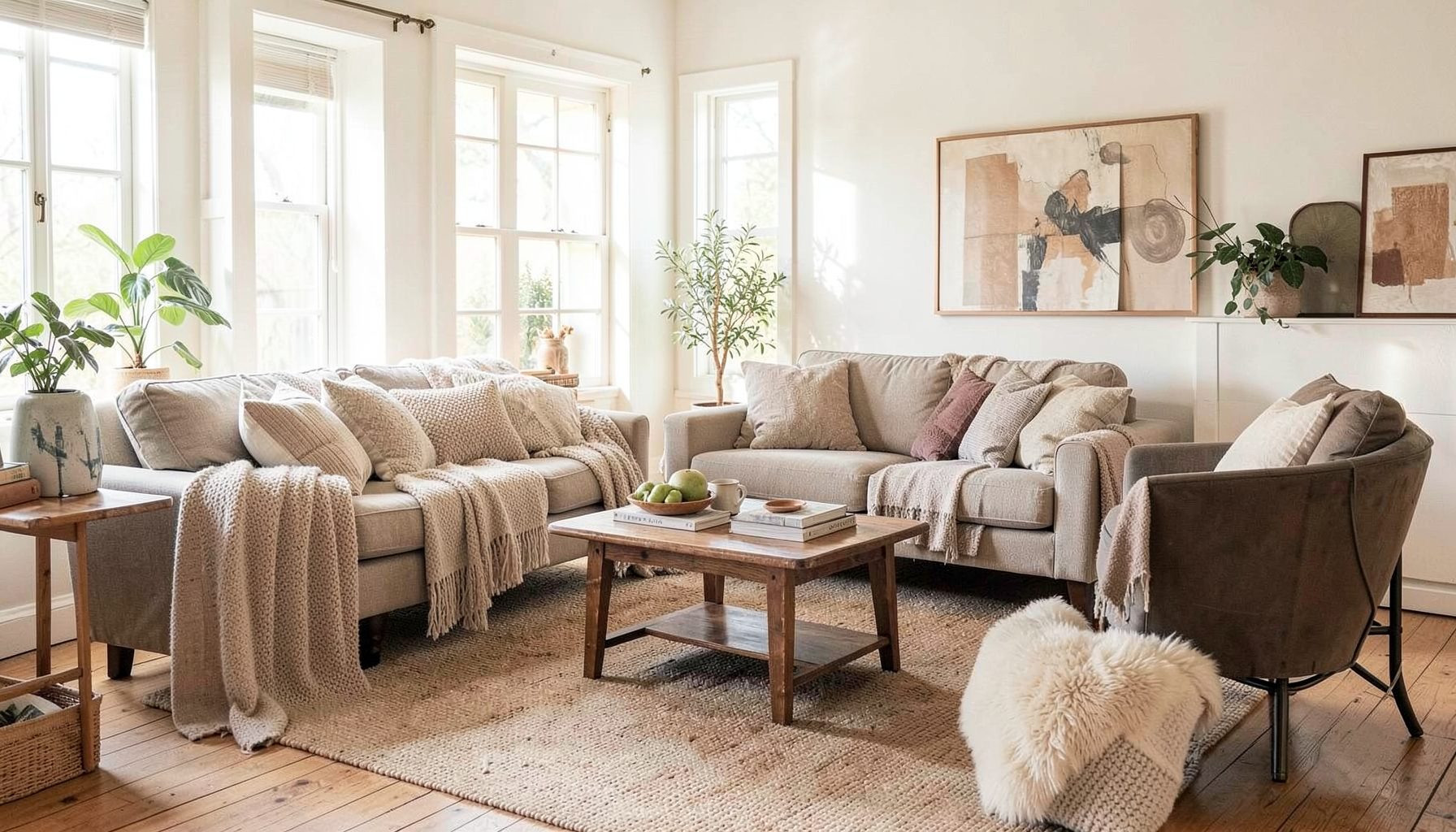
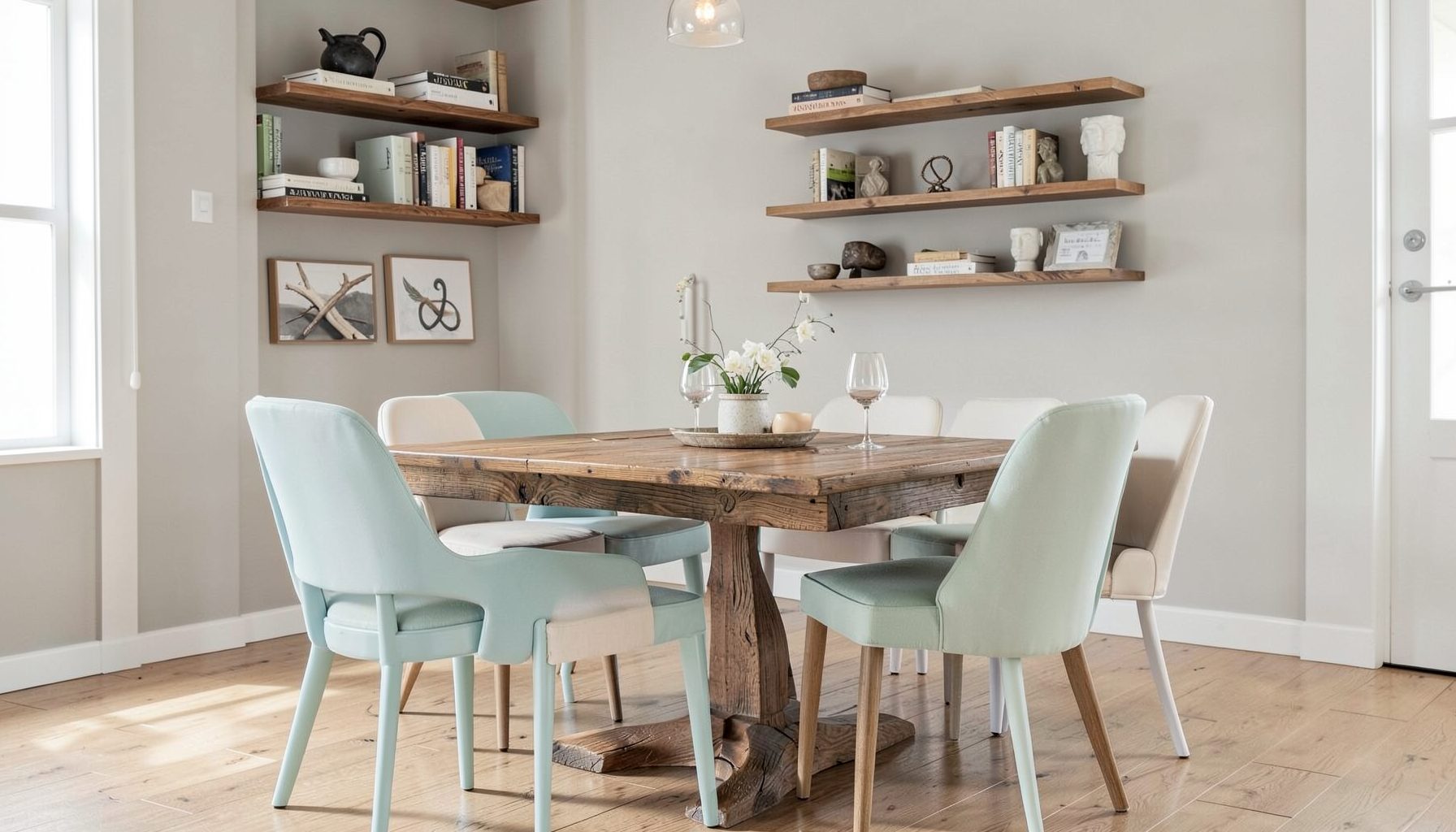
Full-service decorating that blends high and low, vintage finds with modern pieces for spaces that feel personal and collected.
Learn More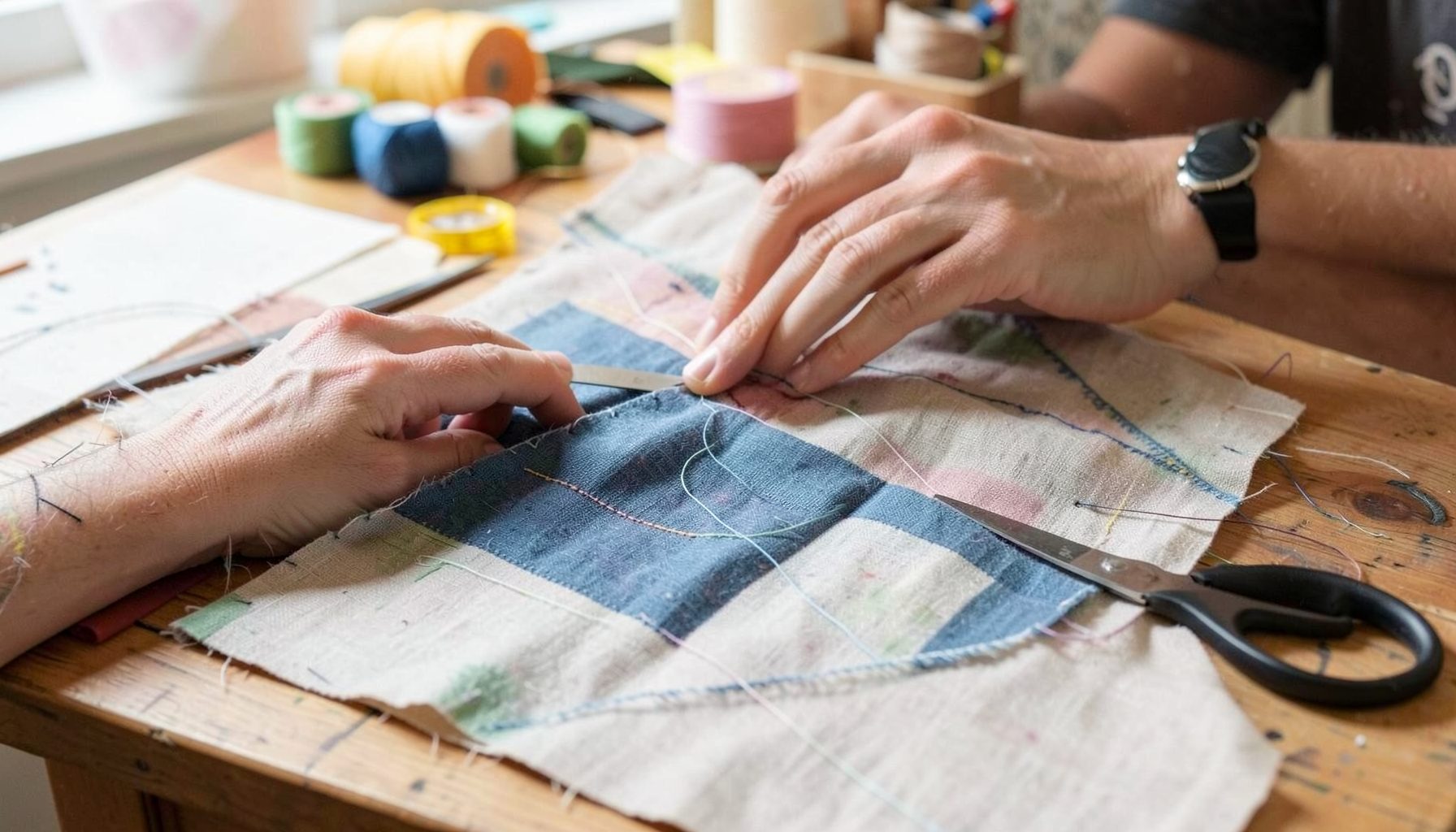
DIY Projects
Step-by-step tutorials for refinishing furniture, sewing pillows, styling bookshelves, and transforming rooms on a budget.
Learn More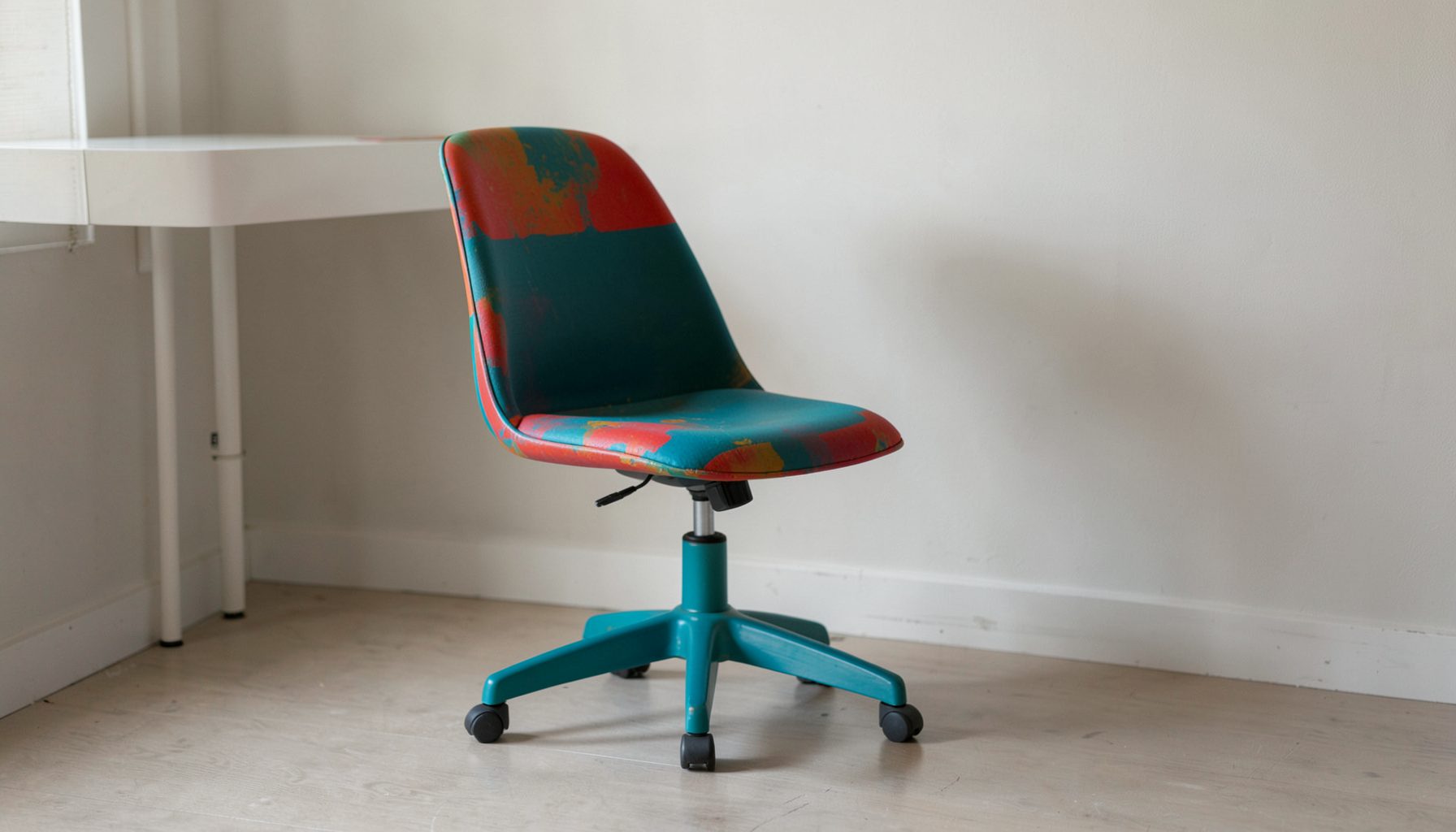
E-Decorating
Personalized design guidance delivered online — perfect for clients anywhere in the world who want a professional eye.
Learn More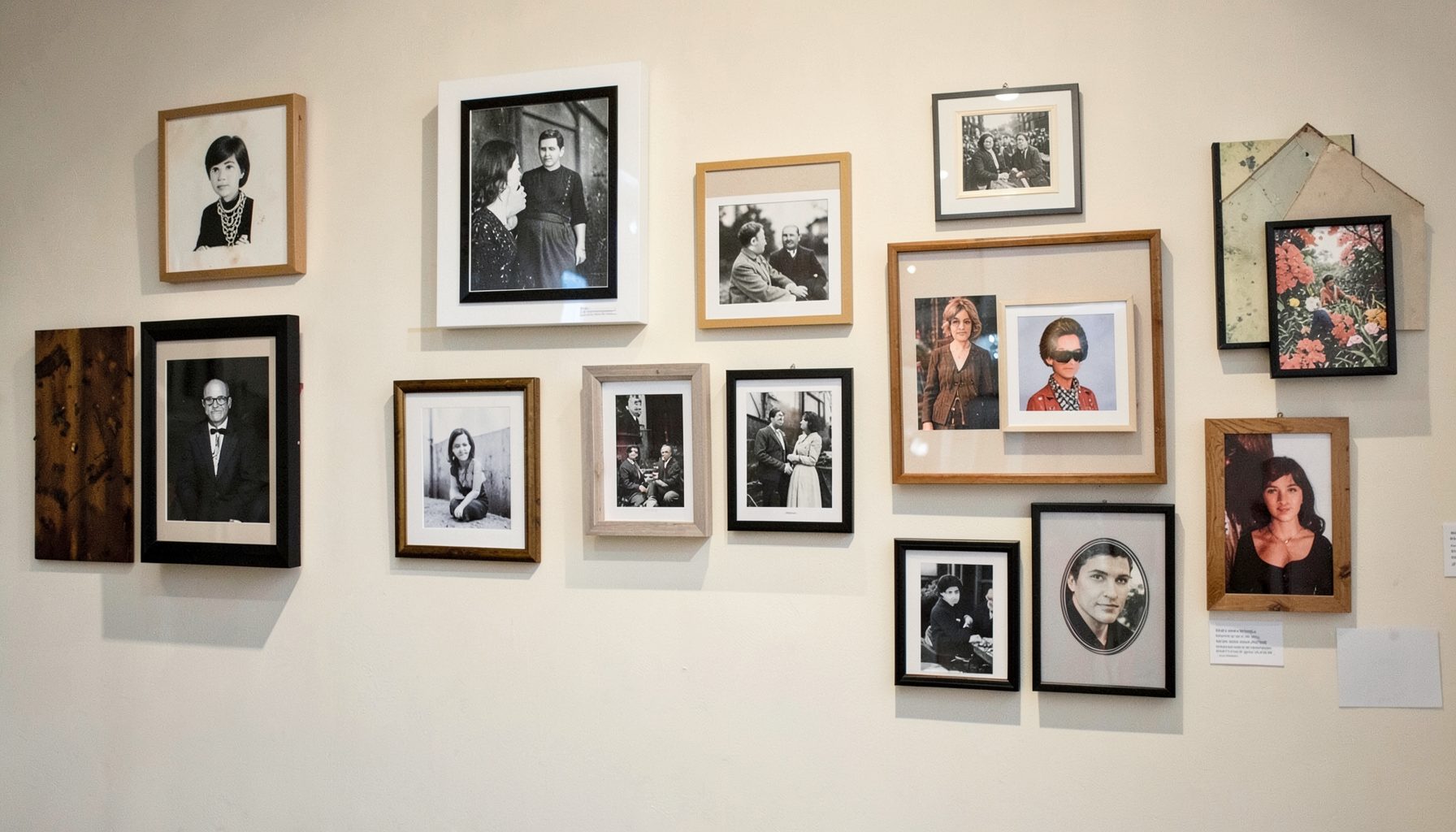
Portfolio
Browse completed room makeovers, before-and-after transformations, and styling projects from Bay Area homes.
Learn More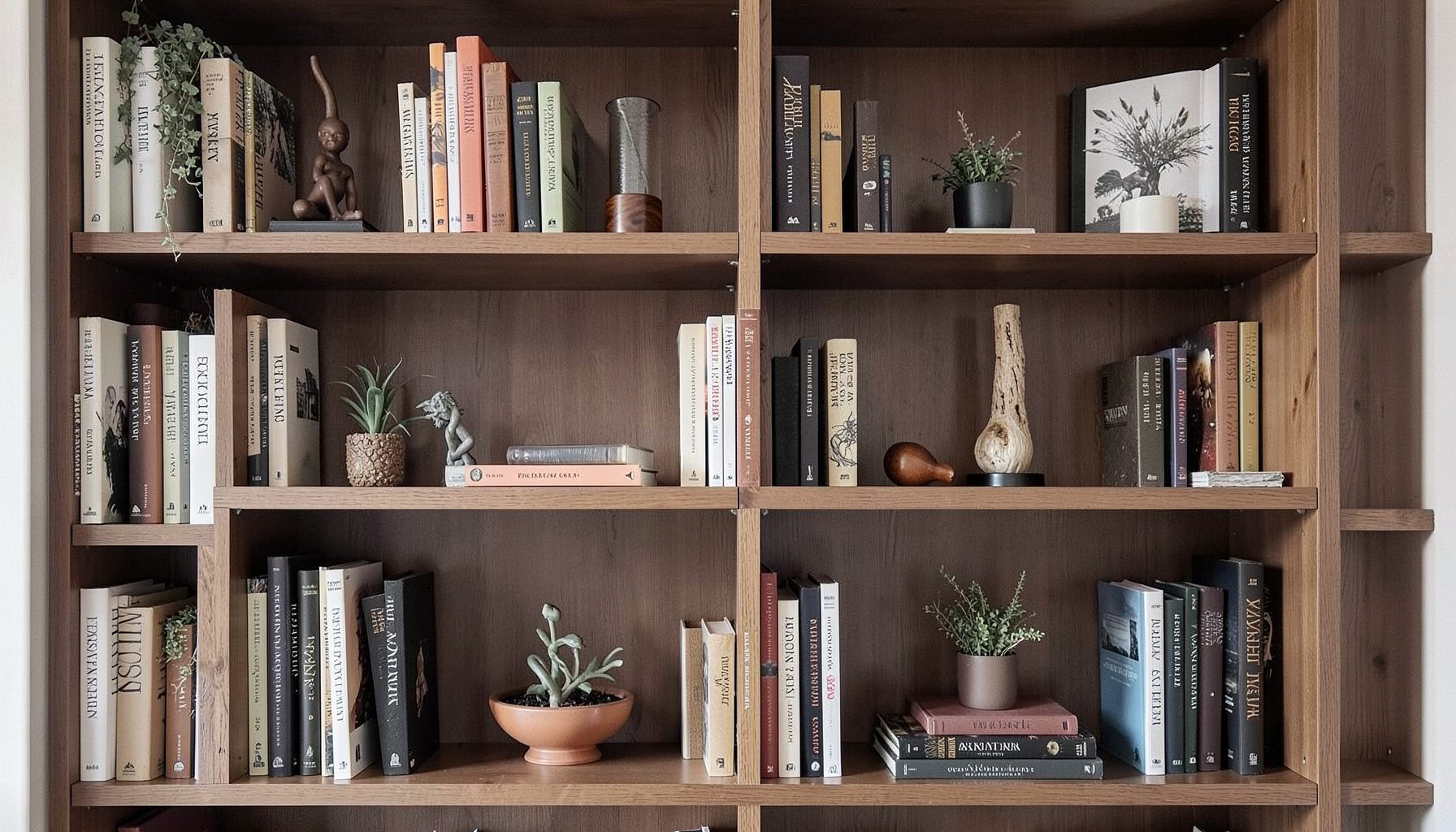
Blog
Interior design inspiration, fashion finds, entertaining ideas, and peeks into real home renovations and styling projects.
Learn More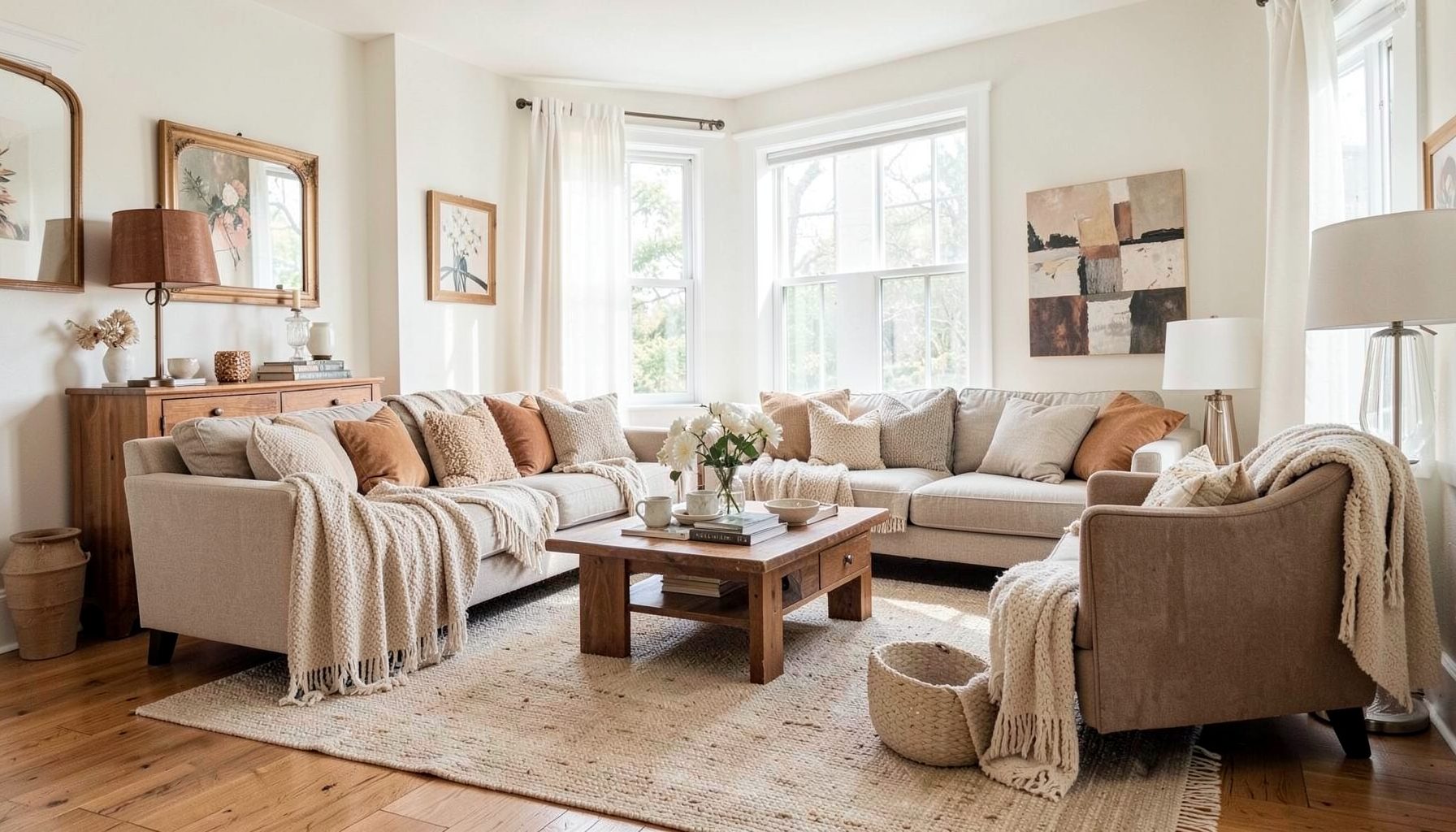
Downloads
Free curated resources for home decorating and design — guides, checklists, and inspiration to help you get started.
Learn MoreCreating a Collected Look Without Clutter
A collected interior feels as though it has evolved over time. It brings together vintage finds, contemporary furnishings, artwork, textiles, and personal objects in a way that feels relaxed rather than overly matched. The result has character, yet every piece appears to belong.
The challenge is knowing where to stop. Without a clear visual hierarchy, a room can shift from layered to crowded quickly. In Bay Area homes, where architecture ranges from historic San Francisco flats to open-plan San Jose interiors, the right balance depends on the room’s proportions, natural light, and the people who use it.
A thoughtful decorating process makes room for personality while preserving calm. The goal is not to fill every surface or follow a fixed style. It is to create a home with depth, contrast, and meaning, supported by enough breathing room for each detail to be appreciated.
Start With A Quiet Foundation
Collected rooms work best when the larger elements provide visual stability. Begin with wall color, flooring, window treatments, and the primary upholstery before bringing in smaller accessories. Soft whites, warm neutrals, muted greens, clay tones, and gentle blues can create a flexible backdrop for objects with stronger color or pattern.
This does not mean every foundation must be plain. A subtle grasscloth wallcovering, aged plaster finish, small-scale stripe, or softly patterned rug can add interest without competing with the room’s more distinctive pieces. The key is to establish one consistent visual language before adding layers.
Scale matters as much as color. A large sofa, substantial area rug, or generously sized artwork can anchor a room more effectively than a collection of small items. In a compact San Francisco living room, one appropriately scaled vintage cabinet may provide more presence and storage than several narrow accent tables.
Edit Before You Layer
A collected look begins with selection, not shopping. Remove everything from a surface, shelf, or corner and assess the space with fresh eyes. Keep objects that have personal significance, useful function, pleasing shape, or a clear relationship to the room. Items that are simply available often create visual noise.
Editing is especially important when combining inherited pieces with new furnishings. A family heirloom does not need to match the rest of the room, but it should have enough space around it to feel intentional. Grouping a few meaningful objects together is often more effective than distributing them evenly across every available surface.
Use repetition to create cohesion. Similar wood tones, recurring metals, related artwork colors, or a shared textile pattern can connect pieces from different periods. Repetition gives the eye a path through the room, while contrast keeps the composition from feeling predictable.
Create Layers With Purpose
Layering comes from varying height, texture, shape, and material. A console might hold a low ceramic bowl, a medium-sized lamp, and a taller framed artwork leaning against the wall. On a coffee table, a stack of books, a sculptural object, and a small organic element can create a simple arrangement with dimension.
Think in overlapping planes rather than isolated decorations. A rug establishes one layer, furniture creates another, and lighting, artwork, and accessories build upward from there. This approach makes a room feel finished without requiring a large number of possessions.
Texture is often more effective than additional color. Linen, velvet, cane, aged wood, woven fibers, ceramic, glass, and brushed metal each reflect light differently. Combining these materials can give a neutral room richness and warmth while keeping the palette restrained.
| Design Element | How It Adds Character | How To Keep It From Feeling Busy |
|---|---|---|
| Vintage furniture | Introduces history, patina, and individuality | Balance it with simple contemporary pieces |
| Patterned textiles | Adds color, softness, and visual rhythm | Repeat one or two colors instead of several unrelated prints |
| Open shelving | Displays books, art, and collected objects | Leave generous empty space between groupings |
| Gallery walls | Creates a personal focal point | Keep a consistent spacing or connecting color |
| Decorative accessories | Brings scale and finishing detail | Group items in odd numbers and edit regularly |
| Mixed metals | Adds subtle contrast and polish | Repeat each finish at least twice in the room |
Balance Vintage And Modern Pieces
The most convincing collected interiors rarely come from a single source or period. A streamlined sofa can make an antique side table feel fresh, while a traditional chest can soften a room filled with modern lines. This contrast creates tension and keeps the design from looking like a showroom set.
When mixing styles, look for a bridge between pieces. A vintage chair may connect to a modern rug through color. A contemporary lamp may echo the shape of a curved antique mirror. Similar proportions, materials, or undertones help unrelated furnishings feel considered.
Avoid turning every object into a statement. If a room contains a highly carved cabinet, dramatic lighting fixture, patterned rug, and large-scale artwork, the visual competition can become exhausting. Choose one or two focal points, then let supporting pieces reinforce them quietly.
Bay Area homes often benefit from this flexible approach. A Victorian detail, mid-century silhouette, California casual textile, and modern artwork can coexist when the composition respects scale and maintains a controlled palette.
Use Negative Space As A Design Tool
Empty space is an active part of a room’s design. Clear areas around furniture, artwork, and accessories allow the eye to pause. They also improve circulation, making a space feel more comfortable and functional.
On bookshelves, avoid filling every compartment. Arrange books in both vertical and horizontal stacks, then leave a few shelves partially open. A single vessel or framed photograph may have greater impact when it is surrounded by space than when it is placed within a dense display.
The same principle applies to walls. A small artwork can feel intentional when hung at the correct height with room around it. If a piece seems lost, increase its presence with a larger frame or pair it with one related work rather than covering the entire wall with small decorations.
Negative space is particularly valuable in open-plan homes. It helps distinguish the living, dining, and kitchen zones without adding physical barriers. A carefully placed rug, pendant, or artwork grouping can define an area while keeping the overall layout visually connected.
Make Everyday Objects Part Of The Story
A home feels personal when practical items are incorporated with care. Cutting boards, baskets, books, ceramics, blankets, and serving pieces can contribute to the room’s character instead of being hidden away. Useful objects often provide the most natural form of decoration because they reflect how the household actually lives.
Display objects in groups with a shared quality. A set of handmade pottery can sit on open shelving, while woven baskets can organize throws near a sofa. Books can introduce color and height, but they should be selected because they are read, loved, or visually relevant—not used as filler.
Create small moments of surprise. A sculptural branch in a simple vessel, a framed textile in a hallway, or a vintage tray on a bathroom vanity can make a familiar room feel more layered. These details should support the home’s atmosphere rather than compete for attention.
Regular maintenance keeps the arrangement from becoming cluttered. Rotate seasonal pieces, return frequently used objects to designated places, and reassess displays after living with them for a few weeks. A collected interior is allowed to change as the household changes.
Recommendations For A More Refined Mix
- Choose a restrained base palette, then introduce personality through art, textiles, and smaller furnishings.
- Pair one distinctive vintage piece with cleaner-lined furniture so the room feels balanced.
- Repeat colors, materials, or shapes across the space to connect pieces from different eras.
- Leave approximately 20 to 30 percent of shelves and display surfaces open whenever possible.
- Photograph a room from the doorway to spot areas where accessories or patterns are competing.
Let The Home Evolve Naturally
A collected interior should feel connected to its occupants, the architecture, and the surrounding landscape. In the Bay Area, that may mean pairing warm natural materials with abundant daylight, preserving original architectural details, or using relaxed textiles that support indoor-outdoor living. The design becomes more convincing when it responds to the setting instead of imposing a style on it.
Start with what you already own. Identify the pieces that carry memories, the colors that appear repeatedly in your wardrobe or artwork, and the materials that make the space feel comfortable. From there, add selectively: one substantial piece, one useful textile, or one meaningful object at a time.
Professional guidance can make the process easier when the room feels visually unsettled or the existing pieces seem difficult to combine. Maggie Rose Interiors helps clients in San Jose, San Francisco, and beyond develop layered, personalized spaces through full-service interior decorating, room makeovers, styling, and online e-decorating.
Bring your favorite pieces, architectural details, and everyday routines into the design process. Explore the Maggie Rose Interiors portfolio and decorating resources, then begin shaping a home that feels collected, comfortable, and distinctly yours.

Recent Projects